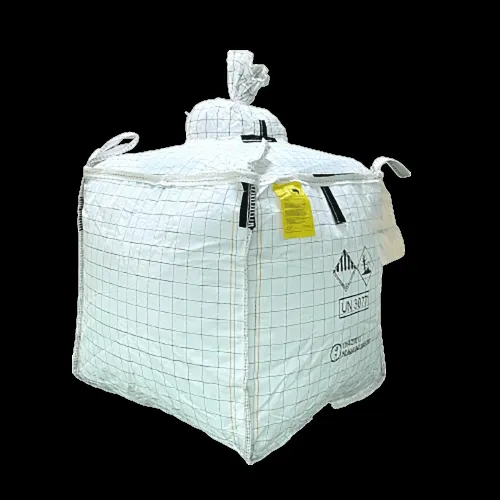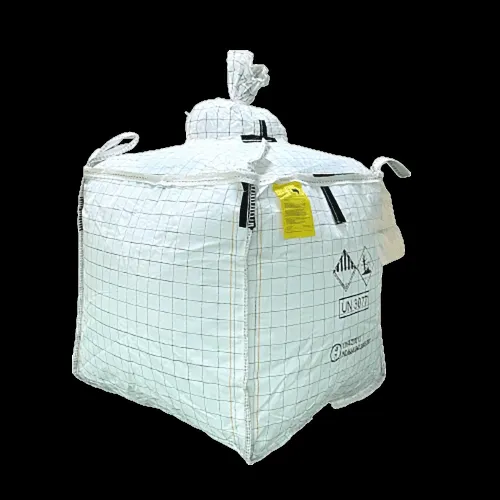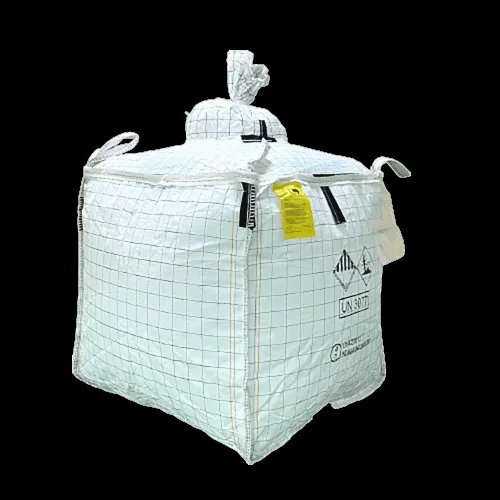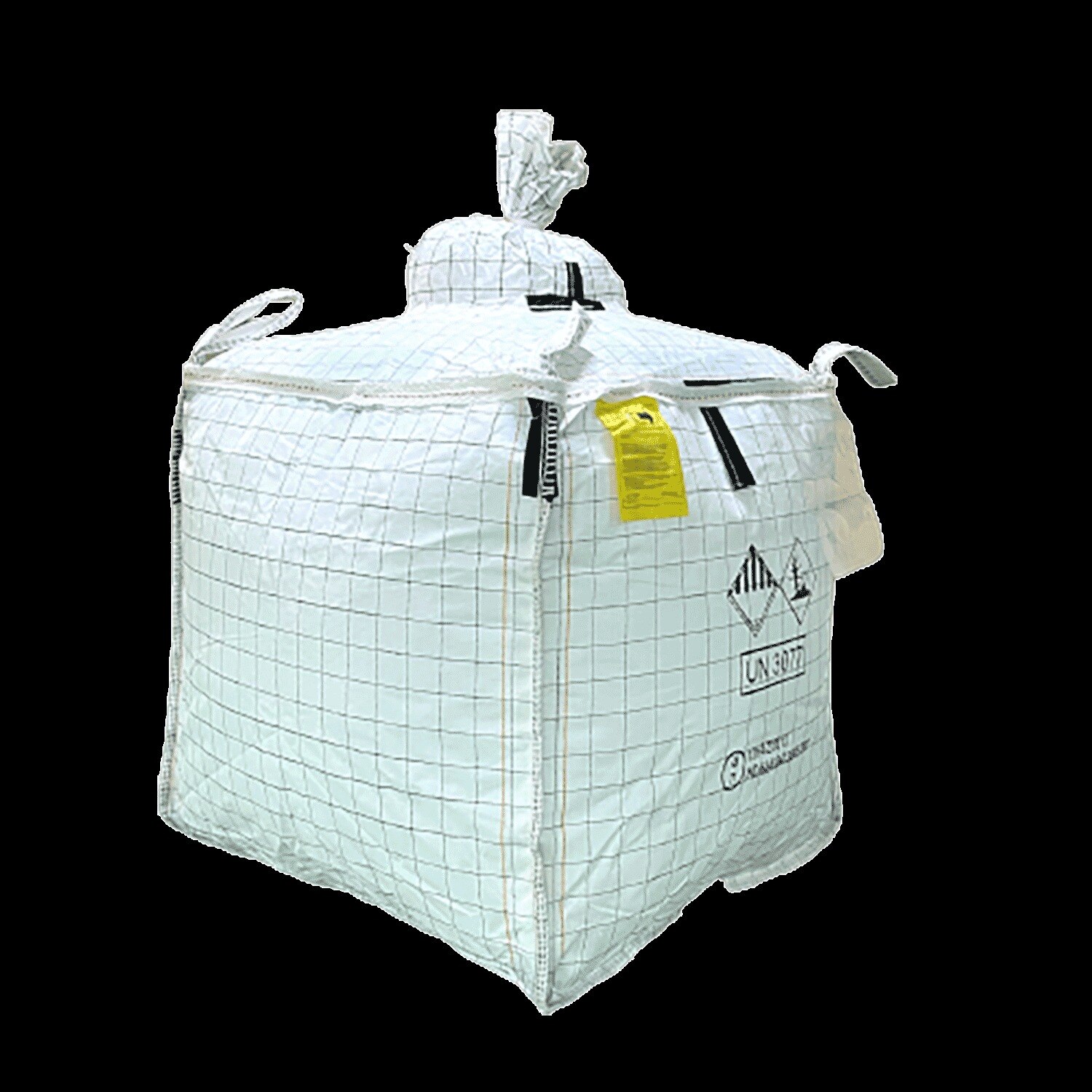
A one-cubic-metre FIBC does not have one standard carrying capacity: the correct choice depends on bulk density, flow behaviour, moisture, temperature, filling equipment, discharge method and hazard classification. By the end, you will know how to specify the bag, verify its lifting and electrostatic controls, prepare it for Duqm storage or transport, and compare its real cost with alternative packaging.
Key takeaways
- Calculate filled mass from bulk density × volume before choosing an FIBC.
- Keep the filled load below the bag’s stated safe working load.
- Specify openings, dimensions, lifting loops and construction for your material.
- Compare handling, inspection, storage and transport costs—not bag price alone.
Match the FIBC to the material and filled load
Choose the FIBC from the product’s behaviour and filled mass, not from nominal volume alone. Calculate the load from bulk density × filled volume, then compare that result with the manufacturer’s stated safe working load (SWL). A 1 m³ bag holding a light polymer pellet load is not equivalent to one holding dense mineral powder.
| Product condition | FIBC selection | Risk if mismatched |
|---|---|---|
| Fine, dusty powder | Coated fabric or compatible liner; confirm filling and discharge equipment | Leakage, contamination or difficult flow |
| Moisture-sensitive product | Liner with verified moisture barrier and compatible material | Caking or product degradation |
| Free-flowing granules | Standard woven polypropylene may be suitable; confirm outlet control | Uncontrolled discharge or bridging |
| Cohesive powder | Discharge design matched to flow behaviour; test before large-scale use | Residue, blockage or incomplete emptying |
| Electrostatic or combustible dust | Select the required FIBC type, liner and grounding arrangement as one system | Ignition, shock or unsafe dust release |
| Hot or chemically active product | Check fabric, coating and liner temperature and chemical limits | Softening, embrittlement or liner failure |
Give the supplier the product name, particle size, bulk density range, moisture content, temperature at filling, hazard classification, filling method and discharge method. The rated SWL is not a stacking limit: confirm the filled, settled shape, lower-bag compression, floor capacity and lifting configuration before stacking or transport.
Industrial FIBC bags that pass the weight check can still fail if the material bulges, shifts or attacks the fabric.
Specify the bag dimensions, openings and construction
Use the filled, settled FIBC dimensions, not the empty dimensions, when checking a warehouse bay, truck body or container. Include bulging, top-loop height, forklift clearance, air circulation and shifting during sea transport; over-tight loading can crush seams and discharge spouts.
| Option | Technical choice | When it applies |
|---|---|---|
| Standard woven polypropylene | Uncoated fabric for dry, stable products | Use when moisture, dust and electrostatic controls do not require added barriers |
| Coated or lined construction | Coating limits moisture passage; a liner adds a separate product-contact layer | Choose for moisture-sensitive, fine or contaminated products, and confirm the liner fits without obstructing the spouts |
| Top filling inlet | Open, duffle, conical or closable spout inlet | Match the inlet diameter and closure to your filling hose, dust extraction and fill rate |
| Bottom discharge outlet | Plain, conical, iris-closure or full-bottom outlet | Match the outlet to the receiving hopper; an incompatible spout causes bridging, dust release or slow discharge |
| One-, two- or four-loop configuration | Lifting points suit a sling, forklift frame or automated hook system | Select the loop configuration that keeps the filled bag upright without side-loading seams |
Ask the supplier to state the FIBC dimensions, inlet and outlet diameters, fabric coating, liner fit, loop configuration and safe working load (SWL) on the specification sheet. A one-cubic-metre bag does not carry a fixed weight: bulk density determines the filled load, while the SWL sets the limit.
For repeated handling, request the test basis and written reuse approval. A 5:1 safety factor suits single-trip designs and 6:1 suits repeated handling, but 6:1 alone does not make a bag reusable. For Type C construction, assess the conductive liner, fabric, loops and grounding point as one system.
Control lifting, dust and dangerous-goods risks
A filled bag is safe to move only when its safe working load, lifting method, electrostatic classification and legal status match the actual contents. A sound-looking bag can fail if its loops are overloaded, its grounding point is ineffective, or its UN marking does not cover the substance.
1. Confirm the lifting rating before attachment. Check the safe working load, fill weight, loop arrangement and lifting instructions against the bag’s FIBC safety factor: 5:1 identifies single-trip bags, while 6:1 is intended for repeated handling. A 6:1 rating does not authorise reuse without inspection, cleaning, service history and the manufacturer’s written approval.
Keep forks, hooks and slings centred, lift vertically, and never allow anyone beneath a suspended load.
2. Match electrostatic controls to the dust and ignition risk.
Type A FIBC uses insulating fabric without controlled dissipation; Type B limits surface-discharge energy but is not grounded; Type C FIBC requires a grounding connection before filling and throughout filling, relevant storage and discharge; Type D FIBC dissipates charge under its specified conditions without a separate ground.
Verify that the Type C connection is clean, unpainted, corrosion-free and mechanically secure. Bond equipment, control dust release and remove ignition sources.
3. Confirm the paperwork before dispatch. ISO 21898 covers non-dangerous goods, not regulated dangerous goods. For dangerous goods, check the substance, packing group, transport mode, approved design, packing instruction and UN packaging code on the bag; adding a liner or UN symbol does not create certification.
Inspect, store and transport bags safely in Duqm
Begin with FIBC inspection at delivery, before unloading or accepting the shipment. Check the fabric, seams, lifting loops, corner welds, filling and discharge spouts, liner, labels and pallets for cuts, abrasion, dampness, contamination, broken stitching or distortion.
- Record the batch or identification number and photograph damage.
- Quarantine bags with exposed fibres, failed seams, wet product contact or damaged loops.
- Confirm the stated SWL, safety factor, filling instructions and reuse approval against the purchase specification.
- Do not treat a 6:1 rating as proof that a bag is reusable; repeated use requires inspection, cleaning, service history, suitable lifting hardware and written manufacturer approval.
During warehouse storage, keep bags under cover on a clean, dry floor or pallet, away from rain, condensation, oil, sharp edges, rodents and direct sunlight. UV exposure weakens polypropylene, so use opaque covers that do not trap moisture.
Stack only to a documented height based on filled shape, settlement, floor capacity, compression performance and the consequences of a lower bag failing.
Load vehicles using settled, filled dimensions, not empty measurements. Leave room for loops, spouts, bulging, forklift access and shifting; compression against walls or neighbouring bags can split seams. Use restraints that prevent sliding and tipping without crushing the bags, then recheck them after initial road movement and during Duqm port handling.
For sea transport, protect bags from spray and condensation, separate them from sharp cargo and secure the load for vessel vibration. Ground a Type C FIBC before filling and maintain the connection through storage and discharge; paint, corrosion or a loose clamp can defeat protection.
Verify lifting, drop, topple, stacking and repeated-cycle test evidence for the intended handling.
Compare the full handling cost before you place an order
An FIBC quotation is incomplete until it shows the cost of a filled bag at your Duqm site, not only the empty-bag price. Use this FIBC quotation checklist:
- Request SWL, safety factor, settled filled dimensions, loop configuration, inlet and discharge details, liner price, and bag weight.
- Ask for freight, port handling, unloading, pallet or slip-sheet requirements, storage limits, and disposal charges.
- Confirm whether testing covers ISO 21898, and request UN certification when the contents are regulated dangerous goods.
- Compare a 5:1 single-trip FIBC with a 6:1 reusable FIBC, but demand written reuse approval, inspection criteria, cleaning method, and service-life limit.
- Price product loss from dust, moisture damage, rejected loads, and the labour needed to fill, lift, discharge, clean, or return each package.
| Option | Choose it when | Cost or risk to check |
|---|---|---|
| FIBC | You move dry bulk in roughly 500–2,000 kg lots with forklift or frame handling | Liner, dust control, lifting equipment, and disposal |
| Drums or tin containers | You need rigid protection, oxygen or light control, puncture resistance, or small units | More handling, storage space, and tare weight |
| Woven sacks on wrapped pallets | You need retail-sized units or manual dispensing | Bagging labour, pallet purchase, wrap, and damaged outer sacks |
| Bulk tanker | You ship repeated, compatible dry-bulk loads between equipped sites | Dedicated silos, tanker access, cleaning, minimum loads, and contamination risk |
Deccan Cans & Printers Pvt. Ltd. can be compared on this basis rather than by capacity alone: match its quoted construction to your actual handling route, not to an empty-bag catalogue dimension.
Related products
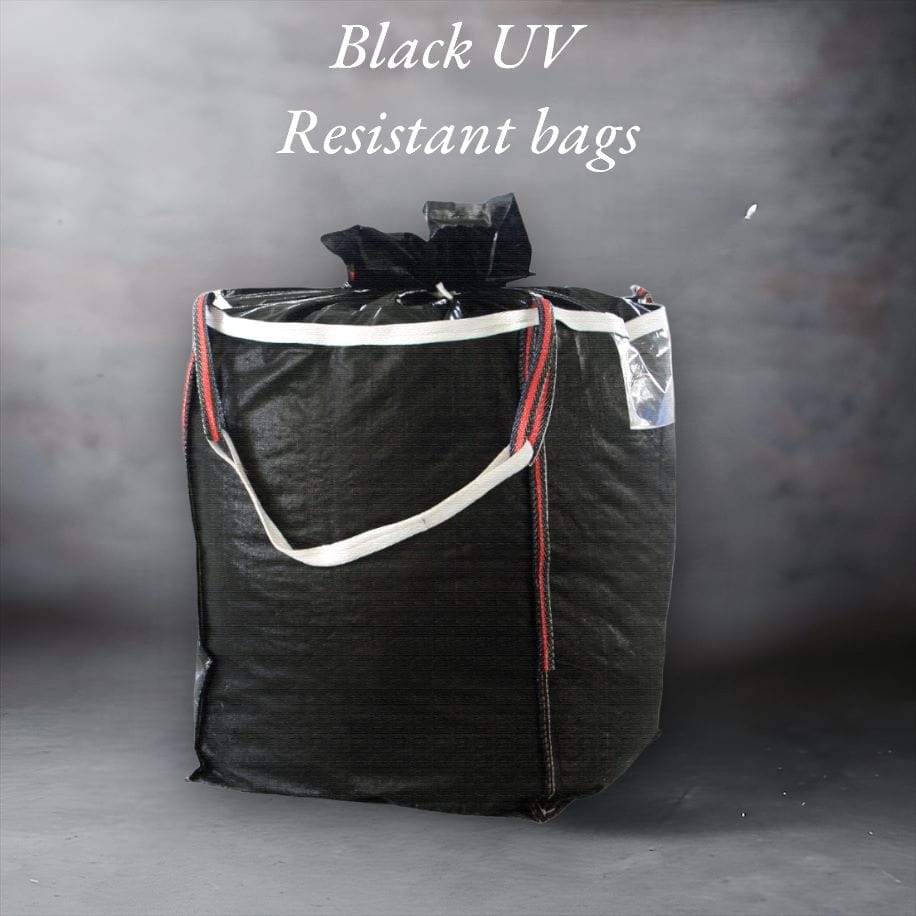 | FIBC Section Black Bags Black FIBC Bags – Enhanced UV Resistance & Extended Shelf Life UV exposure is one of the major challenges faced by the FIBC industry, as prolonged... |
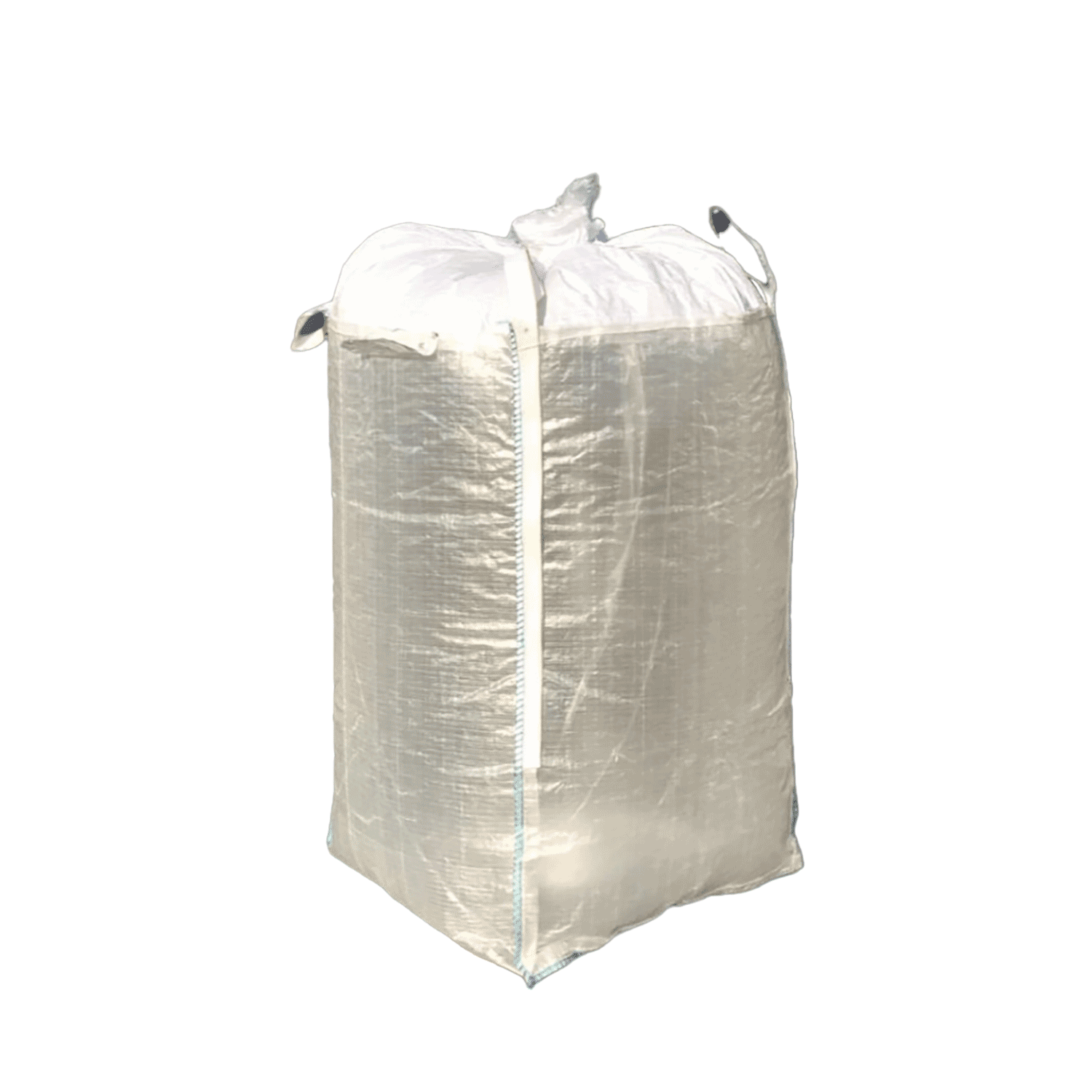 | FIBC Section Transparent Bags Transparent FIBCs – See-Through Bulk Bags Deccan Cans & Printers Pvt. Ltd. |
Frequently asked questions
How do you match an FIBC to its contents and filled load?
Calculate filled mass by multiplying bulk density by filled volume, then compare the result with the manufacturer’s stated safe working load. Consider whether the material is powder, pellets, abrasive, moisture-sensitive or prone to dusting.
What FIBC specifications should you confirm before ordering?
Confirm the bag dimensions, rated capacity, filling and discharge openings, lifting-loop arrangement, liner requirements, fabric construction and any required sift-proof or dust-control features.
How can you control lifting, dust and dangerous-goods risks?
Use lifting equipment compatible with the bag’s loop design, keep personnel clear of suspended loads, control dust at filling and discharge points, and obtain the required dangerous-goods documentation before handling regulated materials.
How should you inspect, store and transport FIBC bags in Duqm?
Inspect fabric, seams, loops, liner, openings and labels before use. Store bags dry and protected from sunlight, contamination, moisture and damage, then secure them against shifting during transport.
What costs should you compare before placing an FIBC order?
Compare the purchase price with filling and discharge equipment, liners, dust controls, inspection, storage space, lifting, transport, disposal and any special documentation or handling requirements.
Related products
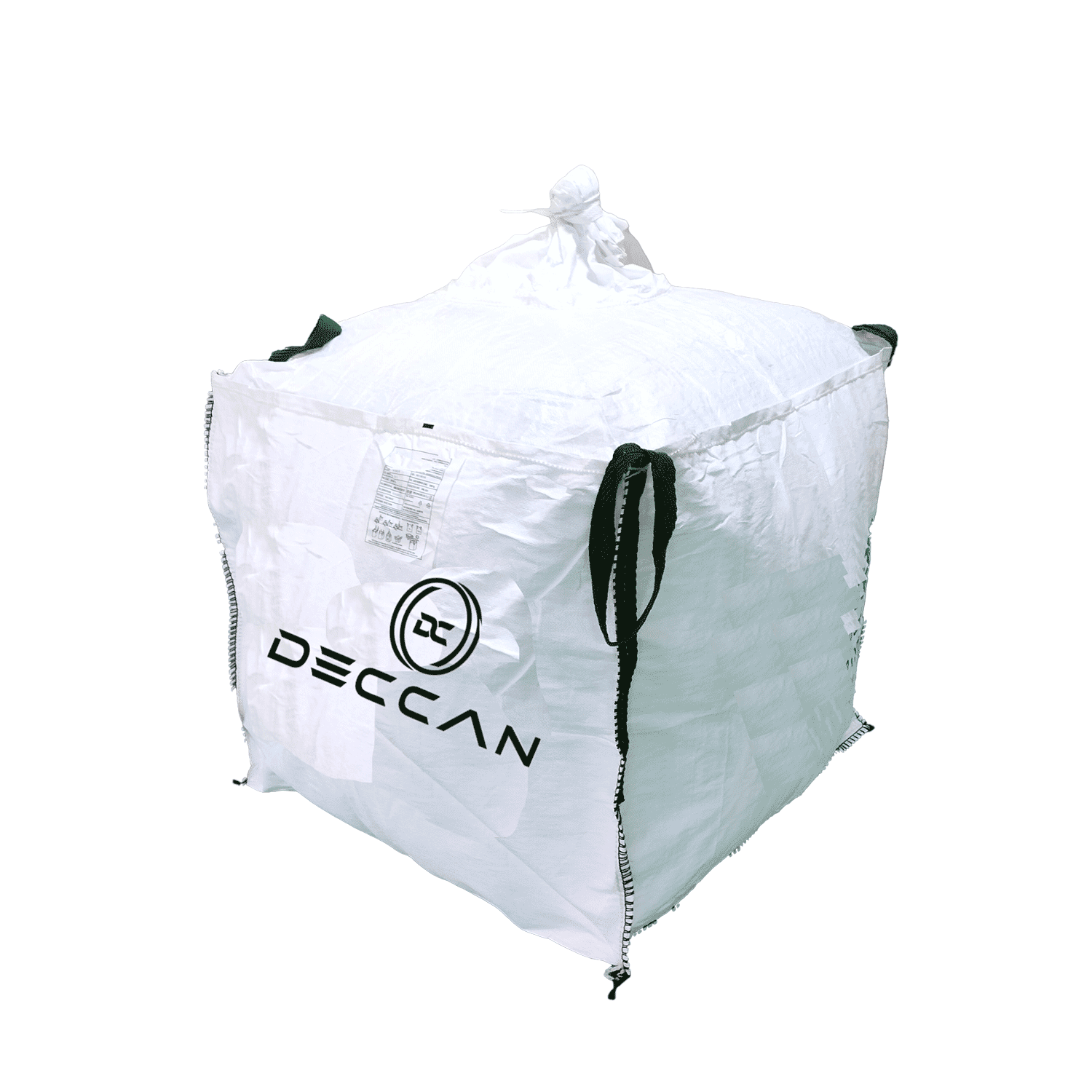 | FIBC Section Polyester Loop Bags/Multifilament Loops Polyester / Multifilament Loop FIBC Bags Deccan Cans & Printers Pvt. Ltd. |
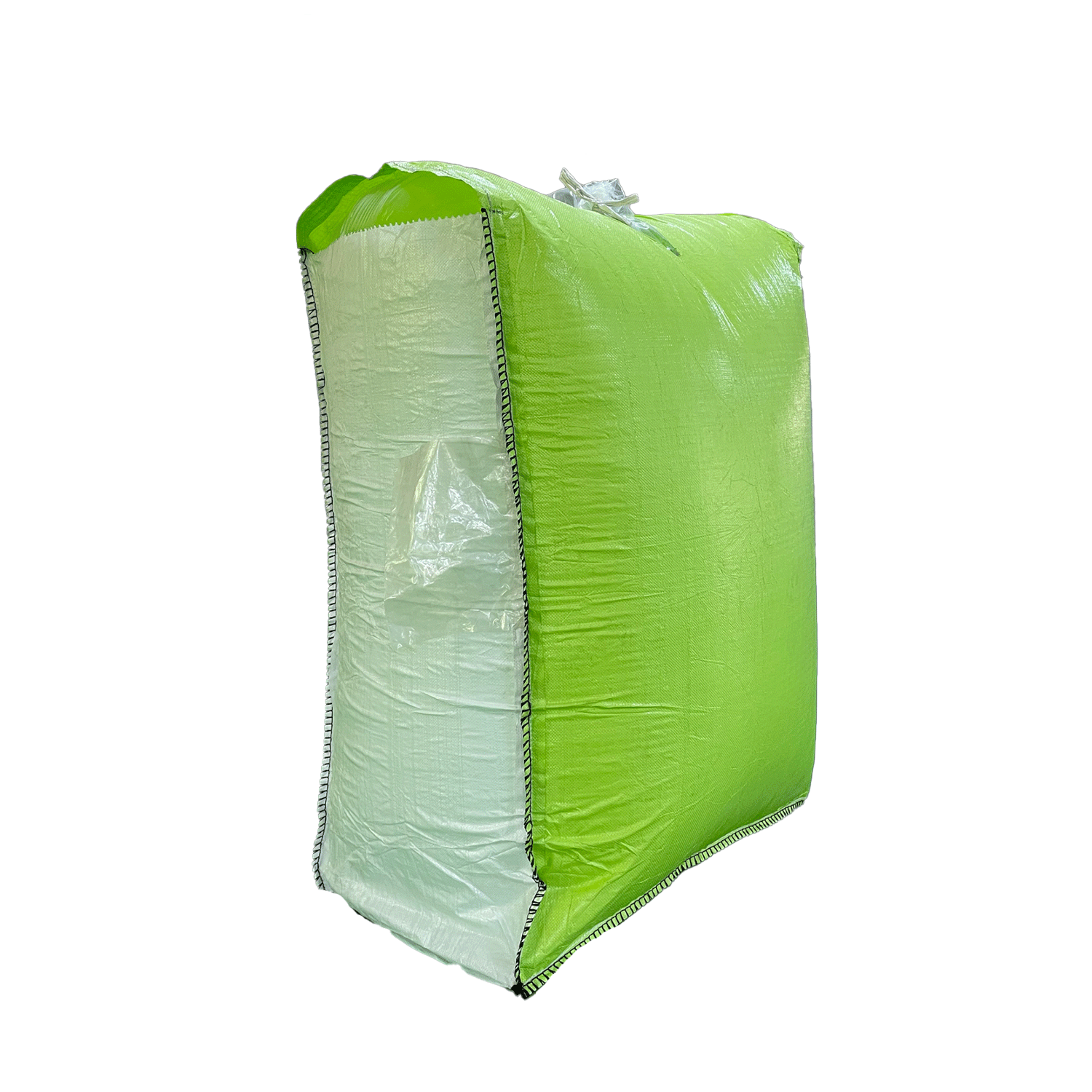 | FIBC Section Fertilizer Bag Range 1 & 2 Loop FIBC Bulk Bags Deccan Cans & Printers Pvt. Ltd. offers durable and cost-effective 1 & 2 Loop FIBC Bulk Bags, designed for the efficient... |
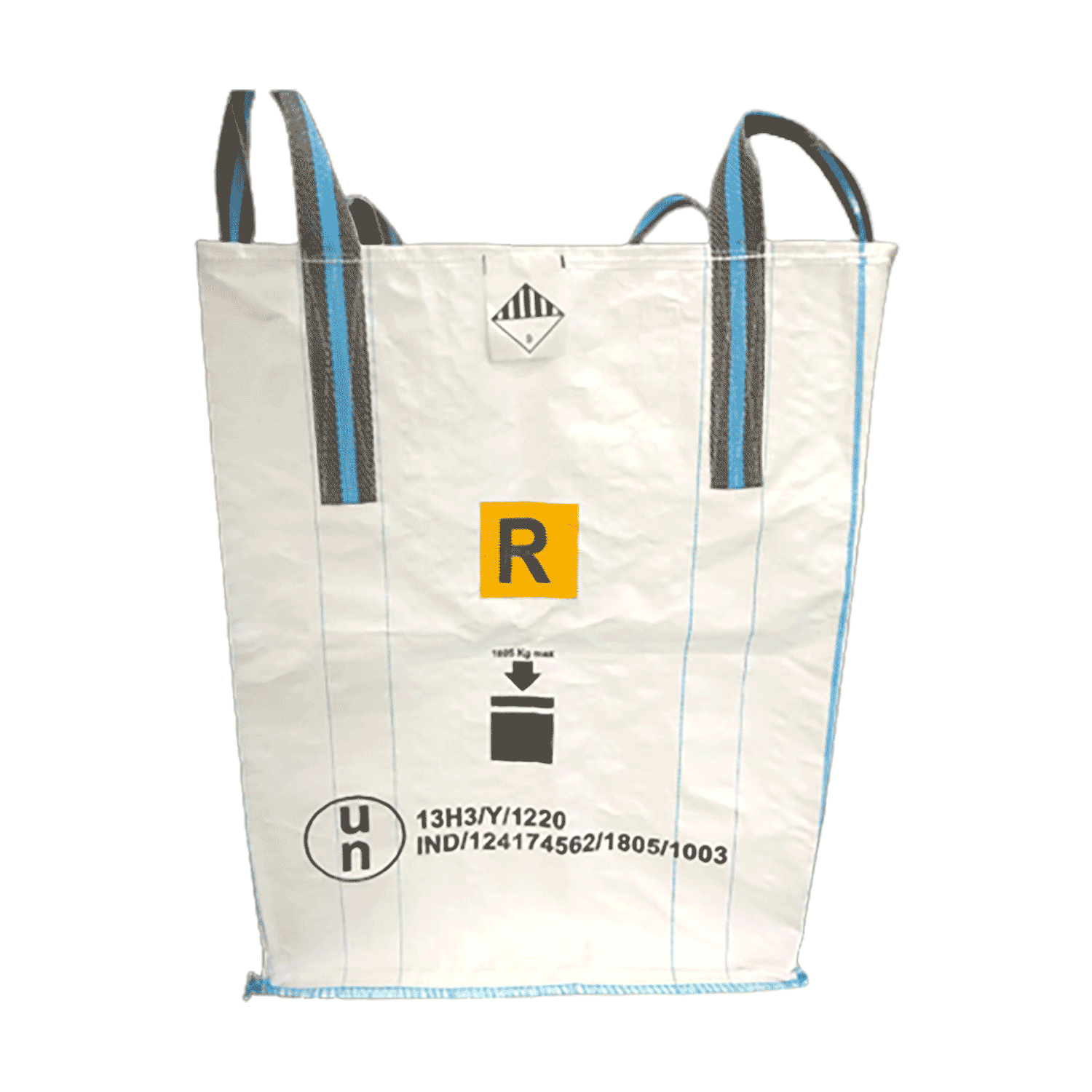 | FIBC Section Un Bags UN Certified Bulk Bags – Rigorous Performance Testing for Safety & Reliability Deccan UN Certified Bulk Bags are specially engineered for the safe... |
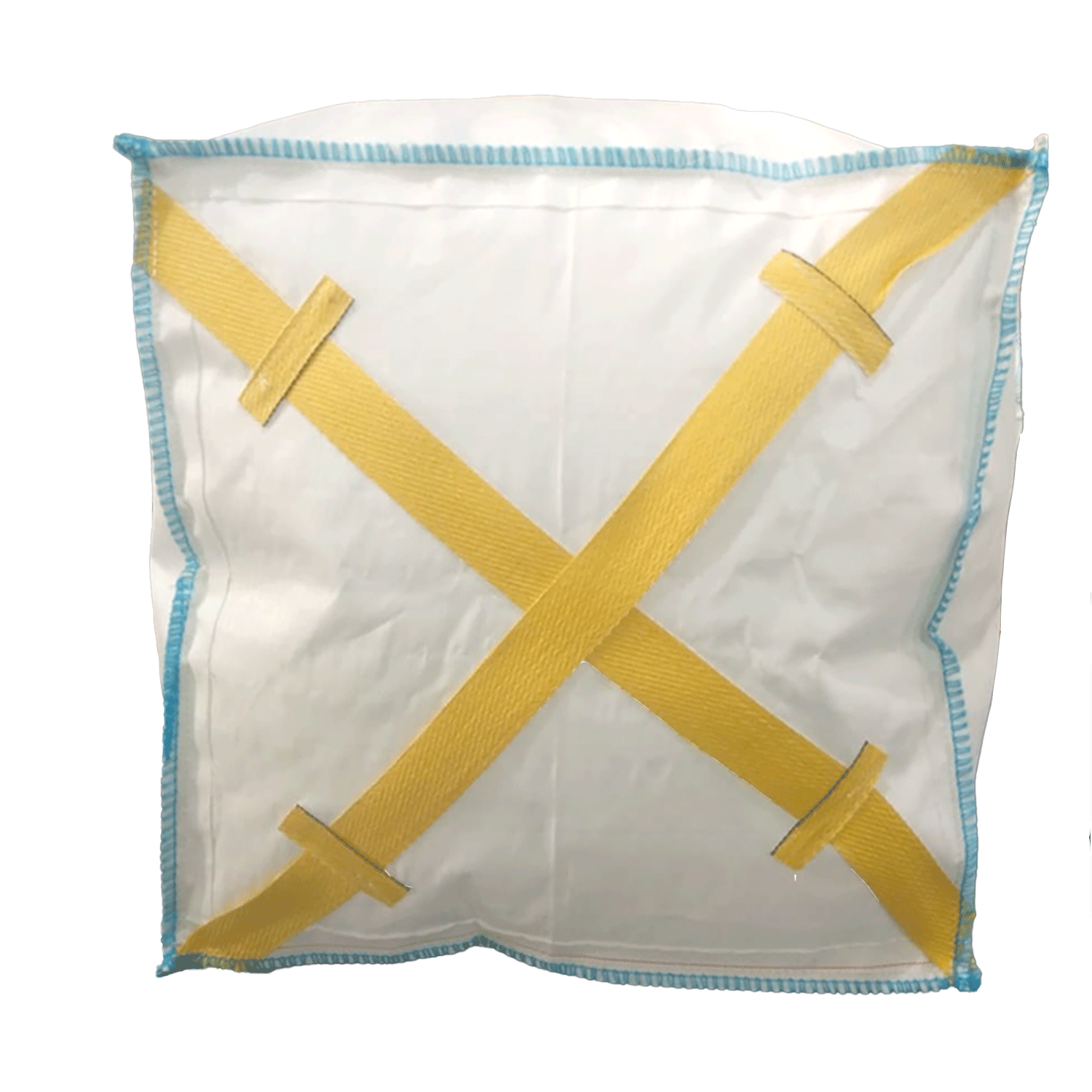 | FIBC Section Cross Bottom Sling Bags Cross Bottom Sling FIBCs – Bulk Bags Deccan Cans & Printers Pvt. Ltd. |