Choosing a custom FIBC starts with the product hazard, filling and discharge equipment, lifting method, and Finnish operating conditions—not with a nominal “one-ton bag.” By the end, you will have a practical specification for the bag type, construction, dimensions, testing, documentation, and site controls your operation requires.
Key takeaways
- Match the FIBC type to your product’s hazard, powder grade, and handling process.
- Use liners for fine powders, moisture-sensitive goods, odour control, or material separation.
- Specify safe working load, dimensions, lifting loops, closure, and filling method before ordering.
- State electrostatic classification and dangerous-goods requirements in the purchase specification.
Choose the FIBC Type from the Product and Process Hazard
A standard FIBC suits dry granules and non-hazardous powders when ordinary containment is enough. Add a liner for fine powders, moisture-sensitive goods, odour control, or products that must not contact polypropylene. Select food-contact materials and hygienic construction for food materials; confirm the required declaration and cleaning controls.
| Option | Suitable for | Critical decision |
|---|---|---|
| standard FIBC | Dry granules and non-hazardous powders | Specify ISO 21898, SWL, dimensions, filling and discharge design |
| Liner bag | Fine powders, hygroscopic goods and moisture-sensitive materials | Match polyethylene or polypropylene liner thickness, fit and closure to the product |
| Food-grade FIBC | Flour, starch, ingredients and other food materials | Require food-contact documentation, clean manufacture and traceability |
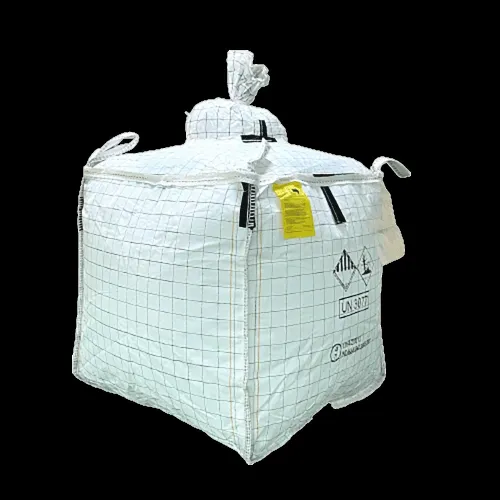
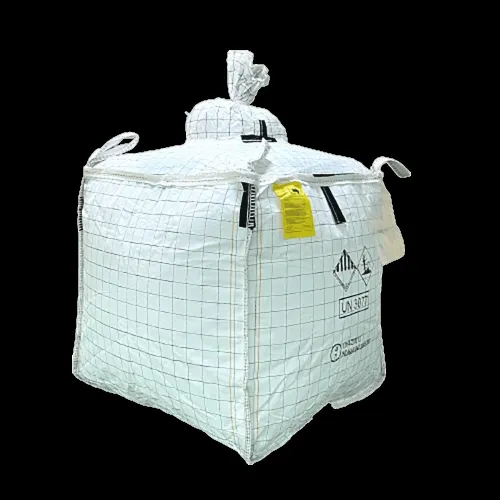
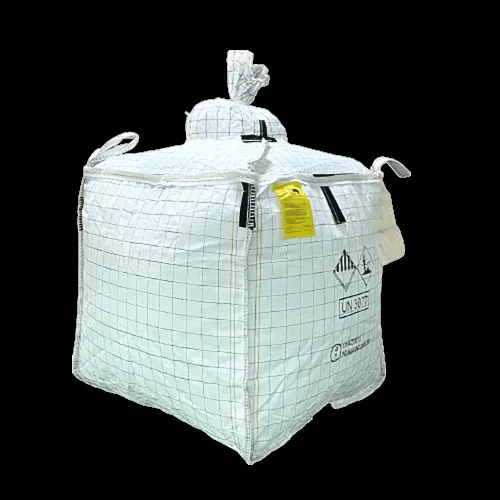
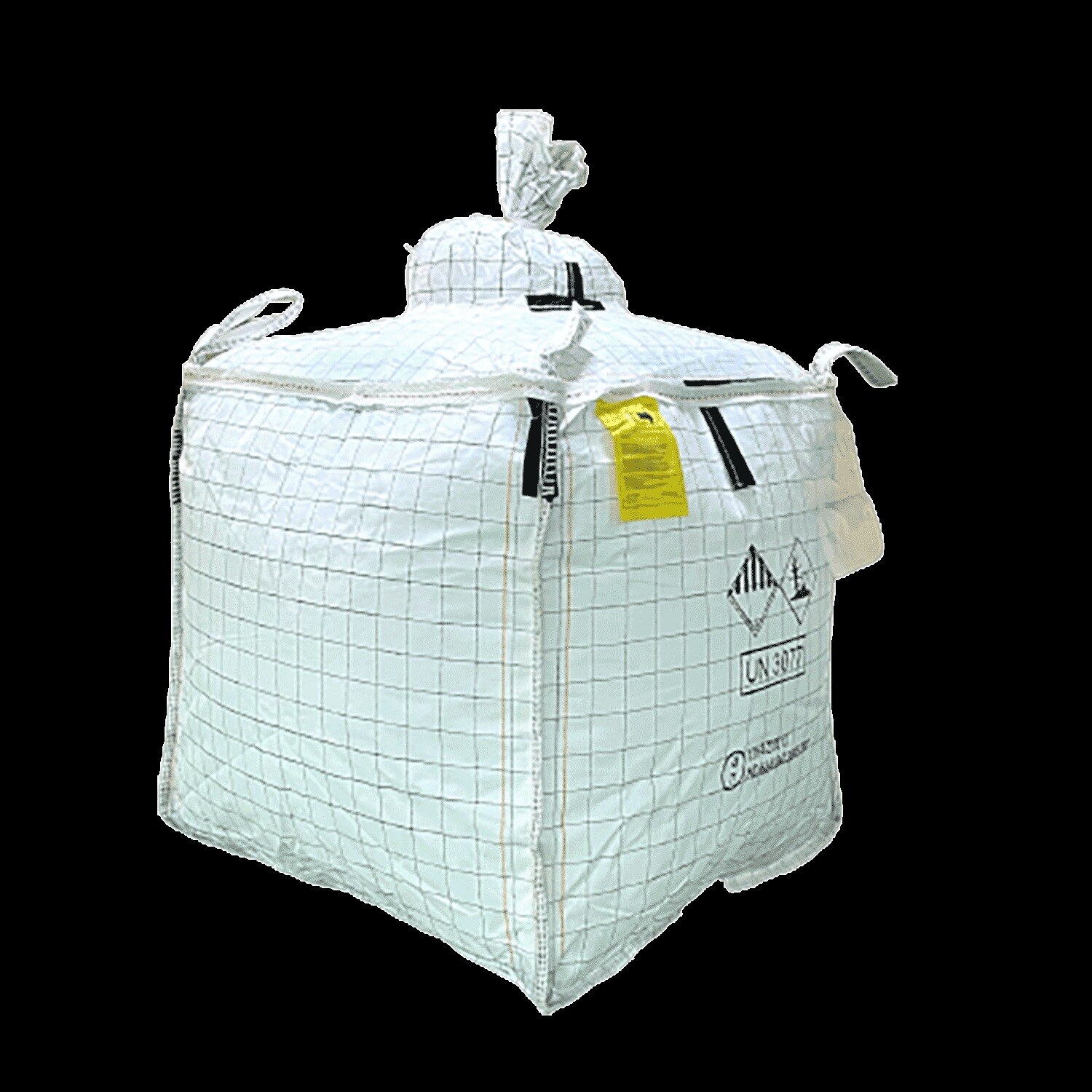
| UN-certified FIBC | Applicable dangerous solids | Check the UN design type and tested fabric, liner, seams, dimensions and lifting arrangement |
| Conductive FIBC, Type C | Combustible dust or solvent-related ignition hazards | Ground the bag during filling and emptying; test the complete grounding path |
| Type D or other antistatic FIBC bags in Finland | Combustible-dust processes where the hazard assessment permits them | Select against IEC 61340-4-4 and the site’s ignition controls, never from the word “antistatic” alone |
For combustible powders, assess dust-explosion risk and electrostatic ignition together. Coordinate the choice with ATEX zoning, minimum ignition energy, filling velocity, conveying equipment and bonding procedures. A missing earth lead, damaged conductive yarn, contamination or incompatible liner can make a Type C FIBC unsafe; state the grounding arrangement and acceptance test in the purchase specification.
Compare Fabric, Liner, Seams, Loops, and Closures
Start with the product’s flow, moisture sensitivity, and handling forces. Polypropylene FIBC fabric provides the structural body, but coating, liner fit, seam construction, loops, and closures determine whether the bag contains fine powder, survives lifting, fills quickly, and empties cleanly.
| Option | Construction choice | Operational effect |
|---|---|---|
| Uncoated fabric | Air-permeable woven polypropylene | Suits dry granules and faster filling; fine powder can sift through the weave. |
| Coated versus uncoated FIBC | Polypropylene fabric with a sealed film coating versus plain weave | Coating improves moisture and dust containment but can slow air release during filling and trap residual product. |
| FIBC liner materials | Polyethylene or polypropylene liner, loose, integrated, or form-fit | Improves moisture and contamination protection; an undersized liner can tear, collapse over the outlet, or obstruct discharge. |
| Seams | Sewn, hemmed, or welded construction; specify seam construction for bulk bags | Double-chain or reinforced seams improve load retention. Poor thread tension creates leaks or splits at the corners. |
| Loops | Four corner loops, cross-corner loops, sleeve loops, or lifting straps | Match loop position and length to your forklift hooks or frame. Uneven lifting twists the bag and overstresses seams. |
| Closures | Open top, duffle top, spout, tie closure, or iris outlet | A wide filling opening increases loading speed; a fitted discharge spout controls dust and flow. |
For UN transport, changing the fabric, liner, seams, dimensions, or lifting arrangement can invalidate the tested design. Ask for the exact approved construction, such as 13H1, 13H2, 13H3, or 13H4, rather than accepting a generic UN claim.
Specify Capacity, Dimensions, and Safe Handling Before Ordering
A nominal 1,000-litre FIBC does not guarantee 1,000 litres of usable product. Calculate usable capacity from bulk density, angle of repose, required filling headroom, top geometry, discharge-valve size, and the clearance around your filling and discharge equipment.
- Convert required product mass to volume: mass ÷ bulk density. Use the highest and lowest density you expect, then reserve headroom so the bag closes without distorting its seams or blocking the outlet.
- Specify custom FIBC dimensions as length × width × height, in millimetres. Check the filled footprint against the pallet, filling frame, warehouse bay, truck body, and discharge station.
- State the FIBC safe working load for the exact handling method. A bag lifted by forklift lifting loops, lifted from a pallet, or emptied while suspended needs a design matched to that method.
- Record the FIBC safety factor separately. It describes tested breaking performance divided by SWL; it is not extra payload. Do not treat a single-trip bag, reusable bag, and pallet-lifted bag as interchangeable.
- Define lifting-loop position, loop length, fork spacing, pallet entry, and whether forks remain under the bag during handling. Confirm loop and fork clearance before ordering.
- Give the permitted stacking height, filled-bag orientation, pallet dimensions, and floor load limit. Request ISO 21898 test evidence for non-dangerous goods and identify any change to fabric, liner, seams, dimensions, or lifting arrangement.
Send a filled-bag drawing to the supplier and mark every obstruction, including fork carriage, hopper frame, roof beams, sprinklers, and discharge connections. A bag that fits on paper can still prevent safe valve access or equipment movement.
Set Electrostatic and Dangerous-Goods Requirements Precisely
Choose the FIBC class from the ignition scenario, not from the label “antistatic.”
| Option | Select when | Required control |
|---|---|---|
| Type A FIBC | No incendive electrostatic discharge is possible | Exclude it from combustible-dust or flammable-vapour zones |
| Type B FIBC | The powder could ignite, but propagating brush discharge is the concern | Control filling velocity and prevent contact with ignition-capable equipment |
| Type C FIBC | You need a conductive, groundable construction | Verify earth continuity before each use and keep it grounded during filling and emptying |
| Type D FIBC | The process needs dissipative performance without a user earth connection | Follow the manufacturer’s handling limits and IEC 61340-4-4 test evidence |
For grounding Type C bulk bags, specify the earth lead location, resistance acceptance value, conductive-yarn layout, liner compatibility, and continuity test method. A missing lead, dirty contact, broken yarn, or incompatible liner can interrupt the discharge path. Reference IEC 61340-4-4 and, where equipment interfaces require it, IEC 61340-5-1.
Tie the selection to the site’s ATEX zone, powder minimum ignition energy, dust-explosion assessment, conveying speed, bonding points, and filling and discharge equipment. Keep the assessment with the process owner; a bag certificate alone does not make an installation ATEX-compliant.
For dangerous solids, request a UN packaging approval, not only ISO 21898 evidence. State the tested construction code: UN 13H1 13H2 13H3 13H4 FIBC, the approved contents, packing group, mass, closure, and test certificate. ISO 21898 supports non-dangerous-goods specifications and does not replace UN approval for ADR transport.
Build a Helsinki Procurement and Storage Specification
A request for custom FIBC bags in Helsinki must define the load, handling route, compliance documents, and delivery conditions. “One-ton bag” is not a specification. Ask each FIBC supplier in Finland to quote against the same checklist:
- ISO 21898 edition, bag construction, dimensions, capacity, SWL, safety factor, lifting-loop arrangement, pallet clearance, filling opening, discharge spout, closure, fabric coating, liner, and seam design.
- Product density, moisture sensitivity, filling and emptying equipment, reuse or single-trip status, and the required electrostatic type under IEC 61340-4-4.
- UN approval and construction code, such as 13H1, 13H2, 13H3, or 13H4, when ADR transport of dangerous solids applies.
- Batch traceability, inspection certificate, test reports, sample approval, production lead time, delivery terms, and food-contact FIBC documentation when the contents enter the food chain.
- The named party responsible for Finnish packaging producer responsibility, including reporting, collection, and recycling of imported empty bags or packaged goods.
Deccan Cans & Printers Pvt. Ltd. can be one comparison supplier when you need to assess liner, visibility, UV protection, or loop choices against the specification rather than a catalogue label.
Store bags dry, clean, off the floor, covered from prolonged UV exposure, and away from sharp edges. Reject deliveries with wet or frozen fabric, torn seams, damaged loops, missing labels, or ice in spouts. Let cold bags acclimatize before opening them near moisture-sensitive powder; condensation can ruin both discharge and product quality.
Transport filled bags upright, secured, and without dragging. Record lot numbers, inspections, cleaning status, issue dates, and approved reuse limits; quarantine any bag with abrasion, deformation, contamination, or uncertain history.
Related products
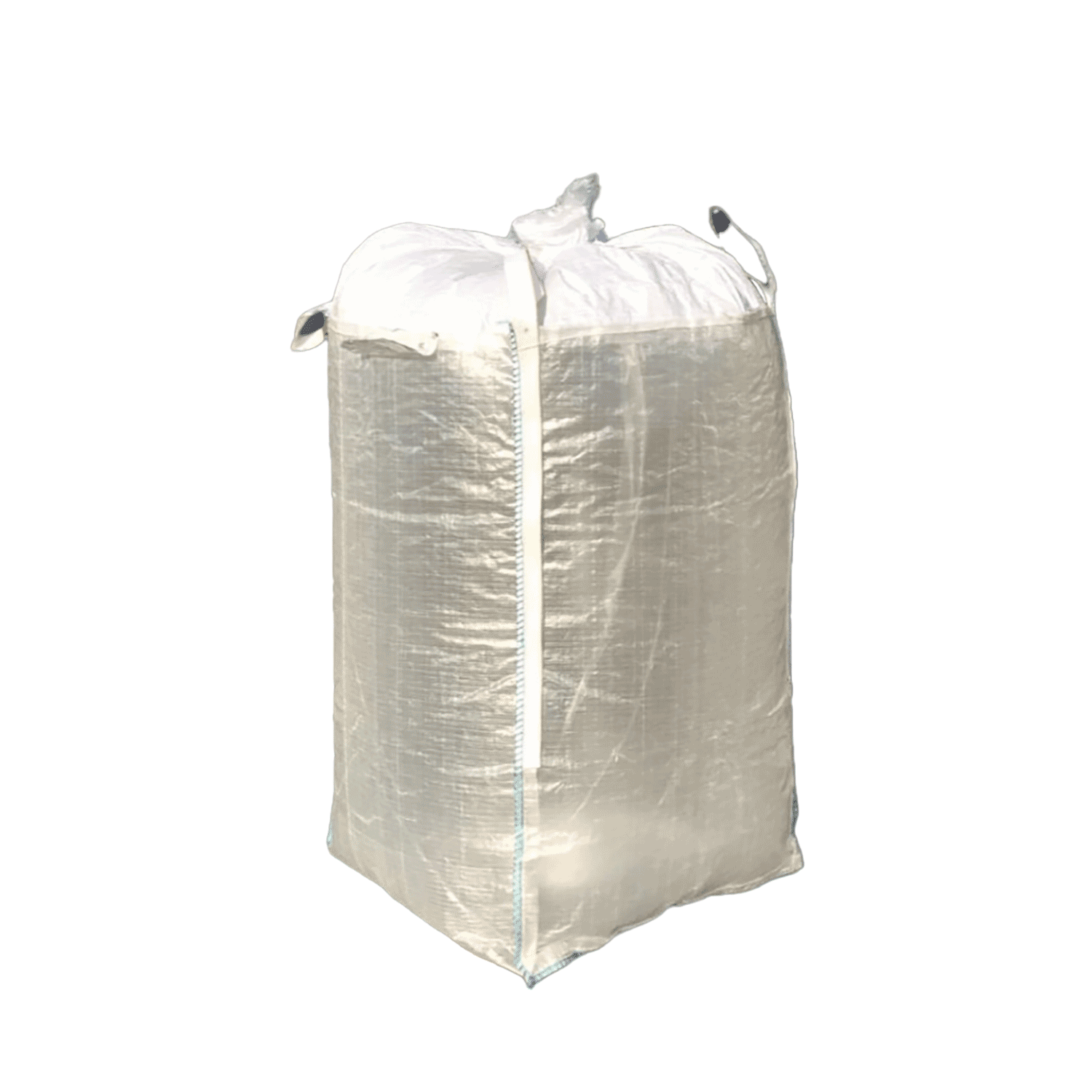 | FIBC Section Transparent Bags Transparent FIBCs – See-Through Bulk Bags Deccan Cans & Printers Pvt. Ltd. |
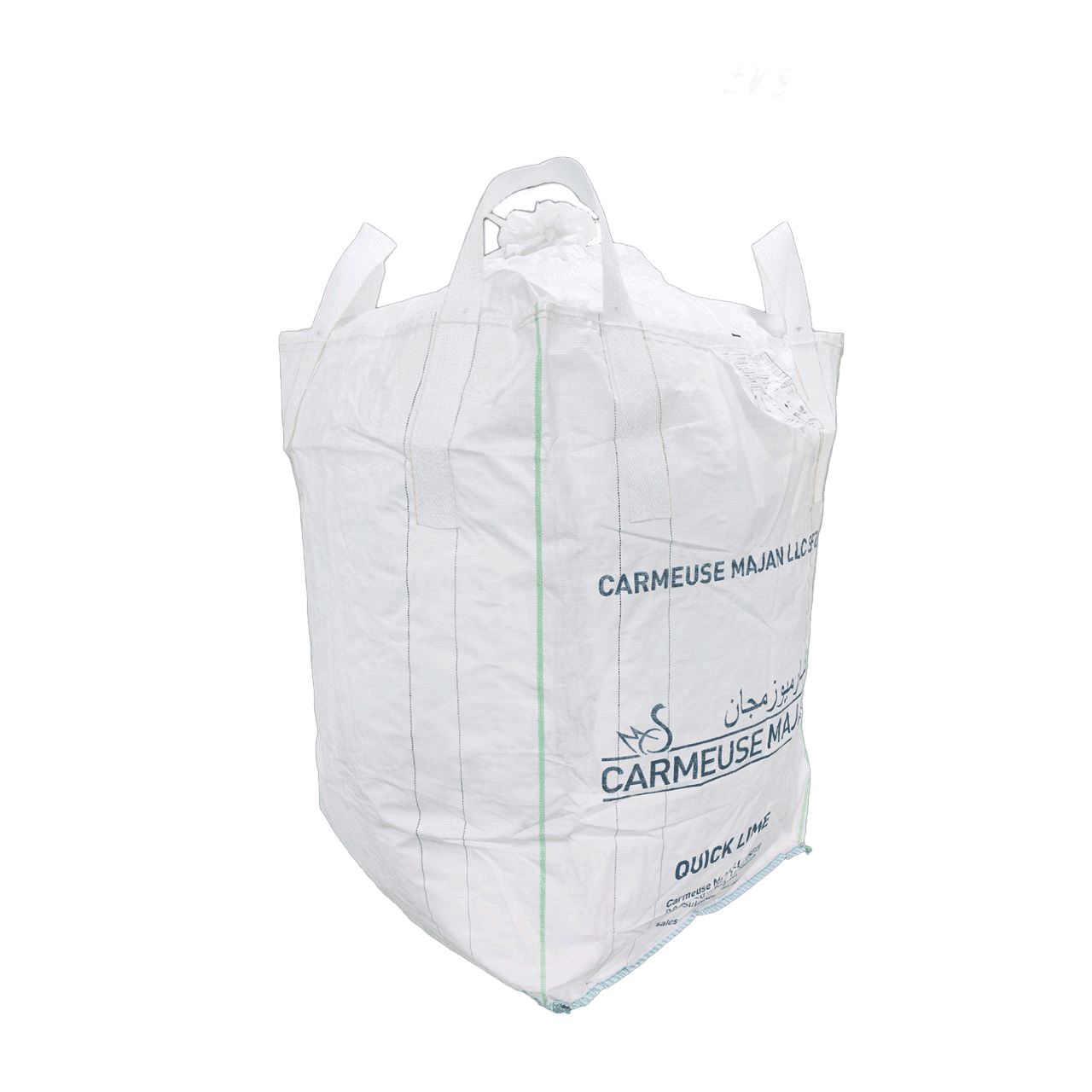 | FIBC Section Bags With Liners FIBC Liners – Bulk Bag Liners Deccan Cans & Printers Pvt. Ltd. |
Frequently asked questions
Which FIBC type should you choose for an industrial product?
Choose the bag from the product and process hazard: standard FIBCs suit dry, non-hazardous materials, while liners, food-contact construction, conductive designs, or certified dangerous-goods packaging address specific risks.
When does an FIBC need a liner?
Specify a liner for fine powders, moisture-sensitive goods, odour control, or products that must not contact polypropylene. Confirm the liner material, fit, filling method, and discharge arrangement.
What details belong in an FIBC purchase specification?
State capacity, safe working load, dimensions, fabric, liner, seam construction, lifting loops, top and bottom closures, filling and discharge method, and storage conditions.
How should you specify electrostatic and dangerous-goods requirements?
Name the required FIBC electrostatic type and grounding procedure, then identify the applicable dangerous-goods classification, packaging instruction, certification document, and marking requirements.
Related products
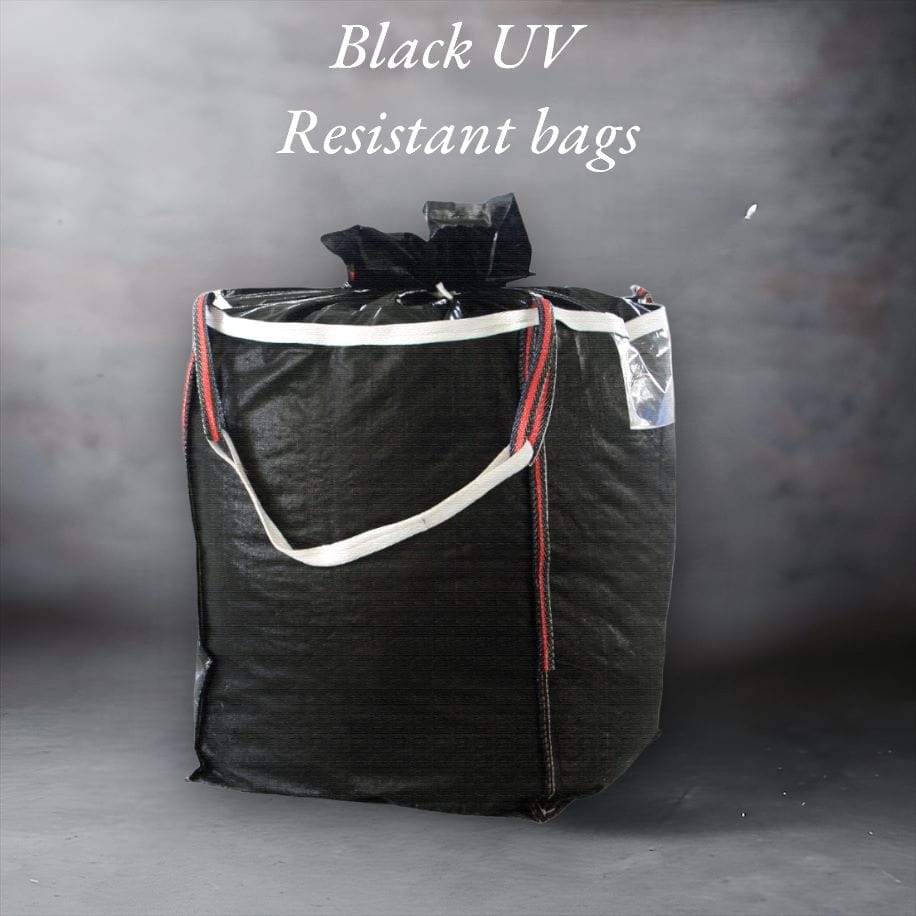 | FIBC Section Black Bags Black FIBC Bags – Enhanced UV Resistance & Extended Shelf Life UV exposure is one of the major challenges faced by the FIBC industry, as prolonged... |
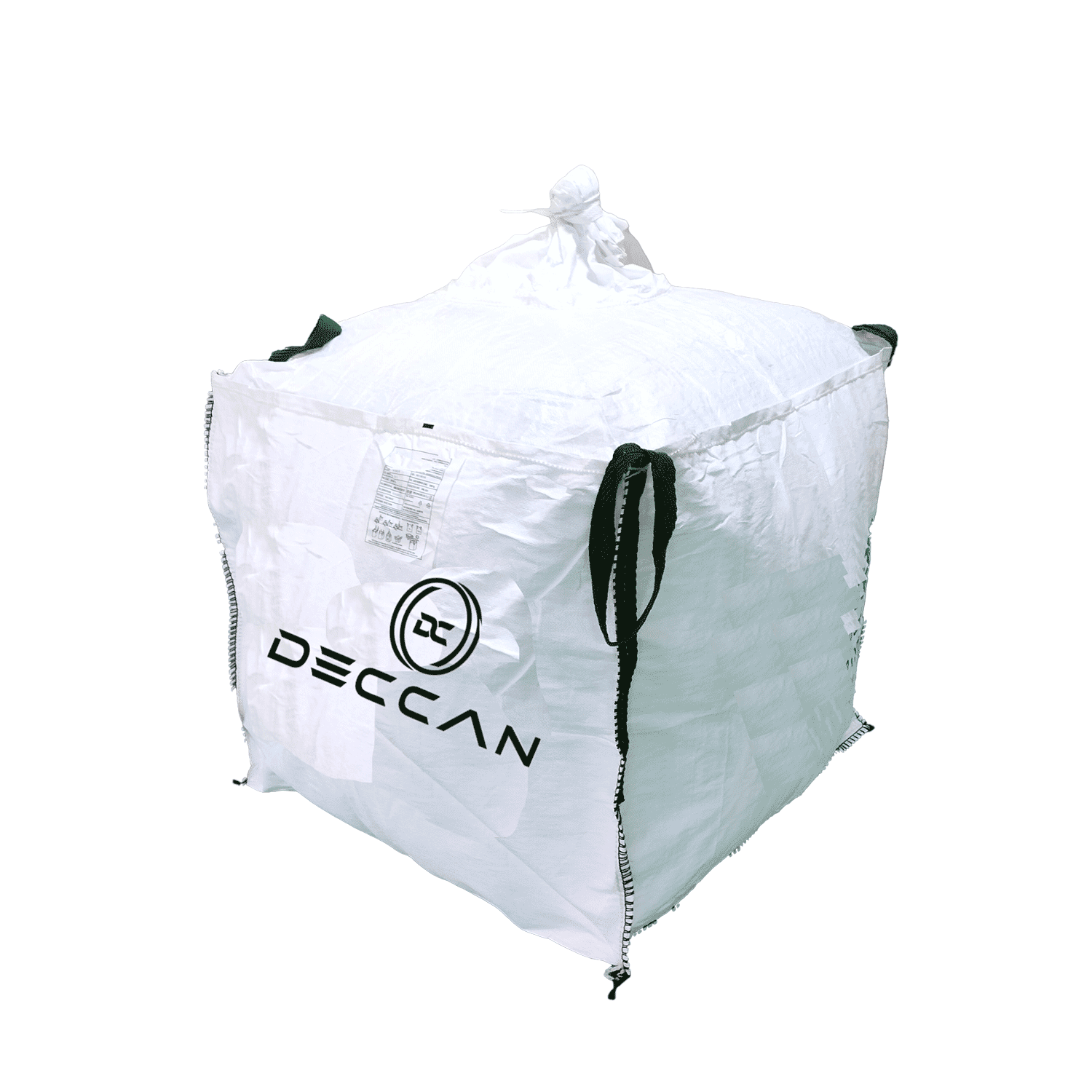 | FIBC Section Polyester Loop Bags/Multifilament Loops Polyester / Multifilament Loop FIBC Bags Deccan Cans & Printers Pvt. Ltd. |
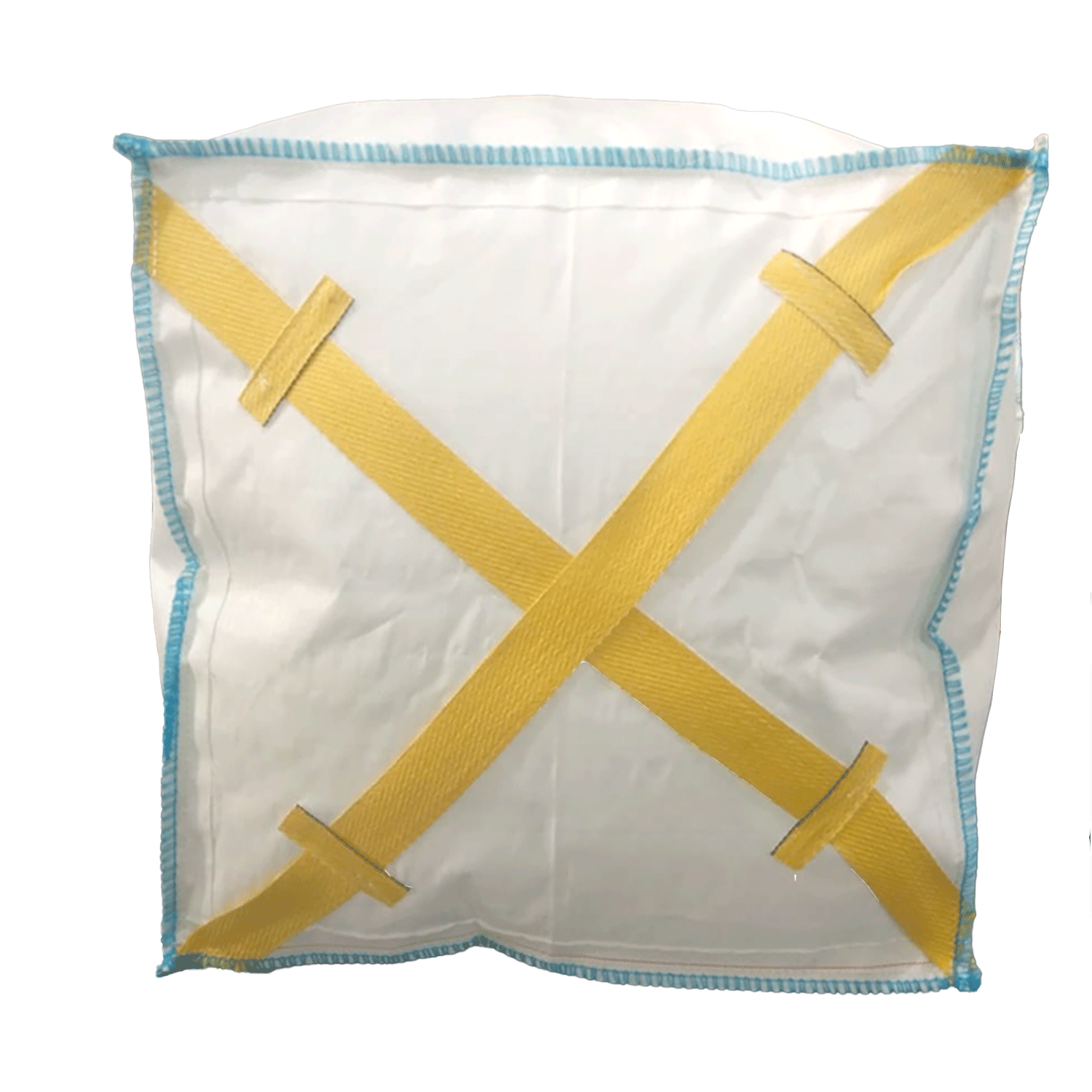 | FIBC Section Cross Bottom Sling Bags Cross Bottom Sling FIBCs – Bulk Bags Deccan Cans & Printers Pvt. Ltd. |
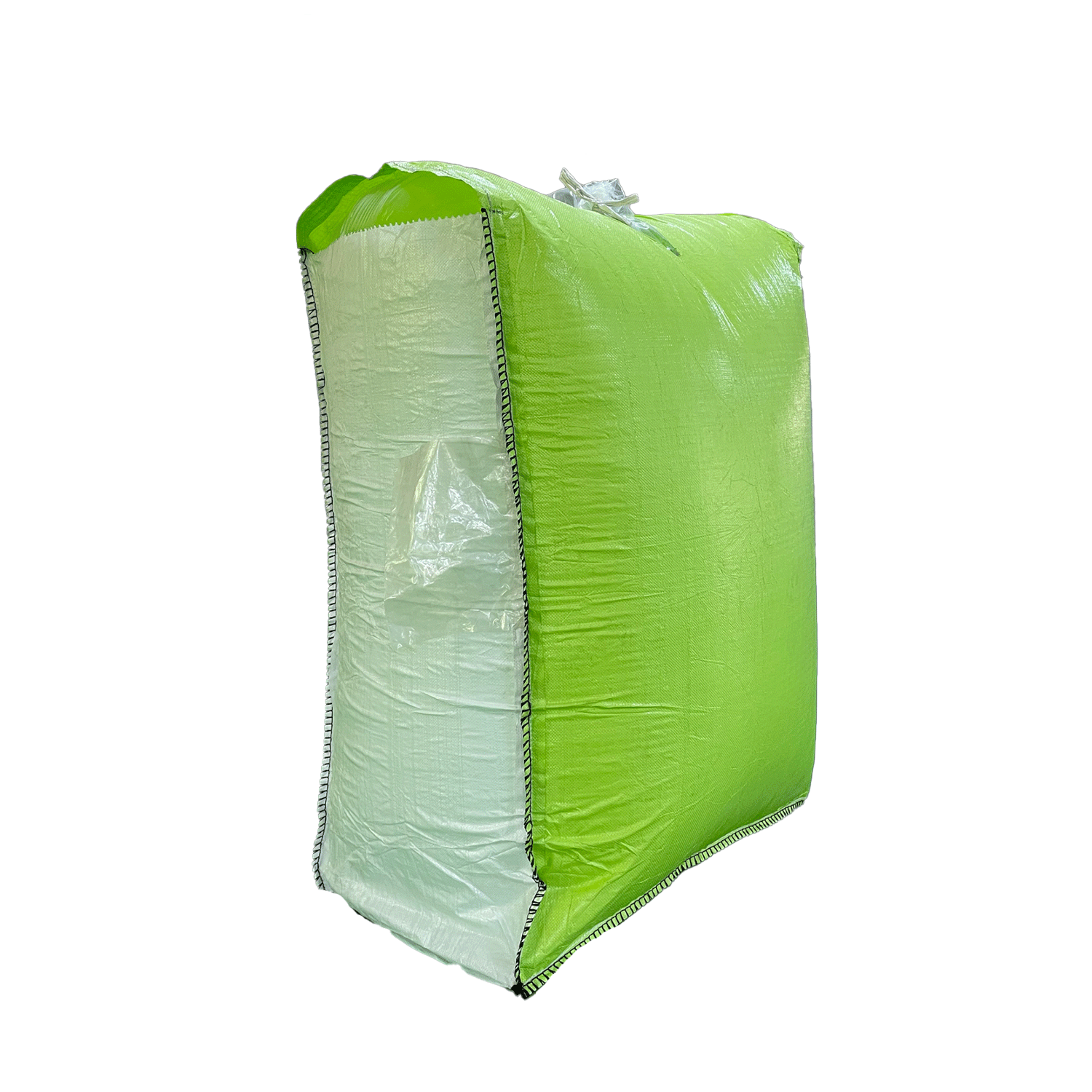 | FIBC Section Fertilizer Bag Range 1 & 2 Loop FIBC Bulk Bags Deccan Cans & Printers Pvt. Ltd. offers durable and cost-effective 1 & 2 Loop FIBC Bulk Bags, designed for the efficient... |