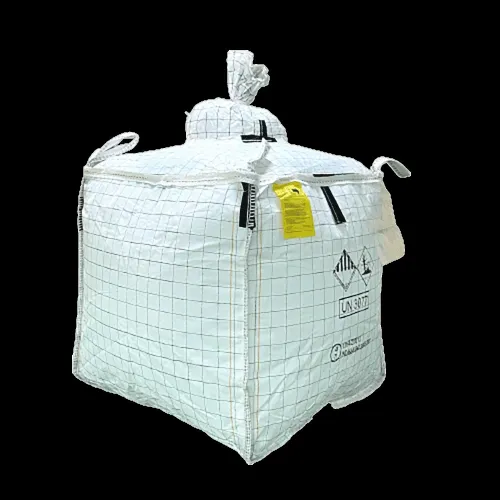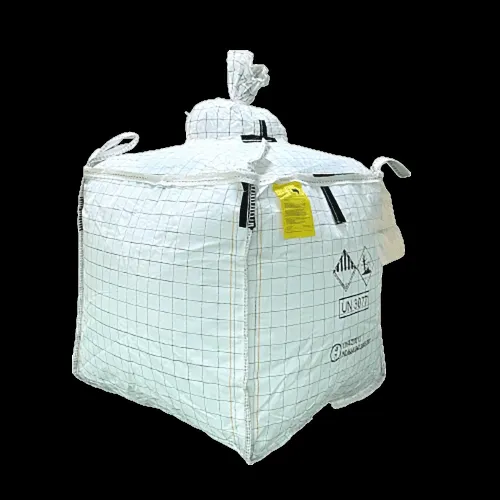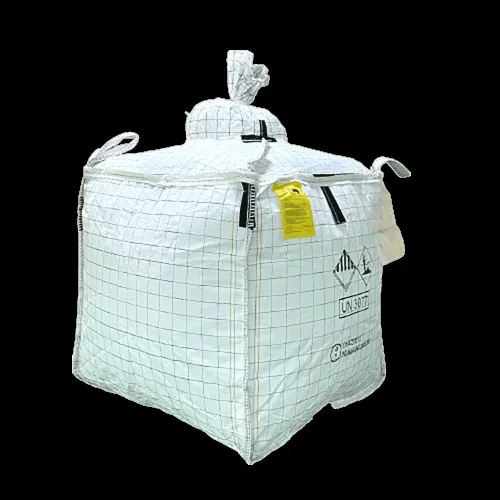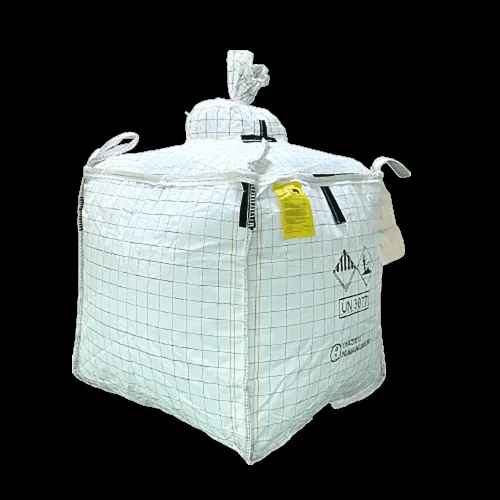

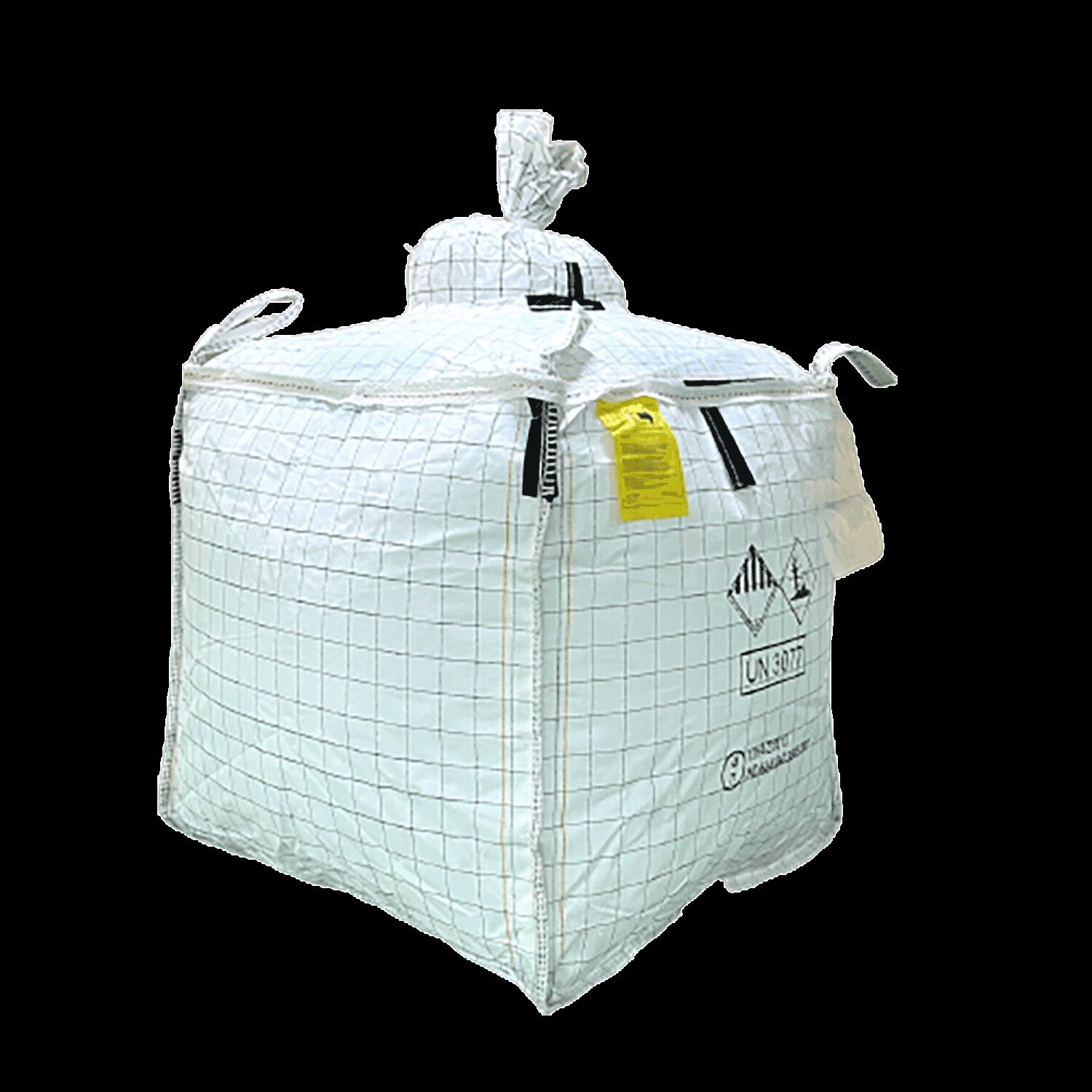
A Seoul address does not prove that an FIBC supplier manufactures bags locally, and a “1-ton bag” description leaves out the details that determine safe use. By the end, you will have a practical method for checking supplier capability, specifying the bag for your process, and comparing quotations on an equal basis.
Key takeaways
- Separate the Seoul office address from the factory and shipping origin.
- Put SWL, safety factor, dimensions, fabric, liner, and discharge details on the quote.
- Match filling, discharge, lifting loops, and pallet handling to your equipment.
- Request test reports, drawings, samples, and traceability records before ordering.
How do you verify an FIBC supplier’s Seoul or South Korea operation?
A Seoul address proves that you have a local contact, not that the FIBC is made there. Ask for the factory address, manufacturing scope, and shipping origin separately; production, sewing, coating, or printing may occur in Gyeonggi or Incheon rather than Seoul.
Request these records before treating a listing for FIBC suppliers Seoul or FIBC suppliers South Korea as a manufacturer:
- The legal entity name, factory address, and country of origin shown on commercial documents.
- A description of in-house processes, including fabric cutting, sewing, coating, liner fitting, printing, inspection, and load testing.
- A recent factory video or live video call showing FIBC production, not only a showroom or warehouse.
- A product-specific test report linked to the quoted model, batch, SWL, and safety factor.
- A sample invoice, packing list, and bill of lading showing the export shipper and shipping origin.
A tin-container producer is not automatically qualified to make tested FIBCs. Verify FIBC equipment, quality records, and test reports separately; the same check applies when searching 톤백 or 벌크백 suppliers Seoul, because 마대 can mean an ordinary woven sack.
For ISO 21898 claims, check the exact edition, test scope, and certificate holder. If your contents are dangerous goods, request UN performance certification instead. For combustible powders, confirm whether the supplier makes Type C bags with a verified grounding path or Type D bags, then match that construction to your equipment and process.
Which FIBC specifications must appear on the quotation?
A quotation should define the bag’s load, construction, geometry, and intended use; “1-ton bag” is not enough. The same nominal capacity can hide different loop designs, discharge arrangements, safety factors, and reuse limits.
Ask the supplier to state:
- Safe working load (SWL) in kilograms, plus the safety factor: 5:1 for single-trip service or 6:1 for multi-trip service. Request the supporting test report; a 6:1 marking alone does not prove suitability for repeated commercial handling.
- Intended number of trips and the handling conditions that limit reuse.
- FIBC dimensions, filled height, expected bulge, and fill volume. Check these against your pallet, rack, container, vehicle, and discharge clearance; request a loaded sample where height is critical.
- Fabric type and weight, coating, liner material and thickness, seam construction, top inlet, bottom outlet, closure, and lifting-loop configuration and spacing.
- Material name, bulk density, particle size, moisture or temperature exposure, filling method, and discharge method.
- Printing, inspection standard, packaging method, delivery term, sample charge, tooling charge, minimum order quantity, and production lead time.
| Specification | What the quotation must identify | Failure if omitted |
|---|---|---|
| Load | SWL, safety factor, trips | Unsafe reuse or overloaded loops |
| Geometry | Flat and filled dimensions, fill volume | Pallet, rack, or vehicle interference |
| Electrostatics | Type C or Type D and grounding method | Ignition risk during powder handling |
| Certification | UN approval or ISO 21898 conformity, when required | Shipment or regulatory rejection |
How should bag construction match your filling, discharge, and handling equipment?
A bag that fits the product can still stop your line if its inlet misses the filling head or its outlet cannot dock with the discharge station. Match the top to the filling connection, not simply to the material volume:
- Use an open top FIBC when an overhead loader fills from above and the process does not require a sealed connection.
- Use a duffle top when operators need to open the bag widely, then cinch or tie it around a filling nozzle.
- Use a spout top when the filler requires a controlled, enclosed inlet; specify inlet diameter, length, tie or iris closure, and any spout extension.
The bottom must match the receiving equipment. State the discharge-spout diameter and length, closure type, and whether the outlet must enter a valve, clamp, or docking station.
A flat bottom FIBC works for discharge onto a platform or when the bag is emptied through a separate outlet, but it does not create a discharge connection by itself.
Check lifting loops against your equipment: four-corner loops need compatible fork spacing or a lifting frame, while loop length must clear the forklift carriage. Confirm the SWL, safety factor, trip rating, and lifting configuration separately; “1-ton bag” does not identify safe handling.
Specify width and length against the pallet, rack, container, and vehicle. Request filled dimensions or a loaded sample where height and bulging affect clearance, because fabric weight, liner, fill density, and settling change the final envelope.
When do you need a liner, antistatic design, or certified packaging?
Choose the containment barrier before requesting a price. A PE liner improves moisture resistance and product retention, but it can fold, trap residue, complicate sealing, and build static. Specify liner material, FIBC liner thickness, closure method, and leak or permeability requirement. Coated woven polypropylene reduces fabric permeability but does not eliminate seam leakage or pinholes.
Use electrostatic construction according to the process, not the product name:
- Choose a Type C FIBC when your filling, conveying, and discharge system provides a verified ground connection. Require continuity checks and resistance to ground below 1.0 × 10^8 ohms.
- Choose a Type D FIBC when the operating conditions suit dissipative fabric that discharges static without a conventional grounding lead. Follow the manufacturer’s restrictions on flammable atmospheres, humidity, and contamination.
- Reject either type until the supplier reviews powder explosibility, filling speed, pneumatic conveying, grounding points, and discharge equipment.
ISO 21898 conformity applies to FIBCs for non-dangerous goods. Ask for the exact edition, scope, test basis, and certificate holder; ISO conformity does not replace dangerous-goods approval.
For regulated contents, request the complete UN marking, tested design, packing-group limitation, and certificate—not merely “UN bag.” A UN 13H FIBC must match the certified liner, coating, fabric, seams, and construction; changing any of these can invalidate the approval.
Include custom testing and documentation in the quotation because they can add minimum quantities and production time.
What evidence should a Seoul-area supplier provide before you order?
Before paying a deposit, ask for evidence that separates a Seoul sales office from the operation making and shipping your bags. Request the factory address, manufacturing scope, sewing and coating capabilities, shipping origin, and records for FIBCs specifically; tin-container production does not prove FIBC competence.
- Request a current FIBC test report showing fabric strength, seam strength, SWL, safety factor, lifting performance, and the tested construction. A printed 5:1 or 6:1 ratio is not proof of safe repeated use.
- Check ISO 21898 claims for the exact edition, scope, test basis, and certificate holder. For dangerous goods, request the applicable UN performance certificate rather than accepting ISO 21898 as a substitute.
- Compare the quotation using identical fabric weight, dimensions, SWL, liner, spouts, loop design, printing, inspection standard, packaging, delivery term, sample cost, tooling charge, and minimum order quantity.
| Evidence | What to verify | Warning sign |
|---|---|---|
| Manufacturing | FIBC quality control records, in-process inspections, and batch traceability | Only showroom photographs |
| Testing | Product-specific FIBC test report matching your specification | Generic certificate with no model details |
| Export | FIBC export experience, shipping documents, and origin port | No export references or unclear shipper |
| Custom production | Approved drawing, sample sign-off, lead time, and change-control terms | Verbal promises on unusual geometry |
| After-sales | Written claim process, response time, replacement policy, and Korean-language contact | Support ends after delivery |
Include service coverage and delivery responsibility in writing. Deccan Cans & Printers Pvt. Ltd. should be assessed by the same FIBC supplier comparison criteria, not by its tin-packaging capability alone.
Related products
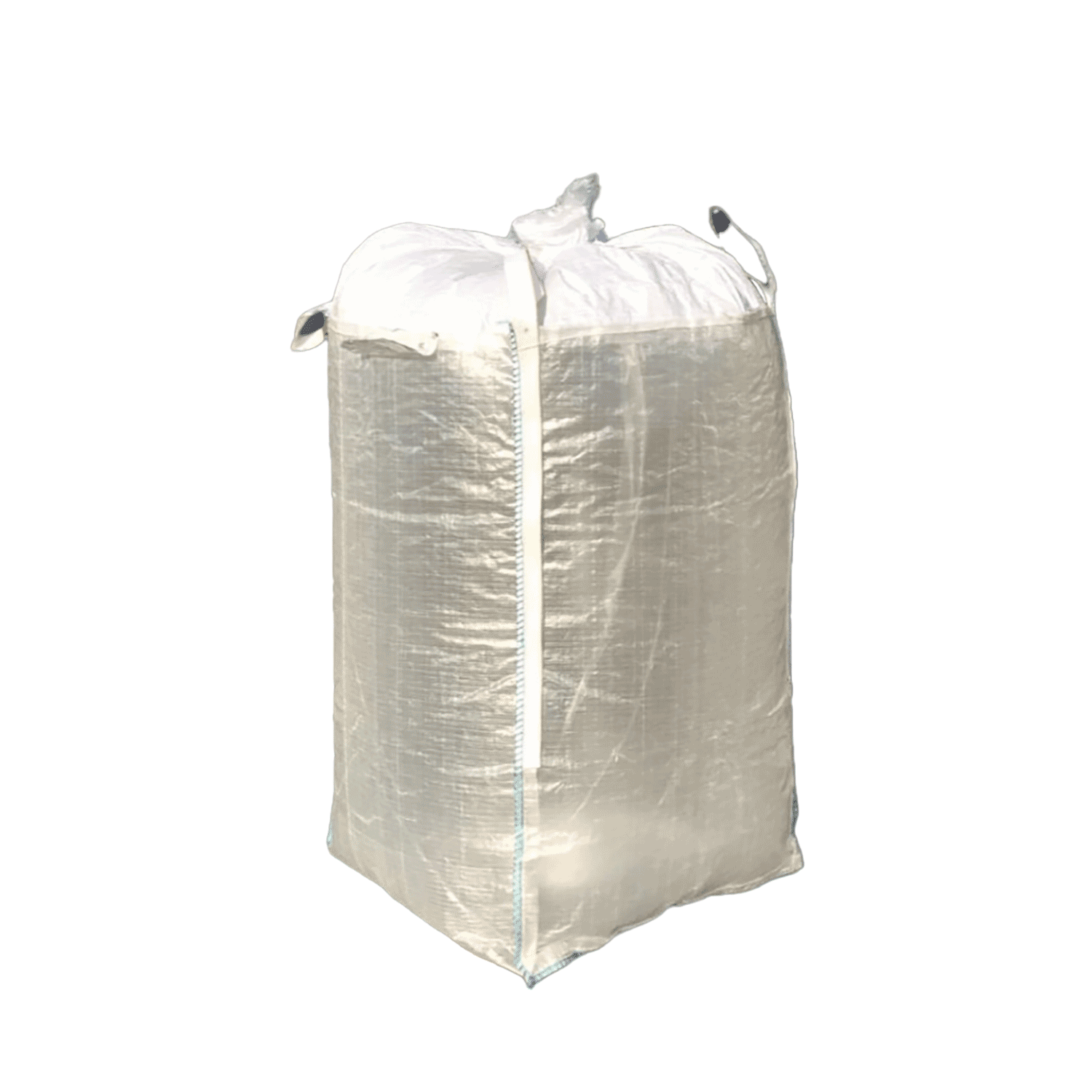 | FIBC Section Transparent Bags Transparent FIBCs – See-Through Bulk Bags Deccan Cans & Printers Pvt. Ltd. |
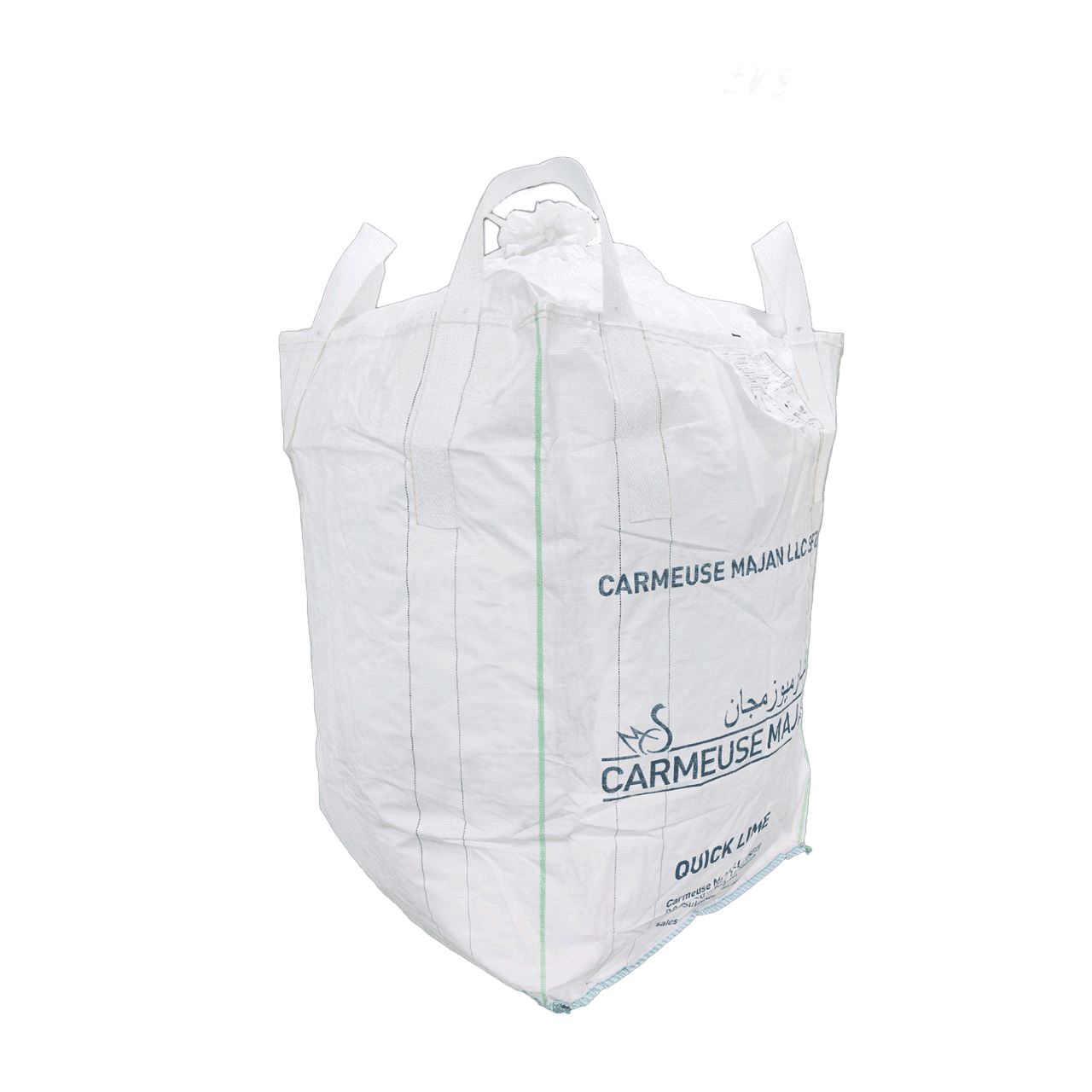 | FIBC Section Bags With Liners FIBC Liners – Bulk Bag Liners Deccan Cans & Printers Pvt. Ltd. |
Frequently asked questions
How do you verify an FIBC supplier’s Seoul or South Korea operation?
Ask for the factory address, manufacturing scope, and shipping origin separately. Confirm whether production, sewing, coating, or printing takes place in Seoul, Gyeonggi, Incheon, or another location.
Which FIBC specifications must appear on the quotation?
Require the safe working load, safety factor, bag dimensions, fabric weight, construction type, lifting-loop arrangement, top and bottom design, liner details, closure method, colour, printing, quantity, and delivery origin.
How should bag construction match your filling, discharge, and handling equipment?
Match the inlet and outlet size and closure to your filling and discharge connections. Check loop configuration against forklift or hoist equipment, and confirm bag dimensions fit pallets, storage racks, and vehicle space.
When do you need a liner, antistatic design, or certified packaging?
Use a liner for moisture, contamination, or fine-powder control. Specify antistatic construction when dust ignition or electrostatic discharge is a risk. Request certified packaging when the product or transport route requires UN performance certification.
What evidence should a Seoul-area supplier provide before you order?
Request a factory address, product drawing, material specification, sample, test report, batch traceability method, production photos or audit access, and certification documents that match the quoted bag.
Related products
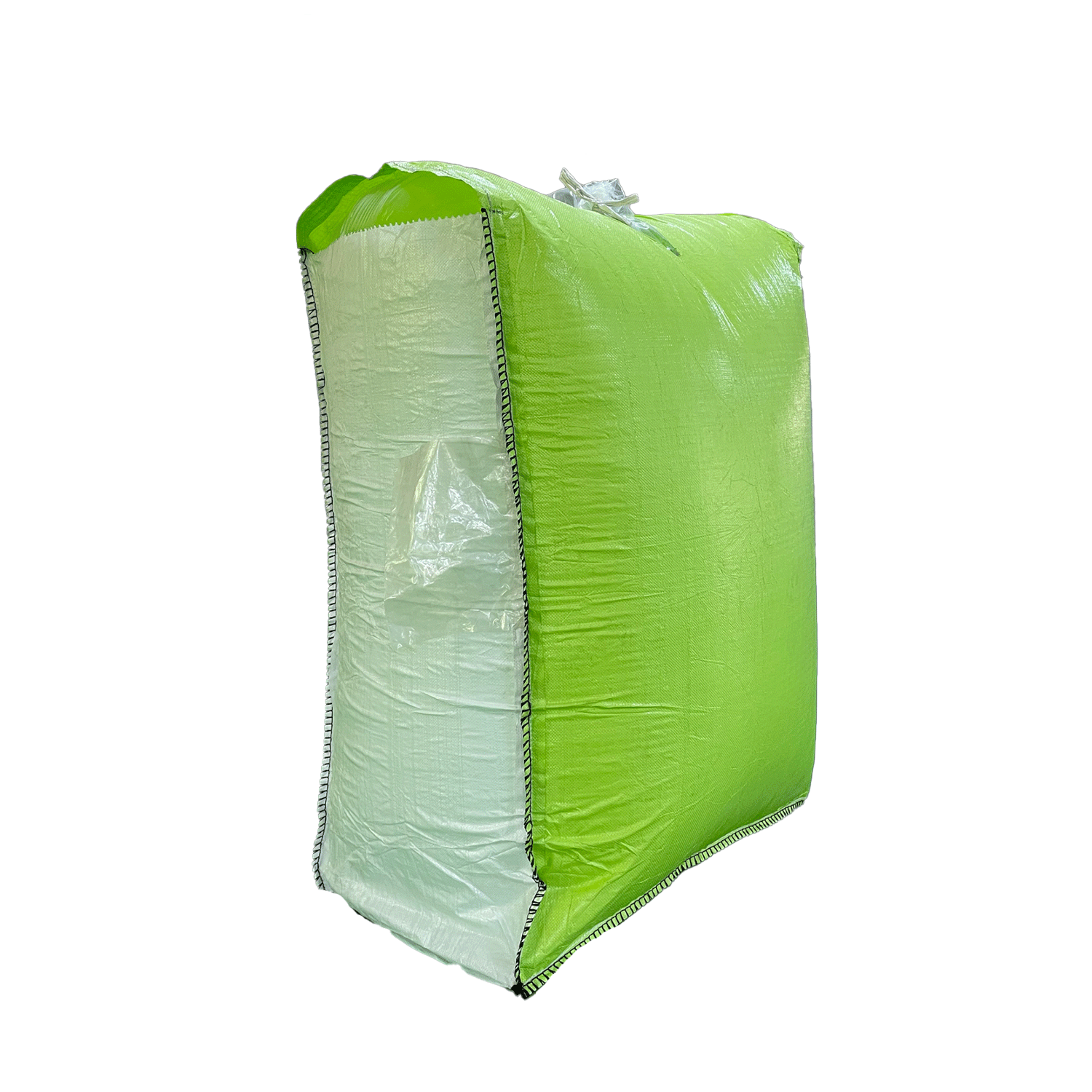 | FIBC Section Fertilizer Bag Range 1 & 2 Loop FIBC Bulk Bags Deccan Cans & Printers Pvt. Ltd. offers durable and cost-effective 1 & 2 Loop FIBC Bulk Bags, designed for the efficient... |
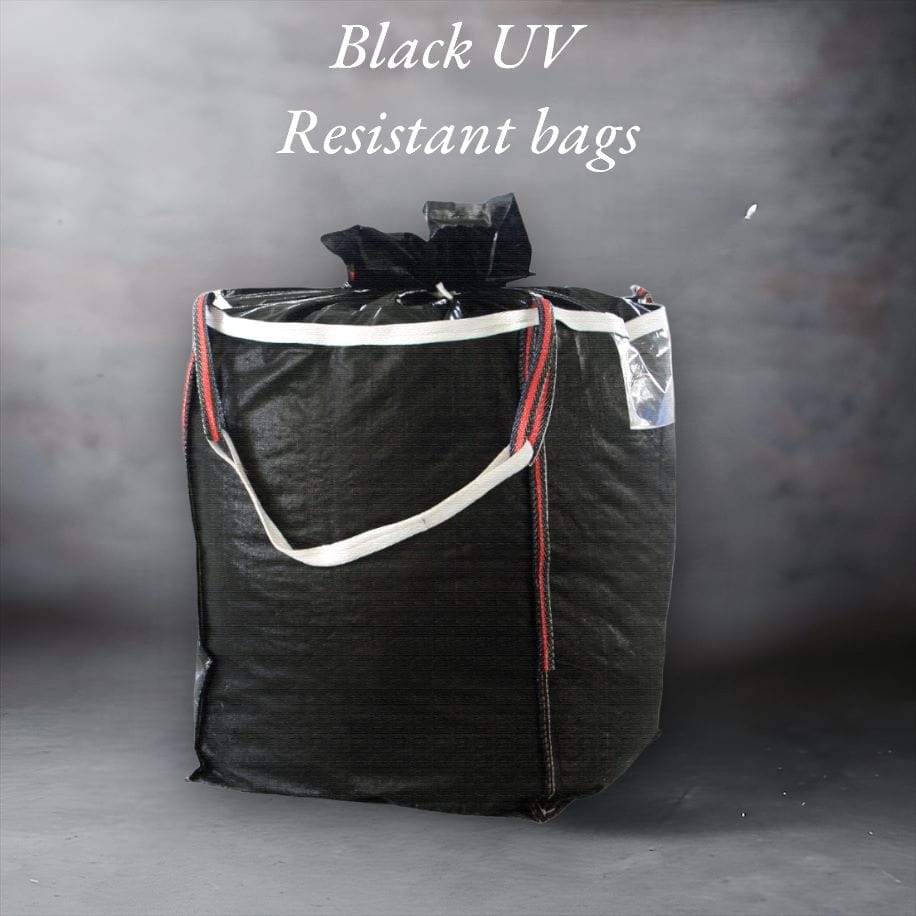 | FIBC Section Black Bags Black FIBC Bags – Enhanced UV Resistance & Extended Shelf Life UV exposure is one of the major challenges faced by the FIBC industry, as prolonged... |
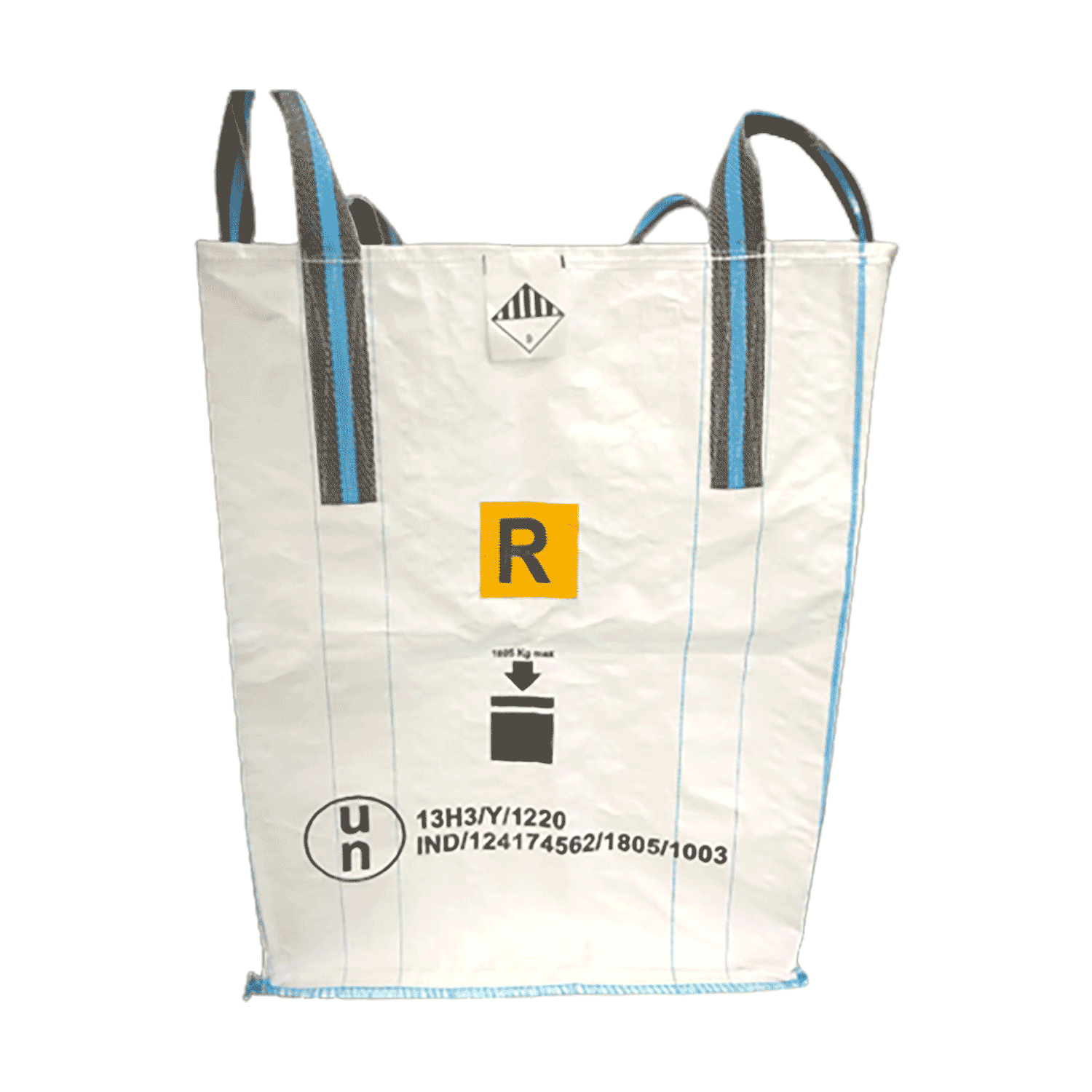 | FIBC Section Un Bags UN Certified Bulk Bags – Rigorous Performance Testing for Safety & Reliability Deccan UN Certified Bulk Bags are specially engineered for the safe... |
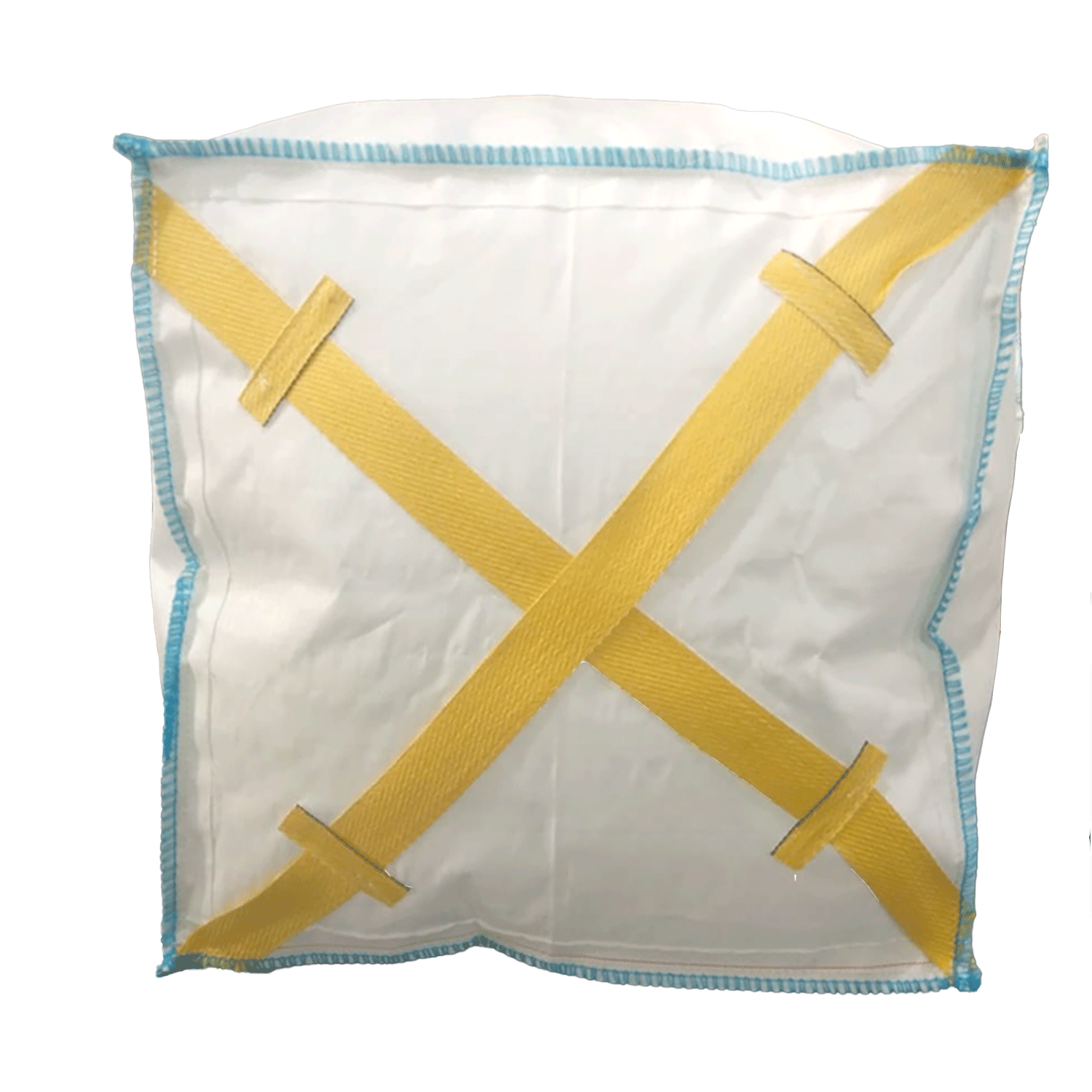 | FIBC Section Cross Bottom Sling Bags Cross Bottom Sling FIBCs – Bulk Bags Deccan Cans & Printers Pvt. Ltd. |