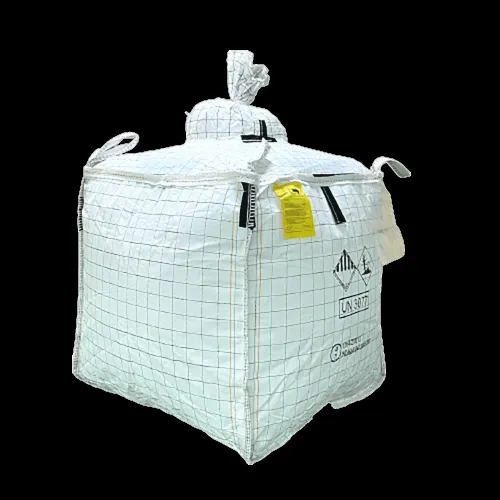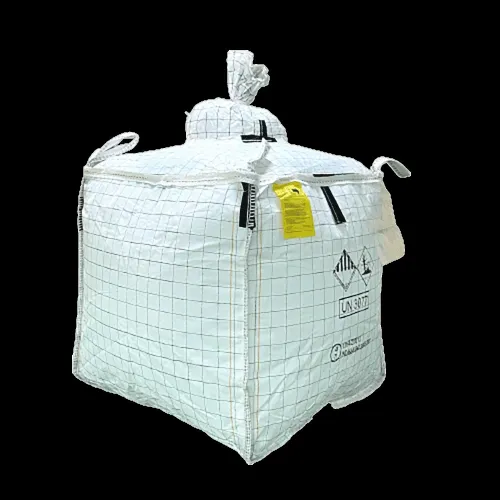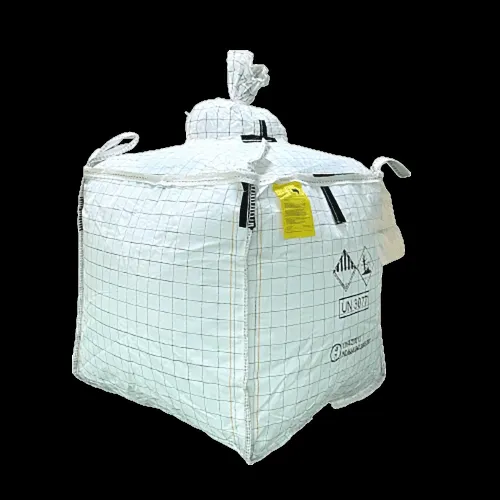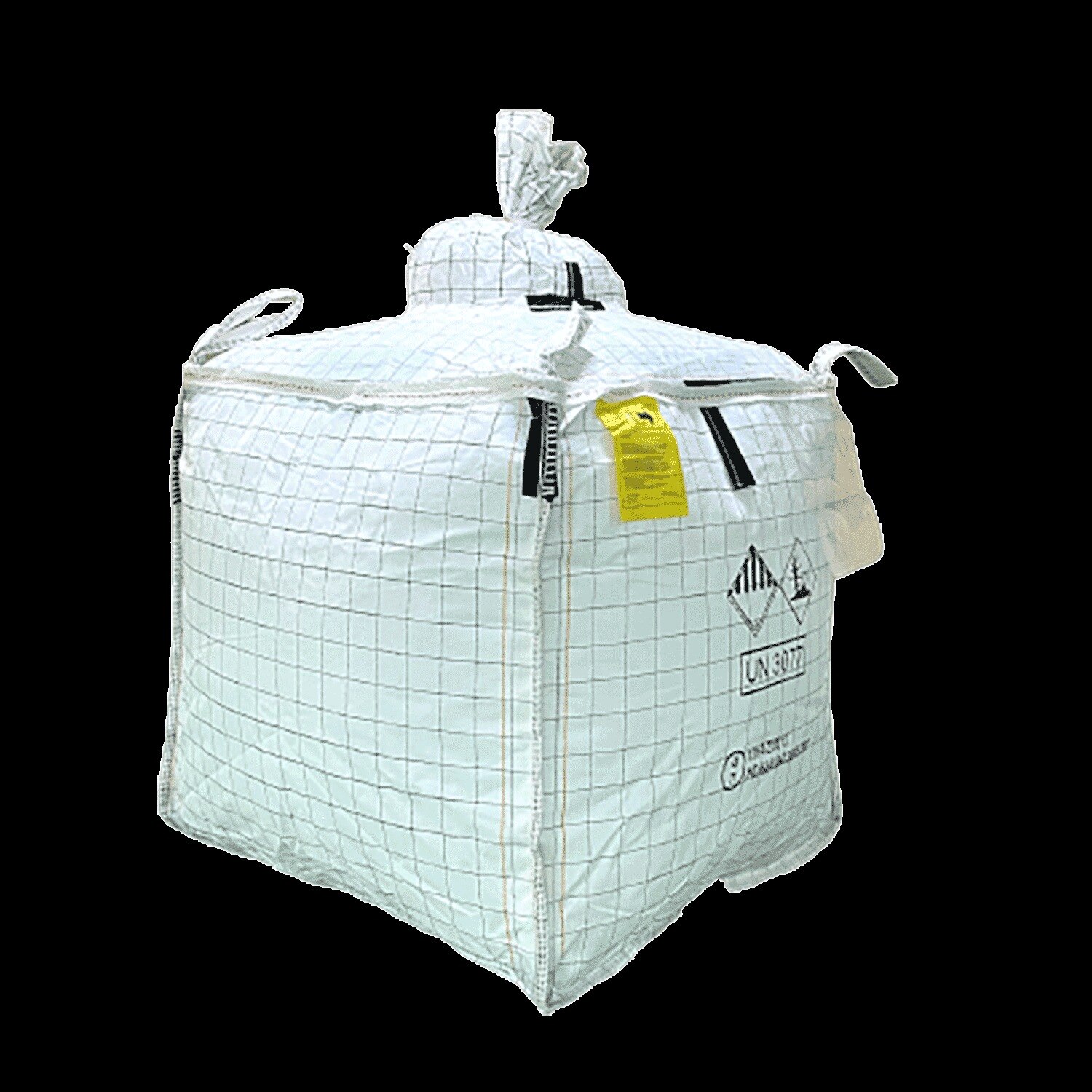
An FIBC that works at a Seoul filling line can still fail at Incheon, inside an ocean container, or at the consignee’s discharge station. You will be able to compare Seoul suppliers, specify the bag against the commodity and equipment, calculate usable capacity, and check the documents and loading plan before placing an order.
Key takeaways
- Compare a Seoul factory with an importer before comparing FIBC unit prices.
- Specify fabric, liner, safety factor, rated load, and discharge design in writing.
- Match lifting loops, filling inlets, and discharge spouts to your equipment.
- Verify traceability, inspection records, and export handoffs before supplier approval.
How to source FIBCs in Seoul for an export program
For South Korea bulk bag sourcing, compare a Seoul-area factory with an importer before comparing unit prices. Ask who extrudes the fabric, sews the bags, fits liners, and performs final inspection; an intermediary can add a handoff, longer FIBC lead time, and weaker traceability.
Validate the truck-to-Incheon route, including pallet dimensions, container loading, forklift access, wall clearance, and stacking height.
| Route | Advantage | Confirm before order |
|---|---|---|
| Seoul-area production | Faster specification changes and inspection access | Fabric source, production capacity, FIBC lead time, and FIBC minimum order quantity |
| Imported finished bags | Access to stock and established designs | Country of manufacture, remaining shelf time, transit plan, and responsibility for defects |
| Local assembly with imported fabric | Flexible sewing and local communication | Fabric certificates, liner origin, seam inspection, and batch traceability |
Request these documents and controls before releasing payment:
- Quotation stating HS code, Incoterm, destination, pallet material, labeling language, and container-loading plan.
- Technical drawing naming safe working load, safety factor, permitted trips, lifting loops, closures, liner, and dimensions.
- ISO 21898 test and marking records for non-dangerous goods; obtain applicable UN packaging approval for regulated dangerous goods.
- Food-contact declaration when the commodity requires it.
- ISPM 15 treatment mark for solid-wood pallets, skids, or dunnage.
- Type C resistance-test records and a grounding procedure with operator verification when static protection is required.
How to specify an FIBC for the product and its rated load
Start with the commodity, not the bag size. Record bulk density, particle size, moisture content, flow behaviour, temperature, sift risk, and whether the material is food, chemically aggressive, combustible, or classified as dangerous goods.
The FIBC safe working load must exceed the intended product mass, with the supplier stating whether that rating covers the filled contents alone or the lifted gross mass. Include FIBC tare weight in your lifting calculation; a 1,000 kg product load is not a 1,000 kg handling load.
| Specification choice | What it controls | When it applies |
|---|---|---|
| 5:1 FIBC safety factor | Single-trip test margin | One filling, discharge, and delivery cycle |
| 6:1 FIBC safety factor | Reuse-oriented test margin | Reusable bags with a stated trip limit |
| Attached or form-fit liner | Moisture protection and sift control | Fine, hygroscopic, or contamination-sensitive powders |
| Removable liner | Easier cleaning and replacement | Products requiring frequent changeover |
Treat the FIBC working load limit as a declared engineering rating, not a guess based on fabric thickness or appearance. Specify the safety factor, permitted trips, lifting-loop arrangement, seam construction, fabric coating, dimensions, filling and discharge spouts, closure type, and stacking limit.
For fine powders, define liner film thickness, fit, antistatic performance, oxygen or moisture barrier, and spout geometry. A loose liner can fold across the outlet and trap product.
ISO 21898 covers non-dangerous goods. Regulated dangerous goods require the applicable UN packaging approval. For a Type C conductive bag, require resistance testing, a continuous grounded network, and a documented grounding check before filling.
Validate pallet dimensions and container loading from the Seoul plant through Incheon; forklift tine contact or wall compression can damage a correctly rated bag.
How to match bag design to filling, lifting, and discharge equipment
Start with the equipment interfaces, not the bag’s fabric weight. Record the filling machine’s inlet diameter, connection height, dust-venting arrangement and maximum fill rate, then specify matching FIBC filling and discharge spouts. A poor fit causes dust escape, slow filling or a liner pulled into the product path.
Choose FIBC lifting loops for the actual handling method. Four corner loops suit a crane or spreader bar; forklift handling requires loops or a pallet base designed for tine access. Never let forklift tines touch the fabric, and do not lift from fewer loops than the manufacturer permits.
| Configuration | Equipment match | Product and safety check |
|---|---|---|
| Four corner loops, top inlet, bottom spout | Crane, spreader bar and discharge station | Confirm loop rating, outlet diameter and closure |
| Pallet-base or forklift loops | Forklift movement between filling and storage | Check tine clearance and pallet contact points |
| Type C | Grounded filling and discharge equipment | Verify conductive threads, grounding point and continuity before FIBC powder handling |
| Type D | Filling and discharge where specified grounding conditions are unavailable | Confirm the manufacturer’s test conditions; keep conductive equipment compatible |
Match the outlet to flow behaviour. Free-flowing granules need a controlled bottom spout; cohesive powders need a wider outlet, vibration, an agitator or a mass-flow station. Test for bridging and rat-holing with the actual liner and discharge equipment, not a product description alone.
For combustible powders, obtain minimum ignition energy, dust explosibility and charging data. Do not treat a dry product as safe in a conventional polypropylene Type A or Type B bag; select Type C and Type D only after reviewing the complete filling and discharge setup.
How FIBCs move from Seoul through Incheon and the destination country
At filling, inspect each FIBC for torn fabric, damaged loops, open seams and a clean, correctly fitted liner. Confirm the filled mass against the safe working load, close the top and discharge outlet, and record the bag lot, product, weight and seal condition before FIBC palletisation.
For combustible powders, match the bag to the product’s minimum ignition energy, dust explosibility and charging behaviour. A Type C FIBC requires a continuous conductive network, a clean grounding point, resistance testing and a documented operator check before filling or discharge.
- FIBC container loading: Use a dry, clean container; keep bags away from sharp edges, forklift tines and container walls with suitable dunnage. Do not exceed the approved stacking height or compress bags against the doors.
- Incheon FIBC export: Inspect the loaded container seal, photograph the stow, and retain the container number, seal number, weight record and loading report.
- FIBC ocean freight: Protect the cargo from rain, condensation and shifting with an agreed securing plan. Keep temperature or humidity controls where the product or liner requires them.
- Customs clearance: Make the commercial invoice, packing list, bill of lading, HS classification, origin details and dangerous-goods documents agree with the actual contents. Add UN packaging approval when the filled product is regulated dangerous goods; ISO 21898 alone does not provide that approval.
- Destination unloading: Check the seal before opening, use the specified lifting points, and prohibit dragging or inserting forks into the bag. Quarantine bags with punctures, wetting, broken seals or altered markings.
Solid-wood pallets, skids and dunnage must carry the destination’s ISPM 15 treatment mark; use plastic or accepted pressed wood when they do not.
What to verify before approving a Seoul FIBC supplier
Release the order only after the production sample, paperwork, and delivery route agree. A passing FIBC quality inspection is not enough if the marked safe working load differs from the test report or the filled bag will be mishandled at Incheon.
Require these items from the supplier:
- A production sample with the specified dimensions, fabric, seams, liner, loops, filling spout, discharge closure, and empty weight.
- The ISO 21898 FIBC construction and test record, including safe working load, safety factor, permitted trips, lifting arrangement, and test basis. Do not infer reusable performance from appearance.
- Clear markings showing manufacturer or batch identification, rated load, handling instructions, and electrostatic type. For dangerous goods, demand the applicable UN FIBC approval; ISO 21898 alone is not dangerous-goods approval.
- Complete FIBC export documentation: commercial invoice, packing list, HS classification, certificate of origin when required, dangerous-goods documents, and food-contact declarations where applicable.
- A route plan covering truck dimensions, palletisation, container loading, forklift clearance, wall compression, stacking height, and handling at Incheon. Check every solid-wood pallet or skid for an ISPM 15 mark, or specify plastic or pressed wood.
Use this comparison before accepting an electrostatic claim:
| Type | Verify | Release condition |
|---|---|---|
| A | No static-control protection | Nonflammable, noncombustible contents only |
| B | Limited surface breakdown protection | Confirm product and dust conditions |
| C | Conductive components and grounding | Ground during filling and discharge |
| D | Dissipation without separate ground | Follow the manufacturer’s test conditions |
Whether comparing a Seoul supplier with Deccan Cans & Printers Pvt. Ltd., require batch-specific evidence rather than catalogue claims.
Related products
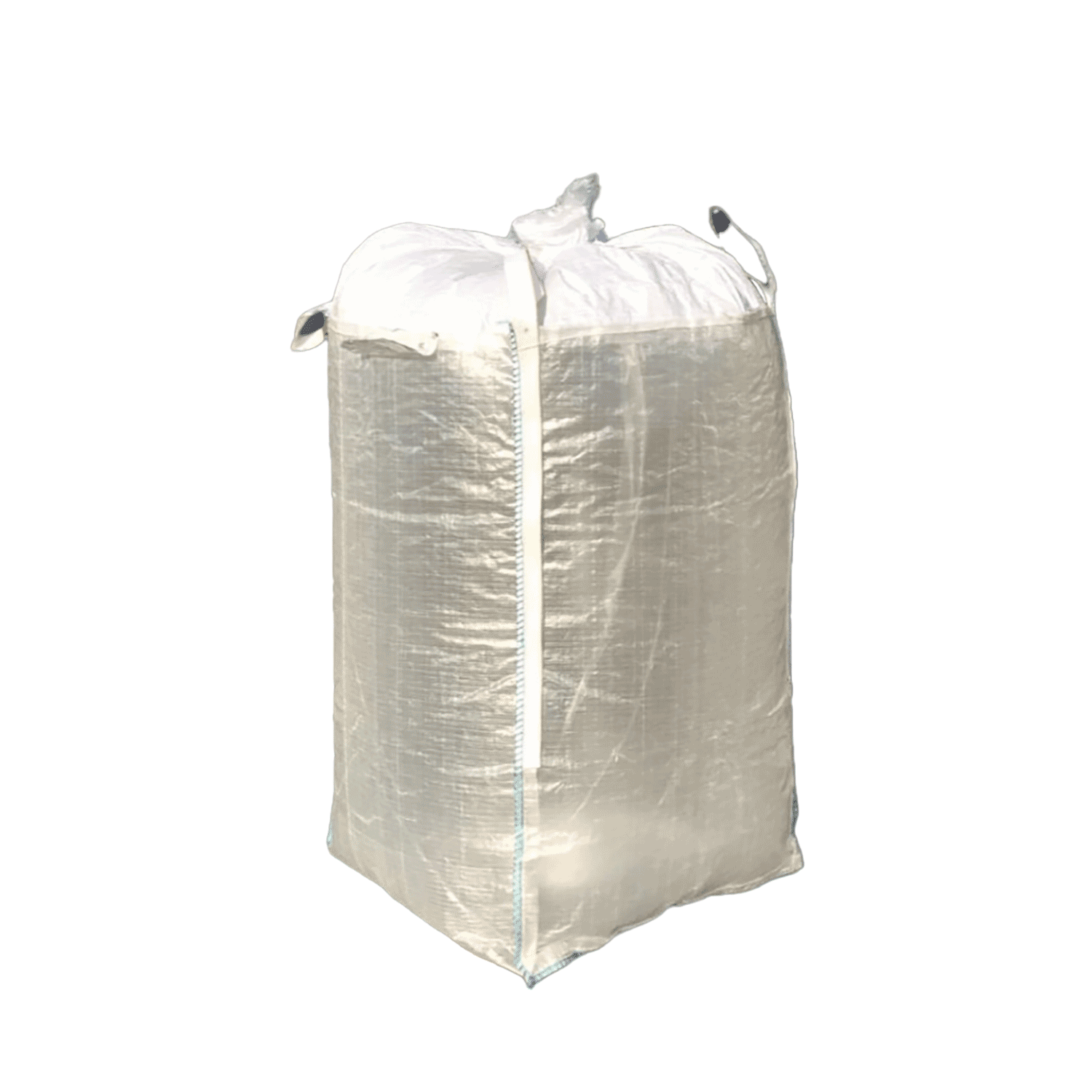 | FIBC Section Transparent Bags Transparent FIBCs – See-Through Bulk Bags Deccan Cans & Printers Pvt. Ltd. |
 | FIBC Section Bags With Liners FIBC Liners – Bulk Bag Liners Deccan Cans & Printers Pvt. Ltd. |
Frequently asked questions
How should you source FIBCs in Seoul for an export program?
Compare a Seoul-area factory with an importer, then ask who extrudes the fabric, sews the bags, fits liners, and performs final inspection. Confirm lead time, traceability, and each handoff before comparing unit prices.
How do you specify an FIBC for the product and its rated load?
Define the product, target fill weight, required safety factor, fabric construction, liner requirement, and handling conditions in the purchase specification. Confirm the bag’s rated load matches the filled product and lifting method.
How do you match FIBC design to filling, lifting, and discharge equipment?
Match the inlet, outlet, lifting loops, dimensions, and liner configuration to the filling machine, forklift or hoist, and discharge equipment. Check clearances and connection methods before approving the sample.
What should you verify before approving a Seoul FIBC supplier?
Verify manufacturing responsibility, material and sewing traceability, inspection records, sample conformity, load-rating documentation, lead time, and the export handoff from Seoul through Incheon to the destination country.
Related products
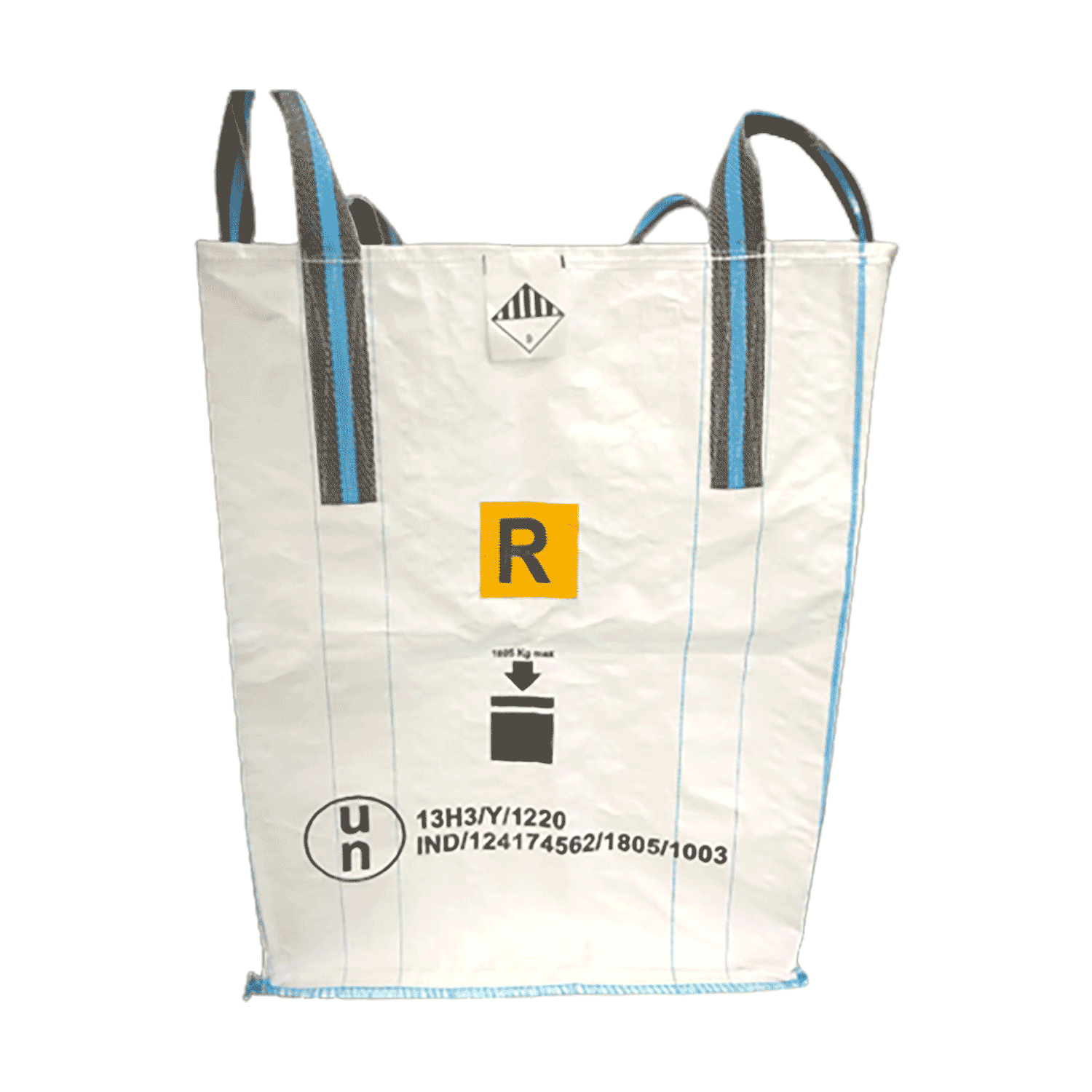 | FIBC Section Un Bags UN Certified Bulk Bags – Rigorous Performance Testing for Safety & Reliability Deccan UN Certified Bulk Bags are specially engineered for the safe... |
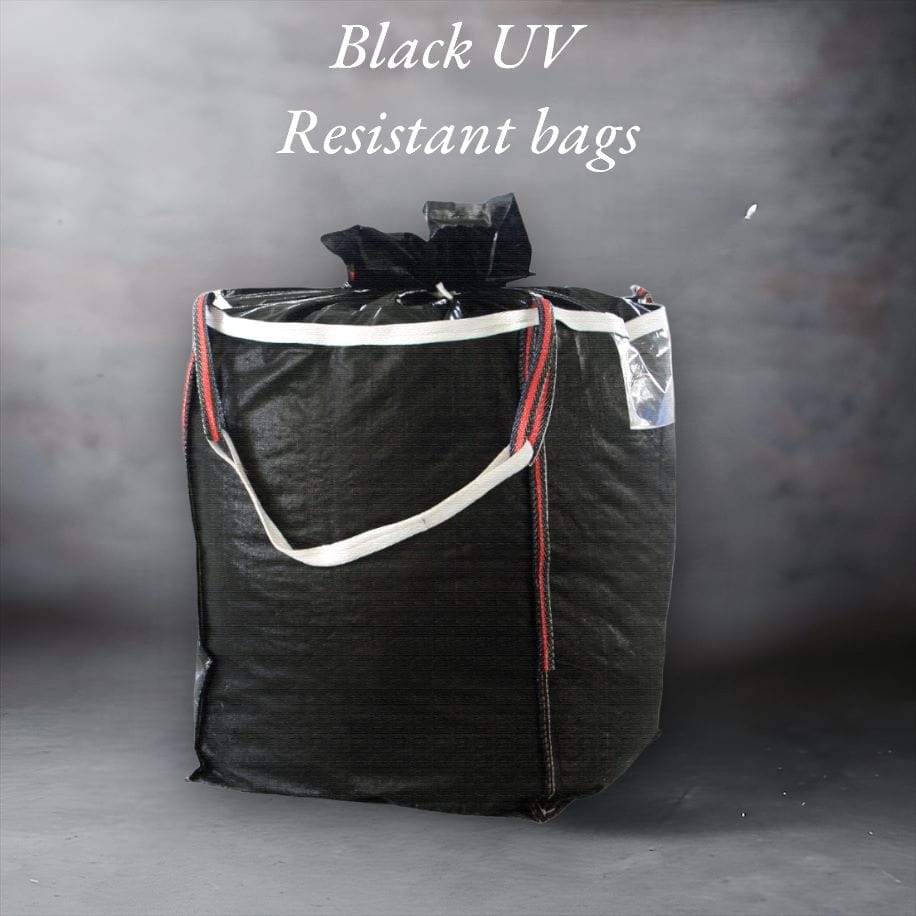 | FIBC Section Black Bags Black FIBC Bags – Enhanced UV Resistance & Extended Shelf Life UV exposure is one of the major challenges faced by the FIBC industry, as prolonged... |
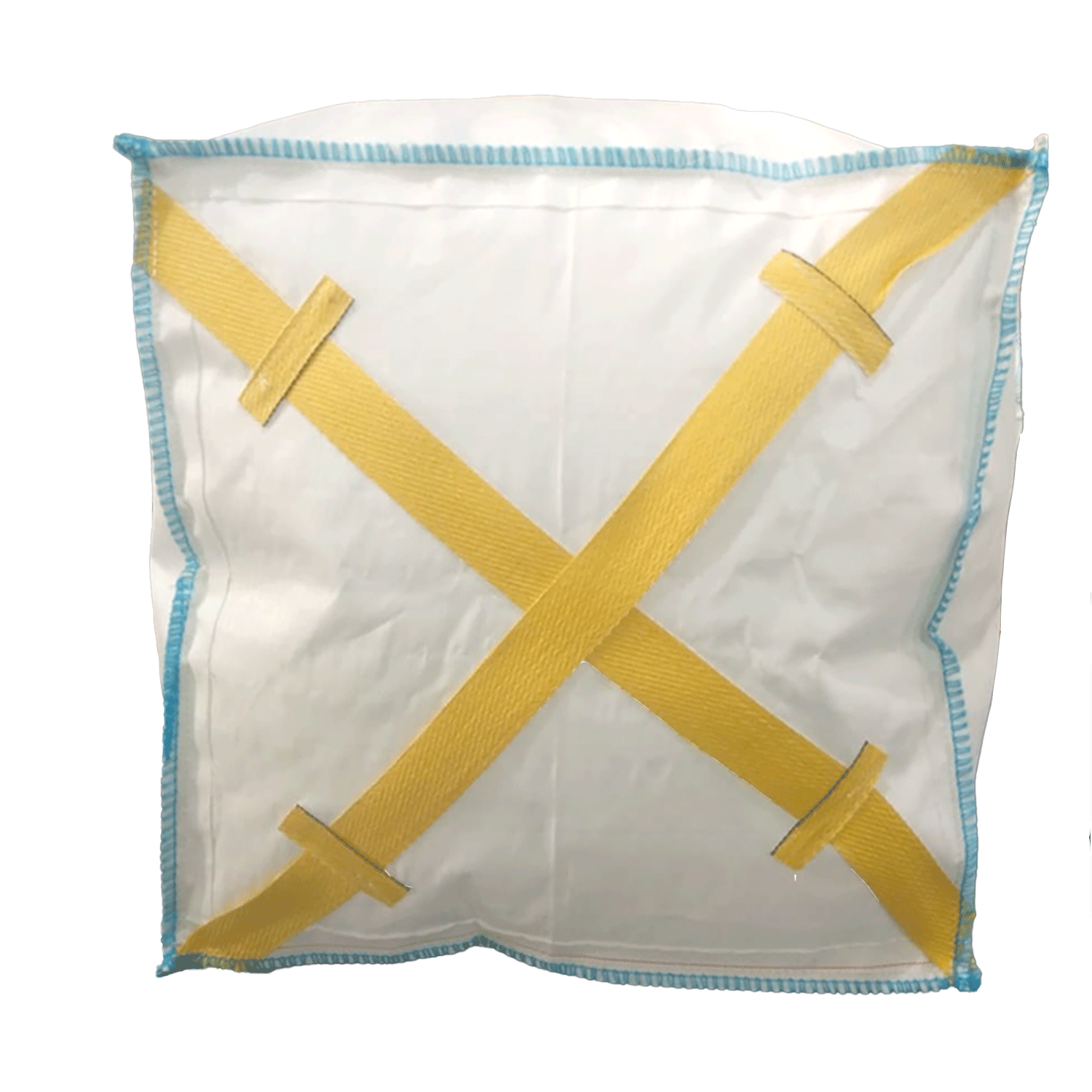 | FIBC Section Cross Bottom Sling Bags Cross Bottom Sling FIBCs – Bulk Bags Deccan Cans & Printers Pvt. Ltd. |
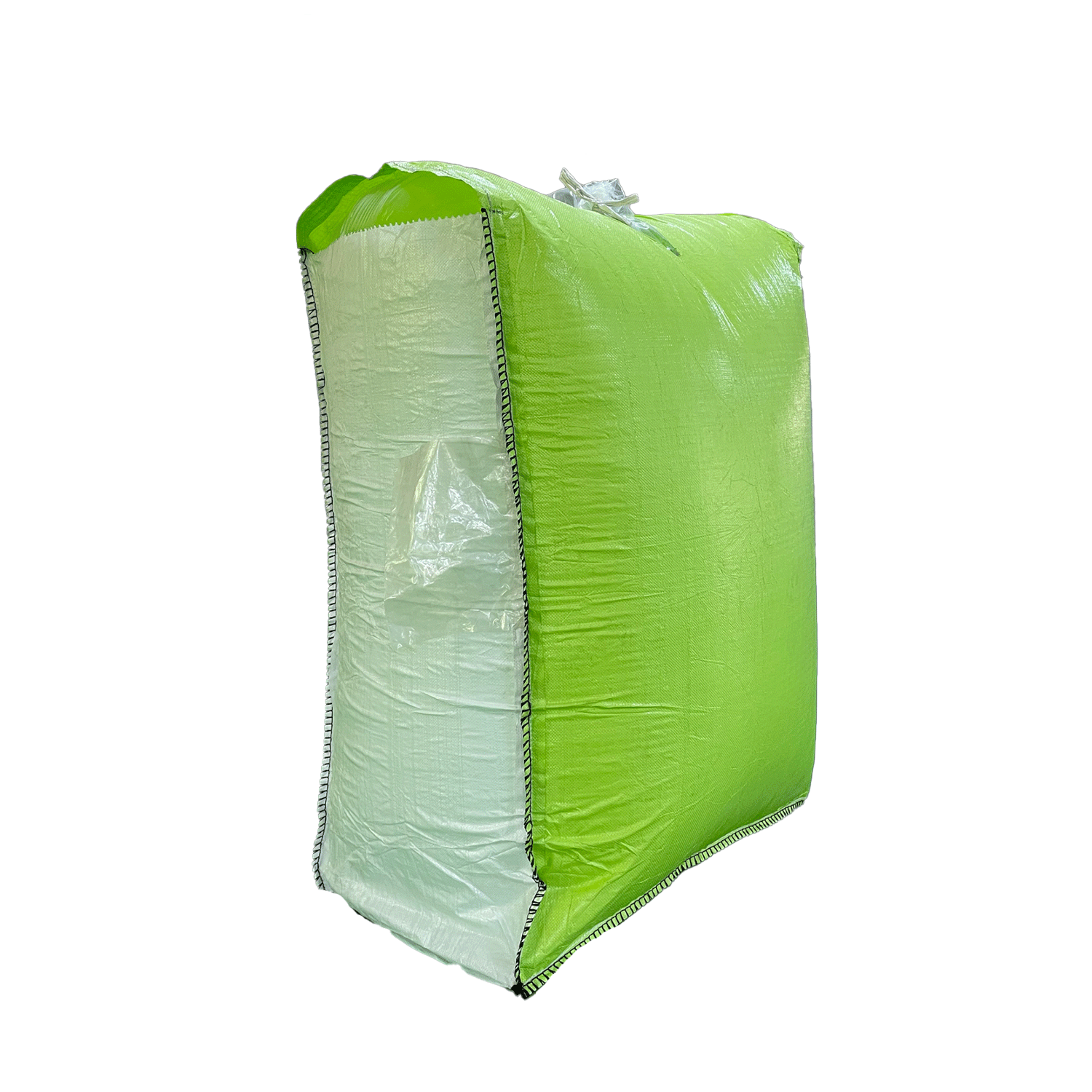 | FIBC Section Fertilizer Bag Range 1 & 2 Loop FIBC Bulk Bags Deccan Cans & Printers Pvt. Ltd. offers durable and cost-effective 1 & 2 Loop FIBC Bulk Bags, designed for the efficient... |