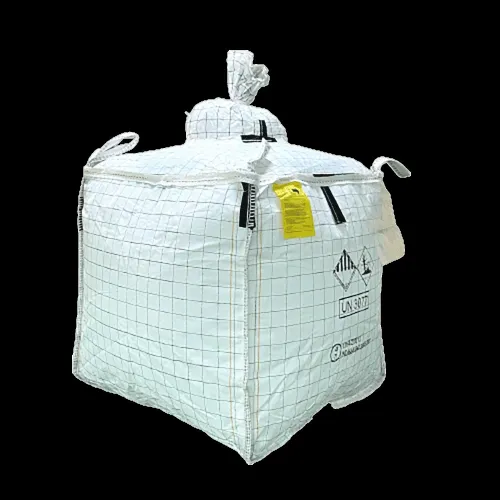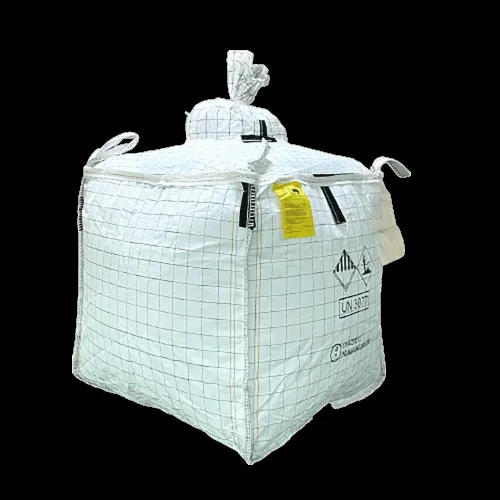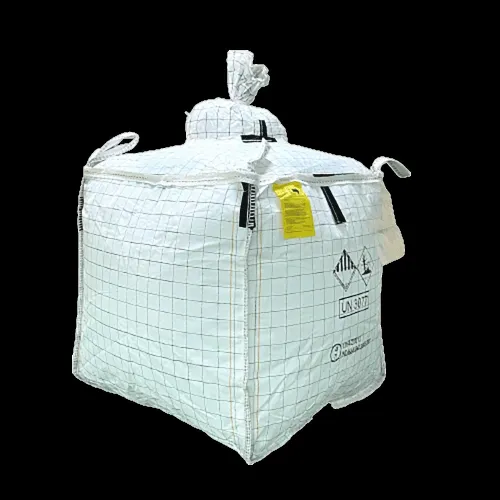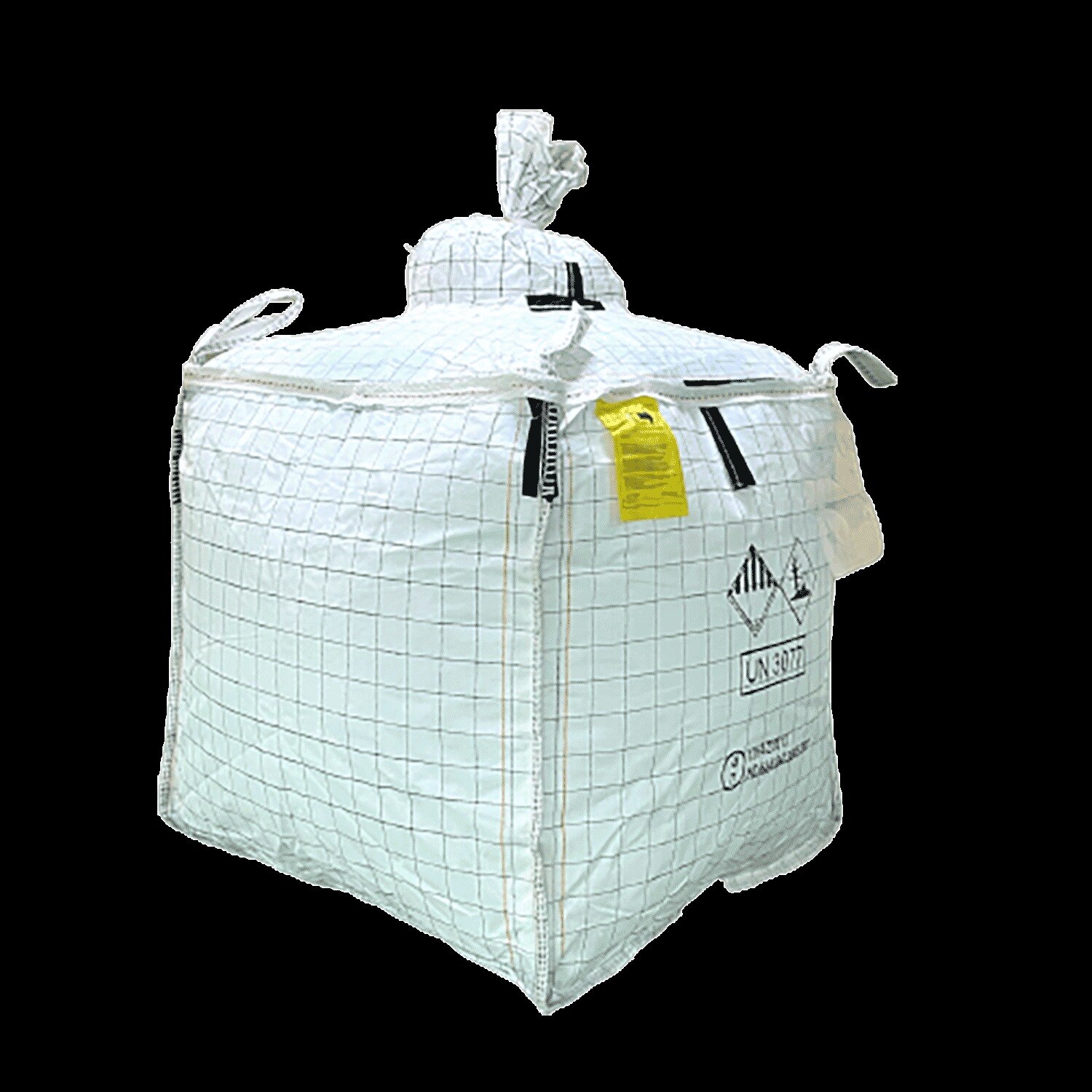
Choosing an FIBC for a chemical or pharmaceutical material requires more than matching a bag to a product category. You need to determine whether the material belongs in a flexible bulk bag at all, then specify capacity, construction, electrostatic controls, compatibility, testing and transport status so the finished bag is safe for its actual route and process.
Key takeaways
- Use FIBCs for free-flowing solids, not liquids, hot fills or pyrophoric materials.
- Calculate capacity from product density, fill height and the bag’s safe working load.
- Match liners and coatings to moisture, chemical compatibility, dust control and discharge needs.
- Demand test reports, UN documentation, electrostatic classification and traceability records.
Which materials belong in an FIBC, and when is another pack safer?
Free-flowing powders, granules, flakes and non-volatile solids are the normal candidates for an FIBC. Liquids, solvent-wet products, pyrophoric materials, hot fills and powders with severe dust-explosion hazards often need a different containment decision.
| Material or condition | Safer starting point | Reason |
|---|---|---|
| Dry, free-flowing solid | FIBC | Efficient bulk handling when compatibility, dust control and lifting are qualified |
| Liquid or material needing a valve | Rigid IBC | Rigid geometry, controlled discharge and better liquid containment |
| Highly toxic, volatile or segregated product | Steel or plastic drum; smaller certified pack | Better containment, isolation and operator control |
| Hot, pyrophoric or solvent-wet product | Certified drum or engineered specialist pack | An ordinary FIBC can soften, permeate, ignite or lose strength |
For chemical FIBC suitability, state the actual product and concentration, bulk density, particle size, moisture sensitivity, temperature, storage duration, filling and discharge equipment, warehouse clearances, monsoon or outdoor exposure, and transport route. “Chemical grade” and “pharma grade” identify nothing about liner barrier, cleanliness, electrostatic control or validation; pharmaceutical powder packaging needs a defined contamination-control specification.
FIBC versus drum is also a route decision. An FIBC for internal plant transfer is not the same procurement case as a UN-marked FIBC for road, rail or sea transport. A rigid IBC comparison must include valve access, pressure control, stack geometry and chemical compatibility.
In Ankleshwar, check covered storage, rain ingress, forklift or lifting-frame access and chemical-plant discharge equipment. Choose a drum or smaller certified pack when dust release, segregation or operator exposure matters more than bulk efficiency.
How do you calculate capacity and specify the bag’s load-bearing design?
Required product volume is batch mass divided by bulk density. A 1,000 kg batch at 0.50 kg/L therefore needs 2,000 L of product space, not a bag ordered as an exact 2,000 L container. Add filling tolerance and usable headspace so the product does not obstruct the top closure, overload seams, or prevent proper discharge.
1. Measure the operating envelope before fixing dimensions. Record filling-machine height, pallet footprint, warehouse-beam clearance, forklift or lifting-frame clearance, discharge height, and required loop spacing. A taller bag can fit the volume yet exceed the machine or destabilise the load.
- Safe working load
- Stated 5:1 or 6:1 safety factor; a 5:1 safety factor FIBC is not automatically suitable
- Fill and discharge method
- Lifting-loop configuration
- Fabric weight and coated or uncoated fabric
- Seam construction, top closure, and discharge-spout closure
- Filled-bag stacking height
3. State the handling case: lifting method, number of trips, filled-bag stacking, route vibration, and single-trip or reusable service. Repeated lifting, abrasion, ultraviolet exposure, contamination, and chemical contact require an inspection and rejection regime; visual condition alone does not prove reuse is safe.
ISO 21898 provides the framework for FIBC design, testing, performance, and lifting devices.
4. Structure the RFQ with the same assumptions: product and batch mass; bulk density; calculated volume plus tolerance and headspace; dimensions and clearances; SWL; safety factor; filling, lifting, discharge and stacking conditions; trip count; and transport route. This lets suppliers quote comparable designs instead of guessing from “one-ton bag.”
Which liner, coating and materials will protect the product without creating a new failure?
Choose the simplest construction that controls the actual failure: dry, compatible powder may need only woven polypropylene, while moisture-sensitive or aggressive products need a coating, liner or barrier system.
| Option | Construction | Use and risk |
|---|---|---|
| Standard | Uncoated woven polypropylene | Dry, non-aggressive powder; no moisture or oxygen claim |
| Coated fabric | Polypropylene with polyethylene coating | Adds surface protection and sift resistance; inspect coating continuity |
| PE liner | Welded polyethylene liner | Controls contamination, leakage or moisture; specify thickness and fit |
| Barrier liner | Multilayer or foil-laminated liner | Use for demanding moisture or oxygen protection; adds seals, cost and recycling complications |
FIBC liner selection must specify thickness, gusseting, neck geometry, weld quality and attachment method. A loose liner can fold over the outlet and stop discharge; an over-tight liner can overload welds and spouts. Match the liner to the filling head, discharge spout and required residual hold-up.
Sift-proof performance comes from seam type, stitch density or tape construction, top closure, discharge closure and a defined leak or sifting test—not fabric weight alone. Review polypropylene, coating, liner resin, inks and thread against the chemical, concentration, temperature, contact time and storage condition.
Polypropylene chemical compatibility charts screen options; they do not approve concentrated acids, alkalis, oxidizers, solvents or hot product.
A moisture barrier liner may need multilayer or foil construction, especially during monsoon exposure or long storage. For a pharma-grade FIBC, demand traceability, controlled manufacture and packing, particle controls, bioburden expectations, and extractables and leachables review. Sterility requires separate validation.
What electrostatic class and UN designation does the handling route require?
Choose electrostatic class from the filling and discharge hazard, not from the label “anti-static.” IEC 61340-4-4 provides the relevant FIBC test framework, but “conductive” alone does not specify resistance, ignition control or operating procedure.
| FIBC class | Electrostatic behaviour | Operating consequence |
|---|---|---|
| Type A FIBC | Provides no electrostatic protection | Do not use around flammable powders, solvents or explosive atmospheres |
| Type B FIBC | Controls some charge-discharge risks through specified fabric properties | Confirm the product and atmosphere are within the tested limits |
| Type C FIBC | Uses conductive elements that require verified grounding | Connect and check FIBC grounding before filling and before discharge |
| Type D FIBC | Dissipates charge without a grounding connection | Maintain the specified fabric, liner and handling controls |
An outer conductive fabric does not automatically control charge on a polyethylene liner. The liner can isolate the product and accumulate charge, so qualify the complete bag, liner, product, transfer equipment and atmosphere together.
UN approval answers a different question: whether the packaging design meets regulated transport performance requirements. Request the exact UN specification and inspect the UN-certified FIBC marking for the packaging code, X/Y/Z performance level, solid or liquid designation where applicable, packing group, maximum gross mass and approval details. Confirm lifting, drop, topple, stack and tear testing.
Transport rules determine when approval is mandatory; plant electrostatic controls still apply.
What evidence should you demand from a custom FIBC supplier in Ankleshwar?
Approve a quotation only when the custom FIBC supplier Ankleshwar gives you a signed design package and a controlled FIBC trial batch before production filling.
- Signed specification and drawing with dimensions, tolerances, SWL, 5:1 or 6:1 safety factor, lifting-loop arrangement, fabric and liner resin, coating or barrier, seams, top and discharge closures.
- Product-compatibility statement naming concentration, temperature, contact time and storage condition; cleanliness controls, batch traceability, inspection criteria and sample approval record.
- For hazardous transport: exact UN design type, approval certificate, test basis and marking artwork. “UN-ready” proves nothing.
- For electrostatic service: FIBC type, IEC 61340-4-4 evidence, continuity or resistance checks where applicable, liner qualification and a written grounding procedure.
- For reuse: an FIBC inspection checklist covering abrasion, ultraviolet exposure, contamination, chemical contact and loop damage, with a stated trip limit or engineering basis.
| Evidence | Reject or query when |
|---|---|
| UN transport | Certificate, design and artwork do not match the quoted bag |
| Electrostatic handling | “Anti-static” appears without type, test evidence and grounding steps |
| Pharmaceutical filling | Cleanliness controls, traceability or approval records are missing |
| Reuse | No inspection regime or permitted-trip basis exists |
A local manufacturer such as Deccan Cans and Printers Pvt. Ltd. adds value by converting your filling equipment, warehouse clearances, monsoon exposure and transport route into a drawing and trial.
Run the trial with the product or validated surrogate. Record fill height, discharge behaviour, leakage, dust release, stack stability and operator grounding steps before releasing the design.
Related products
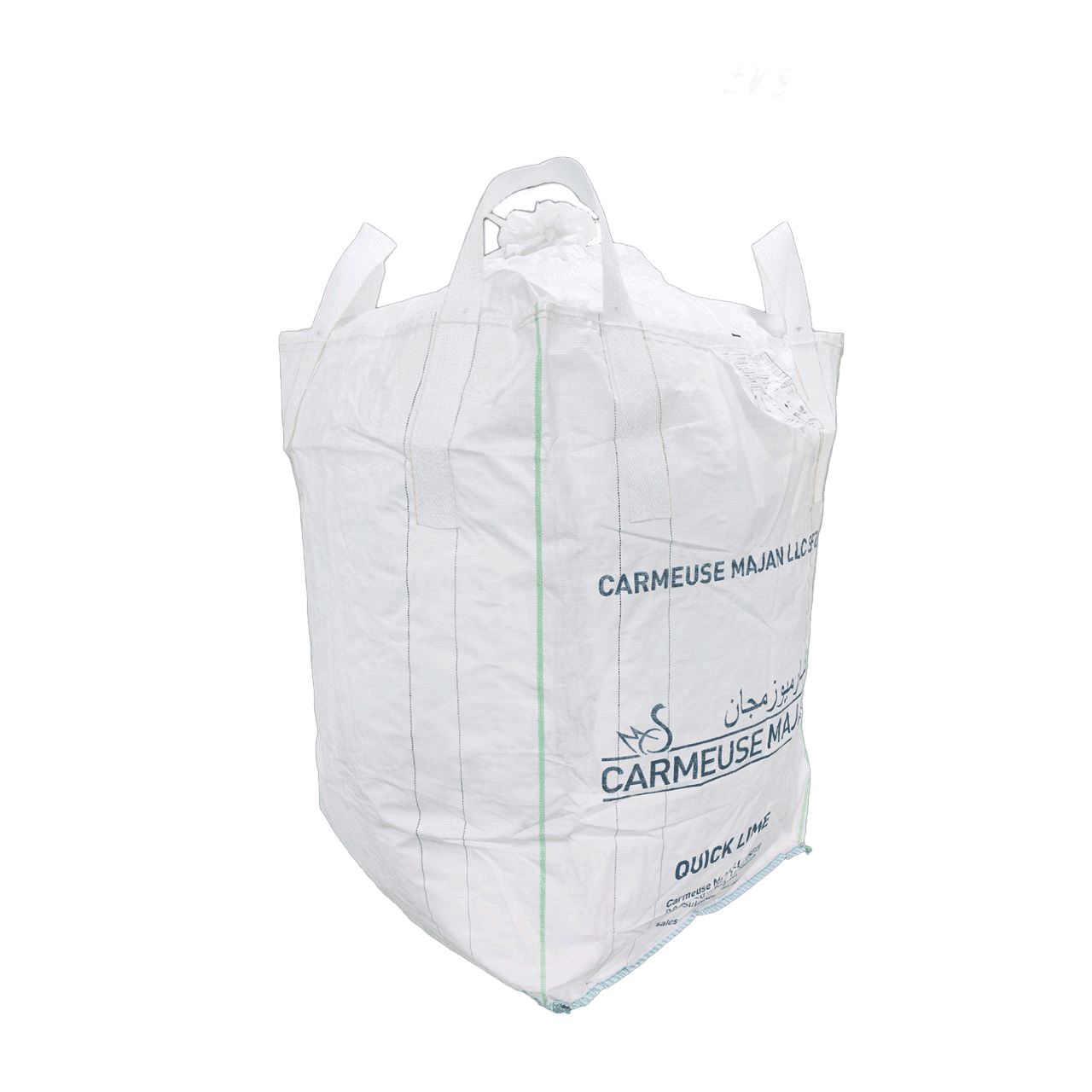 | FIBC Section Bags With Liners FIBC Liners – Bulk Bag Liners Deccan Cans & Printers Pvt. Ltd. |
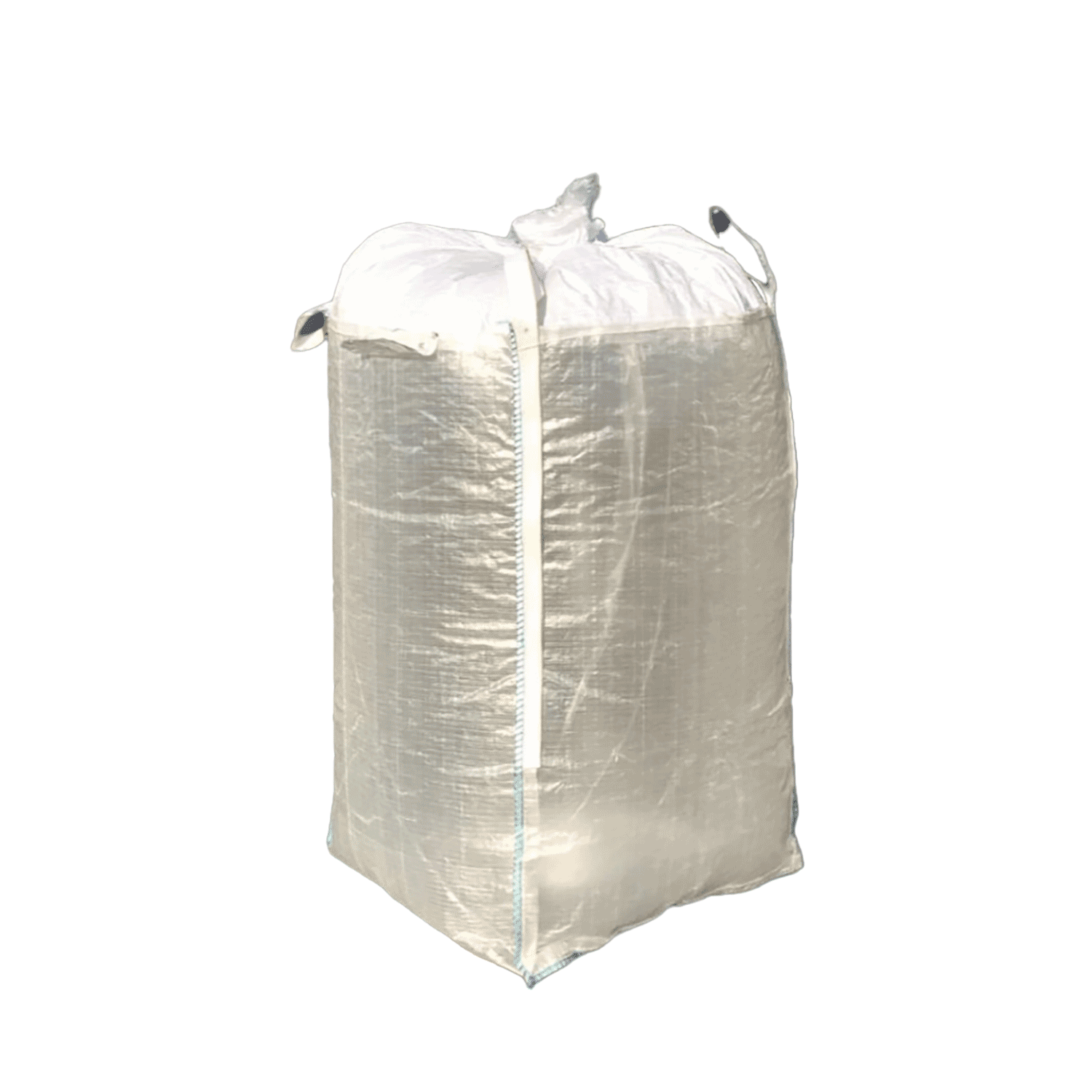 | FIBC Section Transparent Bags Transparent FIBCs – See-Through Bulk Bags Deccan Cans & Printers Pvt. Ltd. |
Frequently asked questions
Which materials belong in an FIBC, and when is another pack safer?
FIBCs suit free-flowing powders, granules, flakes and non-volatile solids. Choose another containment method for liquids, solvent-wet products, pyrophoric materials, hot fills or severe dust-explosion hazards.
How do you calculate FIBC capacity and specify its load-bearing design?
Calculate usable volume from the product’s bulk density, required mass and fill level, then specify the safe working load, safety factor, lifting loops, seams and discharge design.
Which liner and coating protect chemical or pharmaceutical products?
Select the liner, coating and fabric after checking chemical compatibility, moisture sensitivity, static-control needs, dust containment, cleanability and discharge requirements.
What evidence should you demand from a custom FIBC supplier in Ankleshwar?
Request material specifications, safe working load and safety-factor records, seam and lift-loop test results, liner details, electrostatic classification, UN documentation when required, and batch traceability.
Related products
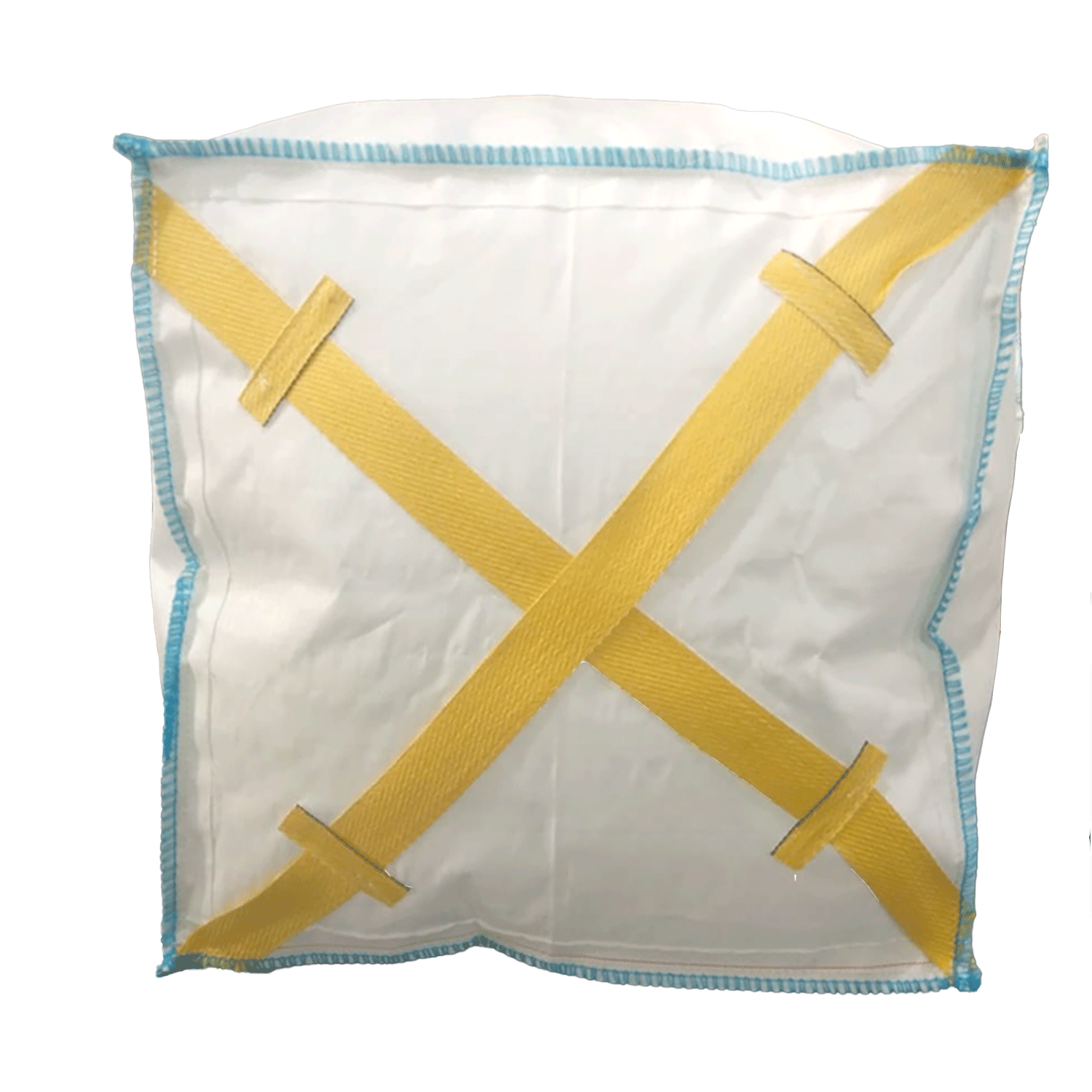 | FIBC Section Cross Bottom Sling Bags Cross Bottom Sling FIBCs – Bulk Bags Deccan Cans & Printers Pvt. Ltd. |
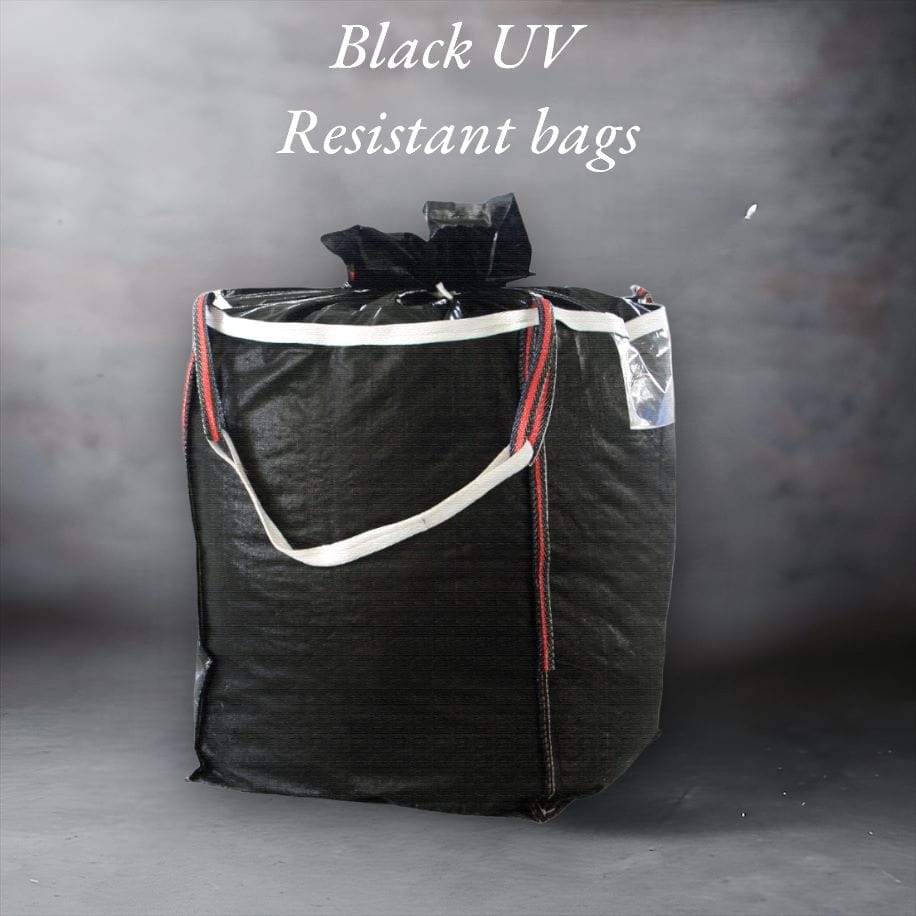 | FIBC Section Black Bags Black FIBC Bags – Enhanced UV Resistance & Extended Shelf Life UV exposure is one of the major challenges faced by the FIBC industry, as prolonged... |
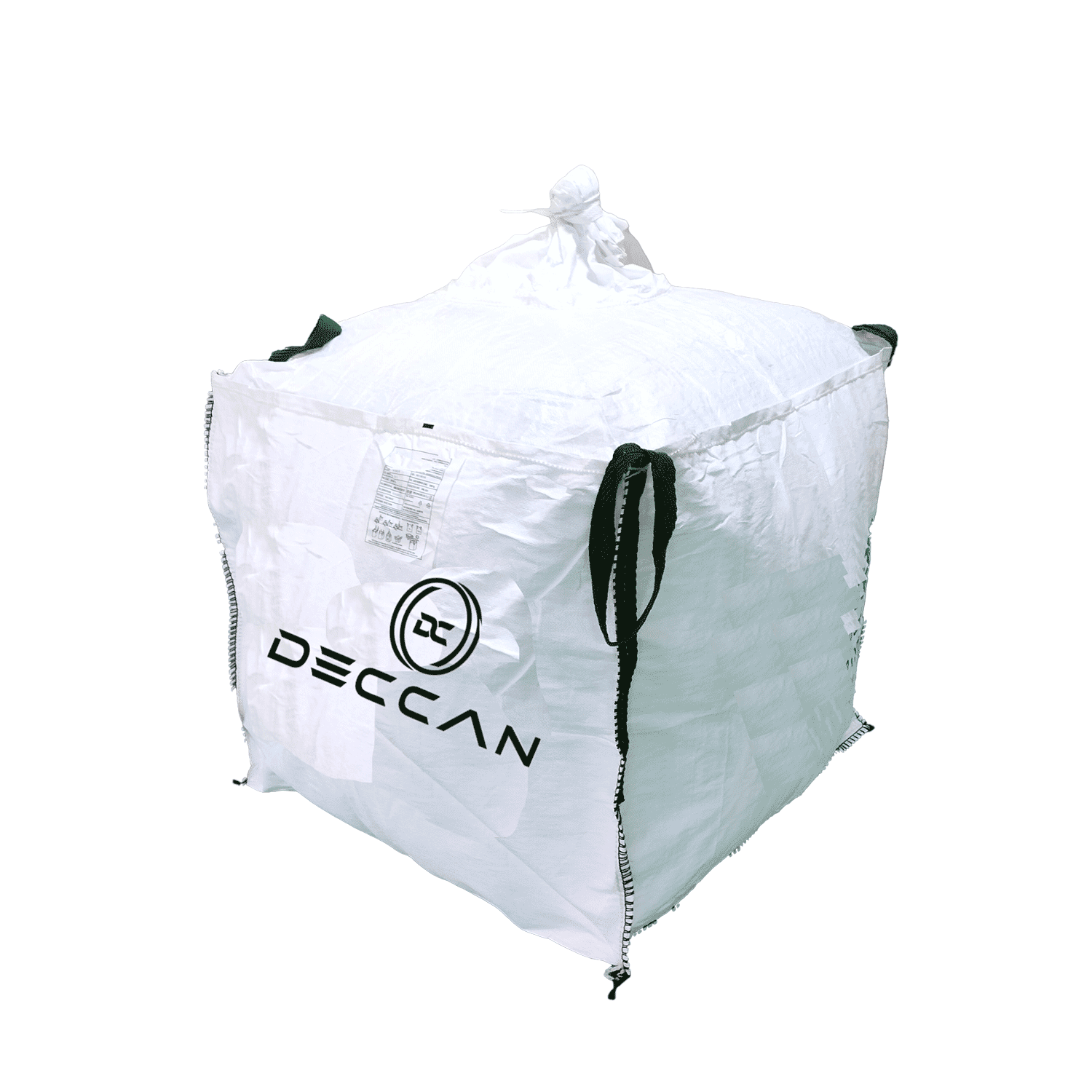 | FIBC Section Polyester Loop Bags/Multifilament Loops Polyester / Multifilament Loop FIBC Bags Deccan Cans & Printers Pvt. Ltd. |
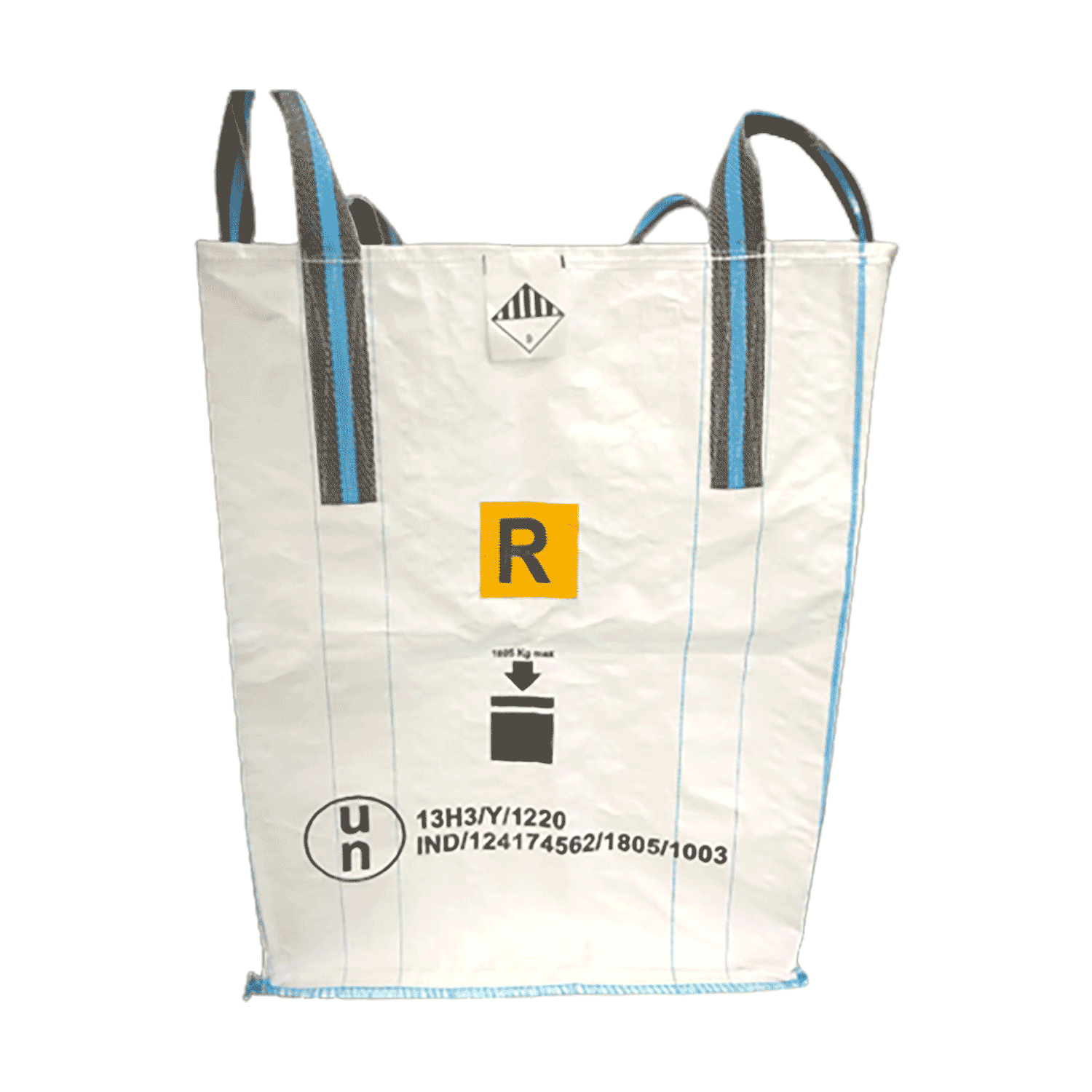 | FIBC Section Un Bags UN Certified Bulk Bags – Rigorous Performance Testing for Safety & Reliability Deccan UN Certified Bulk Bags are specially engineered for the safe... |