The correct FIBC depends on the material’s density, particle size, moisture behaviour, temperature, chemistry, and handling route—not simply on a stated 1,000 kg capacity. By the end, you will be able to define the bag, liner, lifting system, electrostatic protection, testing documents, and monsoon controls your operation requires.
Key takeaways
- Calculate filled mass from actual bulk density, not the bag’s litre rating.
- Match safe working load and lifting loops to every handling step.
- Use liners and moisture barriers for hygroscopic fertilizers.
- Specify static controls, dust protection and dangerous-goods requirements before purchase.
Match the FIBC to the fertilizer or raw material
Choose the FIBC from the material’s mass, moisture, flow and chemical behaviour—not its nominal litre rating. Calculate the filled mass from the product’s actual bulk density, then compare it with the bag’s safe working load.
A 1,000-litre bag can exceed its load limit with dense mineral fertilizer, while a low-density powder may need a taller or baffled construction to prevent excessive bulging and settling.
Record these properties before approving fertilizer bulk bags or raw material packaging:
- Bulk density at filling and after settling
- Particle size, shape and dust level
- Moisture content and hygroscopicity
- Flow behaviour during filling and discharge
- Product temperature at bag entry
- Chemical compatibility, oxidizing behaviour and transport classification from the SDS
| Material characteristic | FIBC decision | Failure if ignored |
|---|---|---|
| Fine, dusty powder | Use sift-proof seams and a suitable liner; confirm discharge performance | Leakage, dust clouds or blocked outlets |
| Hygroscopic fertilizer | Specify coated fabric or a polyethylene liner with a validated closure | Caking, weight gain and poor discharge |
| Dense granules | Select capacity from bulk density and SWL, not volume alone | Overloaded lifting loops or seams |
| Abrasive, sharp or irregular particles | Use stronger fabric and abrasion-resistant construction | Fabric cuts and seam damage |
| Oxidizing or regulated material | Use the FIBC type and UN packaging code required by the SDS and transport classification | Rejected shipment or unsafe handling |
Run a trial with the real product. Check filling, settling, discharge and residual material before placing a regular order.
Specify capacity, lifting construction, and the complete handling route
Rate the bag against the heaviest actual fill and every handling load, not fabric weight alone. Set capacity from the product’s bulk density, target fill mass, usable volume, headspace, and pallet or truck limits. The FIBC safe working load must cover that mass plus dynamic loads from filling, lifting, forklift travel, discharge, and stacking.
A “1,000 kg” mark alone proves nothing.
Specify a 5:1 safety factor for a single-trip FIBC and a 6:1 safety factor for a reusable FIBC when that service is required. Each factor compares tested minimum breaking performance with SWL; it does not permit filling the bag to five or six times its marked capacity.
The 1-loop FIBC versus 2-loop FIBC versus four-loop FIBC decision must match the attachment actually available:
| Lifting construction | Equipment match | Check before approval |
|---|---|---|
| 1-loop FIBC | Dedicated single-hook or loop attachment | Confirm the loop and seam take the full SWL |
| 2-loop FIBC | Two-point lifting frame or compatible forklift attachment | Confirm equal loading and spacing |
| Four-loop FIBC | Four-hook frame or four-tine forklift attachment | Confirm all loops engage together |
Trace the complete route before ordering:
- Fill: measure the spout, clamp, scale, and dust-control clearance.
- Store: test the proposed stack pattern; SWL is not stacking authorization.
- Discharge: check outlet height, valve access, conveyor clearance, and support.
- Transport: verify pallet footprint, forklift tine spacing, truck height, restraint, and impact exposure.
Specify these measurements on the purchase document and require the supplier’s SWL, safety-factor, lifting-test, and stacking-test records for the stated configuration.
Design the liner and moisture barrier for hygroscopic fertilizers
Use a polyethylene liner when hygroscopic fertilizer can absorb humidity, cake, or lose flowability; choose coated woven polypropylene when the barrier must remain integrated with the bag during repeated handling. Woven polypropylene alone is not a moisture barrier, and a moisture barrier FIBC must match the product’s SDS, moisture sensitivity, temperature, and filling process.
Specify the FIBC liner selection in measurable terms, not as “heavy duty”:
- State polyethylene liner thickness in micrometres, selected against puncture risk, product temperature, drop height, and handling trials. Require samples filled and discharged before approval.
- Specify a form-fit liner when loose film could fold into the outlet or restrict collapse. Confirm the liner’s dimensions match the bag and filling spout.
- Choose a heat-sealed liner for moisture control, then define the seal width, seal location, and agreed leak test. A sift-proof sewn seam stops powder migration; it does not make the bag water-resistant.
- Specify liner attachment points, such as sewn tabs or a secured top hem, so the liner cannot pull into the discharge spout or detach during filling.
- Name the discharge design: bottom spout, full-bottom discharge, or conical outlet. Require a tie closure or flap, its dimensions, and a clean, controlled opening method.
Check compatibility with urea, ammonium-nitrate products, phosphates, micronutrient blends, or chemical intermediates separately. Their chemistry, dust, oxidizing behaviour, and heat exposure can change the suitable film and coating.
Control static, dust, and dangerous-goods risks
Choose the FIBC from the product’s SDS and transport classification, not from the word “fertilizer.” Dusty, combustible powders need electrostatic controls; regulated dangerous goods need a performance-tested package with the correct UN code.
| Type | Construction and control | Use and limitation |
|---|---|---|
| Type A FIBC | Ordinary insulating fabric with no static protection | Use only where no flammable vapour, gas, or dust atmosphere exists. It does not protect against ignition. |
| Type B FIBC | Fabric with low breakdown voltage, commonly below 6 kV | Limits propagating brush discharges, but is not a substitute for grounding in a flammable atmosphere. |
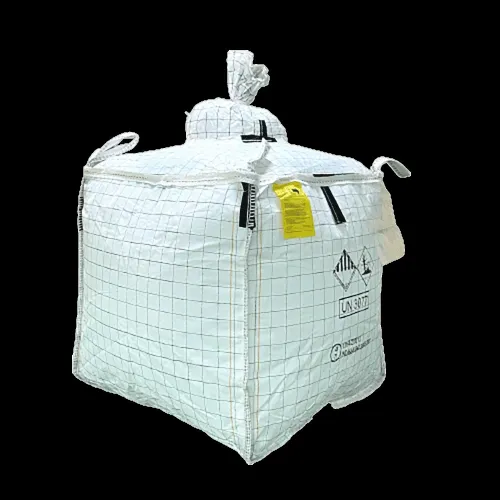
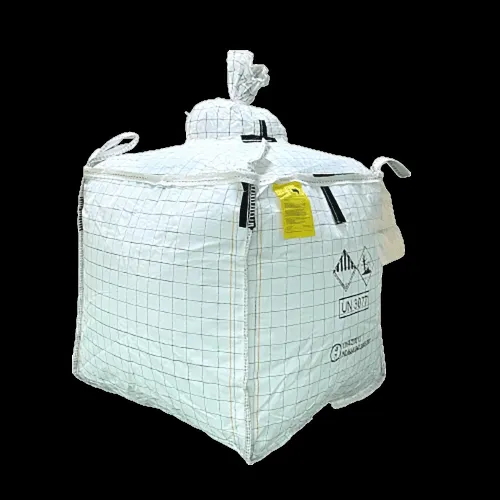
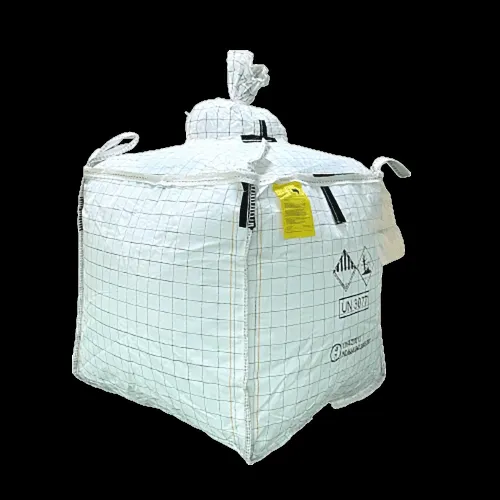
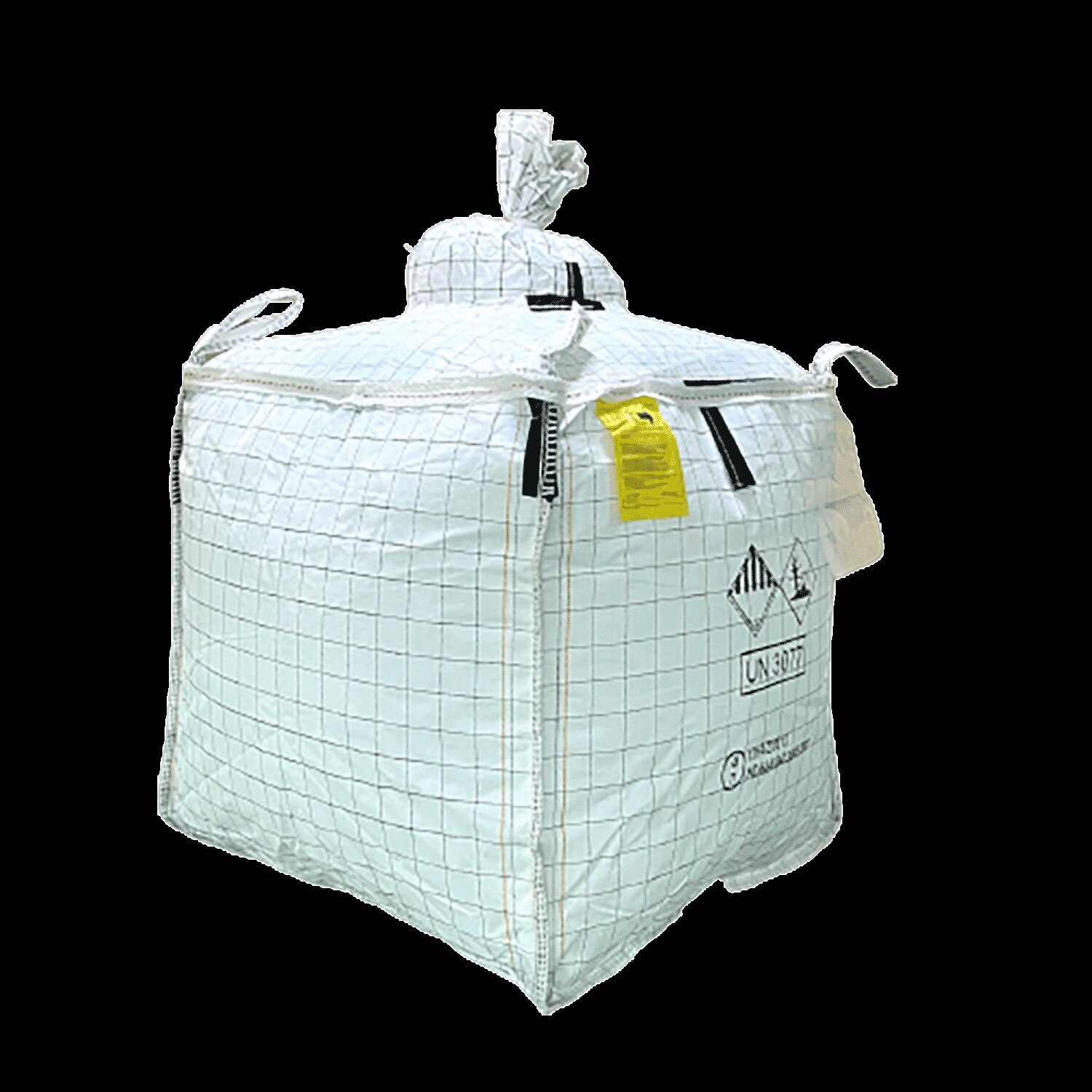
| Type C FIBC | Conductive yarns and a grounding tab | Use where ignition risk exists; complete Type C FIBC grounding before filling and maintain it during discharge. Verify continuity and resistance below 1.0 × 10^8 ohms. |
| Type D FIBC | Dissipative fibres that release charge without an earth lead | Use where grounding a Type C bag is impractical. Keep the specified fabric free from conductive contamination, moisture films, incompatible liners, and surface damage. |
Ask for these controls before approval:
- Match the bag’s electrostatic classification to the SDS, dust-explosion assessment, filling speed, and surrounding ignition sources.
- Treat the grounding lead, operator procedure, and continuity check as one Type C control system; an unconnected tab provides no protection.
- Select UN qualification when the material is regulated as dangerous goods. Confirm the applicable 13H code, performance-test evidence, closure, water-resistance or sift-proof construction, filling limits, and UN marking; an ordinary bulk bag is insufficient.
Build an Ankleshwar procurement and storage specification
Approve an FIBC for routine use only after a filled trial proves that the bag fits every transfer point and remains stable in storage. Measure the filling and discharge spouts, forklift tine spacing, pallet footprint, aisle width, truck loading height, warehouse clear height, and proposed stack height.
Complete this procurement checklist:
- Record the bag’s empty and filled dimensions, spout clearances, pallet overhang, and forklift access.
- Request an ISO 21898 testing report covering lifting, toppling or impact handling, compression or stacking, seams, and closures—not just a generic “5:1” claim.
- Confirm the marked SWL, batch traceability, and whether the design safety factor is 5:1 for single-trip use or 6:1 for reusable use. Neither authorizes filling beyond the marked SWL.
- Define FIBC stacking safety from tested bag geometry, pallet support, cross-stacking pattern, maximum tiers, and forklift-impact limits.
- Specify monsoon storage for FIBCs: covered storage, raised pallets, sealed liners and spouts, no contact with damp floors or walls, lot-level moisture checks, and a maximum storage period.
| Evidence to approve | What to verify | Reject when |
|---|---|---|
| Test certificate | Bag construction matches the tested sample | Supplier provides only a ratio |
| Trial lot | No seam leakage, bulging, or discharge blockage | Filled bag fails site handling |
| Storage record | Covered, dry, palletised location | Yard exposure or condensation is uncontrolled |
For a FIBC supplier in Ankleshwar, compare Deccan Cans and Printers Pvt. Ltd. with suppliers using the same evidence list, including material traceability, inspection records, replacement policy, and continuity checks for Type C grounding systems.
Related products
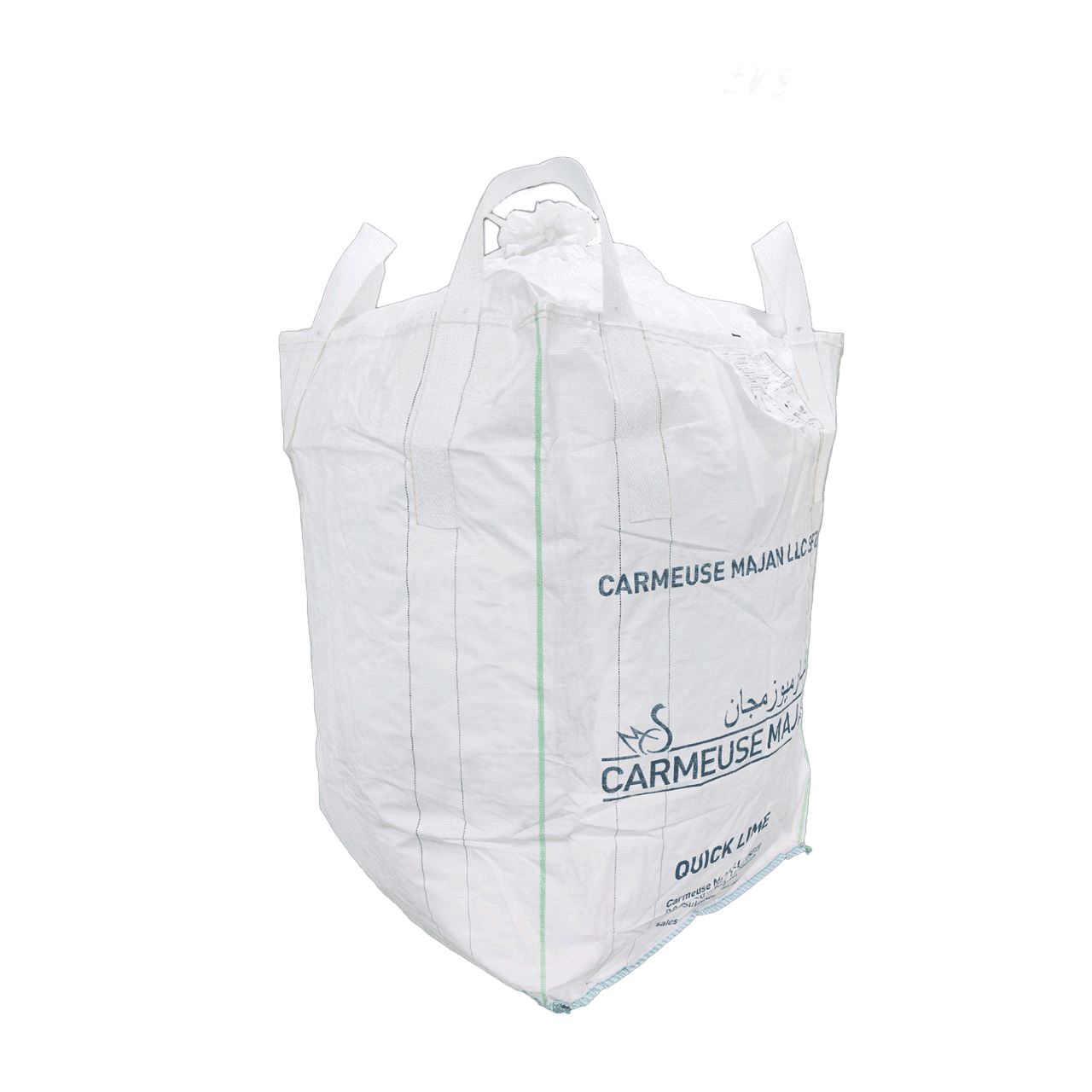 | FIBC Section Bags With Liners FIBC Liners – Bulk Bag Liners Deccan Cans & Printers Pvt. Ltd. |
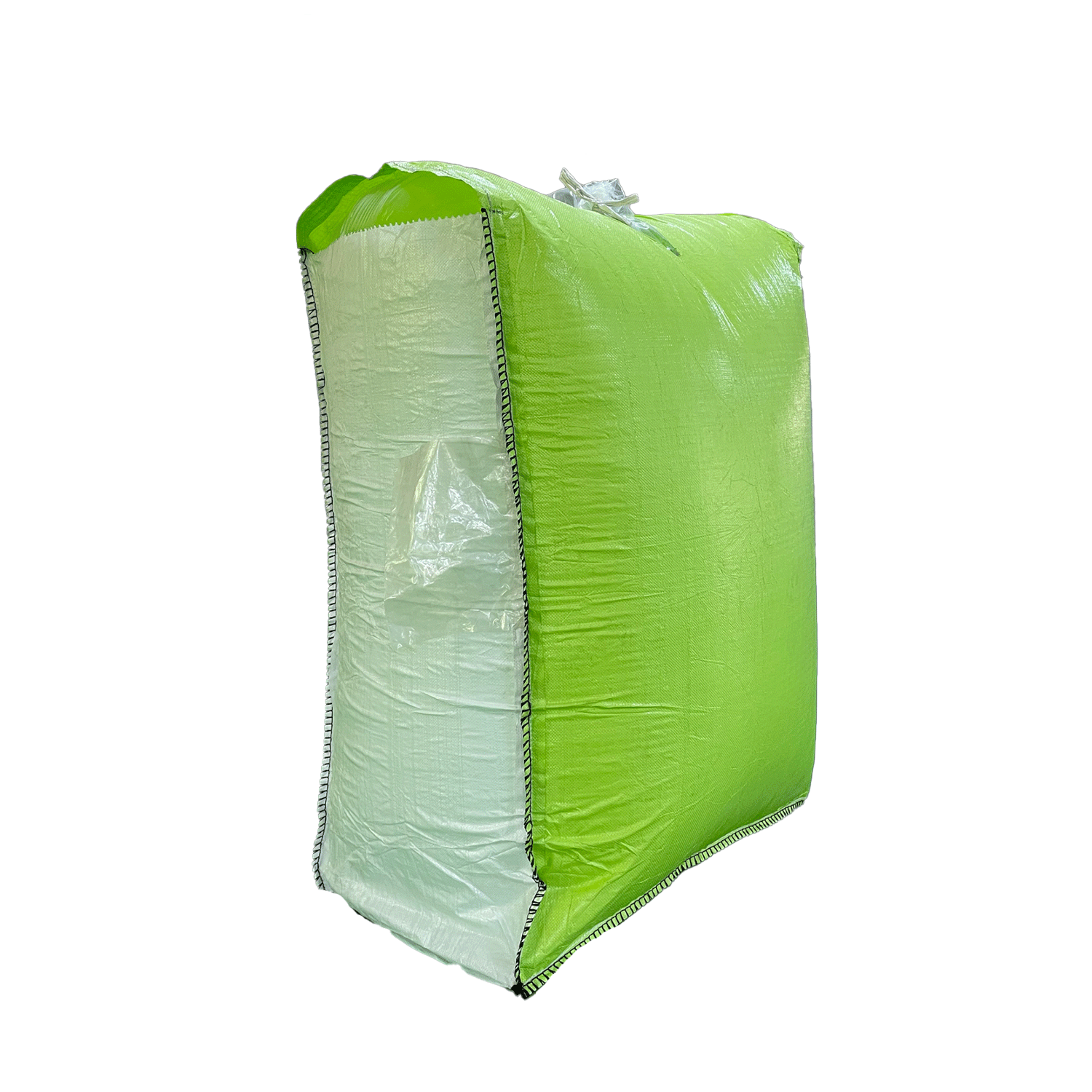 | FIBC Section Fertilizer Bag Range 1 & 2 Loop FIBC Bulk Bags Deccan Cans & Printers Pvt. Ltd. offers durable and cost-effective 1 & 2 Loop FIBC Bulk Bags, designed for the efficient... |
Frequently asked questions
How do you choose an FIBC for fertilizer or raw materials?
Match the bag to bulk density, moisture sensitivity, flow behaviour, chemical compatibility, fill weight and discharge method. Compare the calculated filled mass with the bag’s safe working load.
What lifting construction should an FIBC use?
Choose lifting loops and a bag construction that suit the full handling route, including filling, forklift or crane movement, warehouse stacking, transport and discharge.
When does an FIBC need a liner or moisture barrier?
Use a compatible liner or moisture barrier when the product absorbs humidity, cakes, loses flowability or reacts with water vapour. Confirm the liner material against the fertilizer or raw material.
How should FIBCs control static, dust and dangerous-goods risks?
Specify the required static-control type, such as Type A, B, C or D, alongside dust-tight closures, grounding procedures and dangerous-goods documentation where the material requires it.
Related products
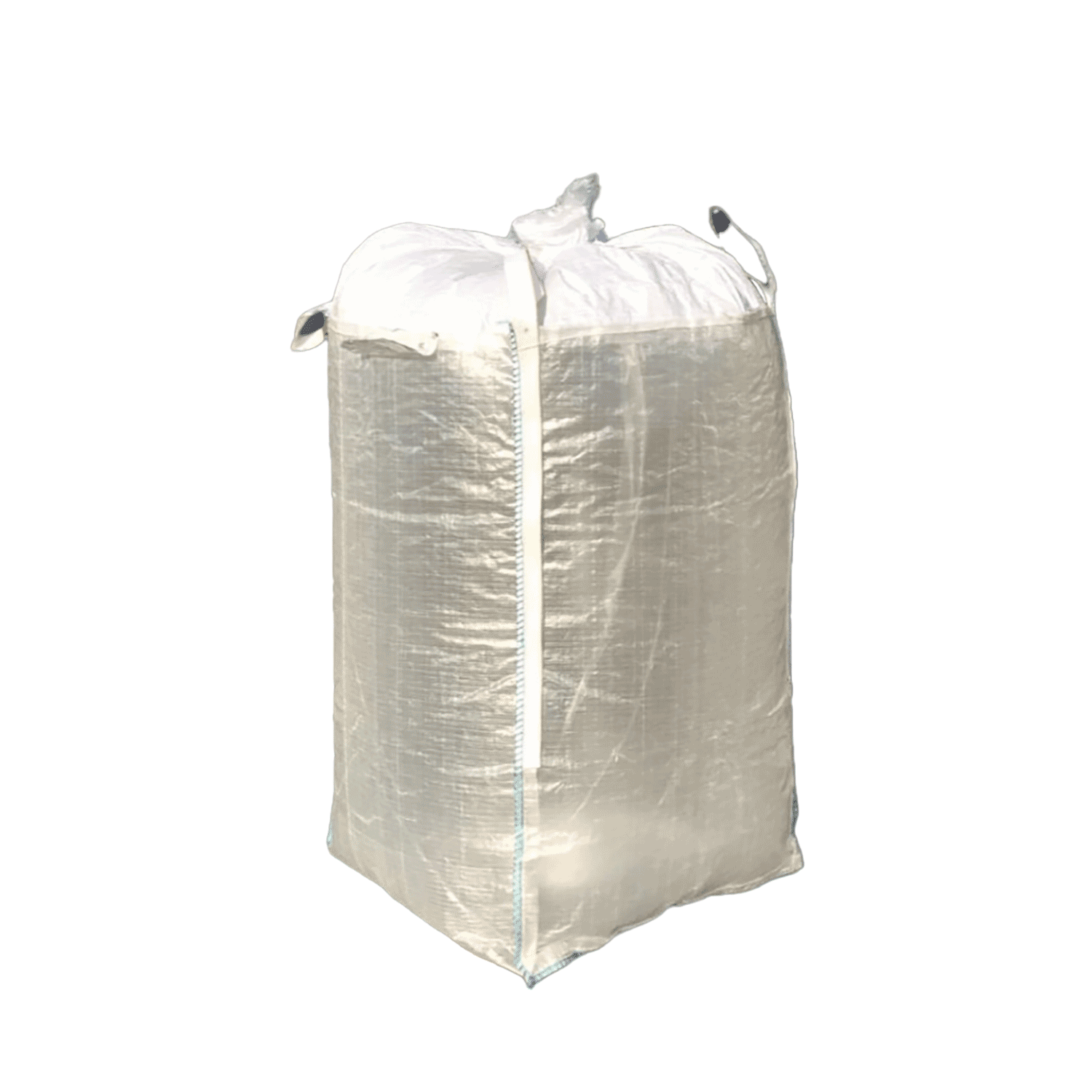 | FIBC Section Transparent Bags Transparent FIBCs – See-Through Bulk Bags Deccan Cans & Printers Pvt. Ltd. |
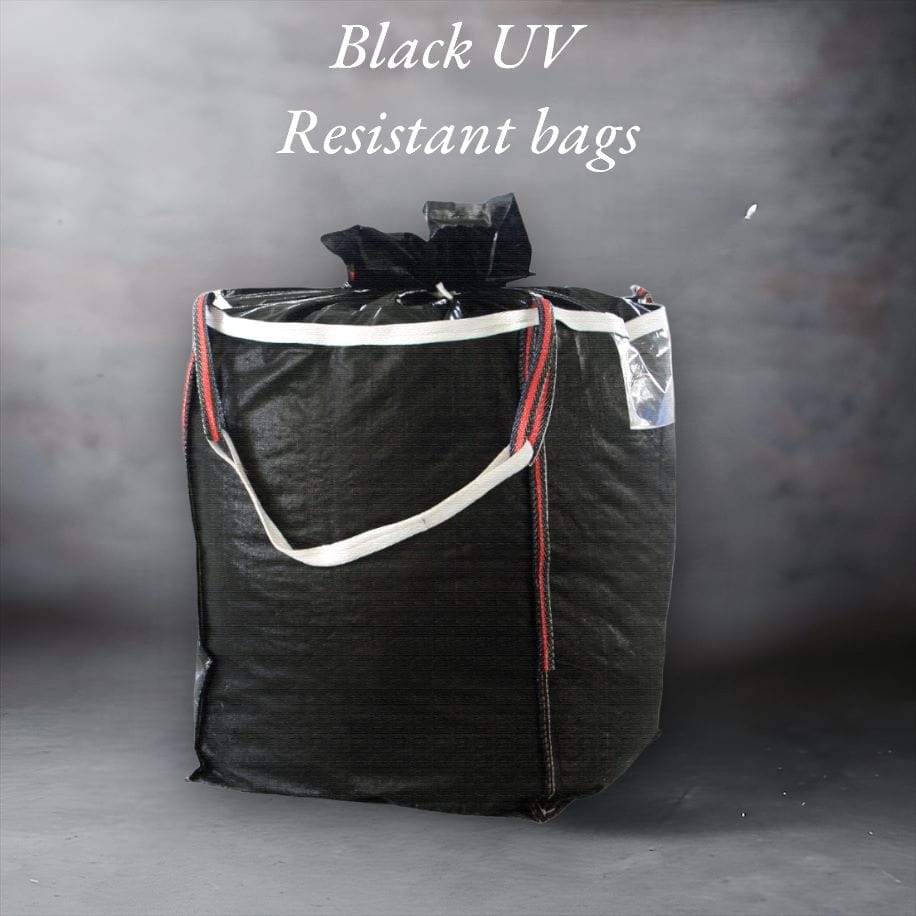 | FIBC Section Black Bags Black FIBC Bags – Enhanced UV Resistance & Extended Shelf Life UV exposure is one of the major challenges faced by the FIBC industry, as prolonged... |
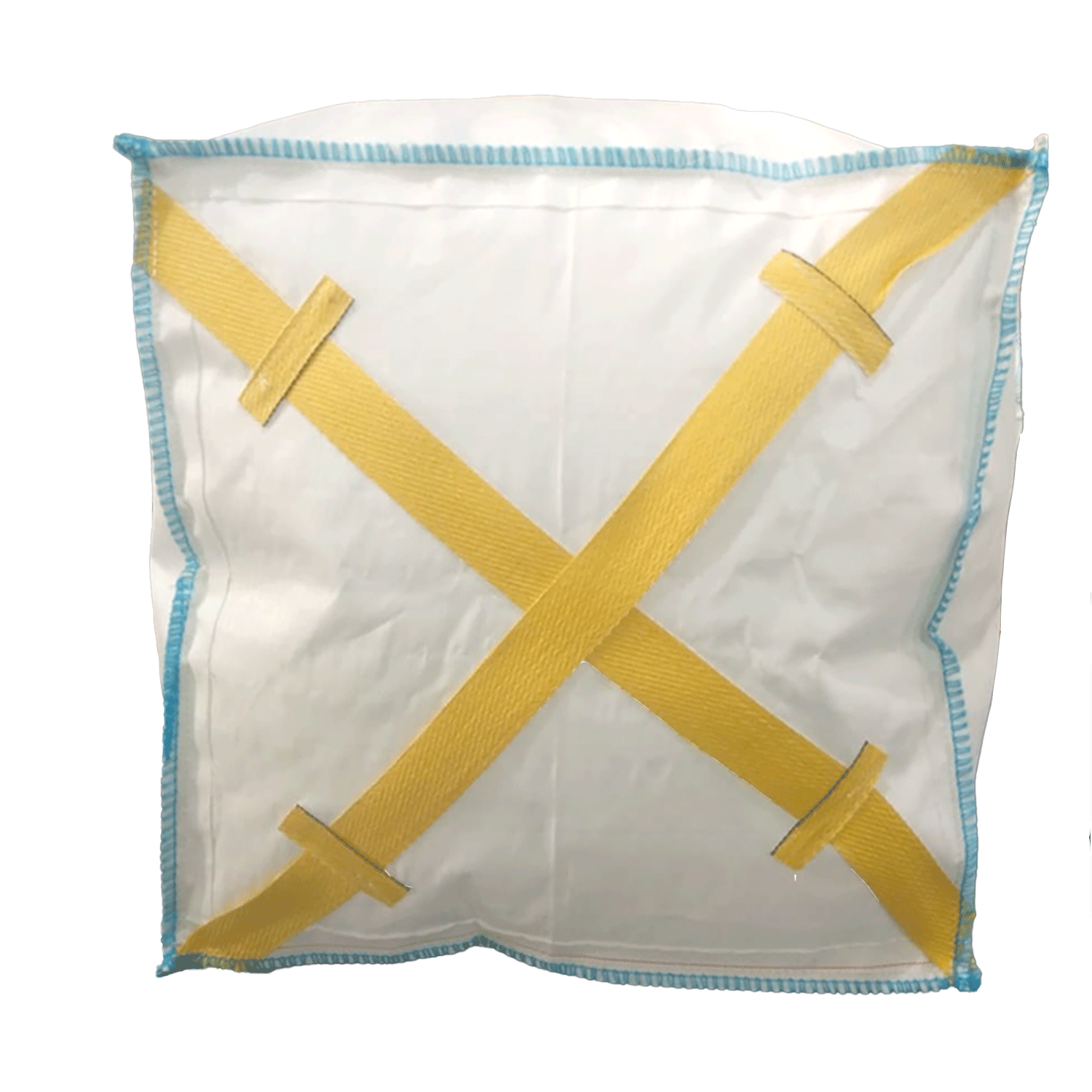 | FIBC Section Cross Bottom Sling Bags Cross Bottom Sling FIBCs – Bulk Bags Deccan Cans & Printers Pvt. Ltd. |
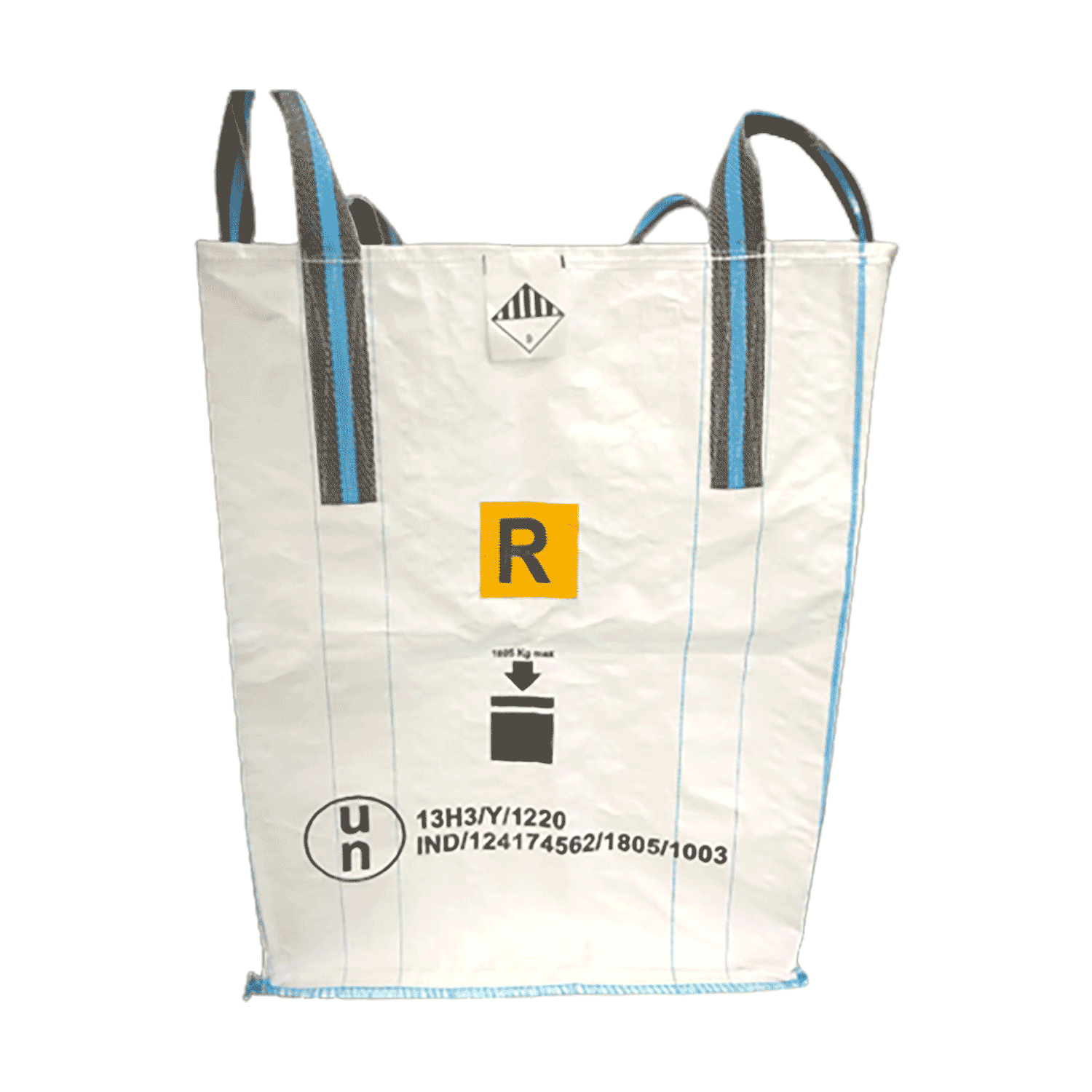 | FIBC Section Un Bags UN Certified Bulk Bags – Rigorous Performance Testing for Safety & Reliability Deccan UN Certified Bulk Bags are specially engineered for the safe... |