Choosing an FIBC by volume alone can leave you with a bag that is difficult to fill, unsafe to lift, unstable in storage or unsuitable for the material inside. By the end, you will be able to match the bag construction, capacity, lifting system, fabric, liner and compliance details to your product and handling process in Auckland.
Key takeaways
- Match bag construction to material flow and the lifting route.
- Calculate fill weight, working load and capacity before ordering.
- Specify liners, sift-proof seams and static controls for the material.
- Test filling, discharge, storage and compliance conditions before release.
Match the FIBC construction to the material and lifting method
Choose the FIBC construction from the product’s flow behaviour and lifting route, not from a standard one-cubic-metre template. Free-flowing plastics, granules and many agricultural raw materials usually discharge through a spout; cohesive powders, minerals and some fertilizer products need sift-proof seams, a suitable liner and an outlet tested against bridging and rat-holing.
Food ingredients also require a cleanliness and food-contact specification.
| Configuration | Best fit | Handling trade-off |
|---|---|---|
| One-loop | Light, repeatable lifting by one approved hook or frame | Fast handling, but less flexible than multiple loops |
| Two-loop | Fertilizer FIBC bags, granules and agricultural materials on compatible lifting equipment | Efficient, but the equipment must engage both loops evenly |
| Four-loop | Powder bulk bags, minerals, food ingredients and dense granules | Most adaptable for approved frames and forklifts; all four loops must share the load |
| Cross-bottom | Bags needing a supported base and controlled discharge arrangement | Improves stability and outlet support, but adds handling and storage considerations |
| Forklift sleeves | Frequent movement by forklift | Keeps tines away from the bag body, but requires correct tine entry and sleeve alignment |
A granule bulk bags design can use a controlled valve for metered discharge, while a cohesive powder may need vibration, air pads, mass-flow equipment or a redesigned cone. Select the lifting method, movement frequency and single-trip or reusable rating with the material, filling process, stacking plan and reuse inspection regime.
Never treat loop lifting points as tie-downs or assume visual condition proves reuse safety.
Calculate capacity, fill weight and the lifting specification before ordering
Confirm capacity with a bulk-density calculation, then verify the bag’s certified lifting limits. Fill weight in kilograms equals volume in cubic metres multiplied by bulk density in kilograms per cubic metre. A 1 m³ bag holding 600 kg/m³ material weighs about 600 kg; a denser product changes the load, stability and vehicle payload.
1. Record the product’s minimum and maximum bulk density, target fill mass and permitted variation. Specify the FIBC dimensions and tolerances, FIBC filling height, top construction, bottom outlet and closure. Do not order by nominal one-cubic-metre capacity alone: density changes the actual mass and headspace.
2. Require the marked FIBC safe working load, safety factor, single-trip or reusable rating and approved lifting configuration. Four loops, forklift sleeves and altered discharge arrangements are not interchangeable. Dimensions and fabric weight cannot establish SWL because seams, loops, construction and test results determine the approved load.
3. Confirm the handling layout before production. Set the approved stacking height and method, pallet footprint, floor or rack load limit, fork clearance and vehicle payload. A filled bag can lean, creep or be punctured when its body meets the tines; lifting loops are not automatically tie-down points.
Ensure the specified pallet supports the bag without overhang, and keep the loaded height within the vehicle’s legal and physical limits.
Control dust, moisture, static and leakage with the right fabric and liner
Choose coated polypropylene FIBC for surface dust and splash resistance; choose uncoated FIBC fabric when breathability matters and moisture is controlled. Polypropylene is not waterproof.
| Option | Best use | Main limitation |
|---|---|---|
| Coated polypropylene FIBC | Surface dust and moisture resistance | Does not seal fine powder or odour |
| Loose polyethylene liner | Fine powders, contamination prevention and clean-out | Traps air and shifts during filling |
| Form-fit liner | Hygroscopic products and odour control | Poor fit can bulge or collapse |
| Gusseted liner | Square filling and stable discharge | Adds folds and static surfaces |
Specify polyethylene grade and thickness against the product, temperature and handling cycle; do not order a generic insert. Attach the liner at the filling and discharge spouts or selected top points, then test venting. Trapped air can bulge the bag, slow filling and make discharge collapse or rat-hole.
For powder containment, require sift-proof FIBC stitching, sealed or reinforced seams, a closable filling spout and a discharge spout with a tied, capped or valve-controlled closure. Define an outlet construction that prevents leakage during transport and opens cleanly.
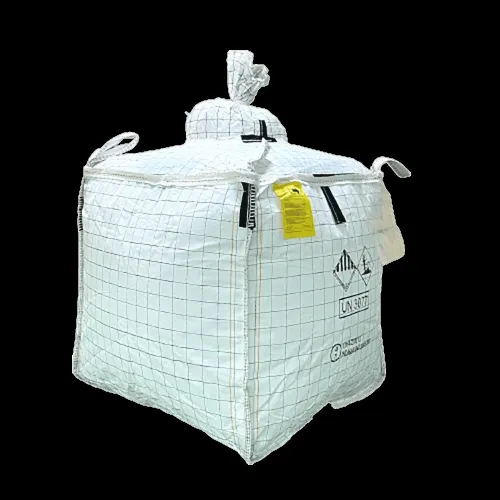
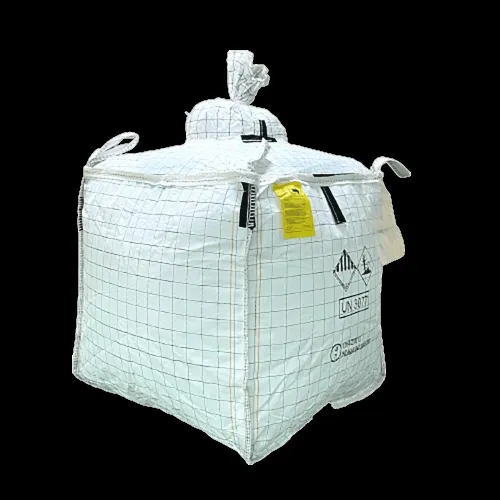
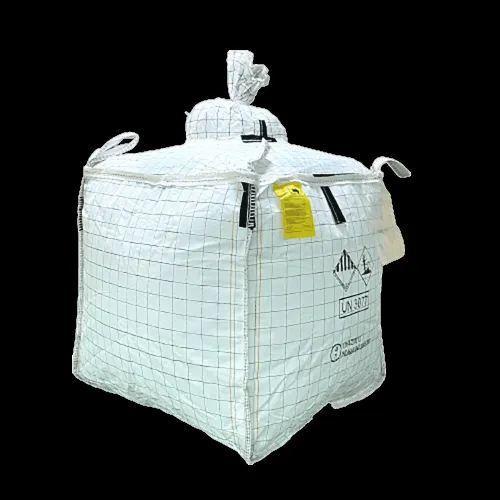
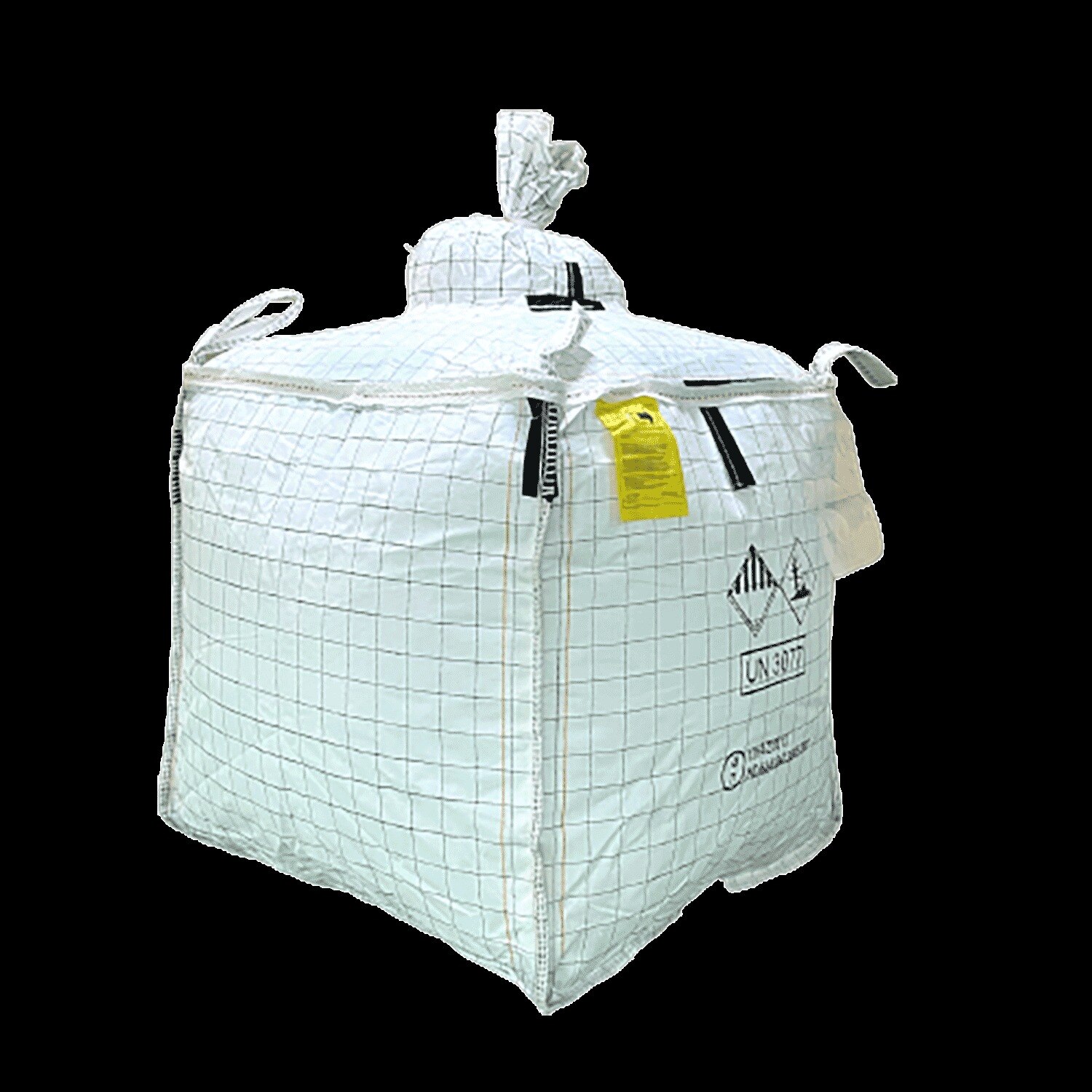
Type A provides no static control. Type B limits ignition-capable brush discharges but needs a controlled process. Type C uses conductive fabric or threads and must be grounded before filling, conveying or discharge. Type D dissipates charge without grounding through a suitable dissipative design. A liner creates another static surface, so verify compatibility.
None of these specifications replaces a combustible-dust assessment covering dust clouds, ignition sources, extraction and housekeeping.
Test filling, discharge, storage and compliance conditions before release
1. Release the setup only after a trial with the actual material, moisture content and intended storage dwell time. Record filling-line air pressure and venting performance; trapped air can bulge the bag or slow filling.
2. Discharge a test bag through the FIBC discharge spout and controlled valve. Check whether cohesive powder bridges or rat-holes above the outlet, then test vibration, air pads, mass-flow equipment and cone design until discharge is consistent without sudden collapse or dust release.
3. Keep bags off the floor with clear fork access, under weather protection, and away from Auckland rain and condensation. Confirm stable stacking, approved lifting points and no load distortion during the planned dwell time. Before reuse, inspect fabric, seams, loops, lift points, liner, filling closure and outlet for cuts, contamination, moisture or chemical damage.
- For non-dangerous solids, define the performance and construction against ISO 21898.
- For dangerous solids, match the current SDS, UN number, proper shipping name, packing group and New Zealand transport decision to the required UN FIBC packaging codes, such as 13H1, 13H2, 13H3 or 13H4. Do not substitute a general-purpose bag.
- For food or sensitive materials, obtain resin, additive, thread and liner evidence, cleanliness, odour, foreign-matter and traceability records under the Australia New Zealand Food Standards Code.
- Confirm ISPM 15 marks on timber pallets or dunnage; the FIBC does not make untreated wood compliant.
Send a complete FIBC purchase specification to an Auckland supplier
A quote from an FIBC supplier Auckland buyer can use should describe the material and the complete handling system, not just “one-tonne bags.” Send this FIBC purchase specification:
- Product name, current SDS, dangerous-goods status, bulk-density range and target fill mass.
- Finished bag dimensions, filling height and dimensional tolerance.
- SWL, safety factor, single-trip or reusable trip rating, and lifting arrangement.
- Fabric coating, liner material and thickness, liner attachment, and required cleanliness level.
- Top design, bottom outlet design, closure details and sift-proof stitching or sealed seams.
- Electrostatic type—A, B, C or D—and written grounding instructions where Type C is specified.
- UV-exposure limit, maximum storage period, storage temperature, weather protection and floor-clearance requirements.
- Pallet footprint, pallet pattern, fork access, printed markings, lot number and batch-traceability format.
Include whether the load is a fine powder, free-flowing granule or raw material, because a liner, outlet and discharge method that works for granules can bridge with cohesive powder. State the required pallet arrangement and vehicle constraints too.
Deccan Cans & Printers Pvt. Ltd., or another bulk bags New Zealand manufacturer, can use these details to recommend or manufacture custom FIBC bulk bags. You remain responsible for confirming process testing with the real product, New Zealand dangerous-goods classification, and food-contact suitability under the Australia New Zealand Food Standards Code.
For imported shipments, confirm timber pallets or dunnage carry ISPM 15 treatment and address biosecurity cleanliness separately.
Related products
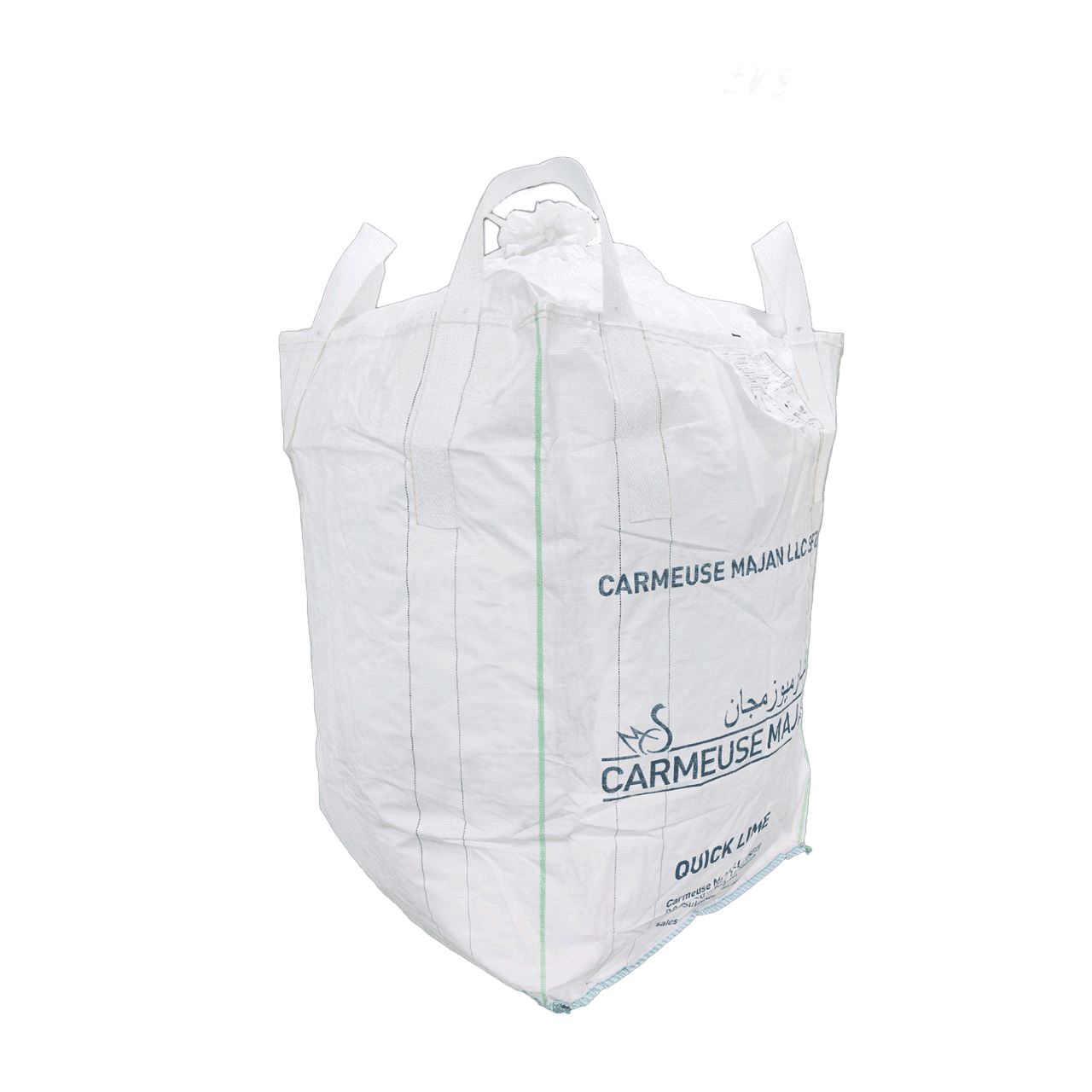 | FIBC Section Bags With Liners FIBC Liners – Bulk Bag Liners Deccan Cans & Printers Pvt. Ltd. |
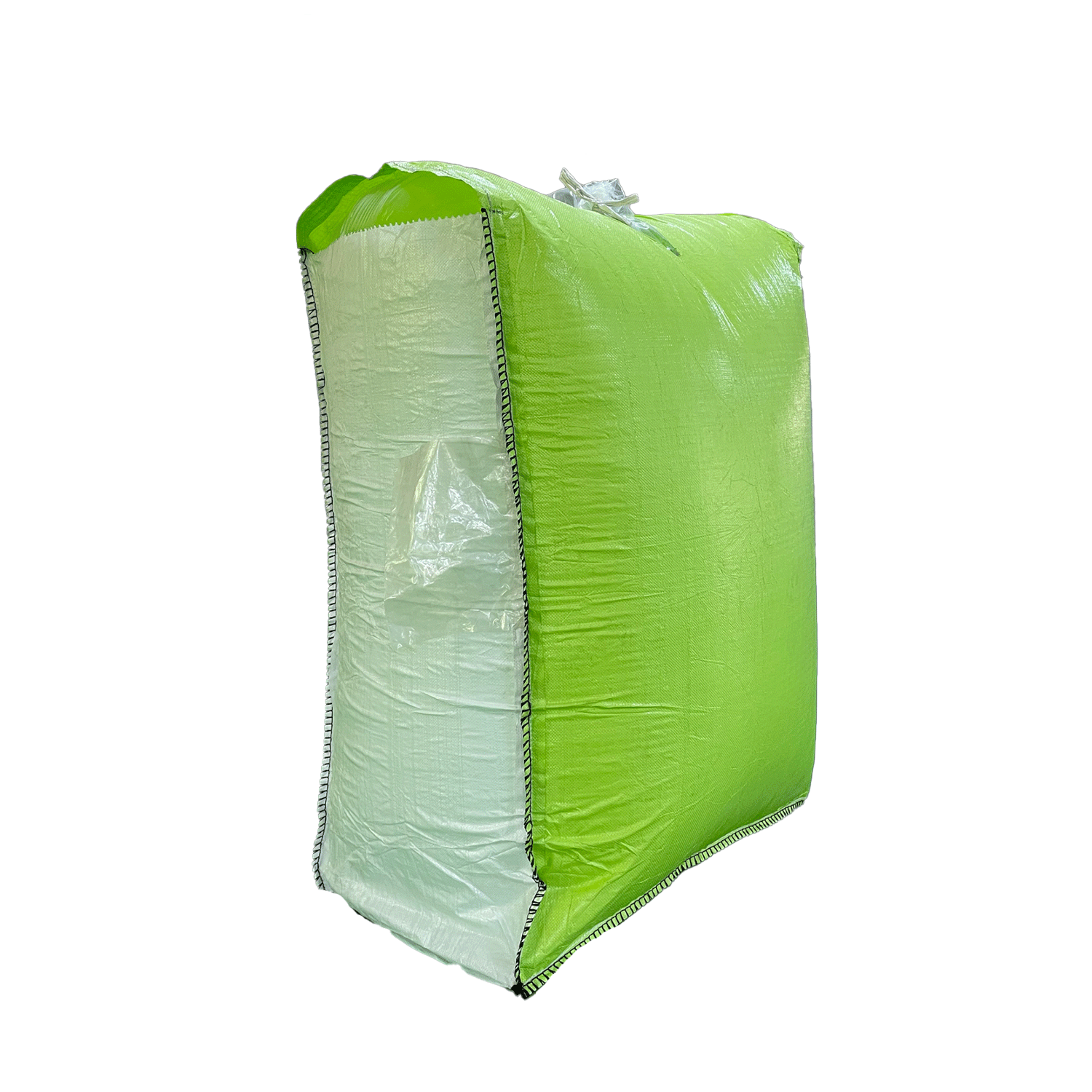 | FIBC Section Fertilizer Bag Range 1 & 2 Loop FIBC Bulk Bags Deccan Cans & Printers Pvt. Ltd. offers durable and cost-effective 1 & 2 Loop FIBC Bulk Bags, designed for the efficient... |
Frequently asked questions
How do you match FIBC construction to the material?
Use the material’s flow behaviour, particle size, density and discharge method. Free-flowing granules often use an outlet spout, while cohesive powders need sift-proof seams, a suitable liner and discharge testing.
What capacity and lifting details belong in an FIBC specification?
State the required volume, filled weight, safety factor, bag dimensions, lifting-loop arrangement and the equipment that will lift the bag.
How can an FIBC control dust, moisture and static?
Specify sift-proof seams, an appropriate polyethylene liner, coated or uncoated fabric, and a static-control construction suited to the material and handling environment.
What should you test before releasing an FIBC for production?
Test filling, lifting, transport, storage, discharge and leakage under actual conditions. Check the finished bag against its working load, dimensions, outlet performance and required compliance documents.
Related products
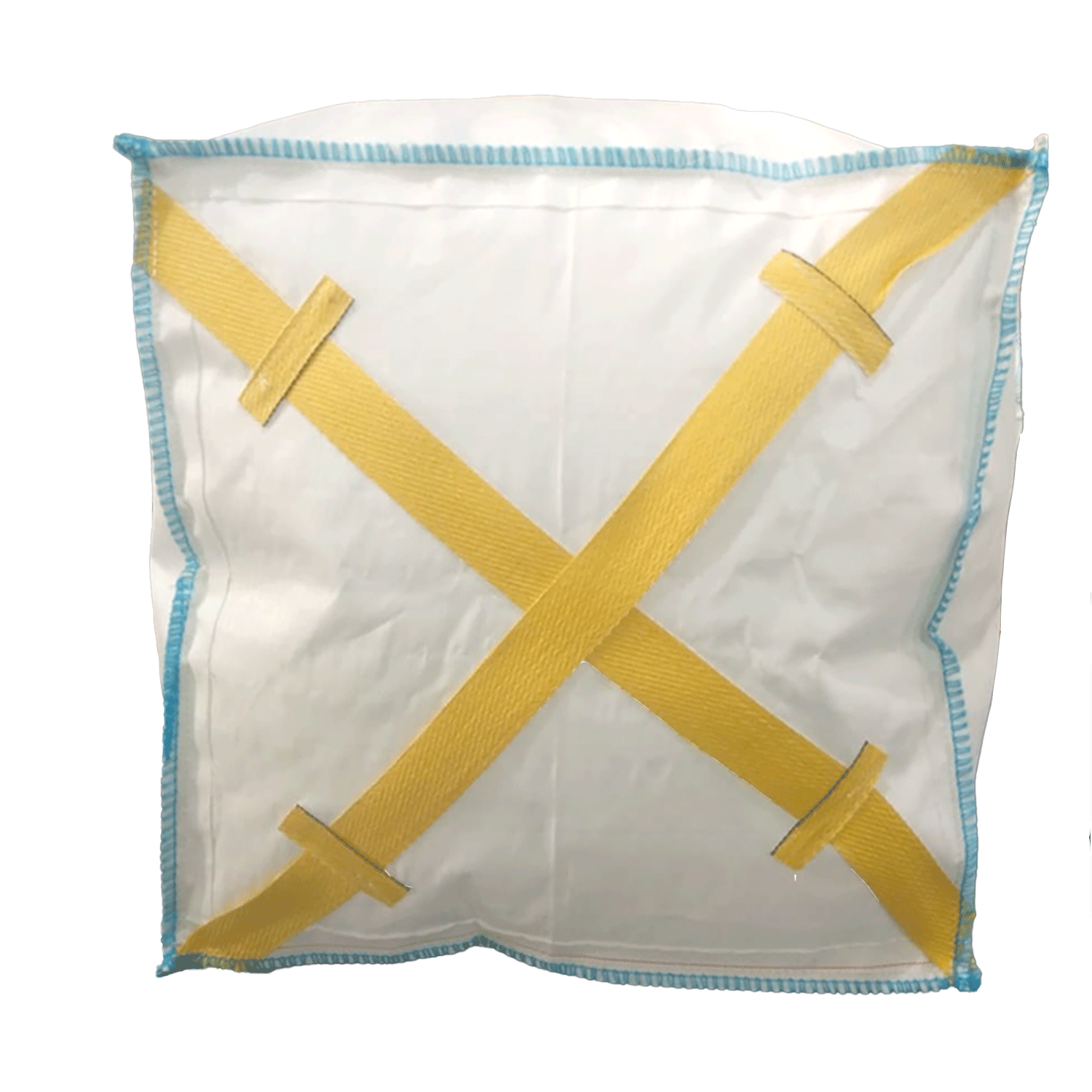 | FIBC Section Cross Bottom Sling Bags Cross Bottom Sling FIBCs – Bulk Bags Deccan Cans & Printers Pvt. Ltd. |
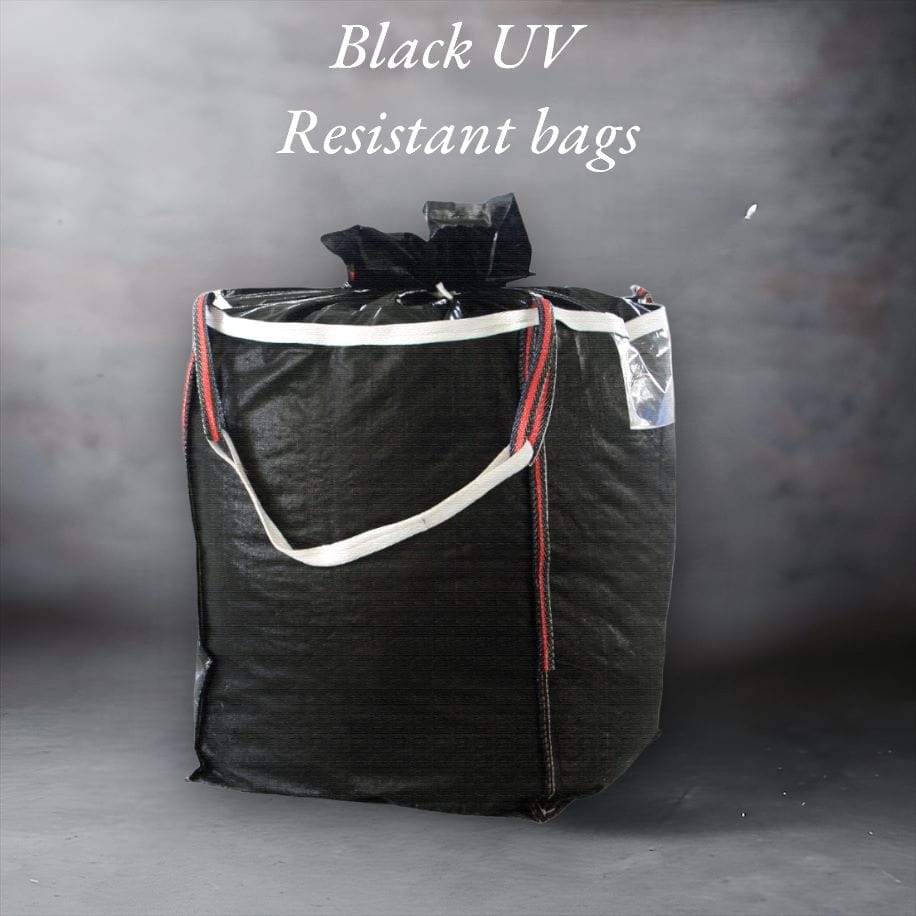 | FIBC Section Black Bags Black FIBC Bags – Enhanced UV Resistance & Extended Shelf Life UV exposure is one of the major challenges faced by the FIBC industry, as prolonged... |
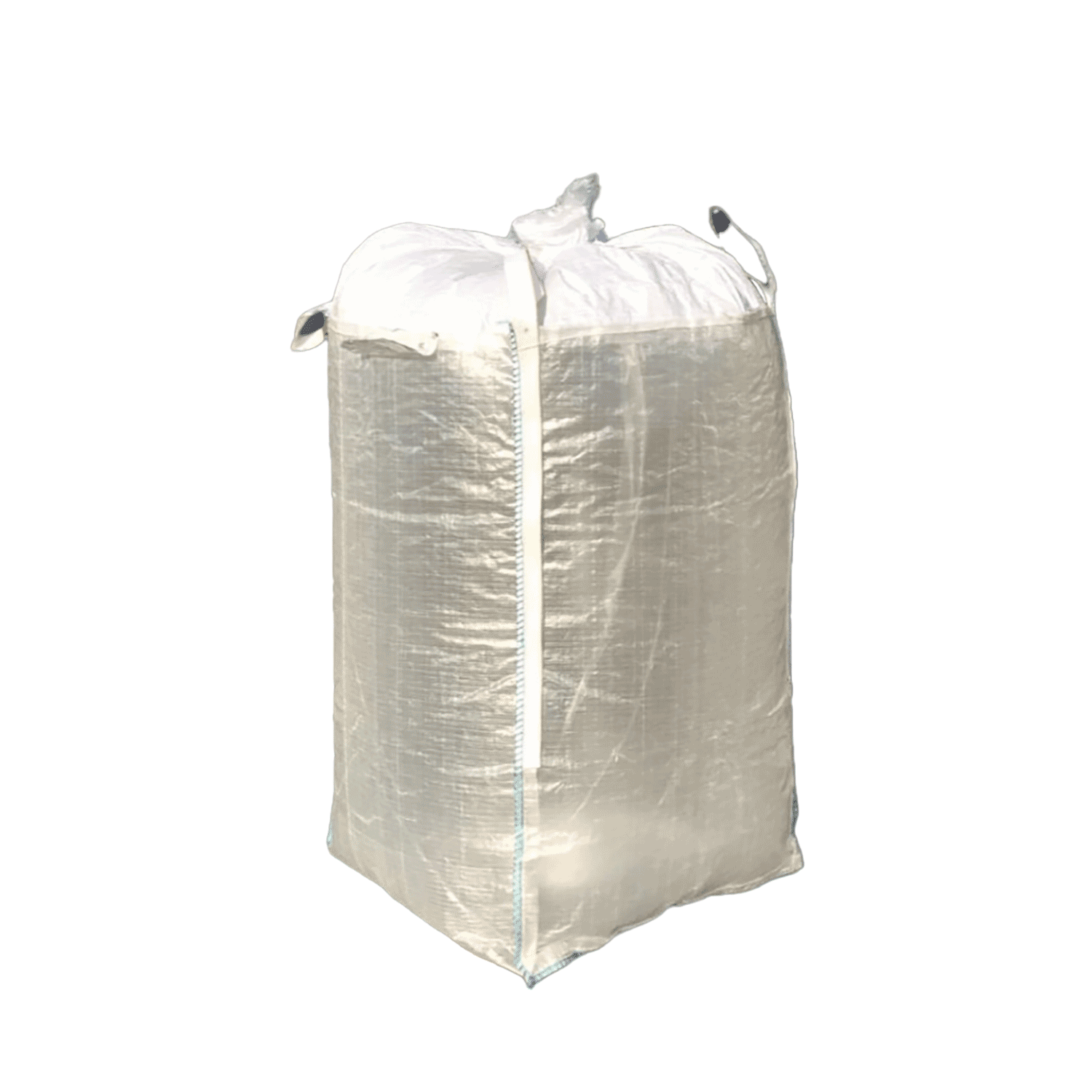 | FIBC Section Transparent Bags Transparent FIBCs – See-Through Bulk Bags Deccan Cans & Printers Pvt. Ltd. |
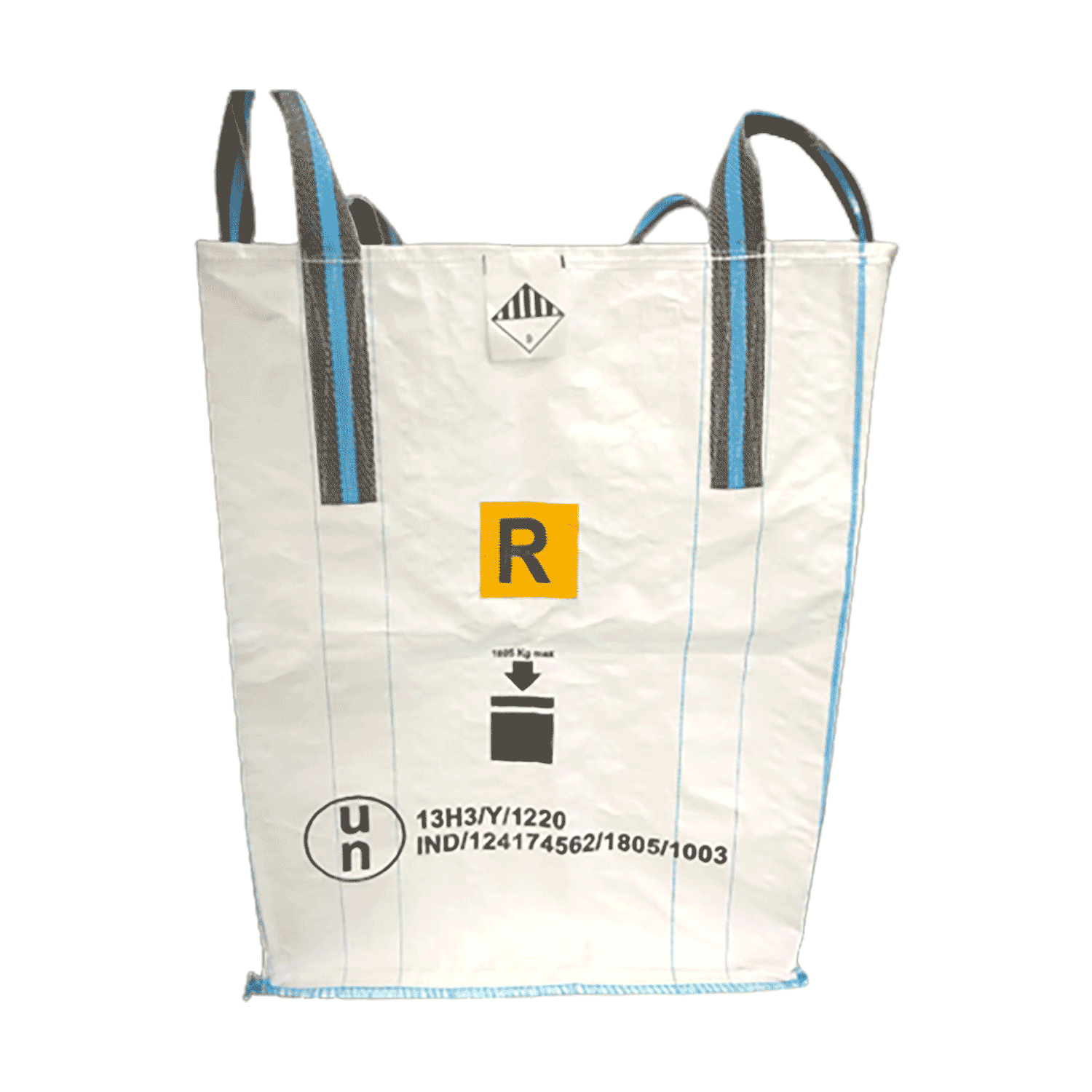 | FIBC Section Un Bags UN Certified Bulk Bags – Rigorous Performance Testing for Safety & Reliability Deccan UN Certified Bulk Bags are specially engineered for the safe... |