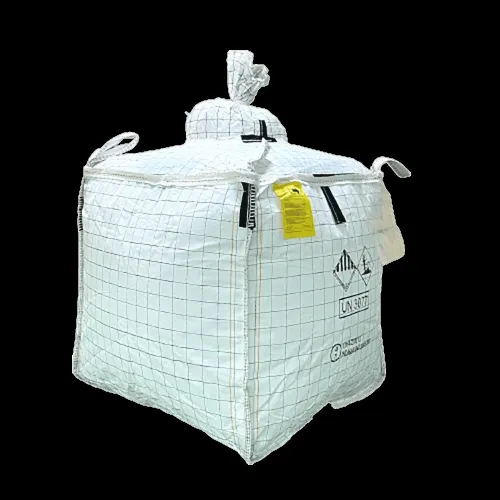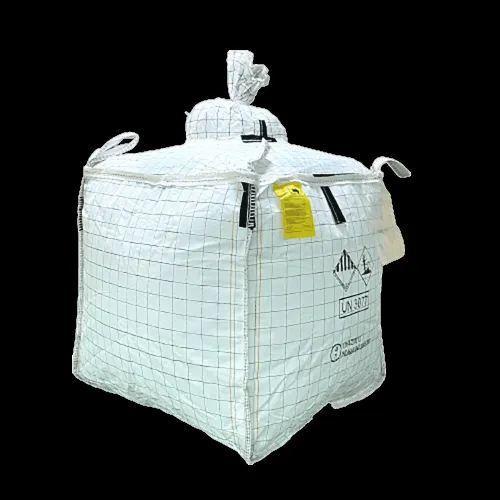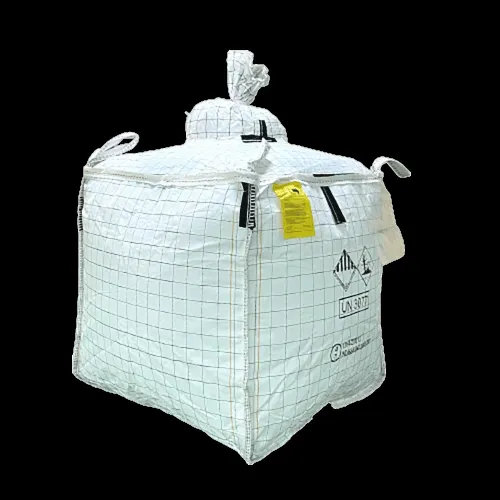

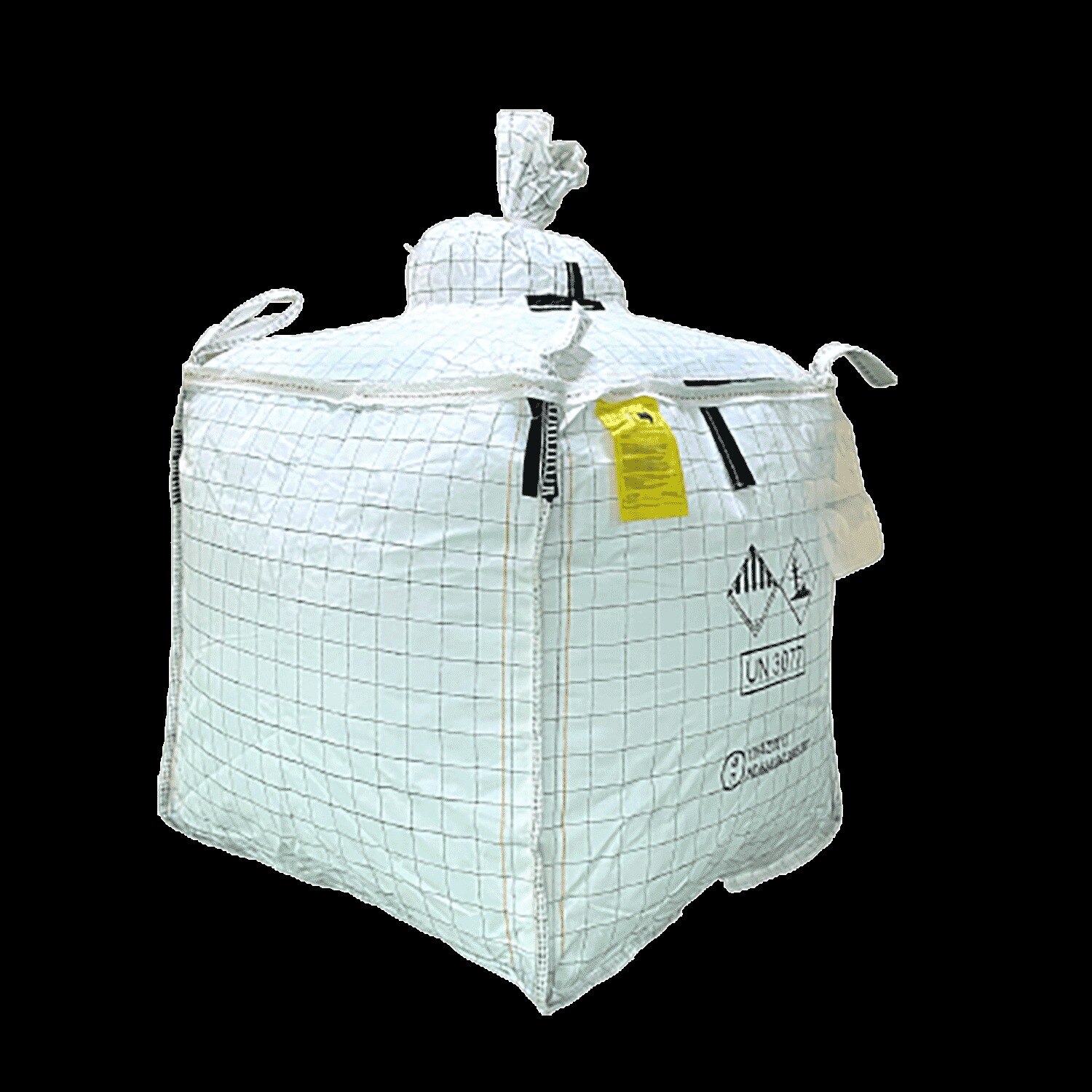
A “food grade” label does not prove that an FIBC is suitable for your ingredient, filling line or food-safety plan. You need to verify food-contact evidence, construction, static controls, hygiene procedures and traceability before approving a bag for use in an Auckland facility.
Key takeaways
- Request food-contact declarations for every product-contact component.
- Match loops, discharge spouts and liner design to your handling equipment.
- Control storage, inspection, contamination and traceability before every reuse.
- Choose FIBCs when dry bulk volume and hygienic handling outweigh rigid-packaging needs.
What makes an FIBC suitable for direct food contact in New Zealand?
A food grade FIBC bags Auckland buyer can use for direct food contact needs evidence for every component that touches the product. “Food grade” alone proves nothing. Assess the design for food-contact compliance New Zealand against the Food Act 2014, Food Regulations 2015 and the Australia New Zealand Food Standards Code.
| Pack type | What touches the food | When it is acceptable |
|---|---|---|
| Direct-contact FIBC | Woven polypropylene, coating, polyethylene liner, sewing thread, ties, labels, inks and additives | Require supporting evidence for every internal component and the stated food, contact time and temperature |
| Outer transport FIBC | A sealed, compliant inner bag or container | Acceptable when the FIBC cannot contact or contaminate the food-contact pack |
| Unlined FIBC | The product touches fabric, seams and closures | Use only when each material and construction has been assessed for that product |
Ask the supplier for a material declaration identifying polymer grades and additives, plus migration testing or composition evidence, a certificate of analysis, lot traceability and manufacturing hygiene records. State whether the load is dry, fatty, acidic or hot-fill, and specify contact time and temperature.
MPI expectations sit inside your documented food-control system: the supplier does not replace your duty to assess packaging and prevent contamination. UV resistance concerns sunlight exposure, while UN certification concerns dangerous-goods performance; neither confirms hygienic food use.
Which documents and construction details should you request before purchase?
Request an approval file before purchase, not a “food grade” claim. It should contain:
- A food-contact declaration naming the polymer grades and additives in fabric, coating, polyethylene liner, thread, ties, labels and inks.
- A migration test report or composition evidence for the intended food, contact time and temperature.
- A certificate of analysis, lot or batch traceability record, and lot-level certificate of cleanliness or conformity.
- Manufacturing hygiene controls covering foreign matter, sewing debris, oils, pests and mixed-use storage.
- Sealed-transport details: protective wrapping, clean vehicles, off-floor storage and protection from rain and condensation.
ISO 21898 FIBC is useful evidence for construction, performance testing, marking and safe working load. It is not food-hygiene approval; ISO compliance does not prove that polymers or additives suit food contact.
| Material | Select it when | Main limitation |
|---|---|---|
| Virgin polypropylene | Dry, low-moisture goods with modest shelf life | Poor barrier to moisture, oxygen and fine powder |
| Coated or laminated fabric | You need stronger surface containment and moisture resistance | Check coating composition, flex cracking and pinholing |
| Polyethylene liner | The product is hygroscopic, fine or requires longer shelf life | Collapse, incomplete emptying and liner damage need testing |
Specify the liner polymer grade, thickness, fit, heat-sealing method, antistatic properties and whether it is replaceable. For fine powders, require an over-sewn or taped seam plus a defined sift-proof or leakage test.
State filling and discharge geometry, outlet diameter, closure method and liner attachment; otherwise bridging, rat-holing or retained product can defeat a correctly sized bag.
How should you match the FIBC to lifting, discharge and static-control equipment?
Set the FIBC safe working load against the handling method, not only a vertical test load. Confirm forklift pockets, loop configuration, pallet support, sling angles, eccentric loading and repeated lifts; each can impose different forces. Never lift from the liner, discharge spout or improvised straps.
A 5:1 FIBC safety factor describes the tested relationship between breaking load and rated load. It does not make a bag reusable. Reuse depends on construction, loop condition, contents, damage, inspection and the manufacturer’s stated use category; a 6:1 designation does not change that decision.
Match the outlet and cone to the powder’s flow behaviour. Granular ingredients may suit a standard spout, while cohesive or fine powders need geometry that prevents bridging, rat-holing and retained product.
| Classification | Control principle | Selection point |
|---|---|---|
| Type A | No electrostatic-control protection | Use only after the dust hazard assessment permits it |
| Type B | Limits brush-discharge risk under defined conditions | Confirm powder ignition sensitivity and operating conditions |
| Type C | Conductive construction requiring earth connection | Verify Type C FIBC grounding before filling and throughout discharge |
| Type D | Dissipates charge without a ground connection under defined conditions | Confirm the bag and environment meet the specified conditions |
IEC 61340-4-4 classification is separate from food-contact status. For combustible powders, complete a dust-explosion hazard assessment before selecting the type.
For Type C bags, inspect the grounding tab and attachment point before filling. Confirm a continuous earth path; paint, insulation, damage or operator bypass can defeat the protection. Record the check in the filling procedure.
What hygiene controls should apply from receiving through reuse or disposal?
Apply a written FIBC hygiene procedure at every handover, from receipt to reuse or disposal. Keep an FIBC inspection checklist with the batch records.
1. Receipt: verify the supplier lot, sealed transport packaging, certificate of cleanliness or conformity and maximum storage duration. Record arrival date and condition.
2. Inspect: reject any bag with unacceptable odour, staining, foreign fibres, punctures, damaged seams, an exposed or wet liner, broken loops, compromised closures or evidence of pests.
3. Store sealed bags off the floor, segregated from chemicals, fertiliser, asbestos and non-food cargo. Protect them from Auckland rain, condensation, direct sunlight and warehouse moisture.
4. Before filling, confirm the correct product, liner, closure and allergen control packaging. Record the supplier lot and product batch.
5. At discharge, prevent contact with dirty surfaces and keep the outlet controlled. Reseal the bag immediately after emptying.
6. Record each filled bag against its supplier lot, product batch, filling date, destination and delivery record. Retain these records through customer delivery.
7. For disposal, quarantine damaged or contaminated bags and use the site’s controlled waste route. For FIBC reuse and cleaning, release a bag only against documented cleaning, inspection and acceptance criteria.
Ordinary FIBCs are difficult to sanitise consistently after contamination: residues remain in folds, seams, discharge assemblies and liner interfaces. Use single-trip bags for high-hygiene or allergen-sensitive products unless those criteria have been validated for that exact design.
Confirm the supplier’s stated use before reuse and align the decision with your food-safety plan. A 5:1 rating describes a safety factor; it does not permit food-contact reuse.
When is an FIBC the right hygienic bulk-packaging format?
Choose an FIBC when your product can be filled, stored and discharged as a flexible unit without sacrificing contamination control. An FIBC may reduce handling and storage demands, but adds inspection, documentation, liner-fitting and end-of-use controls.
| Option | Hygiene and capacity | Equipment, footprint and cost |
|---|---|---|
| FIBC | Clean single-trip construction with liner; large dry-load capacity | Forklift loops or pockets and bottom spout; folds flat; lower handling and storage demand, but rejected-load costs rise if the liner or seal fails |
| Sacks | More manual touches and open handling; smaller capacity | Hand or pallet handling; compact when empty; lower unit cost but higher labour and handling exposure |
| Rigid bins and drums | Easier inspection and validated cleaning; smaller batches | Require compatible forks, clamps or drum lifters; stackable but consume return-storage space; cleaning and return freight add cost |
| Lined containers | Rigid protection with a replaceable contact surface | Need container-handling equipment; good protection, but liner installation and disposal remain |
| Closed bulk tankers | Lowest exposure during transfer; highest capacity | Need loading bays and dedicated discharge systems; no warehouse footprint, but cleaning validation and rejected-load costs are substantial |
Use this FIBC supplier approval checklist: product and contact conditions, component declarations, migration evidence, batch traceability, hygiene records, SWL, safety factor, loop and pallet dimensions, liner specification, seam test, discharge design, static classification, grounding instructions, storage limits and stated reuse policy.
An Auckland FIBC manufacturer such as Deccan Cans & Printers Pvt. Ltd. can confirm the configuration, controlled component and production records, and fit the bag to your filling and discharge equipment. Request samples or a controlled trial before approving it across a food-safety programme.
Related product
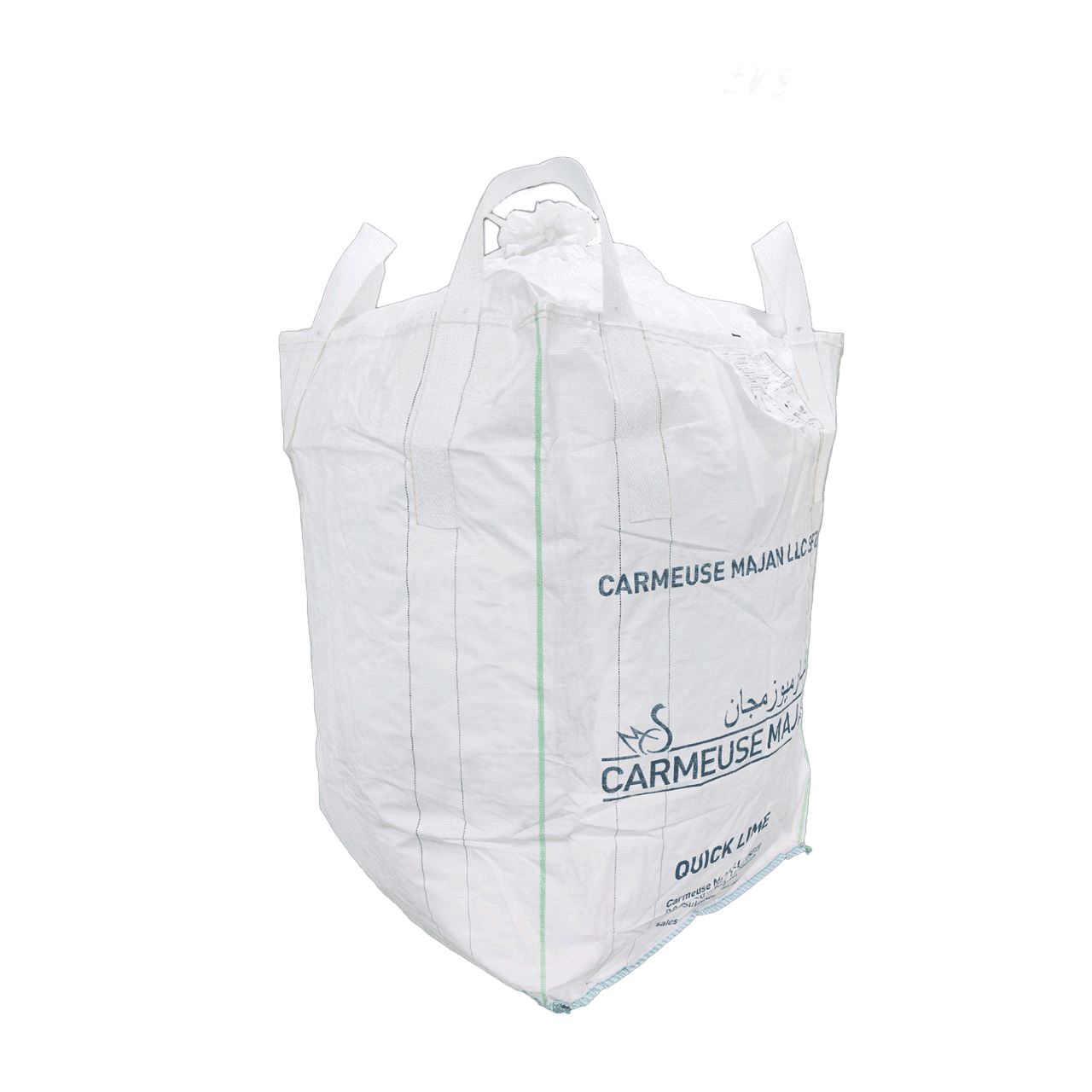 | FIBC Section Bags With Liners FIBC Liners – Bulk Bag Liners Deccan Cans & Printers Pvt. Ltd. |
Frequently asked questions
What makes an FIBC suitable for direct food contact in New Zealand?
The complete product-contact system must be supported by evidence against the Food Act 2014, Food Regulations 2015 and the Australia New Zealand Food Standards Code. Assess the fabric, liner, coatings, thread, seams, inks, labels and closures rather than relying on the words “food grade”.
Which documents and construction details should you request before purchase?
Request a food-contact declaration covering every contact component, material specifications, migration or compliance evidence, batch traceability and cleaning or reuse instructions. Confirm the liner type, seam construction, discharge design, closure, safe working load and safety factor.
How should you match the FIBC to lifting, discharge and static-control equipment?
Check the safe working load against your filled mass, lifting-loop configuration against your equipment, and spout dimensions against your filling and discharge connections. Select Type B, C or D static-control construction according to the product, dust hazard, grounding procedure and work area.
What hygiene controls should apply from receiving through reuse or disposal?
Inspect packaging on arrival, keep bags sealed and elevated from floors, segregate damaged or contaminated stock, record batch use and follow a validated cleaning process before reuse. Dispose of bags that fail inspection or cannot be reliably cleaned.