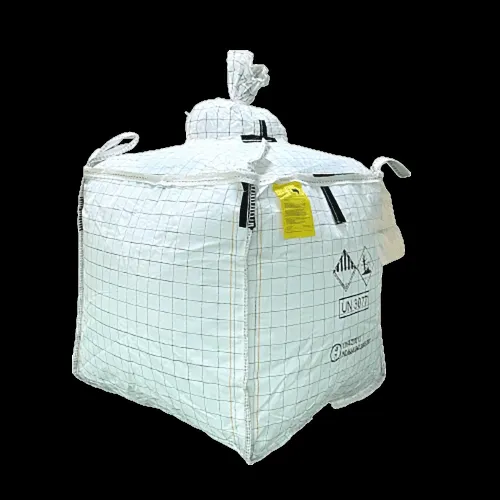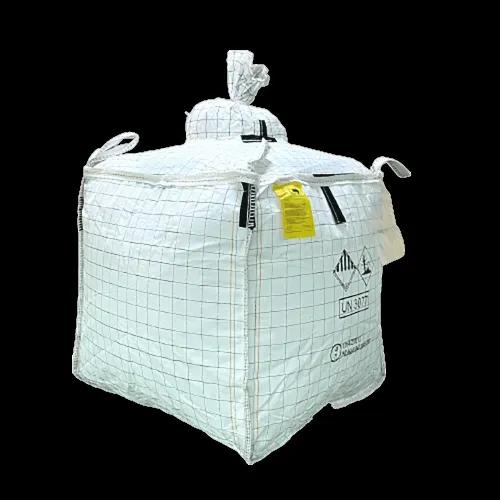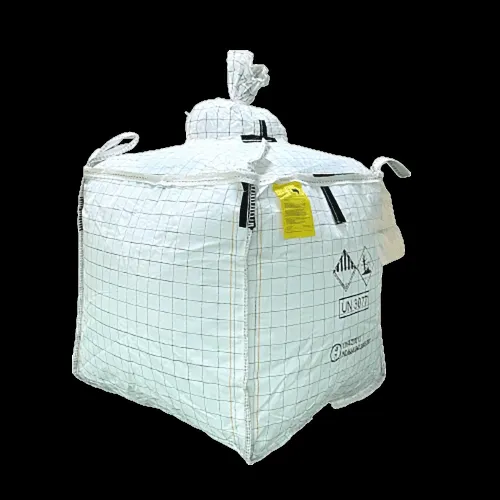

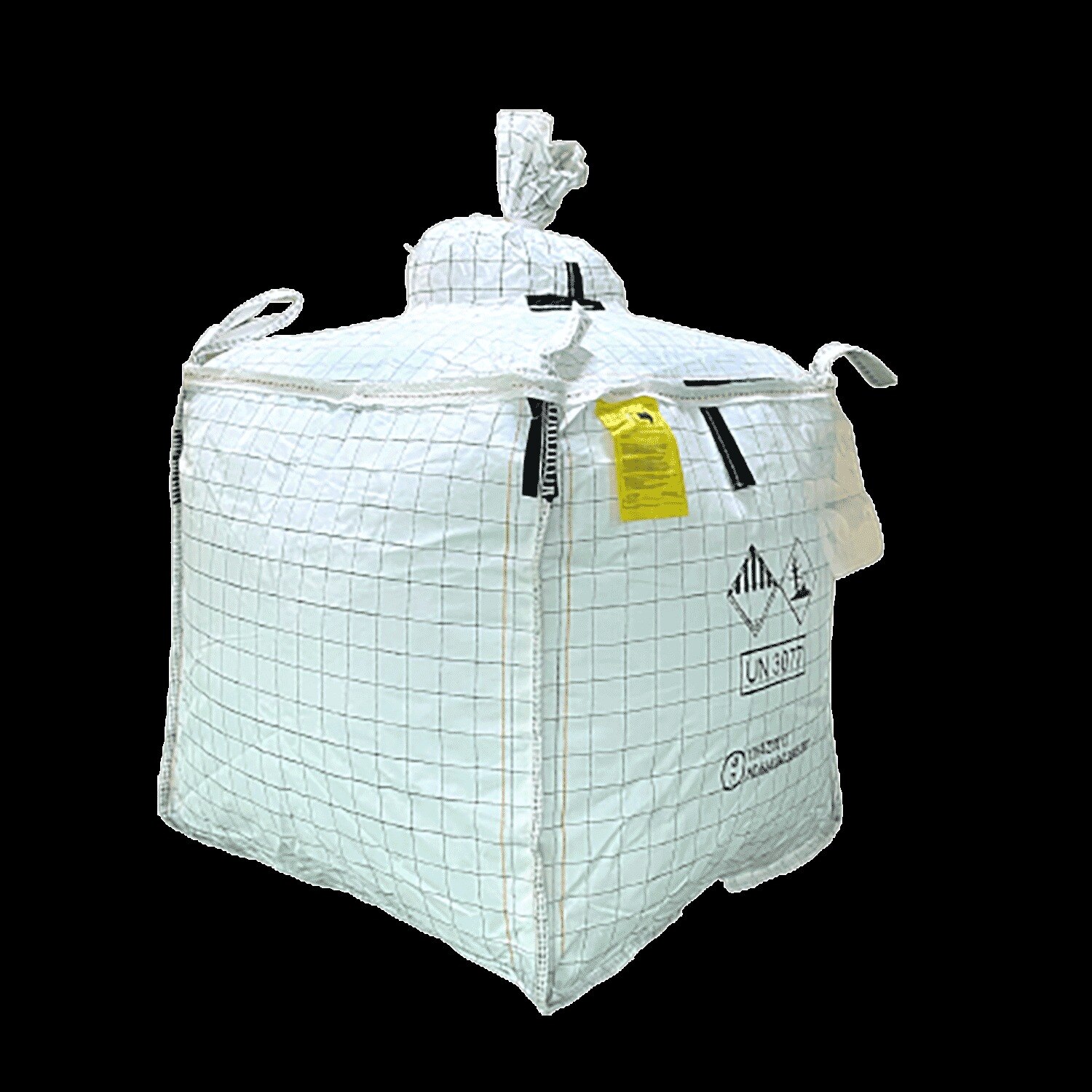
A filled FIBC is safe only when its rating, dimensions, lifting arrangement, discharge design, and storage conditions match the material and handling equipment. You will be able to select the right construction, verify fit across your site and vehicles, read the bag label correctly, and establish controls for filling, moving, emptying, and storage.
Key takeaways
- Match capacity to product density, fill level, dimensions and discharge method.
- Confirm safe working load and safety factor before lifting any FIBC.
- Choose sling construction around forklift, crane and pallet-handling procedures.
- Control static, moisture, clearance and storage conditions before dispatch.
How to Read an FIBC’s Capacity and Safety Rating
An FIBC meaning is a Flexible Intermediate Bulk Container: a woven fabric bag designed for bulk solids. An FIBC capacity range commonly runs from about 500 to 2,000 litres, but litres alone do not determine suitability. Select it from product density, filling percentage, flow behaviour, dimensions, lifting arrangement, and discharge method.
1. Calculate the filling weight: multiply the product’s bulk density by the intended volume. A dense powder can exceed the bag’s safe working load (SWL) before the bag appears full; a cohesive product can bridge above the outlet and require a different discharge design.
2. Check SWL versus maximum filling weight. SWL is the permitted load for the specified construction and handling conditions, while maximum filling weight is the product mass you plan to place inside. Keep the filling weight below the SWL and confirm whether the stated SWL includes the liner.
3. Read the safety factor as a design and test value, not permission for repeated use. Ask for the stated SWL, safety factor, single-trip or reusable status, and test report for the exact bag construction.
4. Compare the filled bag’s dimensions with your pallet, rack, truck body, container, and hopper openings. A bag that fits by volume can still bulge beyond a rack or leave insufficient clearance for lifting.
5. Confirm top filling, bottom discharge, and sling configuration before ordering. These details determine how safely you can fill, move, and empty the bag.
Choose the Sling Construction for Your Handling Workflow
A single lifting point suits a crane with one hook, while forklift and pallet workflows need loops that match the equipment rather than the bag’s nominal capacity. Confirm loop length, width, stitching, and spacing against the forklift tine spacing or lifting-frame design; a hook that barely catches a loop can tear it during acceleration.
| Option | Best handling fit | Check before approval |
|---|---|---|
| 1-loop FIBC | Single-hook crane lifting and simple vertical handling | Use only with a compatible hook; it is not a substitute for two-tine forklift handling |
| 2-loop FIBC | Forklift movement with two correctly spaced tines, or a matching two-point frame | Verify tine entry, loop length, and load balance |
| four-loop FIBC | Crane lifting with a four-point frame and supported forklift workflows | Ensure all four loops engage evenly; uneven loading twists the body |
| cross-corner sling FIBC | Crane or forklift frames that lift from reinforced corner loops | Match corner spacing and sling geometry to the frame; do not hook into fabric seams |
For pallet movement, select a bag whose filled footprint stays inside the pallet edges and whose loops remain clear of the tines. A wide four-loop FIBC can be stable on a pallet but unsafe if the loops foul the pallet deck or rack beam.
Controlled discharge depends on the bottom construction, not the sling count. Specify a discharge spout with a closure that permits gradual flow, and confirm that the spout remains accessible above the pallet or hopper. A dense powder can bridge even in a correctly lifted bag, so pair the lifting choice with a tested discharge design.
Specify the Bag and Check Every Clearance Before Ordering
A filled FIBC must clear every point in its route, not just fit its pallet. Give the supplier a complete FIBC specification based on the product, equipment, and space available.
1. State the product, bulk density, target net weight, filling percentage, and flow behaviour. Include whether the powder bridges, aerates, compacts, or needs mass-flow discharge; nominal litre capacity alone cannot select the bag.
2. Provide the required bag dimensions when filled, including length, width, height, top inlet, bottom spout, and liner. Specify SWL, safety factor, sift-proof seams, coated or uncoated fabric, liner fit and closure, and the exact filling and discharge arrangement.
3. Describe the lifting interface precisely: loop count, loop length, loop construction, and whether the bag is lifted by forklift tines, hooks, a lifting frame, or a crane. A loop that suits one frame may not fit another.
4. Measure the pallet footprint, tine spacing, warehouse-bay width and height, rack opening, and stacking height. Add clearance for loop deployment and any bulging beyond the stated bag dimensions.
5. Compare the filled bag dimensions with the truck body and shipping-container internal length, width, door opening, and height. Check the complete loading pattern, including adjacent bags and the space lost to pallets.
6. Measure the hopper inlet, discharge height, spout length, and surrounding equipment. Confirm that the filled bag can be positioned and opened without the spout fouling the frame or hopper.
Control Static, Handling Hazards, and Storage Conditions
Fill an FIBC on level ground, keep the bag within its stated SWL, and close the top before lifting. Use every designated lifting loop vertically; never gather loops onto one hook or stand beneath a suspended bag.
Move slowly with a forklift or crane, keep the load clear of racks and doorways, and stack only to the supplier’s specified height on a stable, level base.
A practical FIBC safety procedure includes these controls:
- Inspect fabric, seams, loops, liner fit, closures, discharge spout, identification, and traceability before filling.
- Confirm the filling equipment matches the bag’s construction and that the bag cannot catch on nearby steelwork.
- For dust-risk products, match the electrostatic class to the product and equipment: Type A Type B Type C Type D FIBC classifications are not interchangeable.
- Ground a Type C bag before filling or discharge, verify grounding continuity, and keep resistance within 1.0 × 10^8 ohms under IEC 61340-4-4; a damaged clip or nonconductive liner defeats the control.
- Use Type D only under its defined operating conditions; Type B still needs ignition-source and dust controls.
- Empty through the intended spout with controlled flow, then remove the bag only after it is fully supported and isolated from discharge equipment.
Store filled or empty bags under cover, away from sunlight, moisture, abrasion, and sharp pallet or rack edges. A UV stabilized FIBC still has a supplier-defined exposure limit. Do not reuse a single-trip bag; approve reusable bags only with the stated SWL, safety factor, reuse status, and test report for that exact construction.
Build a Supplier Acceptance Checklist for Coimbatore Operations
Approve a supplied FIBC only after its physical construction, traceability, test evidence, and intended use agree on paper and on the loading floor.
1. Record the FIBC supplier, Coimbatore delivery batch, bag identification, manufacture date, dimensions, SWL, safety factor, and single-trip or reusable status. Reject unlabelled bags or bags whose markings do not match the purchase specification.
2. Perform an FIBC quality inspection: measure length and width, examine fabric for cuts and abrasion, check sift-proof seams, verify loop stitching and loop length, and inspect the liner, top closure, discharge spout, and grounding path where required.
3. Request the test report for the exact construction, including fabric, coating, liner, seams, loops, dimensions, and SWL. For dangerous goods, verify the UN packaging code and certificate; a generic FIBC is not UN-approved, and another size made from similar fabric is not sufficient evidence.
4. Match the bag to the complete route: forklift tine spacing, lifting frame, pallet footprint, rack clearance, truck or container interior, stacking pattern, filling method, and discharge equipment. Protect stored bags from sunlight, water, sharp edges, and abrasion.
5. Compare alternatives before approval: single-trip against reusable construction, coated fabric against a liner, opaque against transparent fabric, and standard against UN-certified design. Select by product compatibility, leakage control, handling frequency, and documented testing—not price alone.
Deccan Cans & Printers Pvt. Ltd. belongs in the same comparison when its exact bag construction, test documents, and delivery controls satisfy your checklist.
Related products
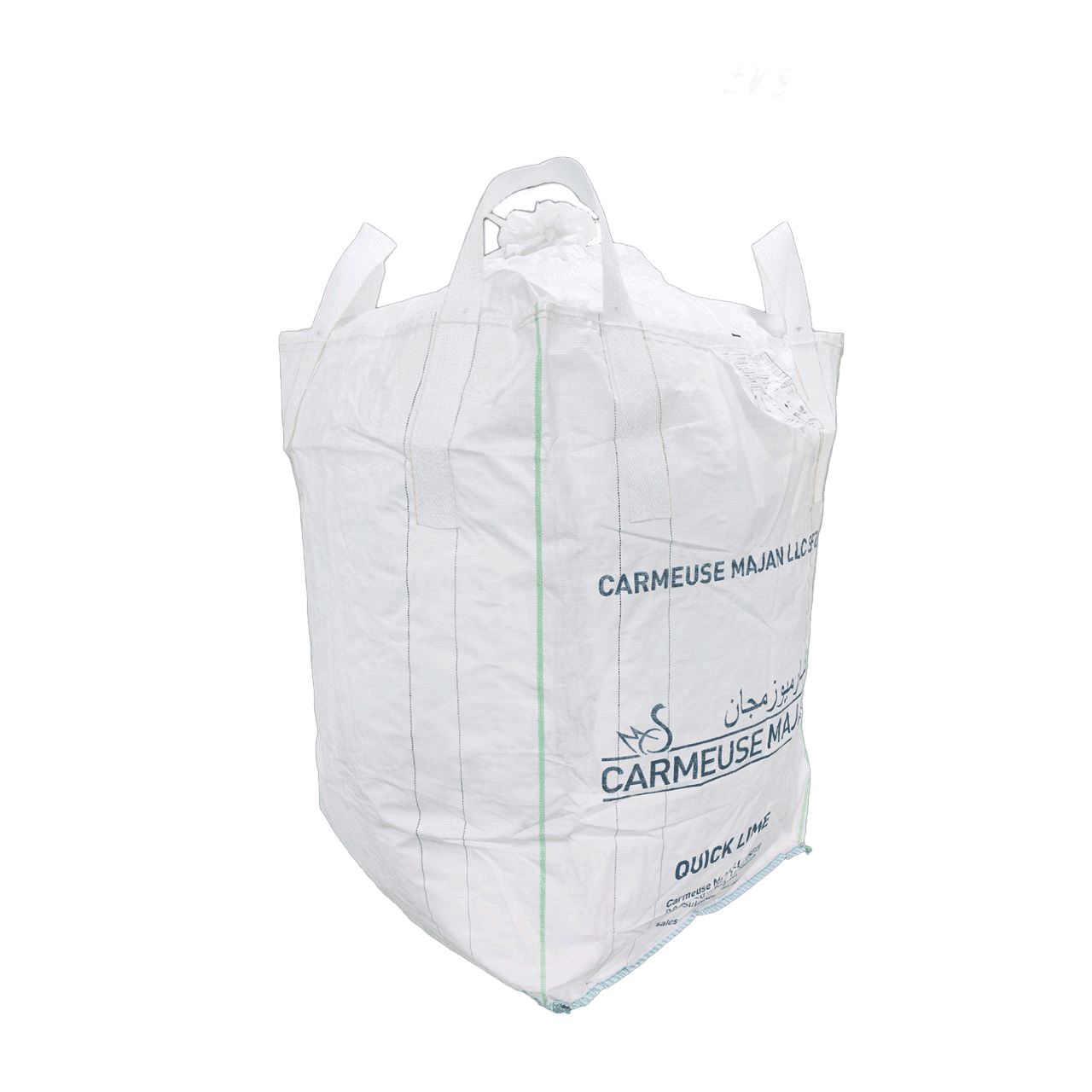 | FIBC Section Bags With Liners FIBC Liners – Bulk Bag Liners Deccan Cans & Printers Pvt. Ltd. |
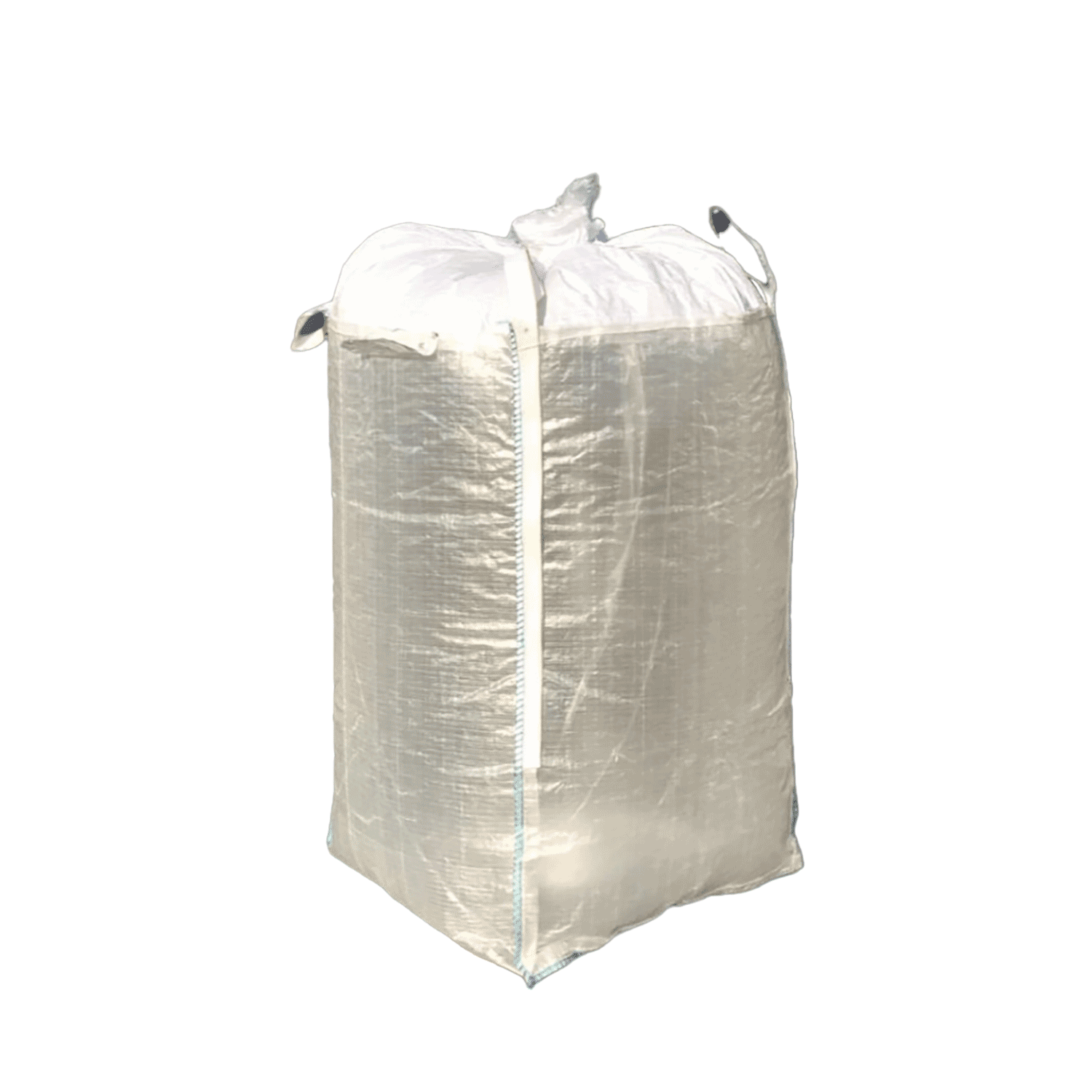 | FIBC Section Transparent Bags Transparent FIBCs – See-Through Bulk Bags Deccan Cans & Printers Pvt. Ltd. |
Frequently asked questions
How do you read an FIBC’s capacity and safety rating?
Compare the bag’s volume with product density, intended fill percentage and dimensions. Check the safe working load, safety factor, lifting instructions and any test documentation before use.
Which FIBC sling construction suits a handling workflow?
Choose lifting loops, corner straps or other sling arrangements according to your forklift, crane, pallet and unloading process. Make sure equipment can engage the bag without damaging its body or loops.
What should you specify before ordering an FIBC?
Provide the product density, target weight, dimensions, fill and discharge details, fabric requirements, liner needs, sling design and clearance limits. Review a drawing or specification sheet before production.
How can you control FIBC static and handling hazards?
Select a static-control design when the product or environment requires it, ground compatible equipment, keep people clear of suspended loads and follow the bag’s lifting instructions. Store bags away from moisture, sunlight, heat and sharp surfaces.
Related products
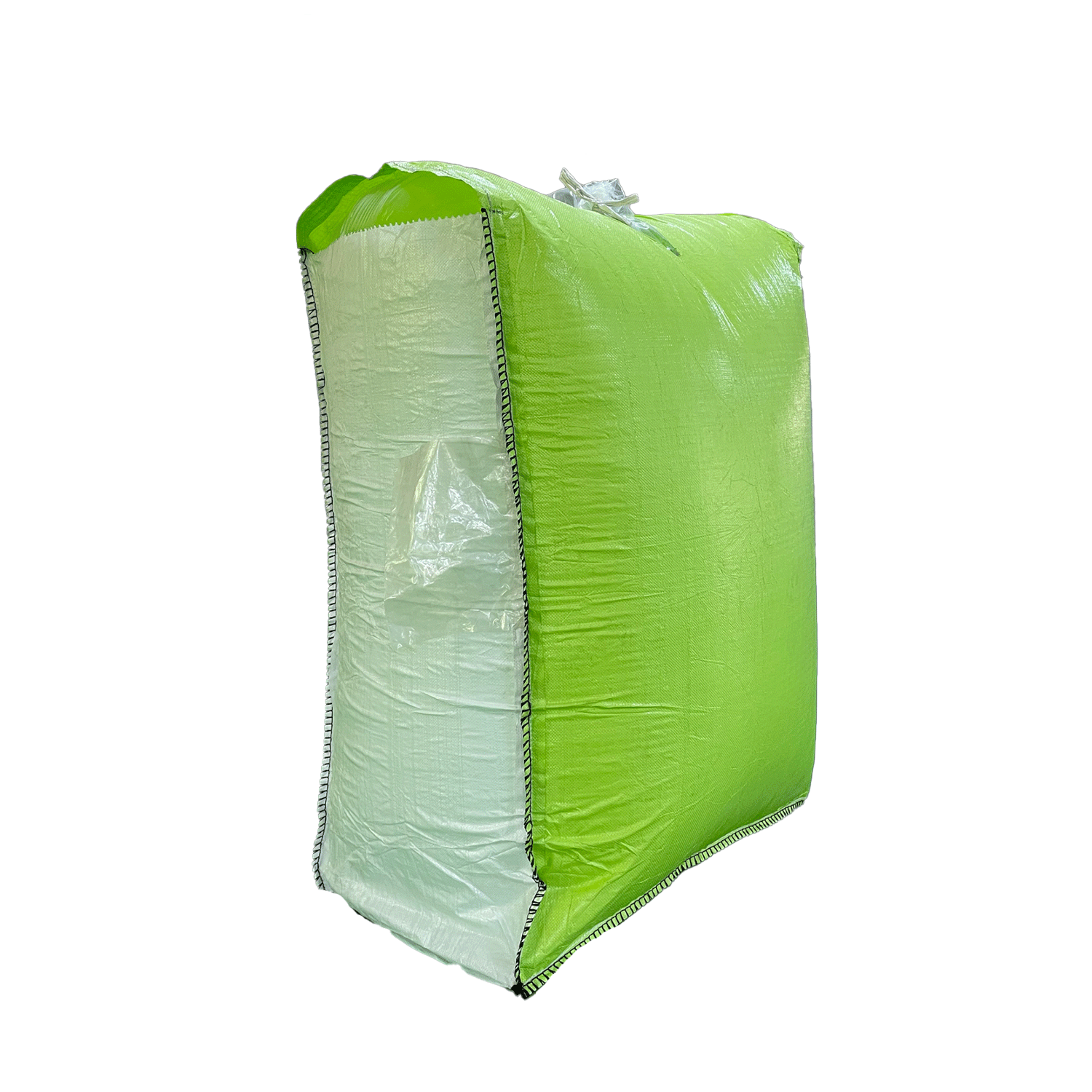 | FIBC Section Fertilizer Bag Range 1 & 2 Loop FIBC Bulk Bags Deccan Cans & Printers Pvt. Ltd. offers durable and cost-effective 1 & 2 Loop FIBC Bulk Bags, designed for the efficient... |
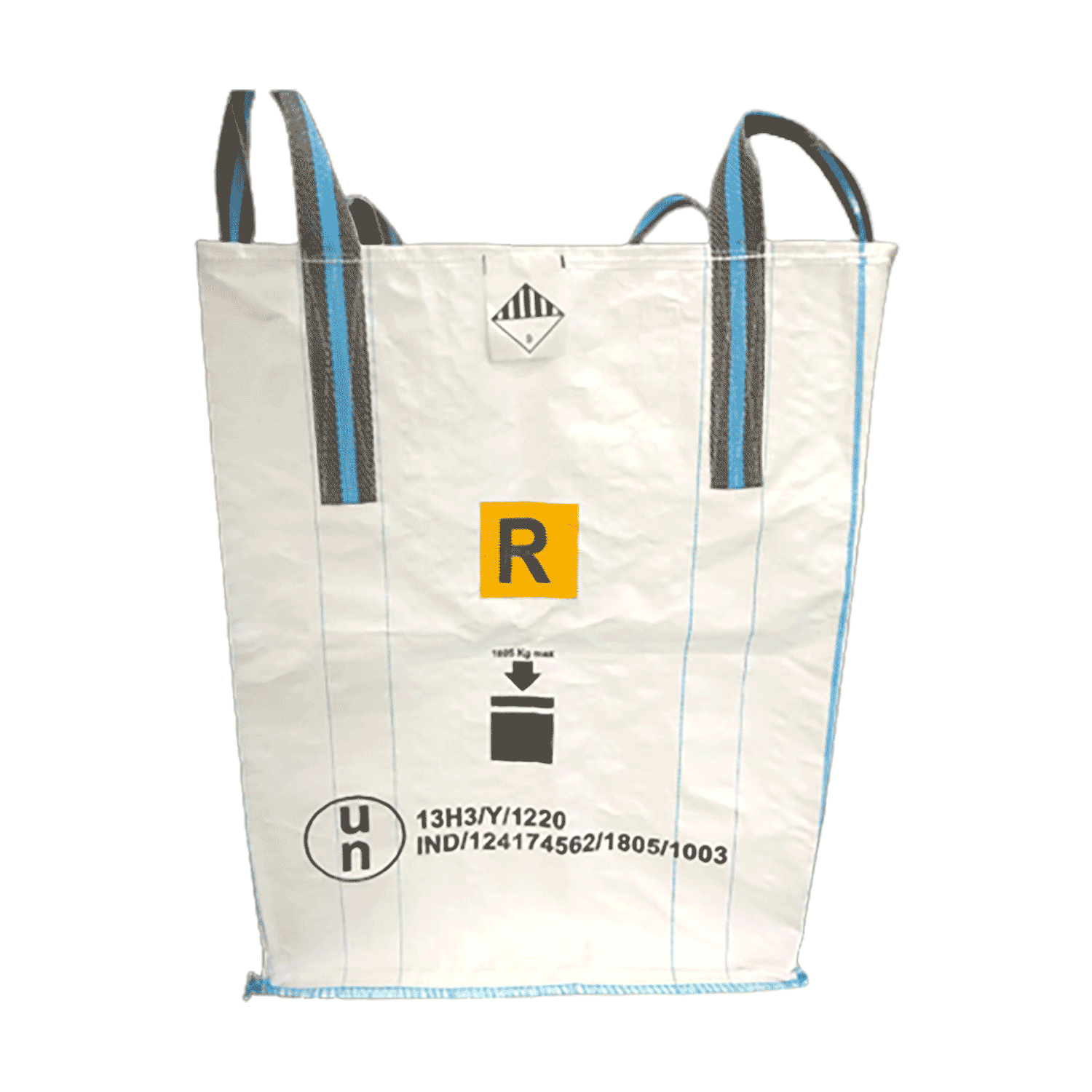 | FIBC Section Un Bags UN Certified Bulk Bags – Rigorous Performance Testing for Safety & Reliability Deccan UN Certified Bulk Bags are specially engineered for the safe... |
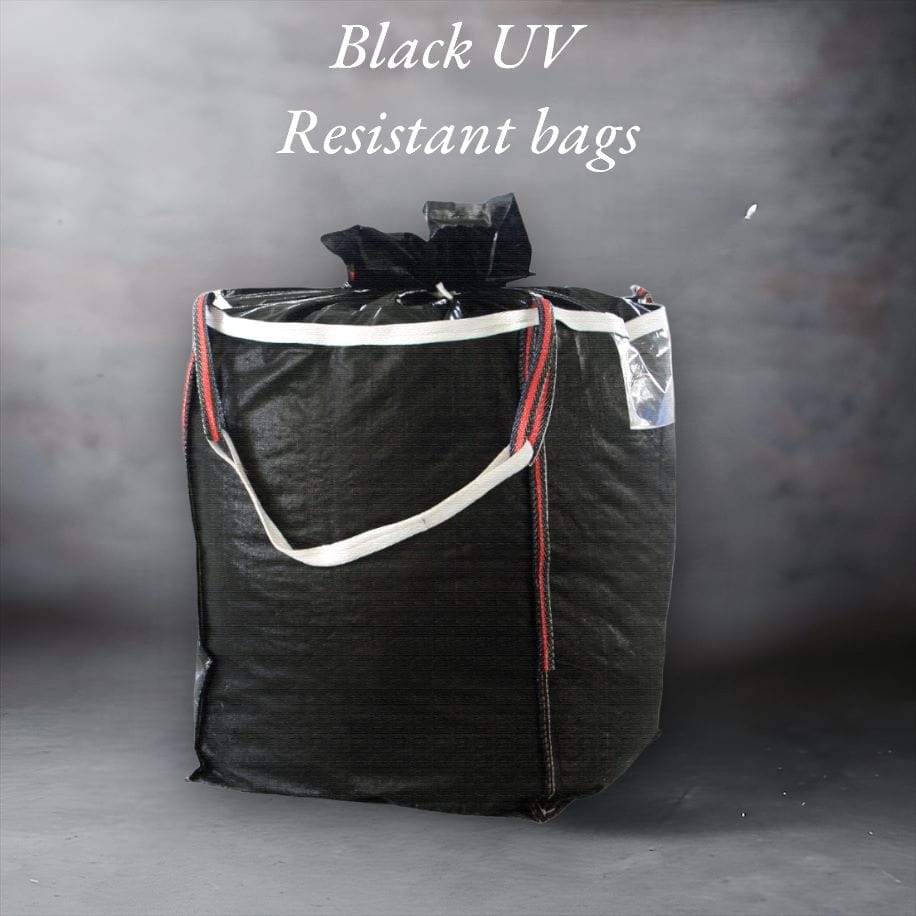 | FIBC Section Black Bags Black FIBC Bags – Enhanced UV Resistance & Extended Shelf Life UV exposure is one of the major challenges faced by the FIBC industry, as prolonged... |
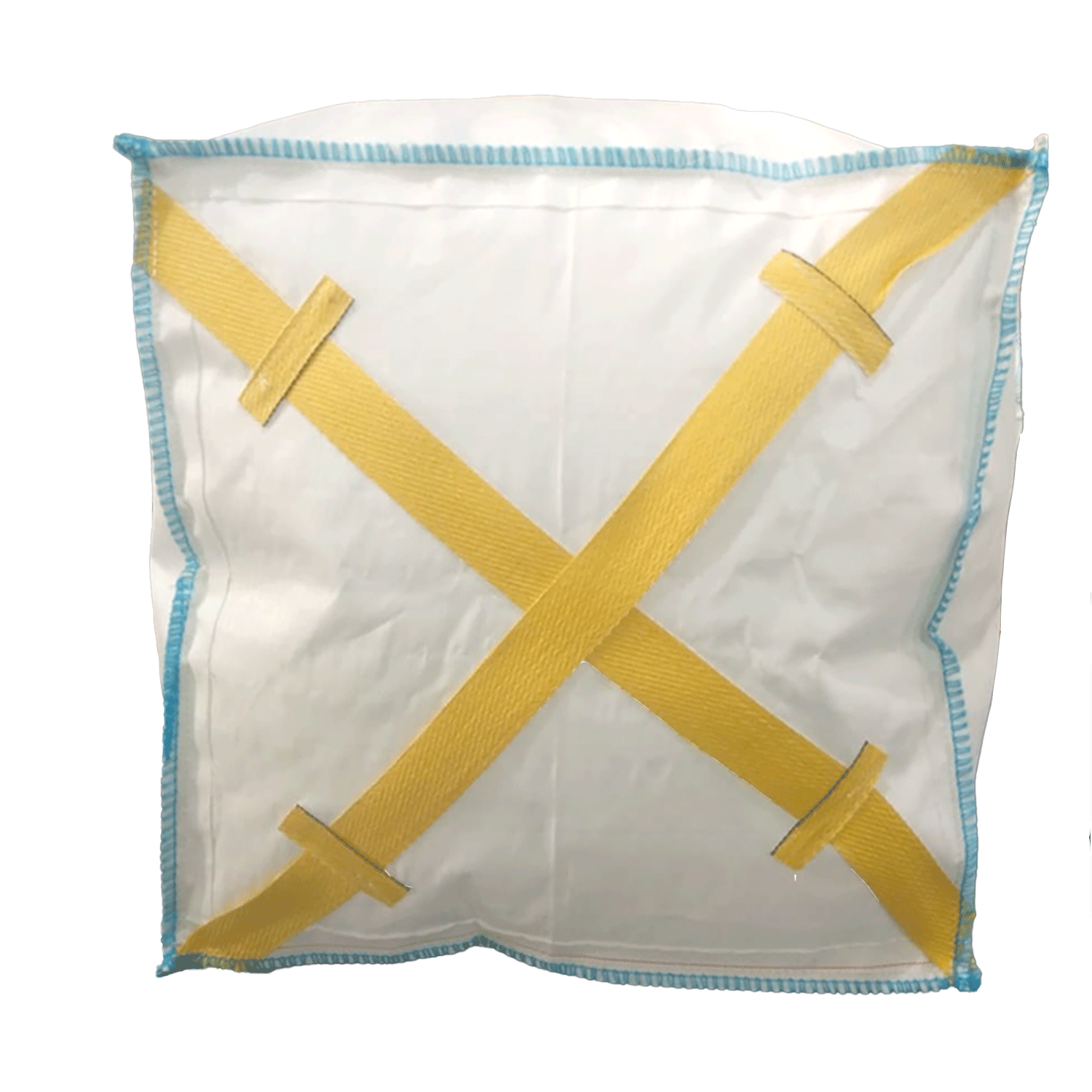 | FIBC Section Cross Bottom Sling Bags Cross Bottom Sling FIBCs – Bulk Bags Deccan Cans & Printers Pvt. Ltd. |