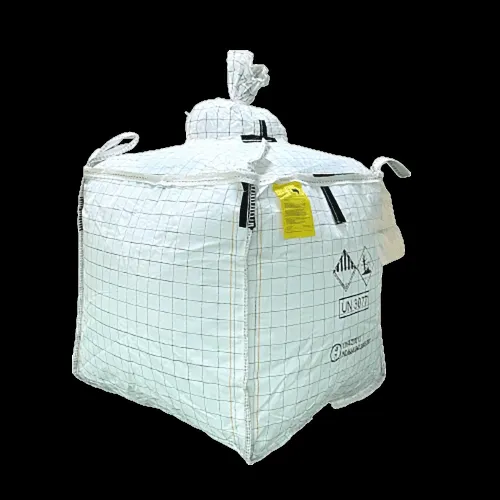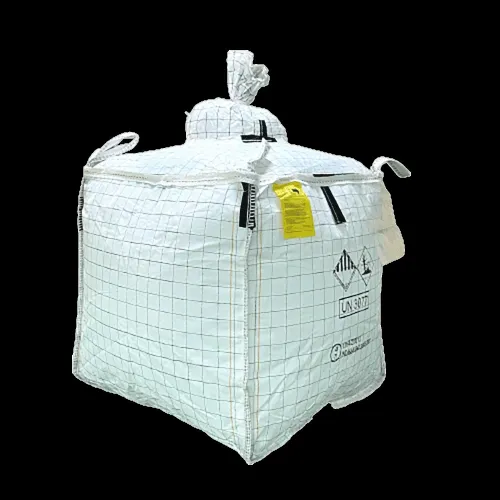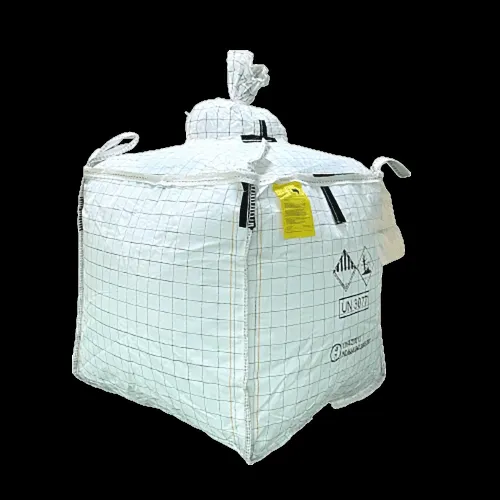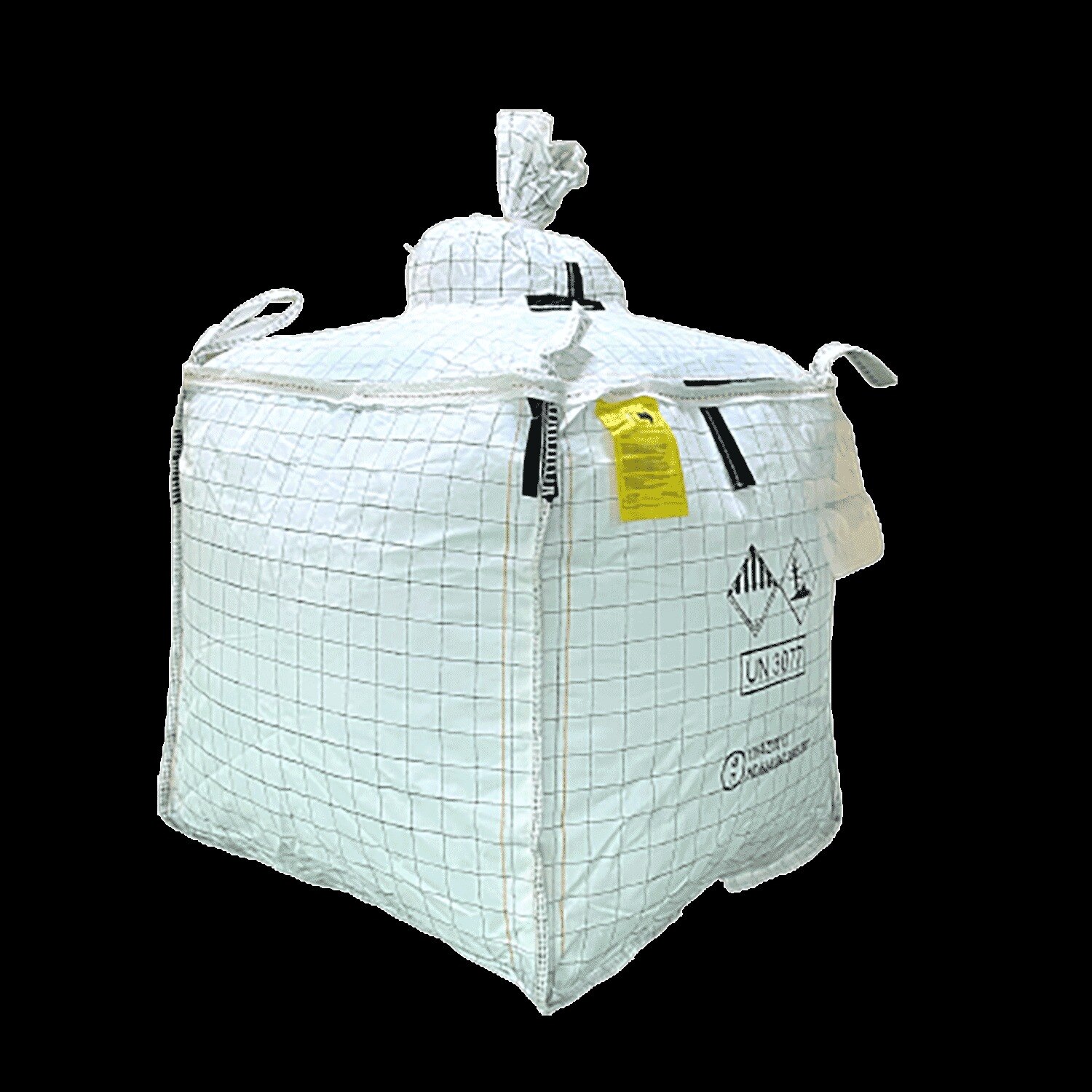
A food-contact FIBC needs more than clean-looking polypropylene: the resin, liner, stitching, closures, documentation and handling process must all protect the product. By the end, you will know which compliance records to request, how to specify the bag, and how to receive, fill, store and reuse it safely in Coimbatore’s climate.
Key takeaways
- Ask for food-contact compliance documents covering your food, temperature and contact time.
- Specify virgin resin, liner material, seam design and electrostatic classification in writing.
- Inspect every bag for damage, contamination, odour, labels and intact liners before filling.
- Do not reuse food FIBCs without documented cleaning, inspection and product-compatibility controls.
What “food grade” must prove before you buy
Buy a food grade FIBC only when its product-contact materials have documented compliance for your food, temperature and contact time. A supplier’s statement saying “food grade” is not sufficient.
| Document | What it must establish | Details to check |
|---|---|---|
| Declaration of Compliance | Legal suitability for direct contact | India’s FSSAI Food Safety and Standards (Packaging) Regulations, 2018, or EU Regulation 1935/2004; intended food type, temperature, contact duration, restrictions, issue date and authorised signatory |
| Material specification | The identity of every contact component | Virgin polypropylene resin, liner film, coating, printing ink, thread, additives and any adhesive; identify recycled content and exclude it from contact layers unless its food-contact basis is documented |
| Migration or extractables report | That substances will not transfer into food above permitted limits | Test laboratory, method, simulant, food category, temperature, exposure time, sample construction and results |
| Certificate of Analysis and traceability record | That the supplied batch matches the approved material | Batch or lot number, resin grade, production date, test results and a link to the bag or liner delivered |
Ask for documents covering the complete contact path, not only the woven outer fabric. The liner, inner coating, seams, thread and printed areas can introduce contaminants.
ISO 21898 supports FIBC construction, testing, marking and mechanical performance for non-dangerous goods; it does not prove food contact. A UN mark proves specified dangerous-goods tests, not hygienic suitability. Also require evidence of segregated storage, clean sewing and contamination-protected packing.
How to specify the resin, liner and electrostatic construction
The polyethylene liner is often the food-contact surface, so specify it separately from the outer FIBC. Require compliant virgin polypropylene for product-contact fabric and a documented polyethylene liner; recycled polypropylene is not interchangeable unless its food-contact process and regulatory basis are documented. A food-contact outer bag cannot make a non-compliant liner acceptable.
| Option | Construction | When to select |
|---|---|---|
| Standard woven FIBC | Uncoated virgin polypropylene fabric | Dry, non-hygroscopic powders with no significant barrier requirement |
| Coated or laminated FIBC | Polypropylene fabric with a sealed coating | Added protection against surface dust and limited moisture exposure |
| Loose polyethylene liner | Separate film liner inside the bag | Powder containment and improved moisture protection |
| Form-fit liner | Liner shaped and fixed to the bag, with matched filling and discharge ports | Minimise folds, trapped powder and liner collapse during filling |
| High-barrier liner | Film specified by water-vapour and oxygen transmission rates | Hygroscopic, aroma-sensitive products or extended shelf-life needs |
Do not accept “laminated bag” as a barrier specification. Ask for water-vapour and oxygen transmission results, liner thickness, weld method, additive declaration and the intended filling and discharge geometry.
For dust-hazard control, Type A construction is unsuitable around flammable dust, vapour, gas or solvents. Match the site assessment to Type B, grounded Type C or Type D, then specify conductive threads, grounding points and testing. Keep food-contact polymers segregated from recycled stock during manufacture. Even the phrase food powder packaging coimbatore climate?
no cannot replace a written moisture and electrostatic specification.
How to receive, inspect and fill a hygienic FIBC
Reject any FIBC with torn packaging, visible dirt, pest evidence, chemical odour, moisture, or an unknown product history. A clean-looking bag can still carry residues or fibres into food.
1. Receive bags in sealed protective packaging on a clean, dry pallet. Record the lot or batch number, then check that the supplier’s identification matches the purchase specification.
2. Open one bag at a time in a controlled area. Inspect the inner and outer surfaces under good lighting for insects, loose threads, foreign material, stains, abrasion, punctures and damaged lifting loops.
3. Examine every seam, including the base, corners and discharge area. Sift-proof seams must be closed without gaps, skipped stitches or fraying; a leaking seam can release powder and admit contamination.
4. Check liner integrity separately from the outer fabric. Look for pinholes, cuts, weak welds, folds trapped in welds and liner displacement. Confirm that the liner neck is properly attached and will not enter the product stream.
5. Verify the inlet and outlet closures open cleanly, close fully and remain secured during filling. Keep the inlet covered until connection, and use a clean filling hose rather than dragging the liner across floors or equipment.
Do not refill a single-use bag or any reusable bag with an unknown contamination history. Release a reusable FIBC only after recording its cleaning status, previous product, inspection result and authorisation; stop filling immediately if the liner shifts, a seam opens or foreign material appears.
How to store and reuse filled food FIBCs safely
Keep filled FIBCs indoors, dry, covered and off the floor. Coimbatore humidity can soften packaging, encourage mould on contamination and damage moisture-sensitive powders, so use a clean warehouse with controlled drainage and no condensation. Keep bags away from windows, boilers, hot pipes and direct sunlight; ultraviolet exposure weakens polypropylene fabric.
1. Place each bag on a clean, dry pallet or platform, with its liner and discharge outlet closed. Use pest control that prevents insects, rodents, bait fragments and chemical residues from reaching the product. Do not store food-filled bags beside waste, chemicals or strongly odorous goods.
2. Stack only according to the supplier’s written stacking condition and the bag’s safe working load (SWL). Check the filled bag’s bulk density, base stability, lifting-loop configuration and pallet strength before stacking; a stated SWL does not prove suitability for repeated handling or every stack height.
Keep leaning, bulging or damaged bags out of the stack.
3. Treat a single-use FIBC as non-reusable after filling unless its specification expressly permits reuse. Reject any reusable bag with torn fabric, open seams, stretched loops, damaged closures, a cracked or poorly fitted liner, stains, odour, moisture, pest evidence or an unknown product history. Record the inspection, cleaning method and previous contents before releasing it.
Never patch a food-contact liner or return a bag to service after chemical or allergen contamination that cleaning cannot fully verify.
How to compare a Coimbatore supplier’s food-bag specification
Approve a food-bag quote only when the specification names every food-contact component and the evidence matches your product, temperature and contact time. “Food grade” alone is not an approval criterion.
Put these requirements in the purchase specification:
- Food-contact resin, additives, coatings, printing inks, thread, lubricants and adhesives
- Liner resin, thickness, weld method, fit, filling spout and discharge closure
- Intended food, maximum temperature, contact duration and cleaning or reuse status
- Safe working load, safety factor, lifting-loop design and required ISO 21898 tests
- India compliance against the Food Safety and Standards (Packaging) Regulations, 2018
Ask an FIBC supplier Coimbatore to submit the following before you release a purchase order:
| Evidence | What it must prove | What you verify |
|---|---|---|
| Material declaration | Resin and migration-relevant components are identified | The liner, ink and thread match the quoted construction |
| Migration test report | Extractables remain within limits for the stated food and conditions | The test food simulant, temperature and duration fit your use |
| Certificate of analysis | The supplied batch meets its specified material or performance values | The report carries batch details, test results and acceptance limits |
| Batch traceability | Raw materials and finished bags can be linked to production records | The bag marking leads back to a retained sample and batch file |
Deccan Cans & Printers Pvt. Ltd. should answer these points with documents tied to the exact bag, not a generic company certificate. Reject approval if the manufacturer cannot identify the liner batch or explain its cleaning and release decision for reusable bags.
Frequently asked questions
What must a food-grade FIBC supplier prove before you buy?
Ask for product-contact material declarations and test documentation covering the resin, liner, food type, temperature and contact time. A “food grade” statement alone is not enough.
How should you specify resin, liner and electrostatic construction?
State whether the bag uses virgin polypropylene, identify the liner film and sealing method, and specify the required electrostatic type, such as Type B, Type C or Type D.
How do you inspect and fill a hygienic FIBC?
Check the packaging, seams, lifting loops, liner, labels, odour and visible contamination before use. Fill only after confirming the bag matches the approved specification and filling equipment is clean.
Can filled food FIBCs be stored or reused safely?
Protect filled bags from moisture, sunlight, pests, sharp surfaces and excessive stacking pressure. Reuse only when cleaning, inspection, traceability and product compatibility are documented.
How do you compare food-bag specifications from Coimbatore suppliers?
Compare documented material compliance, bag construction, liner details, electrostatic classification, inspection controls, traceability and the supplier’s ability to provide samples and test records.