Industrial packaging selection starts with the product, not the container catalogue: viscosity, solvent content, corrosion risk, filling temperature, and transport conditions determine the right specification. By the end, you will know which tinplate format to request, how to compare it with plastic and flexible alternatives, and which tests and Indian approvals to verify before placing an order.
Key takeaways
- Match container lining and closure to the product’s chemistry and viscosity.
- Compare tinplate with plastic, drums, and flexible packs by risk and handling needs.
- Ask for seam details, leak-test records, and hazardous-goods documentation.
- Inspect samples, tooling capability, tolerances, and production controls before placing an order.
What industrial tin containers are used for in Coimbatore
Industrial tin containers are used for compatible liquids, pastes, powders, and solids that need puncture-resistant, stackable packaging. Tinplate packaging means low-carbon steel coated with tin, not solid tin.
In the lubricants packaging sense, it suits industrial oils, greases, cutting fluids, hydraulic fluids, paints, varnishes, adhesives, solvents, and alkaline or acidic products only when the internal lacquer has been tested against the formulation.
| Format | Suitable contents | Useful configuration |
|---|---|---|
| Small cans | Paints, coatings, adhesives, samples | Screw cap, plug-and-cap, or pourer |
| Lever-lock pails | Lubricants, oils, compounds, powders | Removable lid and carrying handle |
| Rectangular cans | Industrial oils, solvents, cleaners | Side handle, narrow neck, controlled pouring |
| Large cans | Bulk liquids and powders | Double-seamed lid, reinforced body, stacking base |
Do not order by “20 L” alone. Ask for these details on the drawing or datasheet:
- Nominal capacity, brimful capacity, usable fill volume, headspace, and closure clearance
- External dimensions, steel thickness or gauge, tin coating, temper, and body weight
- Internal lacquer type and compatibility evidence for solvents, sulfur compounds, acids, alkalis, or moisture
- Closure type, neck or opening diameter, gasket material, seam construction, and handle design
- Required leak-test method, stacking load, and filling temperature
A 20-litre container may have a larger brimful volume, while thermal expansion and closure clearance reduce its safe fill. A sound-looking seam does not prove liquid or vapour tightness.
How to match a tin container to the product
Start with chemistry, not litres. A suitable tin container uses low-carbon steel with a thickness chosen for product density, stacking load, dent risk, transport conditions, and filling temperature.
Internal lacquer compatibility matters more than the external tin coating for oils, solvents, acids, sulfur compounds, and alkaline cleaners; an unsuitable lacquer can blister, contaminate the product, or expose steel to corrosion.
| Product property | Container decision | Failure if mismatched |
|---|---|---|
| High density or heavy stacking load | Specify thicker steel and verified stacking strength | Walls buckle or containers collapse in storage |
| Acidic, alkaline, solvent-based, or sulfur-containing product | Confirm internal lacquer compatibility using the exact formulation and temperature | Lacquer softens, flakes, or contaminates the contents |
| Low-viscosity or volatile liquid | Use a vapour-tight closure and leak-test method suited to the product | Seepage, evaporation, or odour loss occurs |
| Thick oil, paint, or lubricant | Select a wider neck, removable lid, or pouring spout | Filling and dispensing become slow and messy |
| Moisture-sensitive powder | Use a tight-fitting closure and controlled opening size | Humidity enters during repeated use |
Specify tin container capacity as both nominal volume and brimful capacity. A “20 L” container can hold more than 20 litres to the rim, but usable fill must leave headspace for thermal expansion, closure clearance, and safe handling.
Choose a Lever-lock closure for repeated opening and secure mechanical retention; use a plug-and-cap or screw cap when controlled pouring and resealing matter. Match the neck, spout, handle, and pour direction to viscosity and operator grip, then require dimensions, steel thickness, lacquer specification, closure type, and leak-test results on the drawing.
Tin containers versus plastic, drums, and flexible packaging
Tinplate offers the best balance when a product needs puncture resistance, rigid stacking and dependable handling, but does not justify a full-size drum. It weighs more than HDPE or flexible packaging, yet its rigid walls resist crushing, protect against sharp edges and hold their shape during pallet storage.
| Option | Advantages | Choose it when |
|---|---|---|
| Tinplate container | Strong puncture resistance, clean stacking, recyclable steel and controlled pouring | You need protection for oils, paints, solvents or powders and the internal lacquer suits the product |
| HDPE jerry cans | Light, easy to carry and effective for many aqueous products | Low weight matters more than rigidity, or the product is compatible with HDPE |
| Metal pails | Rigid, stackable and useful with lever-lock or crimped lids | You need a wide opening for viscous products, but not drum-scale capacity |
| Plastic pails | Lower weight and often lower handling cost | The contents are non-abrasive and the pack will not face sharp impact or high stacking loads |
| Industrial drums | Efficient for bulk movement and mechanised handling | The fill volume and transport system justify drum equipment; an industrial drums comparison should include empty-pack weight and disposal |
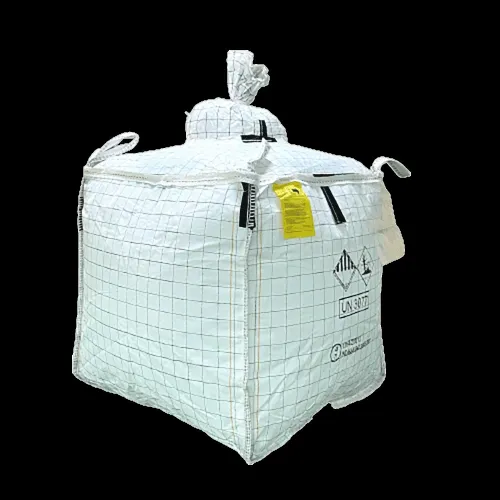
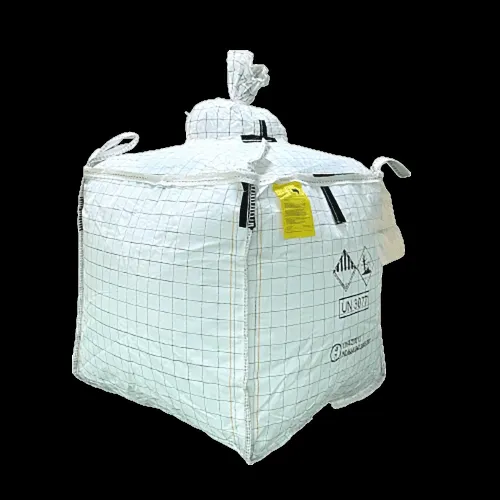
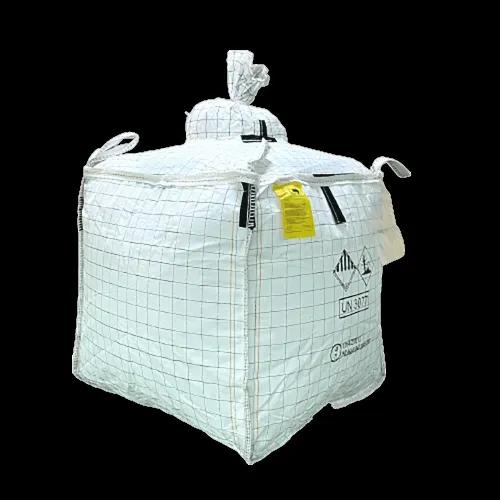
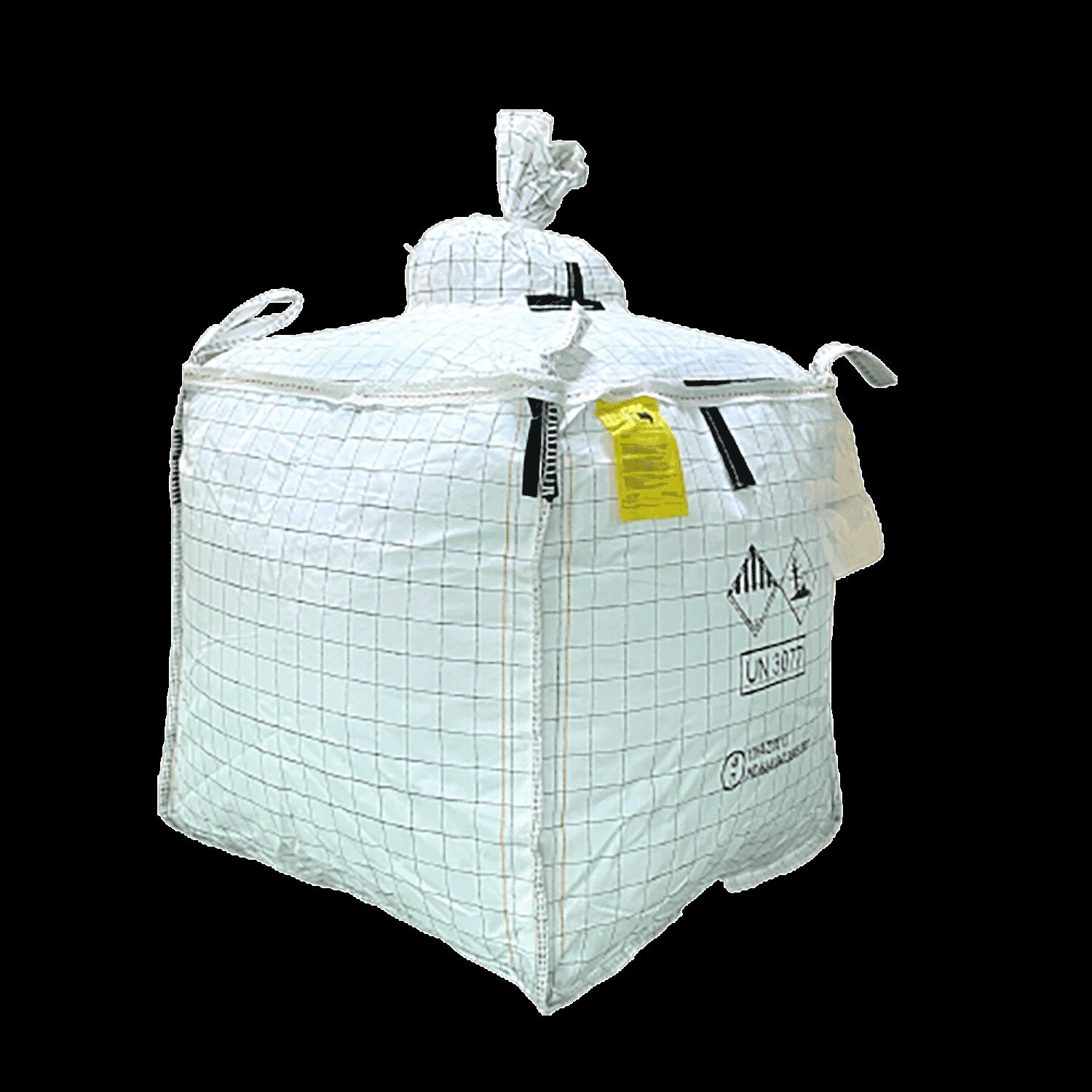
| Flexible packaging | Lowest packaging weight and strong space efficiency | The product is non-sharp, secondary containment is available and puncture risk is controlled |
In a tin versus HDPE decision, compare the complete pack cost, not only the empty container: leakage, pallet stability, rejected units and recycling routes affect the result. Tinplate also avoids plastic permeation for some products, but chemical compatibility still depends on the specified internal lacquer, gasket and closure. Flexible packs save weight; tin saves rigidity.
Seams, leak testing, hazardous goods, and Indian compliance
A sound-looking container can still leak vapour through a pinhole, faulty gasket, or distorted closure. Verify the construction and test evidence before filling chemicals, flammable liquids, or corrosives.
1. Inspect the double seam inspection record for seam width, overlap, tightness, wrinkles, and cut-section results. For soldered or welded joints, check continuity, porosity, burn-through, and corrosion resistance. Match the closure—lever-lock, plug-and-cap, screw cap, crimped, or double-seamed—to the product.
2. Require a documented leak test using the agreed method, such as air-pressure immersion, pressure decay, or vacuum testing. The report must state test pressure, hold time, sample size, acceptance limit, and batch identification. Add stacking and drop testing when transport loads or rough handling could deform the container.
3. For dangerous goods, request UN packaging approval India evidence: the complete UN mark, tested design type, packaging code, steel thickness, closure specification, packing group, permitted contents, maximum gross mass, and certificate or test report. A printed UN mark alone proves nothing; changing the closure or material can invalidate the tested design.
4. Check Indian obligations against the product and route. Petroleum products can require PESO approval under the Petroleum Rules, 2002. Road consignments must follow Central Motor Vehicles Rules, 1989 requirements for dangerous-goods marking, documents, vehicle precautions, and driver training.
The Manufacture, Storage and Import of Hazardous Chemical Rules, 1989 can impose site controls and emergency information, while the Legal Metrology (Packaged Commodities) Rules, 2011 govern declarations on retail packs. Verify the exact classification and approval with PESO or the relevant authority before dispatch.
How to evaluate a tin container manufacturer in Coimbatore
Approve a tin container manufacturer in Coimbatore only after its documents match your product, filling method, and transport risks. Ask for evidence at four decision points rather than relying on a catalogue photograph or an attractive sample.
1. Before approving samples, request a packaging specification drawing showing steel thickness, tin coating, temper, dimensions, tolerance, brimful and usable capacity, seam or weld construction, closure type, internal lacquer, handle, and pouring features. Require a lacquer-compatibility statement for your exact oil, solvent, acid, alkaline cleaner, or powder.
2. Before approving tooling, obtain the tooling drawing, revision number, die ownership terms, tool-maintenance responsibility, minimum order quantity, and sample approval procedure. Confirm that the final design preserves headspace, closure clearance, and thermal expansion space; a nominal 20 L container is not necessarily a 20 L fill.
3. Before approving production, ask the industrial packaging supplier for a control plan covering dimensions, lacquer coverage, seam integrity, closure fit, leak testing, and stacking strength. For dangerous goods, demand the tested design type, UN test report or certificate, packing instruction, and manufacturing-control evidence; printing a UN mark alone proves nothing.
4. Before dispatch, require a batch inspection report linked to the lot number, with sample size, acceptance limits, leak-test results, dimensions, visual defects, and test equipment identification. Confirm Legal Metrology declarations for the intended Indian distribution channel, plus the invoice, packing list, certificate of conformity, and traceability records.
Deccan Cans & Printers Pvt. Ltd. is one manufacturer you can place in this comparison, but use the same evidence checklist for every tin container manufacturer Coimbatore shortlist. Reject samples that pass visual inspection but lack measurable seam, lacquer, closure, or stacking results.
Related products
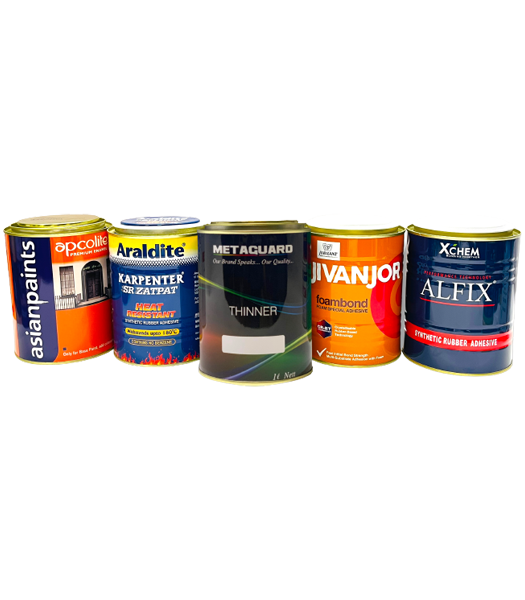 | Tin Containers Tin Containers Deccan Cans & Printers Pvt. Ltd. offers a robust range of Industrial Tin Containers, engineered to provide secure, durable, and... View product → |
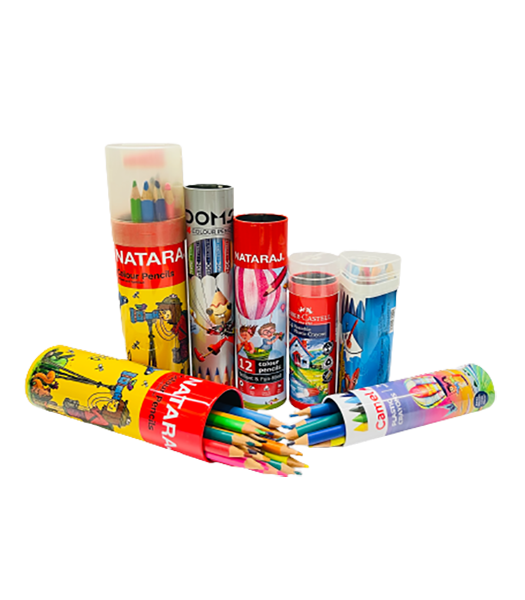 | Tin Containers Tin Containers Deccan Cans & Printers Pvt. Ltd. offers high-quality tin containers for stationery packaging, designed to provide durable, attractive,... View product → |
Frequently asked questions
What products suit industrial tin containers?
Tin containers suit compatible liquids, pastes, powders, and solids that need puncture resistance, stackability, and protection from light. Confirm material compatibility before filling.
How do tin containers compare with plastic and flexible packaging?
Tinplate offers rigid, stackable protection and puncture resistance. Plastic can reduce weight, drums suit larger volumes, and flexible packaging saves space but needs more protection during handling.
What should you check before buying tin containers in India?
Check the steel and coating specification, closure type, seam construction, leak-test method, sample approval, batch traceability, and documentation required for the product. Hazardous goods also require the applicable UN packaging and transport requirements.
How can you evaluate a tin container manufacturer in Coimbatore?
Request production samples, dimensional drawings, tooling details, quality records, coating or lining information, lead times, minimum order quantities, and evidence that the manufacturer can repeat the approved specification.
Related products
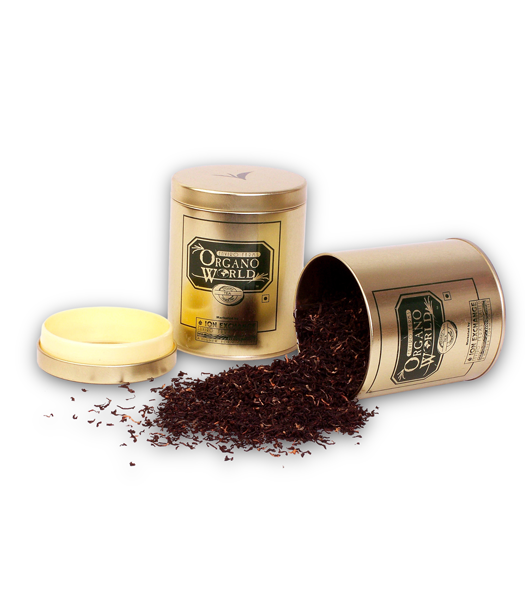 | Tin Containers Tea and Coffee Tins Range Tea & Coffee Tins Range – Product Descriptions Deccan Cans & Printers Pvt. Ltd. 1. |
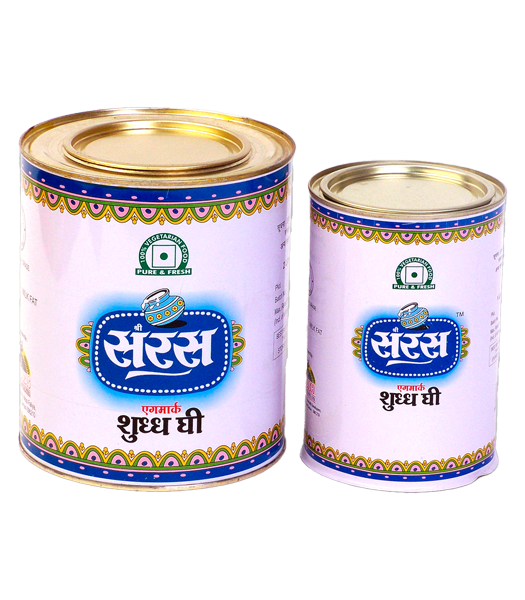 | Tin Containers RLT/EOE Tins Range Tin Containers Deccan Cans & Printers Pvt. Ltd. offers a versatile range of RLT/EOE tin containers, designed to provide durable, reliable, and... |
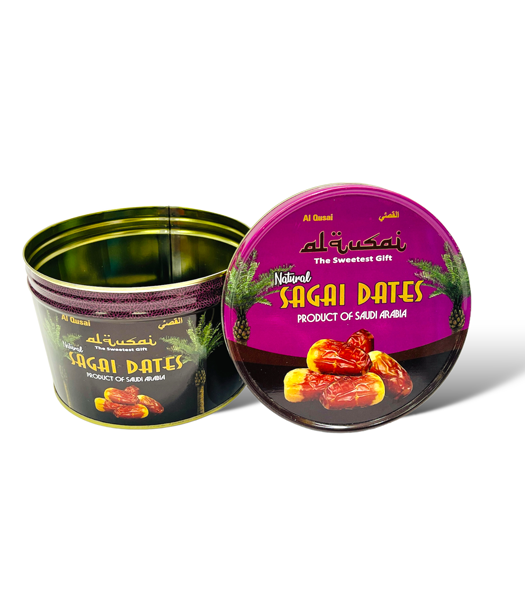 | Tin Containers Tin Containers Deccan Cans & Printers Pvt. Ltd. offers a premium range of tin containers for confectionery packaging, designed to provide an... View product → |
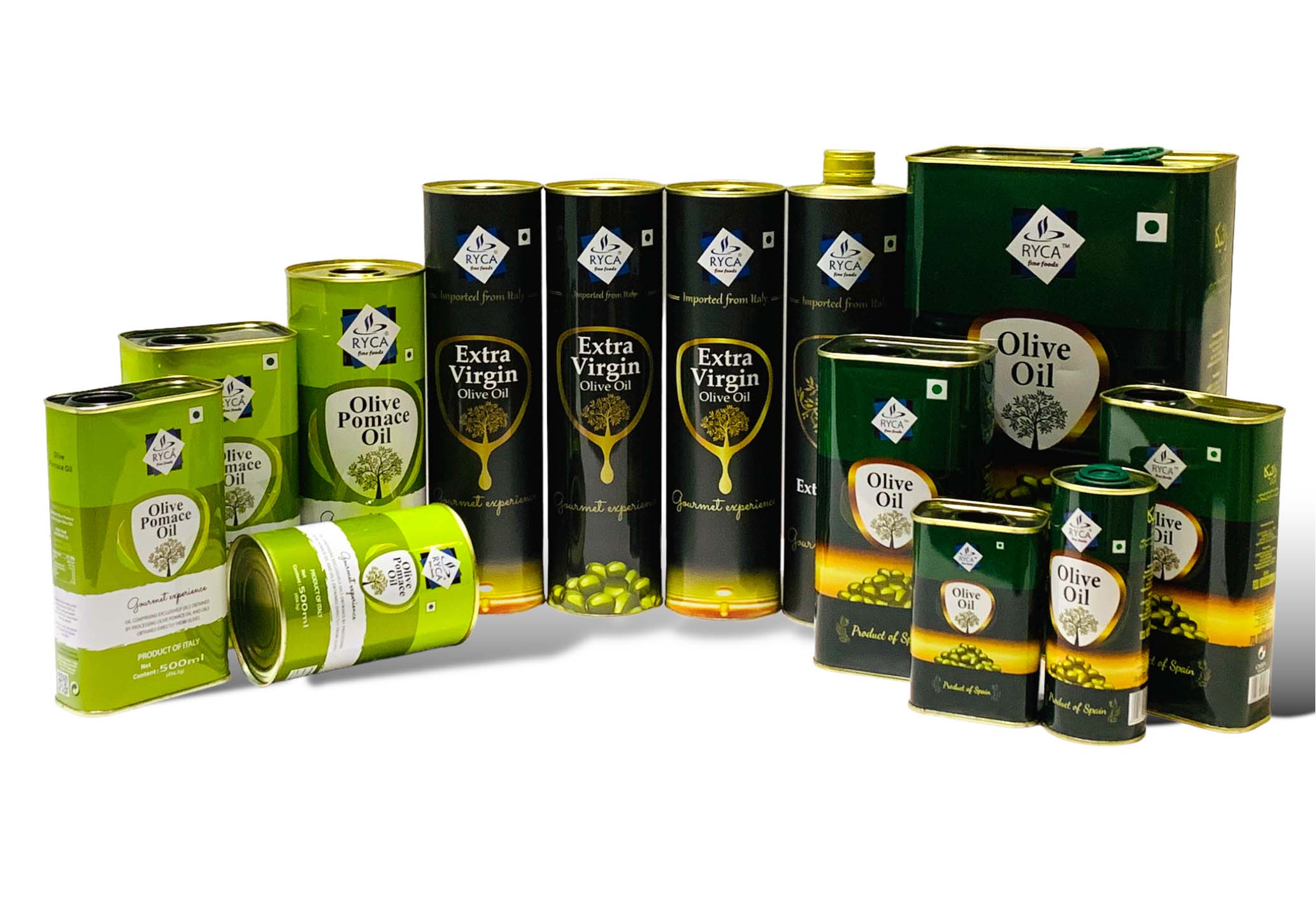 | Tin Containers Tin Containers Deccan Cans & Printers Pvt. Ltd. offers a reliable range of Edible Oil Tin Containers, designed for safe, durable, and practical... View product → |