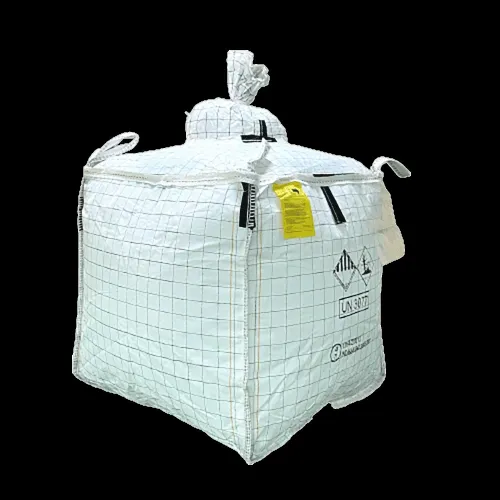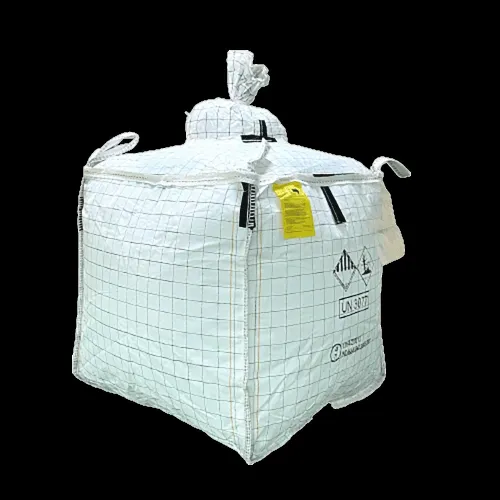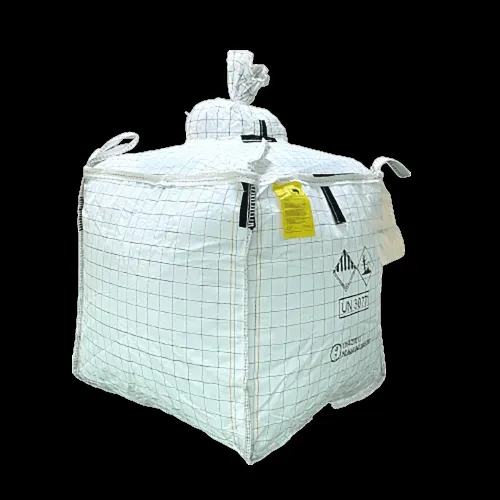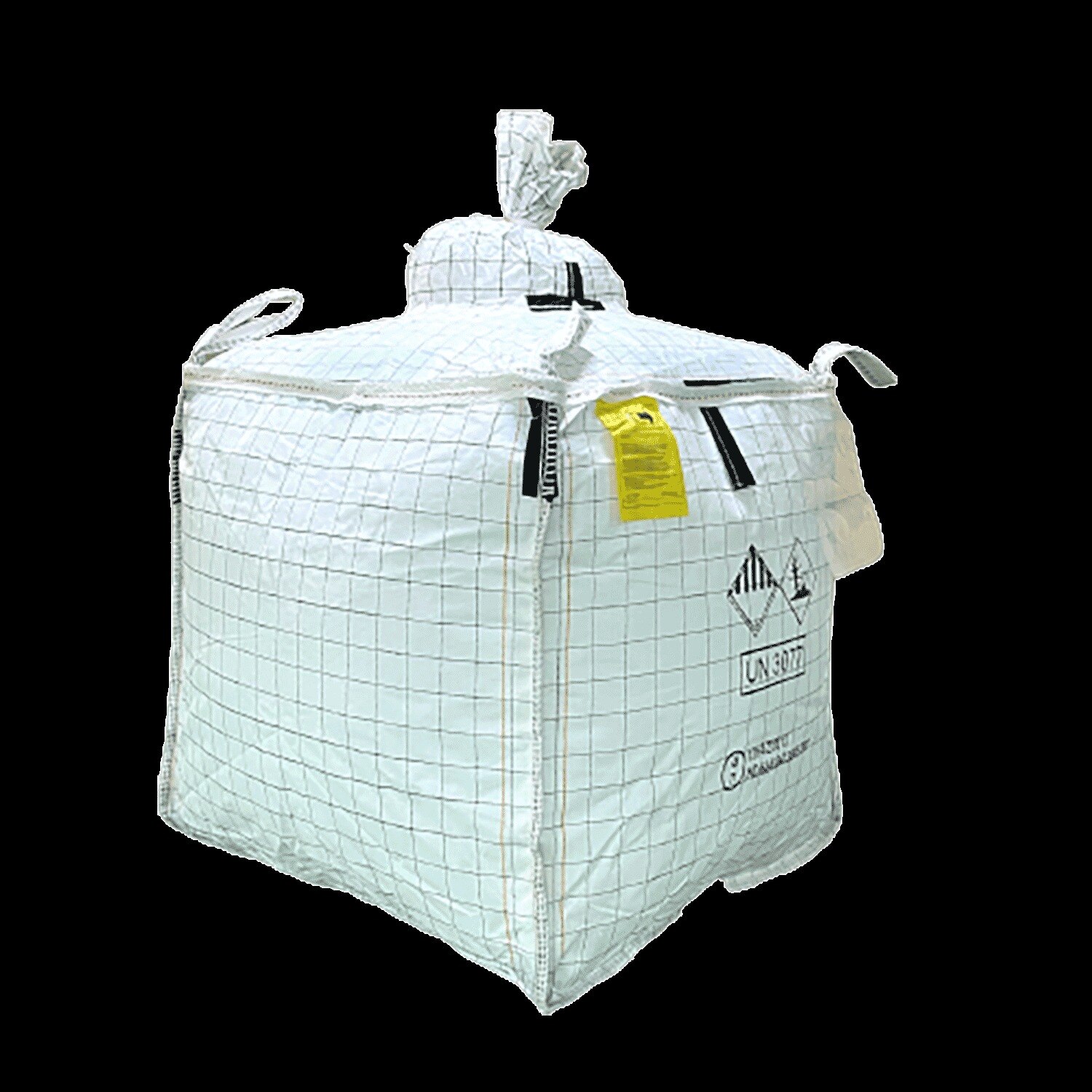
The right FIBC specification depends on how your material behaves, not only on how many kilograms you need to pack. By the end, you will be able to match particle characteristics, handling equipment, discharge needs, electrostatic controls and storage conditions to a custom bag specification that can be tested and approved before production.
Key takeaways
- Match fabric and liner selection to particle size and flow behaviour.
- Specify bag capacity, dimensions and lifting loops as one handling system.
- Use sealed seams and suitable outlets to control dust and discharge speed.
- Add electrostatic protection when product, equipment or storage conditions require it.
Match the FIBC to the powder, granule or mineral
Particle size and flow behaviour determine more than the bag’s volume. They set the fabric, liner, seam construction, filling method and discharge outlet needed to prevent dust loss, bridging, uncontrolled flow or bag damage.
- Fine, cohesive powders can bridge above a bottom spout. Specify a flexible liner, sift-proof seams and a discharge spout sized for controlled flow; add a mass-flow aid or agitation point if the product will not empty under gravity.
- Very fine or aerated powders can flood through a large outlet. Use a smaller spout, a full-length closure and a controlled-discharge arrangement, then provide a filter vent or dust-extraction path so displaced air does not balloon the liner.
- Free-flowing granules need a discharge opening that matches the required emptying rate. Oversizing it can cause surging, while an undersized outlet leaves product behind.
- Sharp or abrasive minerals can cut liners and wear woven polypropylene. Choose heavier fabric, protected seams and a liner that fits without rubbing; inspect the bottom and lifting areas after handling trials.
- Damp or moisture-sensitive powders need a sealed polyethylene liner with a defined sealing method. A loose liner can fold into the outlet, trap product and tear during discharge.
- High-density minerals can exceed the bag’s safe working load before the container looks full. Set dimensions and fill height from bulk density, then verify the finished bag against its specified handling cycle.
Custom FIBC bags should be tested with the actual material or a close substitute. Record bulk density, particle size, moisture content, flow behaviour and dust generation before requesting a specification; “one bag fits all” ignores the failure mode these properties create.
Choose capacity, dimensions and lifting configuration together
Set the safe working load before fixing bag dimensions. Base it on the material’s filled weight, the lifting equipment, the handling cycle and the finished-bag test results under ISO 21898. A stated 5:1 or 6:1 safety factor describes construction strength; it does not authorise filling to five or six times the rated load.
| Configuration | Handling design | Choose it when |
|---|---|---|
| 1-loop FIBC | Single-point lifting with compatible equipment | The filling, storage and discharge route uses one approved lifting point |
| 2-loop FIBC | Two-point lifting with a spreader or paired hooks | Your equipment supports two loops and keeps the load balanced |
| 4-loop FIBC | Four-point lifting with controlled vertical loading | Forklift frames, hoists or racks require stable support at all corners |
Choose dimensions against the complete route, not only the product volume. Check the filling head, weighing platform, pallet footprint, warehouse rack, truck or container clearance, lifting height and access to the discharge spout. A tall bag that fits the powder can still block the filling connection or place the outlet beyond safe reach.
Specify the lifting loops, loop length, loop sleeve, seam reinforcement and forklift access as one handling design. State whether the bag is one-trip or reusable; a 6:1 safety factor does not make a one-trip bag reusable.
For repeated service, define inspection and traceability rules for cuts, UV damage, seam or loop wear, liner contamination and deformation. Ensure the bottom outlet remains supported during discharge, since uneven loading can overload seams and lifting loops.
Control powder loss with the right liner, seams and discharge outlet
Fine powder often escapes through seams before it penetrates the fabric. Increasing fabric weight will not fix that path: specify sift-proof construction with closer stitching, folded or taped seams, and a seam inspection or leak test after manufacture.
Use an FIBC liner when the product needs tighter containment or moisture protection. Select liner material, fit, sealing method and attachment together; a loose liner can wrinkle into the outlet, while a sealed liner can balloon during filling if displaced air has nowhere to escape.
Add vented fabric, a filter vent or dust extraction at the filling station.
A liner also creates trade-offs. It can complicate grounding, discharge and puncture control, so define how operators will inspect it and prevent it from being caught by the spout or forks.
Specify the discharge arrangement against the powder’s flow behaviour:
- Cohesive powder: use a suitably sized bottom discharge spout and a controlled opening method to reduce bridging above the outlet.
- Very fine or aerated powder: avoid an oversized outlet, which can flood material into the receiving vessel.
- Abrasive mineral: reinforce the spout and nearby seams, and consider laminated fabric or an inner coating after checking folding and handling requirements.
State the spout diameter, length, closure, liner attachment and intended discharge rate in one specification. A tie closure gives less control than a valve or pinch arrangement. Ensure the receiving equipment provides dust capture; otherwise, even a leak-tight bag can release a cloud when air and powder separate during discharge.
Specify electrostatic protection and storage conditions
Choose the electrostatic class from the powder’s ignition risk and handling process, not from bag size. Review the material’s minimum ignition energy, surrounding atmosphere, charging rate, filling method and discharge path before approving an FIBC.
| Type | Protection | Appropriate use |
|---|---|---|
| Type A FIBC | No electrostatic protection | Non-combustible materials where no flammable dust or vapour atmosphere exists |
| Type B FIBC | Limits propagating brush discharges but does not safely dissipate accumulated charge | Dry, combustible powders only when the process and surrounding atmosphere have been assessed |
| Type C FIBC | Conductive elements must be interconnected and bonded to earth | Flammable powders requiring controlled charge dissipation during filling and discharge |
| Type D FIBC | Dissipates charge without a separate earth connection | Approved applications where the fabric system stays clean, dry and free from conductive contamination |
A Type C FIBC is not protected when its grounding lead is missing, damaged or unverified. Do not choose Type D merely to avoid grounding; conductive dust, moisture, oil or an unapproved liner can change its behaviour.
Specify warehouse controls for a hot, humid coastal site:
- Keep bags under a roof, away from rain, condensation, standing water and direct sunlight.
- Store them on clean pallets, clear of chemically contaminated floors and structures.
- Keep closures sealed to prevent moisture entering hygroscopic powders and causing caking.
- Limit UV exposure because it reduces polypropylene fabric strength.
- Inspect grounding equipment, bag surfaces and nearby metal handling equipment before use; moisture and corrosion can create additional hazards.
Prepare a custom FIBC production specification before requesting quotes
Send every bidder the same FIBC specifications, not a product description. State:
- SWL, safety factor, bag dimensions, filling and discharge arrangement, lifting-loop configuration, seam type, liner construction, electrostatic class and intended one-trip or reusable service.
- Fabric construction, including fabric GSM, yarn type, coating, and whether coated polypropylene fabric is required.
- Product bulk density, particle size, abrasiveness, moisture sensitivity and discharge behaviour, plus the filling head, pallet, rack, vehicle and container clearances.
- Warehouse limits for rain, condensation, sunlight, standing water and contaminated floors at Dahej.
Require compliance with ISO 21898 and ask the supplier to identify the test method and acceptance result for each claim.
| Evidence | Require from supplier | Check before approval |
|---|---|---|
| Design record | Signed drawing, bill of materials and revision number | Dimensions, spouts, loops and liner match your process |
| Performance tests | SWL proof test, seam-strength result, sift or leak test and electrostatic test where specified | Results identify the bag construction and batch |
| Production records | Fabric GSM record, raw-material lot, in-process inspection and final release report | Records make defects traceable |
| Reusable-service file | Inspection limits for cuts, UV damage, seam or loop wear, liner contamination and deformation; cleaning and return records | A nominal 6:1 factor does not qualify a used bag |
Ask Deccan Cans & Printers Pvt. Ltd. for this same evidence with its quotation so you compare documented construction rather than photographs. Reject quotes that omit a drawing, test record, batch traceability or a clear reuse decision.
Related products
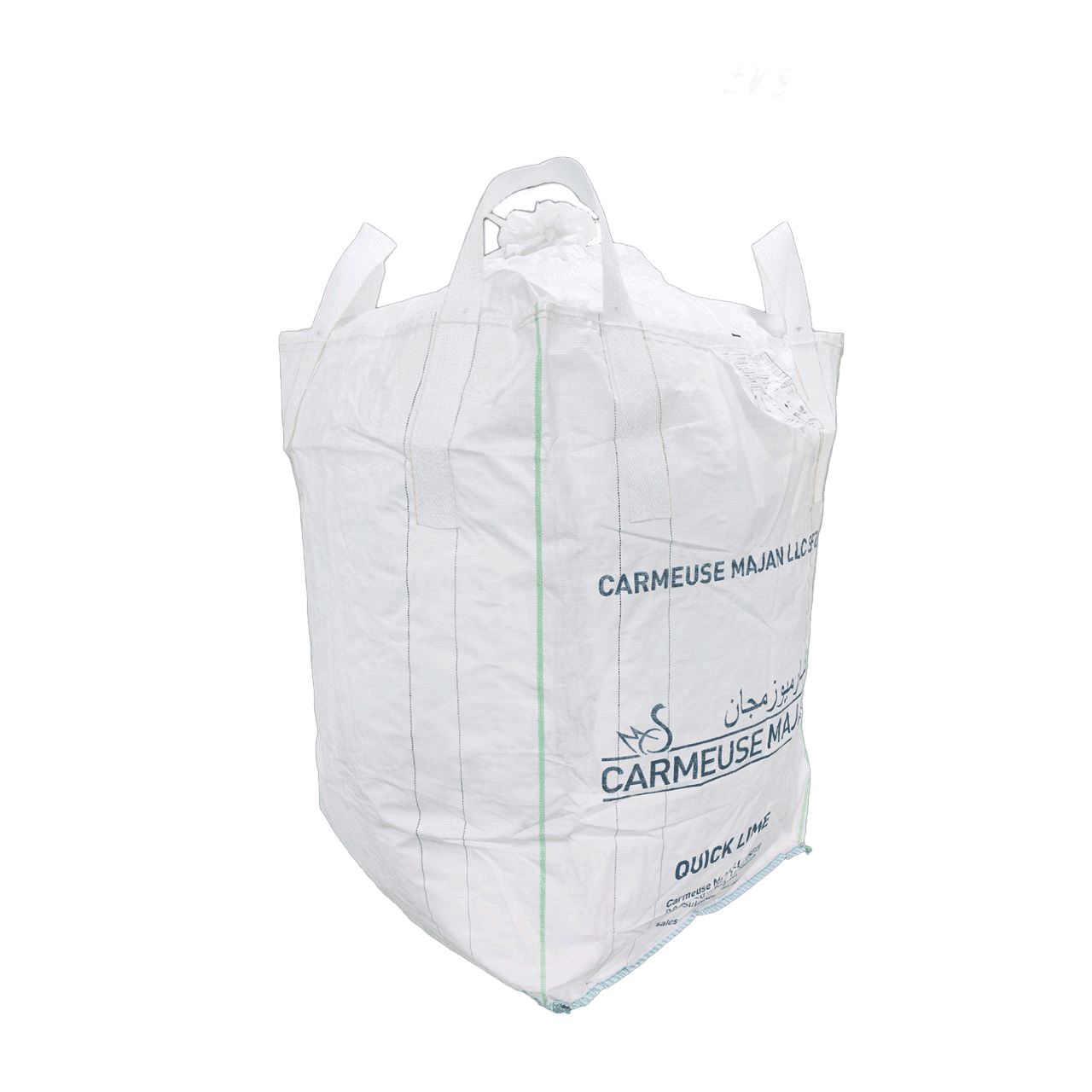 | FIBC Section Bags With Liners FIBC Liners – Bulk Bag Liners Deccan Cans & Printers Pvt. Ltd. |
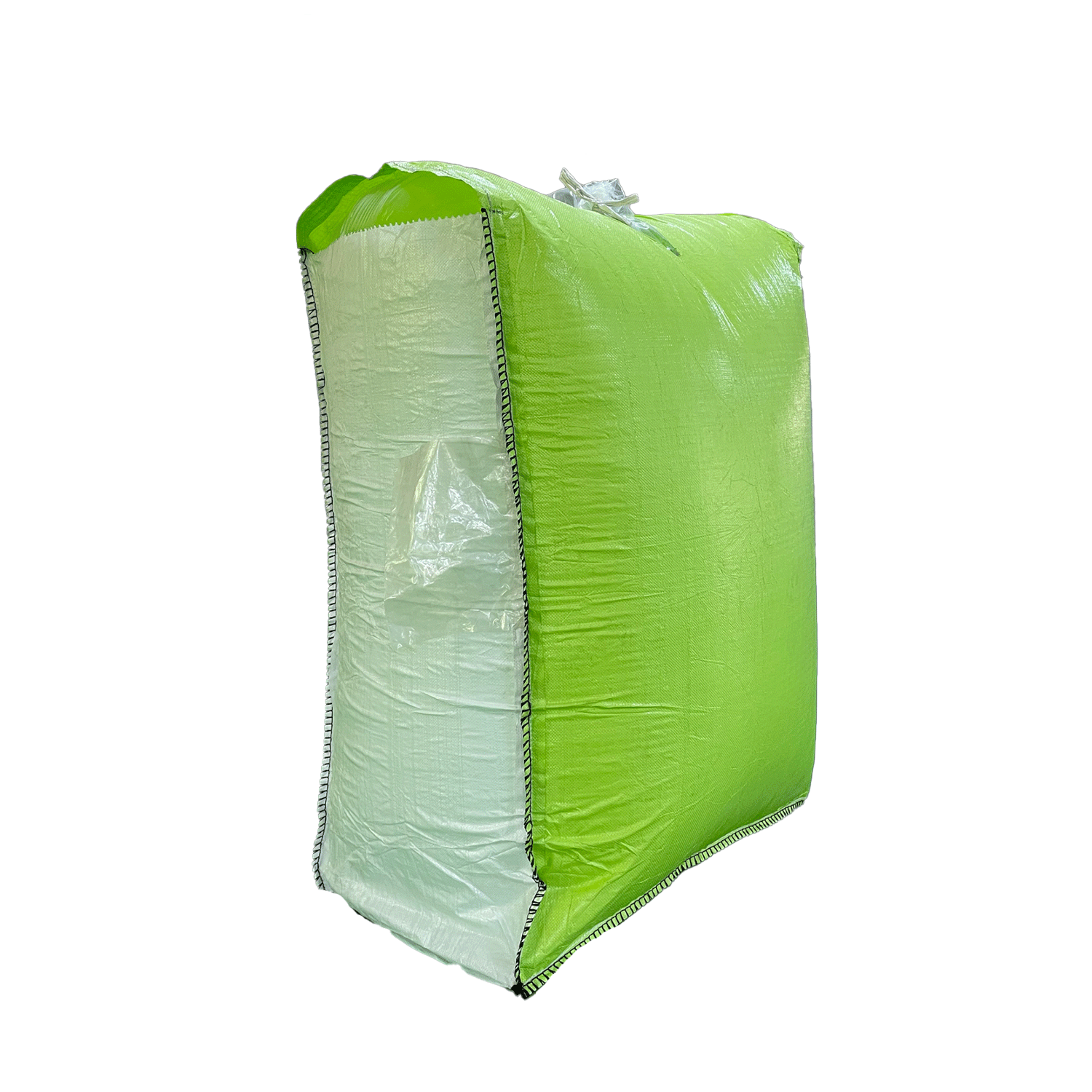 | FIBC Section Fertilizer Bag Range 1 & 2 Loop FIBC Bulk Bags Deccan Cans & Printers Pvt. Ltd. offers durable and cost-effective 1 & 2 Loop FIBC Bulk Bags, designed for the efficient... |
Frequently asked questions
How do you match an FIBC to powders, granules or minerals?
Assess particle size, flow behaviour, bulk density, abrasiveness and moisture sensitivity before selecting fabric, liner, seams and filling equipment.
How should you choose FIBC capacity, dimensions and lifting configuration?
Choose these together around bulk density, filling equipment, pallet dimensions, warehouse space, lifting equipment and the intended discharge method.
Which FIBC features help control powder loss?
Use the correct liner, tight seam construction and a discharge outlet suited to the product’s flow rate and dust-control needs.
When does an FIBC need electrostatic protection?
Specify the required electrostatic protection after assessing product ignition risk, filling and discharge equipment, grounding procedures and storage conditions.
Related products
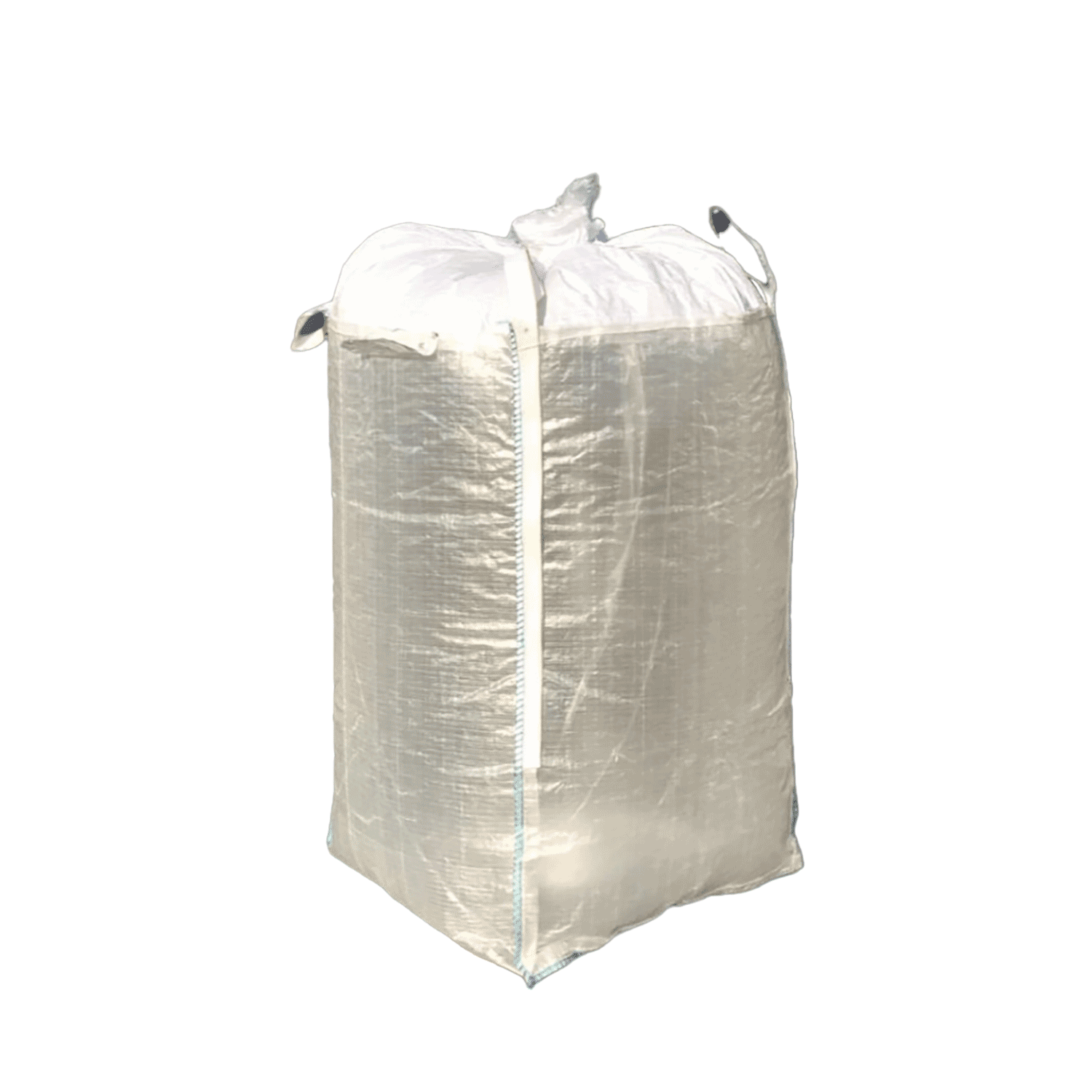 | FIBC Section Transparent Bags Transparent FIBCs – See-Through Bulk Bags Deccan Cans & Printers Pvt. Ltd. |
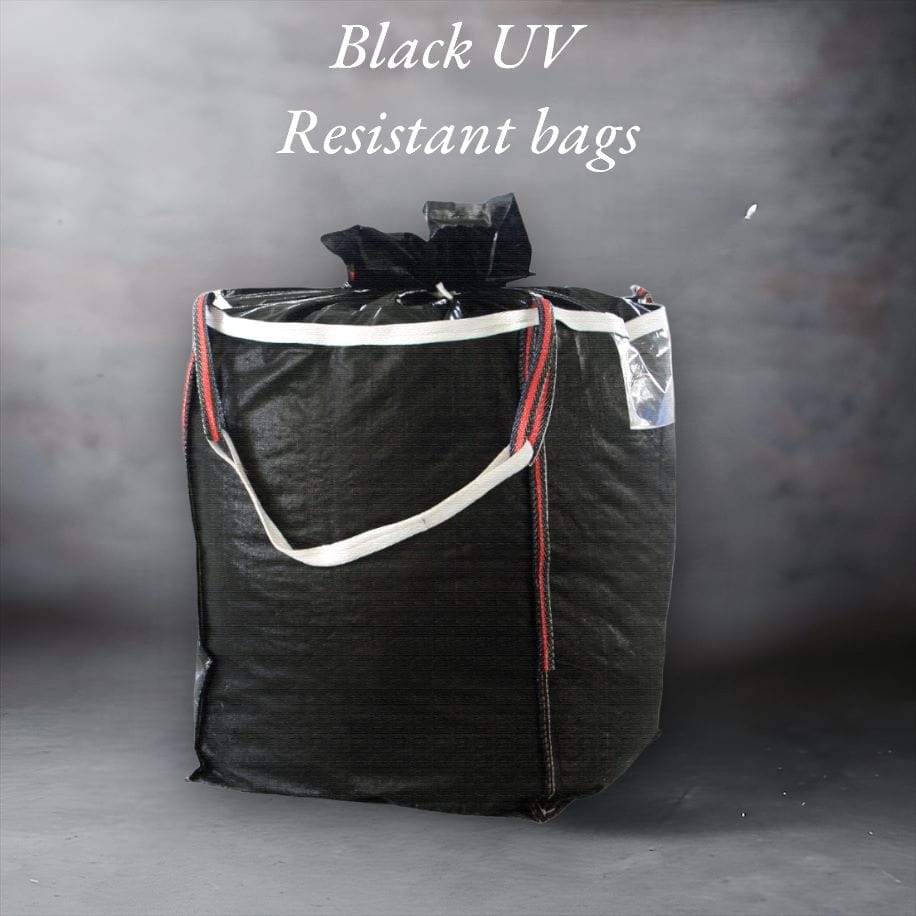 | FIBC Section Black Bags Black FIBC Bags – Enhanced UV Resistance & Extended Shelf Life UV exposure is one of the major challenges faced by the FIBC industry, as prolonged... |
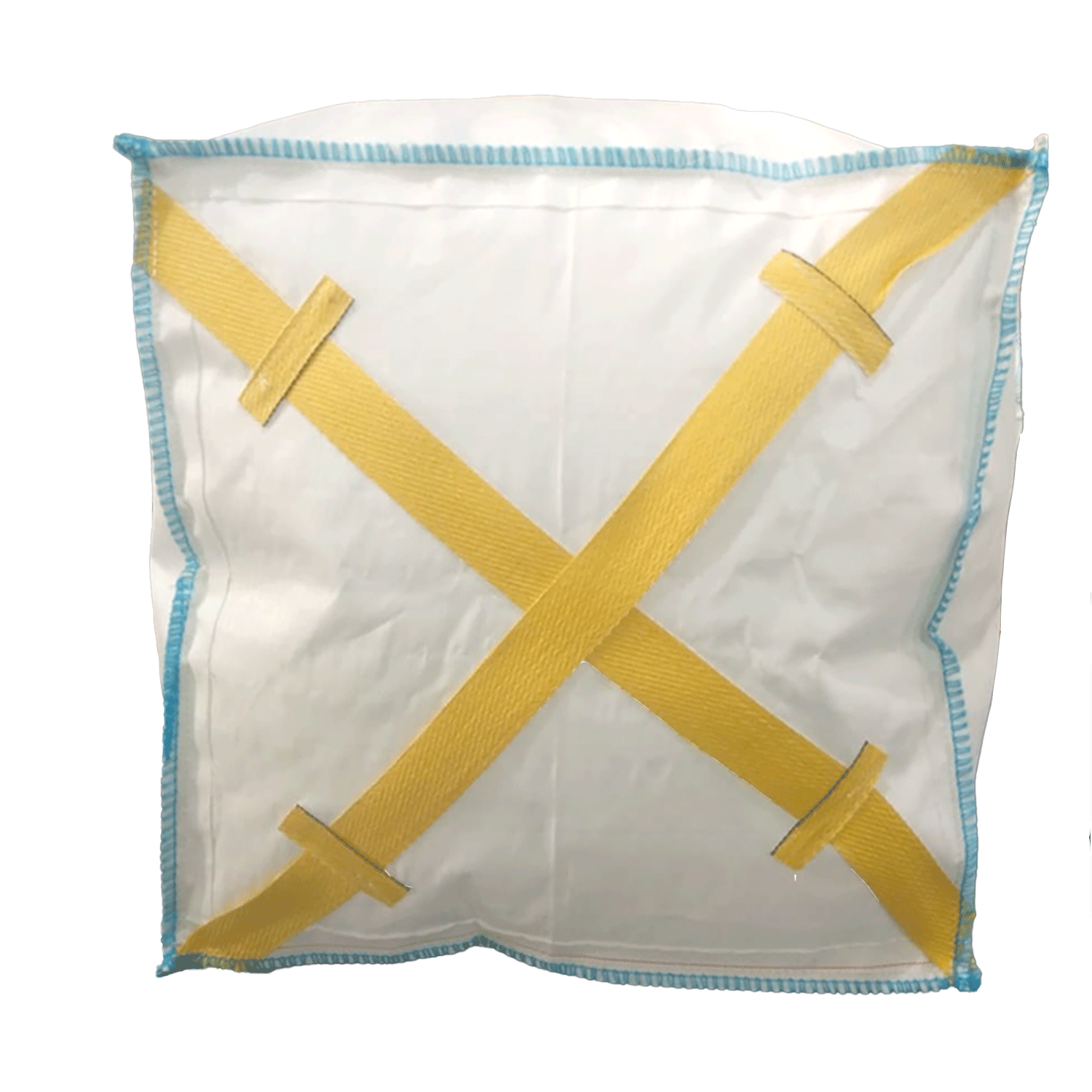 | FIBC Section Cross Bottom Sling Bags Cross Bottom Sling FIBCs – Bulk Bags Deccan Cans & Printers Pvt. Ltd. |
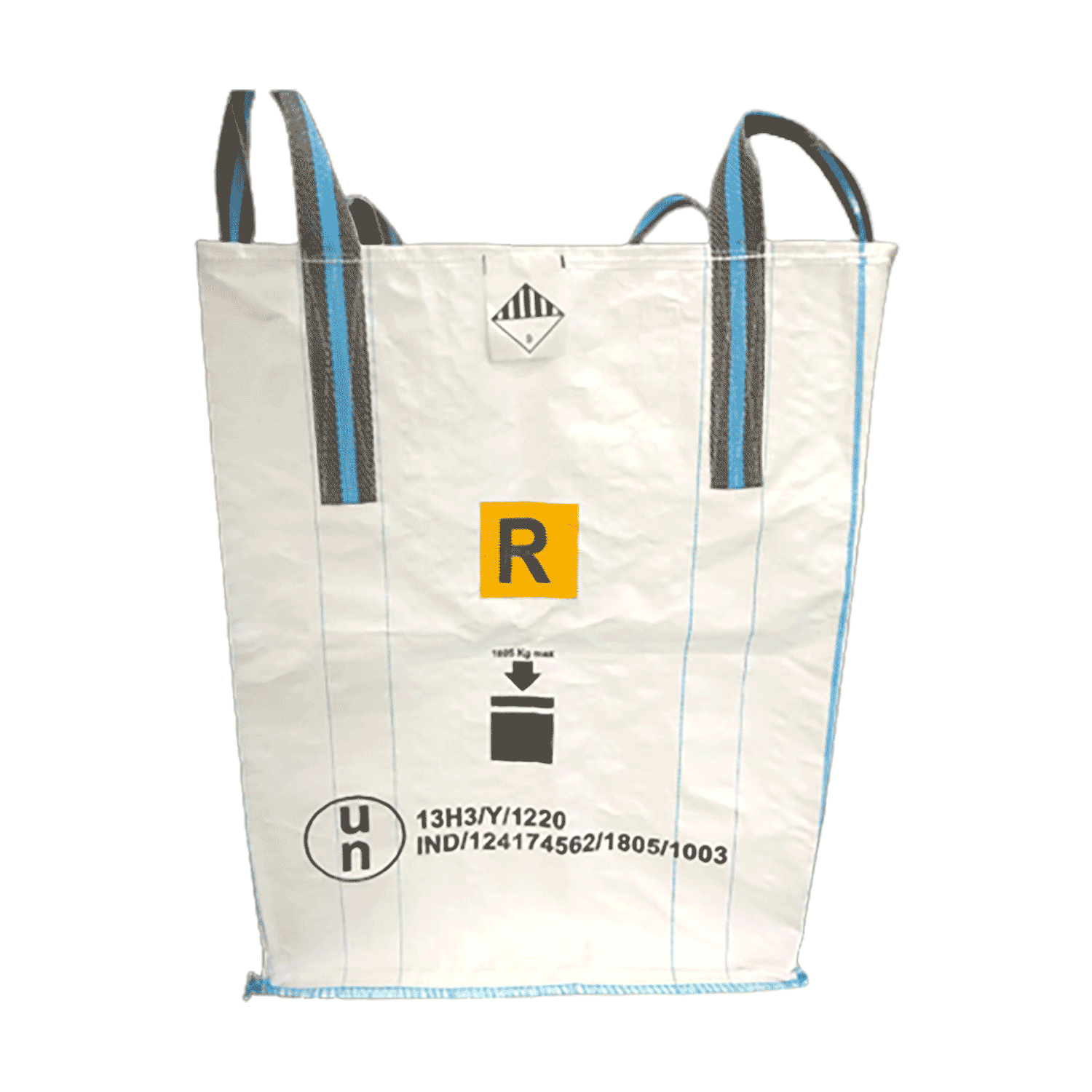 | FIBC Section Un Bags UN Certified Bulk Bags – Rigorous Performance Testing for Safety & Reliability Deccan UN Certified Bulk Bags are specially engineered for the safe... |