A filled FIBC must survive more than factory filling: it moves through trucks, warehouses, container doors, port equipment and vessel loading while remaining identifiable and safe to handle. By the end, you will be able to match bag construction, electrostatic controls, dimensions, documentation and handling procedures to your cargo route through Duqm.
Key takeaways
- Match bag construction to the product, hazards and handling method.
- Specify dimensions, safe working load and lifting loops against the load plan.
- Check bag marks, certificates and export documents before customs control.
- Inspect filled bags, pallets and storage conditions before onward movement.
Map the FIBC journey from factory to vessel
An FIBC moves from filling and sealing at the factory to truck loading, warehouse staging, customs control, the port terminal, and vessel loading. In Duqm Oman, the packaging plan must follow the cargo’s physical route and its customs status; export logistics operations do not follow one procedure.
- Confirm the importer of record and customs regime before production.
- Check bag dimensions against the actual container plan, including door clearance, lifting access, stacking height, top space and wall protection.
- Use pallets, slip sheets or block-stowing according to the load plan, then secure filled bags against shifting during road transport and crane or forklift handling.
- Protect moisture-sensitive powder from condensation and wet handling with suitable wrapping, container desiccant or humidity controls.
- Set a maximum storage exposure before loading; salt-laden air can worsen caking in powders and corrosion in nearby tin packaging.
Cargo status changes the permitted sequence and documents:
| Status | Handling route | Planning consequence |
|---|---|---|
| Goods entering the Special Economic Zone at Duqm | Factory to SEZ-controlled storage or processing | Confirm SEZ entry documents, importer of record and duty treatment. |
| Goods cleared into Oman | Customs clearance before domestic delivery | Reconcile the declaration with the invoice, packing list, HS code and certificate of origin. |
| Transshipment or transit cargo | Temporary movement through Duqm to another destination | Keep cargo under the required customs control and do not assume local clearance. |
| Re-export after local processing | Import, process, then export | Record the processing step, revised origin or classification, and re-export documents. |
Before vessel loading, reconcile the commercial invoice, packing list, bill of lading and customs declaration. Add a certificate of origin and UN dangerous-goods documents when applicable.
Choose construction for the product and its hazards
Choose the construction by matching bulk density, particle size, flow characteristics, moisture sensitivity and static risk to the filling and discharge method.
A nominal “1-ton bag” is incomplete: dense material needs a tested SWL and fabric design, while fine powder needs sift-proof seams, controlled filling and a liner that will not tear or block the outlet.
| Type | Construction | Use |
|---|---|---|
| Type A | Standard woven polypropylene with no electrostatic protection | Non-flammable products where no flammable dust, gas or vapour atmosphere is present |
| Type B | Fabric with controlled surface breakdown voltage | Dry, flammable powders with minimum ignition energy above 3 mJ; exclude flammable atmospheres |
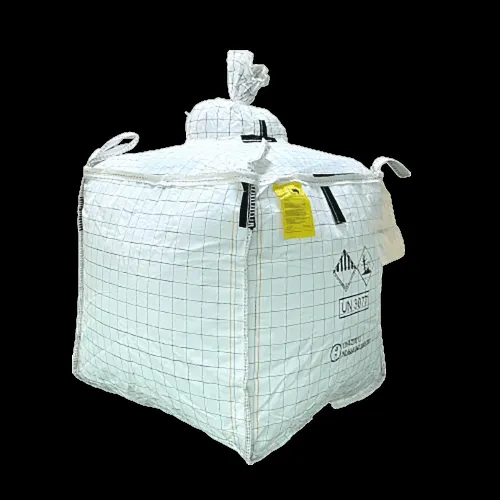
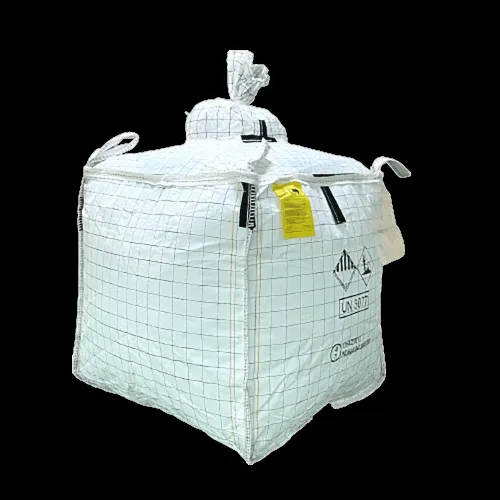
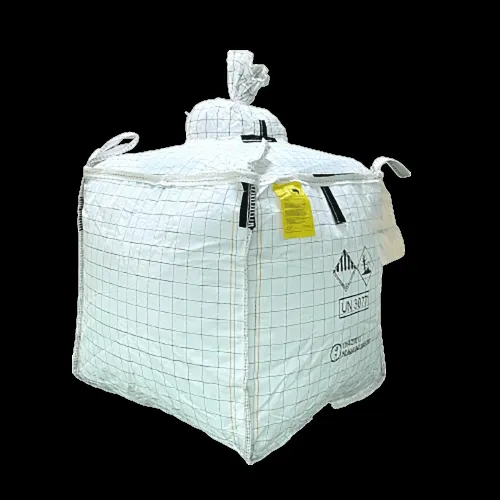
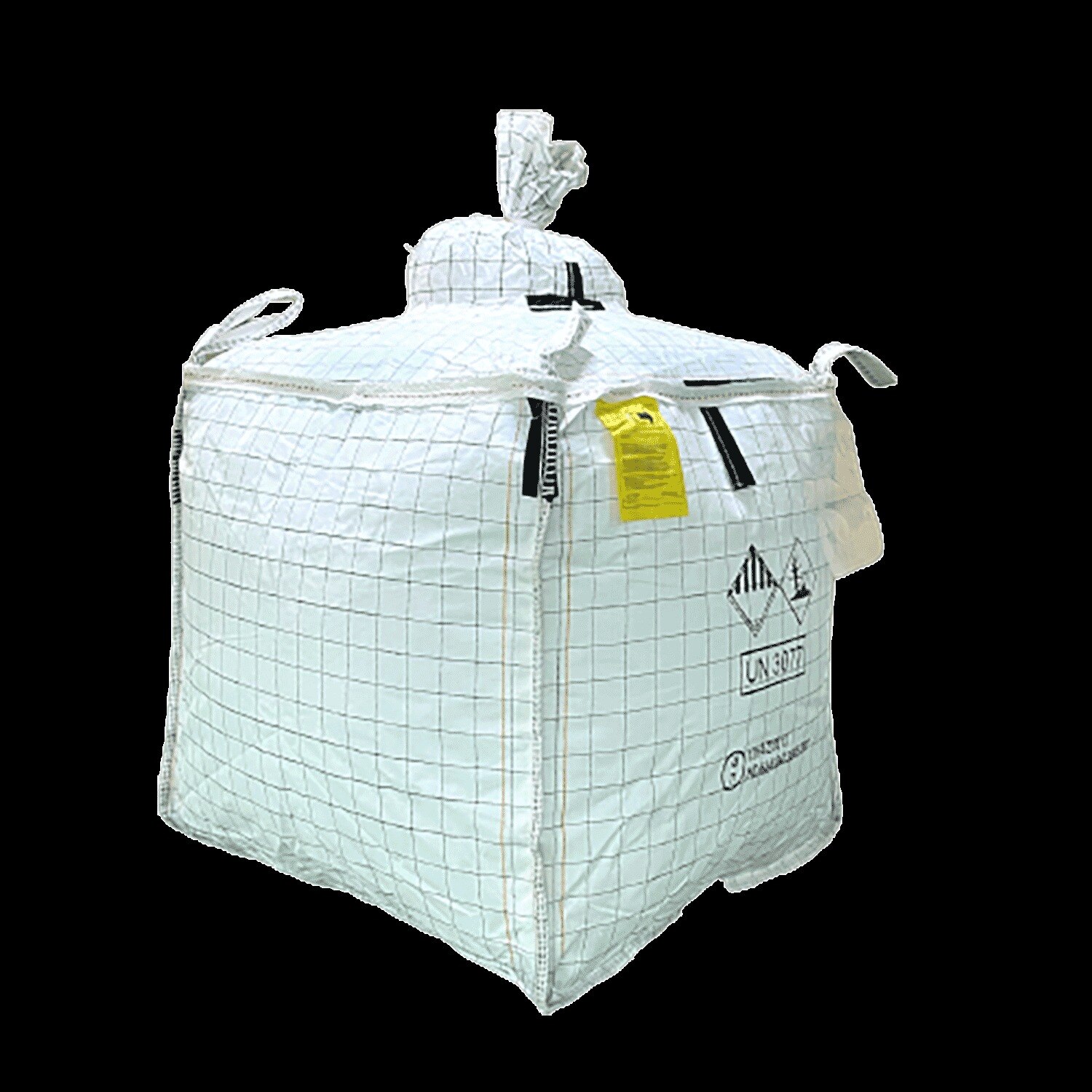
| Type C | Interconnected conductive fabric with grounding points | Flammable powders or hazardous atmospheres; ground the bag before filling, handling and discharge |
| Type D | Static-dissipative fabric designed to prevent incendiary discharges without grounding | Use only in the manufacturer’s specified conditions and with clean, undamaged surfaces |
For moisture-sensitive powders, select a form-fit polyethylene liner with a defined seal and compatible filling and discharge spouts. A loose liner can crease, retain product or become trapped in the bottom spout; an FIBC alone is not a moisture barrier.
Match the inlet and outlet to the material’s flow. Fine, cohesive powder may need a larger filling inlet, sift-proof seams and a controlled bottom discharge, while free-flowing granules can use simpler spouts. Confirm compatibility between product, liner, coating, thread and closure, then test the complete configuration if the material is hazardous, abrasive or moisture-sensitive.
Specify the bag so it fits the load plan
A “1-ton bag” is not a sufficient specification. State the safe working load, product bulk density, filling ratio, filling and discharge method, and whether the FIBC is single-trip or reusable before requesting a quotation.
1. State the safety basis. Require the test report and service-cycle assumptions for a 5:1 and 6:1 safety factor; these ratios are not interchangeable with SWL. A 5:1 bag is commonly used for single-trip service, while a 6:1 bag is associated with reusable service.
2. Provide the load plan. Give filled and collapsed dimensions, then confirm whether bags will be palletized, placed on slip sheets or block-stowed. Check container door clearance, stack stability, lifting access, top space and protection from contact with container walls.
3. Draw the handling points. Specify the lifting-loop configuration, loop length and forklift access, plus the top inlet and bottom discharge type, diameter, closure and position. Match these details to the filling machine, discharge station and available headroom.
4. Define the liner and pallet. State the liner material, form-fit or loose construction, seal method and product-contact requirement. A loose liner can fold into a discharge spout; a form-fit liner reduces creasing and retained product. Confirm pallet dimensions, load rating and whether the pallet enters the container with the bag.
5. Recheck approval status. If the cargo requires UN packaging approval, confirm that the exact dimensions, fabric, seams, liner, coating and spouts match the tested configuration. Changing one component can invalidate that approval.
Verify marks, certificates and export documents
A shipment file should let customs, the carrier and the consignee identify the bag, its contents and its legal status without guessing. Mark each FIBC with the manufacturer, model or design reference, safe working load, safety factor, date of manufacture and batch or lot traceability.
| Cargo or use | Mark or certificate to verify | Documents to carry or transmit |
|---|---|---|
| Non-dangerous goods | ISO 21898:2004 marking and manufacturer test information | Commercial invoice, packing list, bill of lading, customs declaration and certificate of origin |
| Food-contact goods | Declaration of compliance covering fabric, coating, liner, thread, ink and closures; migration or contaminant-control evidence | The destination market’s food-contact declaration and supporting test records |
| Dangerous goods | Correct UN packaging mark, such as 13H1–13H4, matching the approved design and contents | UN packaging certificate, performance-test evidence and dangerous-goods declaration |
| Transit, re-export or zone cargo | Marks matching the customs status and consignee | Transit, re-export or Special Economic Zone documents specified by the customs regime |
ISO 21898:2004 does not authorise an ordinary FIBC to carry dangerous goods. For hazardous material, match the UN mark, certificate, design type, permitted contents and performance-test scope; a mismatch can cause rejection at the port or vessel loading point.
Before production, reconcile the HS classification for the filled goods and empty FIBCs with the invoice, packing list and customs declaration. Confirm whether the cargo enters the Special Economic Zone at Duqm, clears into Oman, transits, or is re-exported after processing. Keep the importer of record and customs regime consistent across every document.
Load, store and inspect bags before movement
A filled FIBC must stay upright, supported and free from damage throughout forklift handling. Dragging it, lifting it by fewer than all designated loops, or allowing forks to strike the fabric can cause a sudden drop.
1. Complete an FIBC inspection before every movement. Check the body, seams, lifting loops, top inlet, bottom discharge spout, liner, labels and stitching for cuts, abrasion, contamination, moisture or distortion. Quarantine any bag with a damaged loop, broken seam, leaking liner or unreadable identification.
2. Lift only with equipment rated for the bag’s safe working load (SWL). Keep every loop fully engaged on the approved forklift attachment or lifting frame, raise the load smoothly, keep people outside the drop zone and never transport a suspended bag over personnel.
3. Use a level pallet, slip sheet or floor area for warehouse stacking. Follow the manufacturer’s stated stack height, align bags to prevent leaning, and do not place a damaged or unstable bag beneath another. Store bags under cover, off wet floors and away from sunlight, heat, chemicals, salt-laden air and container condensation.
4. During discharge, secure the bag, control the outlet gradually and keep workers clear of the load beneath it. Apply the specified grounding and bonding procedure for Type C bags or hazardous dust atmospheres; do not improvise with a Type A bag.
5. For container loading, verify door clearance, lifting access, top space, restraint and wall protection against the actual plan. Require the Duqm packaging manufacturer to provide dimensions, SWL, safety factor, filling ratio, single-trip or reusable status, test records, handling instructions and batch traceability. Deccan Cans & Printers Pvt.
Ltd. should be asked for the same evidence when its bags are considered.
Related products
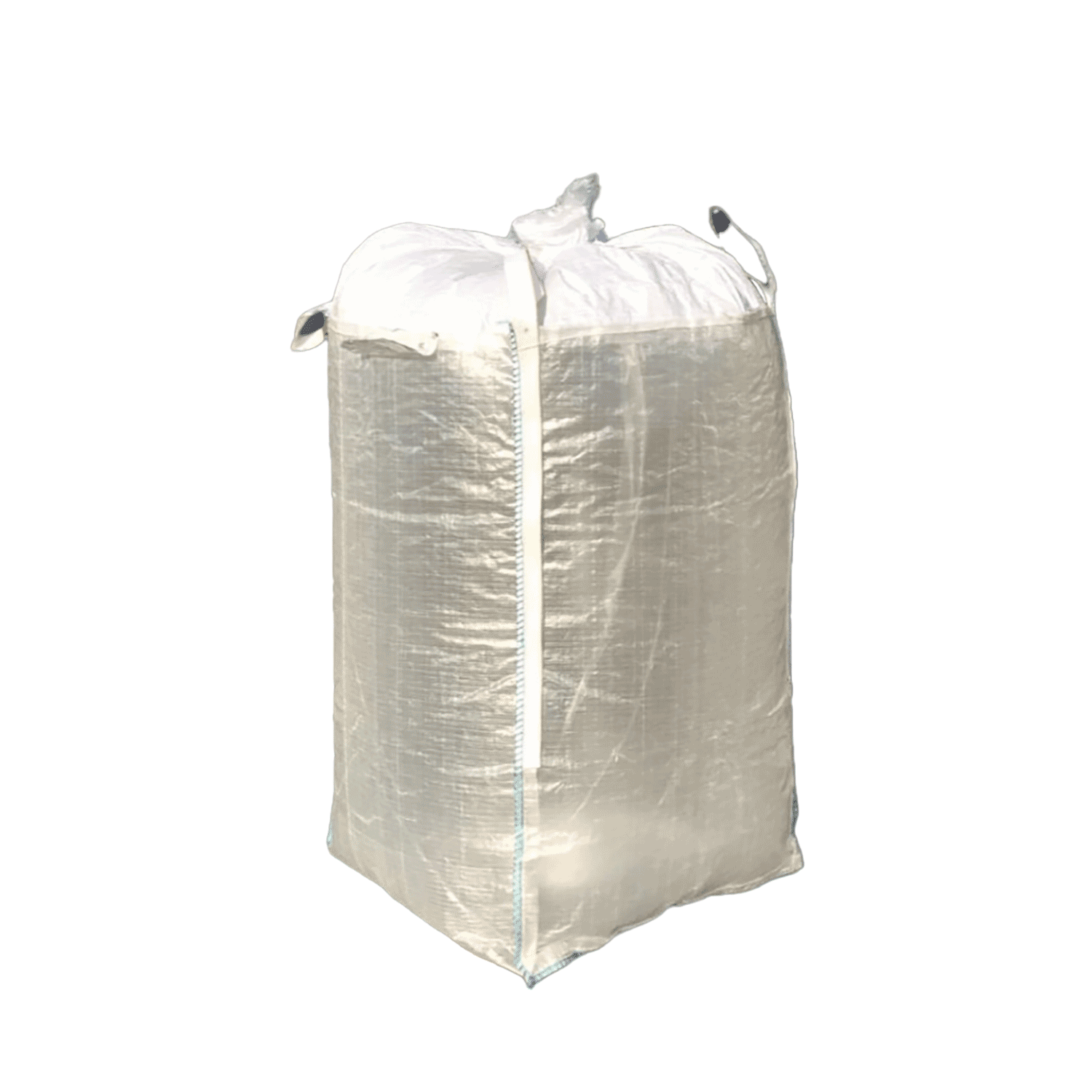 | FIBC Section Transparent Bags Transparent FIBCs – See-Through Bulk Bags Deccan Cans & Printers Pvt. Ltd. |
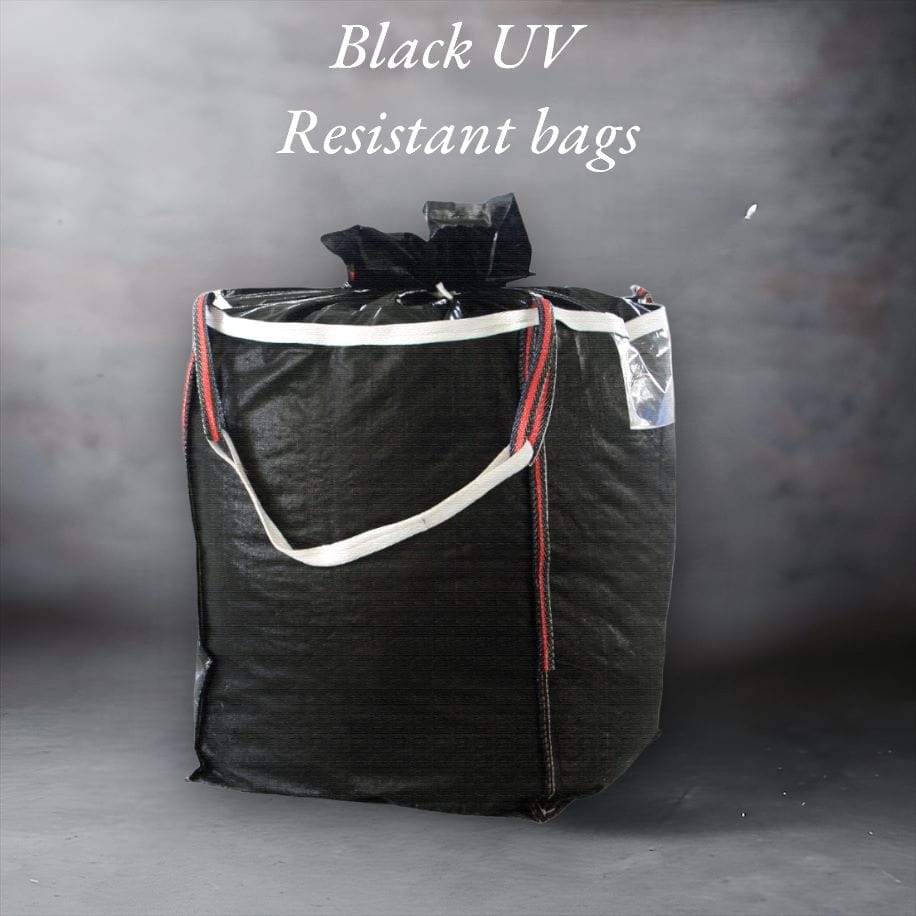 | FIBC Section Black Bags Black FIBC Bags – Enhanced UV Resistance & Extended Shelf Life UV exposure is one of the major challenges faced by the FIBC industry, as prolonged... |
Frequently asked questions
What stages does an FIBC pass through before vessel loading?
The journey runs from filling and sealing at the factory through truck loading, warehouse staging, customs control, port terminal handling and vessel loading.
How do you choose the right FIBC construction?
Match the fabric, liner, seams, closures and lifting design to the product’s flowability, moisture sensitivity, contamination risk, static hazards and handling method.
What should an FIBC specification include for export logistics?
Define the bag dimensions, safe working load, safety factor, lifting-loop arrangement, discharge design and filled-bag footprint so the load fits trucks, storage areas and the vessel plan.
What should you verify before moving FIBCs to the port?
Check the bag marks, batch or identification details, required certificates, export documents, seals, filled-bag condition, pallet stability and storage exposure before movement.
Related products
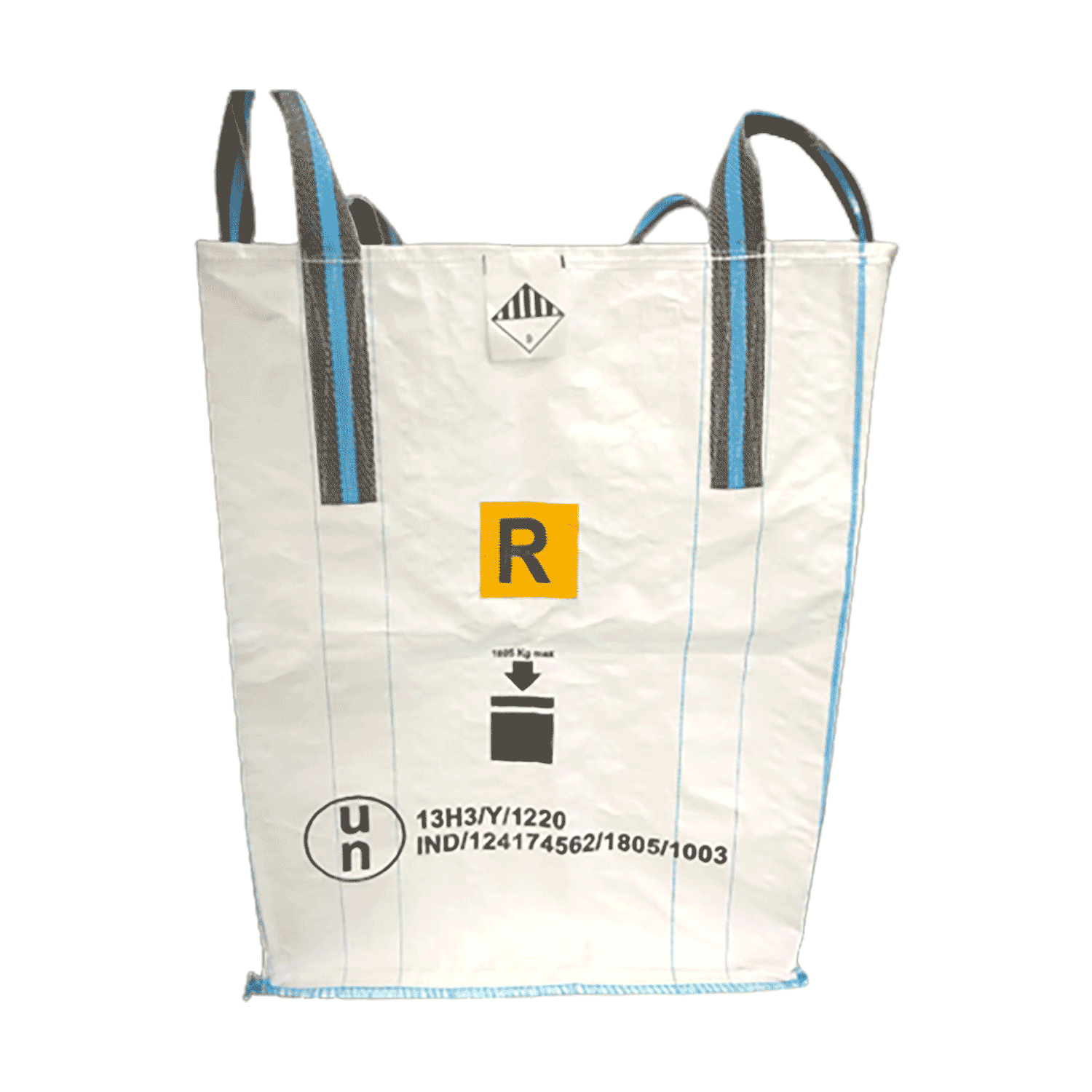 | FIBC Section Un Bags UN Certified Bulk Bags – Rigorous Performance Testing for Safety & Reliability Deccan UN Certified Bulk Bags are specially engineered for the safe... |
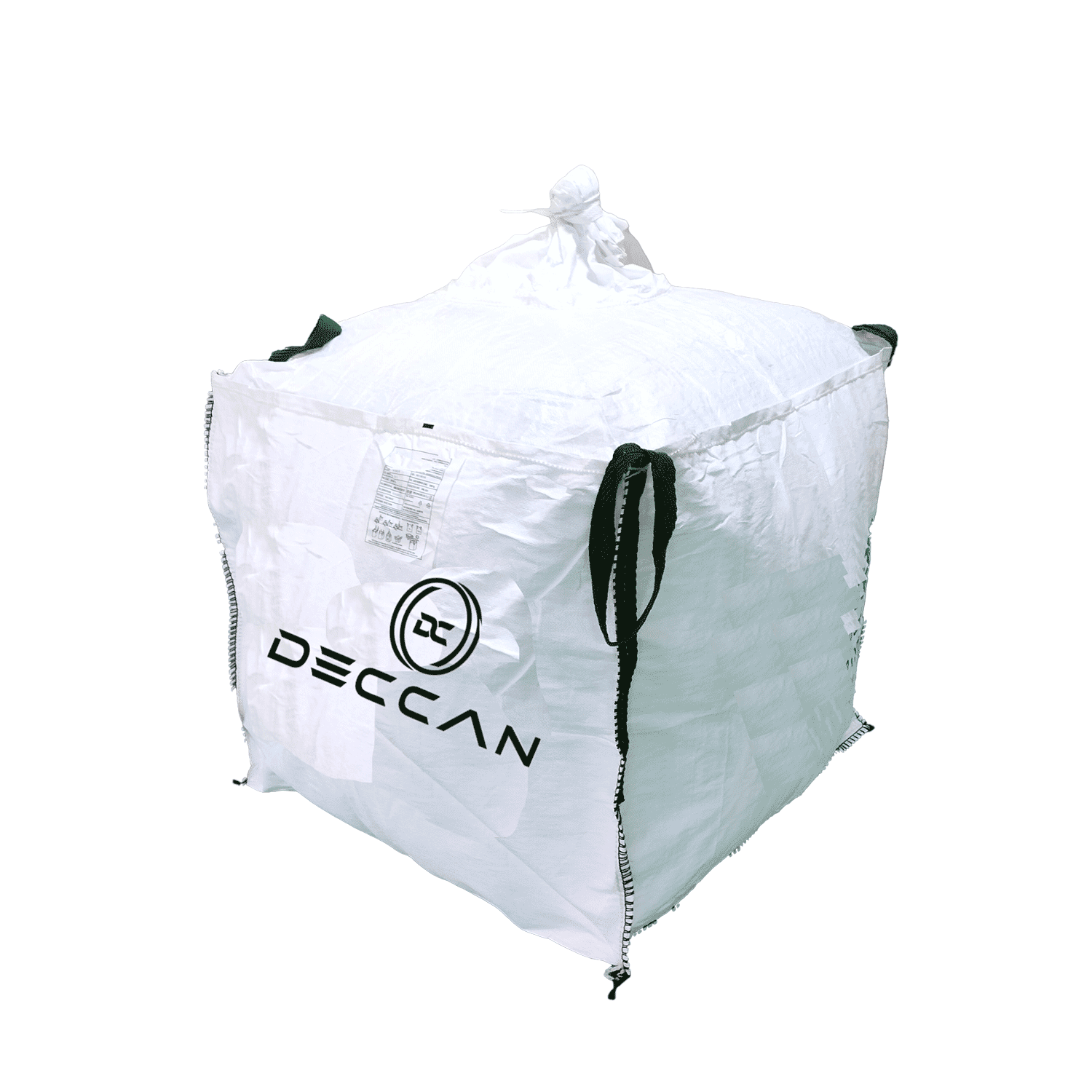 | FIBC Section Polyester Loop Bags/Multifilament Loops Polyester / Multifilament Loop FIBC Bags Deccan Cans & Printers Pvt. Ltd. |
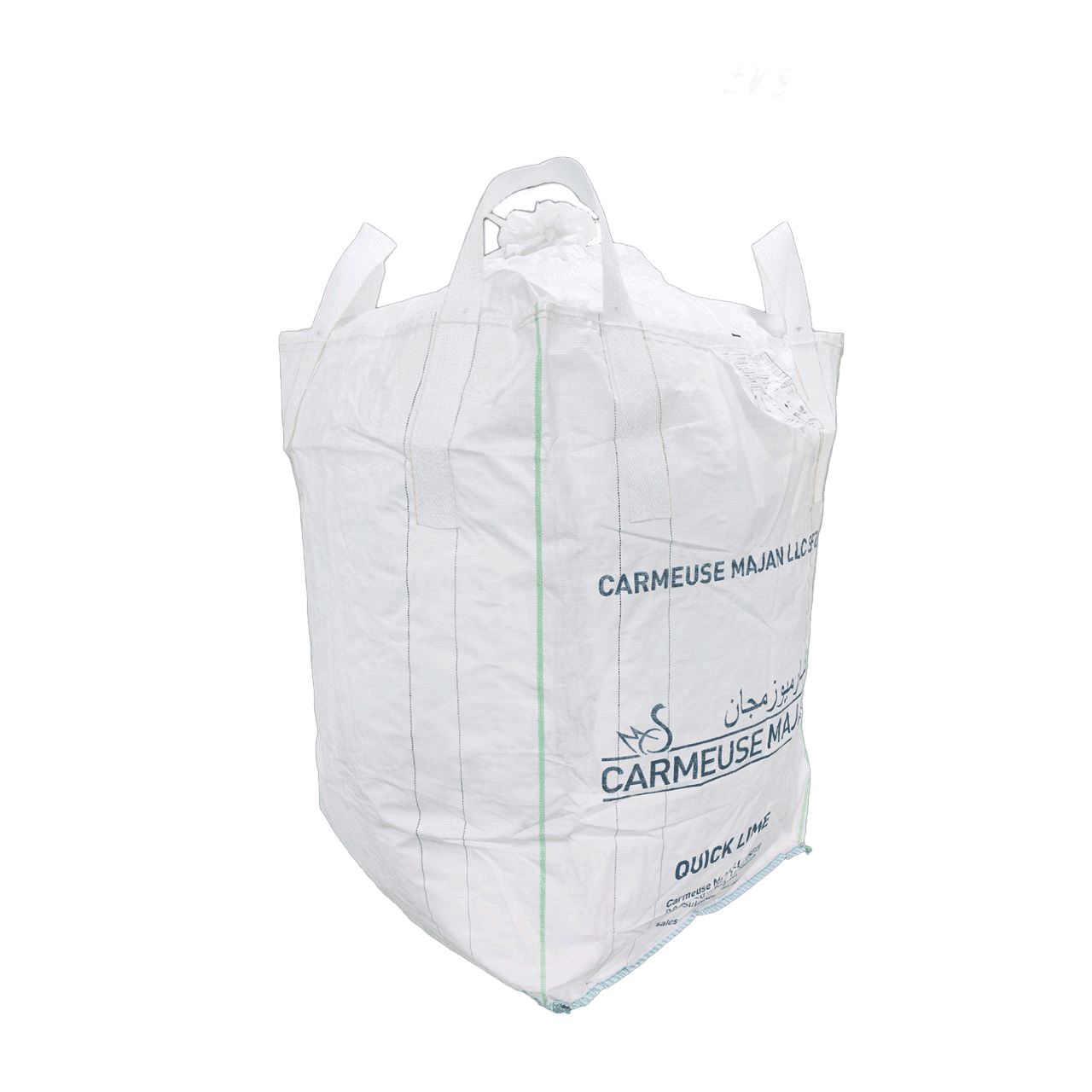 | FIBC Section Bags With Liners FIBC Liners – Bulk Bag Liners Deccan Cans & Printers Pvt. Ltd. |
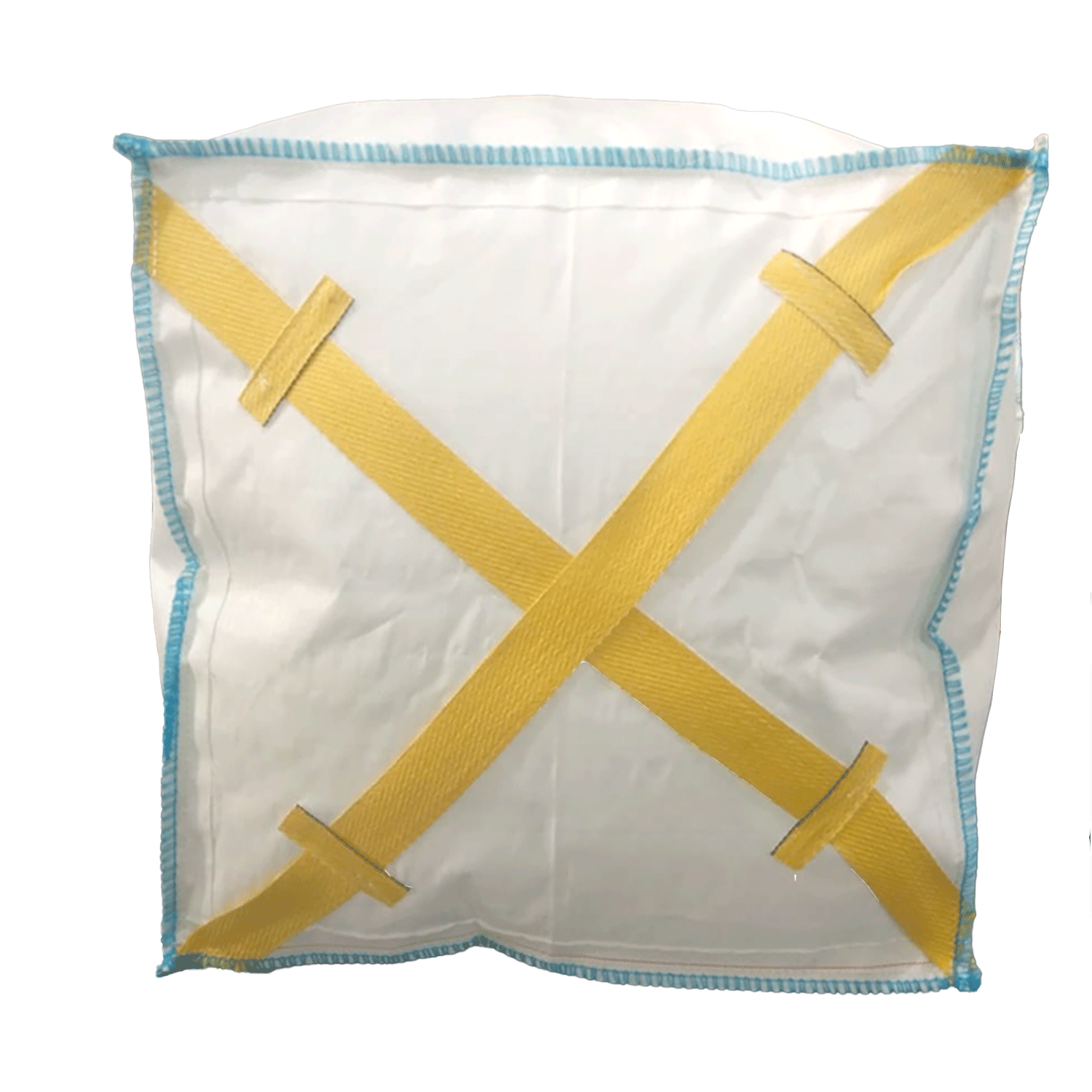 | FIBC Section Cross Bottom Sling Bags Cross Bottom Sling FIBCs – Bulk Bags Deccan Cans & Printers Pvt. Ltd. |