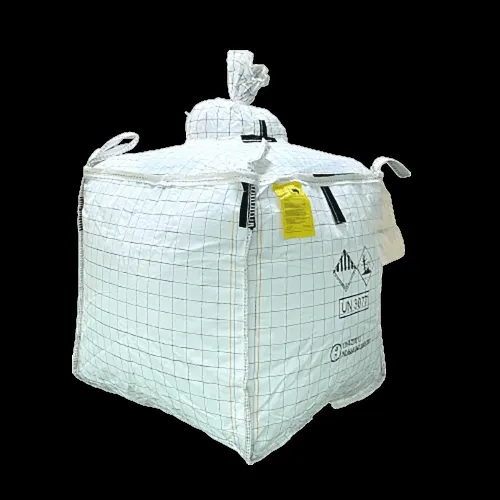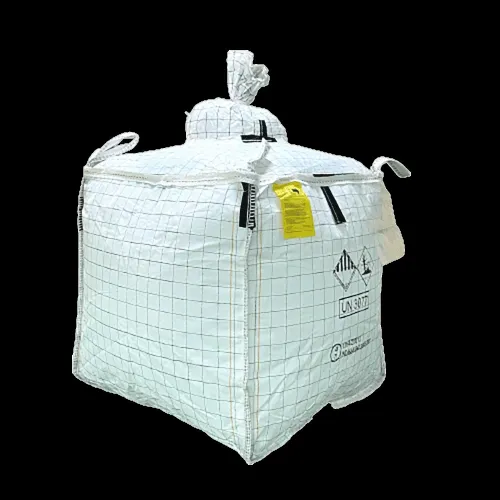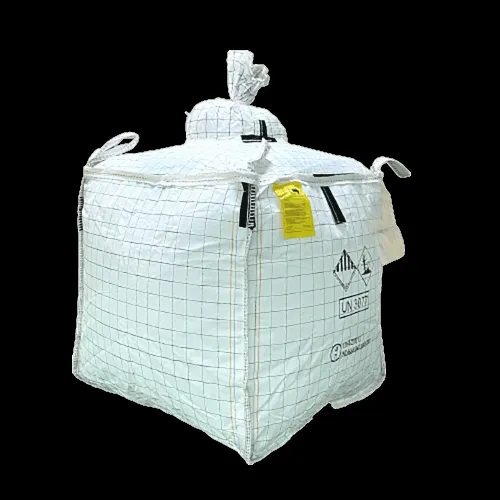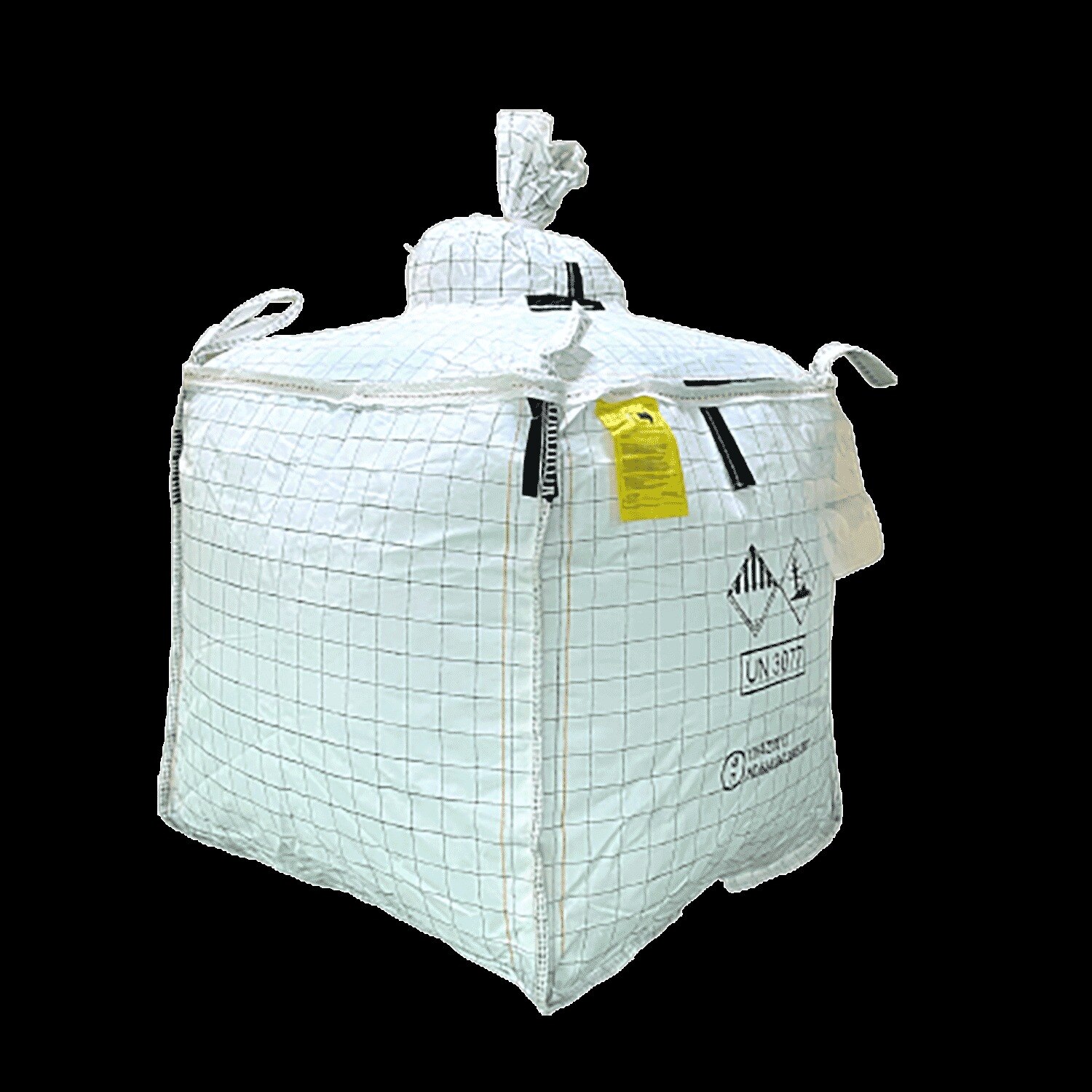
The right FIBC depends on what you fill, how densely it packs, how it is lifted, and how much moisture or dust the product encounters. By the end, you will be able to calculate the required bag size, choose its construction and lifting arrangement, and request the safety, material, and regulatory documents needed for Helsinki-area storage and transport.
Key takeaways
- Match SWL to product density, bag dimensions, fill level, and handling cycle.
- Use coated fabric, liners, and dry storage to control Helsinki moisture exposure.
- Specify antistatic or dangerous-goods construction only when the product and process require it.
- Keep drawings, test certificates, batch records, and delivery inspections in the supplier file.
Which agricultural products belong in an FIBC, and what construction do they need?
FIBCs suit dry, free-flowing agricultural products that can be filled, stored, and discharged without pumping. Select the safe working load (SWL) against bulk density, bag dimensions, filling level, lifting arrangement, and handling cycle; dense mineral fertilizer creates far greater seam, loop, and pallet loads than the same volume of seed.
| Product | Suitable construction | Filling and discharge |
|---|---|---|
| Granular fertilizer FIBC | Woven polypropylene fabric with reinforced seams, four lifting loops, and fabric weight matched to the SWL | Top filling inlet and bottom spout for controlled emptying |
| Prilled fertilizer bulk bag | Four-loop construction with sift-resistant seams and a flat, stable base; add a liner when dust or moisture control requires it | Wide inlet for rapid filling and closable discharge spout |
| Powdered fertilizer FIBC | Coated fabric, fine-sealed seams, reinforced corners, and a fitted polyethylene liner where powder escape is unacceptable | Dust-tight filling inlet and discharge spout; specify antistatic construction from the site ignition-risk assessment |
| Seed and grain bulk bags | Clean, strong woven polypropylene with four loops, low-abrasion seams, and dimensions that prevent crushing or excessive headspace | Filling inlet sized for gentle loading and a bottom outlet matched to the auger or hopper |
| Feed, soil amendments, and lime | Heavy-duty fabric and reinforced seams; use an abrasion-resistant bottom and liner for fine, alkaline, or dusty material | Choose a discharge spout, duffle bottom, or sealed base according to flow behaviour |
Specify one-loop or two-loop bags only when the forklift, crane, or filling equipment is designed for them. Use four loops for standard forklift lifting, and confirm loop length, spacing, pallet support, and the complete handling cycle before approval. A nominal volume alone does not establish suitability.
How do you calculate FIBC volume, safe working load, and lifting arrangement?
Start with the mass, not the bag’s advertised size. FIBC volume calculation is target fill weight ÷ settled bulk density. For example, 1,000 kg of fertilizer at 1,000 kg/m³ needs 1.0 m³ of working volume; add headspace for the specified fill level, product expansion and discharge requirements rather than filling to the top.
Check these figures together:
- Target fill weight: include product, liner and any attached components in the gross handling load.
- Bulk density: use the actual product range, because a dense mineral fertilizer creates higher seam, loop and pallet loads than seed or grain at the same volume.
- Available space: compare external bag dimensions, filled height, pallet footprint, truck clearance and warehouse racking limits with the required volume.
- Safe working load: choose a rating above the gross load and confirm it covers the planned handling cycle, including filling, storage, forklift movement, lifting and discharge.
- Lifting arrangement: base 1-loop 2-loop 4-loop FIBC selection on the filling machine, forklift or crane attachment, and the number of operators needed to engage the loops.
- Equipment interface: ensure the forklift lifting loops sit fully on compatible tines or a lifting frame; never lift from spouts, seams or fabric edges.
A 1,000 kg SWL does not make a 1,000 kg fill automatically safe. Confirm the manufacturer’s test basis, filled dimensions and loop configuration, then set a marked maximum fill weight below that limit when density or handling conditions vary.
How should you protect fertilizer and agricultural products from moisture in Helsinki?
A hygroscopic fertilizer needs a barrier against humid air because moisture causes caking, poor discharge and lost flowability while the woven FIBC still appears sound. Add a fertilizer FIBC liner when the product specification limits moisture, the filling area is humid, or bags will face Helsinki’s damp loading, storage or transport conditions.
Seeds, feed and powdered soil amendments also need a liner when moisture affects germination, shelf life or flow.
Specify the liner in the purchase order:
- State compatible polyethylene, such as LDPE or LLDPE, and confirm compatibility with the fertilizer, additives and intended storage period.
- Specify polyethylene liner thickness in micrometres, including tolerance and the test basis used to select it; do not accept “heavy-duty” as a thickness specification.
- Require a form-fit liner matched to the FIBC dimensions, with no loose folds that trap product or tear during filling.
- Define the closure: heat-sealed, tie-closed or integrated with the filling and discharge spouts. A heat seal gives the strongest moisture barrier; a tie closure allows opening but needs a controlled procedure.
- Require factory-welded liner seams, sealed corners and a pinhole or leak inspection. A stitched outer bag does not seal a liner.
Specify moisture protection FIBC Helsinki storage as indoor, covered outdoor or exposed outdoor. Keep filled bags on pallets, under a waterproof cover, away from standing water and condensation; polypropylene fabric UV stabilisation does not make the bag weatherproof.
When do you need antistatic construction, dangerous-goods approval, or product-contact evidence?
Start with the ignition assessment, not the word “antistatic”. Type A suits non-flammable products handled outside flammable gas, vapour or dust atmospheres. Type B limits brush discharges and suits selected combustible powders when the dust and equipment assessment permits it. Type C needs conductive FIBC grounding during filling and discharge.
Type D FIBC construction dissipates charge without a user-connected earth, but only with the manufacturer’s specified application limits.
| IEC 61340-4-4 type | Charge-control method | Choose it when |
|---|---|---|
| Type A | No electrostatic control | Product and surrounding atmosphere present no ignition risk |
| Type B | Low-breakdown fabric | Combustible dust is assessed as suitable and no flammable vapour is present |
| Type C | Conductive fabric, bonded earthable threads | You can verify grounding before and throughout every transfer |
| Type D | Dissipative fabric, no connected earth | The certified bag and site assessment allow ground-free operation |
For a dangerous fertilizer, obtain its UN number, packing group and Safety Data Sheet classification before ordering. ADR Chapter 6.5 governs the FIBC’s construction, testing, marking and inspection; specify the approved ADR 13H1 13H2 13H3 13H4 code, not merely “UN-rated”. Reusable dangerous-goods IBCs need inspection at intervals no longer than 2.5 years.
Request these records:
- UN design-type certificate and test report
- ISO 21898 FIBC standard declaration for non-dangerous goods
- Fabric, liner and coating material specification
- Product-contact declaration, migration or odour evidence where food, feed or seed rules apply
- Fertiliser Product Regulation (EU) 2019/1009 documentation where CE-marked fertilising products are involved
ISO 21898 alone does not prove ADR approval.
What should your Helsinki FIBC purchase specification and supplier file contain?
Put the acceptance criteria in the RFQ, not in an email after delivery. Ask each supplier to return a signed FIBC technical specification and identify the exact bag reference, revision, production site and batch-traceability method.
1. State the product and use: fertilizer, seed, grain, feed, soil amendment or lime; powder or granule; target fill mass; bulk density; filling temperature; discharge method; indoor, outdoor or semi-outdoor storage; and transport route.
2. Specify the bag design: dimensions, safe working load, safety factor, fabric construction, lifting-loop arrangement, inlet and outlet dimensions, closure, seams, bottom construction, liner polymer and thickness, liner sealing method, and UV-stabilisation requirement. A stated safe working load does not prove sunlight or weather resistance.
3. Request evidence matched to the product. For feed, obtain a feed-contact material declaration covering every fabric, coating, thread, liner and printing ink. For fertilizer and lime, require chemical resistance documentation for those same materials. Reject generic “food grade” or “anti-static” claims without product and test details.
4. Before acceptance, inspect bag markings, dimensions, stitching, closures, liner integrity, lifting loops and cleanliness. Match the batch number and inspection record to the approved specification, then retain samples and photographs.
5. Confirm whether the fertilizer is an EU fertilising product under Regulation (EU) 2019/1009, with its CE marking and Annex III label information, or falls under Finland’s Fertiliser Act 711/2022. Also record who carries Finnish packaging producer responsibility for imported filled FIBCs or empty packaging.
Deccan Cans & Printers Pvt. Ltd. can be one supplier to compare, but compare its documents and inspection results against the same acceptance criteria.
Related products
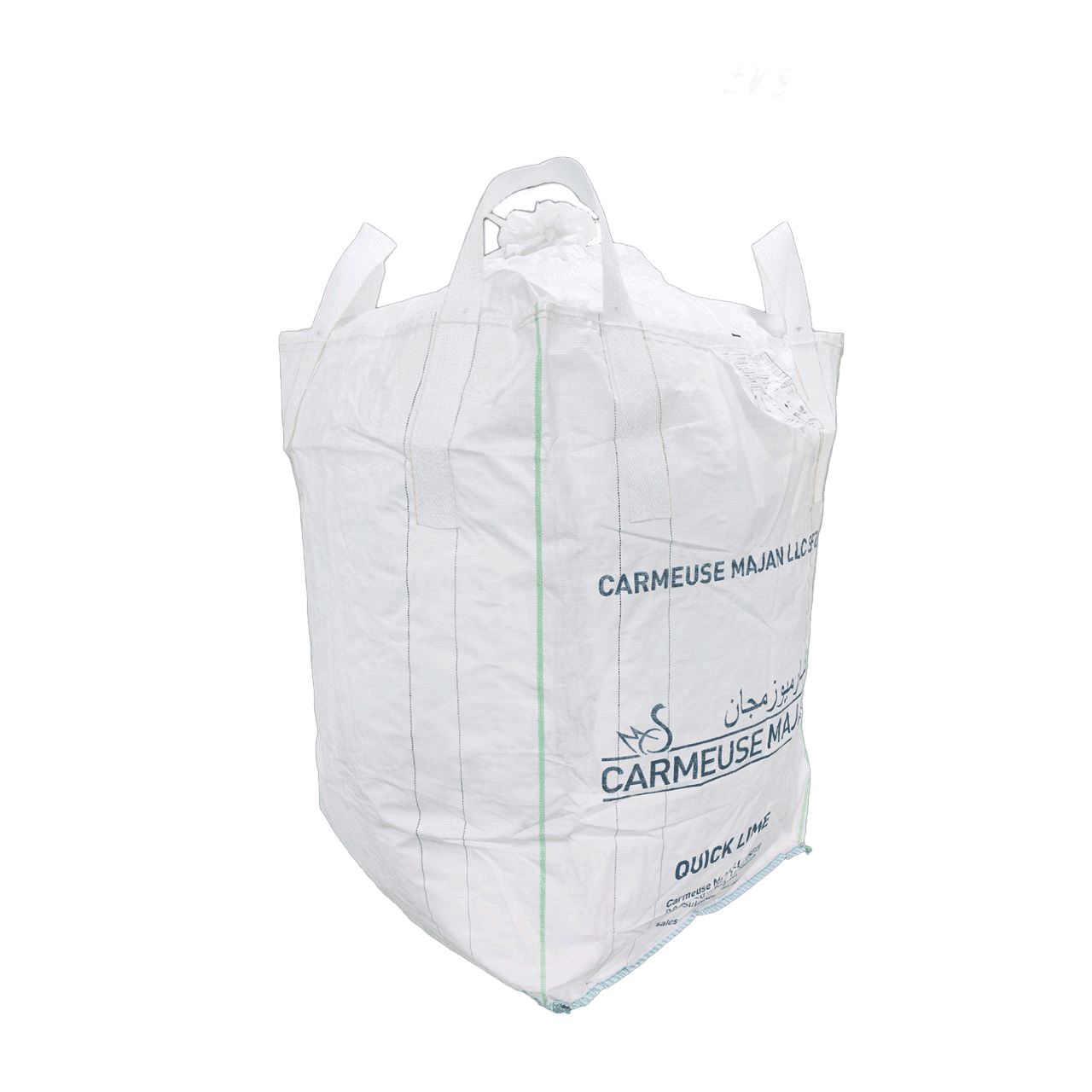 | FIBC Section Bags With Liners FIBC Liners – Bulk Bag Liners Deccan Cans & Printers Pvt. Ltd. |
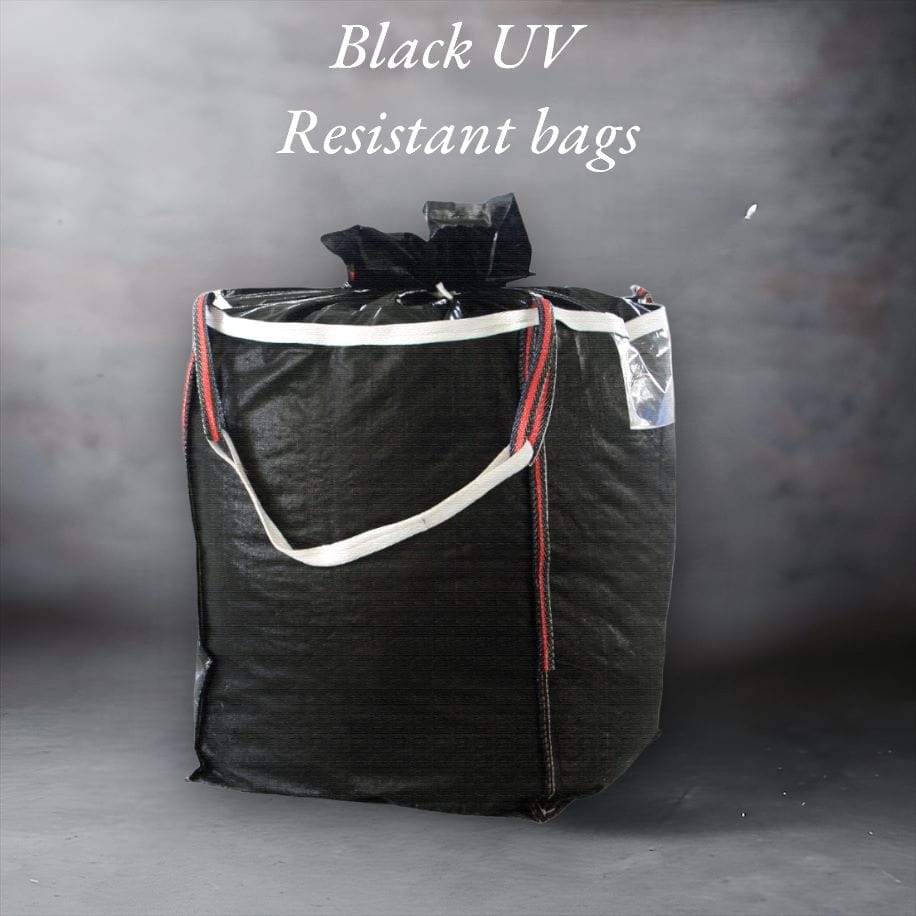 | FIBC Section Black Bags Black FIBC Bags – Enhanced UV Resistance & Extended Shelf Life UV exposure is one of the major challenges faced by the FIBC industry, as prolonged... |
Frequently asked questions
Which agricultural products belong in an FIBC?
Use FIBCs for dry, free-flowing products such as seed, grain, animal feed, soil amendments, and granular fertilizer. Specify fabric, coating, liner, discharge spout, and seam construction according to flow, dust, moisture, and product-contact needs.
How do you calculate an FIBC’s required safe working load?
Start with product bulk density multiplied by the intended filled volume, then add the effects of fill height, handling equipment, lifting arrangement, pallets, and repeated handling. Select an SWL that exceeds the resulting load and confirm the design through the supplier’s test documentation.
How can you protect fertilizer and agricultural products from moisture in Helsinki?
Use coated woven polypropylene or a suitable liner, close the filling and discharge openings, keep bags off concrete floors, and store them under cover away from condensation and rain. Confirm the packaging remains dry during transport and unloading.
When does an FIBC need antistatic construction or dangerous-goods approval?
Request antistatic construction when dust ignition, flammable contents, or a classified handling area creates an electrostatic hazard; choose the required Type B, C, or D design with grounding instructions. Dangerous-goods approval applies when the filled product is regulated under transport rules such as ADR, and product-contact evidence is needed when the contents enter a regulated food or feed chain.
What belongs in a Helsinki FIBC purchase specification?
Record product name, bulk density, target capacity, dimensions, SWL, safety factor, bag type, lifting loops, filling and discharge design, liner or coating, seam requirements, moisture controls, antistatic class, markings, inspection criteria, and delivery conditions.
Related product
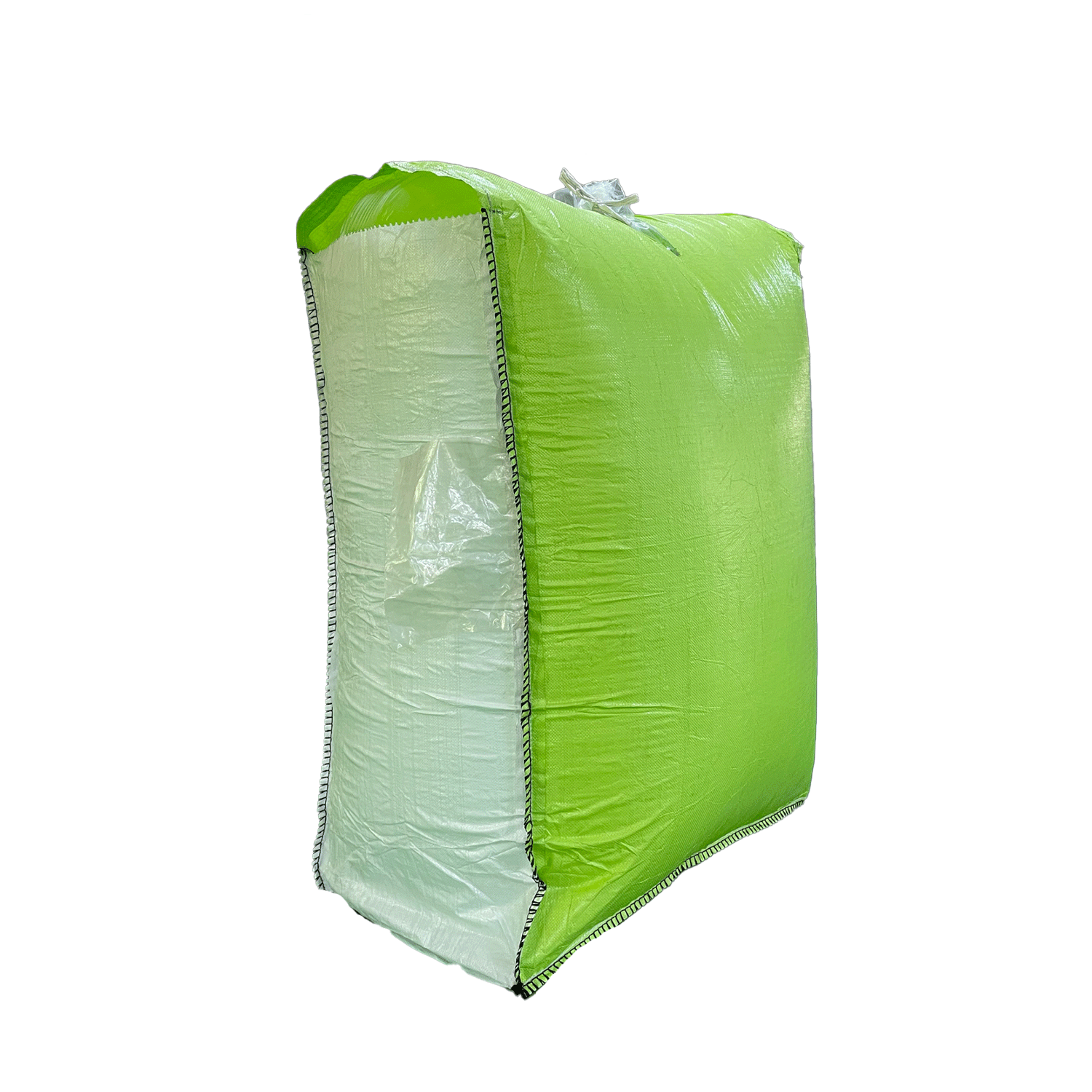 | FIBC Section Fertilizer Bag Range 1 & 2 Loop FIBC Bulk Bags Deccan Cans & Printers Pvt. Ltd. offers durable and cost-effective 1 & 2 Loop FIBC Bulk Bags, designed for the efficient... |