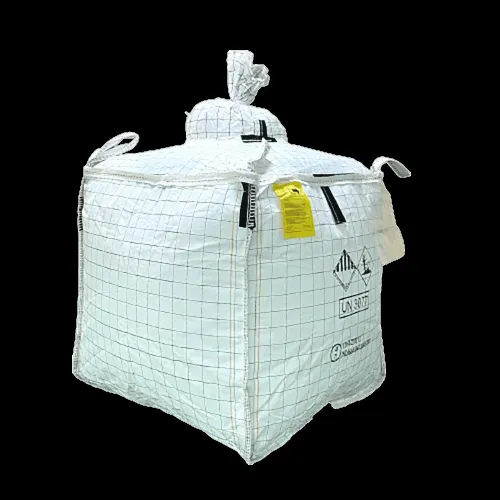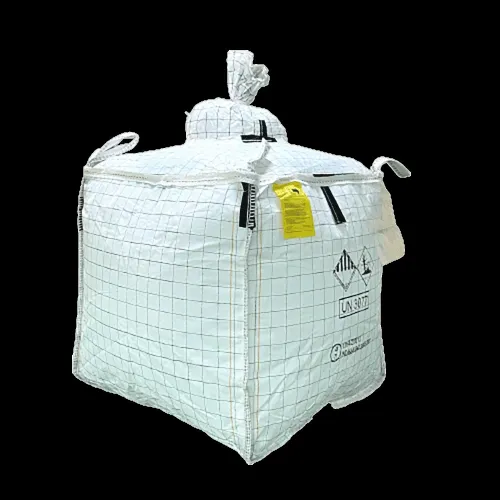

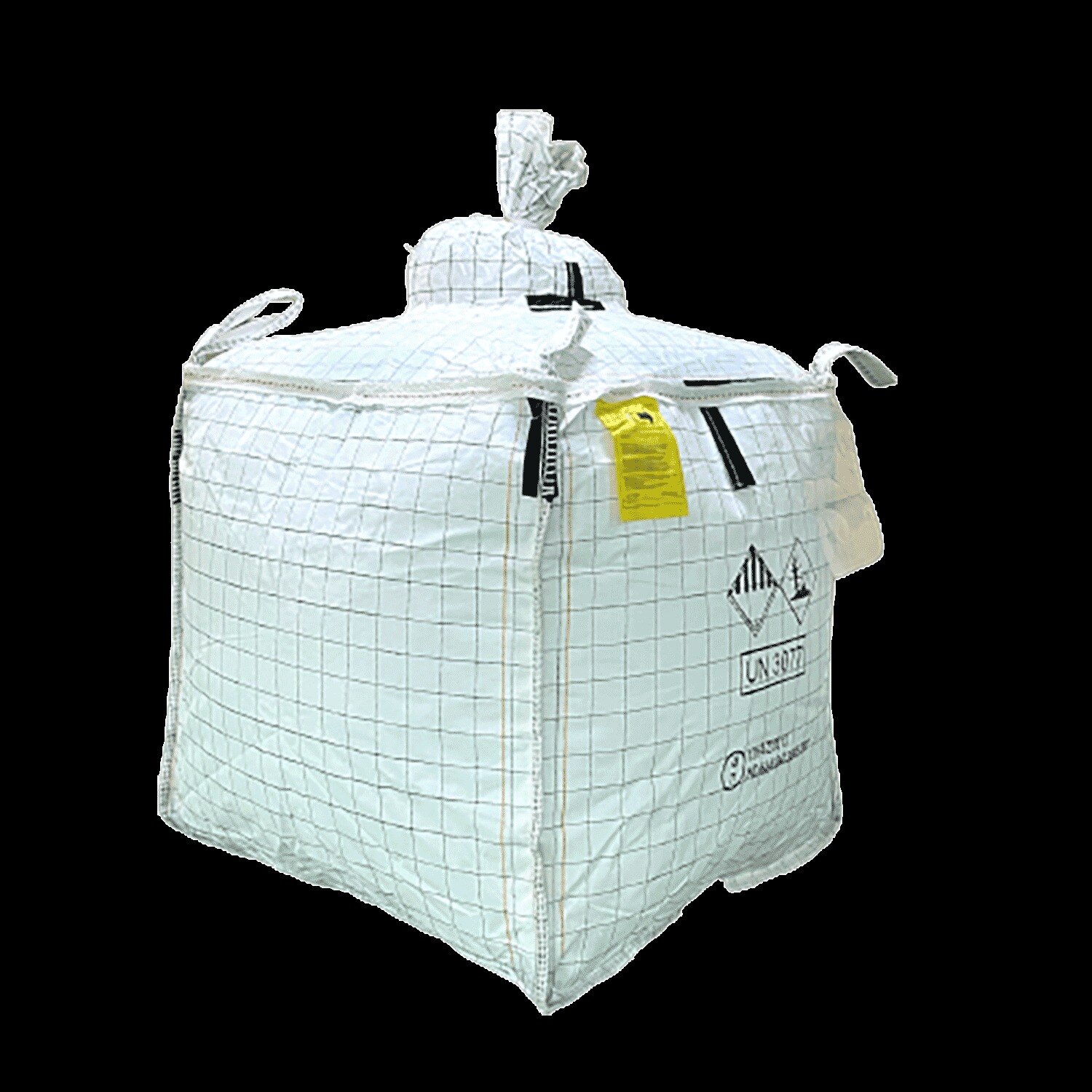
A jumbo bag that fits one cubic metre can still fail if the product exceeds its safe working load, leaks through its seams, builds a static charge, or arrives damaged after container transport. By the end, you will be able to specify the bag’s capacity, construction, closures, material compatibility, certification and shipping controls before placing an order.
Key takeaways
- Calculate volume from bulk density before selecting bag capacity.
- Keep the product mass below the bag’s stated safe working load.
- Match lifting loops and closures to forklifts, cranes and filling equipment.
- Verify the UN certificate, liner and electrostatic protection for the product.
Calculate Capacity, Safe Working Load and Filling Density Before Ordering
Match the FIBC capacity to the product’s volume, then match its safe working load (SWL) to the product’s mass. Filling density is the product’s bulk mass per cubic metre, and it changes with compaction, moisture and particle shape.
1. Weigh a representative sample in the same loose or settled condition used during filling. Calculate required volume as product mass ÷ filling density, then add practical headspace so the closure can operate without overfilling.
2. Compare that volume with the bag’s stated capacity and check the bag dimensions when filled, not only its flat dimensions. A bag that fits a nominal space can bulge at the sides, settle unevenly or press against container doors.
3. Compare the complete product load with the marked SWL. A nominal 1 m³ bag holding material at 600 kg/m³ carries about 600 kg; material at 1,200 kg/m³ would require about 1,200 kg and could exceed a 1,000 kg SWL.
4. Confirm the marked design category and test basis. The usual safety factor 5:1 applies to single-trip FIBCs, while safety factor 6:1 applies to reusable or multi-trip designs; fabric thickness alone does not prove reuse suitability.
Specify the filled length, width and height, payload mass, product density range and SWL on the purchase order. Your loading plan must use those filled measurements and account for load distribution, because identical-capacity bags can produce different tier stability and container utilization.
Match Loops, Lifting Points and Closures to the Handling Equipment
Choose the lifting path before choosing the bag. Forklift tines, crane hooks and lifting sleeves transfer force differently; contact between tines and fabric, lifting by a discharge spout, or using fewer loops than specified can tear seams or overturn a filled FIBC.
| Construction | Equipment match | Check before ordering |
|---|---|---|
| 1-loop FIBC | Single-point crane or hoist handling | Confirm the rated hook, sling and lifting angle |
| 2-loop FIBC | Two-hook crane handling or equipment built for paired loops | Verify hook spacing and whether forklift use is approved |
| 4-loop FIBC | Forklift tines, four hooks or a lifting frame | Keep each loop seated fully on its tine or hook |
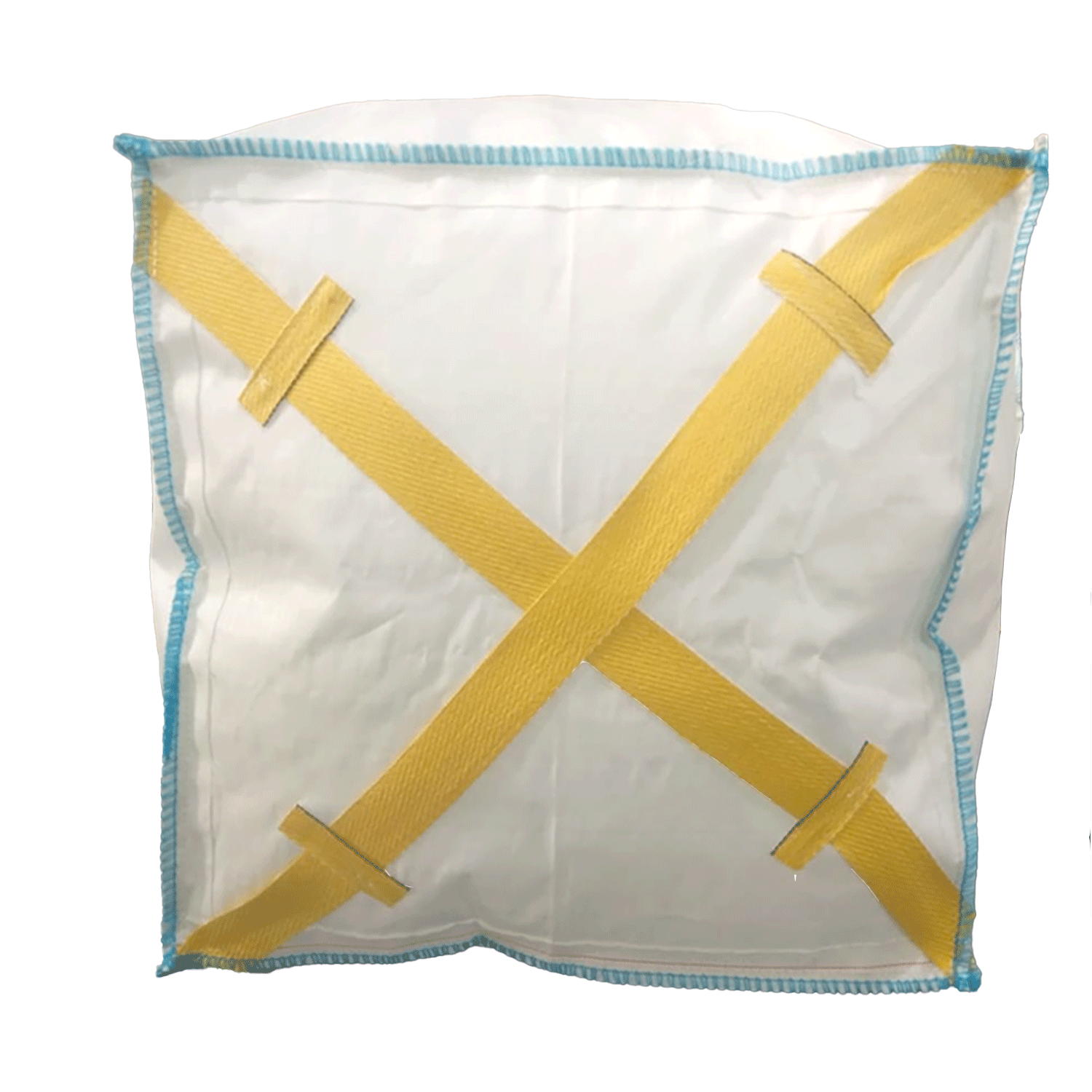
| Cross-corner construction | Four-corner lifting with forklift or crane attachments | Confirm the tested method; loops are not automatically interchangeable |
Match the top to the filling line. Use an open top for simple gravity filling, a duffle top for controlled closure after filling, and a filling spout when the line needs a sealed connection and dust control. A misaligned spout can slow filling or pull the bag off the frame.
Match the bottom to discharge equipment and product flow. A flat bottom suits no-discharge handling; a bottom spout, iris closure or conical bottom directs material into a hopper. Tie the outlet only where controlled release is acceptable, because opening force, residual product and flow rate will change.
- Loop spacing and rated lifting method
- Top spout diameter and filling-line connection
- Bottom outlet size, closure type and receiving-equipment fit
- Required discharge clearance and access for the operator
Specify Material, Liner and Electrostatic Protection for the Product
Fine powders need tighter containment than pellets. Specify the particle size, flow behaviour, moisture sensitivity and leakage tolerance before selecting fabric. Standard sewn seams can leak through needle holes or between fabric layers; request sift-proof seams, a coated fabric, an inner liner, or a defined combination. “Lined” and “sift-proof” describe different controls.
- Fine powders: use sift-proof seams and confirm the seam design has been tested with your particle size. A polyethylene liner improves sift resistance and provides a contamination or moisture barrier, but the liner neck, spout, tie, welds and puncture resistance form part of the specification.
- Granules, flakes and pellets: match fabric strength and abrasion resistance to the product’s edges and filling impact. Use a liner when dust escape, contamination or moisture ingress matters.
- Hygroscopic materials: specify a polyethylene liner and sealed filling and discharge closures. A liner is not automatically hermetic; an untied neck or damaged weld can still admit moisture.
- Food products: order a food-grade FIBC made from materials approved for the intended food contact and destination market. Request the manufacturer’s declaration, cleanliness controls and traceability records.
- Combustible powders: provide the dust’s explosibility data, including minimum ignition energy, to the FIBC supplier. Select electrostatic protection from the filling rate, conveying method, humidity and hazardous-area classification; “conductive” or “antistatic” alone is not enough.
For hazardous dust, confirm whether the process requires a grounded Type C bag or a Type D design, then document grounding checks and operator procedures. Do not treat a liner as electrical protection unless the complete bag-and-liner construction is rated for that use.
Read UN Certification and Verify the Bag’s Tested Design
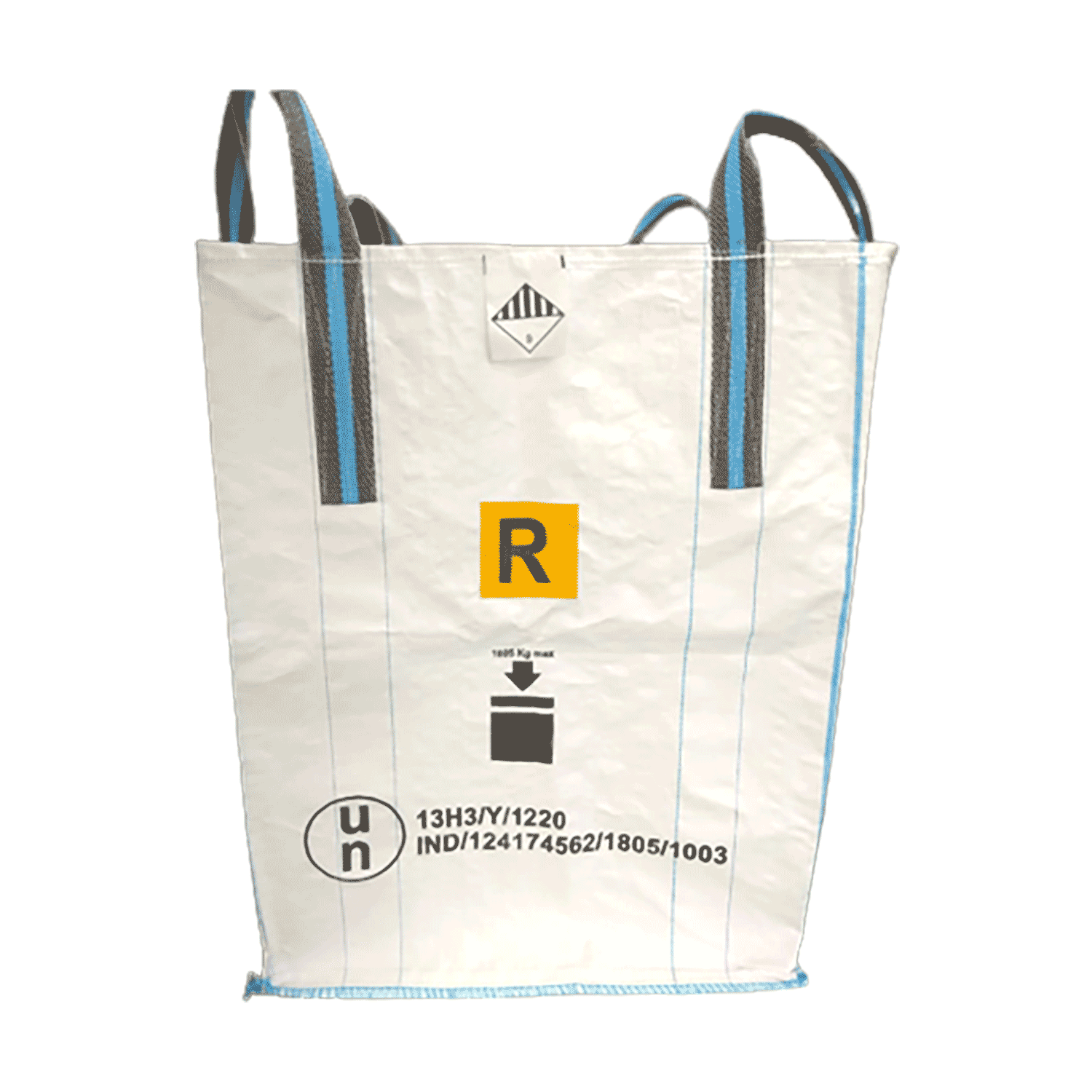
A UN mark proves that a specific FIBC design type passed prescribed performance tests for a stated dangerous-goods packing group. It does not approve every bag that looks similar.
The UN packaging code identifies construction features such as woven plastic, coating, liner and sift-proof or water-resistant design; the X, Y or Z level relates to packing group I, II or III. Confirm the mark is complete, legible and printed on the bag.
Ask for records that connect the marked bag to its tested design:
- The UN certificate or test report naming the manufacturer, bag type, dimensions, fabric, seams, closures and liner.
- Results for the drop test, topple, righting, stacking, tear and lift tests, including the tested mass and packing group.
- The manufacturer’s specification or drawing showing the construction, safe working load, lifting arrangement and closure details.
- Evidence that production bags match the approved design, including the stated UN mark and manufacturing identification.
Treat the approval as invalid for reliance if the design changes. Replacing the fabric, adding or removing a liner, changing coating, seam pattern, dimensions, closure, lifting loops or discharge arrangement creates a different construction that needs its own assessment.
A thicker fabric or 5:1 safety factor does not turn an ordinary industrial bag into UN FIBC certification. Do not infer multi-trip approval from appearance; verify the marked category and test basis.
Build a Container Loading and International Shipping Plan
Nominal volume is not a loading plan. Check the filled FIBC’s actual width, height and bulge against the container fit, then map the load distribution so settled bags do not press against the doors, form unstable tiers or create concentrated floor loads.
Before stuffing, record the following for the shipping file:
- Product mass and bag tare weight
- FIBC dimensions after filling and settling
- Pallet, dunnage and securing-material mass
- Bag positions, tier heights and door clearance
- Required cargo securing, including slip sheets, blocking and lashing
Submit the SOLAS verified gross mass (VGM) before the container is loaded onto the vessel. Include the cargo, FIBCs, pallets, dunnage and every securing item; a carrier’s estimate does not replace the shipper’s declaration.
Classify dangerous goods before dispatch. The IMDG Code determines the permitted packaging, marks, labels, documentation and stowage controls; use a UN-marked FIBC only when its tested design matches the substance and packing instruction. Check the destination country’s import, dangerous-goods, food-contact and wood-dunnage rules, including ISPM 15 marks where timber is used.
Deccan Cans & Printers Pvt. Ltd. can help you compare liner and bag configurations when moisture ingress, fine leakage or inspection visibility affects the loading plan, rather than selecting by volume alone.
Keep the container dry and clean, inspect bags for abrasion or damaged loops, and prevent forklift tines from touching fabric. At delivery, unload on level ground, release restraints gradually and isolate any bag that shifted, tore or absorbed water.
Related products
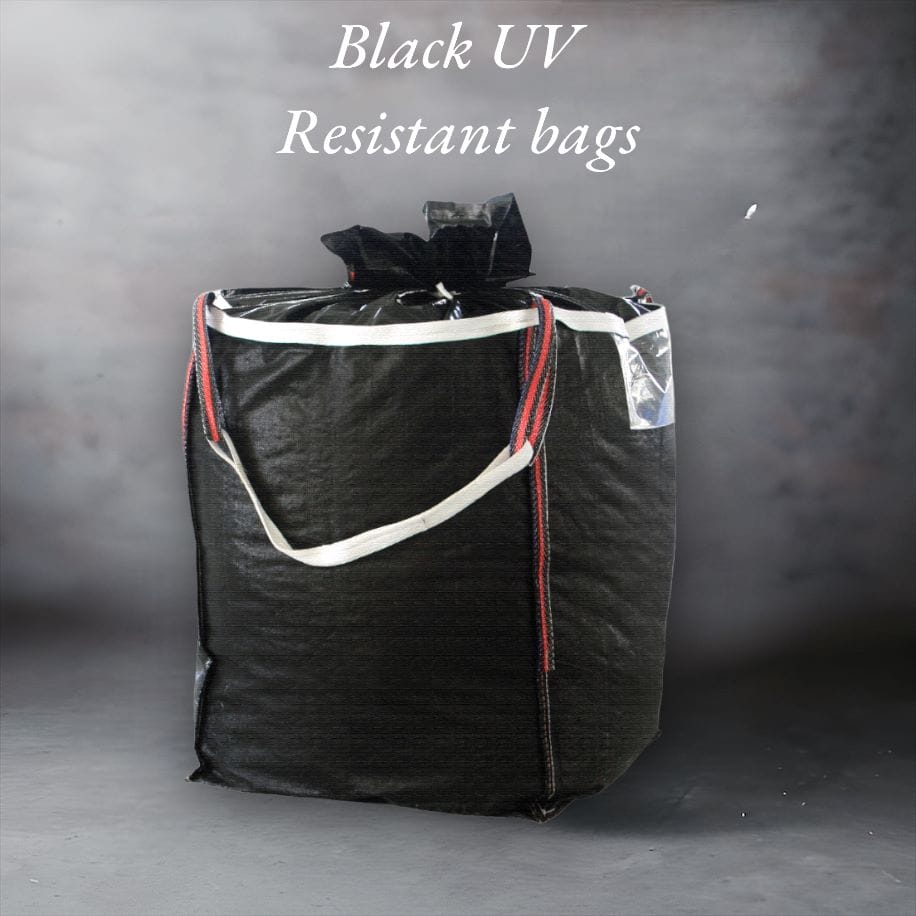 | FIBC Section Black Bags Black FIBC Bags – Enhanced UV Resistance & Extended Shelf Life UV exposure is one of the major challenges faced by the FIBC industry, as prolonged... |
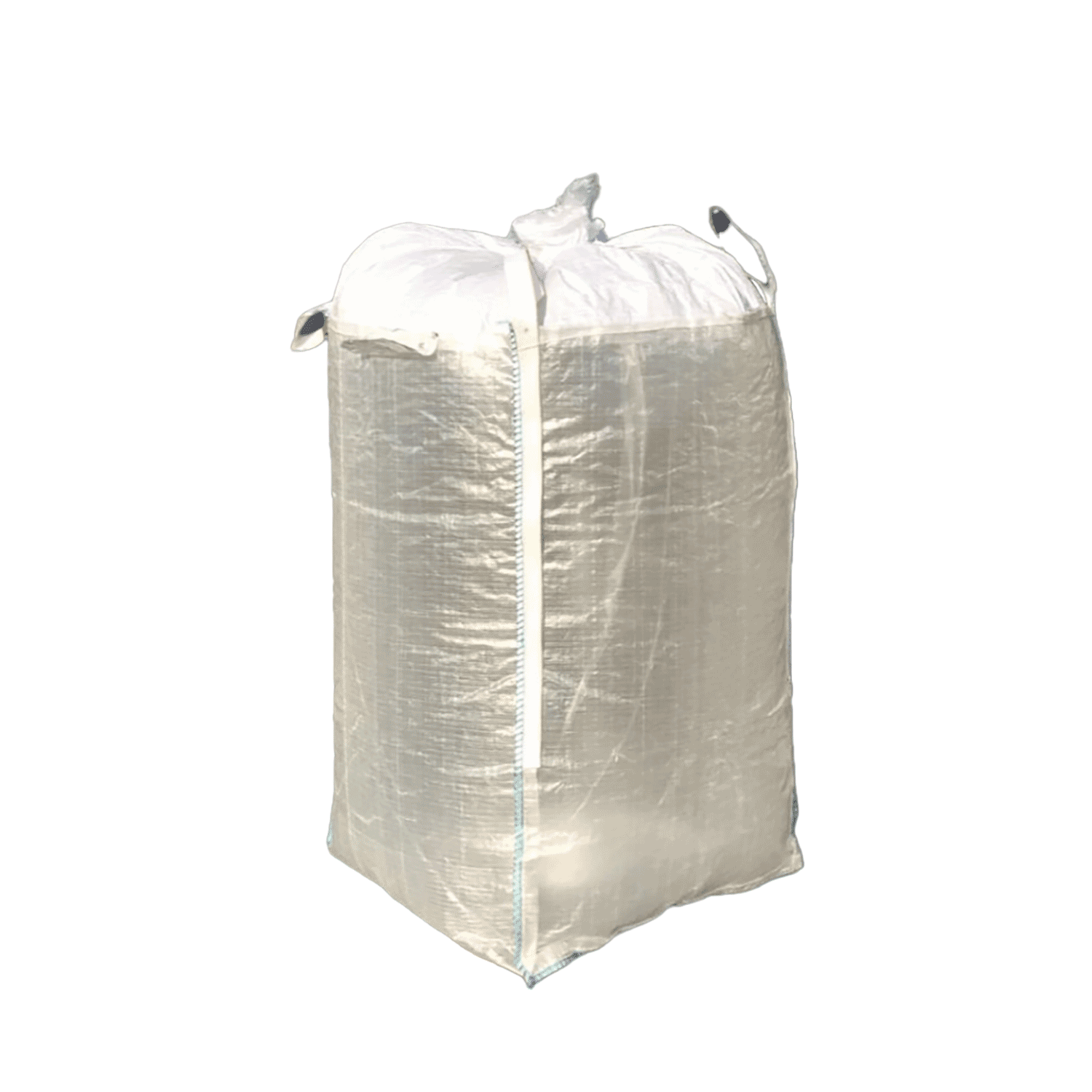 | FIBC Section Transparent Bags Transparent FIBCs – See-Through Bulk Bags Deccan Cans & Printers Pvt. Ltd. |
Frequently asked questions
How do you calculate FIBC capacity and safe working load?
Calculate required volume by dividing product mass by filling density, then select an FIBC whose SWL exceeds the product’s total mass and handling loads.
Which FIBC loops and closures fit industrial handling equipment?
Choose loop styles and lifting points that match your forklift hooks, crane frame or lifting device, and specify inlet and outlet closures for your filling and discharge process.
When does an FIBC need a liner or electrostatic protection?
Use a liner when the product needs moisture, contamination or sift protection. Specify an electrostatic protection type when handling combustible dusts or operating near ignition hazards.
What should you verify on a UN-certified FIBC?
Check the UN marking, certificate or test report, design type, SWL, filling and discharge configuration, and whether the tested design matches the bag supplied.
How should you plan FIBC loading for international shipping?
Confirm bag dimensions, pallet arrangement, container internal dimensions, weight limits, load restraint and access for inspection before booking the container.
Related products
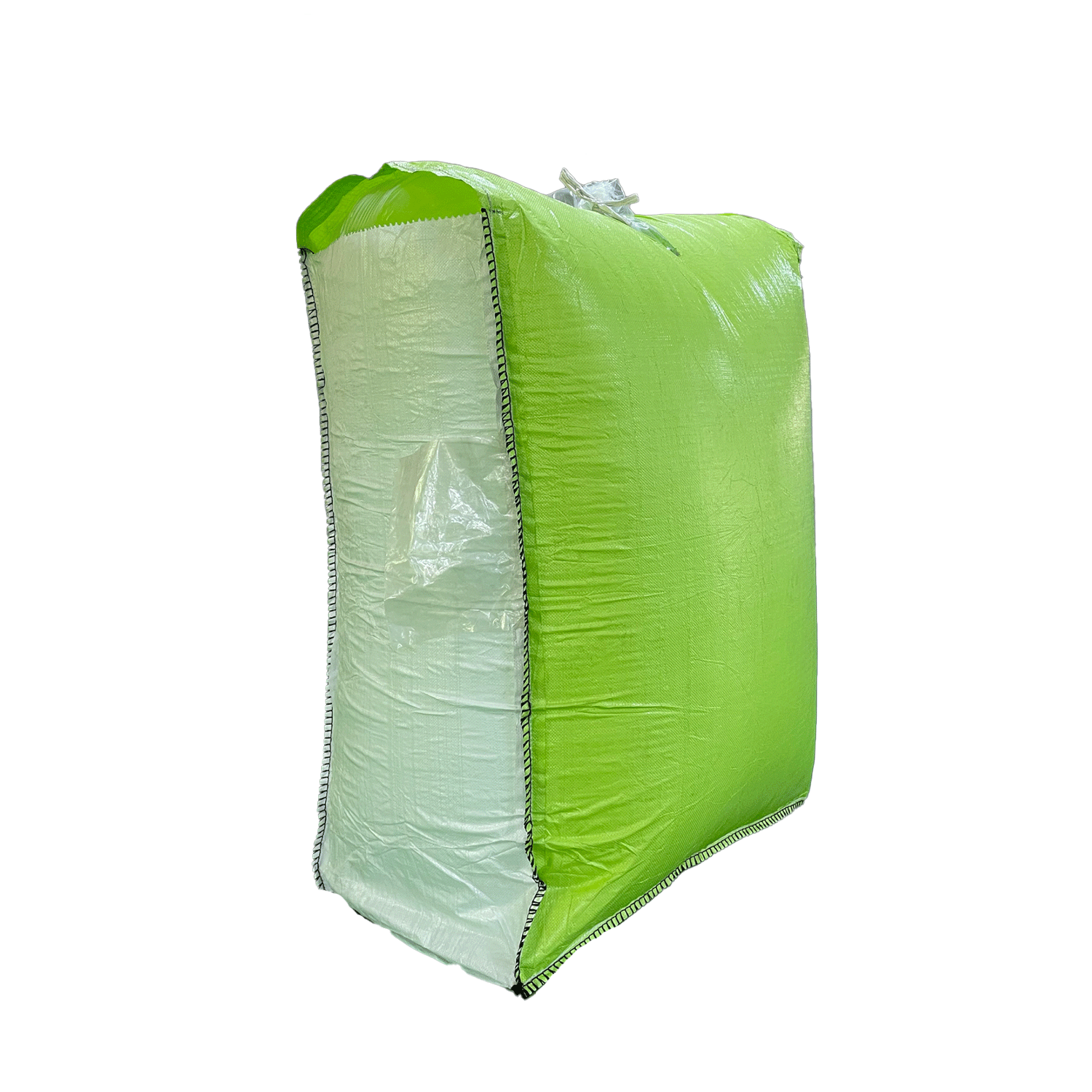 | FIBC Section Fertilizer Bag Range 1 & 2 Loop FIBC Bulk Bags Deccan Cans & Printers Pvt. Ltd. offers durable and cost-effective 1 & 2 Loop FIBC Bulk Bags, designed for the efficient... |
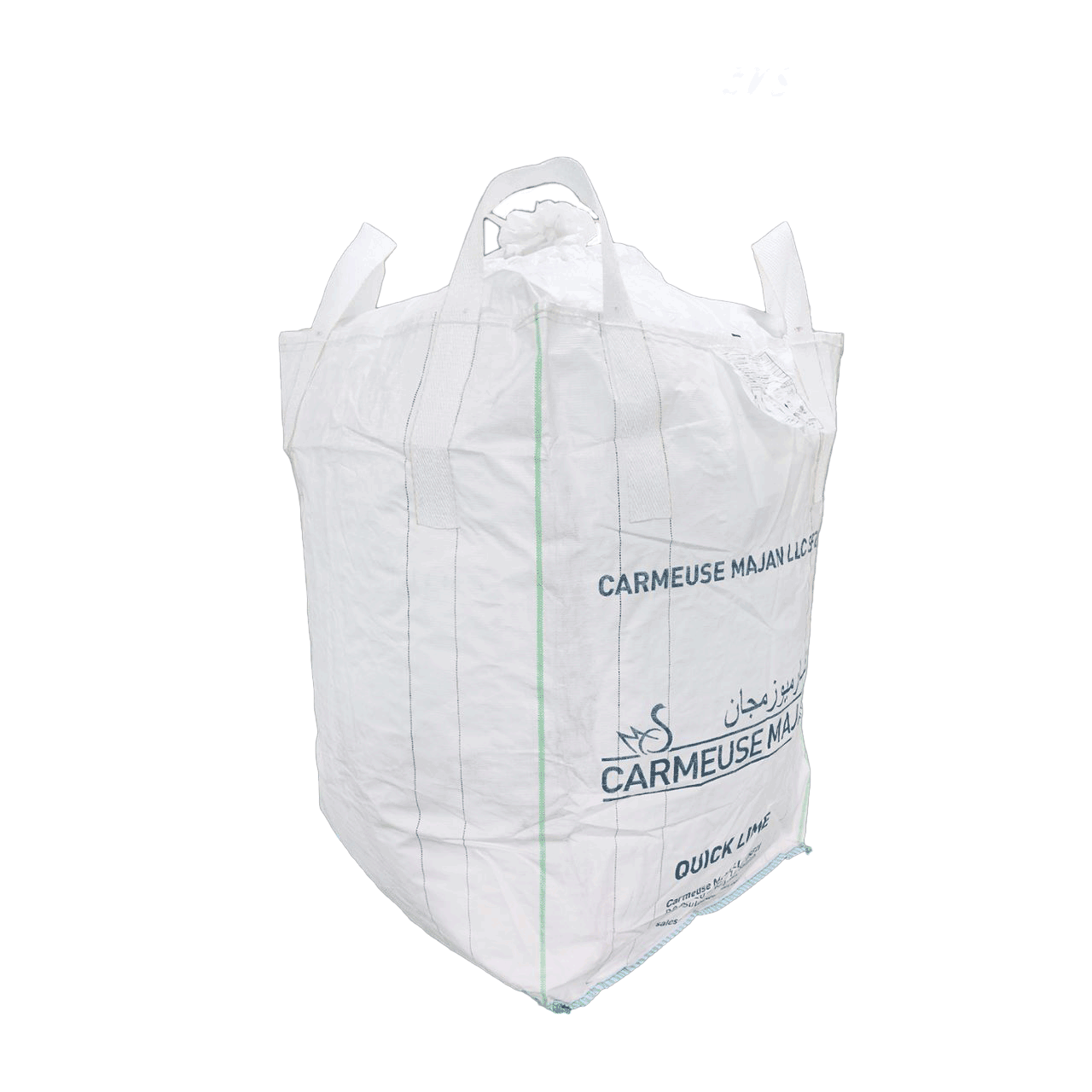 | FIBC Section Bags With Liners FIBC Liners – Bulk Bag Liners Deccan Cans & Printers Pvt. Ltd. |
 | FIBC Section Un Bags UN Certified Bulk Bags – Rigorous Performance Testing for Safety & Reliability Deccan UN Certified Bulk Bags are specially engineered for the safe... |
 | FIBC Section Cross Bottom Sling Bags Cross Bottom Sling FIBCs – Bulk Bags Deccan Cans & Printers Pvt. Ltd. |