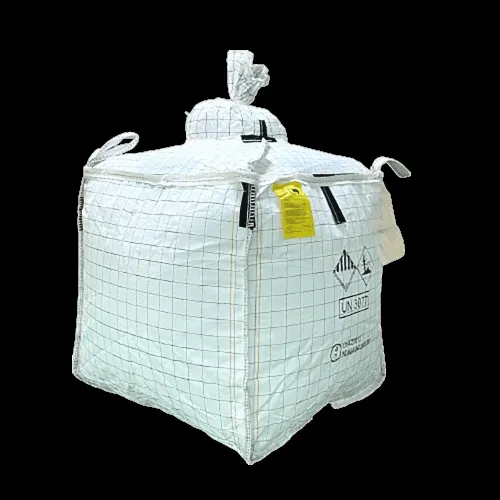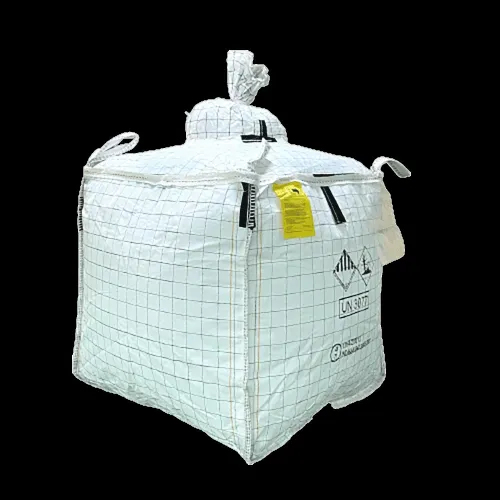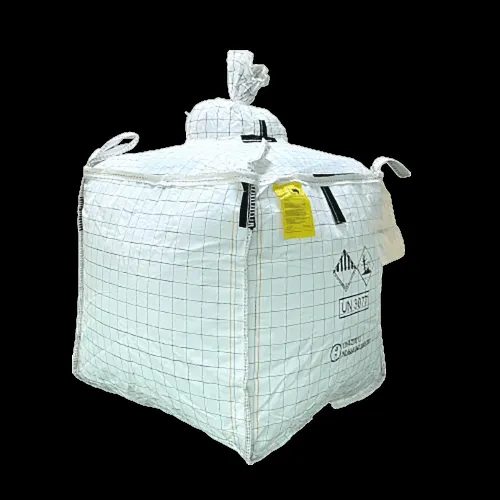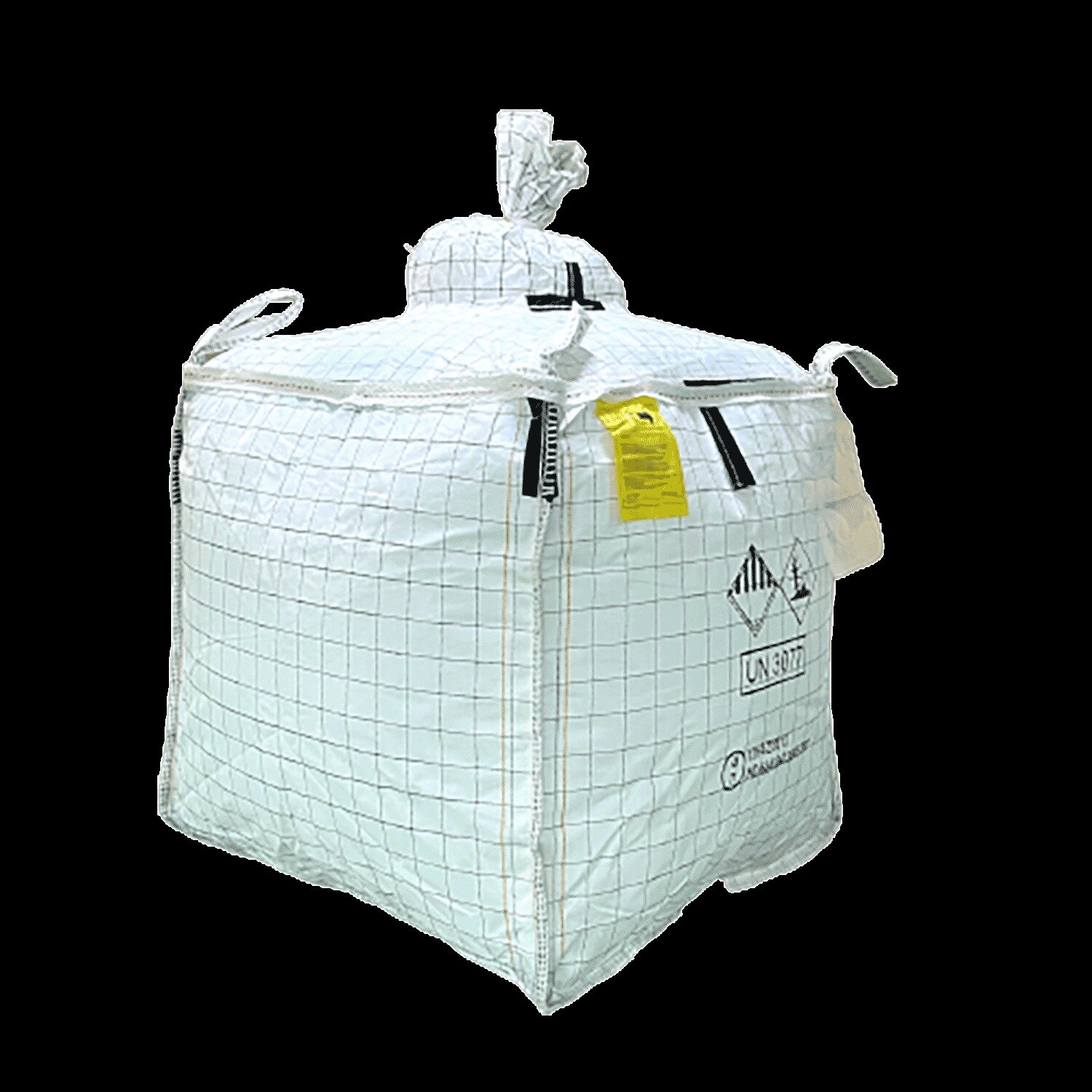
A mining FIBC must be matched to the mineral’s density, particle shape, dust behaviour, moisture sensitivity and handling equipment—not selected by nominal volume alone. By the end, you will be able to define the bag’s load rating, dimensions, liner, static protection, closures and Chilean transport requirements before requesting quotations.
Key takeaways
- Match bag capacity to bulk density, fill volume and target product weight.
- Choose SWL for the load and handling cycles, not bag volume alone.
- Specify liners and static protection for moisture, dust and ignition risks.
- Confirm loops, outlets, dimensions and filling equipment before ordering.
Which Mining and Mineral Products Belong in an FIBC?
FIBCs suit dry, flowable mining products when the bag matches the material’s physical behaviour. Common applications include copper concentrate FIBC designs, molybdenum concentrate bags, mineral powders, flotation products, tailings FIBC bags and aggregates.
Record these properties before choosing construction:
- Particle size and distribution
- Bulk density and target fill mass
- Moisture content and temperature
- Flow behaviour, including bridging or rat-holing
- Abrasiveness and edge shape
- Dangerous-goods classification
Fine concentrates and mineral powders can pass through ordinary woven-fabric interstices or seams. Specify sift-proof seams, coated fabric or an inner liner according to the leakage path; these controls are not interchangeable. Coarse, sharp-edged aggregate creates the opposite problem: particles can cut or abrade fabric during filling, lifting and discharge.
| Material | Main risk | Starting specification |
|---|---|---|
| Fine concentrate or powder | Dust leakage through fabric or seams | Sift-proof seams, coated fabric or a controlled liner |
| Flotation product or damp tailings | Bridging, clumping and variable flow | Flow testing, moisture control and a suitable discharge design |
| Coarse aggregate | Cutting and abrasion during handling | Abrasion-resistant fabric, reinforced lifting areas and guarded discharge |
A commercial name does not establish dangerous-goods status. Use the safety data sheet, classification, packing group where applicable, transport mode and destination to decide whether a UN FIBC, inner packaging or another package is required.
ISO 21898:2004 specifies construction, performance and tests for FIBCs carrying non-dangerous solid materials. It is not dangerous-goods authorization.
How Do You Calculate FIBC Capacity, SWL and Dimensions?
Start with the mineral’s target mass and measured bulk density. Required volume equals target mass divided by bulk density. For example, 1,000 kg at 0.80 t/m³ requires 1.25 m³ before allowing for settling and headspace.
Use this sizing sequence:
- Calculate the bulk density calculation from a representative sample, not the product name.
- Set the FIBC fill weight in kilograms and calculate the required volume.
- Check the filled height and pallet footprint against warehouse rack space, truck or container clearance, and loading limits.
- Confirm that the lifting geometry suits the crane, spreader beam, forklift sleeves or other handling equipment.
Specify the product’s density range alongside the FIBC fill weight and dimensions. Density changes the centre of gravity, lifting-loop loads, filled height and discharge behaviour; a bag that fits an empty pallet position can become unstable when the mineral settles.
FIBC SWL means the safe working load of the complete bag design under its specified handling conditions. It is not permission to place any quantity of mineral inside the bag. The FIBC safety factor describes design and test-use classification, not automatic reuse permission.
| Classification | Meaning | Buyer’s interpretation |
|---|---|---|
| 5:1 | Design and test-use ratio | Follow the manufacturer’s reuse conditions |
| 6:1 | Design and test-use ratio | Do not assume repeated use is allowed |
Request the manufacturer’s SWL, safety factor, test basis, dimensions, fill weight, density range and handling method. Reject any design that works only when the mineral’s density is assumed rather than measured.
How Should You Specify Fabric, Liners and Static Protection?
For abrasive, dense or sharp-edged minerals, choose the barrier according to how product escapes: fabric failure, seam leakage or fine-particle permeation. Heavier woven polypropylene resists abrasion and load stress; coated fabric closes fabric interstices; sift-proof seams control leakage at stitched joints. A polyethylene liner contains dust and adds moisture resistance. These options are not interchangeable.
| Construction | Controls | Main limitation |
|---|---|---|
| Heavier woven polypropylene | Abrasion and lifting stress | Does not stop fine powder escaping |
| Coated woven polypropylene | Fabric interstices and surface wear | Does not repair leaking seams |
| Sift-proof seams | Leakage through stitched joints | Does not protect against condensation |
| Polyethylene liner | Dust containment and moisture contact | Can tear, fold or retain product |
Specify liner thickness, closure method, pinhole-control inspection and seal quality. A form-fit liner follows the bag walls, supporting predictable filling and discharge. A loose liner costs less to fit but can fold over an outlet, obstruct flow or trap mineral residue.
A liner does not make the FIBC hermetically moisture-proof. Condensation during Santiago-to-port transport remains a separate risk, so control temperature changes, ventilation and storage exposure.
Choose static protection from the safety data sheet and process hazard assessment, not from the word mineral.
- Type A FIBC provides no static control.
- Type B FIBC limits the energy of some discharges.
- Type C grounded bag requires continuous conductive elements and a verified earth connection.
- Type D FIBC static protection uses dissipative material without grounding.
Assess filling and emptying equipment with the bag as one system where combustible dust, metal powder, organic additive or contamination is present.
Which Loops, Inlets and Outlets Match Mine-Site Equipment?
Match the lifting hardware before ordering: a four-loop FIBC is for all four loops on a rated spreader beam, while a one-loop bag requires a compatible single-point device. Specify the lifting frequency too; repeated lifts demand equipment and bag ratings suited to that cycle, not an improvised site method.
| Configuration | Equipment match | Critical instruction |
|---|---|---|
| One-loop | Single-point crane hook or lifting device | Use only the rated single point |
| Two-loop | Two-hook lifting beam or approved two-point device | Load both loops evenly |
| Four-loop FIBC | Four-hook spreader beam | Lift all four loops together |
| Cross-corner loops | Spreader beam with hooks aligned to opposite corners | Keep hook geometry symmetrical |
| Forklift sleeves | Forklift with correctly spaced, fully inserted forks | Never insert forks into the fabric body |
Workers must never tie loops together, lift from the fabric body, or insert forks where no sleeves were designed. State whether the filled bag will be lifted by all four loops, two loops, a single-point device or forklift sleeves.
Choose the FIBC top inlet to match the loading equipment. A standard top opening suits simple dumping; a duffle top provides a closable fabric extension; a filling inlet must fit the loading chute or screw conveyor without spilling or restricting feed.
| Outlet | Operating result | Equipment or risk |
|---|---|---|
| Conical bottom discharge spout | Controlled, lower-manual-handling flow | Can bridge or rat-hole with cohesive concentrate |
| Iris or flap closure | Adjustable or simple shutoff | Verify closure compatibility |
| Full-open bottom | Fast evacuation | Needs a receiving hopper, shutoff arrangement and exclusion zone |
Select outlet geometry from flow tests or operating history, not nominal bag volume alone.
What Must a Santiago Buyer Confirm Before Ordering?
Before ordering, classify the mineral as non-dangerous or dangerous goods; its commercial name is not enough. Check the safety data sheet, classification, packing group where applicable, transport mode and destination to decide whether you need a correctly specified UN FIBC, inner packaging, special provision or another package.
A UN logo or load certificate alone does not prove approval.
| Cargo status | Confirm | Consequence |
|---|---|---|
| Non-dangerous solid | Product classification and ISO 21898:2004 design basis | Specify an FIBC for the material and handling method |
| Dangerous goods by road in Chile | Decreto Supremo 298, package marks, documents, vehicle and handling requirements | A compliant bag does not transfer the shipper’s legal duties |
| Other routes or destinations | Carrier, port and destination-country rules | Additional packaging or marking rules can apply |
For reusable bags, write FIBC inspection criteria into the procedure. The 5:1 or 6:1 ratio describes design and test use, not automatic reuse permission. Withdraw a bag after a drop, cut, chemical attack or excessive heat, even when the fabric looks intact.
Treat FIBC outdoor storage Santiago as temporary unless the construction states a UV exposure limit. A waterproof outer sheet cannot restore load-bearing polypropylene weakened by ultraviolet exposure.
List these in the procurement brief:
- Mineral, bulk density, target mass, dimensions, SWL, safety factor and test documents
- Fabric, liner, static type, lifting method, inlet and outlet
- Reuse limits and disposal route
Deccan Cans & Printers Pvt. Ltd. can use that brief to compare constructions, while you separately check Chile’s extended-producer-responsibility rules for packaging, including obligations affected by mineral residue contamination.
Related products
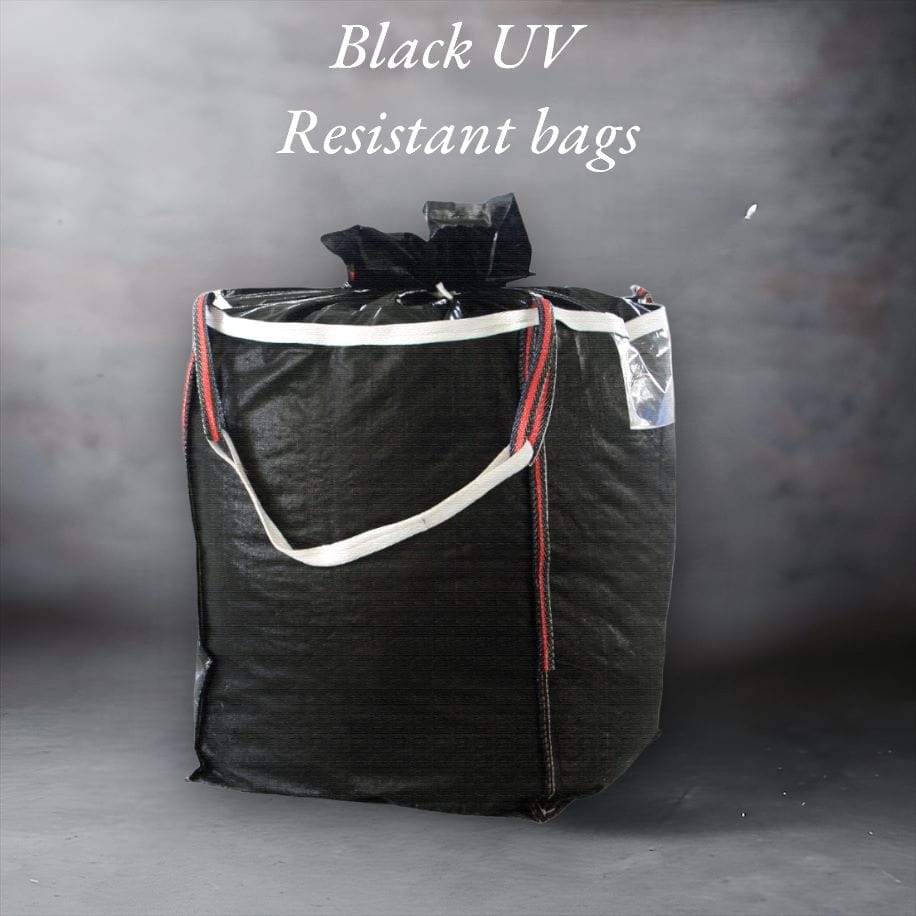 | FIBC Section Black Bags Black FIBC Bags – Enhanced UV Resistance & Extended Shelf Life UV exposure is one of the major challenges faced by the FIBC industry, as prolonged... |
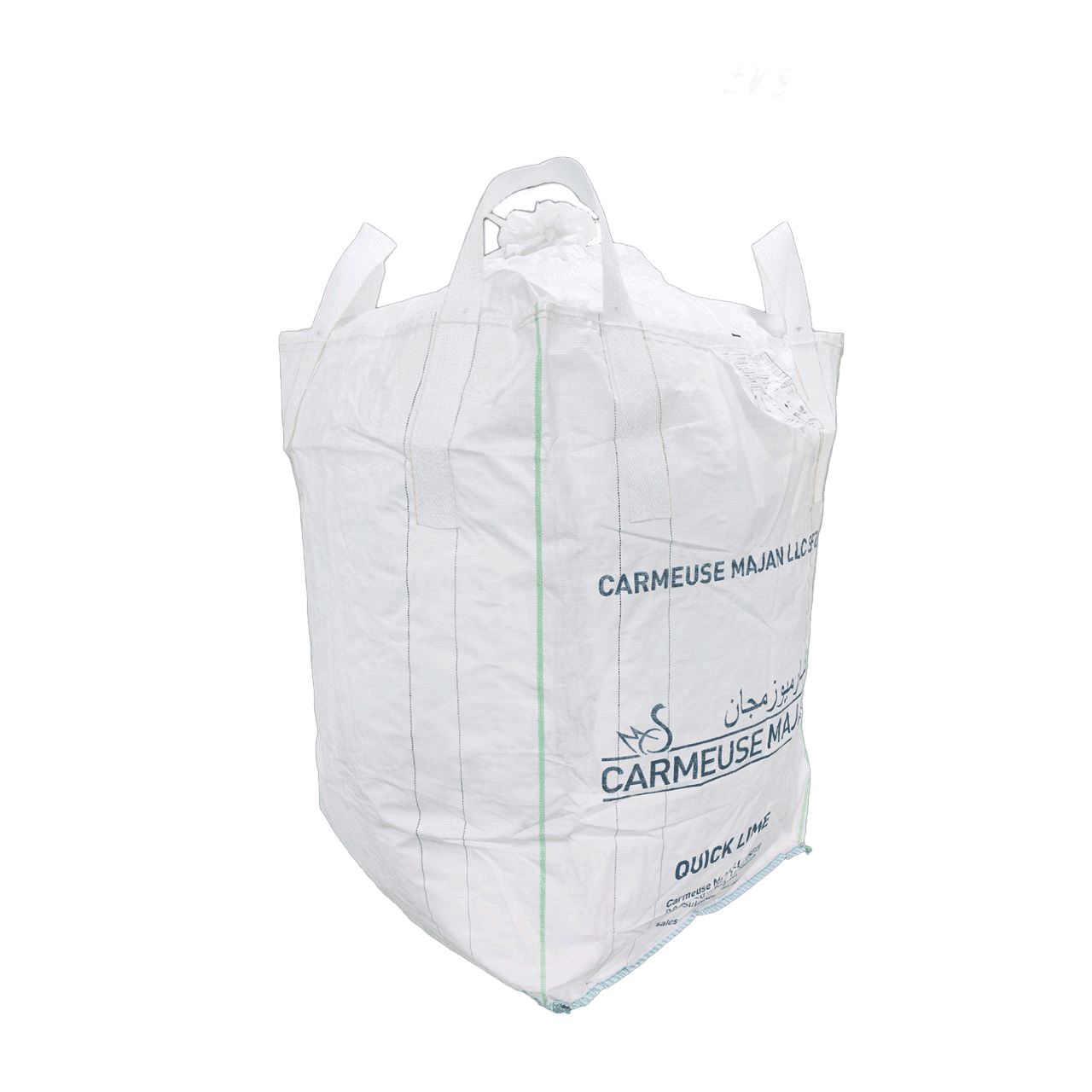 | FIBC Section Bags With Liners FIBC Liners – Bulk Bag Liners Deccan Cans & Printers Pvt. Ltd. |
Frequently asked questions
Which mining products belong in an FIBC?
Use FIBCs for dry, flowable products such as copper concentrate, molybdenum concentrate, mineral powders, flotation products, tailings and aggregates. Check moisture, flowability, particle size and discharge behaviour first.
How do you calculate FIBC capacity and dimensions?
Multiply the product’s bulk density by the required filled volume to estimate bag load. Then confirm the SWL, fill height, pallet footprint, transport limits and available mine-site clearance.
How should you specify fabric, liners and static protection?
Specify woven polypropylene fabric by SWL, construction and handling conditions. Add a liner when moisture, contamination or product retention requires it, and select static-control construction when dust or ignition hazards exist.
What must a Santiago buyer confirm before ordering?
Confirm the product, bulk density, target weight, bag dimensions, SWL, safety factor, liner, loop arrangement, filling inlet, discharge outlet, handling equipment and delivery requirements.
Related products
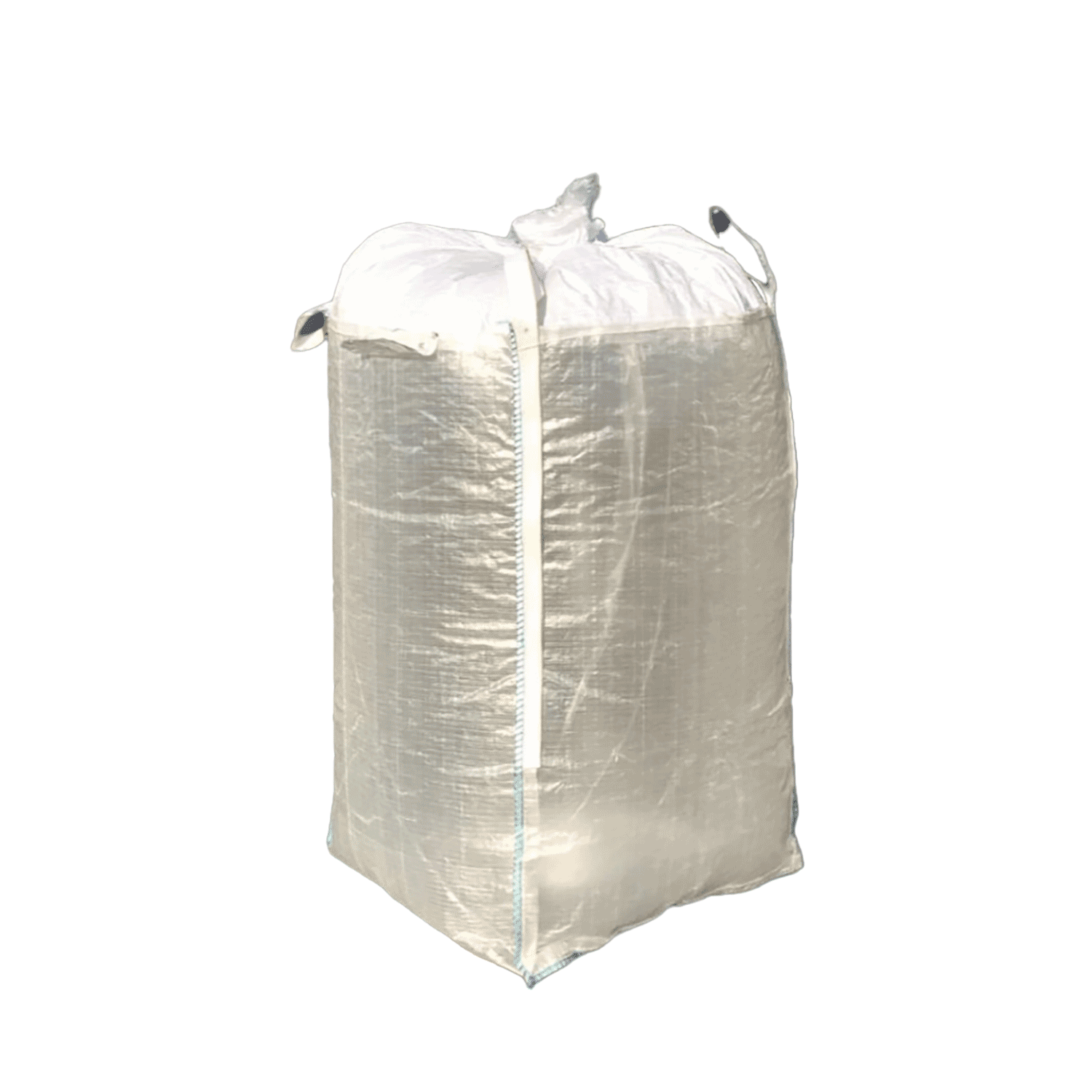 | FIBC Section Transparent Bags Transparent FIBCs – See-Through Bulk Bags Deccan Cans & Printers Pvt. Ltd. |
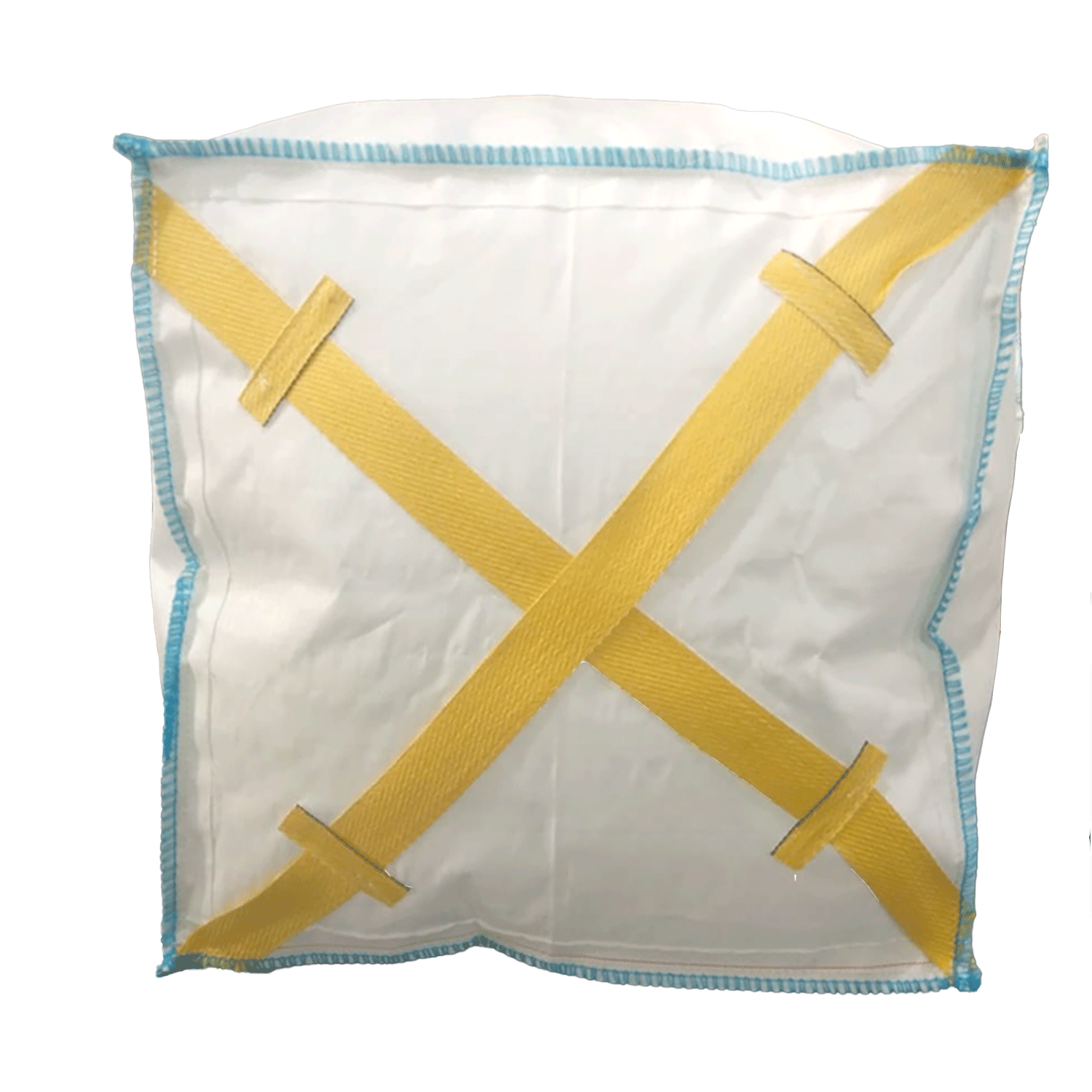 | FIBC Section Cross Bottom Sling Bags Cross Bottom Sling FIBCs – Bulk Bags Deccan Cans & Printers Pvt. Ltd. |
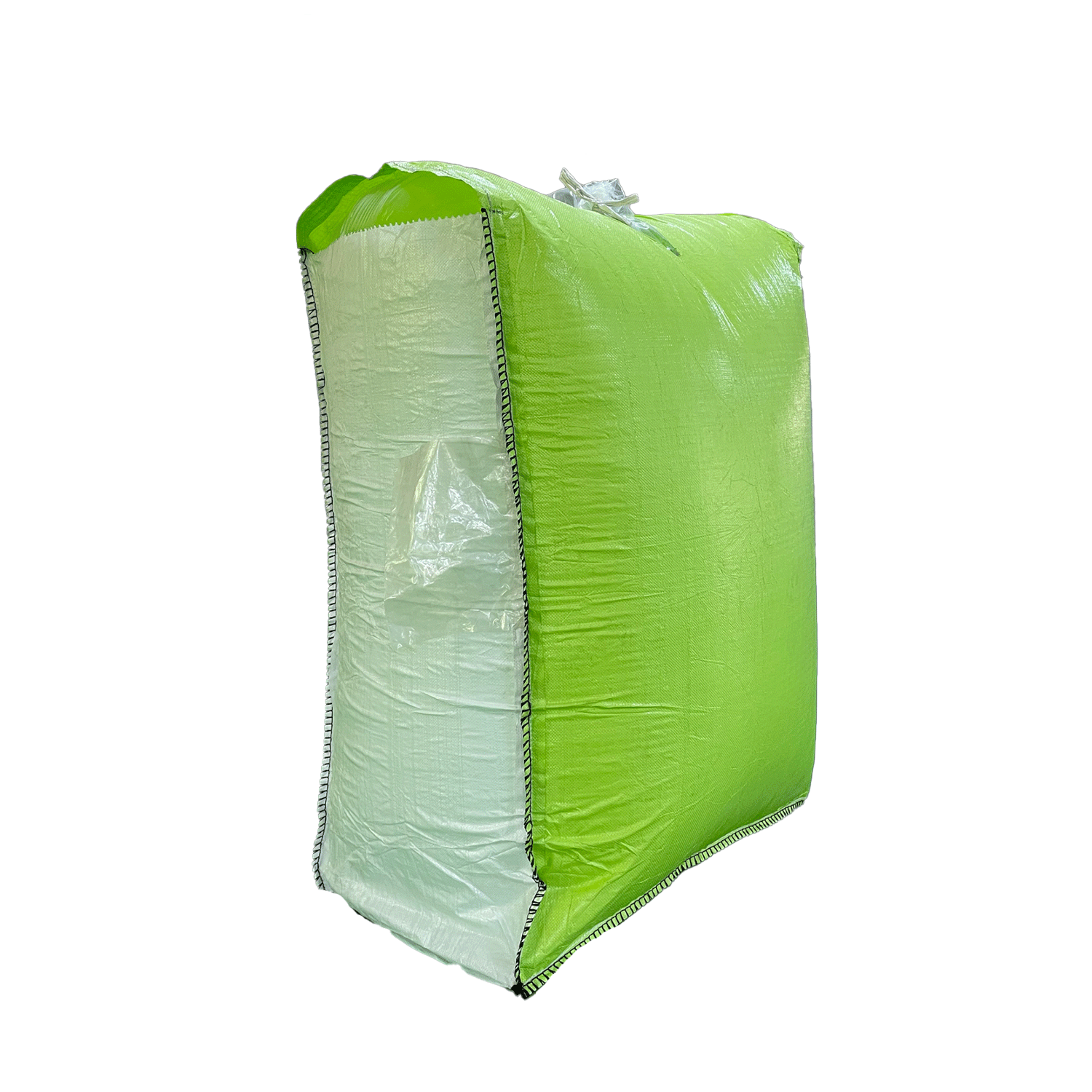 | FIBC Section Fertilizer Bag Range 1 & 2 Loop FIBC Bulk Bags Deccan Cans & Printers Pvt. Ltd. offers durable and cost-effective 1 & 2 Loop FIBC Bulk Bags, designed for the efficient... |
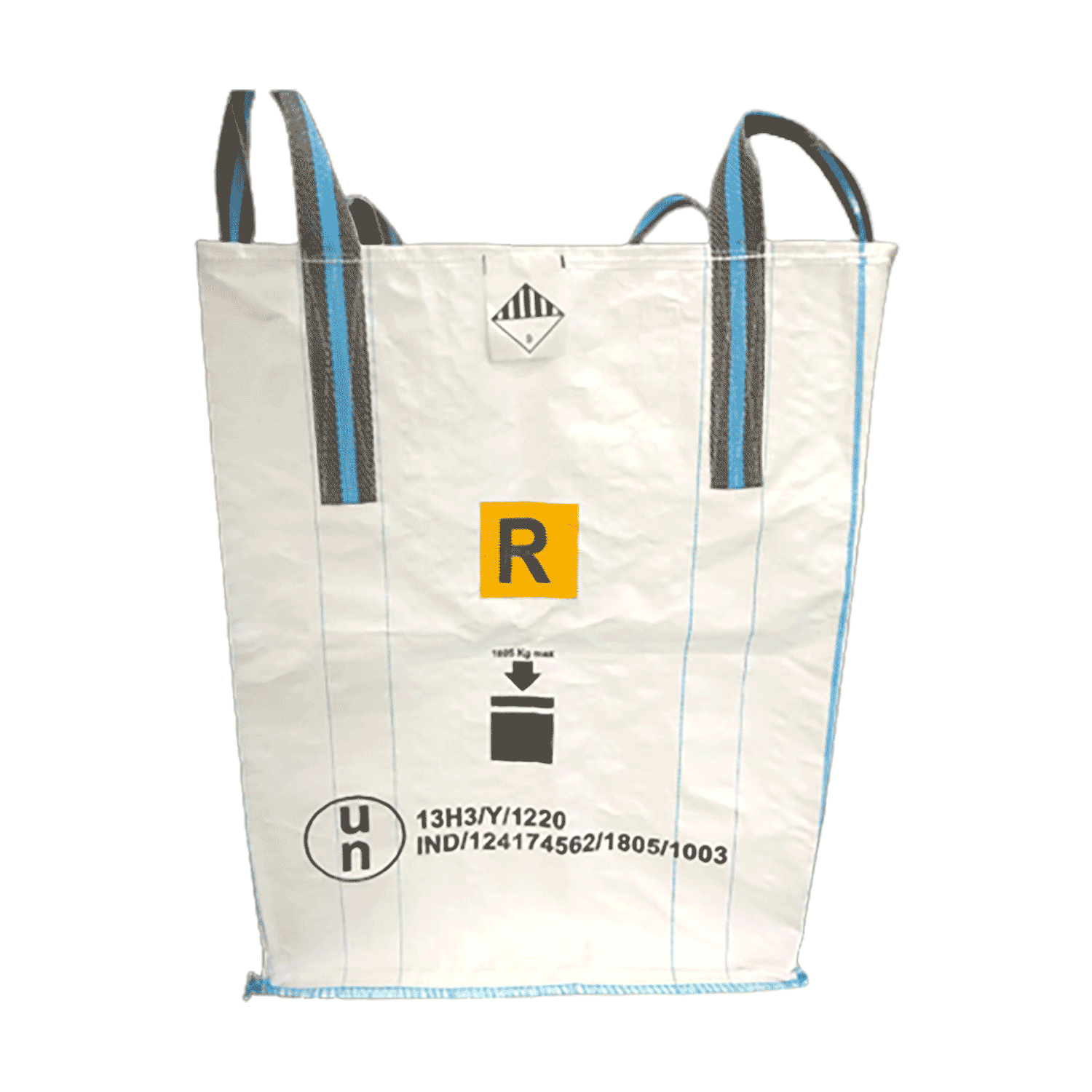 | FIBC Section Un Bags UN Certified Bulk Bags – Rigorous Performance Testing for Safety & Reliability Deccan UN Certified Bulk Bags are specially engineered for the safe... |