
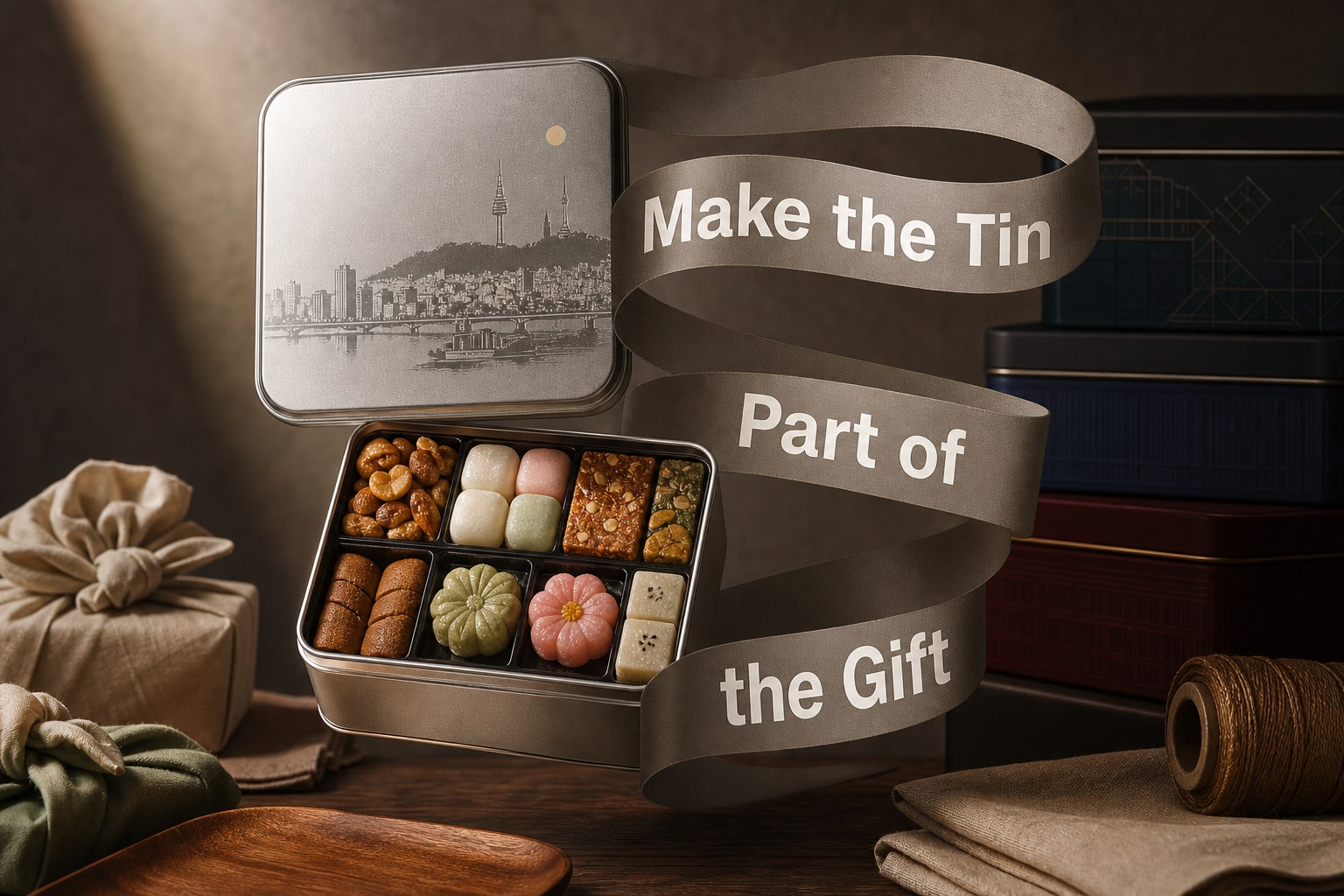
Gift packaging must protect the product, communicate value at first sight and justify its cost after delivery. By the end, you will be able to match a tin to its contents, compare it with paperboard, plastic, glass and pouches, and prepare a supplier brief for seasonal, tourist and corporate gift collections.
Key takeaways
- Match tin size and shape to the product’s fragility and presentation.
- Use matte finishes, precise colour matching and clean embossing for a premium look.
- Compare samples, minimum order quantities, tooling, lead times and shipping costs.
- Request food-contact documents and test reuse, closure strength and recyclability claims.
Why decorative tins strengthen the gift experience
Decorative tin boxes make the gift itself part of the experience: they add rigidity, visual presence and a useful object the recipient can keep. A well-sized tin protects contents during shop handling and courier delivery, while its surface gives a Seoul gift brand space for colour, artwork and seasonal storytelling.
| Packaging format | Practical benefit of a decorative tin | Commercial trade-off |
|---|---|---|
| Paperboard carton | Tin resists crushing and survives reuse | A formed lid or embossed panel needs tooling |
| Plastic box | Tin blocks light and feels more substantial | It does not automatically provide an airtight seal |
| Glass jar | Tin weighs less and is less likely to shatter | It may not display the product directly |
| Pouch | Tin offers stronger shelf presence and a reusable case | It occupies more space when empty |
That combination suits premium assortments, tourist souvenirs and corporate gifts because the branded container remains visible after the original purchase. Reuse only strengthens the result when the dimensions and opening mechanism serve a real purpose; a beautiful box that cannot hold stationery or small keepsakes becomes waste.
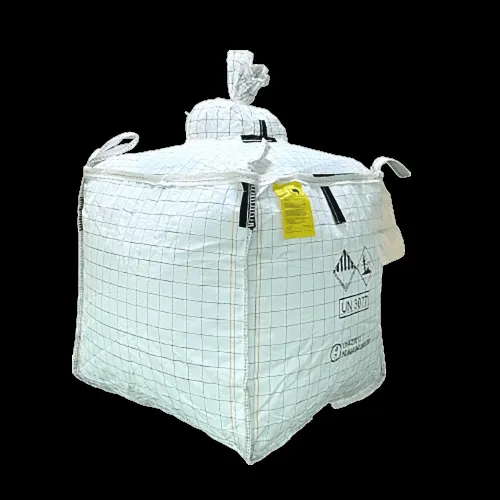
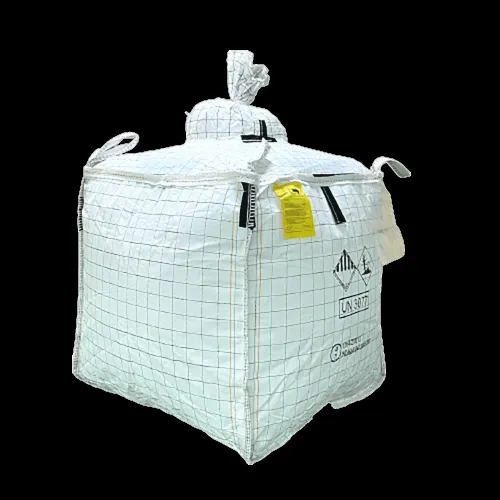
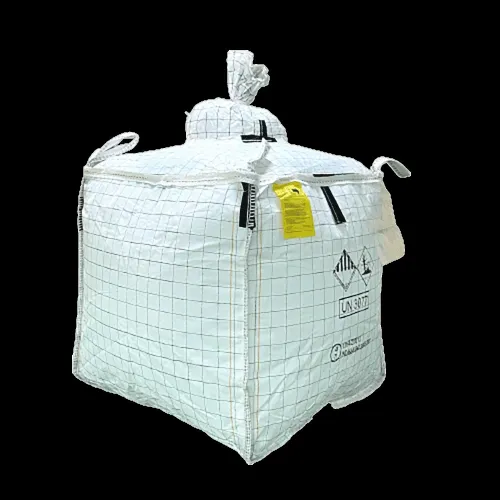
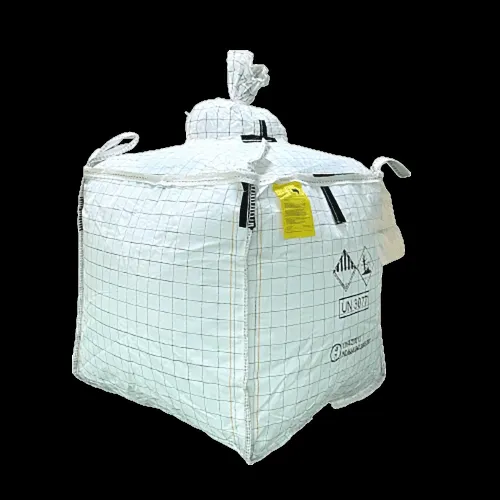
Steel-based tin boxes also offer a clearer recycling route than packs joined permanently to foam or plastic trays: steel is magnetic and can be recycled repeatedly. Specify removable inserts where possible. Remember that these metal boxes serve retail presentation, not high-volume dry-bulk handling, where flexible bulk bags remain the practical format.
How to match the tin to the product inside
Choose tin dimensions from the packed product, not the artwork. Measure the product’s length, width and height, then add only enough clearance for protection, presentation and easy removal. Use internal dimensions; wall thickness reduces usable space, while empty headspace lets contents move during delivery.
| Product | Dimensions and capacity | Best opening style |
|---|---|---|
| Jewellery | Shallow depth with compartments or a removable insert; capacity should prevent pieces from sliding together | Lift-off lid for simple access; hinged lid for a premium keepsake |
| Candles | Internal diameter and height must clear the vessel, wick and protective wrap | Lift-off lid for broad access; hinged lid for repeat use |
| Tea and coffee | Size the tin for the sachets, pouches or measured quantity, with room for a scoop only if supplied | Friction-fit lid for dry products; specify testing because it is not automatically airtight |
| Confectionery | Match capacity to the pieces’ shape and fragile coatings; leave no space for pieces to rattle | Hinged or lift-off lid, depending on display and sharing |
| Stationery | Use a long, shallow format for cards and pens, or a deeper format for clips and tools | Hinged lid for frequent access; sliding lid for compact sets |
| Incense | Choose a narrow length that supports sticks without bending them | Sliding or lift-off lid |
| Small promotional gifts | Measure the complete item, insert and message card together | Hinged lid for reuse; sliding lid for a slim profile |
Test filled tin boxes inside the shipping carton. A size just above a courier threshold can erase the freight saving, while unsupported lids fail in stacking. Metal boxes also protect light-sensitive contents better than clear plastic, but seams and lid clearances still require product-specific testing.
Which decorative details make a gift tin look premium
A premium gift tin looks deliberate, not overloaded. For custom tin boxes, choose one dominant finish, a controlled colour palette and a tactile feature that reinforces the brand rather than competing with the product.
| Option | Best visual effect | Trade-off to check |
|---|---|---|
| Matte or soft-touch coating | Modern, understated luxury; reduces glare in shop lighting | Shows fingerprints and scuffs more readily than gloss |
| Gloss coating | Strong colour, shine and an eye-catching unboxing reveal | Highlights dents, scratches and uneven surfaces |
| Metallic ink or foil | Signals celebration, craft or premium gifting | Compare foil adhesion and colour registration on curved or embossed areas |
| Offset lithographic printing | Sharp logos, illustrations and repeatable brand colours | Request a colour drawdown; screen appearance does not equal printed metal |
| Embossing or debossing | Gives the logo physical recognition without a separate label | Sharp forms can crack ink or distort nearby detail; approve a production sample |
Use two or three colours, then specify Pantone references for the key brand colour instead of relying on a screen proof. Match the finish to the occasion: satin or matte suits corporate gifts and minimalist souvenirs, while gloss, foil and embossed motifs suit festive Seoul gift collections.
For branded metal tins, inspect the sample under daylight and retail lighting. Run a fingertip over the logo, open and close the lid, and check whether artwork stays aligned across the seam. A beautiful finish fails if fingerprints dominate, the lid scratches during use or the tactile detail makes the tin awkward to handle.
What to compare before ordering decorative tin boxes wholesale
The lowest unit price in decorative tin boxes wholesale can become the highest delivered cost if tooling, freight or packing waste is ignored. Compare the complete format before approving a seasonal run, tourist souvenir or corporate gift.
| Option | Construction and commercial effect | Best fit |
|---|---|---|
| Standard rectangular tin with printed artwork | Uses established forming tools, shortens development and reduces the economical order quantity | Seasonal collections and test launches |
| Shaped lid, embossed panel, window or unusual corner radius | Requires dedicated tooling, increasing development cost, lead time and minimum economical quantity | Large repeat orders with a proven design |
| Hinged or sliding closure | Adds parts and assembly; check opening reliability, stackability and empty-pack weight | Corporate gifts or reusable keepsakes |
| Custom tin boxes with lacquered interiors | Supports a stronger presentation, but the lacquer, ink, seam compound and joining material must suit the contents | Food, cosmetics and products with a defined shelf life |
Request the steel grade, sheet thickness, tin-coating system and food-contact declaration; “tin” means tinplate, not solid tin. Match the internal volume to the product and the shipping carton, because headspace, an unsupported lid or a dimension above a courier threshold raises freight and secondary-pack costs.
For Seoul gift assortments, ask suppliers to quote tooling, sample approval, production lead time, minimum order quantity, carton quantity, pallet footprint and delivered weight separately. The business can help buyers assess whether a retail tin belongs alongside FIBC bulk bags: tins serve presentation and reuse, while FIBCs remain the practical format for high-volume dry-bulk handling.
Related products
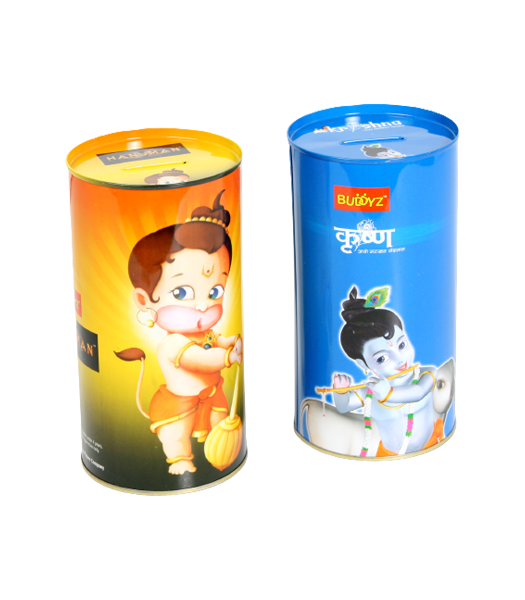 | Tin Containers Product Descriptions Deccan Cans & Printers Pvt. Ltd. 1. 80 × 150 mm Round Saving Box Product Code: 303*150RndSavingBox Application: Promotional The... View product → |
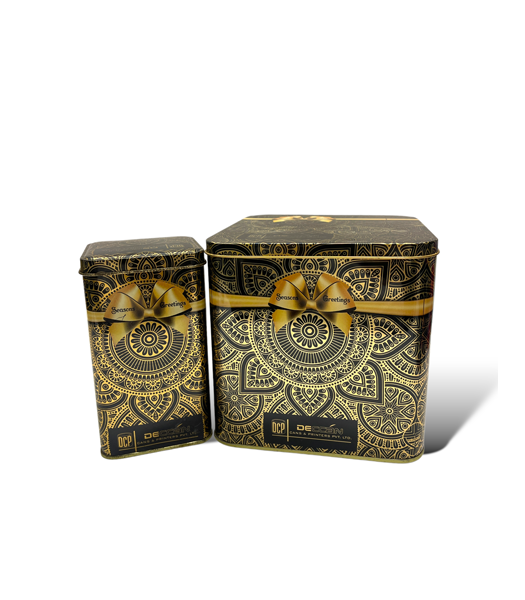 | Tin Containers Miscellaneous Tin Can Range – Product Descriptions Deccan Cans & Printers Pvt. Ltd. 1. View product → |
How to check safety, reuse and end-of-life claims
“Food-grade tin” is not enough evidence for approving branded metal tins. Ask for documents covering every material that touches the contents, not just the steel body.
- Request the substrate, internal lacquer, ink, seam compound, gasket, solder or joining-material declarations, plus migration or extractables test results for the intended food, storage temperature, acidity, fat content and shelf life. For Seoul sales, check the evidence against applicable Korean MFDS requirements.
- For cosmetics, request compatibility and stability results using the actual formula, including odour, staining, corrosion and coating adhesion after the proposed shelf life.
- For repeated consumer use, ask for cleaning instructions and test results for closure performance, hinge or slide cycles, drop resistance and coating durability. A reusable metal box is not automatically suitable for direct food contact after washing.
- Require lot-level traceability, a batch reference and a clear statement of intended use. Reject generic certificates that identify neither the coating nor the tested conditions.
Judge sustainability by the whole pack. Steel is magnetic and recyclable, but plastic trays, foam, magnets, batteries and hard-to-remove decorations reduce recovery. Request the metal weight, recycled-content evidence if claimed, component breakdown and disassembly guidance.
Reuse adds value only when the lid remains secure and the surface survives realistic handling; otherwise these metal boxes become attractive waste rather than durable packaging.
Frequently asked questions
Why do decorative tins improve the gift experience?
They add rigidity, visual presence and a reusable object while protecting gifts during shop handling and courier delivery.
How should you match a tin to the product inside?
Choose the internal dimensions, shape, lining and closure around the product’s size, fragility, moisture sensitivity and presentation needs.
Which details make a decorative tin look premium?
Controlled colour, a suitable gloss or matte finish, accurate artwork, clean embossing, quality closures and restrained decorative details create a premium appearance.
What should you compare when ordering decorative tin boxes wholesale?
Compare sample quality, metal thickness, tooling charges, minimum order quantity, unit price, lead time, packing, freight and defect handling.
How can you check safety, reuse and end-of-life claims?
Request food-contact documentation when needed, inspect coatings and seams, test the closure through repeated use and verify recycling guidance for the tin and non-metal parts.
Related products
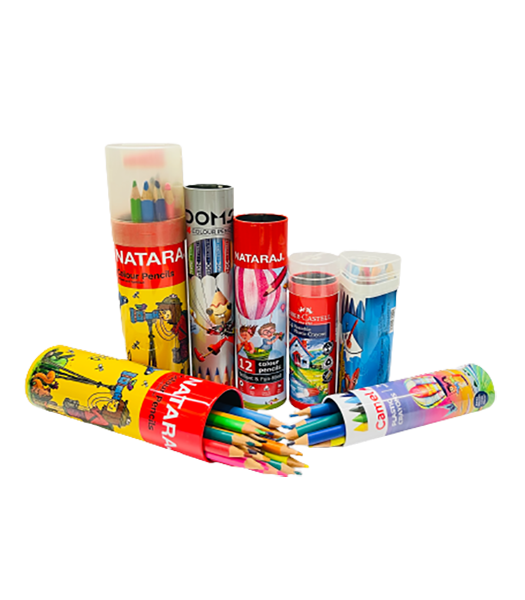 | Tin Containers Tin Containers Deccan Cans & Printers Pvt. Ltd. offers high-quality tin containers for stationery packaging, designed to provide durable, attractive,... View product → |
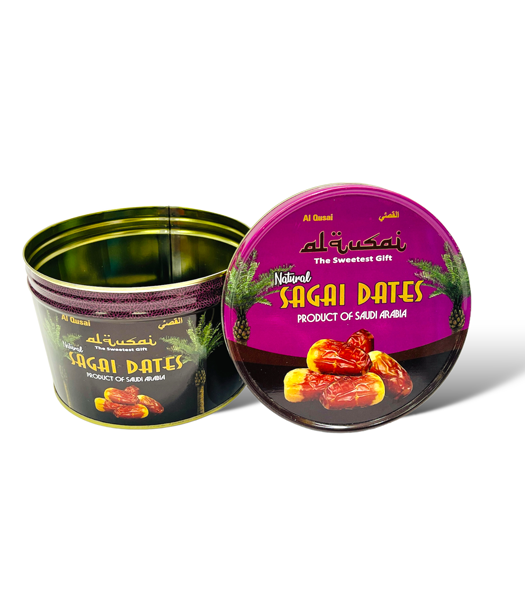 | Tin Containers Tin Containers Deccan Cans & Printers Pvt. Ltd. offers a premium range of tin containers for confectionery packaging, designed to provide an... View product → |
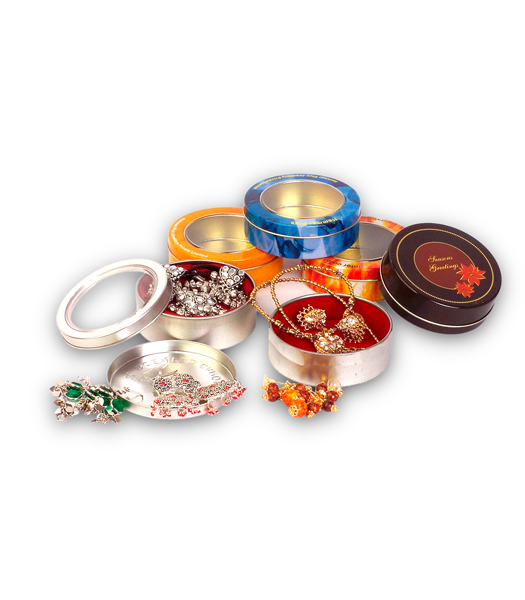 | Tin Containers Product Descriptions Deccan Cans & Printers Pvt. Ltd. 1. Sliding Jewellery Tin – 80 × 25 mm Product Code: 303*25Slid Size: 80 × 25 mm, available with... View product → |
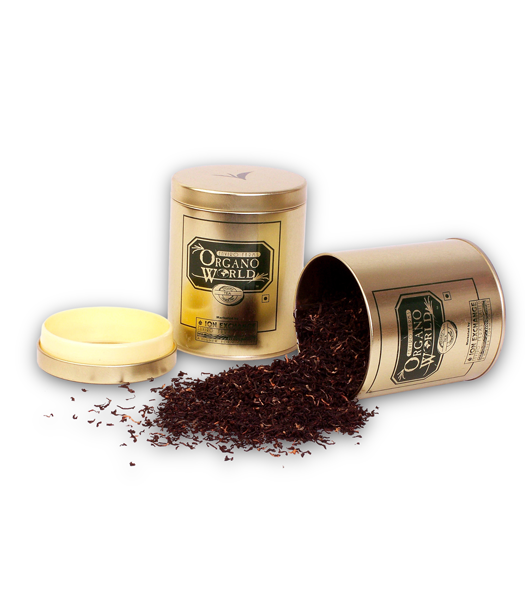 | Tin Containers Tea and Coffee Tins Range Tea & Coffee Tins Range – Product Descriptions Deccan Cans & Printers Pvt. Ltd. 1. |