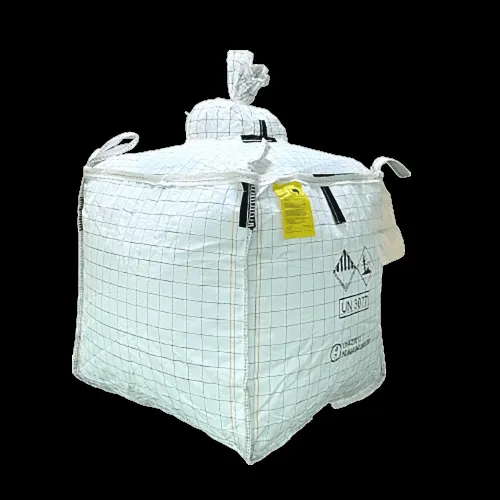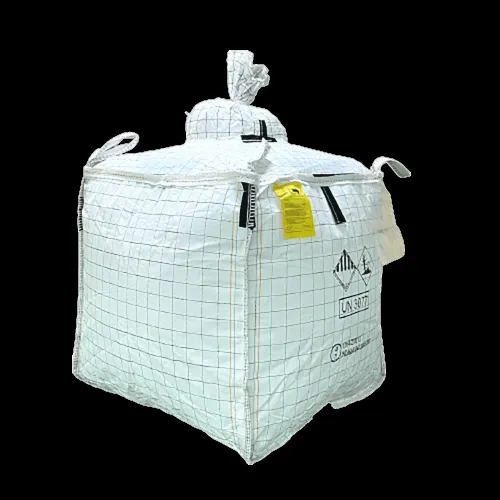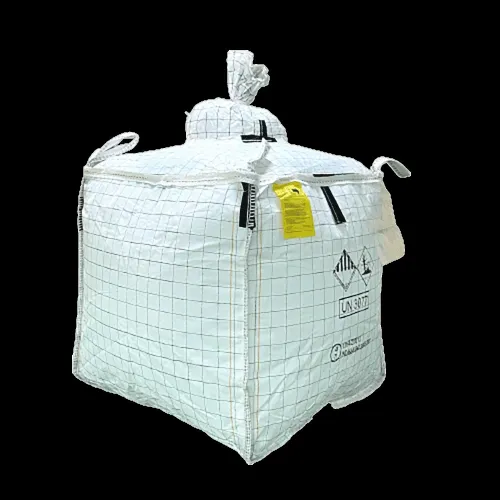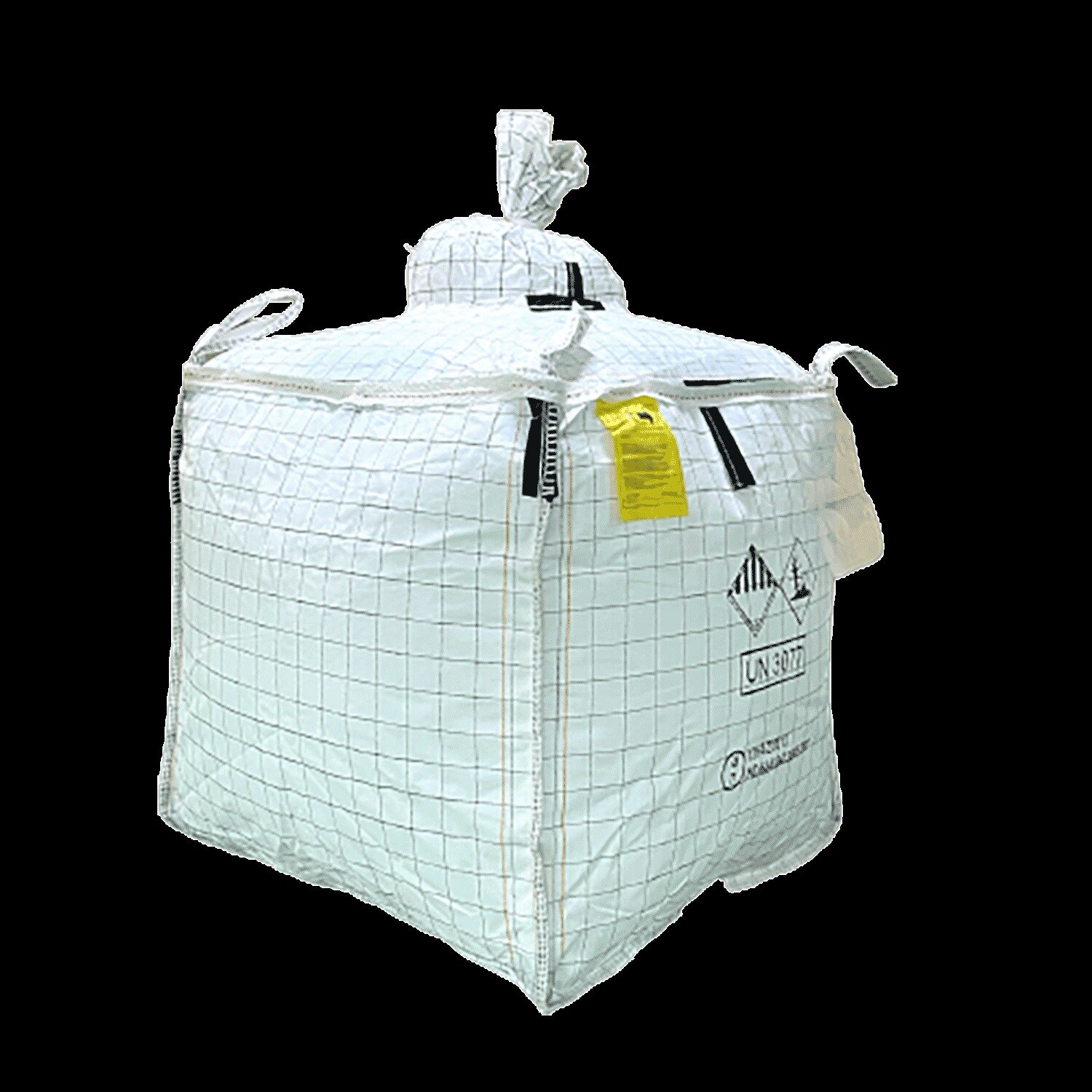
Choosing an FIBC for Seoul storage or export requires more than matching a bag to a product name. You will be able to calculate the real load, specify the right construction and lifting method, inspect each bag, and plan a stable, compliant shipment.
Key takeaways
- Treat SWL as lifting capacity, not the bag’s fill volume.
- Specify product density, loading method, discharge design and required bag dimensions.
- Match loop design and forklift handling to your warehouse equipment.
- Request moisture, static-control and export documentation before ordering.
Separate Safe Working Load from the Weight You Fill
An FIBC safe working load (SWL) is the maximum load the complete bag is designed to carry during its specified lifting method. It is not the amount you can fill by volume.
Calculate the actual fill weight from filled volume and the bulk density of powder and granules, then account for product settling, which can change the bag’s shape and load distribution during transport.
The actual fill weight must remain below the SWL, with the stated lifting configuration and test report matching your equipment. A bag can pass its weight limit yet fail when lifted incorrectly, such as by fewer loops than specified or by the liner.
For export, compare that weight with the pallet rating, container payload, filled bag dimensions and bulging; the container can reach its space limit before the bag reaches its SWL.
Check these points before approval:
- Confirm the product’s measured bulk density, not an estimated catalogue value.
- Calculate the heaviest actual fill weight after settling and vibration.
- Verify that the SWL covers that weight for storage, forklift movement and container loading.
- Check whether the bag is a single-trip FIBC with a 5:1 safety factor or a reusable FIBC with a 6:1 safety factor.
The 5:1 safety factor and 6:1 safety factor describe construction strength relative to SWL; they do not increase the permitted fill weight. Reuse requires documented inspection, cleaning and traceability because abrasion, UV exposure, contamination or chemical attack can make a reusable bag unsafe.
Specify the Bag Around the Product and Loading Plan
Set FIBC dimensions from the filled footprint, pallet overhang limit, container door clearance and permitted stack height—not from the empty bag. Confirm the FIBC filling capacity against the commodity’s bulk density, then leave enough headspace for closure and shape control. Measure the loaded bag, pallet and aisle clearances together.
| Construction | Choice | Specify it when |
|---|---|---|
| Top | filling spout | Dust control, metered filling and a tied or sealed inlet matter |
| Top | duffle top | Fast loading is more important than a narrow, controlled inlet |
| Top | conical top | Product must settle into a shaped, space-efficient bag |
| Bottom | discharge spout with discharge closure | You need controlled emptying without opening the full base |
| Loops | 1-loop FIBC | One approved lifting hook or central handling point is available |
| Loops | 2-loop FIBC | The handling equipment is designed for two supported loops |
| Loops | 4-loop FIBC or cross-corner loops | A four-point frame or compatible forklift attachment supports every loop |
Choose coated polypropylene fabric for added surface protection, but use a polyethylene liner when powder, moisture or contamination control demands a continuous product-contact barrier. Specify the liner sealing method with the filling spout and discharge closure; a loose liner can fold into the outlet or compromise grounding.
Load only dry bags and product into a dry container. Keep filled bags away from wet walls, roof leaks and floor contact with a pallet or separator, because container condensation can wet fabric and cargo; exterior film cannot fix a leaking liner.
Confirm that the chosen loop arrangement, liner and closures match the tested export construction.
Match Lifting Equipment to Loops, Floors and Stacking
A mismatch between loops and lifting gear can tear a sound FIBC before its rated SWL is reached. Confirm the tested handling method, then use the matching attachment without lifting by the liner, discharge spout or unsupported fabric.
| Configuration | Correct handling | Main failure to prevent |
|---|---|---|
| 1-loop lifting | Use the specified single-point hook or lifting frame | Do not split the load across improvised hooks |
| 2-loop lifting | Use the approved two-point frame, crane hooks or stevedore straps | Keep both loops equally loaded |
| 4-loop lifting | Engage all four corner loops with a rated frame or four hooks | Never lift from two loops unless the test report permits it |
| Cross-corner loop handling | Pass the specified forklift tines or lifting frame through the cross-corner loops | Do not twist, cross-load or drag the loops |
Forklift tines must enter lifting sleeves or purpose-built loops fully; they must not sit directly under FIBC fabric. Keep tine edges smooth and rounded, and prevent contact with pallet nails, container steel and broken boards.
Before filling, complete FIBC inspection, lifting-loop inspection and FIBC seam inspection. Reject faded or brittle tape, abrasion, pulled stitching, contamination, punctures and damaged closures. During filling, keep the pallet position square, support the bag on a stable pallet or floor, and prevent sliding as it rises.
Set the maximum stack height from the supplier’s test data, filled dimensions and floor loading limit, not guesswork. Leave warehouse bay clearance for raised bags and container door clearance for the loaded pallet.
Use blocking or restraint against leaning and follow the CTU Code for load distribution, securing and movement control; do not lash through lifting loops unless the design specifically allows it.
Control Moisture, Static and Export Compliance Risks
An uncoated polypropylene FIBC is not a moisture barrier. During Seoul humidity and rain, container rain can wet the outer fabric and pallet even when the product and bag were dry at stuffing.
Specify coated fabric or a moisture barrier liner matched to the product’s water-vapour and oxygen sensitivity; make the liner compatible with the closure, discharge and grounding design.
Use dry product, dry bags, container ventilation and desiccant. Desiccant cannot repair a leaking liner or protect material after the bag is opened. Keep cargo away from wet container walls and the floor, rather than relying only on stretch film around the filled bag.
| FIBC type | Electrostatic control | Apply when |
|---|---|---|
| Type A FIBC | No electrostatic control | No flammable atmosphere or combustible-dust ignition risk exists |
| Type B FIBC | Limits low-energy propagating brush discharges | No ignitable gas or vapour atmosphere is present; check the powder’s minimum ignition energy |
| Type C FIBC | Requires grounding during filling and discharge | Conductive fabric elements, liner and grounding continuity are verified |
| Type D FIBC | Dissipates charge without a dedicated ground connection | The supplier’s design and hazardous-area assessment approve it |
For Type C, test the complete grounding path, not just a lead attached to metal. IEC 61340-4-4 uses 1.0 × 10^8 ohm as the maximum resistance criterion; perform a site continuity check before use.
If the cargo is dangerous goods, a standard FIBC is not a UN packaging 13H package. Confirm the correct 13H code, packaging group, performance tests, markings, filling instructions and compatibility assessment. Check that wooden pallet treatment carries an ISPM 15 mark; a plastic pallet avoids that wood rule but changes friction and load stability.
Turn the Requirements into a Seoul Buying Specification
Put every acceptance point into an FIBC purchase specification before requesting a Seoul FIBC supplier’s quotation. Require written confirmation against these five points:
1. Name the product, bulk density, fill mass, product-contact materials, cleanliness class, liner grade, liner sealing method, sewing thread and ink. State whether you require virgin polypropylene, a recycled-content FIBC, or another material.
2. Identify the service category: single-use FIBC, reusable FIBC, or reconditioned FIBC. For repeated handling, request the inspection, cleaning and rejection procedure; a 6:1 rating alone does not authorise reuse.
3. Record the lot number, manufacture date, storage location, covered-storage requirement, maximum storage period and storage inspection interval. Require UV-stabilized polypropylene for exposed handling, but reject fabric that is faded, brittle, abraded, contaminated or water-damaged.
4. Approve a drawing showing filled bag dimensions, bulging allowance, pallet footprint, loop arrangement, spouts and closure details. Compare the loaded dimensions with container door clearance, stacking height and container payload; ask for a stuffing plan that prevents contact with wet walls and floors.
5. Request a sample, test certificate, lot traceability record, inspection report and export shipping documents. Confirm pallet material and ISPM 15 marks where wooden packaging enters a regulated destination.
Deccan Cans & Printers can be included in your supplier comparison, but ask it to confirm these same points rather than accepting a catalogue description. Keep the signed specification with the purchase order.
Related products
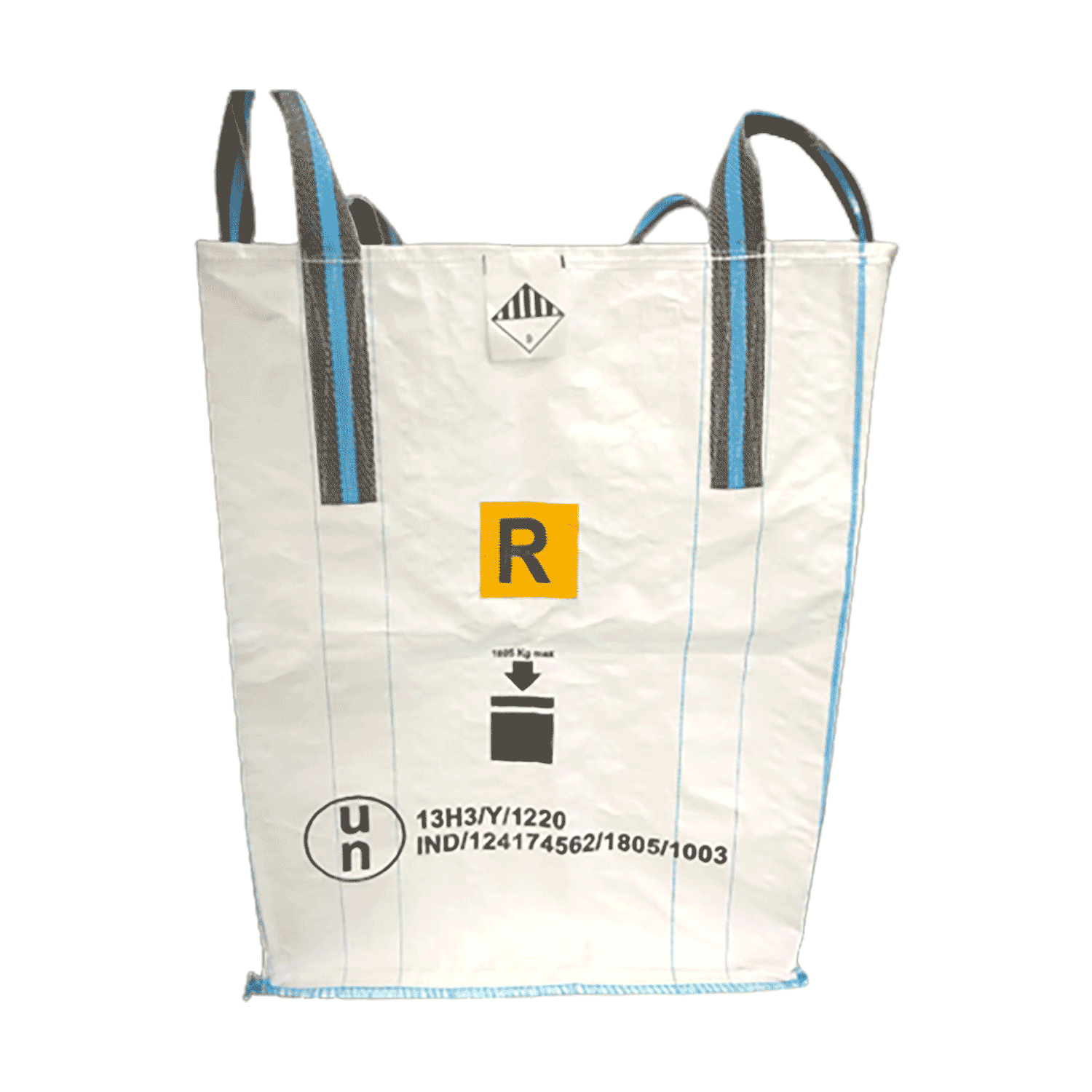 | FIBC Section Un Bags UN Certified Bulk Bags – Rigorous Performance Testing for Safety & Reliability Deccan UN Certified Bulk Bags are specially engineered for the safe... |
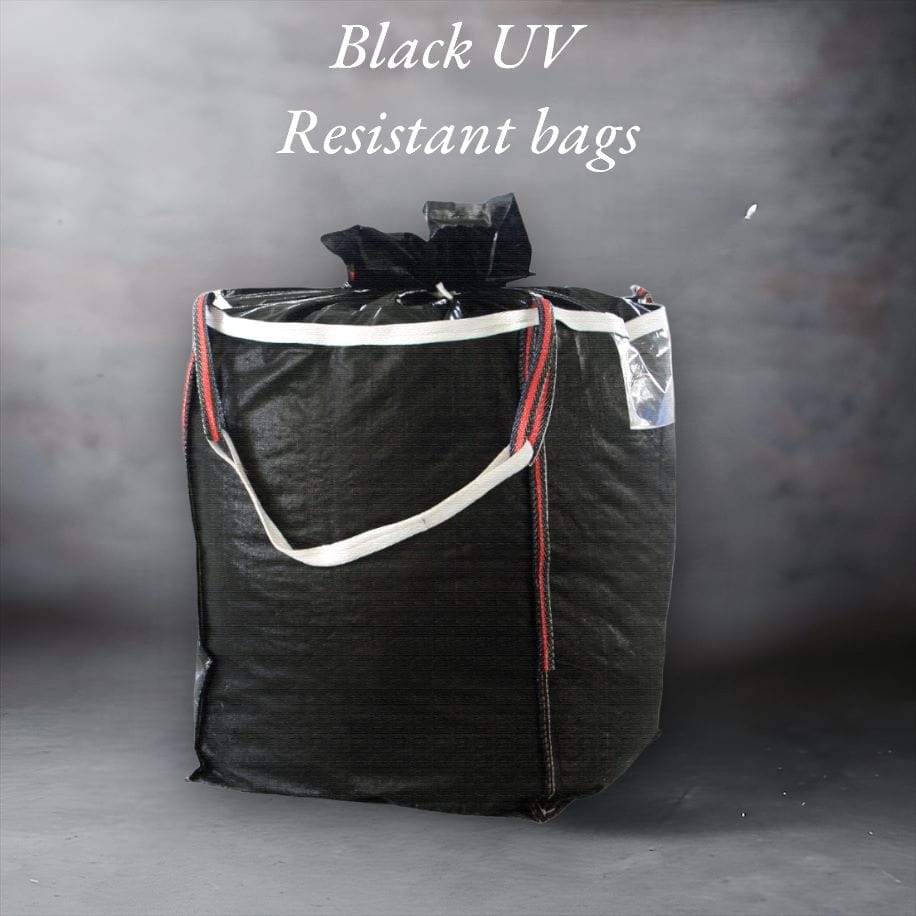 | FIBC Section Black Bags Black FIBC Bags – Enhanced UV Resistance & Extended Shelf Life UV exposure is one of the major challenges faced by the FIBC industry, as prolonged... |
Frequently asked questions
What is the difference between FIBC safe working load and fill weight?
Safe working load is the maximum load the complete bag can carry under its specified lifting method. Fill weight depends on the product’s bulk density, volume and loading plan.
What should you specify when ordering an FIBC jumbo bag?
Provide the product, bulk density, target fill weight, dimensions, loading and discharge method, lifting arrangement, stacking plan and required safety controls.
How do you match FIBC lifting loops to handling equipment?
Check that the loop configuration fits your forklift hooks, crane, spreader bar or lifting frame, then confirm floor construction and stacking limits.
Which FIBC risks matter during storage and export shipping?
Control moisture exposure, static discharge and contamination, then confirm the bag’s markings, test records and export paperwork match the cargo and destination.
Related products
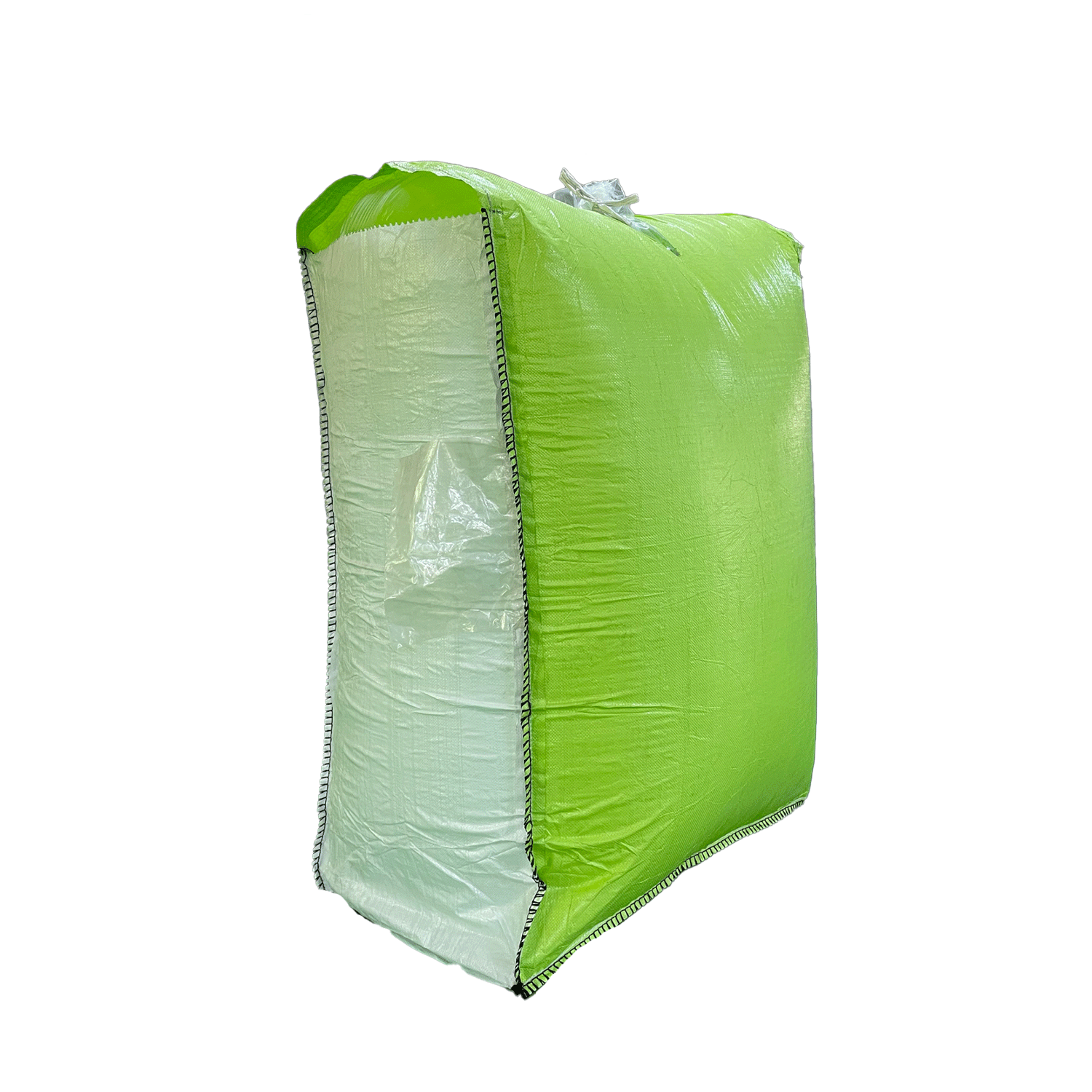 | FIBC Section Fertilizer Bag Range 1 & 2 Loop FIBC Bulk Bags Deccan Cans & Printers Pvt. Ltd. offers durable and cost-effective 1 & 2 Loop FIBC Bulk Bags, designed for the efficient... |
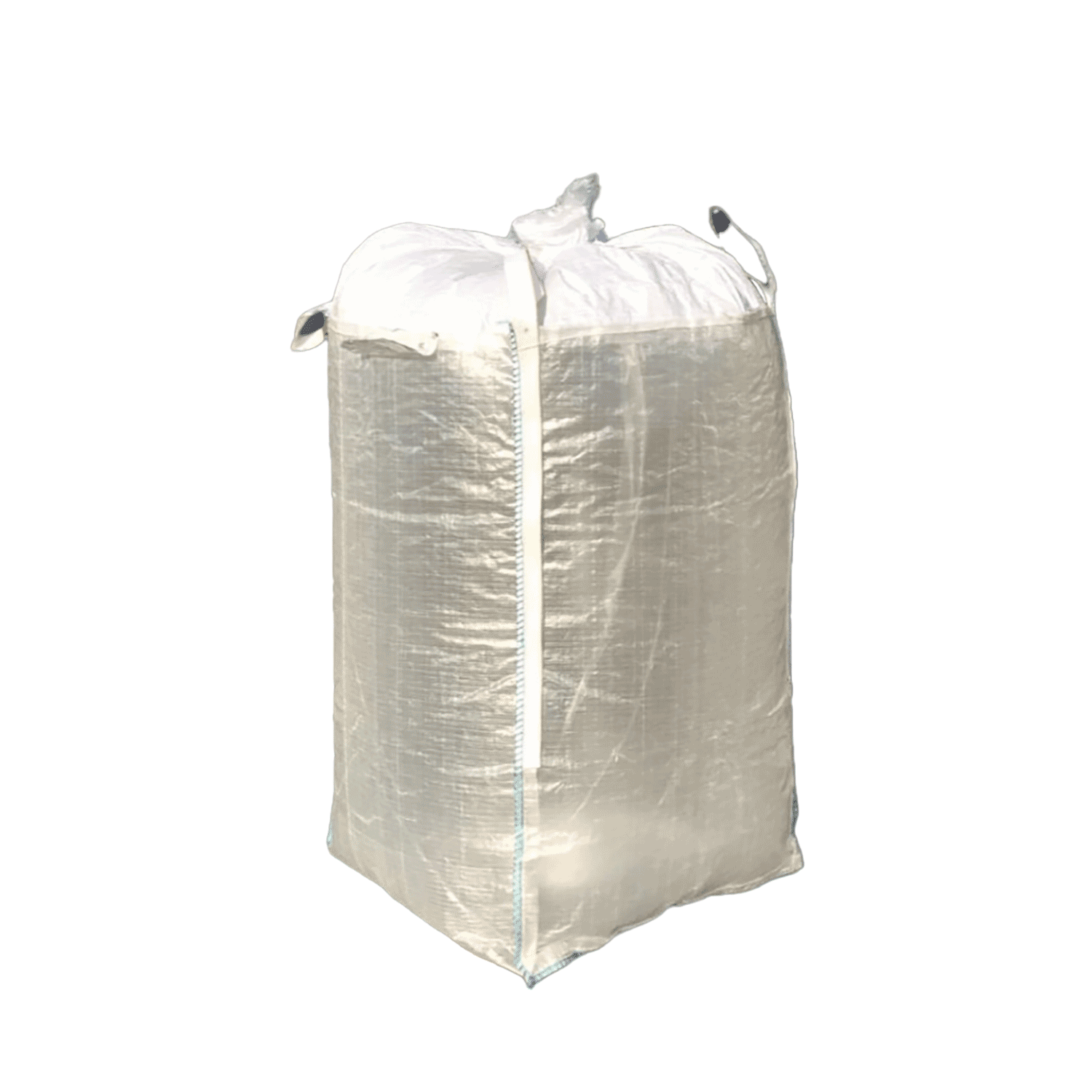 | FIBC Section Transparent Bags Transparent FIBCs – See-Through Bulk Bags Deccan Cans & Printers Pvt. Ltd. |
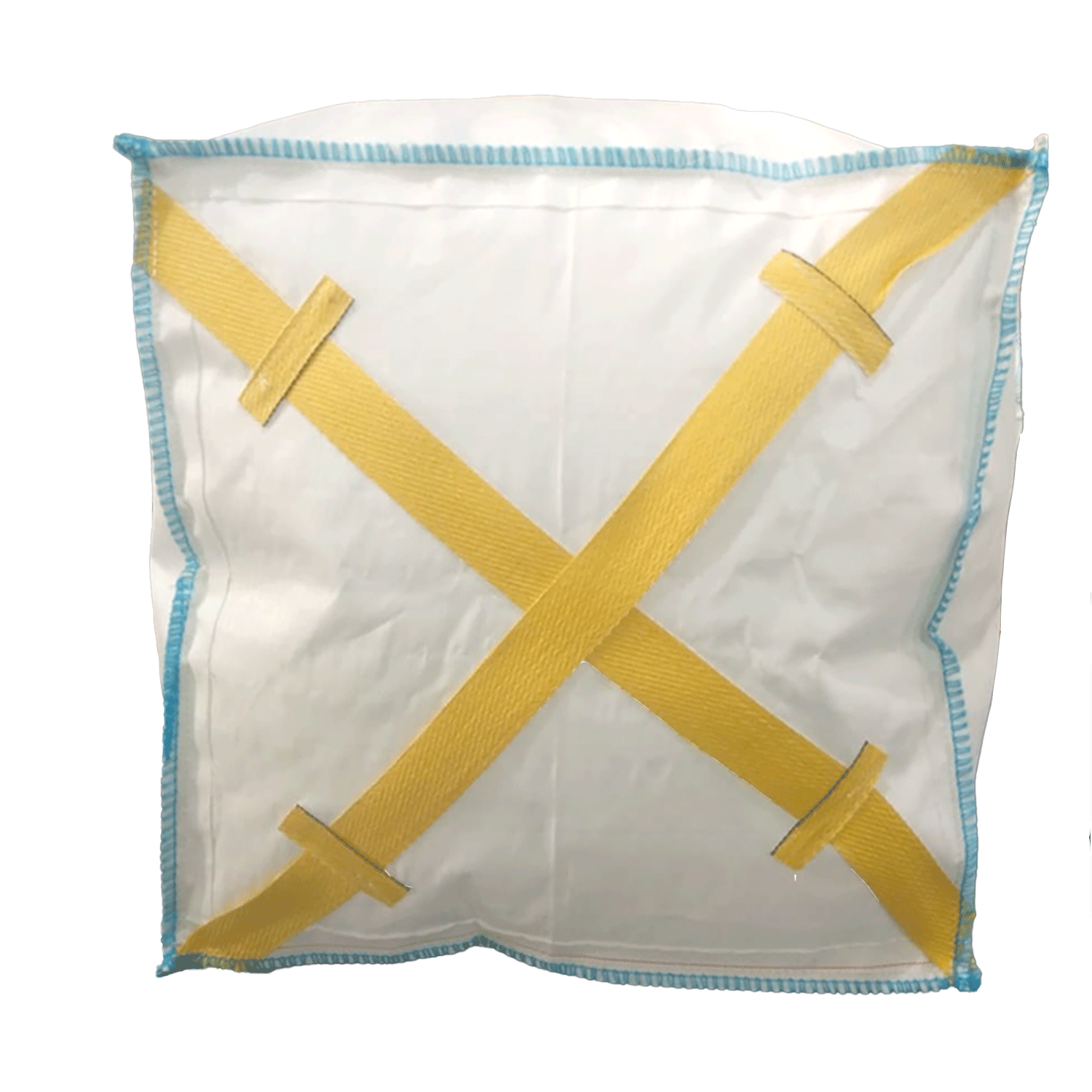 | FIBC Section Cross Bottom Sling Bags Cross Bottom Sling FIBCs – Bulk Bags Deccan Cans & Printers Pvt. Ltd. |
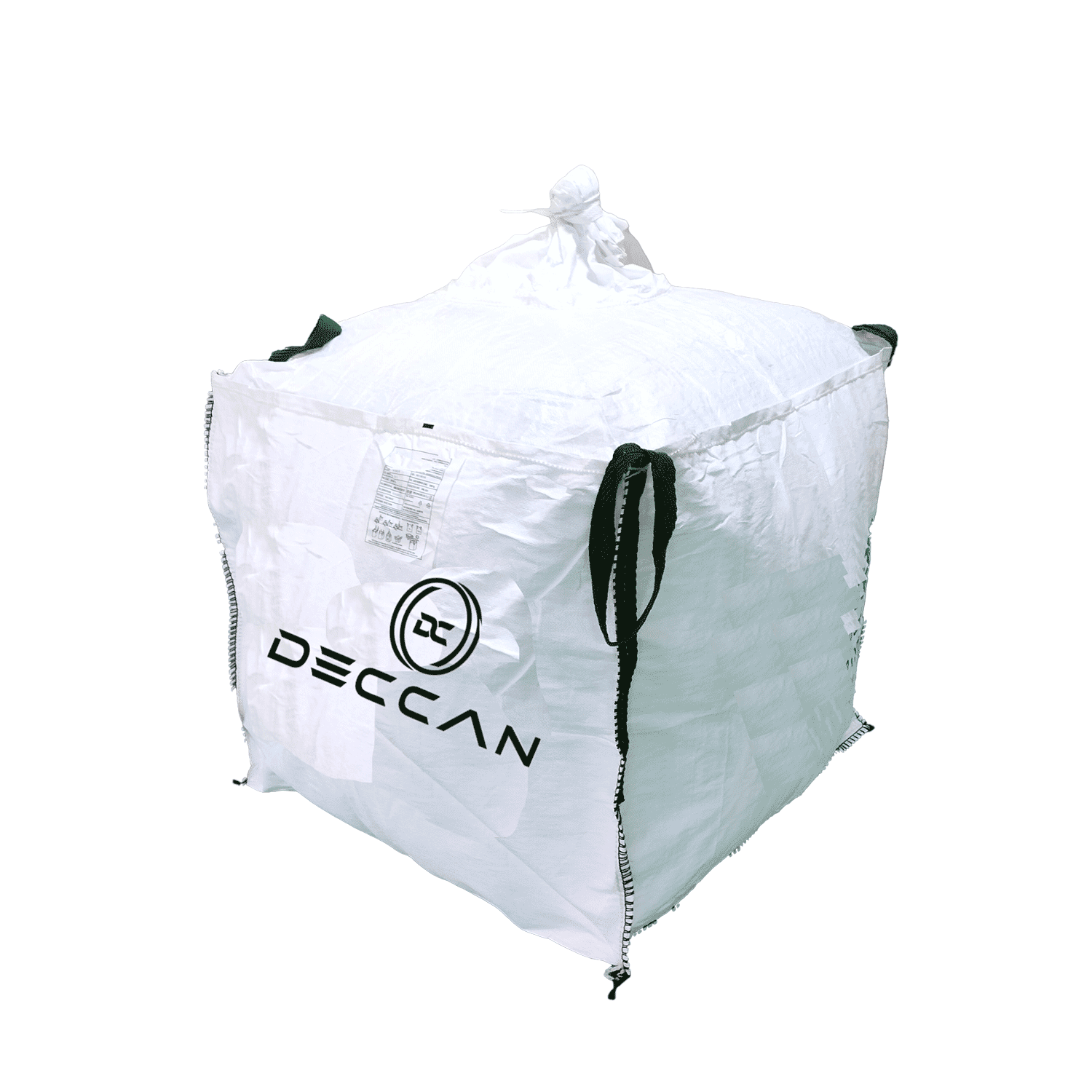 | FIBC Section Polyester Loop Bags/Multifilament Loops Polyester / Multifilament Loop FIBC Bags Deccan Cans & Printers Pvt. Ltd. |