
A bulk bag that looks right on paper can still fail when its powder bridges, its liner traps moisture, or its lifting loops carry an uneven load. By the end, you will be able to turn your material, handling method and hazard profile into a precise FIBC specification and compare suppliers on testing, documentation and practical fit.
Key takeaways
- Specify SWL, safety factor, dimensions, loops, liner and closures.
- Choose capacity from material density and actual filled weight.
- Match static control to combustible dust and vapour hazards.
- Check seams, lifting loops and discharge closures before use.
What a custom FIBC specification must include
A quote starts with the material, the filled weight and the handling method—not a nominal volume. State the safe working load (SWL), required safety factor, FIBC dimensions and lifting loops, then define the FIBC fabric construction, seams, coating, liner, closures and discharge arrangement.
A small change in any load-bearing feature can require a different test configuration.
Specify these details before requesting a price:
- Body: uncoated or coated woven polypropylene, fabric weight, UV stabilisation and whether storage is covered and protected from rain, heat and condensation.
- Capacity: target fill weight, working volume, headspace and the maximum filled height.
- Handling: four corner loops, two loops, cross-corner loops or forklift sleeves; state the lifting method and equipment.
- Filling and emptying: top inlet style, bottom spout or flat base, spout diameter, closure and dust-control requirements.
- Product contact: separate liner or laminated fabric, liner material, food or pharmaceutical cleanliness requirements, and seam construction.
- Compliance: ISO 21898 for non-dangerous goods; for dangerous goods, identify the tested UN design type and required marking. Changing fabric, liner, dimensions or lifting arrangement can invalidate that design.
| Lifting choice | Define on the quote | Consequence of changing it |
|---|---|---|
| Four corner loops | Loop spacing and tested lifting method | Changes the load path and handling test |
| Cross-corner loops | Loop position and sling compatibility | May not suit the original lifting equipment |
| Forklift sleeves | Sleeve size, entry direction and SWL | Creates different support and stability demands |
| Discharge spout | Diameter, fabric, tie or valve closure | Affects controlled emptying and residual product |
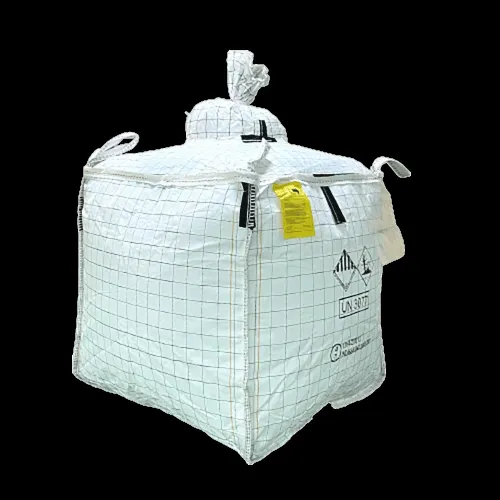
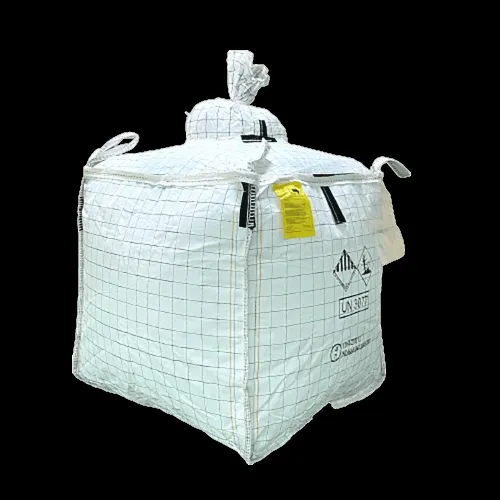
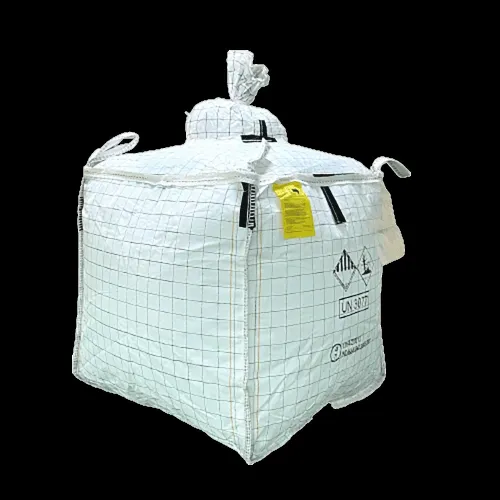
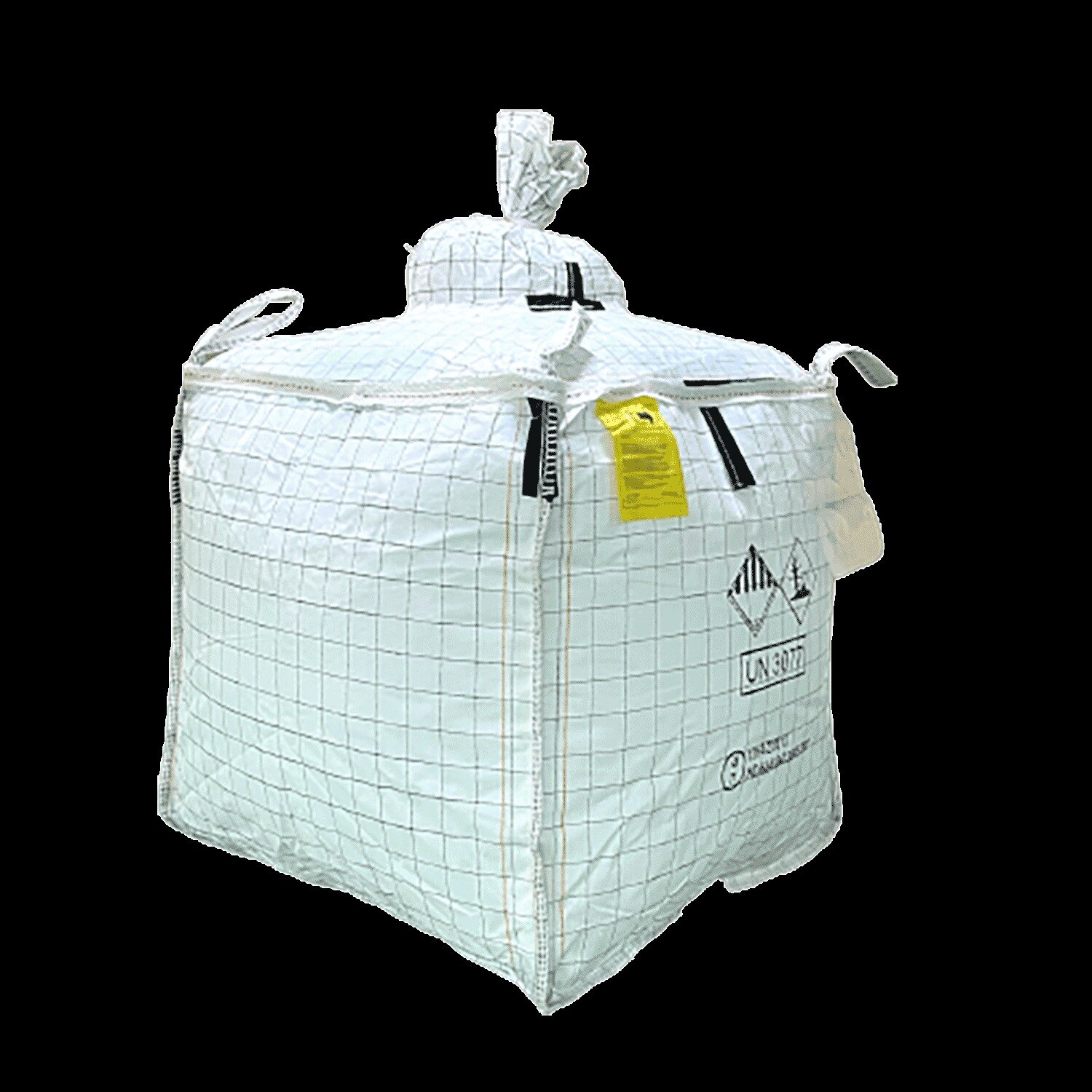
For Type C bags, include the grounding point and continuity test through conductive yarns, loops and any conductive liner. Grounding the filling machine alone does not ground the FIBC.
Choose the bag around the material and the real fill weight
A 1,000 kg fill does not automatically require a 1,000 kg bag. Calculate fill volume by dividing the required mass by the material’s bulk density, then add usable headspace for filling, settling and closure. A low-density, aerated powder needs more volume than its settled density suggests.
| Material behaviour | Sizing implication | Feature or check |
|---|---|---|
| Cohesive powder | Allow extra volume because bridging and poor aeration can leave product trapped | Trial filling and discharge; consider a liner and sift-proof seams |
| Free-flowing granules | Density and particle size usually give a more predictable fill volume | Match inlet and outlet sizes to the flow rate and equipment |
| Flakes or irregular particles | Protect against bridging, hang-up and uneven settling | Test the discharge arrangement rather than approving dimensions alone |
FIBC bags for powder, granules and flakes must be chosen for how the material moves, not just how much it weighs. A tight liner or sift-proof seam can reduce leakage while increasing retained product and emptying time. Ask for a trial using the actual material, target mass and discharge equipment.
Specify the safe working load and tested lifting configuration separately from bag volume. Four corner loops, two loops, cross-corner loops, forklift sleeves and different discharge spouts change the load path; changing them can invalidate an otherwise suitable design.
For fertilizer bulk bags, check moisture exposure and caking during storage. For food and pharmaceutical FIBCs, require a supplier declaration and compliance evidence covering the commodity, temperature and contact duration; clean virgin polypropylene alone does not prove food-contact suitability.
Match FIBC static control to the dust and vapour hazard
A bag’s static-control type must match the material’s minimum ignition energy, dust explosibility, vapour hazard, humidity, transfer equipment and site procedures. A dissipative liner alone does not make an FIBC safe in a flammable atmosphere, and no FIBC contains an explosion.
| Type | What it provides | When to use it |
|---|---|---|
| Type A FIBC | No static-control protection | Non-flammable products where no flammable dust or vapour atmosphere exists |
| Type B FIBC | Limits brush discharges from the fabric | Combustible dust with minimum ignition energy above 3 mJ; never use it where flammable gas or vapour is present |
| Type C FIBC | Conductive yarns that must be connected to earth | Flammable dust or vapour hazards when you can maintain verified grounding throughout filling and discharge |
| Type D FIBC | Dissipates charge without a grounding connection | Specified hazardous-dust applications where the bag’s certification, product and process conditions match; keep conductive contamination away from the fabric |
Type C FIBC grounding starts before filling. Connect the bag’s marked grounding point to a verified plant earth, then keep that connection intact until discharge is complete.
- Check continuity through the grounding point, conductive yarns, lifting loops and any conductive liner in the assembled bag.
- Use the manufacturer’s resistance limit and site test procedure; do not assume the filling machine grounds the bag.
- Repeat the check after moving, repairing, laundering or contaminating the bag.
- Stop work if the earth clamp, bonding lead or conductive path is damaged.
Ask for the bag type, test evidence and operating limits in writing. If the dust or vapour hazard is uncertain, have a competent hazardous-area specialist assess the complete transfer system.
Verify the bag before filling, lifting and discharging
Before filling, verify the assembled FIBC against its approved specification: safe working load (SWL), FIBC safety factor, dimensions, lifting configuration, liner, seams, closures and discharge spout. Volume approval alone does not prove safe handling.
Use this FIBC inspection checklist:
- Examine the fabric, seams, loops, lifting points, liner and closures for cuts, abrasion, loose stitching, contamination or moisture damage. Reject the bag if any lifting loop is distorted or partly detached.
- Match the identification tag to the intended product, fill mass, SWL and tested lifting configuration. Do not substitute two-loop lifting for four-loop lifting, or forklift sleeves for corner loops, without validation.
- Confirm the FIBC lifting procedures before filling: use rated equipment, engage every specified loop, lift vertically, keep people clear, and never drag or suspend a loaded bag over workers.
- Trial-fill and discharge powders at the planned rate. Check whether aeration, bridging, a liner or a tight sift-proof seam traps product or prevents the FIBC discharge spout from opening fully.
- For a Type C bag, test electrical continuity through the fabric, loops, liner and grounding point in the assembled bag. Ground the FIBC itself before transfer; grounding only the filling machine is inadequate.
- Secure the discharge closure before moving the bag, then open it gradually with the receiving equipment ready. Stop if the bag bulges, tears, shifts or releases dust unexpectedly.
Record inspection results and retire a bag after damage, an unknown load history or any repair that changes its tested construction. For dangerous goods, confirm the UN marking matches the complete tested design.
Turn the specification into a tested Sydney supply brief
A buyer seeking custom FIBC bags in Sydney, Australia needs a brief that a factory can test, not a sketch showing only volume. Attach the material safety data sheet, bulk density, target fill weight, particle size, temperature, moisture exposure, filling method and discharge equipment.
1. Request a sewn production sample at the specified dimensions, fabric, liner, seams, loops, inlet and outlet. Confirm the safe working load (SWL), safety factor, tested lifting configuration and whether the sample represents the final construction.
2. Ask for the ISO 21898 FIBC test report covering lifting, drop, topple, tear and stacking performance. ISO 21898 addresses non-dangerous goods; request UN FIBC certification separately for dangerous goods, including the exact designation such as 13H1, 13H2, 13H3 or 13H4.
3. For food or pharmaceutical contact, request a supplier declaration identifying the material, commodity, temperature and contact duration, plus migration or other supporting compliance evidence. Virgin polypropylene alone proves nothing.
4. Ask how the bag handles Sydney storage: UV stabilisation, covered-storage limits, rain, condensation and heat. SWL does not equal outdoor durability.
5. Confirm Type C grounding continuity through fabric, loops and liner on the assembled bag, and ask how repairs are retested.
Deccan Cans & Printers Pvt. Ltd. is a useful comparison point when asking an FIBC supplier Sydney about liners, black fabric or cross-corner lifting; compare test evidence, not colour or catalogue labels. Supplier drawings must show every load path and closure.
Related products
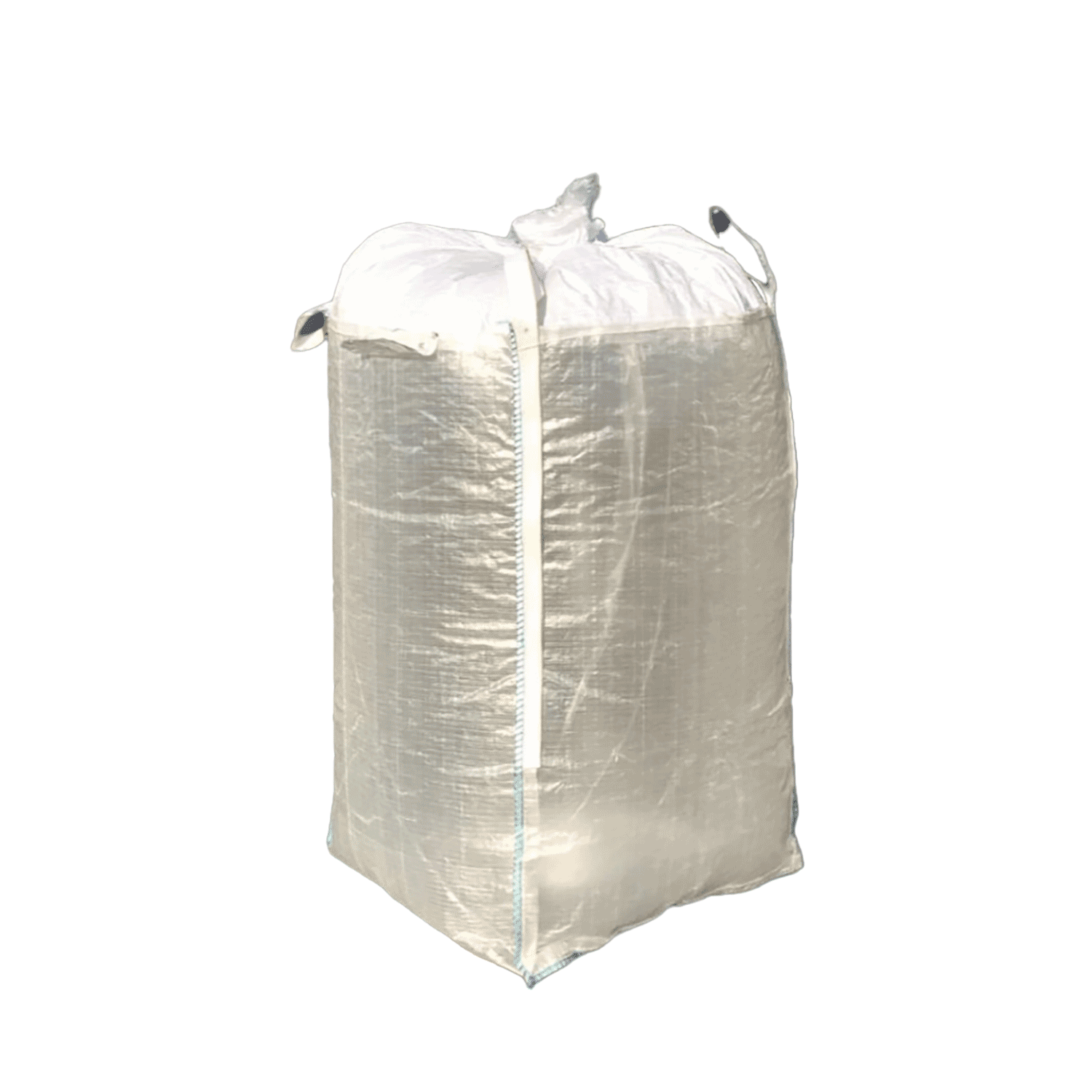 | FIBC Section Transparent Bags Transparent FIBCs – See-Through Bulk Bags Deccan Cans & Printers Pvt. Ltd. |
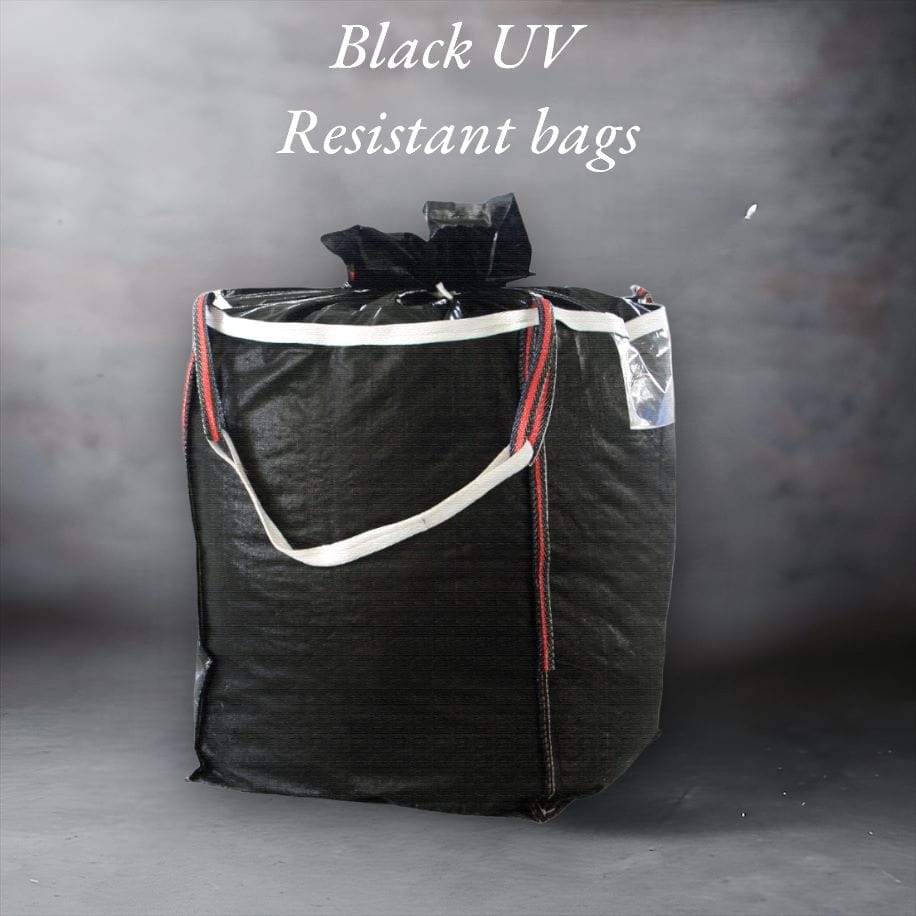 | FIBC Section Black Bags Black FIBC Bags – Enhanced UV Resistance & Extended Shelf Life UV exposure is one of the major challenges faced by the FIBC industry, as prolonged... |
Frequently asked questions
What must a custom FIBC specification include?
State the material, filled weight, SWL, safety factor, dimensions, lifting loops, fabric, seams, coating, liner, closures and discharge arrangement.
How do you choose an FIBC for the real fill weight?
Base the specification on material density, actual filled weight, filling method and handling equipment rather than nominal volume alone.
How do you match FIBC static control to the hazard?
Assess combustible dust and vapour risks, then select the required FIBC type and grounding controls for the filling, transport and discharge process.
What should you verify before filling, lifting and discharging?
Check the bag identification, SWL, seams, lifting loops, fabric, liner, closures and discharge outlet for damage or mismatch with the approved specification.
Related products
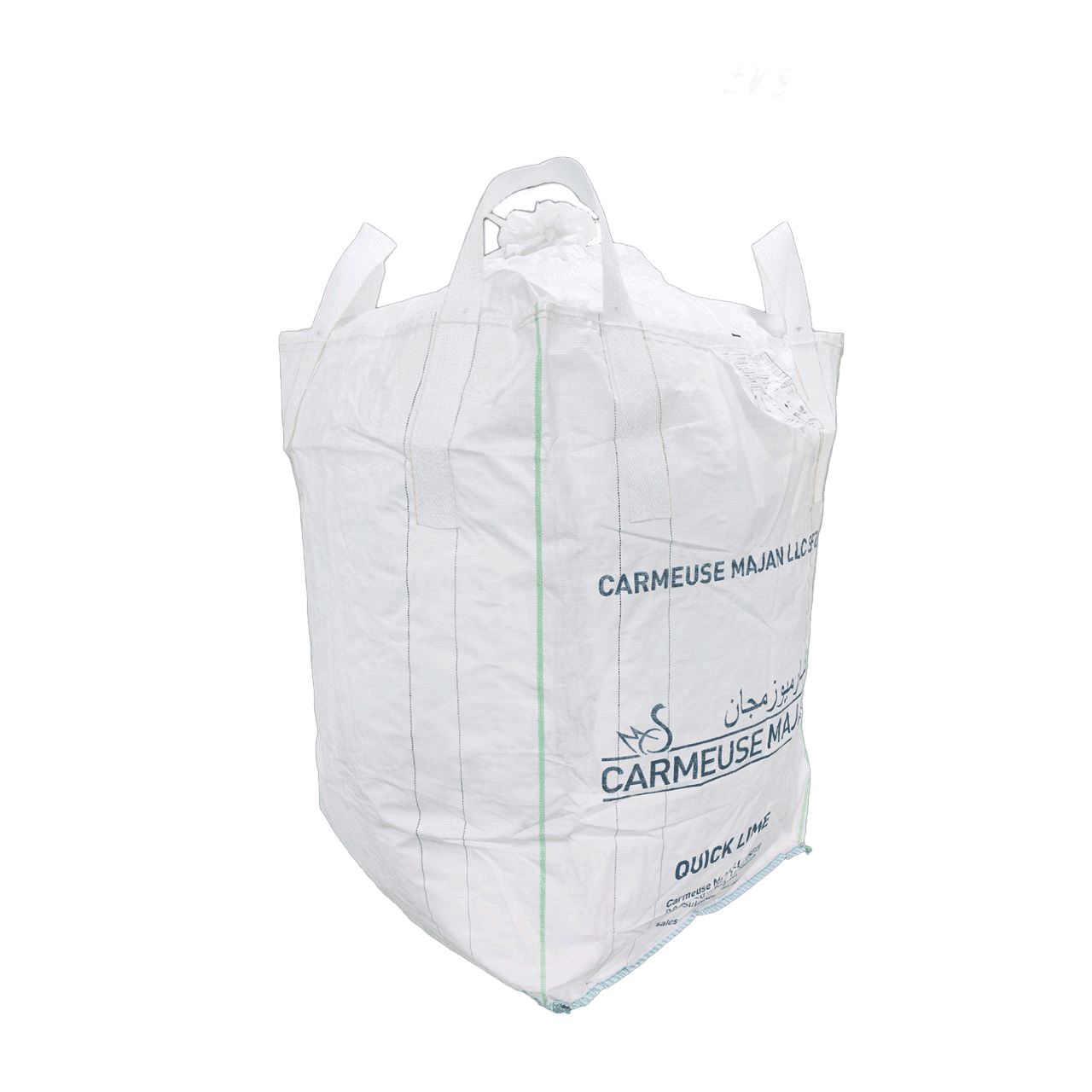 | FIBC Section Bags With Liners FIBC Liners – Bulk Bag Liners Deccan Cans & Printers Pvt. Ltd. |
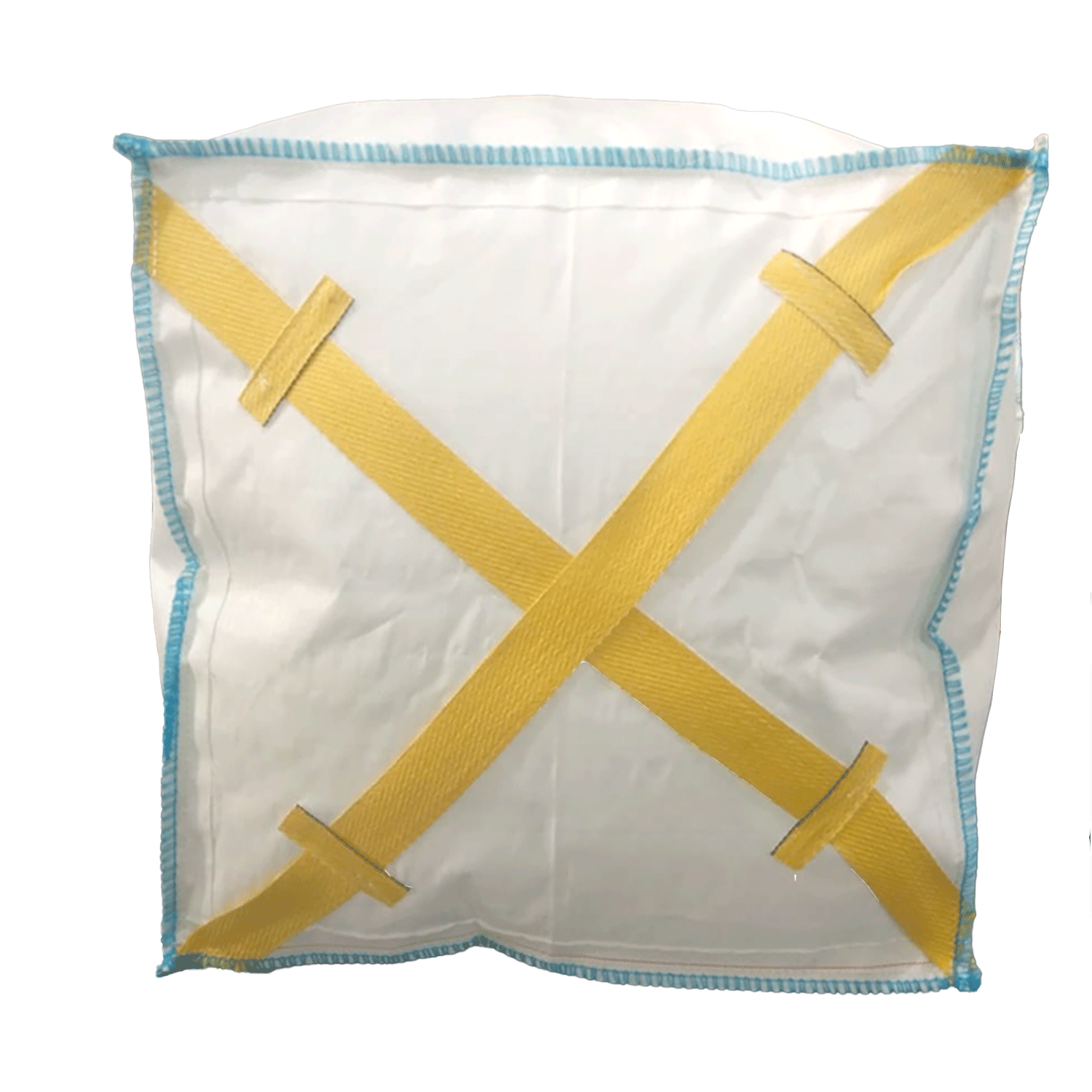 | FIBC Section Cross Bottom Sling Bags Cross Bottom Sling FIBCs – Bulk Bags Deccan Cans & Printers Pvt. Ltd. |
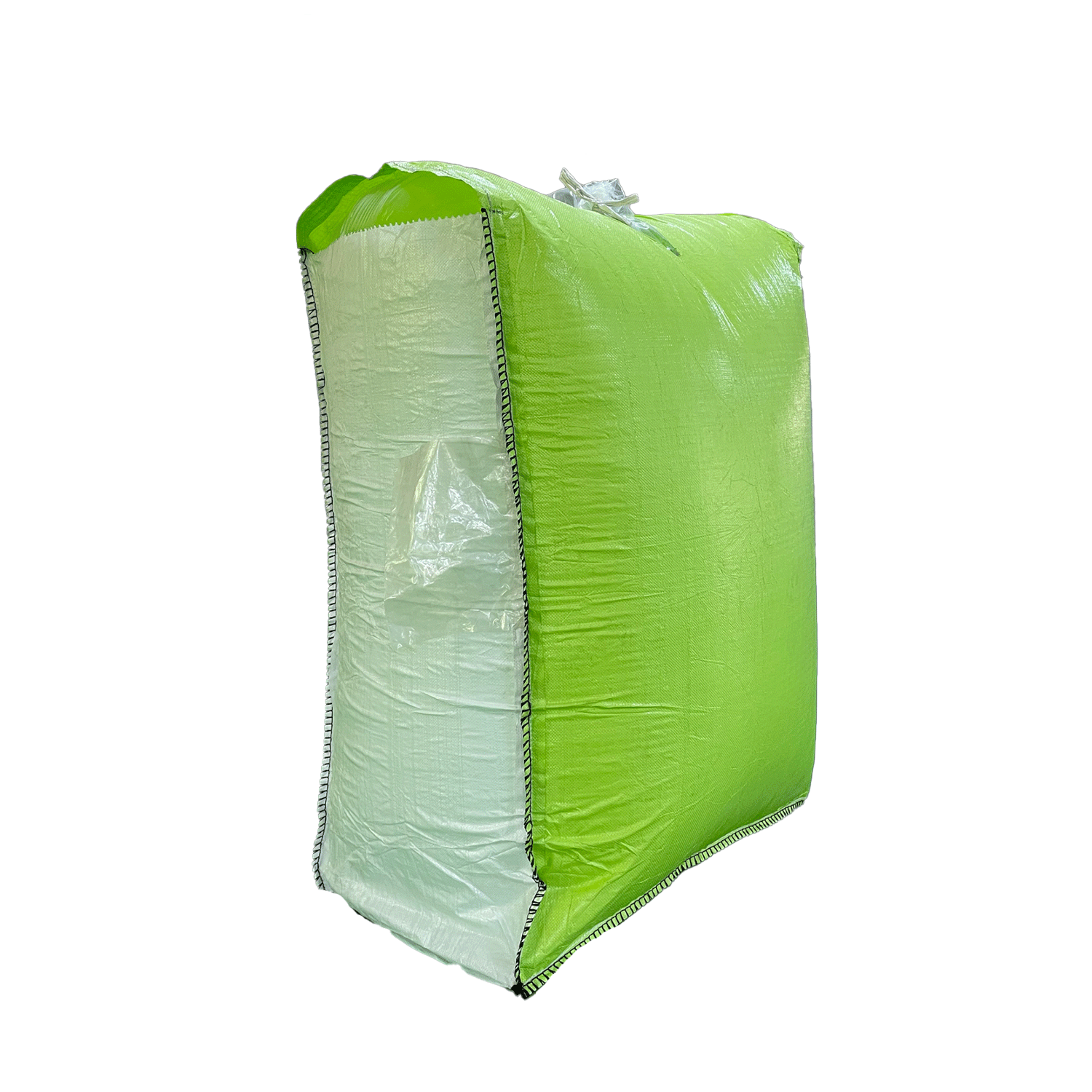 | FIBC Section Fertilizer Bag Range 1 & 2 Loop FIBC Bulk Bags Deccan Cans & Printers Pvt. Ltd. offers durable and cost-effective 1 & 2 Loop FIBC Bulk Bags, designed for the efficient... |
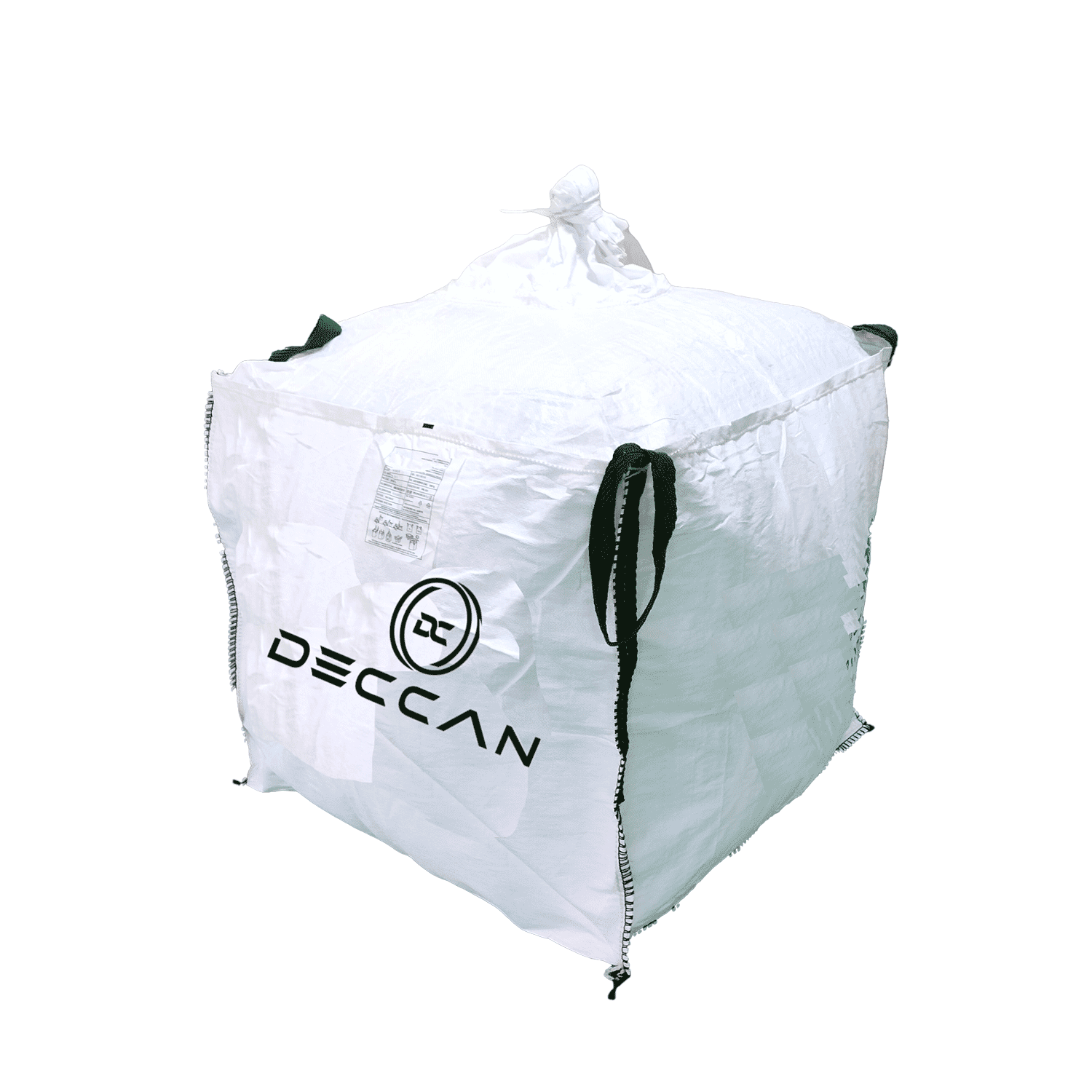 | FIBC Section Polyester Loop Bags/Multifilament Loops Polyester / Multifilament Loop FIBC Bags Deccan Cans & Printers Pvt. Ltd. |