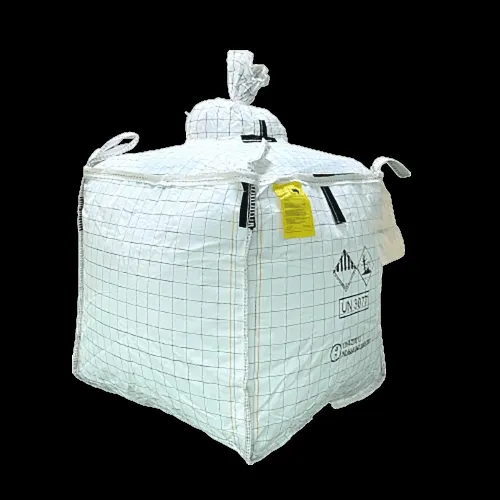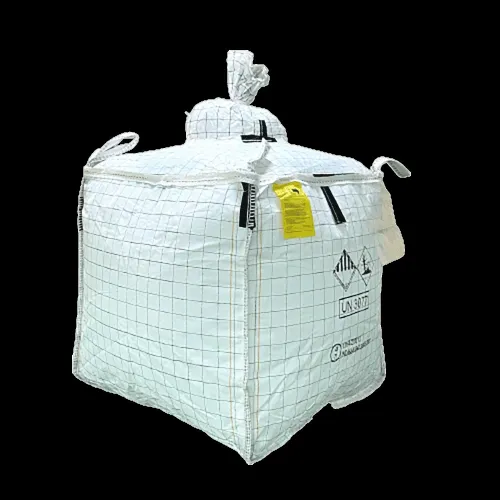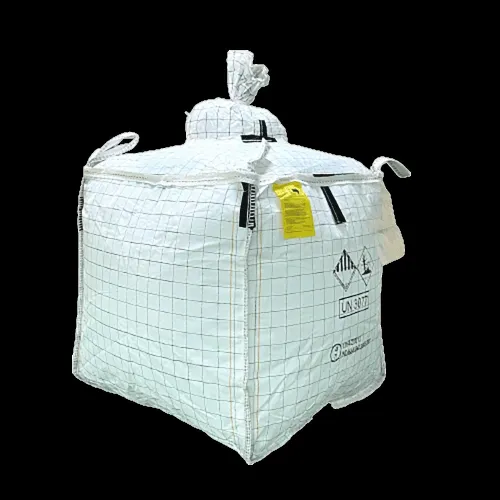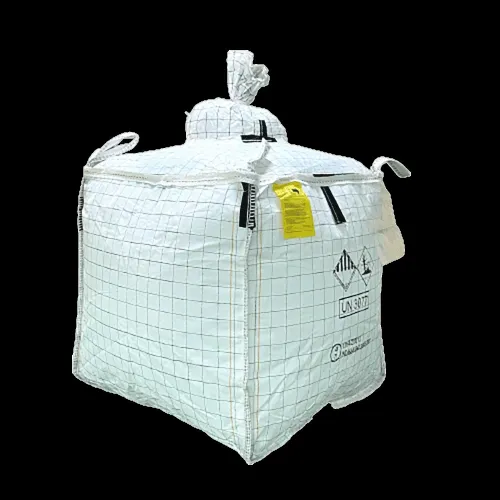

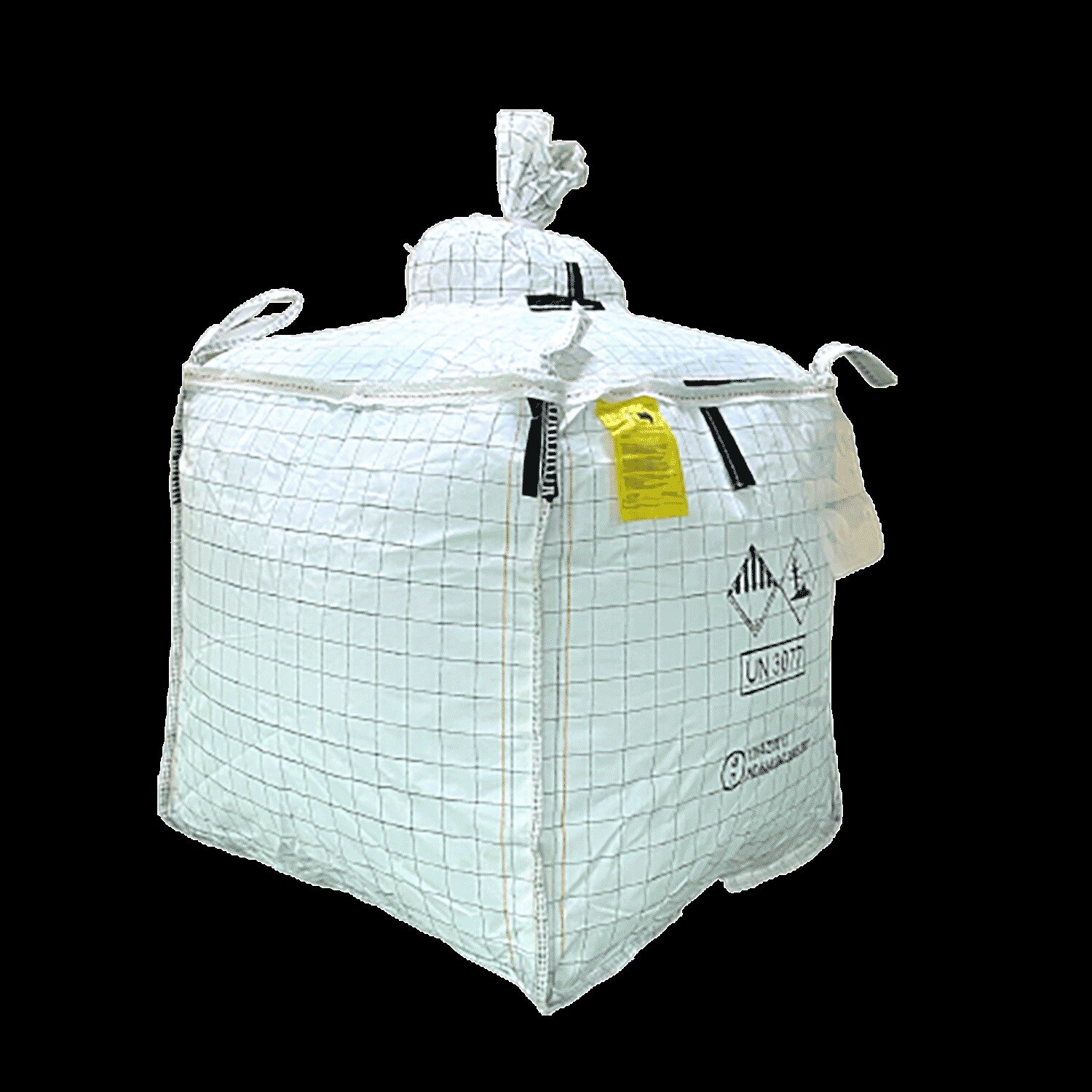
Choosing a heavy-duty FIBC is a load-engineering decision, not a volume-only purchase: the wrong SWL, lifting arrangement, electrostatic classification or discharge outlet can damage equipment and expose workers to serious risk. By the end, you will be able to compare bag specifications, match a design to your material and handling system, and reject bags that are unsafe to fill or reuse.
Key takeaways
- Confirm SWL, safety factor and required handling cycles before ordering.
- Match bag construction, liner and discharge design to the material.
- Use Type C or Type D controls for combustible-dust electrostatic risks.
- Verify forklift, crane, hopper, rack and dangerous-goods compatibility.
What makes an FIBC heavy-duty rather than standard?
A heavy-duty FIBC definition is a bag built for a higher specified safe working load, tougher handling cycle or more demanding material than a standard FIBC. Hazardous-material bulk bags require additional construction and approval for dangerous goods; “heavy-duty” alone does not provide that approval.
| Type | Meaning | Check before purchase |
|---|---|---|
| Standard FIBC | General-purpose bag for non-dangerous goods | SWL, fabric, loops and handling method |
| Heavy-duty FIBC | Reinforced or higher-rated design for greater load or harsher handling | Tested SWL, seams, lifting-loop rating and intended reuse |
| Hazardous-material FIBC | UN-approved flexible packaging for specified dangerous goods | Exact UN code, substance compatibility and packing group |
- Record the product bulk density, particle size, moisture sensitivity, filling method, discharge arrangement, lifting method and intended reuse.
- Confirm bag dimensions, capacity in litres or cubic metres, tare weight and lifting-loop rating. Two bags with the same nominal volume can have different safe loads because fabric strength, dimensions, density and loop construction differ.
- Treat the SWL as the maximum permitted working load for the stated handling method, not the burst load. A 5:1 or 6:1 safety factor FIBC rating never permits loading five or six times the SWL.
- Match the bottom spout diameter, closure, liner connection and clamping access to the receiving equipment.
ISO 21898 covers FIBCs for non-dangerous goods. UN 13H1, UN 13H2, UN 13H3 and UN 13H4 identify dangerous-goods construction types; a UN mark does not prove suitability for every substance or packing group. Compare prices only after these specifications match.
How do you match the bag to the material and lifting method?
FIBC selection by material starts with its physical form and handling objective. Powder needs sift control and a discharge system that limits dust. Granules and flakes need fabric strength and outlet dimensions that prevent bridging.
Fertilizer requires compatibility with the product and its intended handling cycle; construction waste needs a rating based on actual density, sharp edges and lifting method. Asbestos requires the specified containment and disposal process. Moisture-sensitive products need a liner and closure system assessed as a complete assembly.
| Design | Equipment it suits |
|---|---|
| one-loop FIBC | Single-point lifting equipment designed for one rated loop |
| two-loop FIBC | Two-hook beams or compatible forklift handling |
| four-loop FIBC | Four-hook beams and forklifts that support every loop |
| cross-corner sling | Forklift or crane attachments designed to engage diagonal corner loops |
| cross-bottom sling | Equipment that supports the bag from its bottom sling arrangement |
Do not treat these designs as interchangeable. Using fewer loops than specified, lifting loop corners with incompatible forks, dragging a filled bag, or abrading loops against forks can invalidate the nominal SWL.
Specify the FIBC discharge spout by the receiving equipment, not bag volume alone. Confirm bottom spout diameter, closure type, liner connection and clamping access: these control flow, dust release, residual material and safe shut-off.
- Ask whether the liner fits and seals through filling and discharge.
- Check that operators can tie or clamp the spout before opening it.
- Reject a design that bridges, leaks dust or leaves unsafe residual material.
Which FIBC electrostatic type fits a combustible-dust process?
Choose the FIBC type from the dust hazard and process controls, not from a label alone. IEC 61340-4-4 classifies bags as follows:
| Type | Electrostatic behaviour | Operating condition |
|---|---|---|
| Type A | Provides no electrostatic control | Do not use where combustible dust requires charge control |
| Type B | Limits brush-discharge risk under specified conditions | Confirm the dust and process fall within those conditions |
| Type C | Uses conductive yarns to discharge charge | Maintain a reliable earth connection throughout handling |
| Type D | Dissipates charge without a dedicated earth connection | Maintain the specified bag construction and clean handling controls |
For Type C, connect the grounding system before product flow starts and keep it connected through filling and discharge. Verify electrical continuity and the grounding arrangement in the delivered, lined configuration. An insulating or incorrectly fitted polyethylene liner can interrupt the conductive path in a conductive FIBC.
“Antistatic” on an antistatic FIBC label does not prove suitability. Type C and Type D are not interchangeable; substituting one for the other changes the control method and operating conditions.
Control the process beyond the bag. Dust zoning, ignition-source control, bonding and earthing, ventilation and explosion protection depend on dust explosibility, minimum ignition energy, concentration, particle size, humidity and confinement. Obtain competent hazardous-area advice before selecting an FIBC for combustible dust.
Will the filled bag work with your forklift, crane, pallet, hopper or rack?
Approve the filled-bag route only after every transfer point matches the bag’s loops, footprint, outlets and specified SWL.
1. Confirm forklift handling: pockets or forks must support every specified lifting loop without cutting or abrading the woven fabric. Do not use fewer loops, incompatible fork corners, or drag a filled FIBC.
2. Verify crane lifting: hooks and lifting beams must engage every required loop vertically, without side loading. Check the pallet supports the entire base and has no nails, splinters or edges that puncture fabric.
3. Measure the hopper, discharge station and warehouse racking. The hopper must accept the bag footprint and discharge spout; the discharge station needs access to tie, clamp and stop flow. Racking must support the filled base, not rely on unverified loop suspension.
4. Before filling, complete an FIBC inspection. Check woven fabric for cuts, holes, UV embrittlement and chemical damage; seams for pulled stitching; lifting loops for fraying, contamination and distortion; the top inlet and bottom discharge spout for damaged closures; the liner for tears, poor fit and contamination; and every label for legibility.
5. Apply rejection criteria immediately. Reject any bag with exposed product contamination, a broken or cut lifting loop, torn seams, punctures, brittle fabric, a damaged spout, or missing SWL and handling markings.
Give an FIBC Sydney supplier or manufacturer your site dimensions, equipment, product density, discharge method and required SWL. Deccan Cans & Printers Pvt. Ltd. can use those details to develop a custom FIBC specification rather than quote a generic volume.
Related products
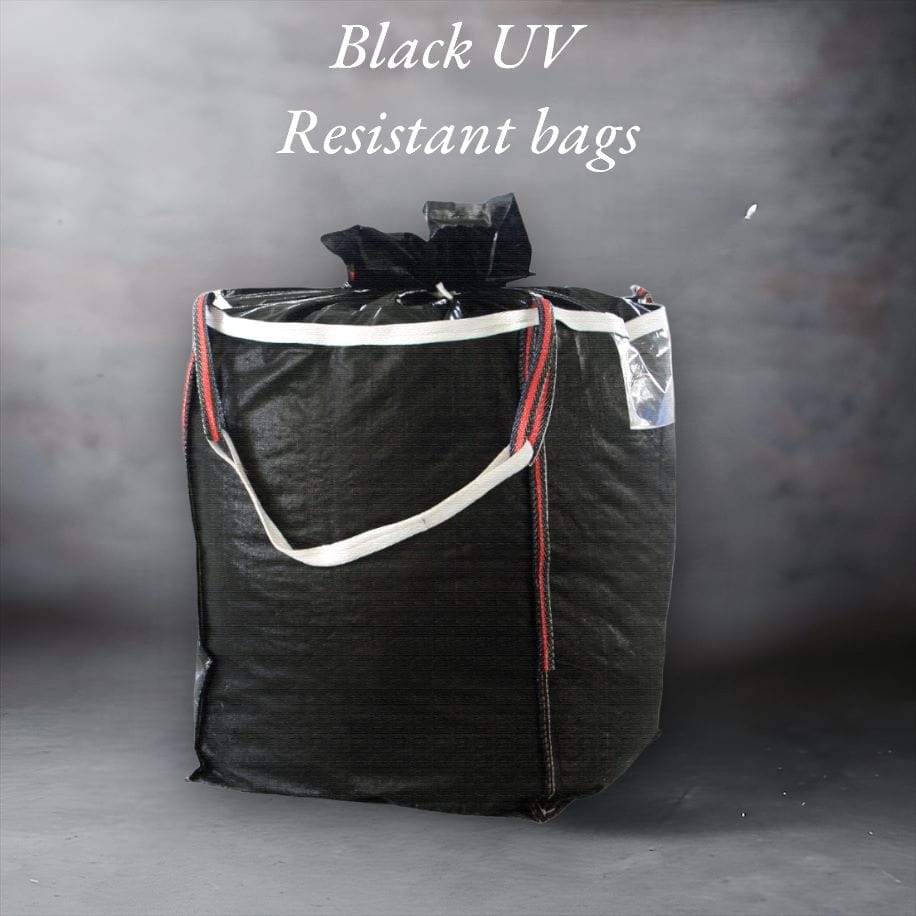 | FIBC Section Black Bags Black FIBC Bags – Enhanced UV Resistance & Extended Shelf Life UV exposure is one of the major challenges faced by the FIBC industry, as prolonged... |
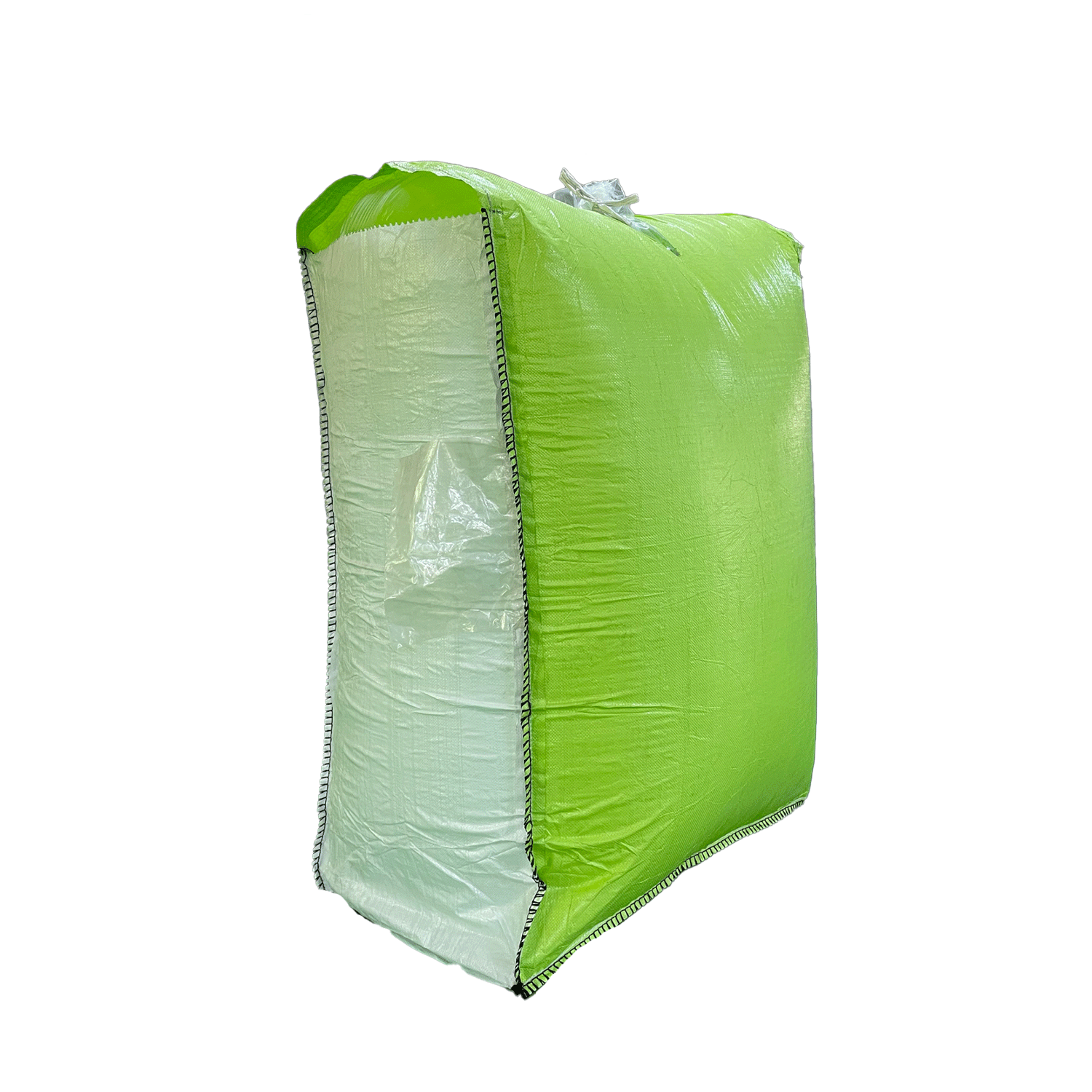 | FIBC Section Fertilizer Bag Range 1 & 2 Loop FIBC Bulk Bags Deccan Cans & Printers Pvt. Ltd. offers durable and cost-effective 1 & 2 Loop FIBC Bulk Bags, designed for the efficient... |
What must you verify for dangerous goods, outdoor storage and repeat use?
Treat regulatory suitability and general durability as separate checks. A heavy-duty UN flexible intermediate bulk container for dangerous goods needs an approved construction, not just strong fabric.
1. Ask for the exact UN packaging code: 13H1, 13H2, 13H3 or 13H4. Confirm that the code matches the substance, its compatibility with the fabric and liner, and the permitted dangerous goods packing group. A general UN mark does not prove approval for your product.
2. Control outdoor storage as a separate risk. Woven polypropylene suffers UV degradation; UV-stabilised fabric extends service life but does not permit indefinite exposure. Keep the FIBC in covered, dry storage away from direct sunlight unless the supplier provides a validated exposure period.
3. Treat a polyethylene liner as a containment and sift or moisture barrier, not as a guarantee of a waterproof FIBC. Closure details, seams, spouts, liner fit and handling damage remain leak paths.
For a food-grade FIBC or pharmaceutical powder, obtain documented suitability for the product-contact fabric, liner, inks, coatings, thread and processing aids at the intended temperatures, plus Australian food-contact compliance evidence.
4. Do not call a bag a reusable FIBC because it carries a 5:1 or 6:1 rating. Before another trip, document a multi-trip inspection, cleaning method, contamination control, fabric and seam checks, loop condition, liner integrity, legible markings and electrostatic requalification; cleaning can change charge-dissipation performance.
Reject any bag with cuts, UV embrittlement, contamination or damaged lifting components.
Frequently asked questions
What makes an FIBC heavy-duty rather than standard?
Compare the specified safe working load, safety factor, fabric strength, seam construction and required handling cycles. Heavy-duty describes performance; it does not by itself approve a bag for dangerous goods.
How do you match an FIBC to the material and lifting method?
Check material density, flow behaviour, moisture and contamination risks, then select the liner, fabric, filling and discharge features. Confirm that the lifting loops suit your forklift tines, crane hooks or lifting frame.
Which FIBC electrostatic type fits a combustible-dust process?
Use the electrostatic classification that matches your documented risk assessment: Type C requires grounding during filling and discharge, while Type D dissipates charge without a grounding connection under controlled conditions. Type A is unsuitable where combustible dust or flammable vapour creates an ignition risk.
Will a filled FIBC work with a forklift, crane, pallet, hopper or rack?
Check the filled bag's dimensions, centre of gravity, loop configuration, SWL, clearance and discharge position against each item of equipment. Do not assume a pallet, rack or lifting attachment is rated for the filled weight.
What must you verify for dangerous goods, outdoor storage and repeat use?
For dangerous goods, verify the correct UN-certified packaging design, marking, test documentation and transport requirements. For outdoor storage, protect the bag from ultraviolet exposure, rain and ground moisture. For repeat use, obtain the manufacturer's reuse instructions and inspect fabric, seams, loops and base before every lift.
Related products
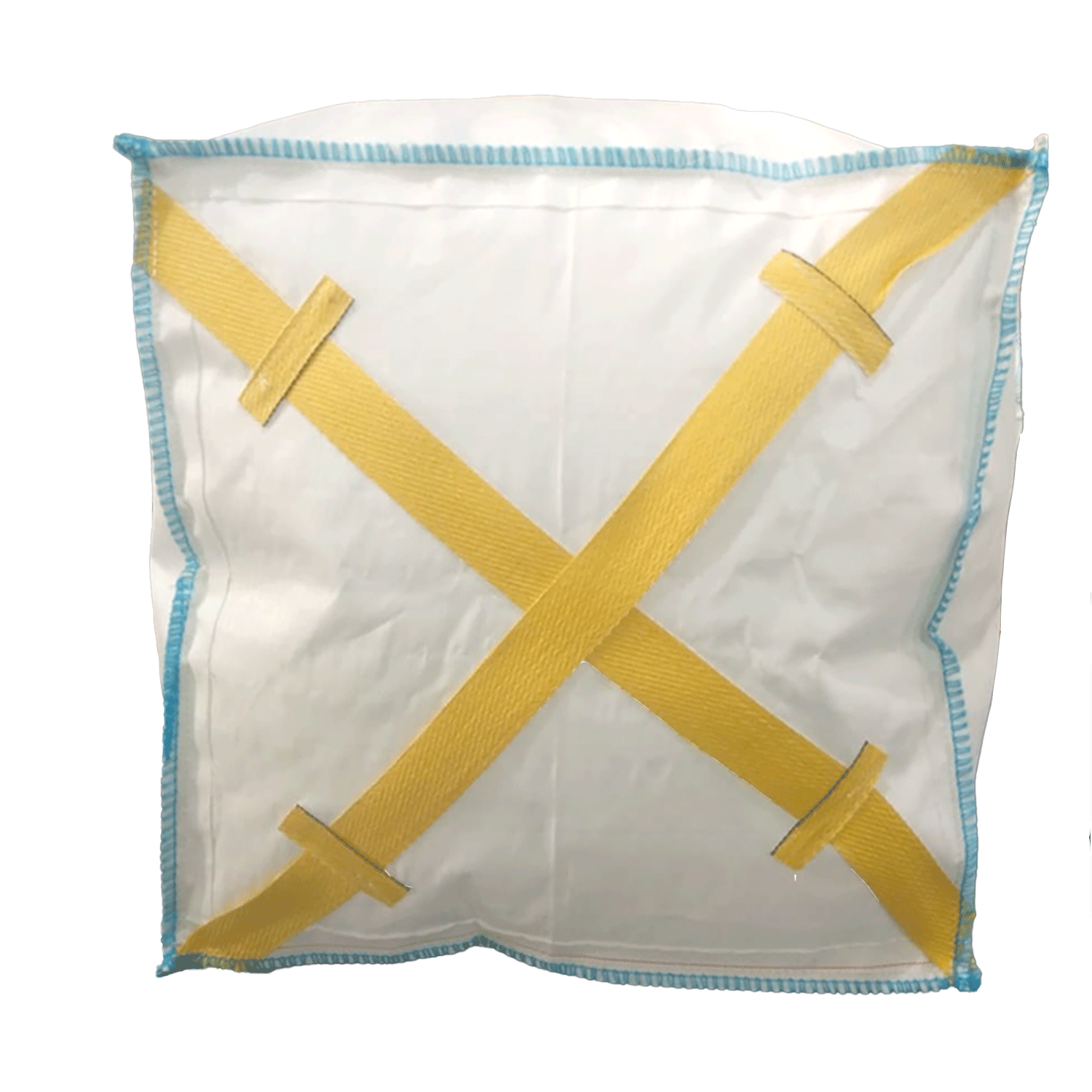 | FIBC Section Cross Bottom Sling Bags Cross Bottom Sling FIBCs – Bulk Bags Deccan Cans & Printers Pvt. Ltd. |
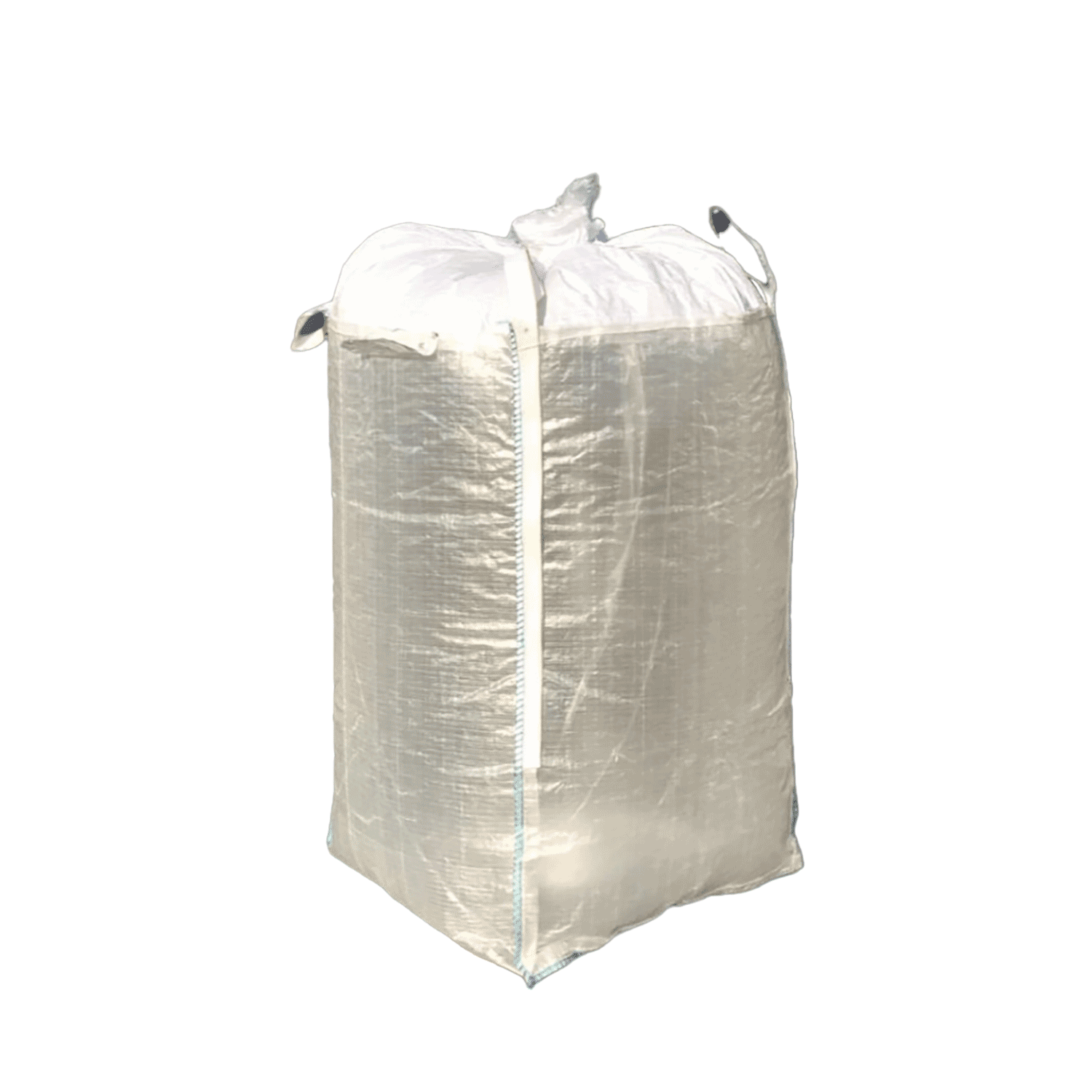 | FIBC Section Transparent Bags Transparent FIBCs – See-Through Bulk Bags Deccan Cans & Printers Pvt. Ltd. |
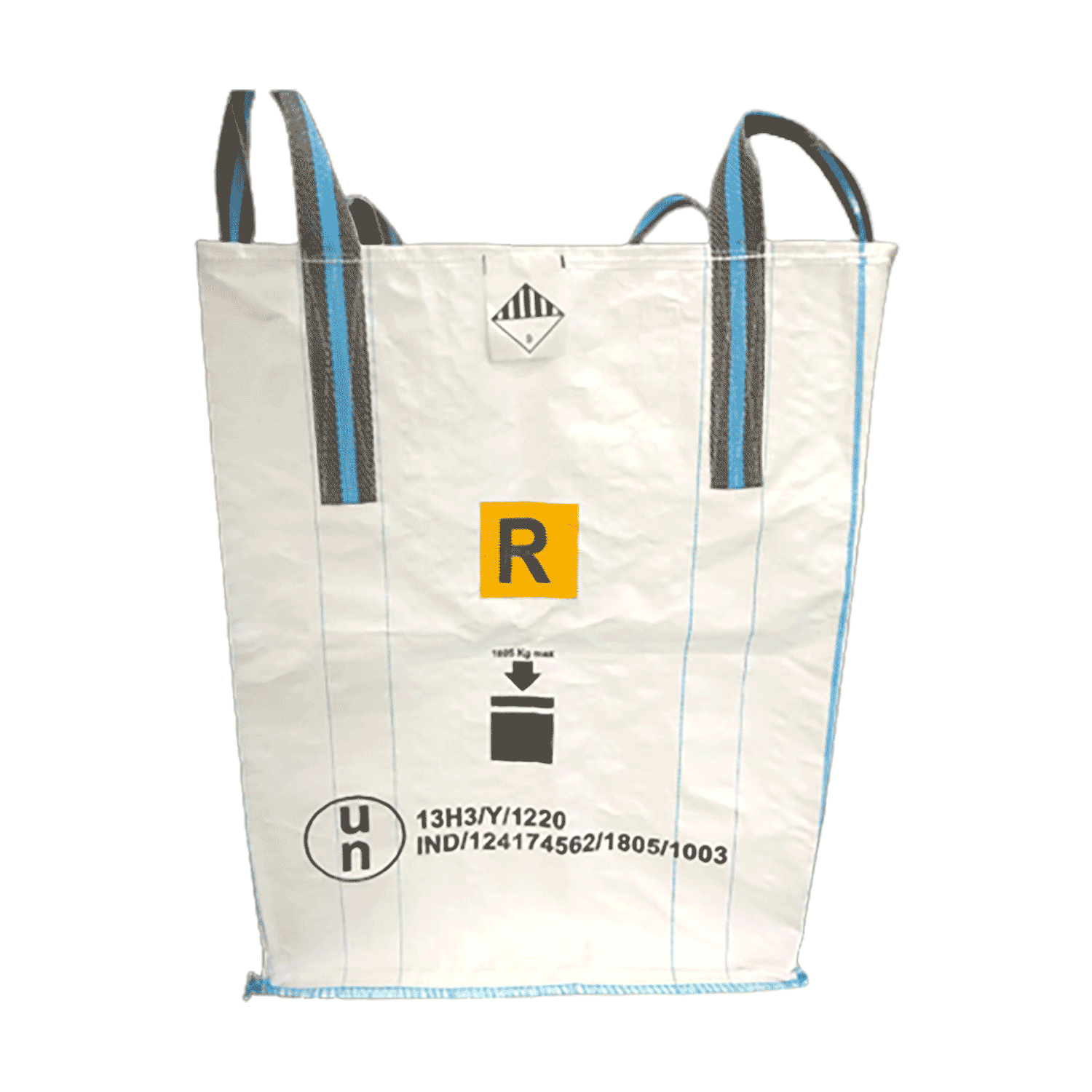 | FIBC Section Un Bags UN Certified Bulk Bags – Rigorous Performance Testing for Safety & Reliability Deccan UN Certified Bulk Bags are specially engineered for the safe... |
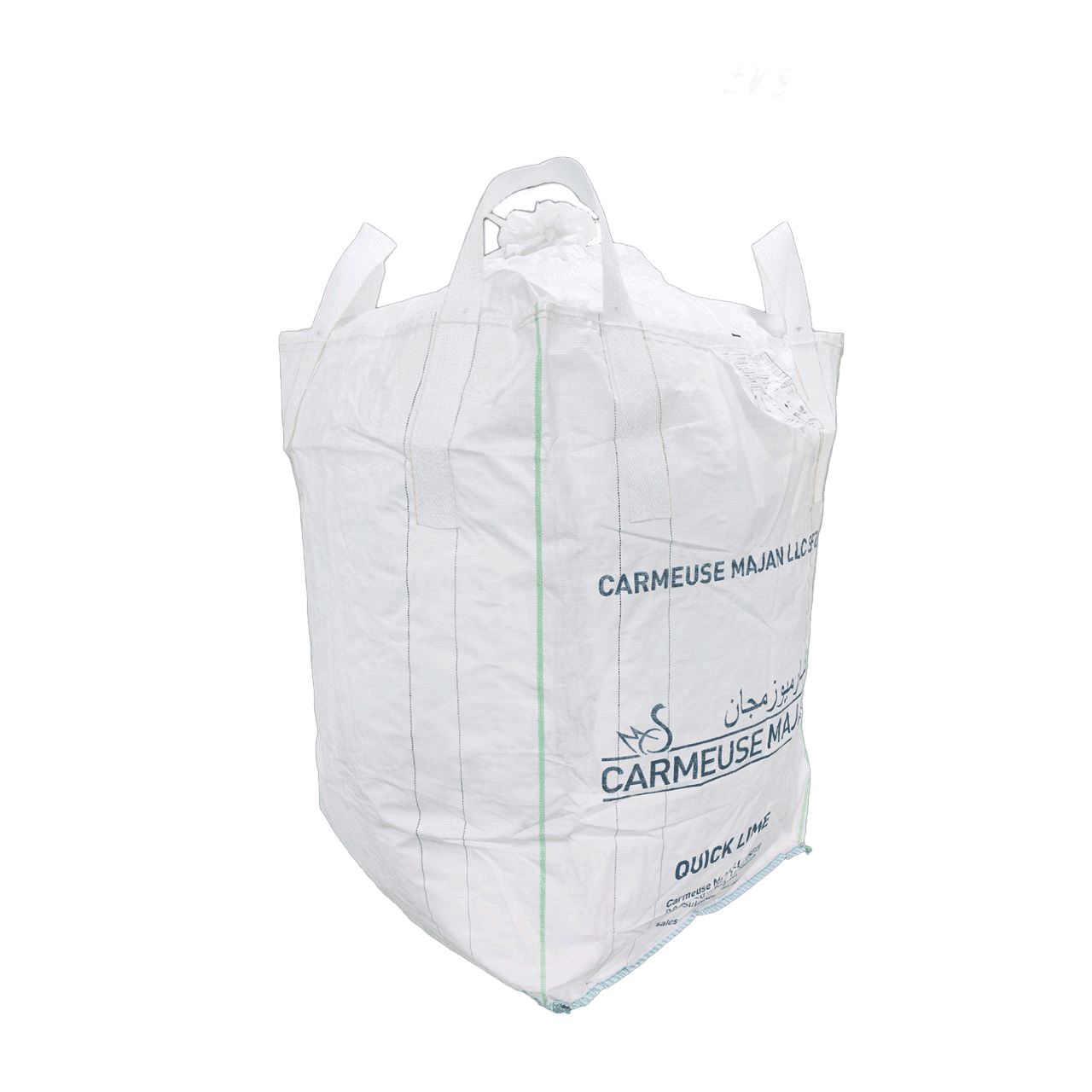 | FIBC Section Bags With Liners FIBC Liners – Bulk Bag Liners Deccan Cans & Printers Pvt. Ltd. |