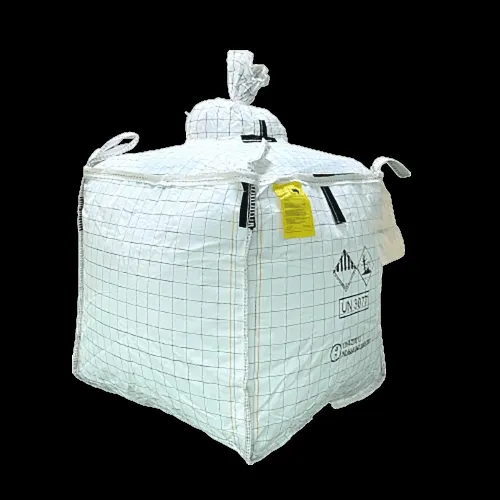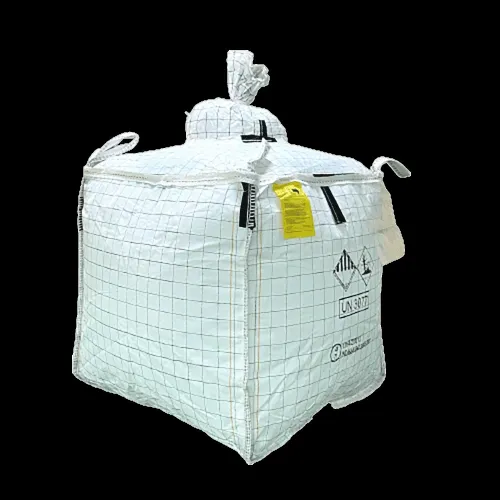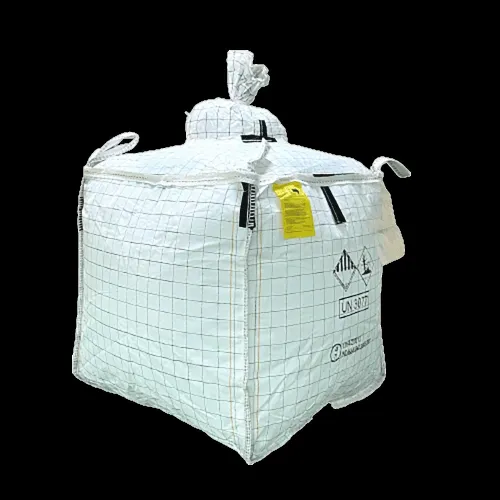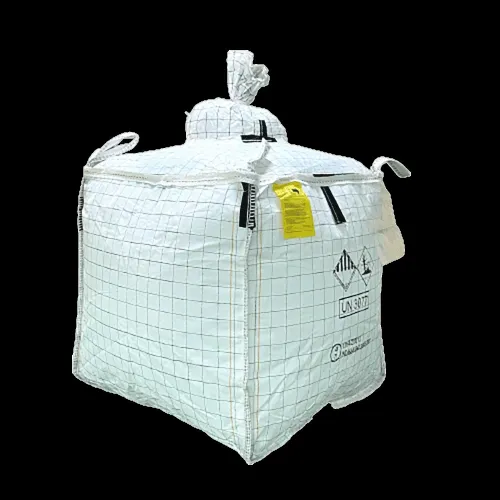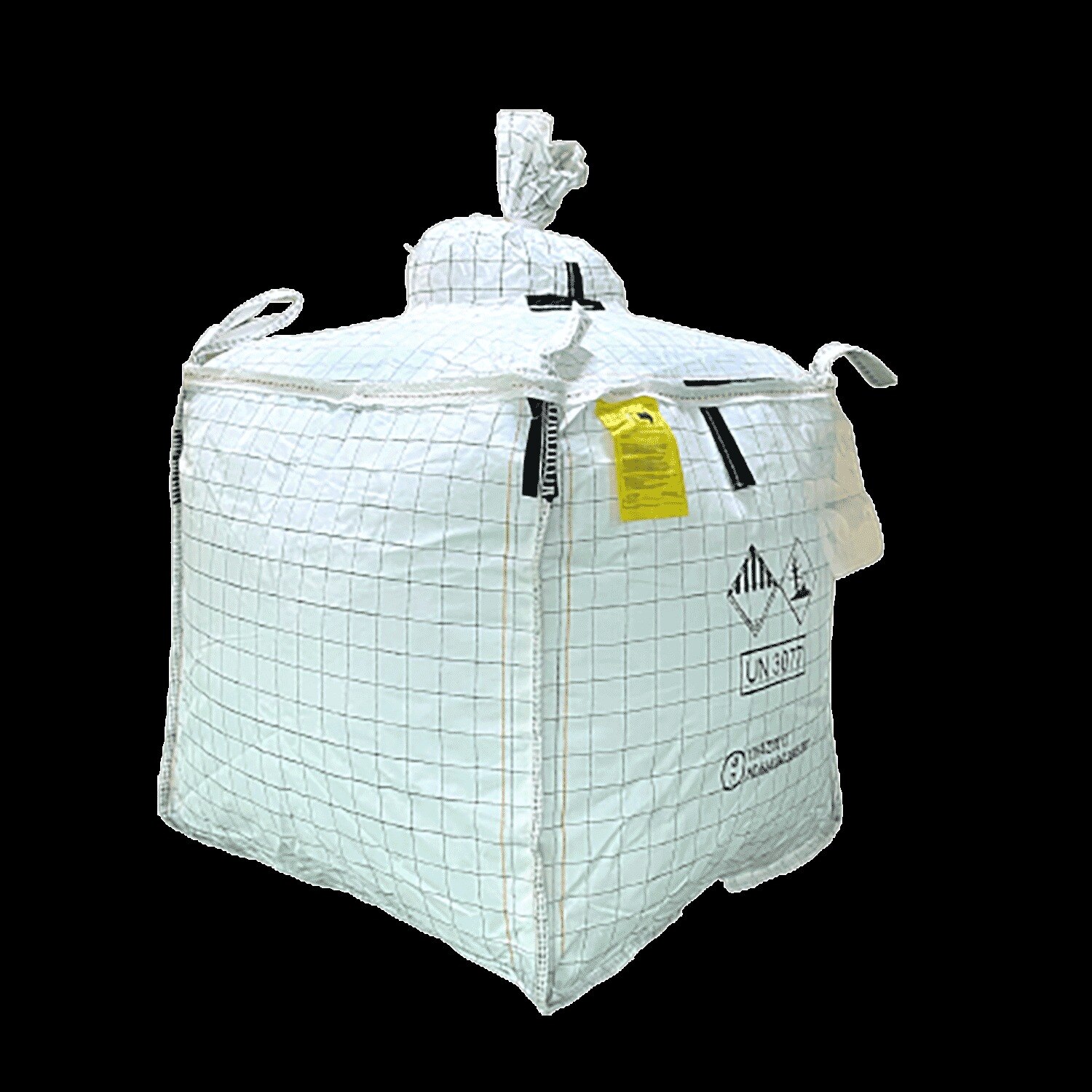
Choosing an FIBC starts with the material’s behaviour and the way your site fills, lifts, stores and empties it. By the end, you will be able to define the bag construction, load rating, electrostatic type, liner specification and handling controls before requesting a quotation or approving a purchase.
Key takeaways
- Match bag construction to flowability, particle size, density and moisture sensitivity.
- Check capacity, safe working load and lifting loops against your handling equipment.
- Classify electrostatic and dangerous-goods risks before selecting an FIBC.
- Specify liners, closures and hygiene controls for the material and filling process.
Choose FIBC construction around the material’s behaviour
Choose FIBC construction from how the material moves, settles and reacts during filling and discharge. Powder flowability, particle size, bulk density, moisture sensitivity and dust generation matter more than whether the product is simply called a powder or granule.
| Material | Construction choice | Main risk controlled |
|---|---|---|
| Fine powders | Coated fabric, sift-proof seams and a correctly fitted liner; add venting when displaced air needs an escape path | Dust loss, contamination and slow discharge |
| Free-flowing granules or plastic pellets | Standard woven polypropylene with seams and outlets sized for rapid flow; use baffles only when shape control is necessary | Bag bulging, bridging or unstable stacking |
| Fertiliser | Specify fertilizer bulk bags for the product’s moisture sensitivity, density and discharge method; protect from rain and confirm chemical compatibility | Caking, weakened fabric and blocked outlets |
| Minerals or abrasive raw materials | Heavier fabric, reinforced lifting areas and a liner when fines must be retained | Seam wear, leakage and handling damage |
| Food ingredients | New, traceable materials with defined resin and liner compliance, migration or declaration-of-compliance documents, cleanliness, odour and foreign-matter controls | Unacceptable contamination or missing records |
A liner improves retention but changes static behaviour, venting, collapse and discharge; specify its material, fit, attachment and whether it is inserted or heat-sealed. “Food grade” alone is incomplete.
Fine combustible powders can create explosible dust clouds, while non-flammable powders still demand dust control. Select electrostatic construction from the product and atmosphere, not its name. For Sydney outdoor exposure, use UV-stabilised fabric with a stated exposure limit and store bags covered and dry.
Match capacity, safe working load and lifting design to your site
Match the filled mass and physical geometry to your equipment, not to nominal volume alone. Calculate the load from the material’s bulk density, then leave enough headspace for safe filling, closure and movement without exceeding the bag’s safe working load.
Confirm these figures before ordering:
- FIBC capacity: select volume for the required mass at the material’s measured bulk density, including density changes caused by aeration or compaction.
- FIBC dimensions: check the filled width, length and height against pallet size, rack openings, vehicle space and discharge clearance.
- Filling height: allow room for the filling spout, dust-control connection and closure; a bag that fills against a roof or beam can develop uneven loading.
- Safe working load: include the product mass and account for impact during filling, eccentric loading, temperature, stacking time and reuse history.
- Lifting loops: specify loop length, spacing and number to match forklift tines, spreader bars or crane hooks.
A 5:1 or 6:1 safety factor describes design and testing; it does not authorise filling beyond the marked safe working load. A forklift-only bag is not automatically suitable for crane lifting. Use every specified loop, keep hooks or tines aligned, and never drag a loaded FIBC.
For dangerous goods, verify the UN design type, approved packing group, maximum gross mass, stacking-test status and filling or discharge restrictions. ISO 21898 compliance alone does not provide UN or ADG approval.
Select the correct electrostatic and dangerous-goods classification
Choose the electrostatic type from the dust and ignition assessment, not from the bag’s safe working load. A combustible powder or flammable atmosphere requires a documented electrostatic-control plan.
| Type | What it does | When it applies |
|---|---|---|
| Type A FIBC | Provides no electrostatic control | Non-combustible contents in a non-hazardous atmosphere |
| Type B FIBC | Limits propagating brush discharges but does not safely dissipate charge to earth | Combustible powders where flammable vapours or gases are absent and the specified operating limits are met |
| Type C FIBC | Uses interconnected conductive elements that must be grounded | Combustible powders or flammable atmospheres where you can maintain grounding |
| Type D FIBC | Dissipates charge without a separate earth connection | Approved conditions requiring charge control where grounding cannot be assured |
For a Type C FIBC, connect the grounding point before filling and keep it connected through filling, handling and discharge. Check continuity and resistance through the bag, grounding point and plant earth; a conductive-looking tab proves nothing.
Before ordering, confirm:
- The powder’s minimum ignition energy, dust explosibility and any flammable vapour or gas hazard.
- The liner material, attachment and sealing method, because a liner can alter charge dissipation, venting and collapse.
- Whether the bag is for dangerous goods transport. ISO 21898 covers non-dangerous solid materials; it is not UN/ADG approval.
A dangerous-goods FIBC needs a UN-approved design for the specified contents and packing group I, II or III. Verify the UN design type, maximum gross mass, stacking-test status and any filling or discharge restrictions on the approval certificate—not just the SWL.
Specify liners, closures and hygiene controls instead of buying a generic bag
Specify the FIBC as a complete powder-handling system, not as a bag plus an interchangeable liner. Choose the liner resin, thickness, fit, attachment points and sealing method together; a loose inserted liner can fold into the outlet, trap product or alter electrostatic discharge.
For fine powders, require sift-proof seams, suitable seam tape and a liner sealed by heat where contamination control demands it. Confirm the filling arrangement before manufacture:
- Top inlet sized for the filling spout, with a vent or filter if displaced air carries dust.
- Liner attached at the inlet and outlet so it cannot collapse across the product path.
- Discharge spout matched to the receiving connection, with a tie, flap, iris or other defined closure.
- Outlet length and diameter that permit controlled flow without cutting the liner or opening the outer fabric.
Do not treat “food grade FIBC” as a complete specification. State the resin compliance, migration or declaration-of-compliance documents, odour limit, cleanliness level, foreign-matter controls, batch traceability and whether the bag is new, recycled-content or reconditioned.
Request cleaning records and inspection results for reusable bags; quarantine any bag with liner damage, contamination, abraded seams or unreadable identification.
Deccan Cans & Printers Pvt. Ltd. is relevant when you need the liner, seam construction and outlet configuration specified as one package rather than retrofitted. If the bag is Type C, record continuity and resistance checks and connect it to verified plant earth before filling, throughout handling and during discharge.
Related products
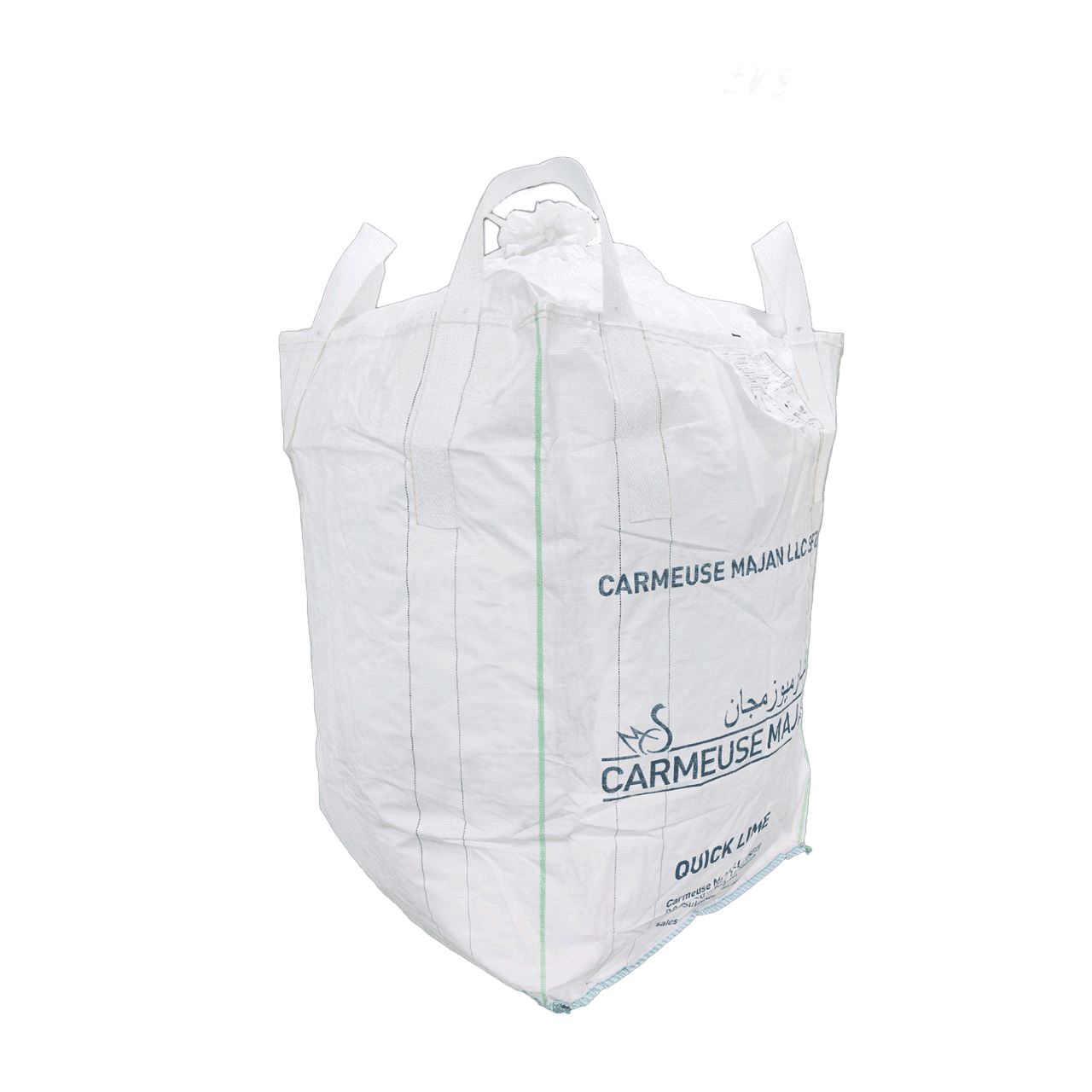 | FIBC Section Bags With Liners FIBC Liners – Bulk Bag Liners Deccan Cans & Printers Pvt. Ltd. |
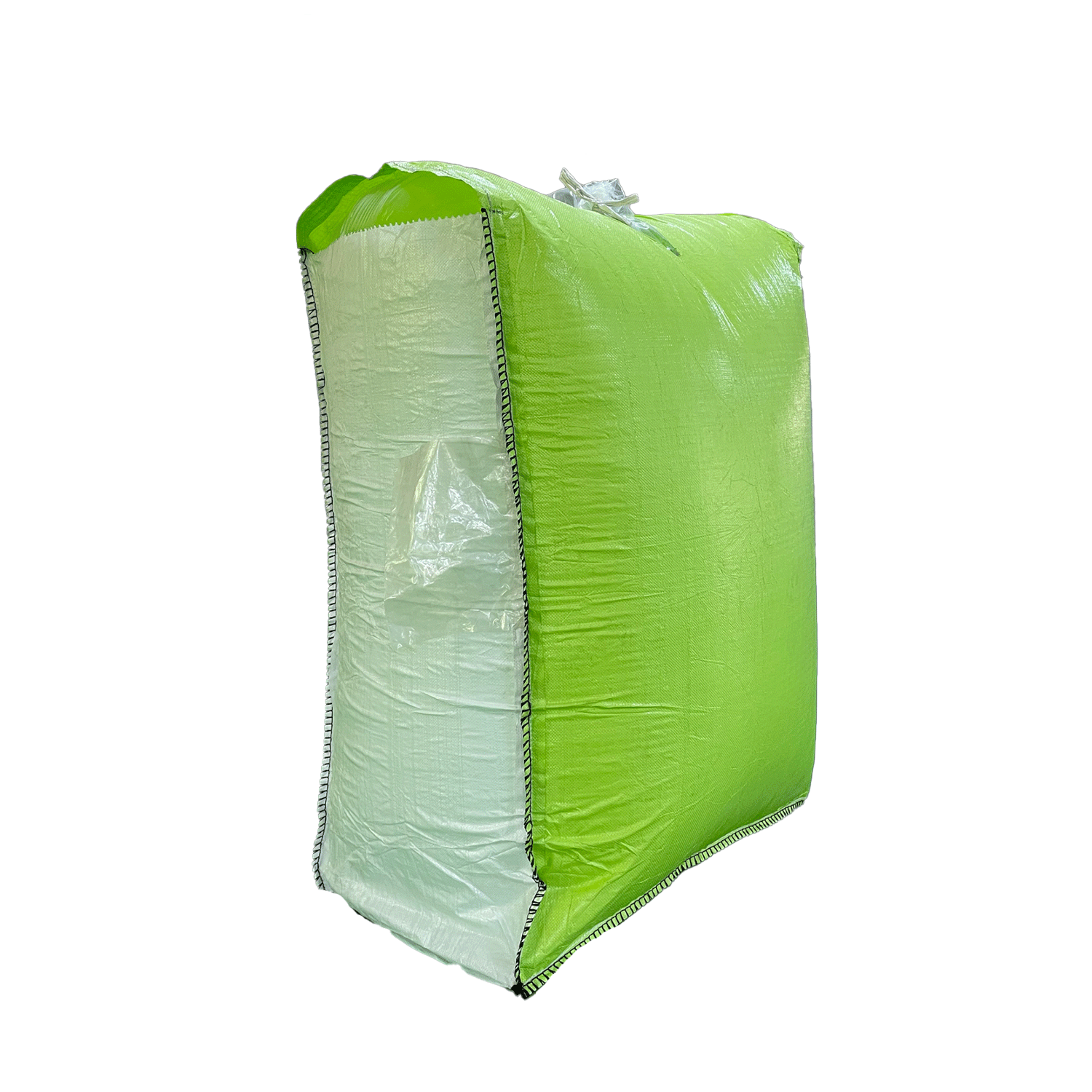 | FIBC Section Fertilizer Bag Range 1 & 2 Loop FIBC Bulk Bags Deccan Cans & Printers Pvt. Ltd. offers durable and cost-effective 1 & 2 Loop FIBC Bulk Bags, designed for the efficient... |
Inspect, store and compare FIBCs before they enter service
Quarantine any FIBC that has abrasion, cuts, damaged seams, distorted lifting loops, contamination, liner damage or an unreadable identification label. A visual pass alone does not restore lifting strength or electrostatic performance.
For FIBC inspection, check these points before filling:
- Confirm the safe working load, design type and lifting configuration match the planned equipment.
- Reject bags with loops that do not fit fork tines or hooks; never drag a loaded bag or lift from fewer loops than specified.
- For reusable bags, record cleaning, reconditioning and inspection results.
- Verify a Type C bag’s continuity, grounding connection and plant-earth connection before filling, throughout handling and during discharge.
- Match a UN marking such as 13H1, 13H2, 13H3 or 13H4 to the approved design and substance; “UN bag” is not enough.
FIBC storage should be dry, covered and away from sunlight, chemicals, sharp edges and rodents. Use UV-stabilised bags for planned outdoor exposure around Sydney, but treat stabilisation as limited protection, not permanent weatherproofing; follow the supplier’s exposure and storage limit.
FIBC alternatives make more sense when you need repeated mechanical handling, long-term weather exposure or fixed, high-volume storage.
| Option | Better choice when | Worse choice when |
|---|---|---|
| FIBC | You need low-cost, collapsible bulk transport | You need rigid protection or frequent reuse |
| Woven sacks | You handle small quantities manually | Dusty material or high throughput dominates |
| Rigid containers | Impact protection and stacking matter | Empty-return space is expensive |
| Drums | Liquid, hazardous or tightly sealed contents require them | Bulk solids make tare weight costly |
| Silos | Continuous, high-volume storage and discharge justify installation | Volumes, materials or sites change frequently |
Frequently asked questions
How should you choose FIBC construction for powders and granules?
Base construction on flowability, particle size, bulk density, moisture sensitivity and dust generation rather than the material name alone.
What must you check before choosing an FIBC capacity and lifting design?
Compare the bag’s capacity and safe working load with the material’s bulk density, filling level, lifting equipment and site handling method.
When do FIBCs need electrostatic or dangerous-goods classification?
Assess whether the material, filling process or surrounding environment creates ignition or hazardous-material risks, then specify the required FIBC classification before purchase.
Which FIBC liners, closures and hygiene controls should you specify?
Choose them around moisture protection, contamination risk, filling and discharge equipment, cleaning requirements and the material’s intended use.
Related products
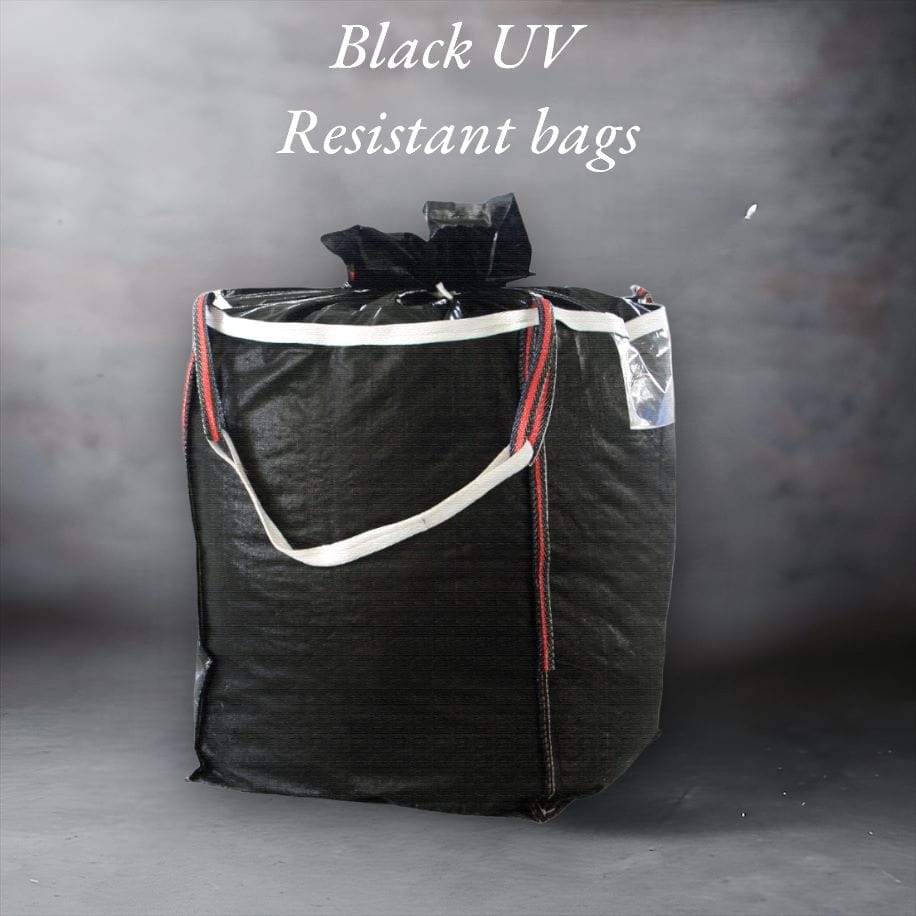 | FIBC Section Black Bags Black FIBC Bags – Enhanced UV Resistance & Extended Shelf Life UV exposure is one of the major challenges faced by the FIBC industry, as prolonged... |
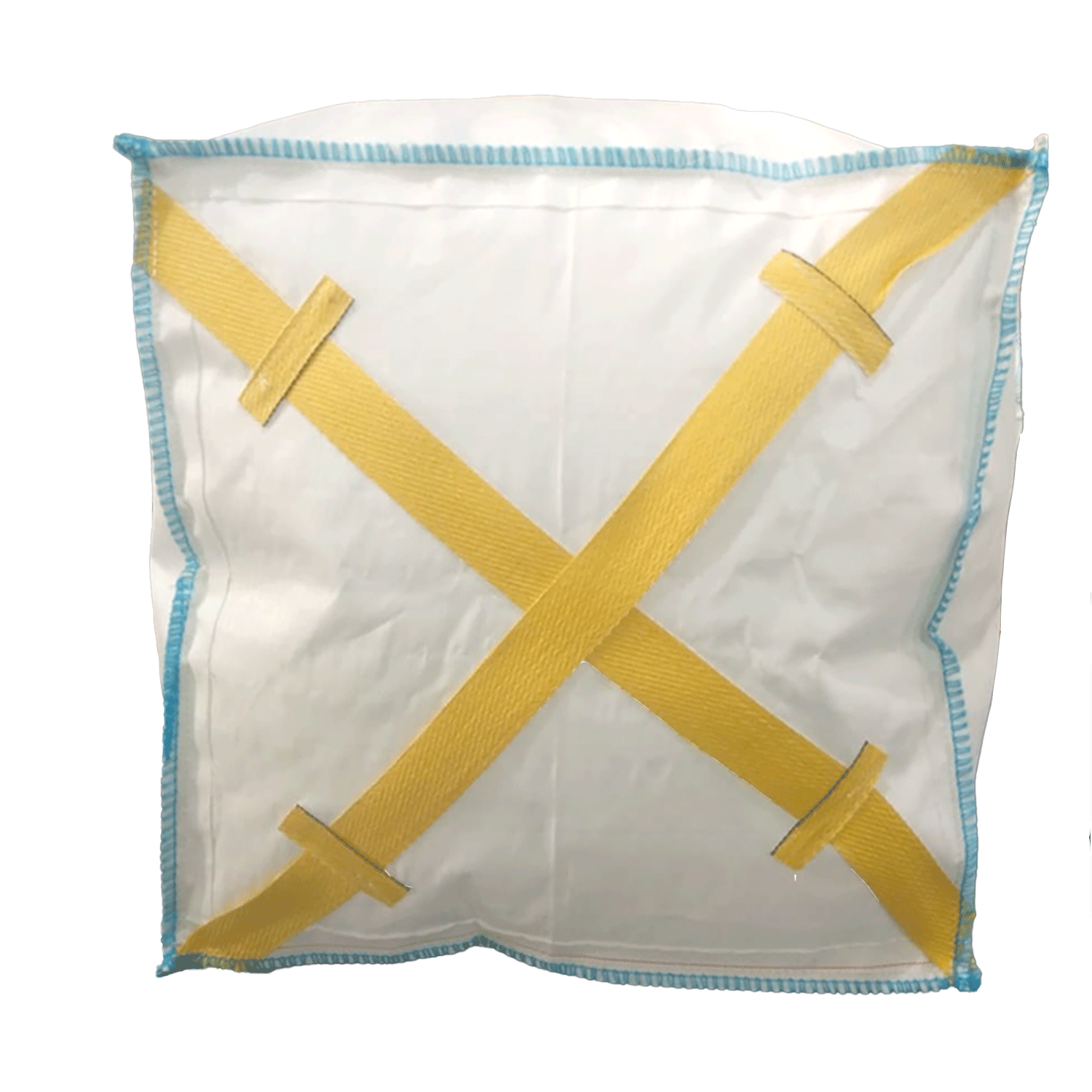 | FIBC Section Cross Bottom Sling Bags Cross Bottom Sling FIBCs – Bulk Bags Deccan Cans & Printers Pvt. Ltd. |
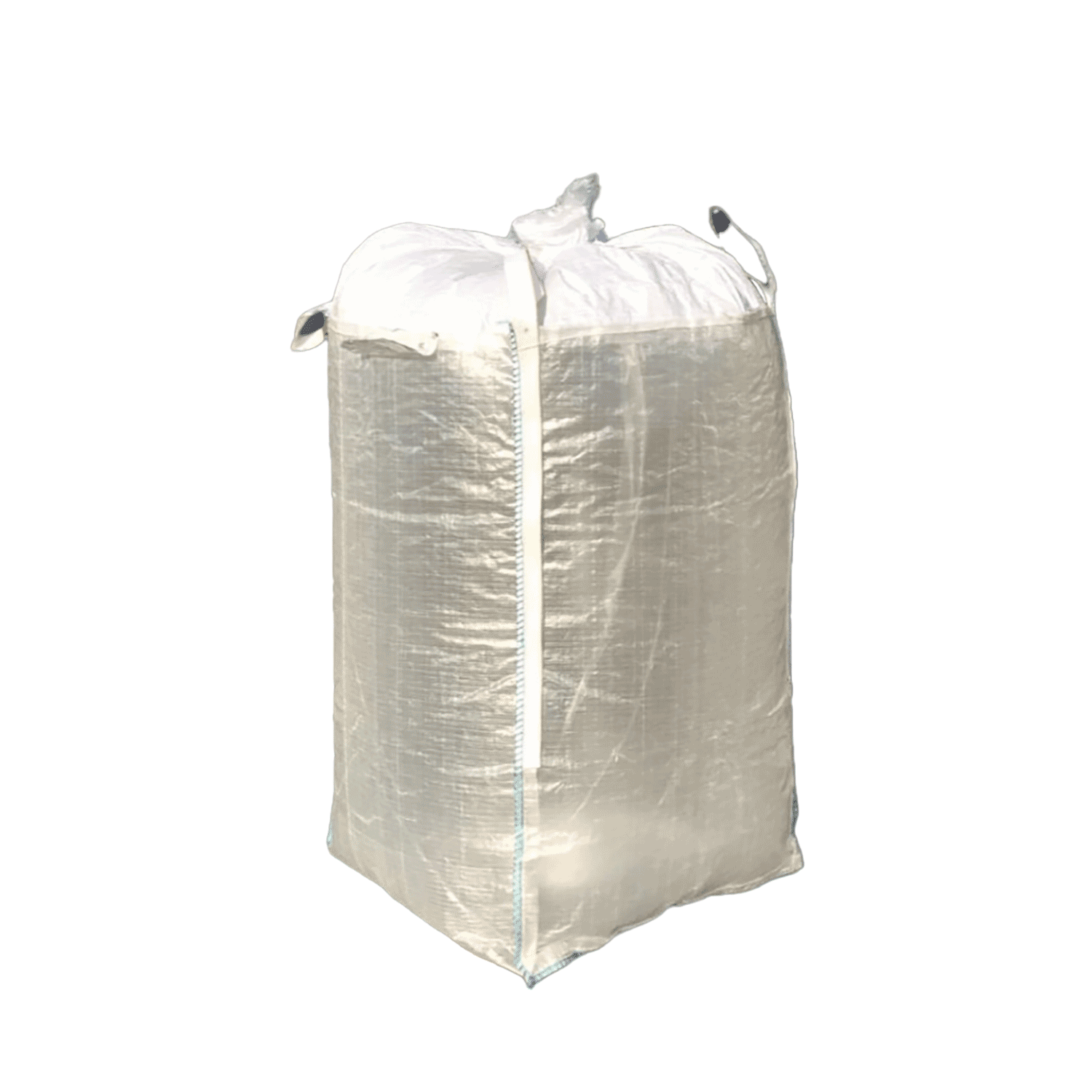 | FIBC Section Transparent Bags Transparent FIBCs – See-Through Bulk Bags Deccan Cans & Printers Pvt. Ltd. |
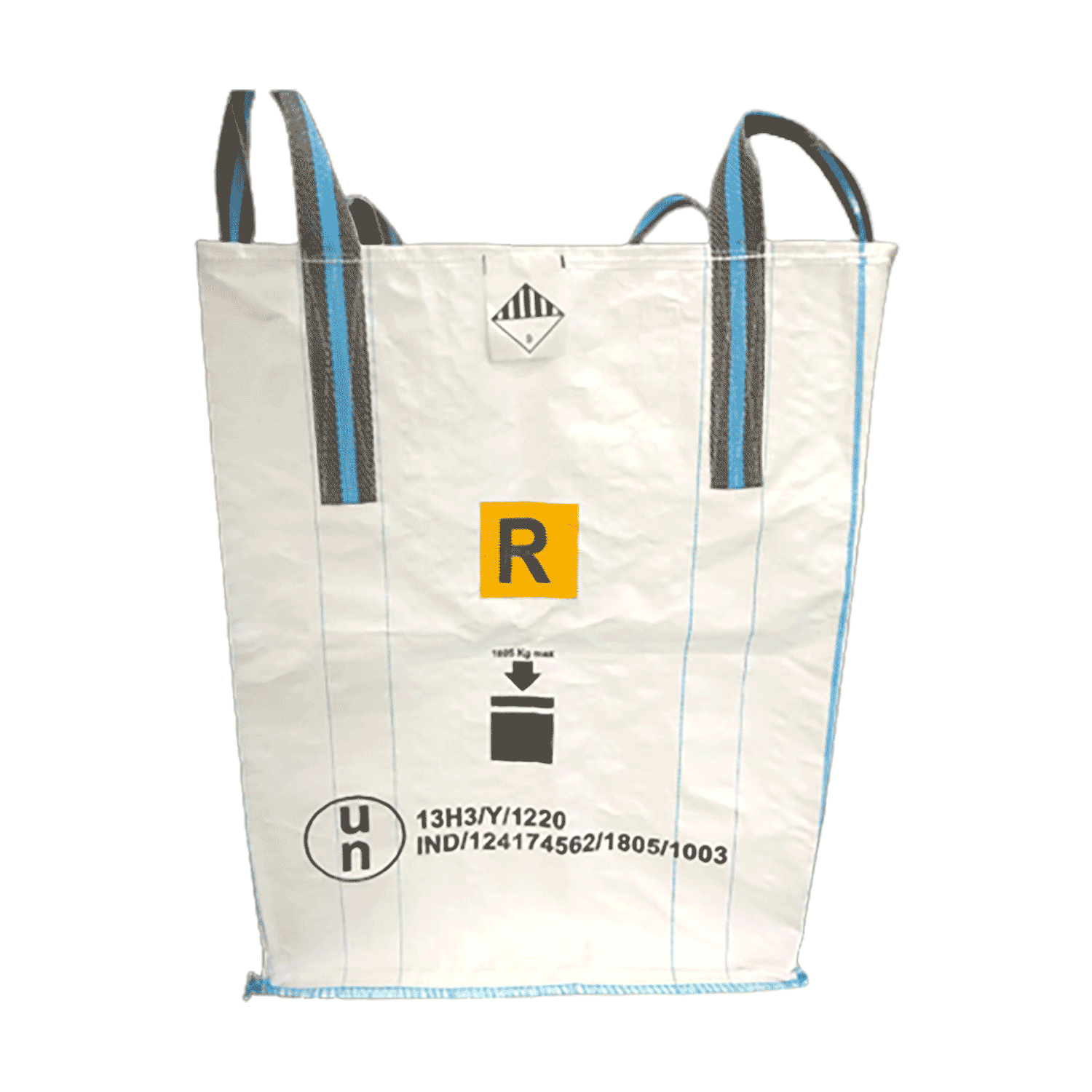 | FIBC Section Un Bags UN Certified Bulk Bags – Rigorous Performance Testing for Safety & Reliability Deccan UN Certified Bulk Bags are specially engineered for the safe... |