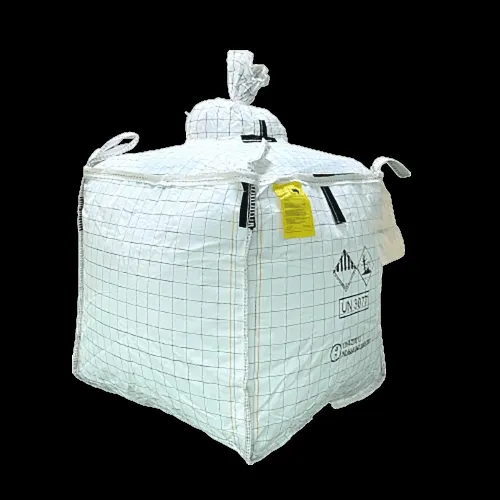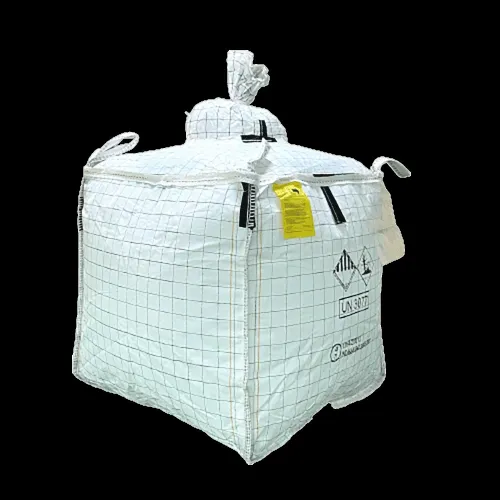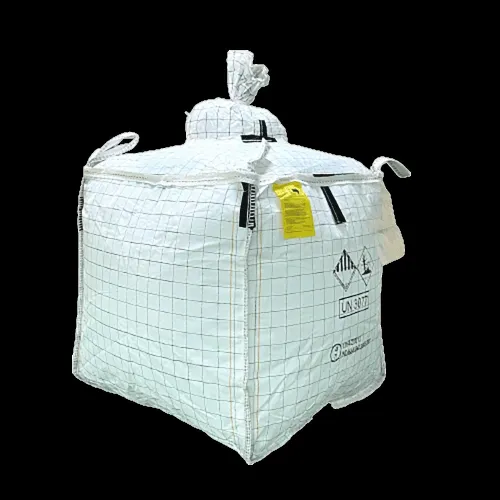

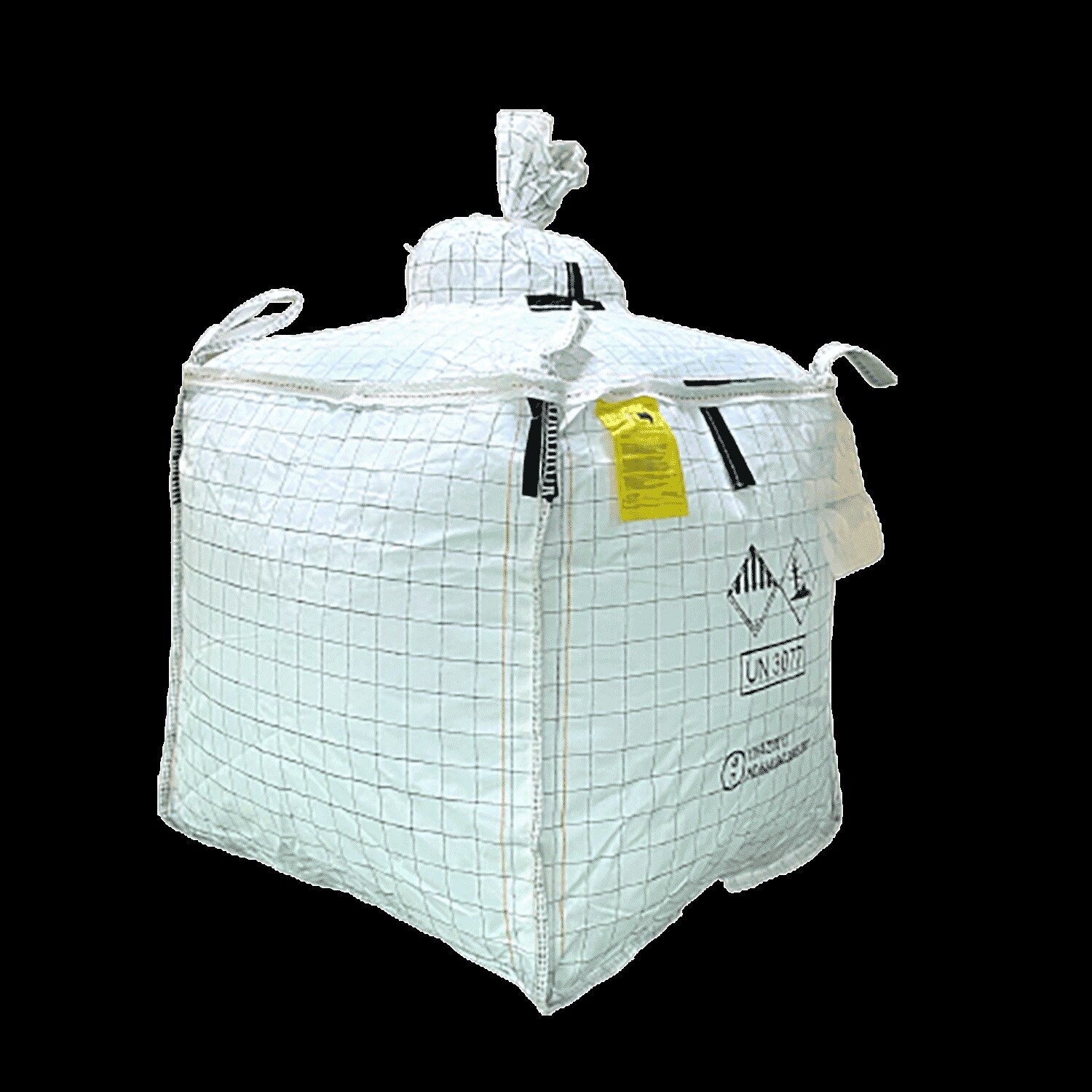
The right bulk bag depends on more than capacity: cargo classification, transport mode, handling equipment, container limits and destination rules all affect the specification. By the end, you will be able to match an FIBC construction to your cargo, plan a stable shipment, verify compliance documents and brief a Sydney packaging supplier accurately.
Key takeaways
- Match bag construction to cargo flow, stacking needs and the transport route.
- Set SWL and safety factor against every lifting, filling and unloading step.
- Sequence weighing, filling and container loading to control weight and space.
- Check dangerous-goods, biosecurity and destination rules before dispatch.
Match the FIBC construction to the cargo and transport route
Choose the construction against the cargo’s flow, hazard, filled footprint and route—not nominal volume alone. A circular woven FIBC suits many free-flowing materials as a straightforward general-purpose bag. A U-panel bulk bag and four-panel FIBC distribute load differently, so compare side-wall support and filled stacking behaviour.
| Option | Main advantage | Choose it when |
|---|---|---|
| Circular woven FIBC | Simple, economical construction | The product is free-flowing and does not need special airflow or electrostatic control |
| U-panel bulk bag | Strong load distribution | The filled bag needs defined side-wall support during handling |
| Four-panel FIBC | Stable panels and predictable footprint | Stacking geometry matters across road, sea or warehouse movements |
| Baffle bag | Internal panels retain a rectangular shape | Free-flowing cargo must use container space efficiently and stand securely in storage; compare baffle bags Australia-wide by their filled dimensions |
| Ventilated FIBC | Allows air movement | The product needs ventilation and moisture or contamination control is not the priority |
Select conductive, antistatic or other electrostatic-control construction from the ignition-risk assessment, not a catalogue label. IEC 61340-4-4 identifies Types A, B, C and D: Type C requires an effective ground connection during filling and discharge, while Type D relies on its specified dissipative design and clean, suitable surfaces.
Check the grounding path before transfer; a detached lead, damaged conductive yarn or contamination defeats the protection.
Treat the liner as part of the validated system. Polyethylene improves sift retention, moisture protection and hygiene; an aluminium-barrier liner addresses permeability, while an antistatic liner addresses charge control. Confirm compatibility for fine powders and dangerous goods before changing the liner.
Plan the filling, weighing and container-loading sequence
Confirm product density, target fill mass and bag dimensions before production. During FIBC filling, use the specified inlet and closure, control dust, and keep the bag supported so its base forms evenly. Weigh every filled bag, or use a controlled batching system, then record its identification and actual mass.
Choose the loading method against the carrier and warehouse plan, not habit.
| Option | Physical arrangement | Best decision point |
|---|---|---|
| Palletised bulk bags | Flat, stable pallets create forklift access and a defined footprint | Use when handling, storage or road delivery requires pallets |
| Floor-loaded bags | Bags are arranged directly on the container floor | Use when palletising bulk bags wastes height or reduces container utilisation |
| Mixed arrangement | Pallets support selected rows or handling stages | Use when warehouse access and container fit require both methods |
Check the filled footprint, bulge, top construction, lifting loops and discharge spout against the container door opening, internal width, lashing arrangement and required access. A dimensional loading trial is more reliable than dividing container volume by nominal bag capacity; it also exposes unstable gaps and blocked doors before loading.
Before loading, inspect seams, loops, closures and pallet condition. Calculate gross mass from product, FIBCs, liners, pallets and dunnage, then add the container tare for the SOLAS verified gross mass. Keep the shipment within the lowest limit set by bag SWL, container gross mass, carrier or terminal rules, and road-leg limits.
At destination, confirm unloading equipment, storage clearance, discharge access and the final delivery vehicle before selecting the bag design. A load that fits the container can still fail at the warehouse door.
Set SWL, safety factor, dimensions and closures for the real handling cycle
A 1,000 kg cargo does not automatically require a 1,000 kg bag. Convert the real handling cycle into the specification before ordering.
1. Record the actual filled mass, product density, fill level and number of lifts. Treat the marked FIBC SWL as the usable limit. A 5:1 safety factor or 6:1 safety factor describes design performance under specified tests; it does not permit filling beyond the marked SWL.
State whether the bag is single-trip or reusable, because repeated lifting, discharge and storage need a different assessment.
2. Set dimensions against the filled footprint, bulge, container door and stacking plan, not nominal volume alone. Select lifting loops for the equipment: forklift sleeves for fork handling, corner loops for compatible frames, or another arrangement for the crane. Include the container payload, carrier limit and road-leg mass limit in the calculation.
3. Match the filling inlet to the filling head and dust-control system. Match the discharge spout to the receiving hopper, then choose a flap, tie, iris closure or another control that prevents uncontrolled release. Specify a top closure that keeps out moisture and contamination during sea freight and long storage.
4. Test the handling environment on paper: stacking compression, road and rail vibration, salt air, humidity, temperature, UV exposure and transshipment dwell time. If filled bags deform, block vents or transfer load onto discharge fittings, reduce stacking height or specify stronger construction. A dimensional loading trial can expose conflicts before dispatch.
Verify dangerous-goods, biosecurity and destination requirements before dispatch
Classify the contents before selecting or dispatching an FIBC: dangerous goods, hazardous waste, asbestos waste, food, pharmaceutical material, agricultural product, powder, granule or scrap. The classification determines mandatory packaging rules; carrier, insurer, port and importer conditions add separate checks.
| Rule source | What it controls | Your check |
|---|---|---|
| Australian Dangerous Goods Code | Road and rail in Australia | Classify and pack to the current code |
| IMDG Code | Sea freight | Apply the current maritime classification and packing instruction |
| Destination authorities | Import, customs and dangerous-goods entry | Confirm the country's rules before loading |
| Carrier, insurer, port and importer | Acceptance and commercial conditions | Ask which extra documents and limits apply |
For dangerous goods, record the UN number, proper shipping name, dangerous-goods class, packing group and substance-specific packing instruction. Select a UN-certified FIBC against that instruction, not its SWL alone.
A UN mark does not make an ordinary bulk bag compliant. Approval belongs to the tested design type, including construction, liner, closures, lifting arrangement and test conditions. Read the mark, confirm the design type and test date, obtain the certificate, and check approval validity before changing fabric, liner or closure.
Ask which documents apply: safety data sheet, dangerous-goods declaration, certificate of analysis, packing declaration or fumigation evidence. None is universal.
For plant-origin cargo, inspect reused bags and external packaging for soil, seed, insects and plant material. Confirm ISPM 15 pallets or timber dunnage marks; contamination can lead to treatment, re-export or destruction. Treat asbestos waste separately because handling, transport, disposal and cross-border controls follow a distinct legal pathway.
Use a Sydney supplier to close the specification and pre-shipment checks
Give an FIBC supplier in Sydney a complete cargo brief before requesting prices. Include:
- Cargo description, density, particle size, moisture sensitivity, temperature and expected fill mass
- Destination, transport modes, lifting equipment and storage duration
- Required handling sequence, discharge equipment and delivery constraints
Request a written bulk bag specification covering:
- Fabric construction, SWL, safety factor, dimensions and loop type
- Filling inlet, discharge outlet, closure, liner and electrostatic type
- New or reusable status, plus any stacking or UV limits
| Evidence needed | What to request | What failure it prevents |
|---|---|---|
| Food-contact FIBC compliance | Material and migration or compliance evidence for fabric, thread, coating, liner, inks and lubricants under the Australia New Zealand Food Standards Code, including Standard 1.4.3 | “Food-grade polypropylene” being treated as sufficient |
| Dangerous-goods approval | UN certificate, then compare its tested design type with the delivered fabric, liner, closures and lifting arrangement | A changed component invalidating reliance on the UN approval |
| Non-dangerous cargo | ISO 21898:2004 conformity evidence and the supplier’s test records | Confusing a catalogue description with verified performance |
Deccan Cans & Printers Pvt. Ltd. can help coordinate dimensions, closures, liners and handling features across one shipment instead of leaving each option isolated.
Before dispatch, complete pre-shipment verification: cargo classification, destination acceptance, packaging approval, markings, closure inspection, carrier acceptance, customs instructions, verified gross mass and waste-disposal arrangements. Keep the specification, inspection record and shipment documents together for the importer, carrier and warehouse.
Related products
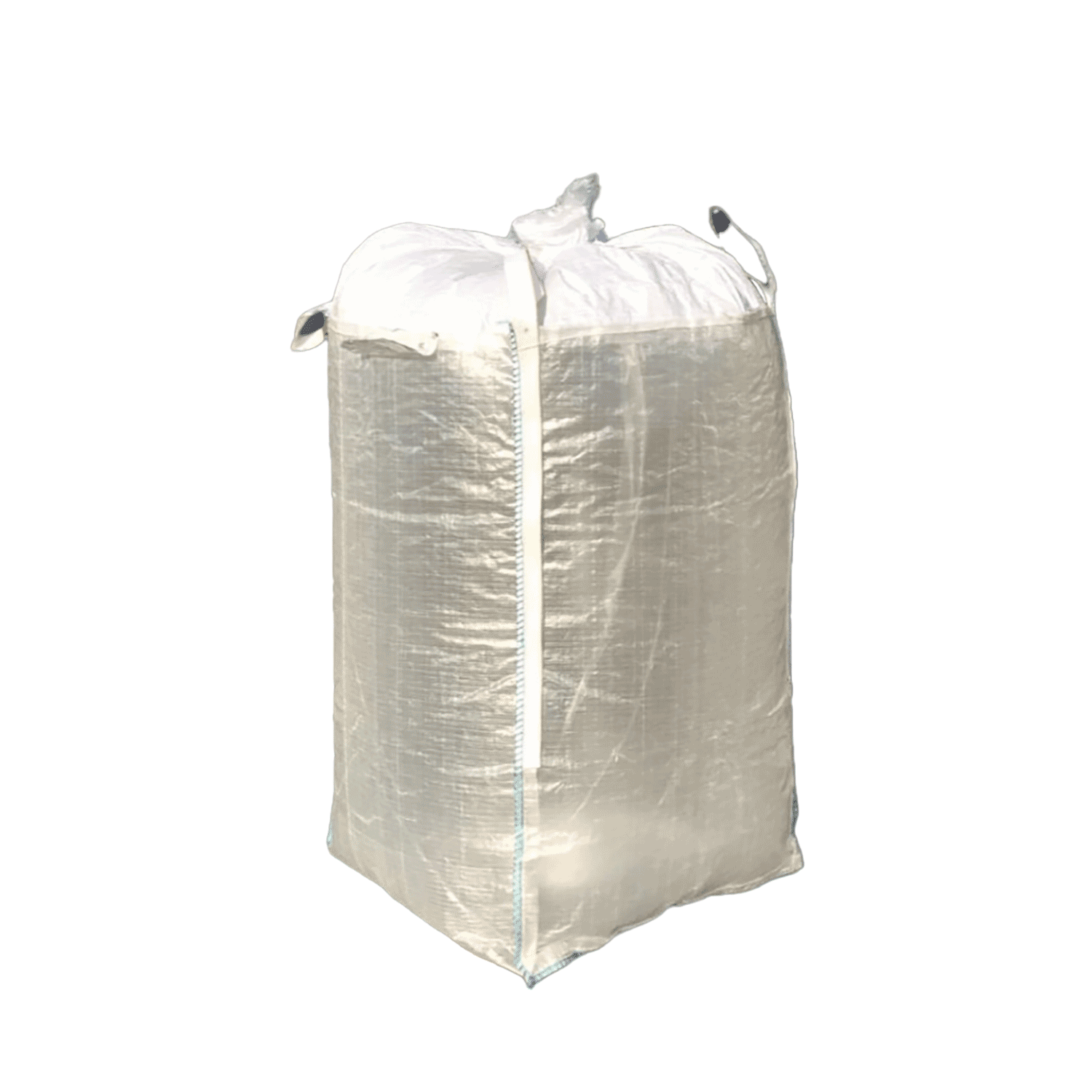 | FIBC Section Transparent Bags Transparent FIBCs – See-Through Bulk Bags Deccan Cans & Printers Pvt. Ltd. |
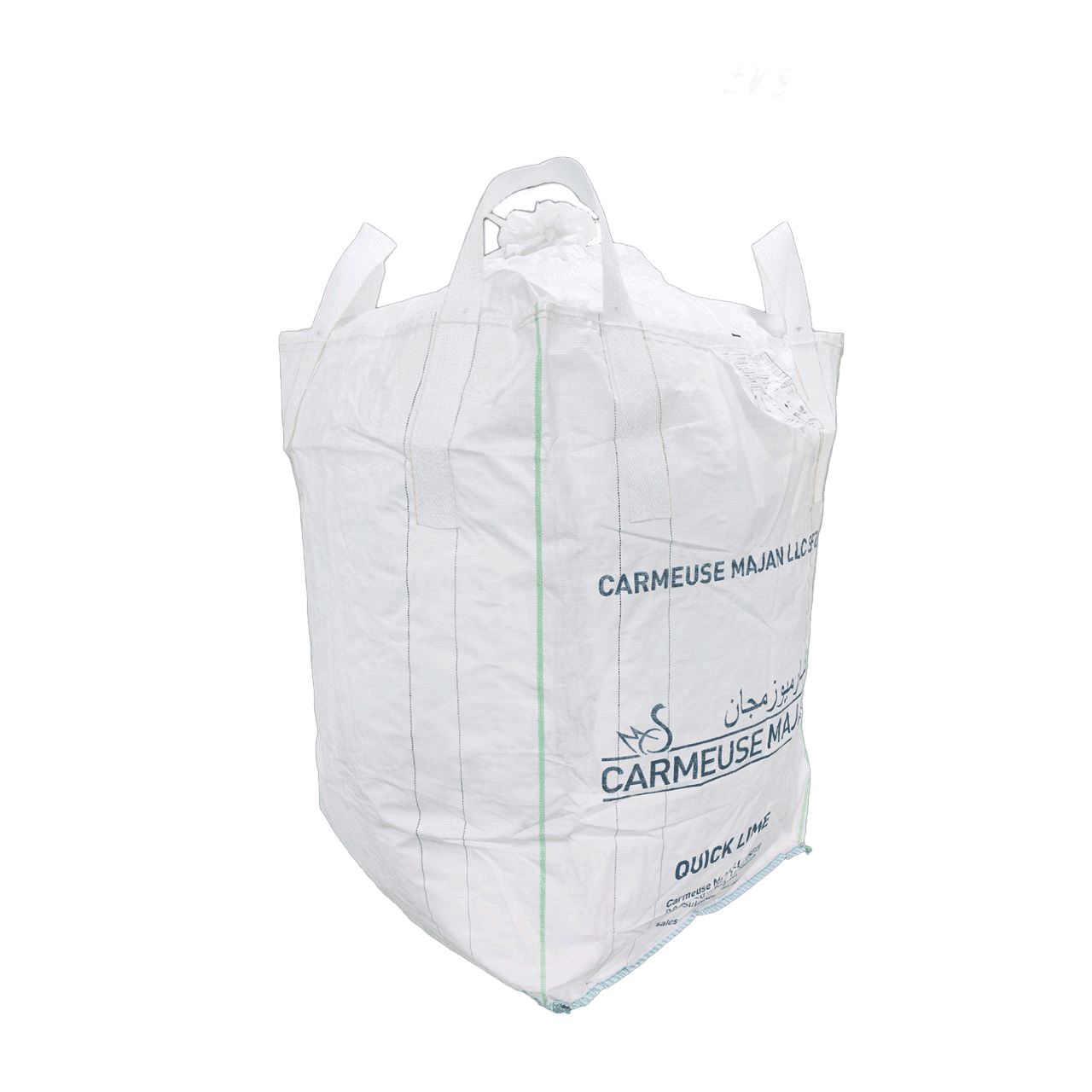 | FIBC Section Bags With Liners FIBC Liners – Bulk Bag Liners Deccan Cans & Printers Pvt. Ltd. |
Frequently asked questions
How do you choose FIBC construction for import and export cargo?
Compare the cargo’s flow, hazard, filled footprint, stacking behaviour and route. Circular woven, U-panel and four-panel FIBCs distribute loads differently.
What should you plan before filling and loading FIBCs?
Define the filling point, weighing method, bag inspection, pallet position and container-loading sequence before work starts.
How do SWL, safety factor, dimensions and closures affect FIBC selection?
Set the safe working load and safety factor for the complete handling cycle, then specify dimensions, lifting loops, liner and closure for the cargo.
Which compliance checks are needed before dispatch from Sydney?
Verify dangerous-goods classifications, biosecurity controls, import permits, destination packaging rules and the documents required for the shipment.
Related products
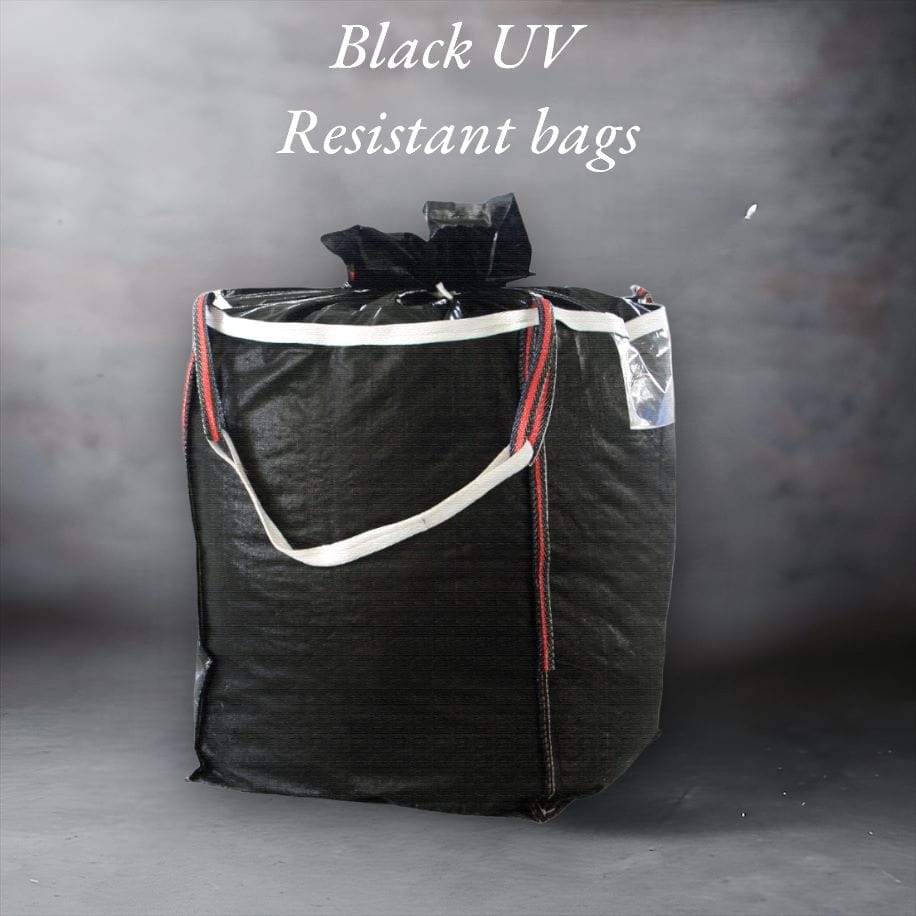 | FIBC Section Black Bags Black FIBC Bags – Enhanced UV Resistance & Extended Shelf Life UV exposure is one of the major challenges faced by the FIBC industry, as prolonged... |
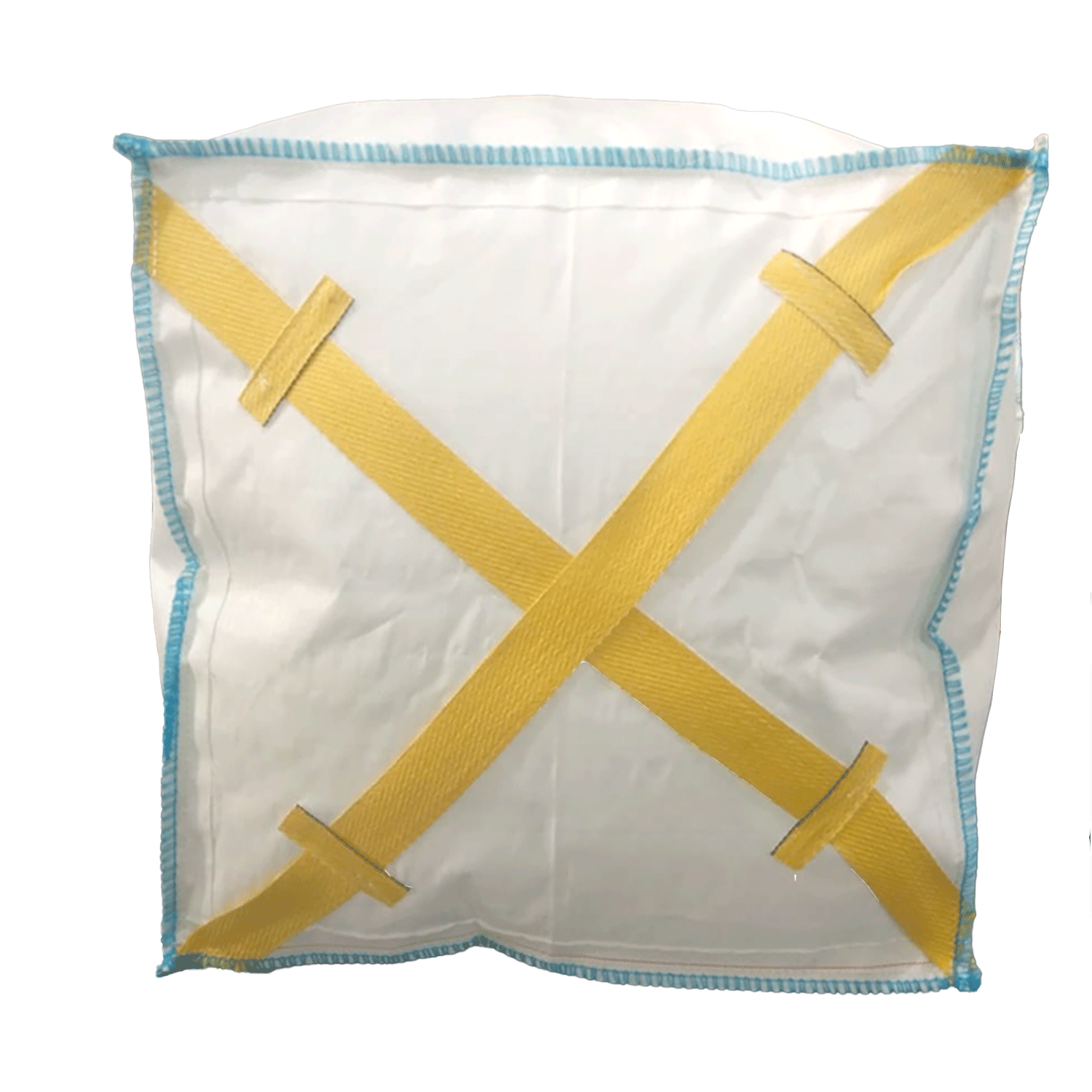 | FIBC Section Cross Bottom Sling Bags Cross Bottom Sling FIBCs – Bulk Bags Deccan Cans & Printers Pvt. Ltd. |
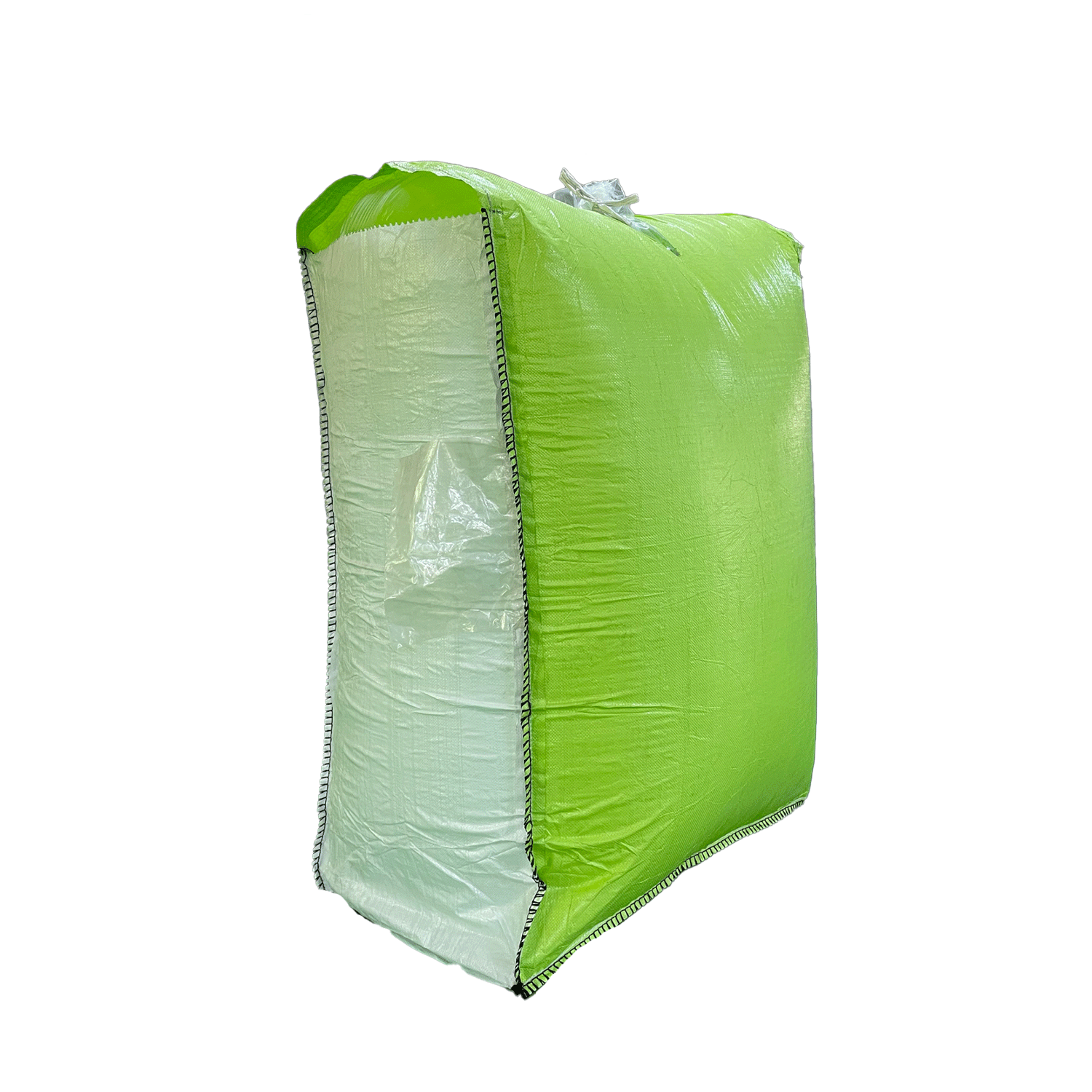 | FIBC Section Fertilizer Bag Range 1 & 2 Loop FIBC Bulk Bags Deccan Cans & Printers Pvt. Ltd. offers durable and cost-effective 1 & 2 Loop FIBC Bulk Bags, designed for the efficient... |
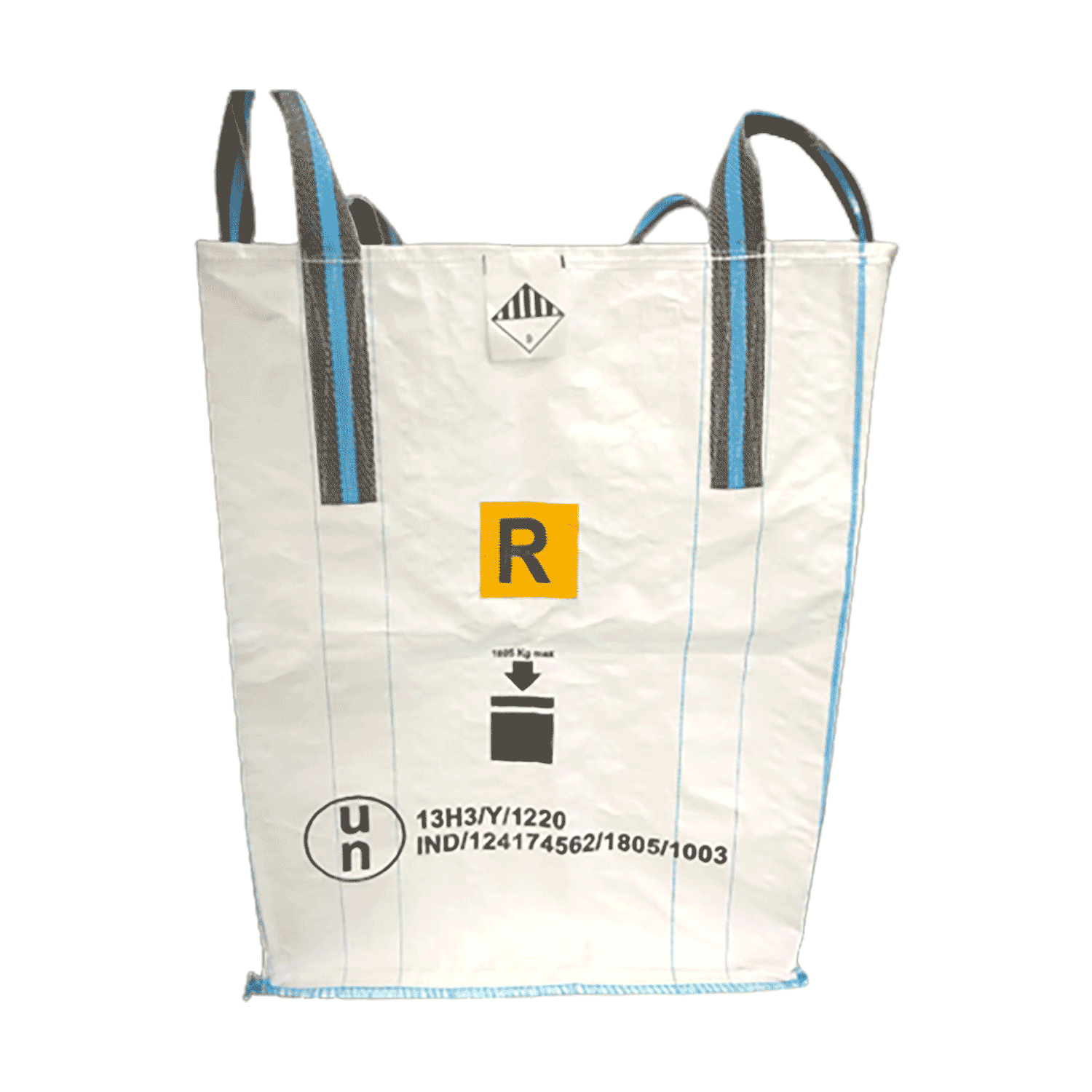 | FIBC Section Un Bags UN Certified Bulk Bags – Rigorous Performance Testing for Safety & Reliability Deccan UN Certified Bulk Bags are specially engineered for the safe... |