
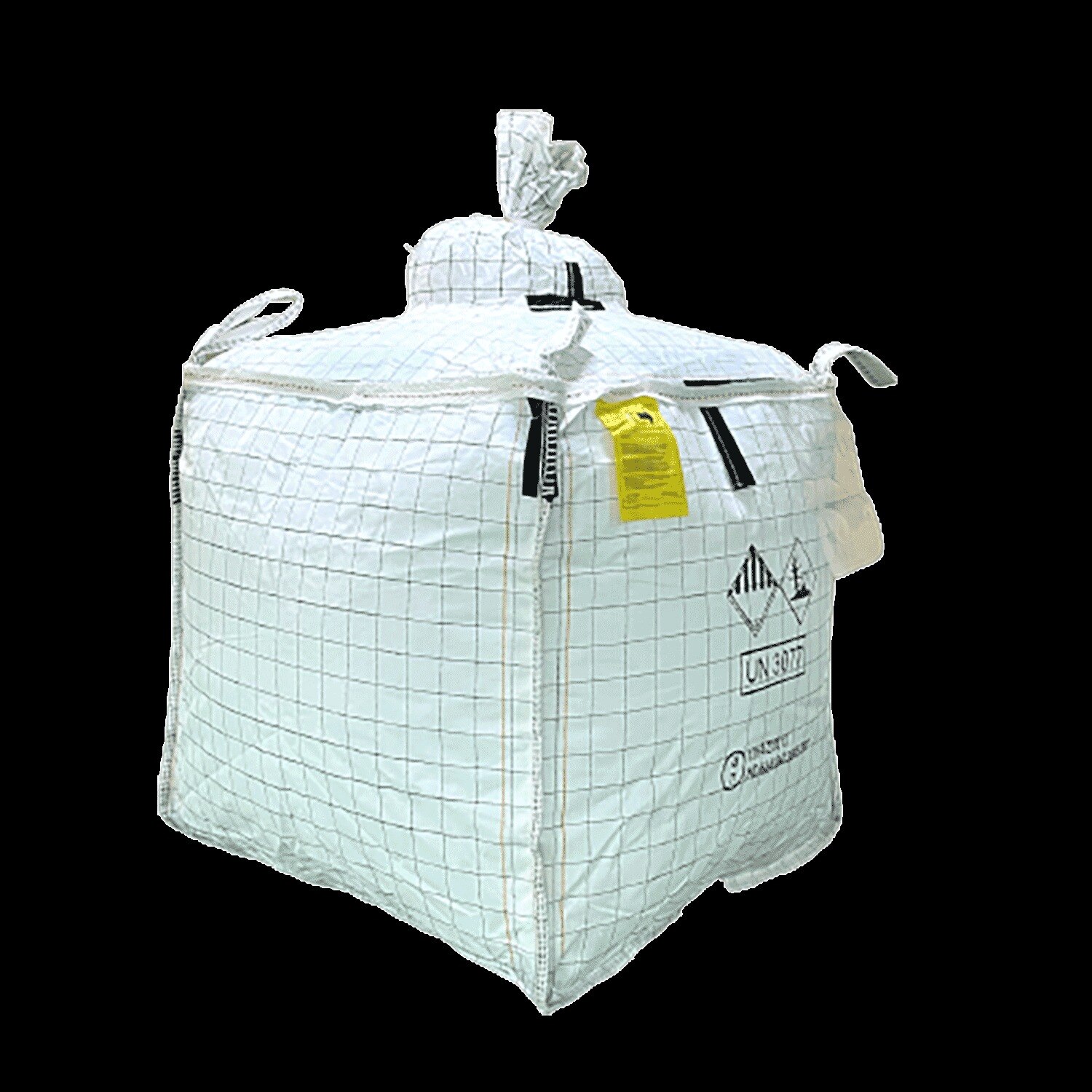
A “1-ton bag” is not a complete purchasing specification: the correct FIBC depends on safe working load, lifting equipment, product behaviour, electrostatic risk, filling method, and discharge requirements. By the end, you will be able to compare Vapi manufacturers, write a usable RFQ, and verify that the supplied bags match your material and handling process.
Key takeaways
- Specify dimensions, safe working load, safety factor, loops, fabric, seams, and discharge design.
- Choose Type A, B, C, or D construction according to product and static ignition risk.
- Ask for the factory address, manufacturing records, test reports, and sample approval.
- Put every technical requirement, inspection point, and acceptance condition in the RFQ.
What to Specify Before Comparing FIBC Manufacturers
Payload alone cannot define an FIBC purchase. A “1-ton bag” can fail if its dimensions, fabric, seams, loops, or discharge outlet do not suit your product or handling equipment.
1. State the filled product, exact formulation, target mass, storage duration, stacking arrangement, and handling equipment. Include bag dimensions, fabric weight, body construction, seam type, lifting configuration, filling inlet, discharge outlet, liner requirement, electrostatic classification, and whether the bag is single-trip or reusable.
2. Specify the safe working load (SWL), not only the FIBC safety factor 5:1 6:1. SWL controls the permitted load. A 6:1 safety factor is a design and test ratio; it does not automatically allow a heavier payload than a 5:1 bag. Ask FIBC manufacturers in Vapi to state both figures clearly.
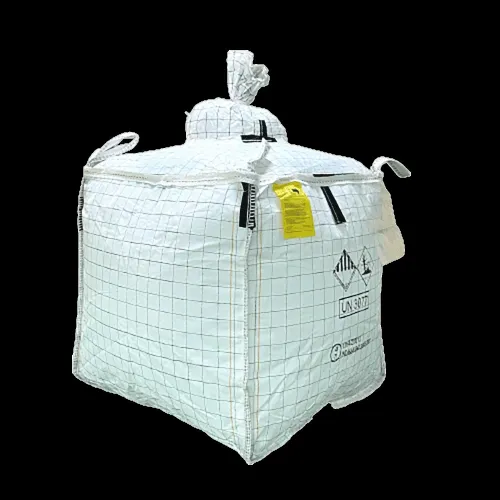
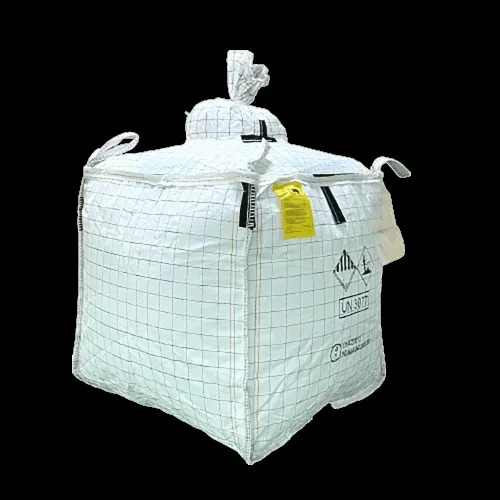
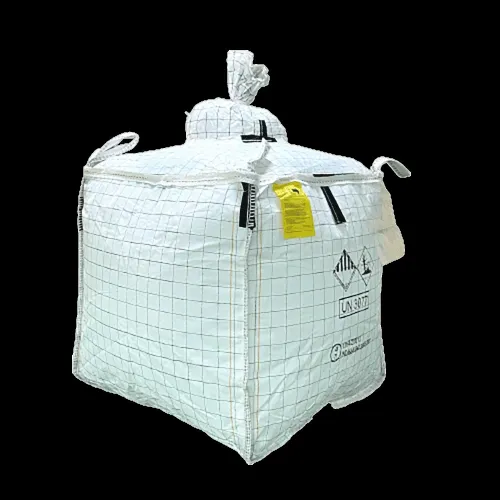
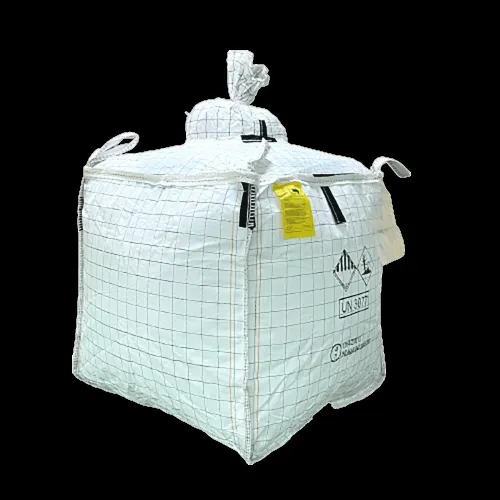
3. Treat dangerous solids separately. A commercial bulk bag is not equivalent to UN-marked packaging. Confirm that the UN code, packing group, approved mass, liner, coating, and transport conditions match the shipment.
Also state whether the bag is Type A, B, C, or D for electrostatic control; Type C requires earthing during filling and discharge, while Type D works only under its specified conditions.
A complete FIBC specification prevents suppliers from quoting different constructions under one nominal capacity. That makes price comparisons meaningful and exposes a bag that is unsuitable before it reaches your plant.
How FIBC Designs Change Handling, Filling, and Discharge
1-loop FIBC bags suit a single forklift tine or crane hook only when the loop and lifting method are designed for it. 2-loop FIBC bags fit paired forklift forks or two-hook lifting. 4-loop FIBC bags suit four-hook cranes and lifting frames, giving better stability for repeated movement.
Confirm loop spacing and rated equipment compatibility before lifting.
| Option | Handling and construction | Best fit |
|---|---|---|
| 1-loop | One central lifting loop; compact handling | Single-point lifting or a compatible fork arrangement |
| 2-loop | Two lifting loops; quicker fork engagement | Forklifts and two-hook handling |
| 4-loop | Four corner loops; balanced support | Lifting frames, cranes, stacking and repeated movement |
| Circular FIBC bags | Tubular body with fewer seams; may bulge | Free-flowing products where shape control is not critical |
| U-panel | Panels joined at side seams | General industrial filling and lifting |
| Cross-corner | Loops sewn into opposite body corners | Forklift or crane handling with improved alignment |
| Baffle | Internal panels retain a square shape | Tight pallet footprints and container clearance |
Automated filling needs fixed length, width, height, inlet diameter and inlet position so the bag meets the filling head every cycle. Specify a skirt or drawstring closure and controlled venting; trapped air slows filling, while uncontrolled dust escapes.
For discharge, compare plain spouts, duffle tops, flap closures, iris closures and discharge spouts. A larger outlet increases flow but can leave less control; a smaller outlet restricts flow and may retain bridging powder. Set the diameter against product behaviour and required residual level.
Compare filled dimensions, pallet footprint, container clearance, stacking height and lifting-equipment access—not nominal capacity alone.
How to Match the Bag to Product Behaviour and Static Risk
Specify the exact formulation, not merely “chemical powder,” before selecting an FIBC. Record particle size, flow behaviour, bulk density, abrasive edges, moisture sensitivity, temperature, oils, solvents, oxidisers, and storage duration; these affect fabric, coating, thread, liner film, and ink differently.
Use this procedure:
1. Choose construction for the powder’s behaviour. Fine, dusty material needs controlled seams and suitable filtration; abrasive particles need stronger fabric and seam protection. Check whether slow flow, bridging, or high density requires a discharge design that differs from a free-flowing powder.
2. Add FIBC liners when moisture exclusion, contamination control, or product retention demands a barrier. Specify the polymer, thickness, dimensions, loose or form-fit design, attachment points, sealing method, antistatic treatment, and compatibility with the exact formulation. A liner can reduce filling speed, change discharge flow and static control, and retain more powder.
3. Classify static risk correctly. Type A provides no electrostatic control; Type B limits brush-discharge risk for suitable nonflammable powders; Type C FIBC bags require an earth connection during filling and discharge; Type D dissipates charge under the manufacturer’s specified conditions without a separate ground connection.
Ordinary polypropylene or antistatic additives do not approve a bag for flammable dusts, solvent vapours, or explosive atmospheres.
4. For food, pharmaceutical, or sensitive chemical use, request hygiene controls, product-contact documentation, permitted cleaning methods, and contamination limits. Verify liner and fabric compatibility before production, not after a failed fill.
How to Verify a Vapi Manufacturer Rather Than a Trading Office
A local sales address does not prove that bags are made there. For FIBC factory verification, ask for the precise production address, current GST registration, and factory records showing the operating site. Request a process map identifying whether weaving, coating, cutting, sewing, liner conversion, printing, and final inspection occur in-house.
- Identify every subcontracted stage, the subcontractor’s location, and where testing is performed. Ask for lot traceability linking the fabric roll and liner batch to each finished bag, plus retained samples, inspection records, and the named person who released the lot.
- Require qualification evidence for lifting, drop, toppling, stacking, seam strength, leak or sifting, and outlet or liner-seal inspection. Compare the manufacturer’s method with ASTM D5228 and ISO 21898 FIBC testing where applicable; a fabric tensile result alone does not prove seam or discharge integrity.
Check the facility against these signs:
| Check | Actual manufacturer | Trading office |
|---|---|---|
| Address | Production or converting equipment at the stated Vapi site | Sales desk, warehouse, or unverifiable address |
| Records | GST, factory records, batch files, retained samples | Product catalogue and supplier declarations only |
| Testing | Identifiable equipment, operators, methods, and reports | Testing outsourced without named laboratory or records |
For Vapi-area supply, inspect dry floors, condensation protection, intact outer wrapping, and controls against mildew, rust contamination, and weakened printed surfaces during monsoon storage. Deccan Cans & Printers Pvt. Ltd. should provide evidence of its actual Vapi production or converting location, not merely a local sales address.
Related products
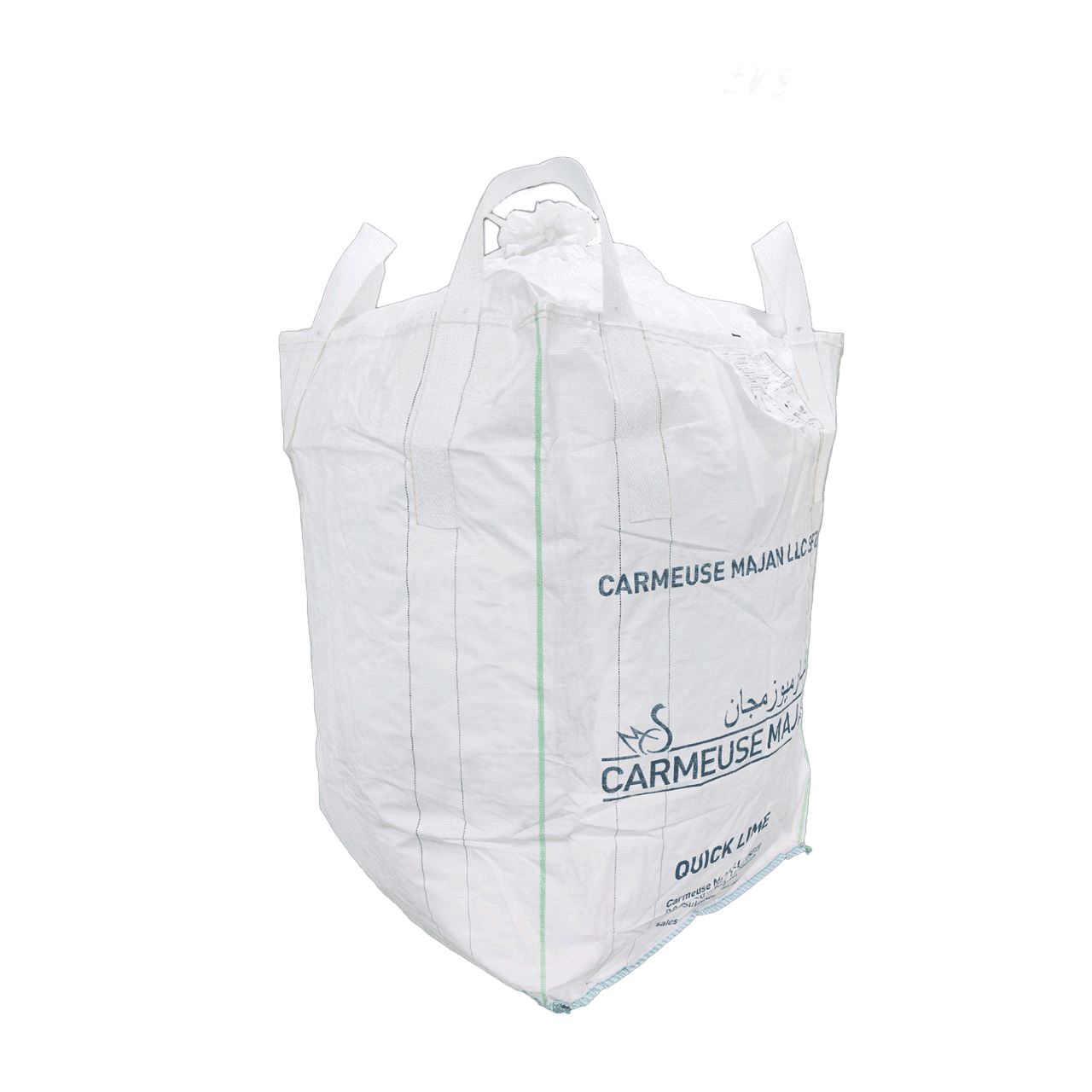 | FIBC Section Bags With Liners FIBC Liners – Bulk Bag Liners Deccan Cans & Printers Pvt. Ltd. |
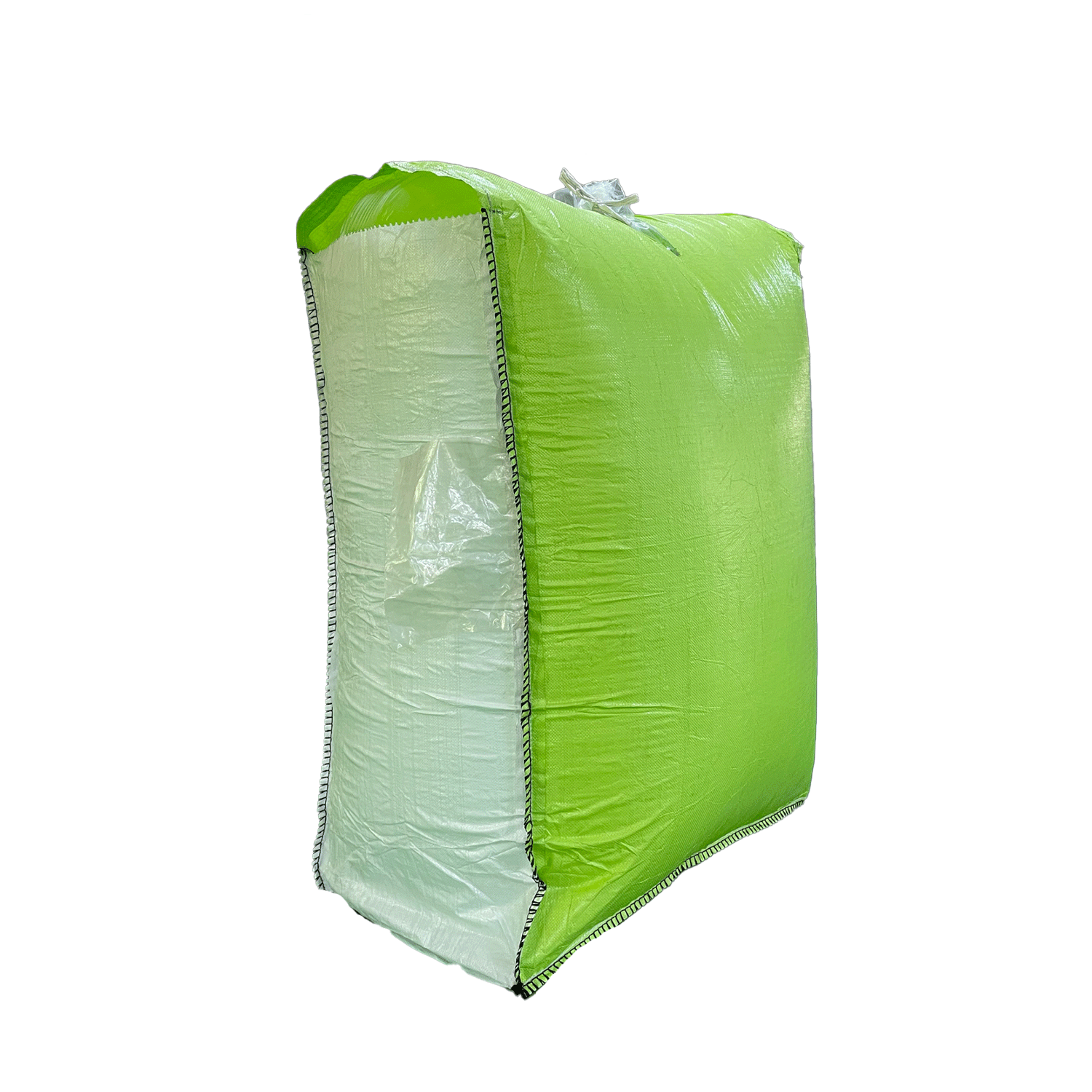 | FIBC Section Fertilizer Bag Range 1 & 2 Loop FIBC Bulk Bags Deccan Cans & Printers Pvt. Ltd. offers durable and cost-effective 1 & 2 Loop FIBC Bulk Bags, designed for the efficient... |
What to Put in the RFQ and Check Before Accepting Delivery
Turn bulk bag procurement into a like-for-like comparison by making every quotation answer the same specification. Use this FIBC RFQ checklist:
1. State the product formulation, target net mass, SWL, safety factor, dimensions, fabric weight and coating, seam construction, loop layout, inlet and outlet sizes, closure style, liner polymer, thickness, fit, attachment and sealing method, electrostatic type, UN approval if applicable, and single-trip or reusable status.
2. Require a drawing showing the body, loops, inlet, outlet, skirt, liner attachment points and pallet footprint. Record the proposed fabric, liner and spout details on the purchase order.
3. Require a production sample or controlled trial with the actual material. During FIBC sample testing, measure filling time, dust escape, discharge rate and residual powder; check loop fit on the lifting equipment and bag stability when stacked.
4. At receipt, perform an FIBC receiving inspection. Record lot number, count, outer-wrap condition, fabric damage, distorted seams, contamination, dampness and missing labels before release to production.
5. Reject any substitution of fabric weight, liner polymer, spout dimensions or loop design without written approval. Require retesting and written change notification for future lots, especially for hazardous, abrasive, moisture-sensitive or high-value contents.
Frequently asked questions
What should you specify before comparing FIBC manufacturers?
Define the safe working load, safety factor, bag dimensions, fabric, liner, lifting loops, top inlet, bottom outlet, seams, and filling and discharge requirements.
How do FIBC designs affect handling and discharge?
Loop configuration must suit your lifting equipment, while inlet and outlet dimensions, closure type, and liner design control filling speed, product flow, dust, and residual material.
Which FIBC type matches static risk?
Type A bags provide no electrostatic protection, Type B limits propagating brush discharges, Type C requires grounding during use, and Type D dissipates charge without a ground connection. Match the type to the product’s ignition sensitivity and operating environment.
How can you verify a Vapi FIBC manufacturer?
Request the factory address, production photographs or a visit, sample construction records, material and seam test reports, batch traceability, and evidence that the supplied bags match your approved specification.
Related products
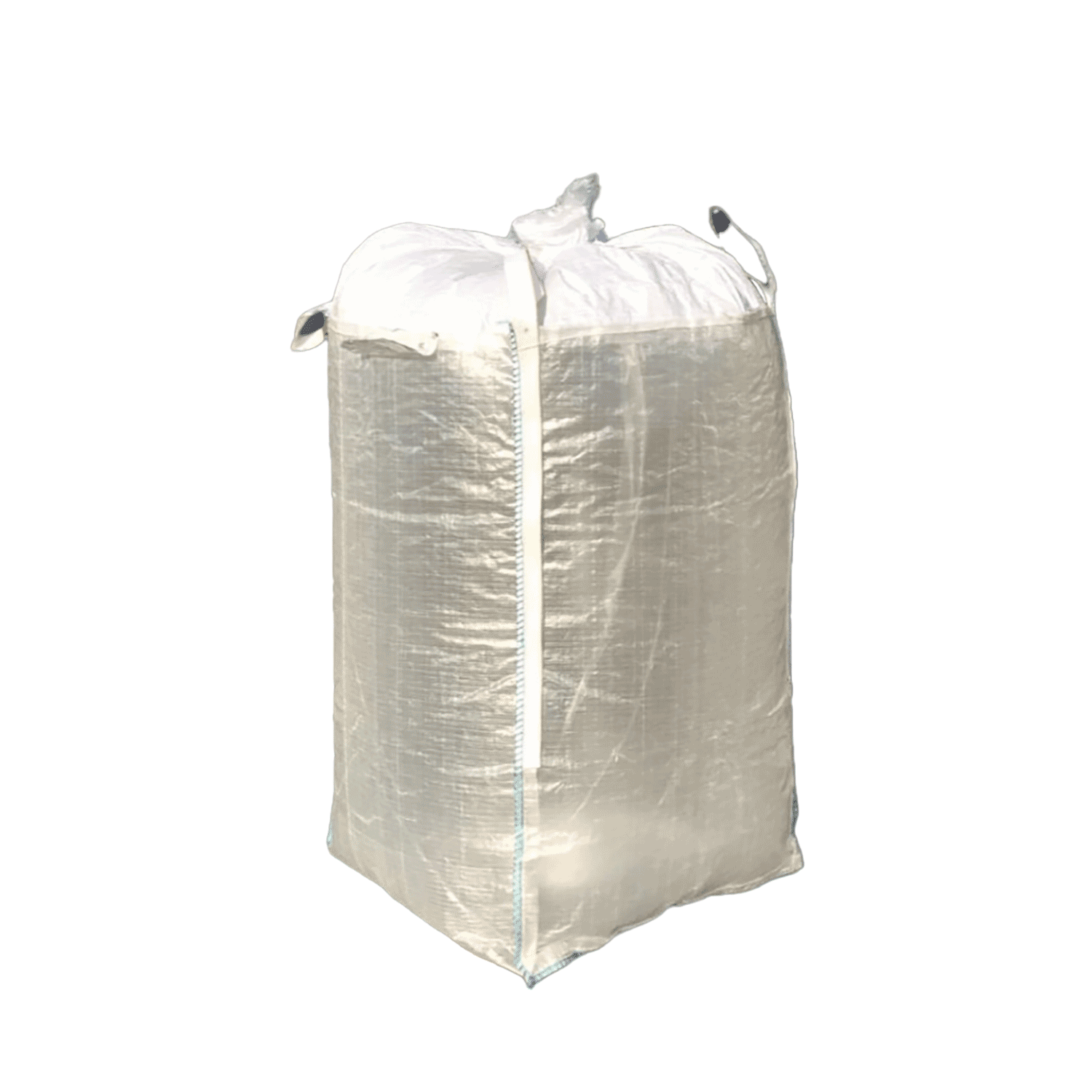 | FIBC Section Transparent Bags Transparent FIBCs – See-Through Bulk Bags Deccan Cans & Printers Pvt. Ltd. |
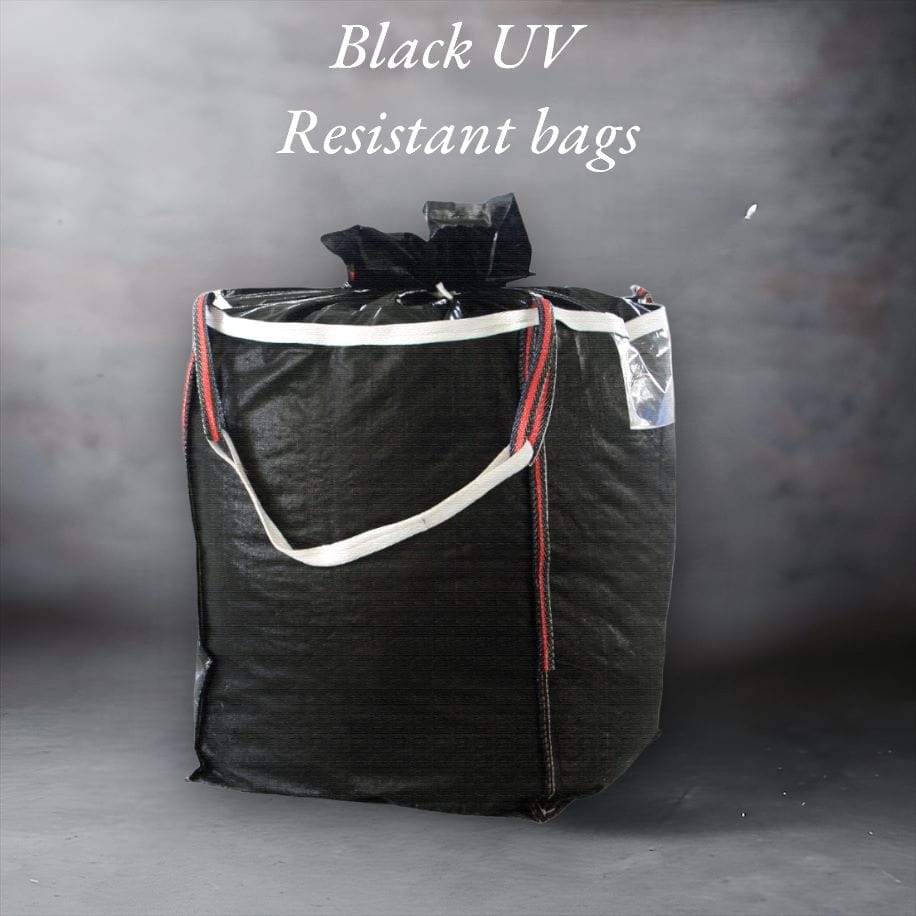 | FIBC Section Black Bags Black FIBC Bags – Enhanced UV Resistance & Extended Shelf Life UV exposure is one of the major challenges faced by the FIBC industry, as prolonged... |
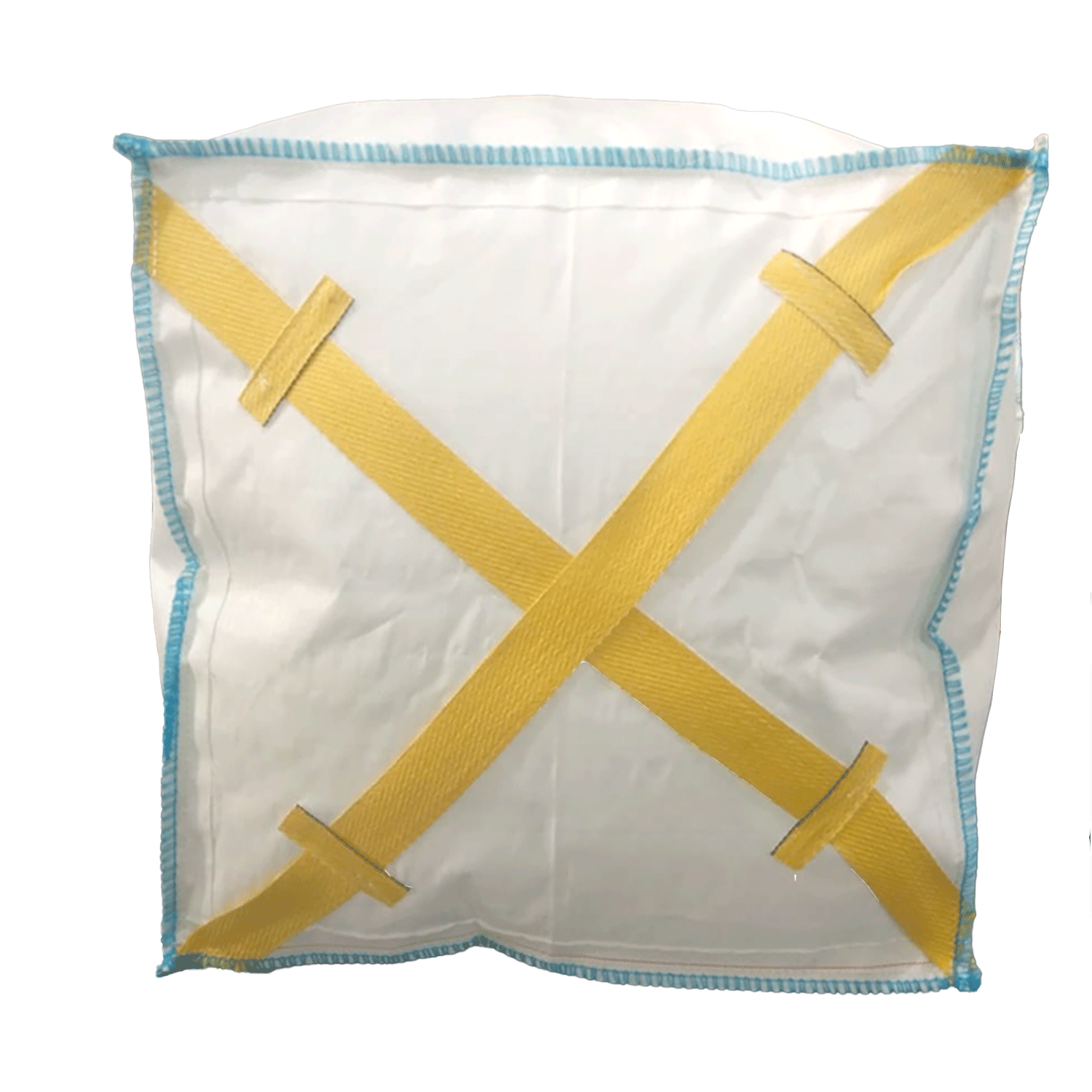 | FIBC Section Cross Bottom Sling Bags Cross Bottom Sling FIBCs – Bulk Bags Deccan Cans & Printers Pvt. Ltd. |
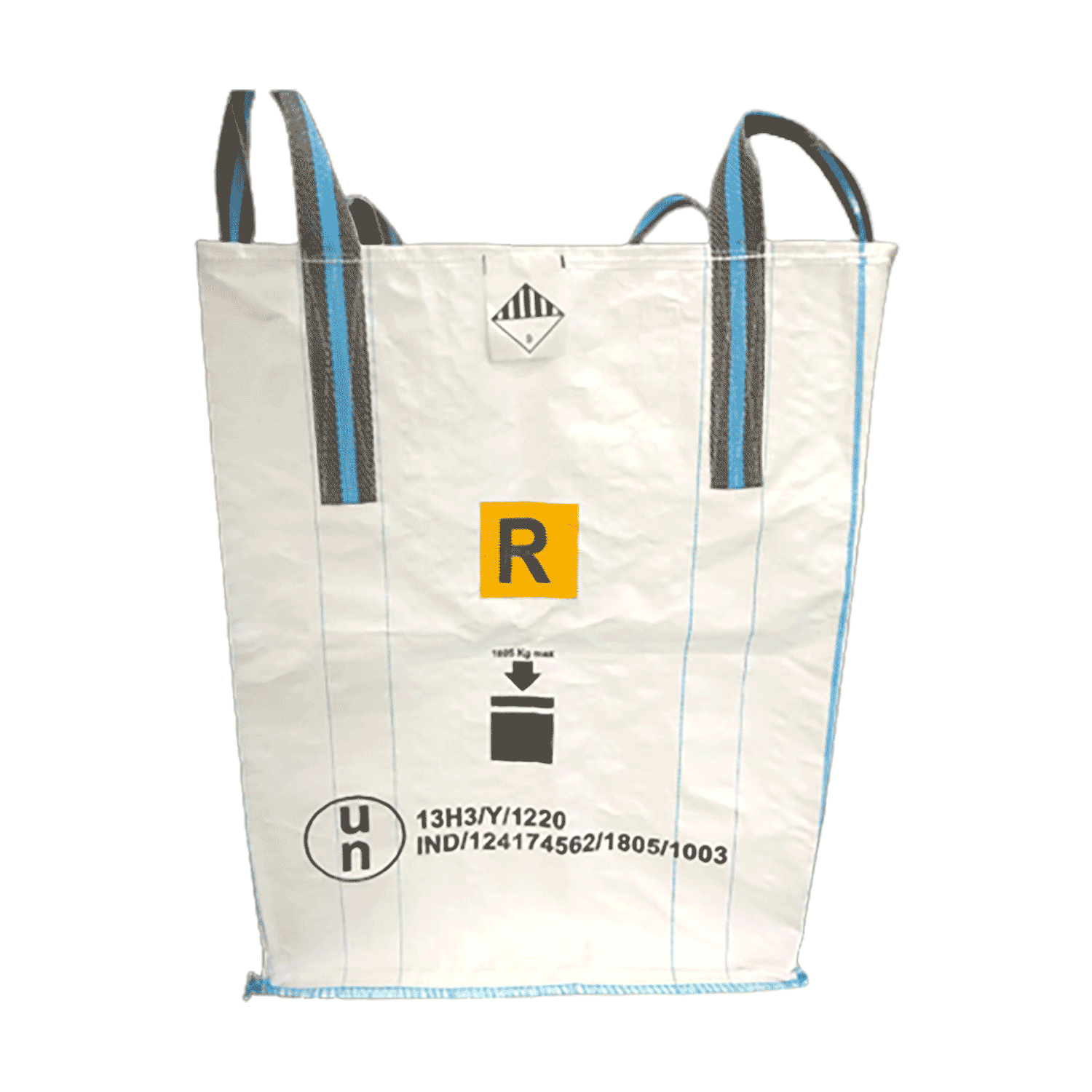 | FIBC Section Un Bags UN Certified Bulk Bags – Rigorous Performance Testing for Safety & Reliability Deccan UN Certified Bulk Bags are specially engineered for the safe... |