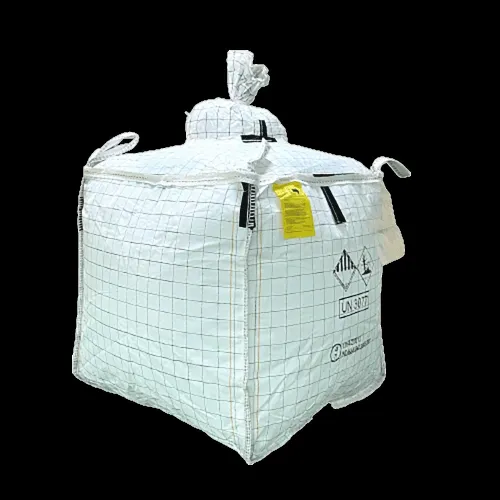

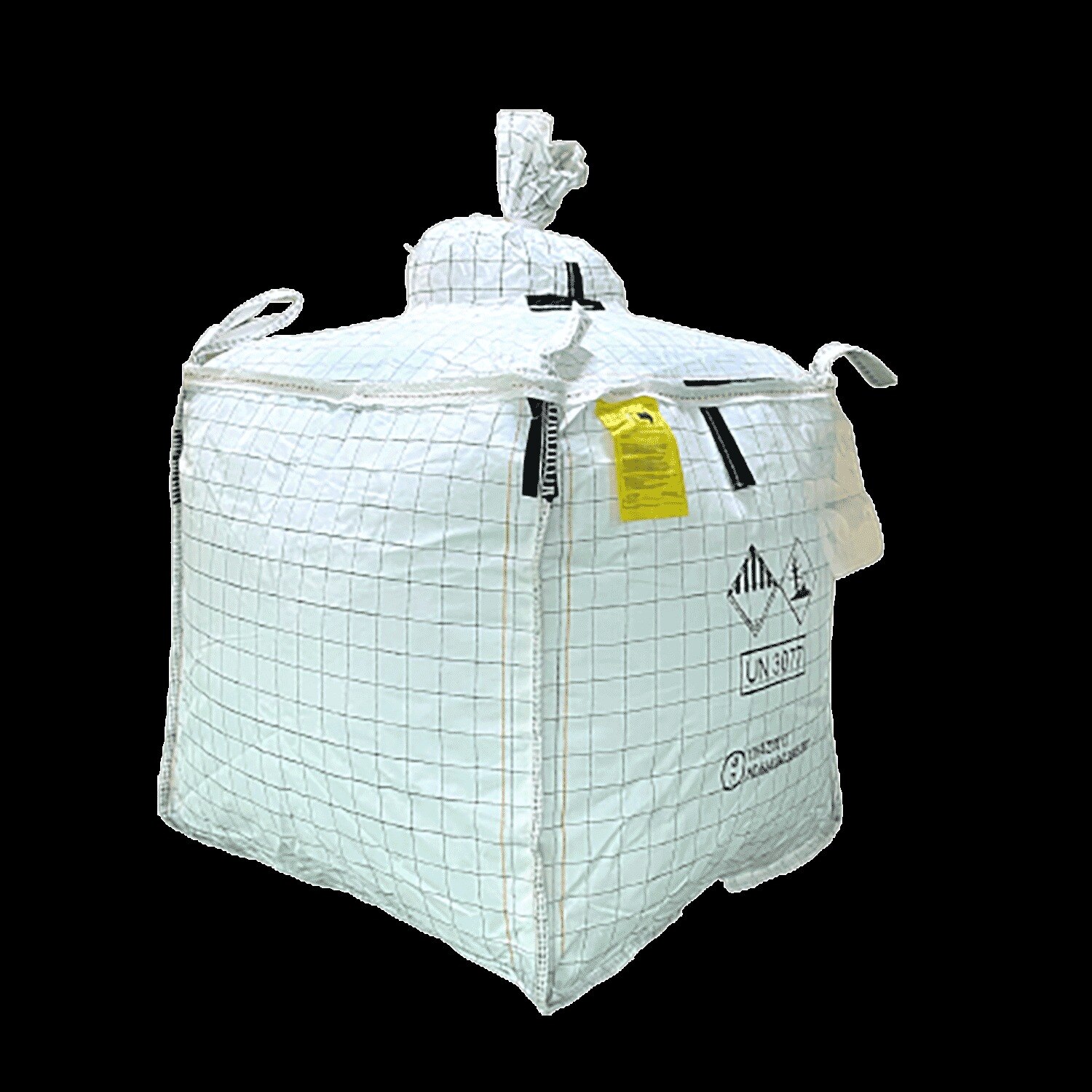
A heavy-duty FIBC is not defined by the label alone: its safe working load, safety factor, fabric, seams, lifting system and discharge design determine whether it suits a mineral or granular product. By the end, you will be able to calculate the required capacity, compare construction options, specify safe handling features and check whether a filled bag fits your site and transport equipment.
Key takeaways
- Define heavy-duty by SWL, dimensions, fabric and tested safety factor.
- Size the bag using bulk density, target mass and available filling space.
- Specify lifting loops, discharge spout and liner before requesting a quotation.
- Check test reports, markings and dispatch samples against your written specification.
What makes an FIBC heavy-duty for mineral loads?
“Heavy-duty” is not a regulated performance class. A useful heavy-duty FIBC definition names the safe working load, or SWL, in kilograms, the bag dimensions, fabric construction, lifting method and tested safety factor.
A 5:1 safety factor FIBC is commonly intended for single-trip use; a 6:1 design is commonly specified for multi-trip service. Neither ratio makes a bag reusable: reuse requires manufacturer approval, inspection, cleaning and documented service conditions. SWL is a lifting rating, not permission to stack filled bags to any height.
Ask the supplier to test the complete design, not only the woven body. Check these load-bearing and wear points:
- Lifting-loop stitching and lifting belts
- Corner seams and panel seams
- Full-open top, duffle top or inlet spout
- Base fabric and bottom seams
- Discharge spout, flap, star closure and their attachments
GSM describes fabric mass per square metre; denier describes yarn thickness. Neither proves mineral-load performance alone, because weave, coating, abrasion and seam construction control how the bag survives contact with aggregate, sand or fine powder.
Request a certificate identifying the bag design, SWL, safety factor, test standard such as ISO 21898, approved lifting method, liner, spouts and closures actually tested. A certificate for an unlined prototype does not automatically cover a lined production bag.
For buyers comparing 5:1 safety factor FIBC bags in Vapi for minerals, those details matter more than the phrase heavy-duty.
How to size an FIBC from bulk density and available space
Required fill mass equals bulk density multiplied by filled volume. For example, a 1,000-litre bag filled to 0.70 m³ with material at 1.4 kg/L holds about 980 kg; the same volume at 0.5 kg/L holds 350 kg. Sand, salt, fertilizer, aggregate and fine mineral powder therefore cannot be sized by litres alone.
1. Confirm the product’s target bulk-density range, target fill mass and maximum fill mass. Use the highest expected density when checking the bag’s rated capacity, and the lowest density when checking whether the required mass will fit within the available volume.
2. Calculate the required volume: volume in litres equals target mass in kilograms divided by bulk density in kilograms per litre. Add a deformation allowance for bulging and settling; do not treat the manufacturer’s nominal volume as usable space up to the stitching.
3. Give the supplier the FIBC dimensions: bag width, length, filled height, inlet and outlet dimensions, and the maximum fill mass. A 1,000-litre bag could exceed its rated load with dense mineral powder even when its physical volume is adequate.
4. Measure every clearance with the bag loaded. Check forklift entry and lifting height, truck-body height, container height, racking-bay width and depth, and discharge-station clearance beneath the loaded filled bag height. Include the raised outlet, pallet and deformation; an empty bag’s neat rectangle is not the working envelope.
5. Recheck compaction and bridging risk before fixing the volume. A settling product can reduce discharge clearance, while a loose product can require more headroom than its initial fill suggests.
Which construction suits minerals, fertilizer, sand and granules?
Coarse aggregate and abrasive sand need a circular woven polypropylene FIBC with protected base fabric, reinforced seams and a discharge attachment designed for impact. FIBC bags for minerals should be specified against pallet edges, warehouse floors, drop height, filling density and repeated handling—not denier or GSM alone.
A heavy fabric can still fail at the base, corner seam or outlet.
Fine mineral powders need containment against sifting. Choose coated fabric, dust-proof seams or a polyethylene liner; attach the liner and terminate it at both filling and discharge spouts. A loose liner can collapse into the outlet and stop controlled emptying.
FIBC bags for fertilizer suit dry granules with a coated body or liner when moisture, dust or caking is a concern. Salt needs corrosion-resistant handling equipment and protection from moisture.
| Design | Handling fit | Limitation |
|---|---|---|
| One-loop | Simple lifting with compatible equipment | Less stable and less flexible for positioning |
| Two-loop | Operator handling and dedicated lifting frames | Requires matching two-loop equipment |
| Four-loop | Forklift or crane access from approved loops | Needs all loops engaged and inspected |
| Cross-corner | Stable lifting with common forklift frames | Poor choice if the frame cannot capture each corner |
For abrasive material packaging, specify weave, coating, base protection, seam tests and attachment tests together. Use smaller sacks for frequent manual handling, a rigid intermediate bulk container for rigid stacking or repeated cleaning, a steel drum for hazardous or highly moisture-sensitive contents, and a bulk tanker for high-volume pneumatic transfer.
An FIBC is the wrong choice when its flexible shape cannot meet the required containment, hygiene or discharge control.
How should filling, lifting and discharge be specified?
Specify the complete route through the bag: how material enters, how the filled bag is lifted, and how it empties. The FIBC inlet and outlet design must match the product’s flow behaviour and the equipment beneath it.
For filling, choose the configuration that suits the loading equipment:
- A full-open top for rapid loading where dust control is not critical.
- A duffle top for wider access with a closable cover.
- A defined inlet spout for metered filling, dust control and repeatable weight.
For discharge, specify a bottom spout, discharge flap or star-closure arrangement, plus the outlet diameter and closure method. A fine powder that bridges or compacts needs a discharge design compatible with an agitator, air pad or controlled knife opening; a loose liner can otherwise collapse into the FIBC discharge spout and stop flow.
State the loaded clearance around the bag, not the empty dimensions. Check space for the forklift or pallet, hopper inlet, conveyor and operator access. Terminate and attach the liner at both the inlet and outlet spouts; do not leave it loose inside the body.
Lift only through the tested FIBC lifting loops, lifting belts or approved forklift pockets. Never lift by the discharge spout, liner or unapproved loops, even below the SWL. Inspect loop stitching, corner seams, bottom discharge attachments and base abrasion before use.
Choose Type A, Type B, Type C FIBC grounding or Type D only from the actual dust-explosion assessment. Type C requires verified grounding continuity; Type D applies only under its specified handling conditions.
How to verify a Vapi supply specification before dispatch
Before dispatch, turn the quotation into a signed site-check sheet. Give the supplier the product name, bulk-density range, target fill mass, bag dimensions, filling method, outlet clearance, transport route and stacking plan.
1. State whether the material bridges or compacts, and specify inlet and outlet dimensions, closure style, liner termination and maximum fill mass.
2. Record the validated FIBC stacking height separately from SWL. SWL is a lifting rating, not permission to stack bags to any height; stacking depends on geometry, filled density, top and bottom construction, pallet support and load stability.
3. Define monsoon storage for FIBC bags: covered storage, pallets clear of wet floors, protection from direct rain and a maximum storage period. Coated or water-resistant fabric does not prove outdoor suitability.
4. If evaluating Deccan Cans and Printers Pvt. Ltd. as an FIBC supplier in Vapi, request production samples, seam and lifting-attachment evidence, liner configuration and instructions for inspection, cleaning and any claimed reuse. Check that the FIBC test certificate identifies the design, SWL, safety factor, construction, test standard, loops, liner, spouts and closures actually tested.
5. Compare suppliers on matched samples, complete certificates, dimensional control, discharge performance, attachment quality, storage guidance and response to defects—not price or GSM alone. A certificate for an unlined prototype does not validate a lined production bag.
Related products
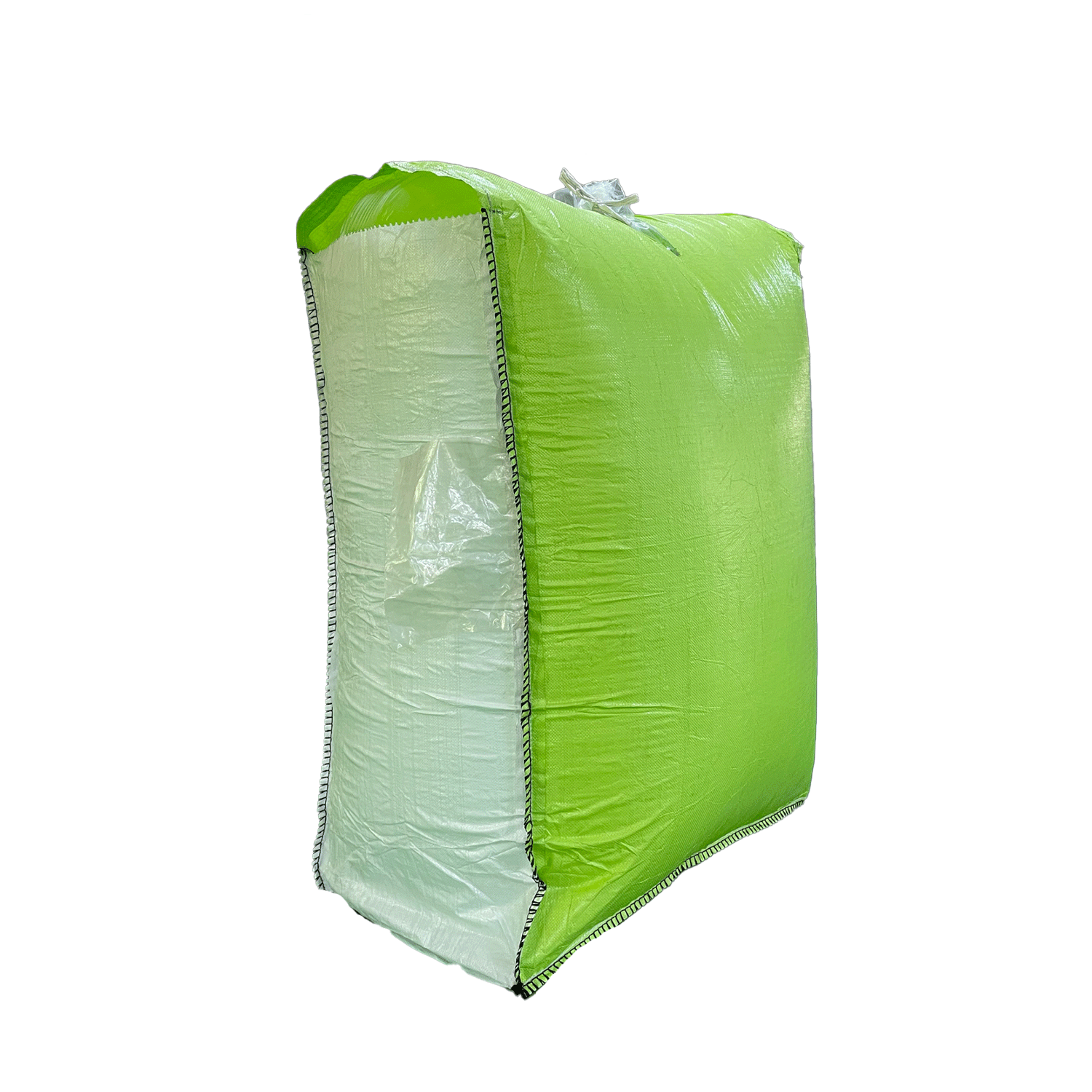 | FIBC Section Fertilizer Bag Range 1 & 2 Loop FIBC Bulk Bags Deccan Cans & Printers Pvt. Ltd. offers durable and cost-effective 1 & 2 Loop FIBC Bulk Bags, designed for the efficient... |
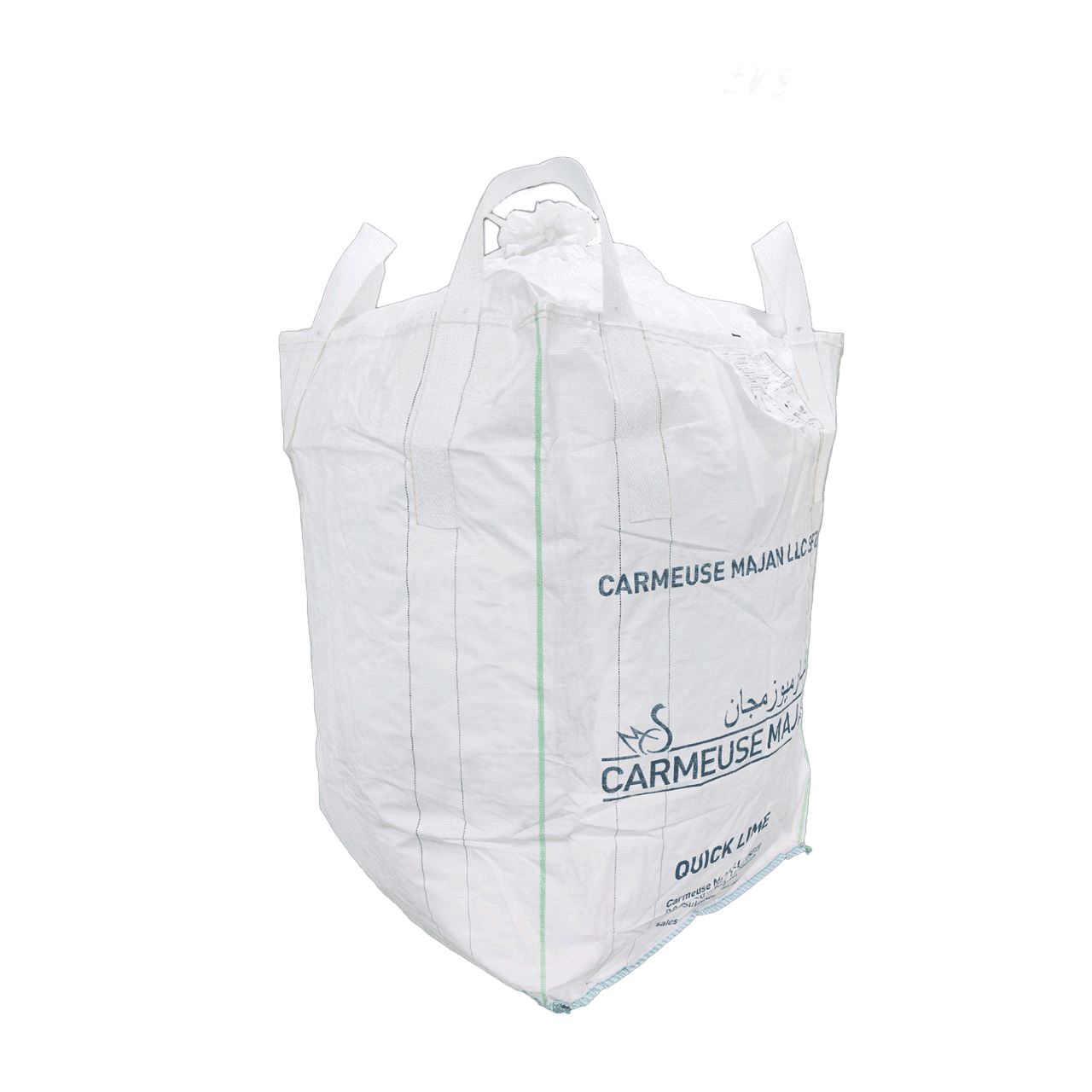 | FIBC Section Bags With Liners FIBC Liners – Bulk Bag Liners Deccan Cans & Printers Pvt. Ltd. |
Frequently asked questions
What makes an FIBC heavy-duty for mineral loads?
Heavy-duty describes a defined specification, not a regulated class. Record the safe working load in kilograms, bag dimensions, fabric construction, lifting method and tested safety factor.
How do you size an FIBC from bulk density and available space?
Calculate volume by dividing the target load in kilograms by bulk density in kilograms per cubic metre. Then compare that volume with the bag’s usable internal dimensions and filling headroom.
Which FIBC construction suits minerals, fertilizer, sand and granules?
Choose fabric, coating, liner and seam construction according to particle size, moisture exposure, dust control, flow behaviour and discharge requirements. Abrasive minerals need a construction that tolerates rubbing during filling, handling and transport.
How should filling, lifting and discharge be specified?
State the filling inlet, lifting-loop arrangement, SWL, safety factor, discharge outlet type and outlet dimensions. Confirm whether the material needs a liner, sift-proof seams or a controlled-flow discharge.
How can you verify a Vapi FIBC supply specification before dispatch?
Match the approved drawing and purchase order against a physical sample, including dimensions, fabric, seams, loops, inlet, outlet, markings and SWL. Request the applicable test report and record the batch or production reference before dispatch.
Related products
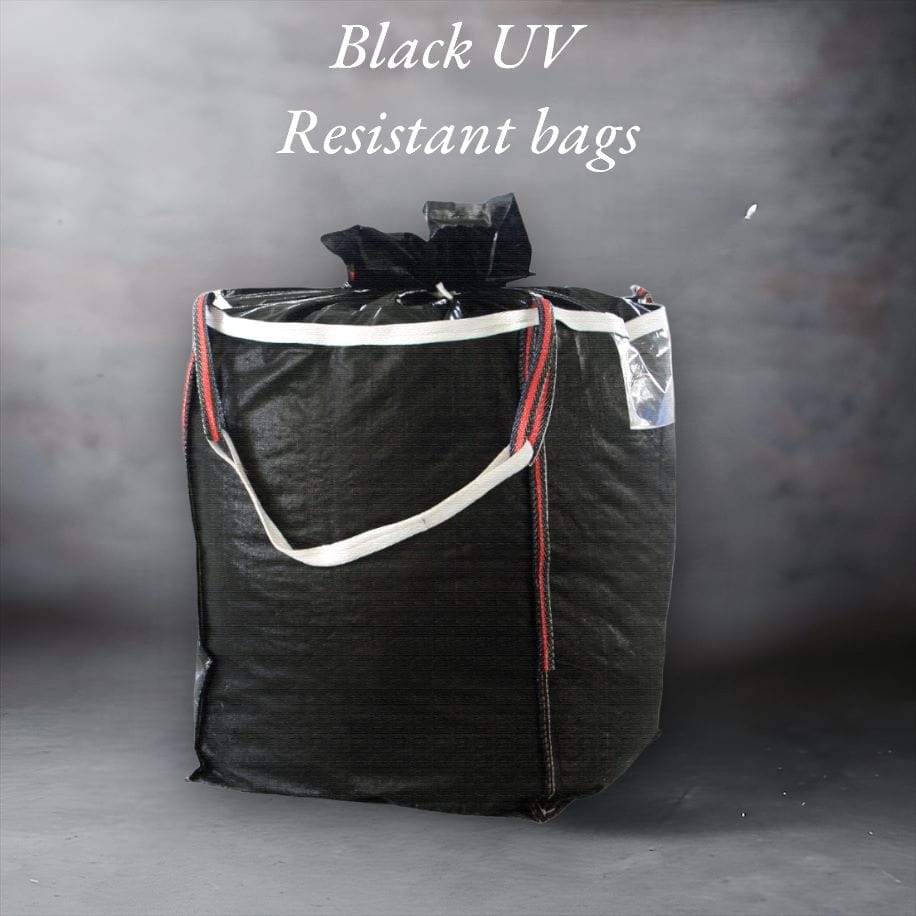 | FIBC Section Black Bags Black FIBC Bags – Enhanced UV Resistance & Extended Shelf Life UV exposure is one of the major challenges faced by the FIBC industry, as prolonged... |
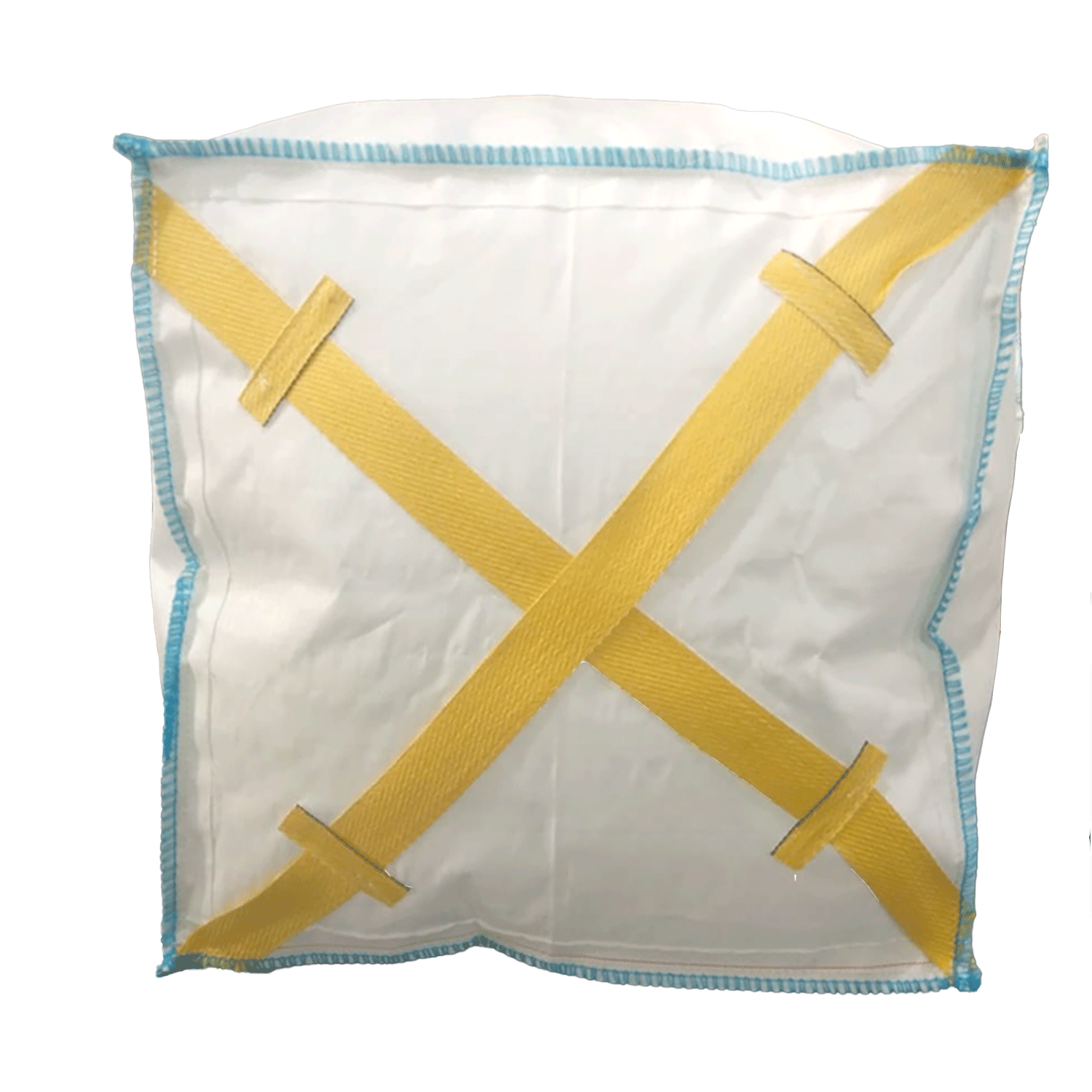 | FIBC Section Cross Bottom Sling Bags Cross Bottom Sling FIBCs – Bulk Bags Deccan Cans & Printers Pvt. Ltd. |
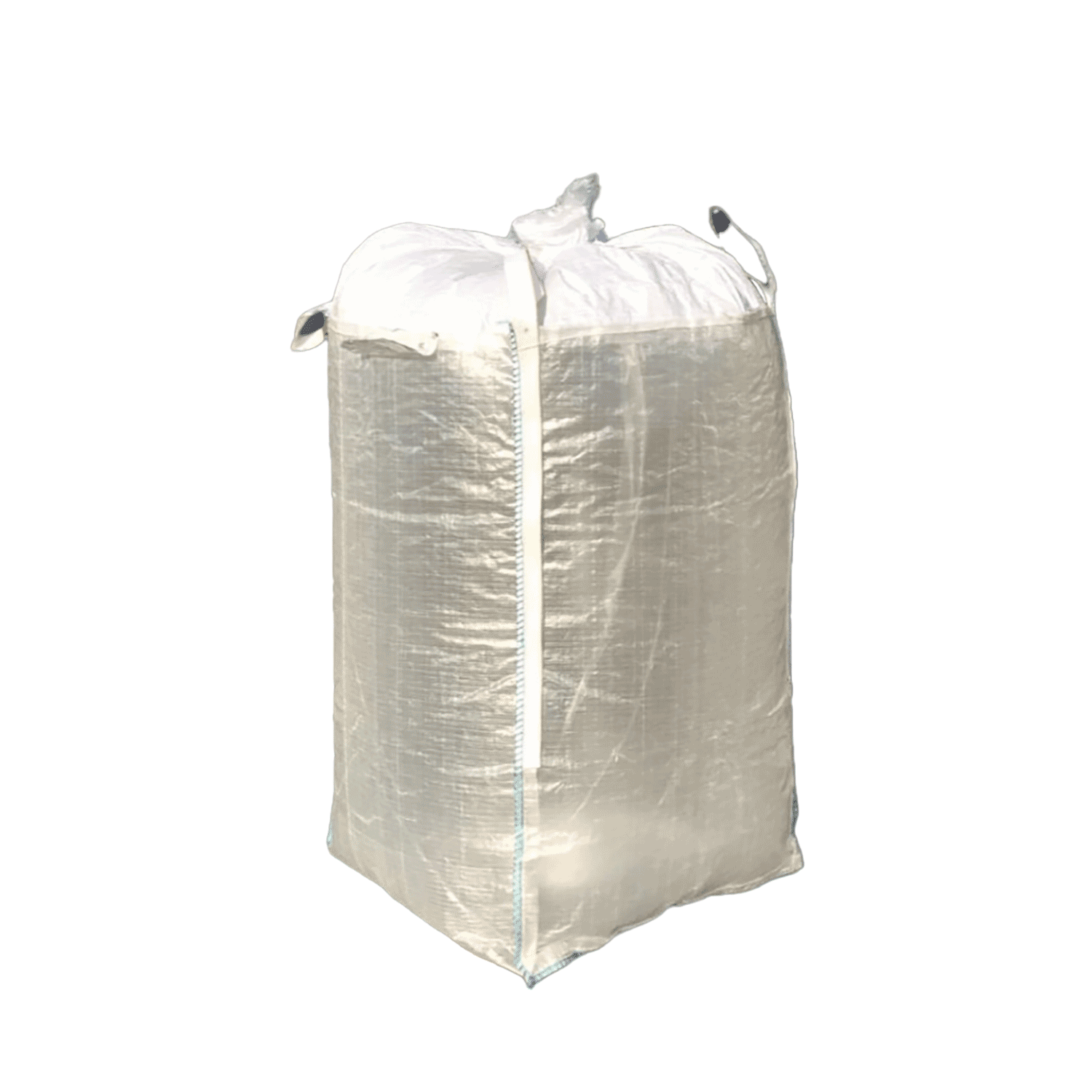 | FIBC Section Transparent Bags Transparent FIBCs – See-Through Bulk Bags Deccan Cans & Printers Pvt. Ltd. |
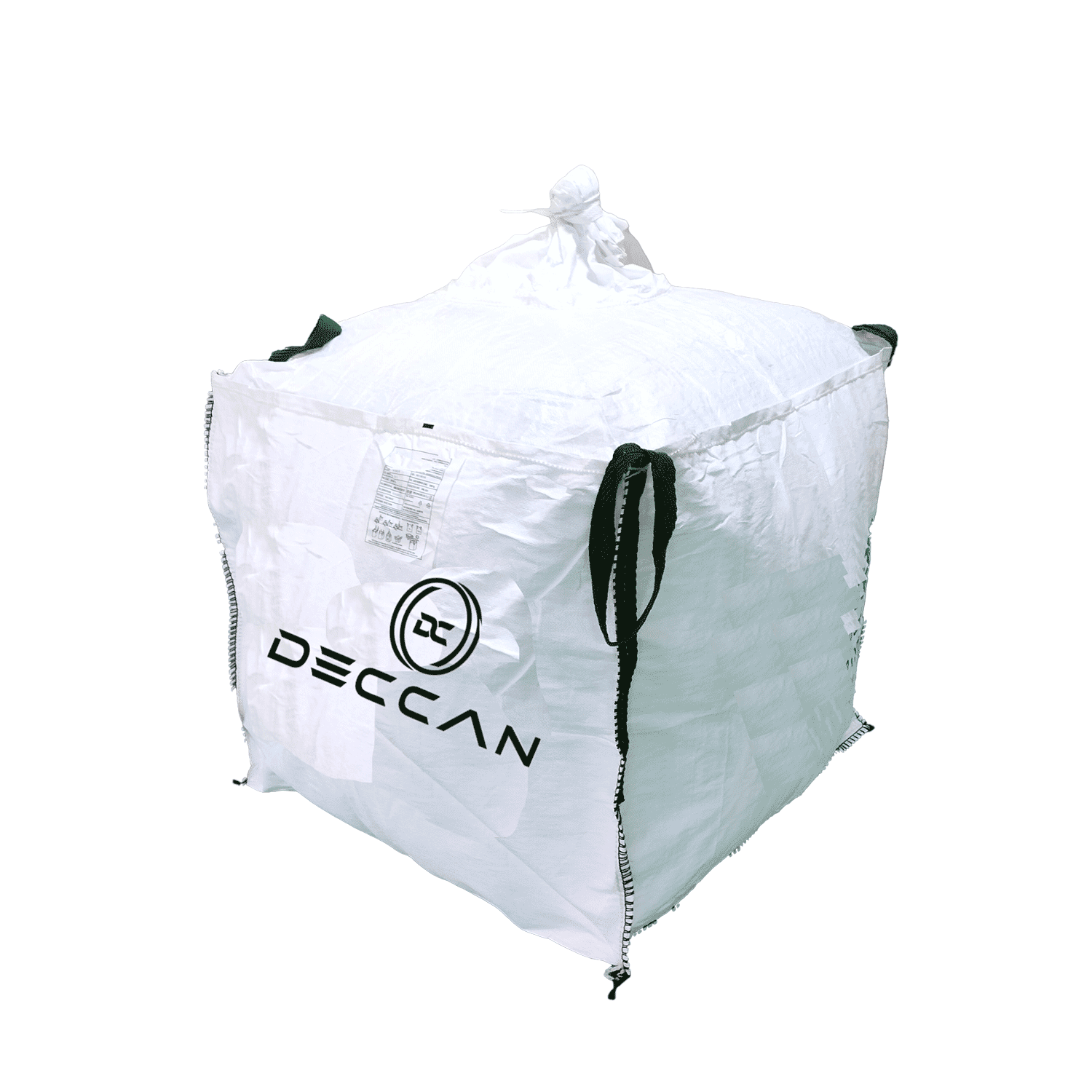 | FIBC Section Polyester Loop Bags/Multifilament Loops Polyester / Multifilament Loop FIBC Bags Deccan Cans & Printers Pvt. Ltd. |