Choosing an industrial container is a compatibility and process decision, not a catalogue exercise. You will be able to separate cans, pails, drums and FIBC bags, compare Ankleshwar suppliers on measurable terms, and specify a container that fits your product, filling line and transport risk.
Key takeaways
- Match the pack to product chemistry, dispensing method and handling equipment.
- Compare seam, lacquer, gasket, closure and transport specifications—not capacity alone.
- Request drawings, samples and compatibility evidence before approving a production order.
- Check filling-line fit, batch traceability, inspection records and delivery capacity.
Which Industrial Products Belong in Tin Containers, Pails, Drums or FIBC Bags?
Choose the pack by material, handling method and dispensing point, not by nominal capacity alone. Industrial tin packaging suits measured volumes of liquids, solvents, oils, coatings and chemicals needing rigid stacking, controlled dispensing and reclosure. Tin cans for chemicals require compatibility checks for the formulation, lacquer, seam and gasket.
| Package | Best fit | Workflow consequence |
|---|---|---|
| Tin container | Measured liquids and chemicals | Fill by weight or volume; close and torque the lid |
| Pail | Wide-opening products removed with scoops or spatulas | Easier hand filling and access |
| Drum | Larger liquid volumes | Use drum pumps and bulk-handling equipment |
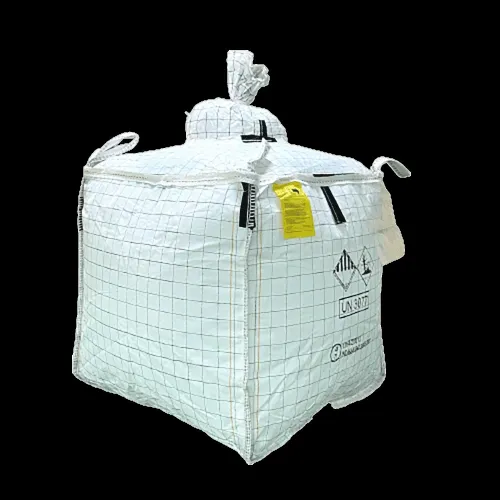
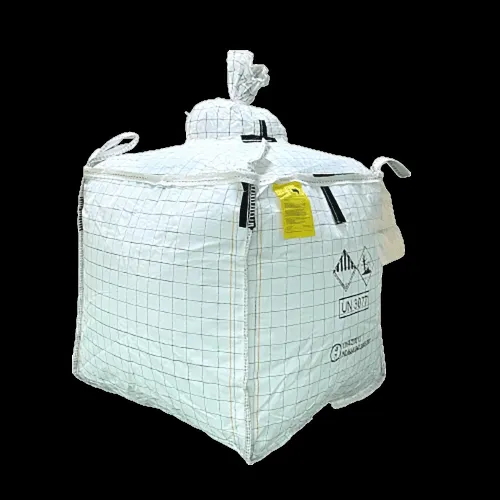
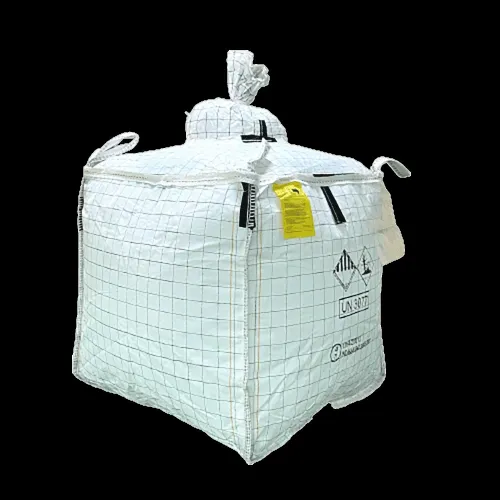
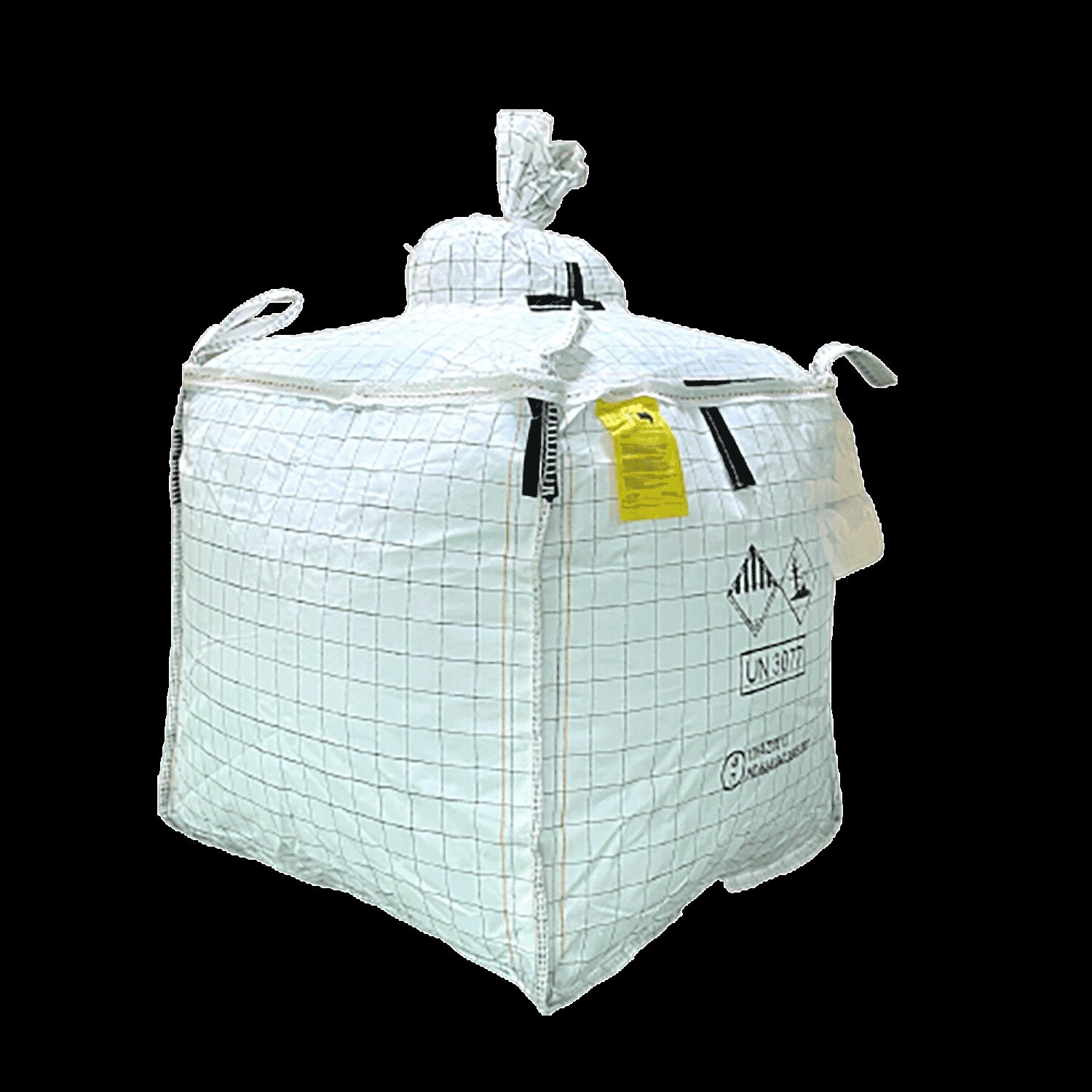
| FIBC bulk bag for powders | Dry powders, granules and flakes | Move by forklift or hoist |
FIBCs require an explicit Type A, B, C or D electrostatic specification. Type C needs a verified grounding path during filling and discharge; Type D dissipates static without a grounding connection. ISO 21898 is the reference for FIBC design and testing.
A 1,000 kg FIBC is not automatically suitable for a 1,000 kg load. Confirm safe working load, safety factor, bulk density, load distribution, stacking conditions, handling method and reuse status on the technical drawing and certificate. Fabric GSM alone proves little.
For tin containers, place these steps in the plant workflow:
- Receive empty packs and inspect the lot.
- Fill by weight or volume, close and torque the lid.
- Label and trace the batch, palletise, store and dispatch under required dangerous-goods controls.
Use pails versus drums to decide opening access and handling scale; use tin containers when controlled reclosure and measured dispensing matter.
How Should You Compare Tin Container Manufacturers in Ankleshwar?
Use a manufacturer comparison checklist, not an unverified ranking, when assessing tin container manufacturers in Ankleshwar. Ask each supplier for:
- Factory location, equipment, tin can production capacity by month or batch, standard lead time and urgent-order capacity
- MOQ and tooling charges, plus artwork, cylinder, print-colour and varnish charges
- Sample approval procedure, including the signed drawing and retained reference sample
- Net fill, body dimensions, metal thickness, tinplate or other steel substrate, internal lacquer, external coating, seam method and closure supplier
Compare the evidence in the same format:
| Evidence | Tin container | FIBC |
|---|---|---|
| Capacity | Net fill and batch capacity | Safe working load and test lot |
| Construction | Thickness, substrate, lacquer, seam and closure | Dimensions, safety factor, loops and liner |
| Performance | Leak and stack suitability | Filling/discharge design and certificate traceability |
Separate stock products from made-to-order cans. A standard body can shorten lead time; a new diameter, neck, lid or print can require a die and delay production. Record whether the supplier provides UN-certified packaging for dangerous-goods transport.
Request a written dispatch plan covering pallet dimensions, strapping, vehicle type, hazardous-goods paperwork, monsoon protection, delivery point, unloading responsibility and replacement procedure for damaged packs.
For FIBCs, check the same detail under ISO 21898. Fabric GSM, “chemical grade” and “heavy duty” do not define performance. Confirm filling and discharge spouts, liner construction and test certificates tied to each lot.
Which Tin Container Specifications Match Your Fill Volume and Filling Line?
Specify the can by usable fill, not external size. Start with the target net quantity in kilograms or litres, divide mass by product density, and reserve headspace in liquid packaging for thermal expansion. Confirm actual filling temperature and storage range, especially for warm liquids.
Nominal capacity versus net fill must be confirmed against internal working volume; a 5 L can may not hold 5 L of product safely.
Nominal capacities such as 1 L, 2 L, 5 L, 10 L, 15 L and 20 L are starting points, not final specifications. Request a drawing showing tin container dimensions, body diameter, height, neck opening, shoulder, seam overlap, base profile, tinplate thickness and grade, internal lacquer, and external coating.
| Opening | Filling and handling effect | Check before approval |
|---|---|---|
| Narrow neck | Reduces splash and vapour exposure but slows viscous filling | Nozzle clearance, cleaning access and cap fit |
| Wide opening | Speeds access and supports thicker products | Lid, gasket, closure torque and line clearance |
Confirm conveyor-guide spacing, chuck or spindle capper, lid feeder, torque range, label position and barcode orientation on the filling line. Test stackability using the actual pallet pattern and filled weight, not an empty-can sample.
For FIBCs, place these on the technical drawing:
- Bag dimensions and liner fit
- Safe working load, lifting-loop layout and load distribution
- Filling and discharge spouts
- Product bulk density, stacking condition and handling method
- Reuse status and the required ISO 21898 test documentation
How Do You Verify Chemical Compatibility, Closures and Transport Performance?
Approve chemical compatibility with tin cans from the product data, not from the can’s nominal litre size. Give the manufacturer the product name, concentration, density, viscosity, flash point, storage and filling temperatures, vapour pressure, and Safety Data Sheet. State whether the formulation is acidic, alkaline, water-based, solvent-based or oil-based.
Request these qualification records:
- Internal lacquer testing by immersion or contact at the actual concentration, temperature and storage duration.
- Inspection for softening, blistering, pinholing, delamination and product contamination.
- Substrate declaration identifying tinplate, electrolytic chromium-coated steel, lacquered steel or plain steel.
- Seam specifications, pressure or leak-test results, drop-test conditions, batch certificates and lot traceability.
- For flammable liquids, vapour-tight closure evidence, static-control review and applicable dangerous-goods approval.
- UN packaging approval when required, including the tested packing instruction and product group. A generic UN claim is insufficient.
Compare closures against the way operators open, empty and reseal the pack:
| Option | Check | Main risk |
|---|---|---|
| RLT and EOE closures | Opening method, reclosure and gasket compression | Poor resealing or leakage |
| Screw caps | Thread fit, torque and gasket recovery | Loose cap or seal damage |
| Lever lids | Lever force, seating and repeat closure | Distortion during handling |
| Plug seals | Insertion, removal and elastomer fit | Vapour or liquid leakage |
Name the gasket material, such as nitrile or EPDM, and check it against the formulation. Edible-oil packs need food-contact approval; promotional tins need print and appearance control, not chemical-resistance qualification.
How Do You Qualify an Ankleshwar Supplier Before Placing the Industrial Order?
Qualify the supplier with production evidence, a product trial and documented receiving controls—not location alone. This supplier qualification Ankleshwar process should cover both tin containers and FIBCs before you release an industrial order.
1. Request a production sample made with the proposed metal, thickness, internal lacquer, closure, gasket and print. Fill it with your product, or a justified surrogate, then record fill accuracy, cap fit, torque or lever force, leak performance, seam appearance, stack stability, label adhesion and filling-line performance.
2. Run a product-representative FIBC trial using the actual bulk density, flow, moisture, abrasion and caking behaviour. Record fabric rupture, seam failure, lifting-loop failure, liner rupture, discharge leakage and electrostatic risk separately; a generic drop-test report cannot prove suitability for every powder.
3. Agree minimum batch size, lead time, buffer stock, palletisation, vehicle access, monsoon protection, hazardous-goods dispatch documents and delivery protection before awarding the contract. Include batch certificate traceability in the purchase specification.
4. Apply industrial packaging incoming inspection to every lot, not only the first delivery. Sample dimensions, net weight, closure or discharge fit, print, traceability, visible defects and the certificate or test report tied to that production lot.
State whether each FIBC is single-trip or reusable. Reuse requires documented checks for contamination, UV exposure, abrasion, previous contents, cleaning validation and traceability. Include Deccan Cans & Printers Pvt. Ltd. in the tin container supplier evaluation when its fill, coating, closure, documents and delivery controls match your recorded requirements.
Related products
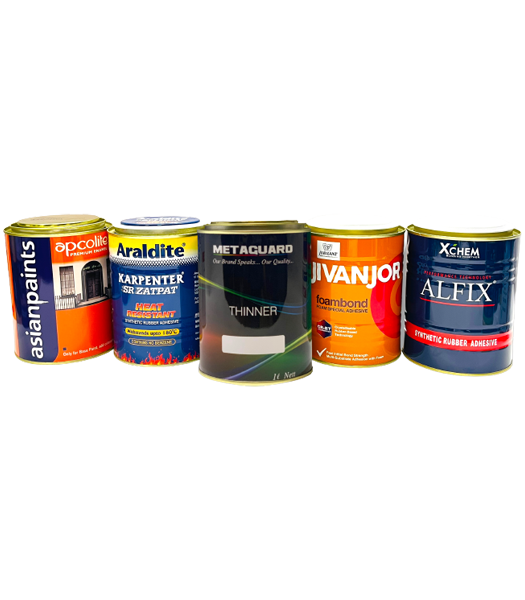 | Tin Containers Tin Containers Deccan Cans & Printers Pvt. Ltd. offers a robust range of Industrial Tin Containers, engineered to provide secure, durable, and... View product → |
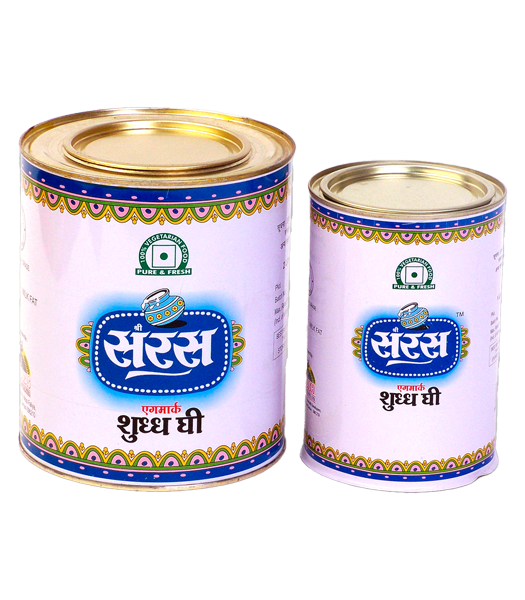 | Tin Containers RLT/EOE Tins Range Tin Containers Deccan Cans & Printers Pvt. Ltd. offers a versatile range of RLT/EOE tin containers, designed to provide durable, reliable, and... |
Frequently asked questions
Which industrial products belong in tin containers, pails, drums or FIBC bags?
Use rigid tin containers for measured liquid volumes, solvents, oils, coatings and chemicals that need stacking, dispensing and reclosure. Choose pails or drums for larger fills and mechanical handling, and FIBC bags for compatible dry bulk powders or granules.
How should you compare tin container manufacturers in Ankleshwar?
Compare material thickness, dimensions, seam construction, interior lacquer, closure options, gasket material, printing, tolerances, samples, quality records and production capacity.
Which tin container specifications match your fill volume and filling line?
Check nominal and usable capacity, container height and diameter, opening size, closure torque, filling-head clearance, line speed, pallet pattern and compatibility with your capping or sealing equipment.
How do you verify chemical compatibility, closures and transport performance?
Provide the supplier with the formulation, concentration, temperature and storage period. Confirm the steel, interior lacquer, seam compound, gasket and closure through compatibility testing, then evaluate leakage, stacking and handling performance.
How do you qualify an Ankleshwar supplier before placing the industrial order?
Request samples, technical drawings, material and coating details, inspection criteria, batch traceability, corrective-action records, production lead times and evidence that the supplier can meet your quantity and delivery schedule.
Related product
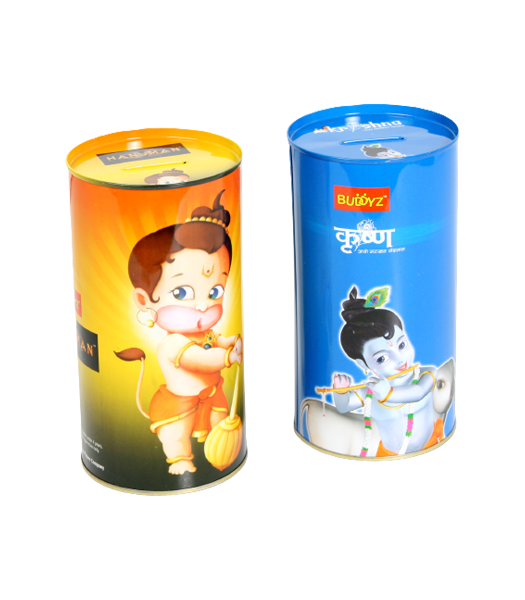 | Tin Containers Product Descriptions Deccan Cans & Printers Pvt. Ltd. 1. 80 × 150 mm Round Saving Box Product Code: 303*150RndSavingBox Application: Promotional The... View product → |