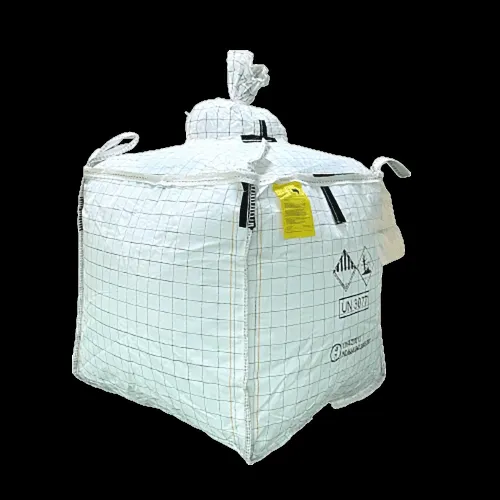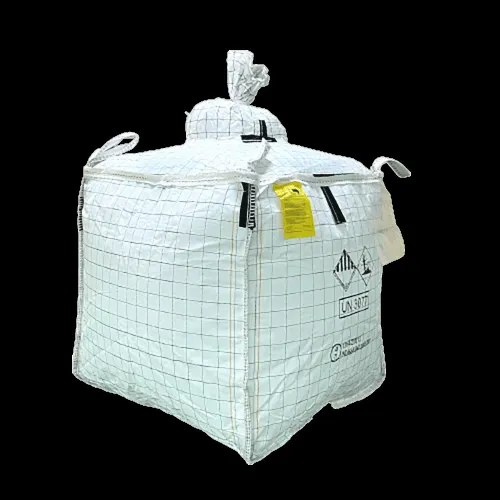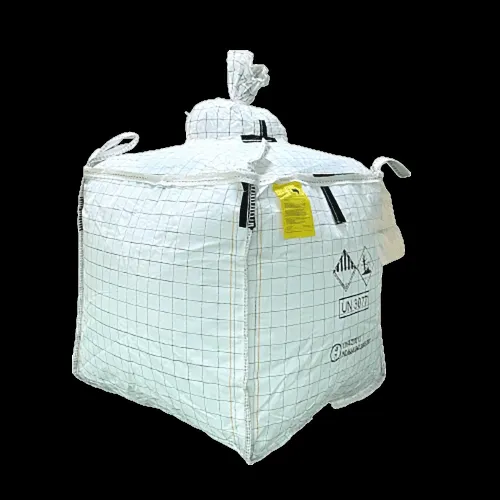

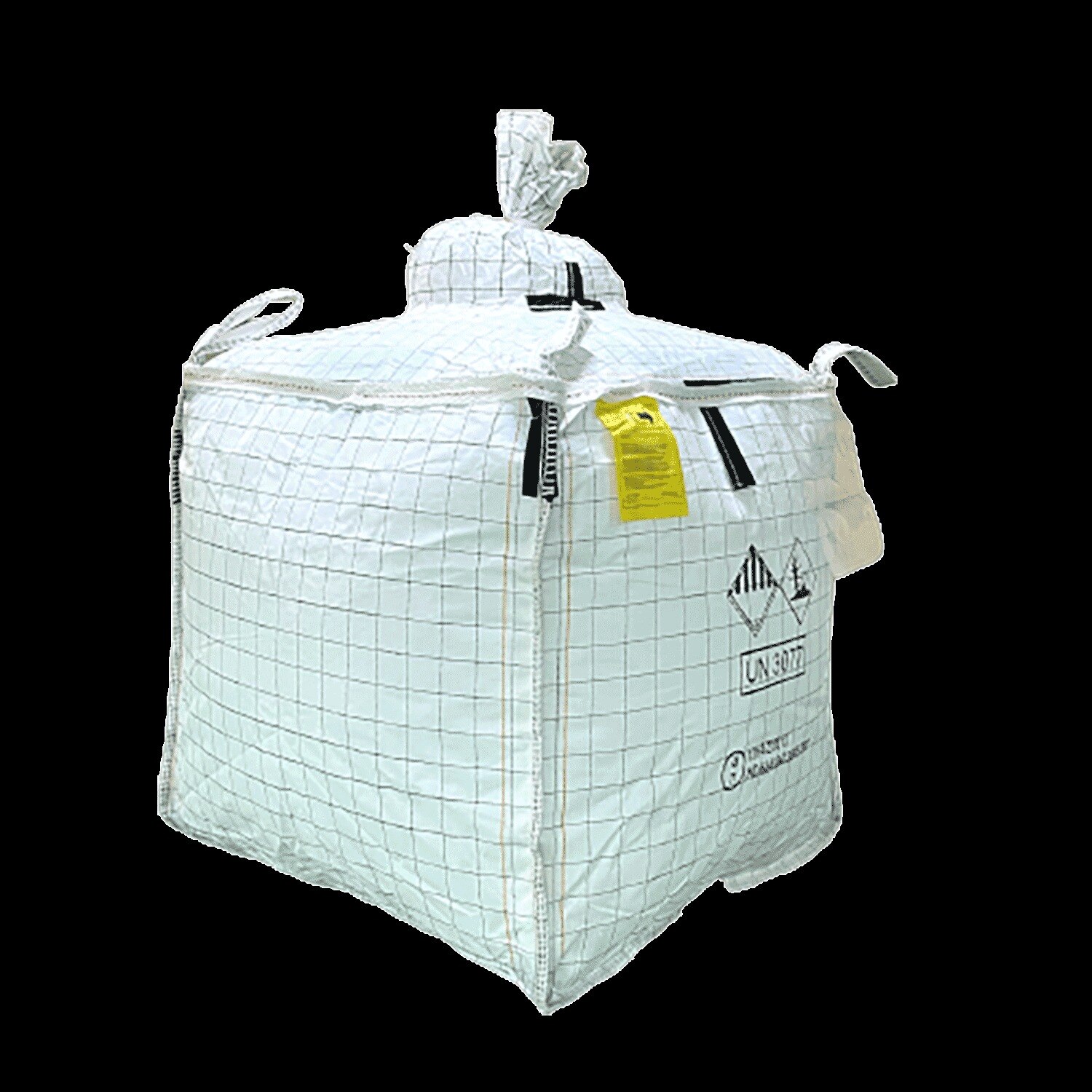
A custom FIBC is not defined by its height and width alone. You need to match its safe working load, fabric and liner construction, electrostatic classification, lifting method, closures, and compliance evidence to the material and the process that will use it. By the end, you can prepare a specification that suppliers can quote and test without unsafe assumptions.
Key takeaways
- Specify bags by product mass, bulk density, fill volume, and safe working load.
- Choose conductive, antistatic, or standard fabric based on dust and ignition hazards.
- Match filling, lifting, and discharge features to the equipment you already use.
- Check seams, labels, liners, and storage conditions before accepting finished bags.
Define the bag by load, density, and service life
Specify an FIBC from the product’s mass, bulk density, fill volume, and required safe working load—not from a nominal 1 m³ or 1.5 m³ bag size. For a bulk density Bengaluru operation, weigh a representative sample after normal aeration, settling, or vibration; the same material can occupy different volumes during filling.
| Capacity basis | What to establish | Why it matters |
|---|---|---|
| Product mass | Maximum filled mass in kilograms | Determines the bag’s SWL |
| Bulk density | Loose and settled density in kg/m³ | Converts required mass into volume |
| Fill volume | Product volume plus headspace | Prevents overfilling and closure stress |
| Flow behaviour | Free-flowing, cohesive, aerated, or compacting | Influences bag dimensions, de-aeration, and outlet design |
Calculate required volume as mass divided by settled bulk density, then add usable headspace without exceeding the bag’s rated fill height. Trial filling with the actual product is more reliable than selecting dimensions from a catalogue.
State both the safe working load and SWL in the custom FIBC specification, along with the test factor and intended trips. A 5:1 factor means testing against five times the rated SWL; it does not allow five-times filling. A single-trip bag needs a different design from a reusable bag requiring inspection after each trip.
Specify UV stabilisation and maximum outdoor exposure. Store covered, away from rain, ground moisture, sharp edges, heat, and prolonged sunlight, or polypropylene can embrittle before its rated service life ends.
Match fabric, liner, and electrostatic protection to the material
Fine powder needs more than a coated fabric. Specify the FIBC liner construction, seam design, and closure together: a form-fit polyethylene liner improves sifting control, while a coating reduces surface porosity. Request sifting tests using your actual particle-size distribution, because fine powder can escape through needle holes even when coarse granules do not.
| Material | Fabric and liner construction | Electrostatic and compliance choice |
|---|---|---|
| Powders | Coated fabric or form-fit liner; sealed, sift-resistant seams | Match Type A, Type B, Type C, or Type D to dust ignition risk |
| Granules | Uncoated fabric for free-flowing, non-dusting product; coating for finer particles | Type A where no electrostatic hazard exists |
| Flakes | Uncoated fabric with a liner when fragments generate dust or need clean release | Select the type required by the product and handling atmosphere |
| Hygroscopic products | Continuous polyethylene liner with sealed filling and discharge closures | Confirm moisture protection at every closure; a liner alone is not moisture-proof |
| Abrasives | Heavy fabric, reinforced seams, and abrasion-resistant liner or coating | Check wear at lifting loops, seams, and discharge spouts |
| Fertilizers | Coated fabric or compatible liner selected against the formulation’s moisture and chemical action | Verify compatibility and electrostatic risk before filling |
| Food ingredients | Controlled product-contact fabric, liner, thread, inks, and processing aids | Obtain the applicable declaration and migration evidence, not just “food grade” |
| Hazardous substances | Use the required UN design, such as 13H1, 13H2, 13H3, or 13H4 | Require the UN mark and passed design-type tests |
Type A has no electrostatic-control provision. Type B limits surface-discharge risk, Type C must be grounded through interconnected conductive components, and Type D dissipates charge without conventional grounding. An antistatic FIBC is not automatically suitable for combustible dust.
For food supply, check 21 CFR 177.1520 for US applications or the applicable EU food-contact declaration and migration evidence.
Design the bag around filling, lifting, and discharge equipment
A bag built for crane hooks is not automatically safe for forklift handling. Specify the lifting interface first: four corner FIBC lifting loops for compatible crane hooks, or long sleeve loops sized for forklift tines.
Never insert tines beneath the bag body or lift from fewer loops than specified; those loads fall outside the certified vertical test.
| Equipment | Specify | Prevents |
|---|---|---|
| Forklift handling | Sleeve loops or four loops with documented tine spacing; keep the bag clear of sharp forks | Loop tearing and fabric puncture |
| Crane hooks | Four reinforced corner loops, hook-compatible loop width, and lifting instructions | One-sided loading and hook slippage |
| Pallet movement | A stable, square footprint; baffles when space efficiency matters, with the pallet sized to support the base | Bulging beyond the pallet and unstable stacking |
| Automated filling | An inlet diameter and height matched to the filler, a dust-tight flap or iris closure, and reinforced seams around the inlet | Slow filling, dust escape, and seam failure |
| Discharge station | An outlet diameter, spout length, and tie or iris closure matched to the feeder; test mass-flow performance with the actual product | Bridging, residual product, and uncontrolled release |
Baffles restrain bulging and improve pallet or vehicle utilization; they do not increase safe working load. Position them only after confirming that the filled bag collapses correctly and the outlet remains unrestricted.
Treat FIBC filling and discharge spouts as process interfaces, not decorative dimensions. Trial-fill the actual material, then verify the closure, seam strength, discharge time, and access for the operator.
Build compliance into the construction before production
A certificate issued for a different fabric, liner, or closure does not certify your bag. Freeze the construction and evidence package before cutting fabric.
1. For hazardous materials, request UN FIBC certification and the design-type test report for the exact finished configuration. Confirm whether the mark identifies 13H1, 13H2, 13H3, or 13H4, then match it to the substance, packing group, liner, coating, closures, and rated load. The finished bags must carry the applicable UN mark.
2. For a food-grade FIBC, obtain a declaration of compliance and migration evidence covering every product-contact component: polypropylene fabric, coating, liner, thread, inks, adhesives, and processing aids. For US supply, check the applicable status under 21 CFR 177.1520; for EU supply, request evidence under the food-contact framework and plastics rules.
3. For pharmaceutical service, require material certificates, lot traceability, cleaning or bioburden-control records, and a change-control statement. Add extractables and leachables data when the product or process requires it.
4. For printed or laminated bags, approve artwork with the ink and adhesive documentation before production. Keep print away from product contact unless migration evidence covers it, and leave UN marks, grounding points, seams, and inspection areas visible.
5. Sign a final specification and approve a production sample before release. It should show the bag code, liner and closure details, safe working load, safety factor, test references, print position, and inspection criteria. A generic “compliant” statement is not evidence.
Check, store, and source the finished bags responsibly
A 5:1 test factor does not let you fill a bag to five times its rated capacity. Record the SWL, test factor, and intended number of trips separately; a single-trip FIBC needs a different design and inspection regime from a multi-trip bag.
FIBC inspection checklist:
- Reject any bag with cuts, holes, broken stitching, pulled loops, damaged seams, contamination, wetness, or a missing identification label.
- Check that lifting loops, sleeves, discharge closures, grounding tabs, conductive yarns, and liners match the approved design.
- For Type C bags, document continuity testing before filling. Printing, repairs, or an incompatible liner can interrupt the grounding path.
- Reject a bag after chemical attack, heat damage, unauthorised repair, or an unknown service history.
- Reuse only within the stated FIBC reuse limits, after recording each trip and passing every inspection. Do not reuse a single-trip bag.
- Clean only with the approved method for the material and fabric; dry it completely before storage. Do not place a cleaned bag into product service without documented cleanliness validation.
Store bags covered, dry, off the floor, away from sharp edges, heat, rain, and prolonged sunlight. Specify UV stabilisation, maximum exposure conditions, and whether covered storage is mandatory; Bengaluru sun can embrittle polypropylene before the SWL is reached. Lift only from all designed loops or sleeves, never with forklift tines under the body.
Choose an FIBC supplier Bengaluru operations can audit for test reports, traceability, repair controls, and written storage instructions. Deccan Cans and Printers Pvt. Ltd. is worth comparing on those documents rather than on printed artwork alone, which can obscure stitching or compliance marks.
Related products
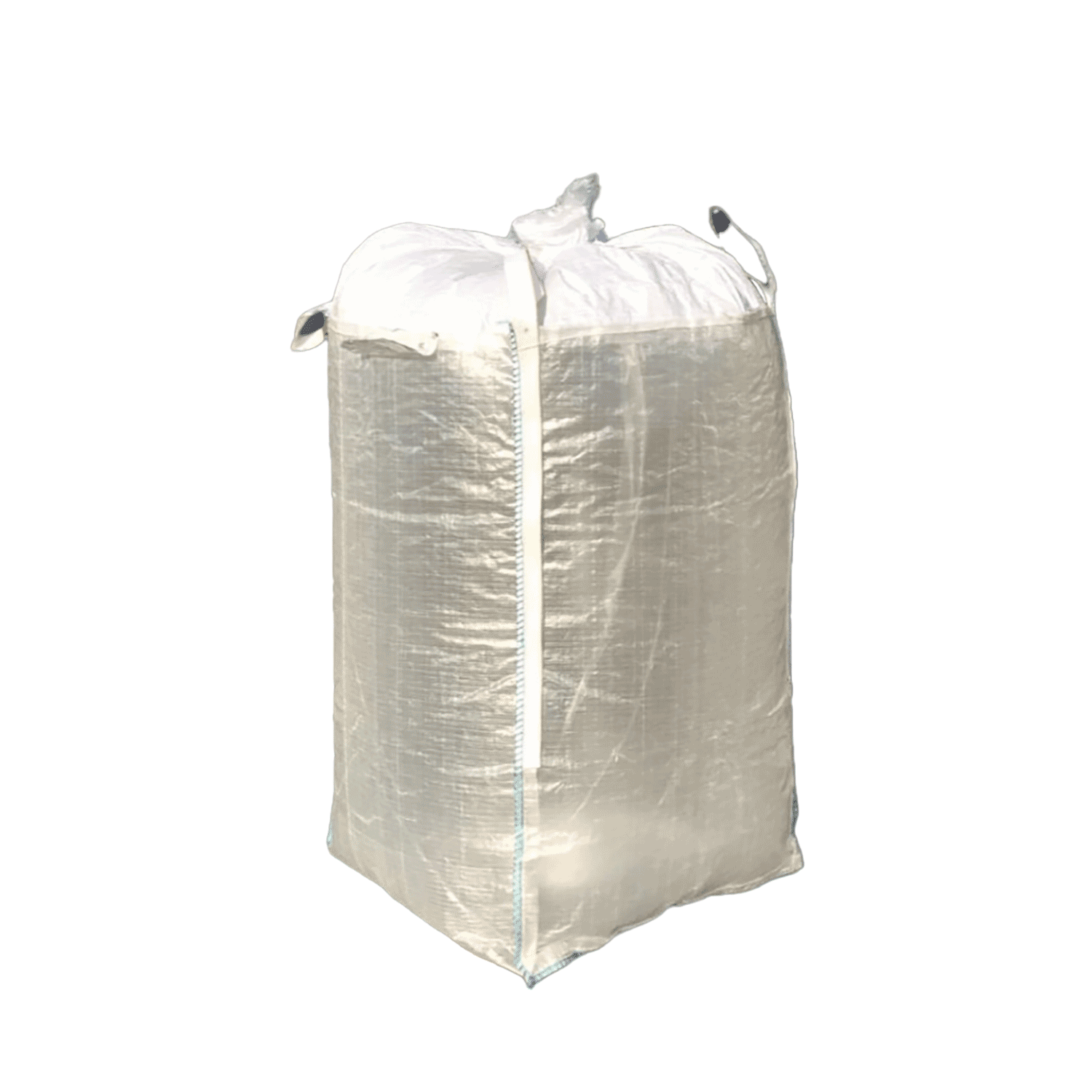 | FIBC Section Transparent Bags Transparent FIBCs – See-Through Bulk Bags Deccan Cans & Printers Pvt. Ltd. |
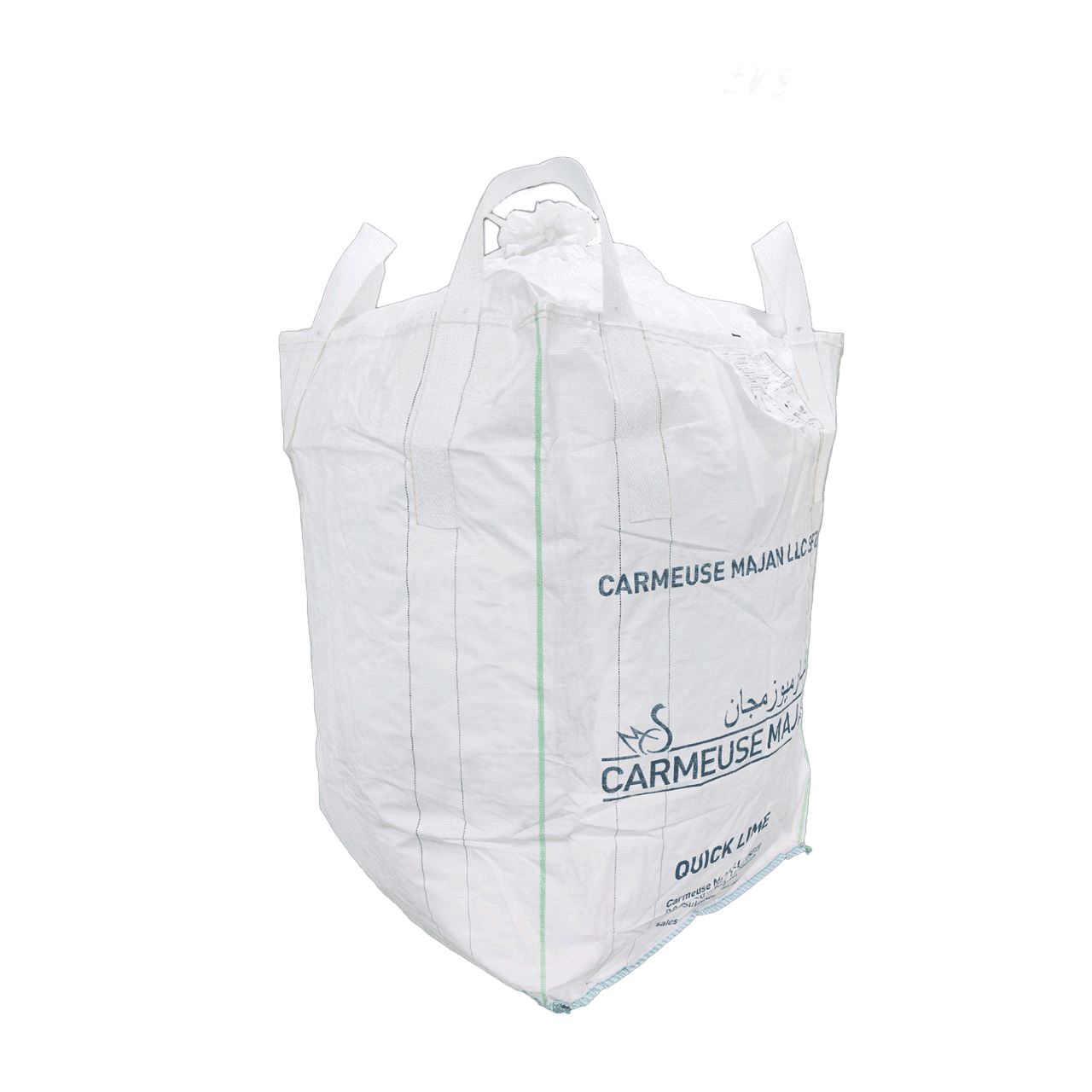 | FIBC Section Bags With Liners FIBC Liners – Bulk Bag Liners Deccan Cans & Printers Pvt. Ltd. |
Frequently asked questions
How do you define the correct FIBC size and safe working load?
Use the product’s mass, bulk density, fill volume, and required safe working load rather than choosing a nominal 1 m³ or 1.5 m³ bag. Weigh a representative sample after normal aeration, settling, or vibration.
How should you choose FIBC fabric, liners, and electrostatic protection?
Match the fabric and liner to the material’s moisture, contamination, sift, and chemical-barrier needs. Select standard, antistatic, or conductive construction according to dust and ignition hazards.
Which FIBC design features must match filling and discharge equipment?
Specify inlet dimensions, top construction, lifting-loop arrangement, bottom outlet type, outlet dimensions, and closure method around the equipment’s connections and handling process.
What should you check before accepting and storing finished FIBC bags?
Check seams, lifting loops, liner fit, closures, labels, cleanliness, and visible damage. Store bags dry, covered, away from sunlight, heat, sharp edges, and chemicals.
Related products
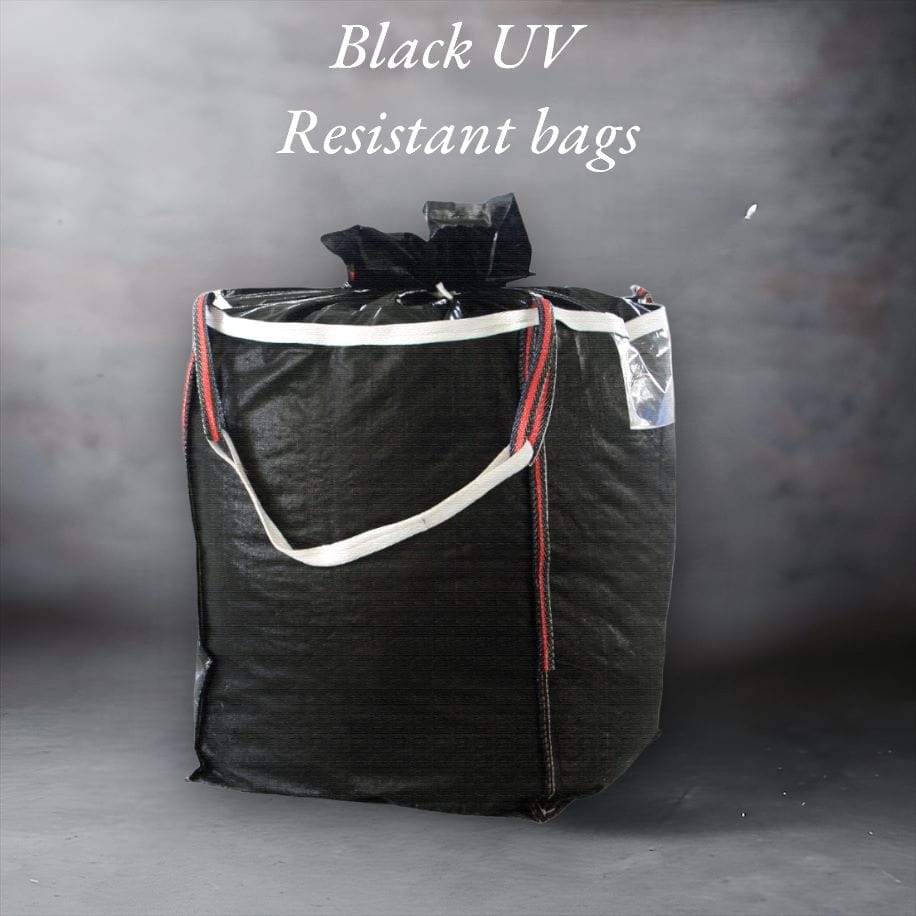 | FIBC Section Black Bags Black FIBC Bags – Enhanced UV Resistance & Extended Shelf Life UV exposure is one of the major challenges faced by the FIBC industry, as prolonged... |
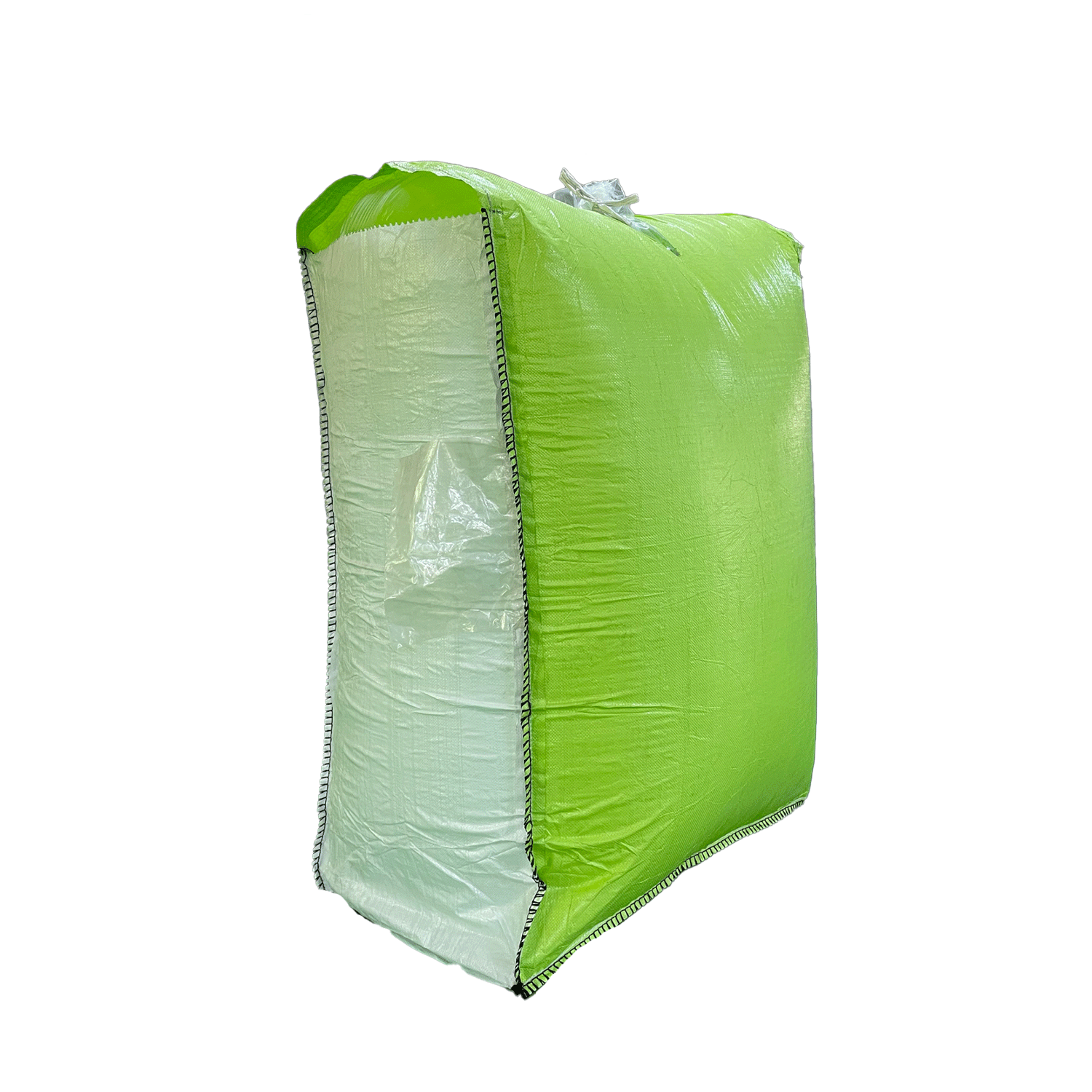 | FIBC Section Fertilizer Bag Range 1 & 2 Loop FIBC Bulk Bags Deccan Cans & Printers Pvt. Ltd. offers durable and cost-effective 1 & 2 Loop FIBC Bulk Bags, designed for the efficient... |
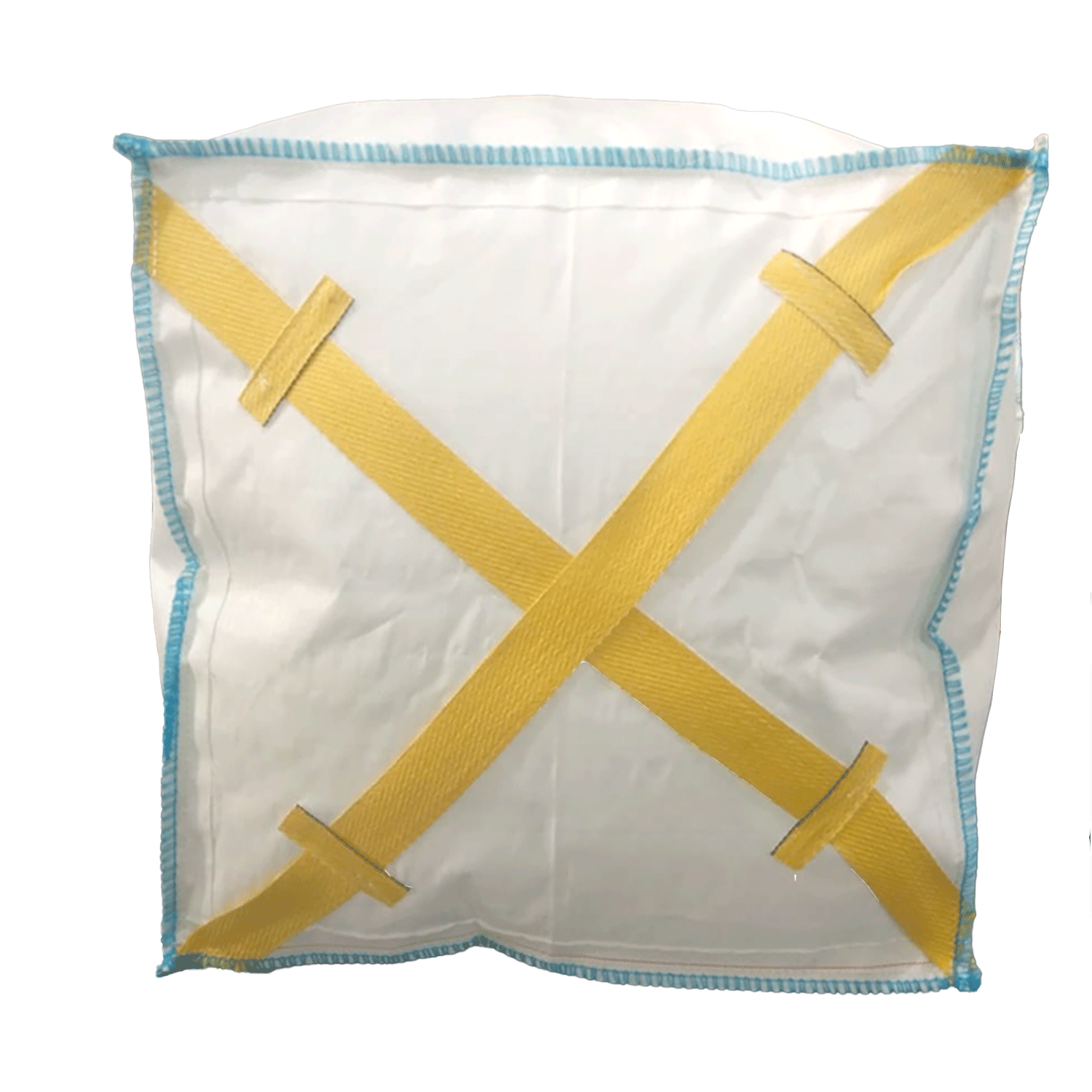 | FIBC Section Cross Bottom Sling Bags Cross Bottom Sling FIBCs – Bulk Bags Deccan Cans & Printers Pvt. Ltd. |
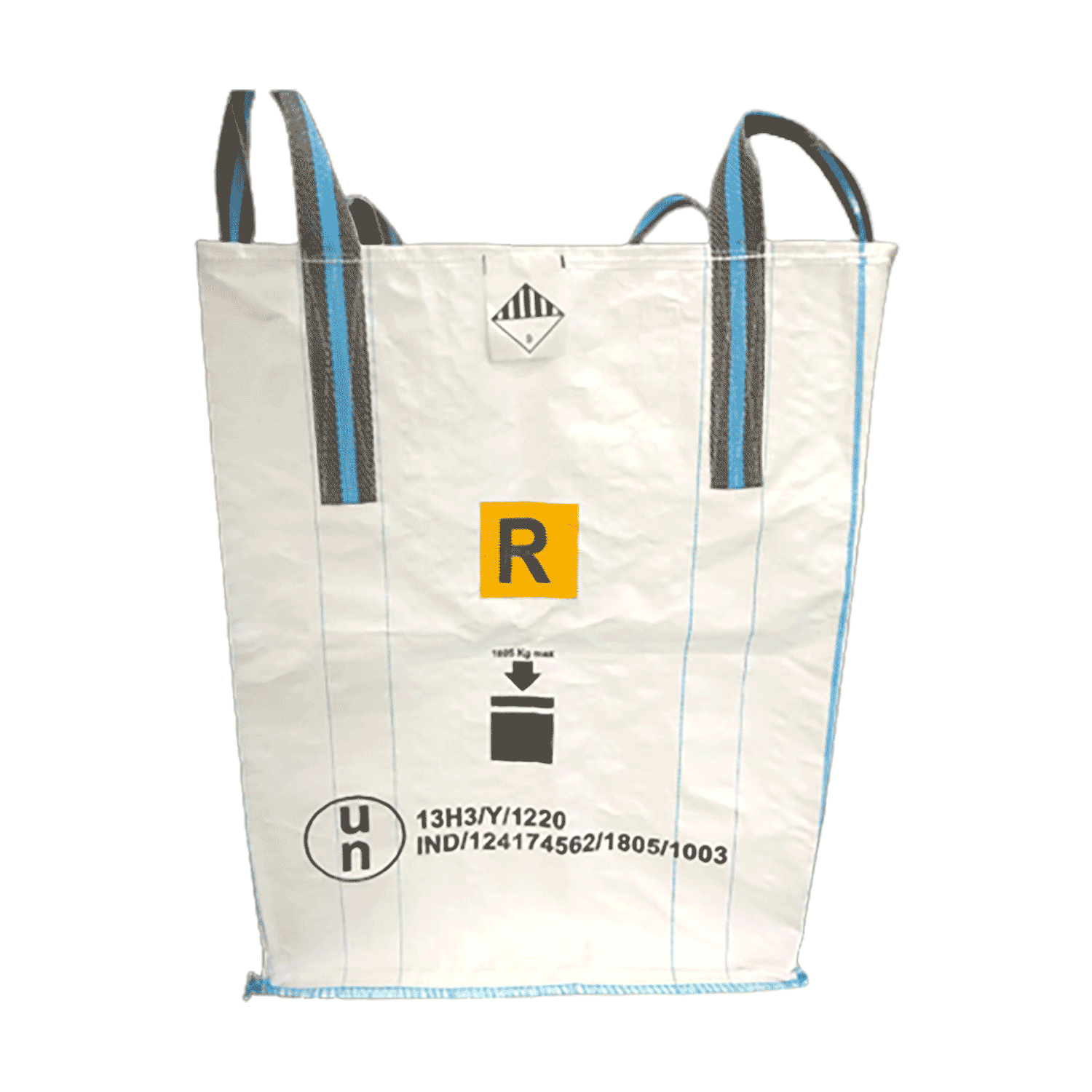 | FIBC Section Un Bags UN Certified Bulk Bags – Rigorous Performance Testing for Safety & Reliability Deccan UN Certified Bulk Bags are specially engineered for the safe... |