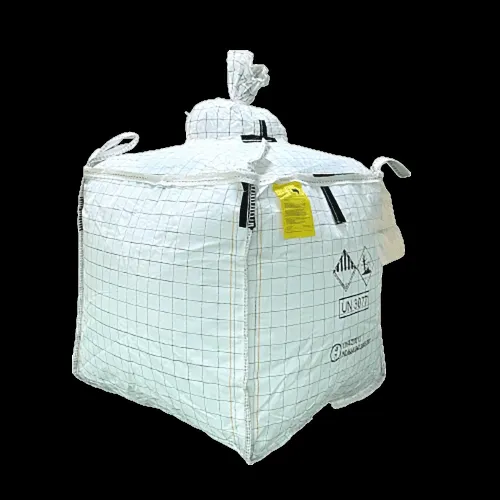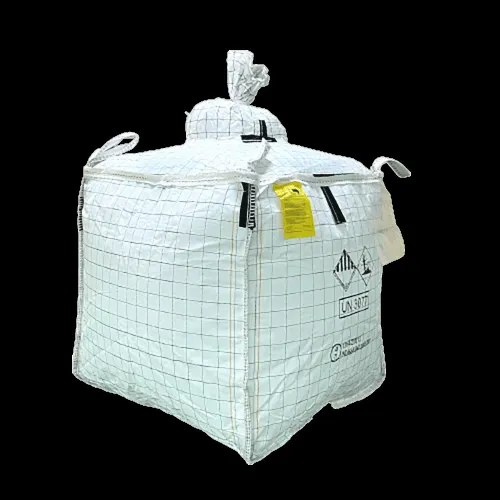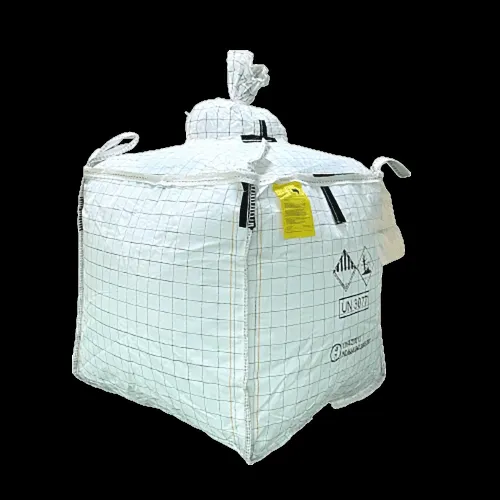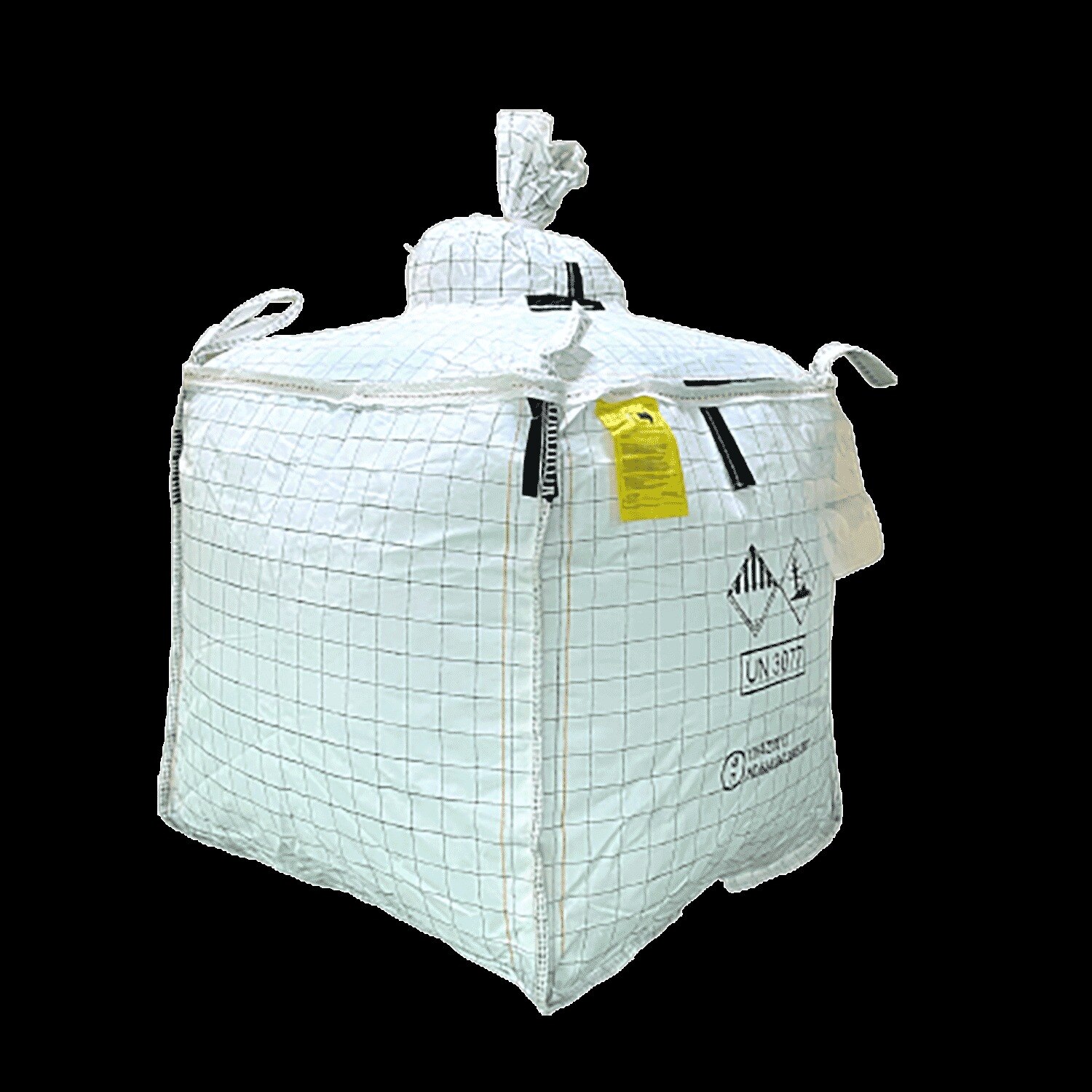
The right FIBC depends on more than volume: you must match the material’s density and flow behaviour with the bag’s SWL, lifting design, outlet geometry and electrostatic controls. By the end, you will have a practical specification for comparing bags, checking supplier evidence and avoiding failures during filling, storage, forklift handling and discharge.
Key takeaways
- Calculate capacity from fill weight, bulk density and flow behaviour.
- Match lifting loops to your forklift, crane or pallet-handling equipment.
- Verify SWL, safety factor and test evidence before accepting a bulk bag.
- Specify liner, sift-proof seams and discharge controls for powders and granules.
Match capacity, payload and dimensions to your handling route
Start with the material, not the bag’s advertised volume. Calculate the required FIBC capacity from the fill weight, bulk density and flow behaviour, then confirm that the rated safe payload stays within the SWL shown on the specification. A 1,000-litre bag is not automatically suitable for 1,000 kilograms.
| Route constraint | What to measure | What goes wrong if ignored |
|---|---|---|
| Pallet size | Pallet length, width, overhang limit and stacking height | The bag shifts, blocks access or hangs beyond the pallet |
| Warehouse | Filled bag height, aisle width, rack clearance and door height | Forklift movement or stacking becomes unsafe |
| Filling equipment | Inlet height, spout diameter and docking arrangement | Filling slows, dust escapes or the spout cannot connect |
| Discharge equipment | Outlet height, valve opening and required flow rate | Material bridges or the outlet cannot mate with the plant valve |
Allow clearance around the filled bag for loop access and forklift entry. Check the fork length and spacing against the bag’s base, and confirm that the discharge point reaches the receiving hopper without stretching the fabric or placing the outlet on the floor.
Specify the closure and geometry with the route:
- Use an open or duffle top for rapid manual filling; use a filling spout for a sealed docking connection.
- Choose a conical bottom or discharge spout when residual material matters.
- Confirm whether an iris closure, tie or plant valve controls the outlet.
Finally, compare the filled weight with the bag’s SWL and stated test basis. A 5:1 bag and a 6:1 bag are not interchangeable for reuse or repeated handling cycles, even when their dimensions match.
Choose the lifting construction for your equipment
A lifting construction is compatible only when the loops, hooks, forklift tines or lifting frame match the bag’s design. Using one attachment point on a four-loop bag can tilt the load, overload seams and drop a full pallet.
| Option | Practical difference | Equipment and use |
|---|---|---|
| 1-loop FIBC | One central lifting loop carries the bag; it needs a balanced hook or single-point lifting attachment. | Single-hook crane, hoist or forklift attachment designed for one loop. |
| 2-loop FIBC | Two loops divide the load between two pickup points and keep the bag steadier than a single loop. | Two-hook lifting beam or forklift attachment with two correctly spaced hooks. |
| 4-loop FIBC | Four separate corner loops provide the most conventional support and allow better control during lifting. | Four-hook frame, crane beam or forklift attachment built to engage all four loops. |
| Cross-corner FIBC | Four loops are sewn into the bag’s upper corners, forming a stable pickup arrangement without a central loop. | Four-hook frame or compatible forklift attachment; confirm hook spacing and loop reach. |
| Cross-bottom FIBC | Lifting loops pass beneath or across the bag’s bottom, supporting the load from below and reducing top-edge concentration. | Forklift tines or a bottom-support frame designed for that loop path. |
Check the actual attachment method before ordering. A loop that reaches the hook when empty can become inaccessible after filling, while short tines can fail to engage cross-bottom loops fully. Ask for a drawing showing loop position, usable loop length and permitted lifting points.
Verify SWL, safety factor and test evidence before purchase
A 1,000-litre bag is not automatically rated to carry 1,000 kilograms. Calculate the filled mass from the material’s bulk density and flow behaviour, then compare it with the FIBC SWL, the maximum permitted load. A full bag that exceeds its SWL can stretch seams, distort loops or fail during lifting.
1. Ask the supplier to state the SWL, safety factor, bag construction and intended handling cycles on one specification. A 5:1 FIBC is not interchangeable with a 6:1 FIBC: reuse, repeated lifting and drop-handling requirements depend on the tested design.
2. Request a 6:1 FIBC test certificate or 5:1 FIBC test certificate tied to the exact construction and production lot. Check the fabric tape, coating, liner gauge, seam pattern, loop attachment, spout design and test standard; a certificate for a similar-looking bag is weak evidence.
3. Match the evidence to your route: filling, forklift lifting, crane handling, pallet movement, discharge and empty return. Reject the bag if the certificate does not cover the lifting arrangement or reuse cycle you specified.
4. For combustible powders, confirm the dust-explosion assessment and electrostatic control. A Type C FIBC needs a verified earth connection before filling and discharge, with continuity through its conductive elements. For applicable dangerous solids, verify the complete UN packaging mark, design type, test report and permitted contents; a standard industrial bag is not automatically UN-approved.
Ask for lot traceability before placing the order. Changes in fabric, seams or liner can change the rated performance.
Specify powder and granule controls at the filling and discharge points
A powder FIBC needs controlled entry and exit, not just a strong outer fabric. Specify sift-proof seams, sealed spouts and a closure that prevents material escaping through stitching holes; a laminated coating improves dust resistance but cannot correct a poor seam or open outlet.
| Feature | Suitable choice | Failure prevented |
|---|---|---|
| Open top | Duffle top for controlled closure; filling spout for dusty powders | Spillage and uncontrolled dust during filling |
| Seams | Ultrasonic or specially sewn sift-proof seams | Fine product migrating through needle holes |
| FIBC liner | Fitted polyethylene liner with secured top and bottom closures | Leakage through fabric and contamination |
| Coating | Laminated fabric where surface permeability needs reduction | Dust passing through the outer fabric |
| Outlet | Discharge spout matched to the docking valve; iris discharge outlet for adjustable flow | A bag that cannot connect or releases material too quickly |
| Granules | Conical bottom or discharge spout sized for bridging risk | Residual product and blocked flow |
Close both the filling spout and discharge spout before moving the bag. A liner reduces leakage, but it does not compensate for an unsuitable seam or badly closed spout.
For combustible powders, treat filling, pneumatic conveying and discharge as charge-generating operations. Type C FIBCs require a verified earth connection before product enters or leaves the bag, with continuity through the conductive tapes or yarns; a grounding tab alone proves nothing.
Validate the complete bag-and-liner assembly. A conventional polyethylene FIBC liner can electrically isolate the powder from conductive fabric, so request test evidence for the specified liner, coating, seam pattern and outlet—not a certificate for a similar-looking bag.
Check material compatibility, storage conditions and supplier documentation
A supplier’s “food grade” or “chemical resistant” claim is not evidence of FIBC material compatibility. Match the product’s SDS, moisture sensitivity, temperature, particle behaviour and contact requirements to the fabric, coating, liner, thread and discharge components.
Request these documents before approving the bag:
- A resin identification and migration or declaration-of-compliance document for every product-contact layer used with food ingredients, pharmaceuticals or sensitive raw materials.
- A compatibility statement against the actual chemical, fertilizer, mineral, plastic resin or additive, including concentration, temperature and expected storage duration.
- For dangerous solid chemicals, the complete UN packaging mark, design type, test report and permitted contents. A high-load industrial bag is not automatically a UN-approved 13-series FIBC.
- For combustible powders, the electrostatic classification and process-control guidance. A Type C FIBC needs a verified earth connection, continuity through conductive tapes or yarns, and an intact grounding lead before filling and discharge.
- For a Type D FIBC, evidence that its dissipative fabric system is approved for the intended dust and operating environment; a grounding tab alone proves nothing.
- The batch or lot number, manufacturing date, inspection record and traceability for the liner and outer bag. Ask Deccan Cans & Printers Pvt. Ltd. to include these with the quotation rather than accepting an undated brochure.
Keep bags under cover, ventilated and raised above the floor on pallets. Rain exposure, trapped humidity and temperature swings in Bengaluru can create condensation; a laminated outer fabric is not hermetic protection. Reuse requires documented inspection and cleaning for cuts, seams, loops, contamination, liner damage and previous hazardous or allergenic contents.
Related products
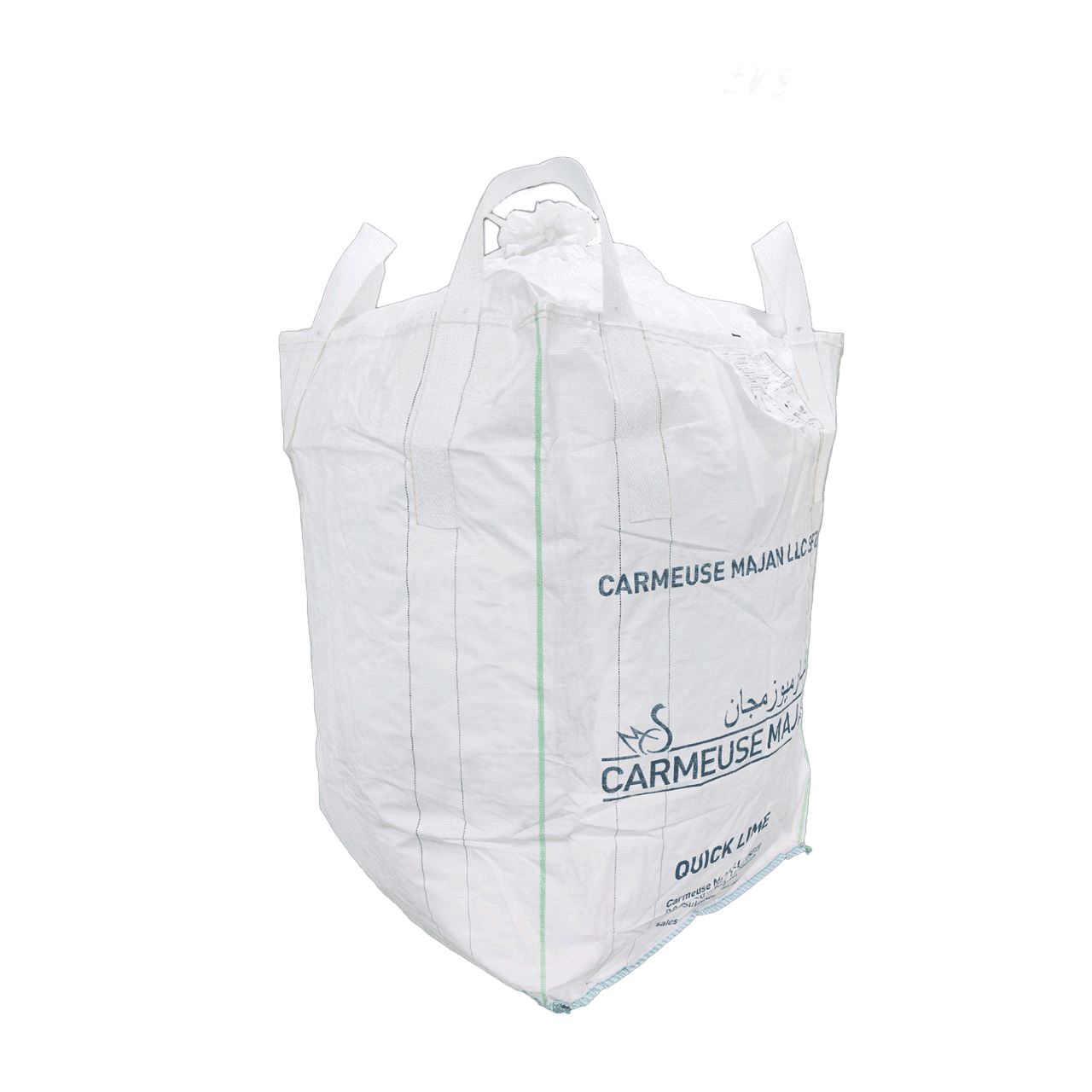 | FIBC Section Bags With Liners FIBC Liners – Bulk Bag Liners Deccan Cans & Printers Pvt. Ltd. |
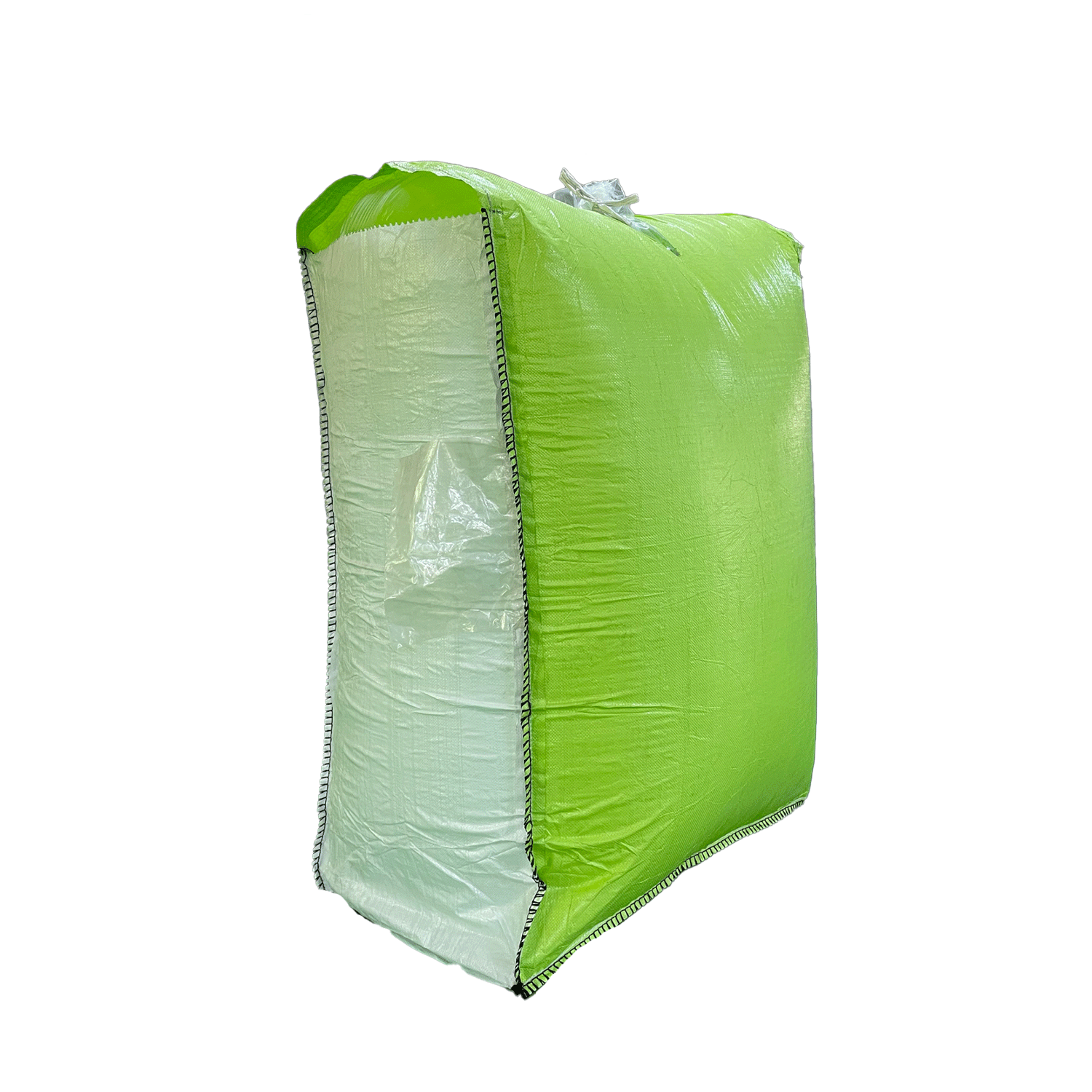 | FIBC Section Fertilizer Bag Range 1 & 2 Loop FIBC Bulk Bags Deccan Cans & Printers Pvt. Ltd. offers durable and cost-effective 1 & 2 Loop FIBC Bulk Bags, designed for the efficient... |
Frequently asked questions
How do you match FIBC capacity and dimensions to a handling route?
Calculate capacity from fill weight and bulk density, then check the bag dimensions against filling, storage, pallet and transport equipment. Do not equate a 1,000-litre volume with a 1,000-kilogram payload.
Which FIBC lifting construction suits different equipment?
Select loop construction based on your handling method, such as forklift tines, crane hooks, lifting bars or pallet movement. Confirm loop spacing, clearance and rated load with the equipment operator.
What should you verify about SWL and safety factor?
Check the Safe Working Load on the specification, confirm the stated safety factor, and request test evidence that covers the bag design and intended handling cycle.
How should FIBCs control powder leakage and granule discharge?
Specify sift-proof seams or an inner liner for fine powders, then choose a discharge spout, iris closure or full-bottom discharge that matches your process and dust-control needs.
What material compatibility and supplier documents should you check?
Confirm fabric and liner compatibility with the contents, temperature, moisture and storage period. Request the specification sheet, SWL, safety factor, test report, batch identification and handling instructions.
Related products
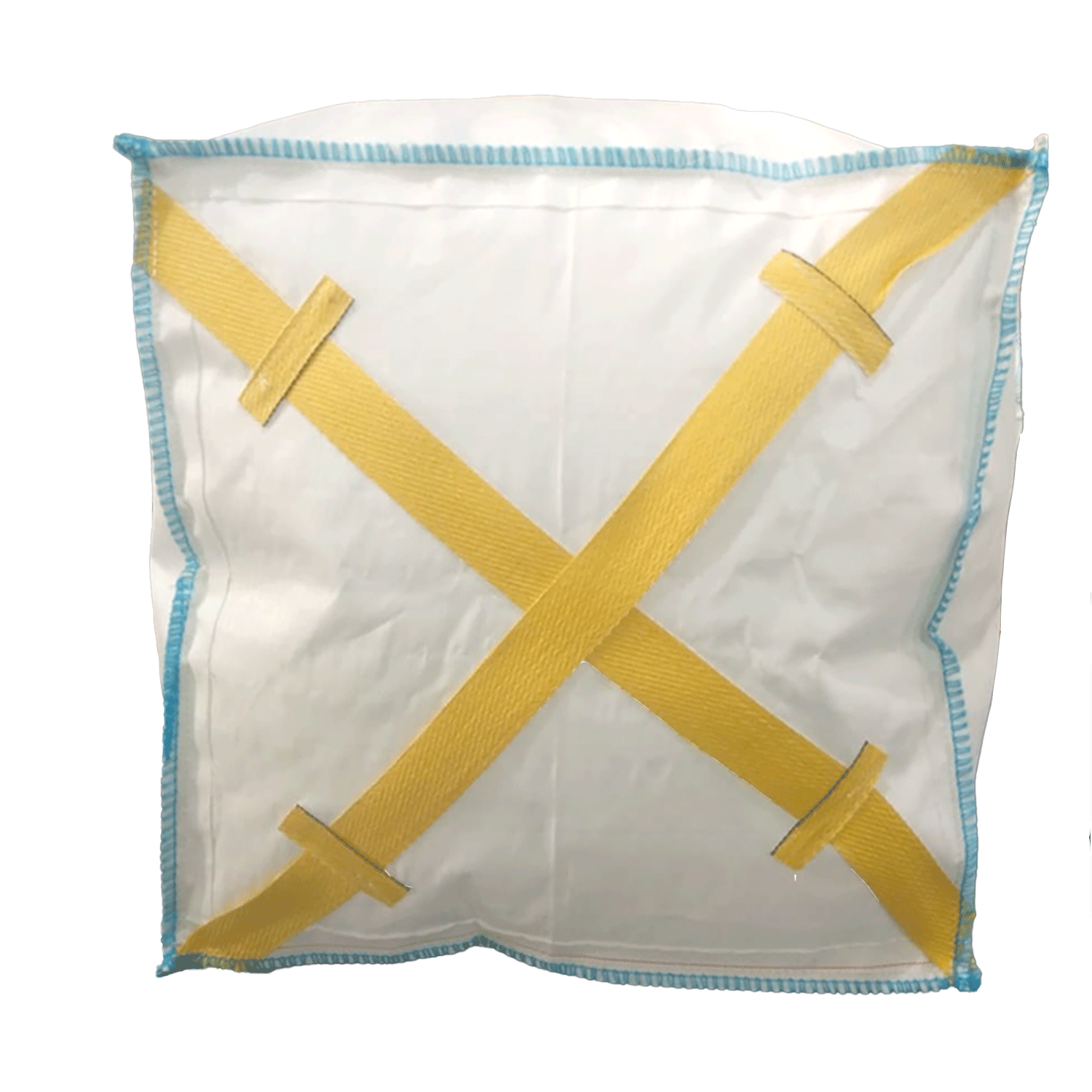 | FIBC Section Cross Bottom Sling Bags Cross Bottom Sling FIBCs – Bulk Bags Deccan Cans & Printers Pvt. Ltd. |
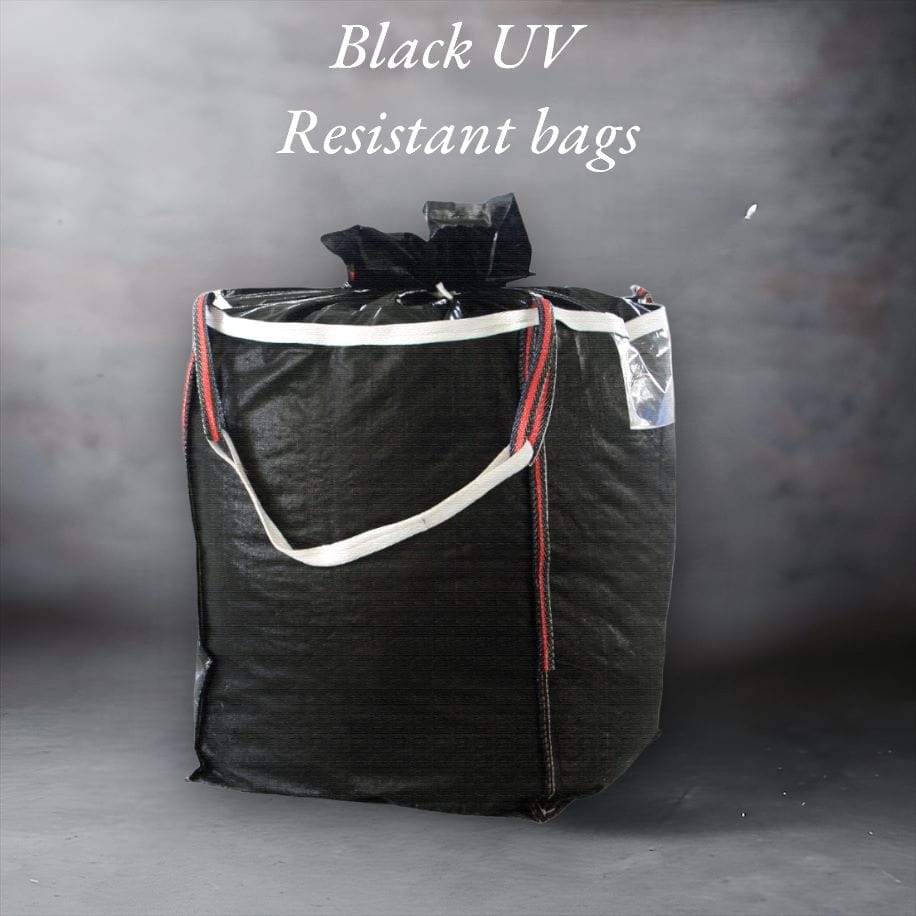 | FIBC Section Black Bags Black FIBC Bags – Enhanced UV Resistance & Extended Shelf Life UV exposure is one of the major challenges faced by the FIBC industry, as prolonged... |
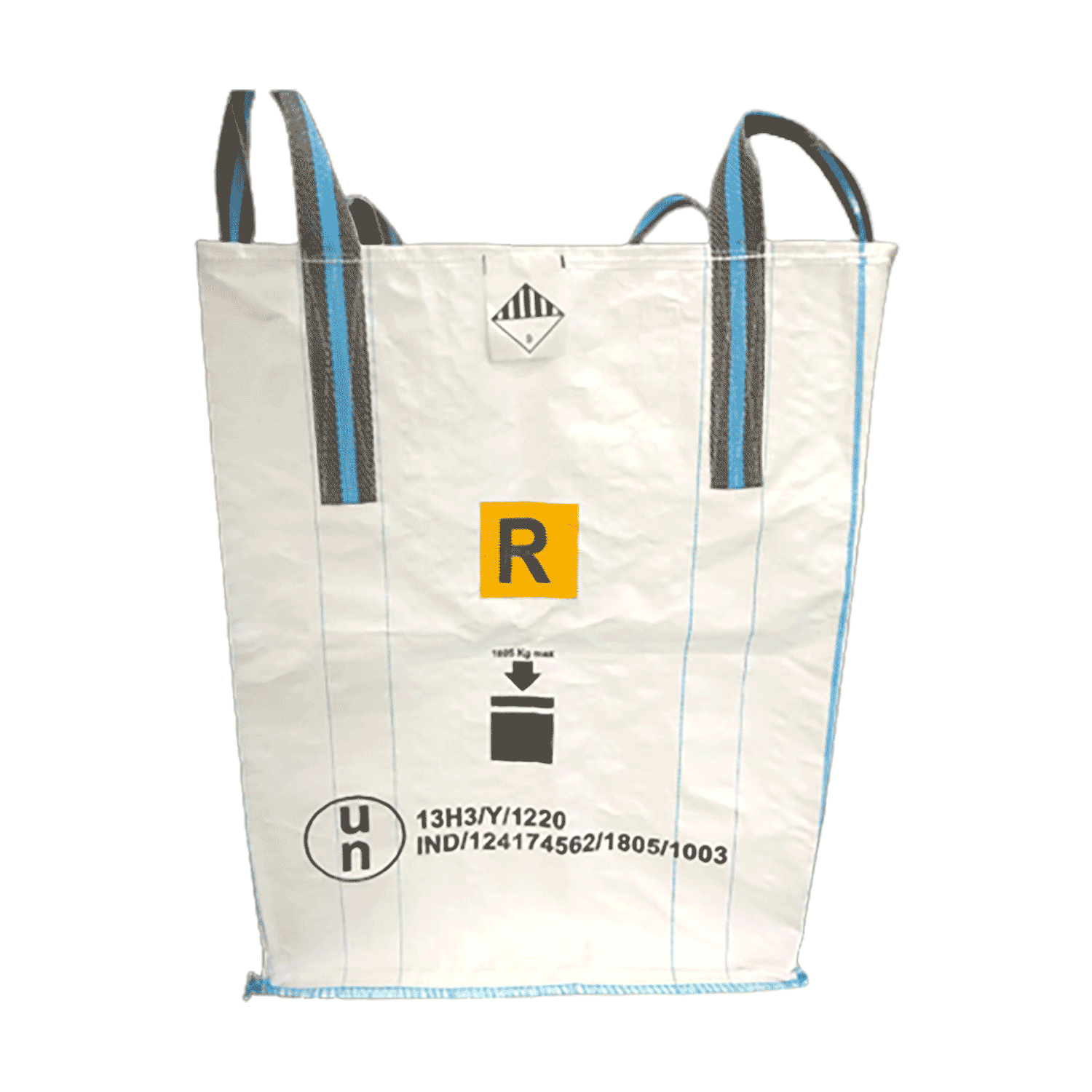 | FIBC Section Un Bags UN Certified Bulk Bags – Rigorous Performance Testing for Safety & Reliability Deccan UN Certified Bulk Bags are specially engineered for the safe... |
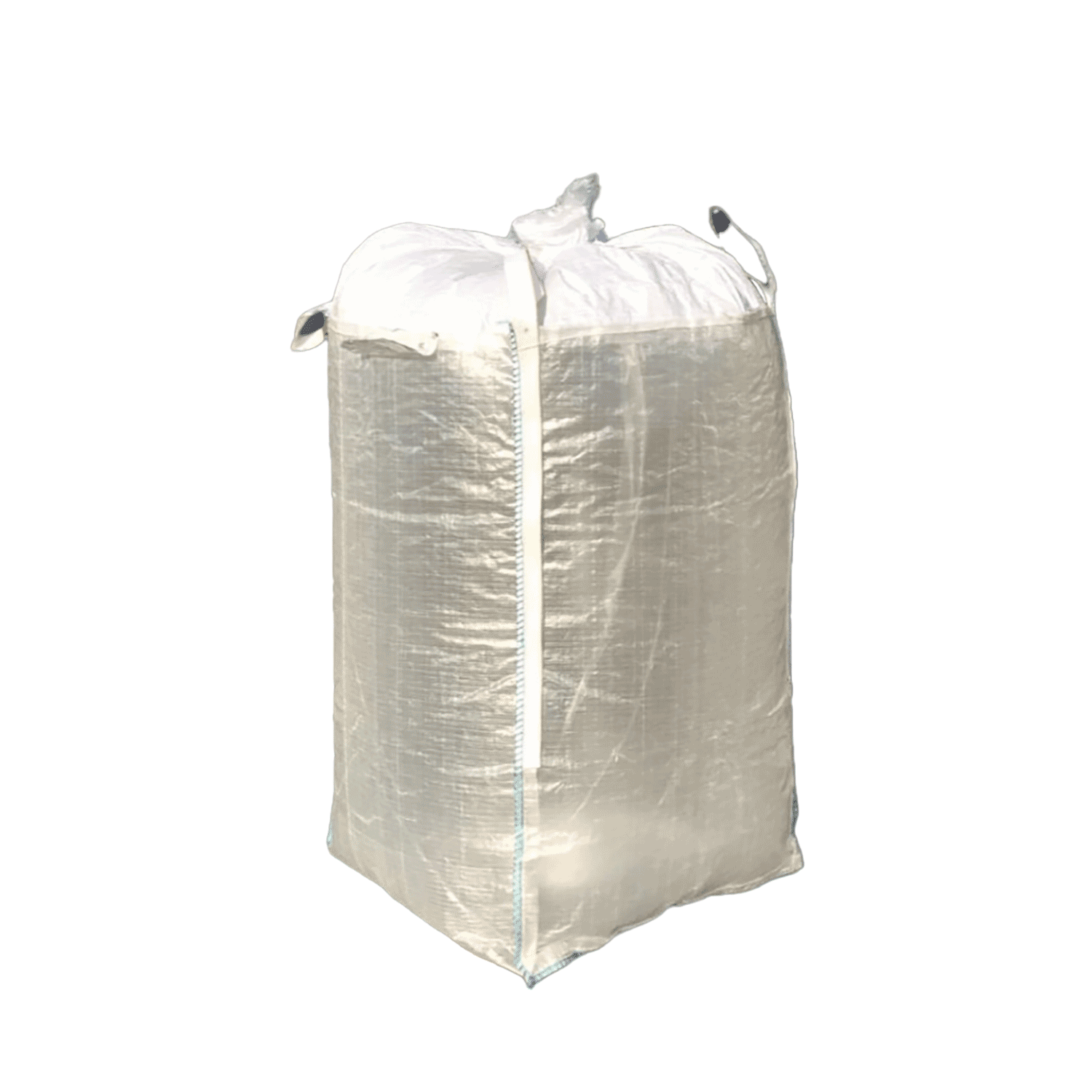 | FIBC Section Transparent Bags Transparent FIBCs – See-Through Bulk Bags Deccan Cans & Printers Pvt. Ltd. |