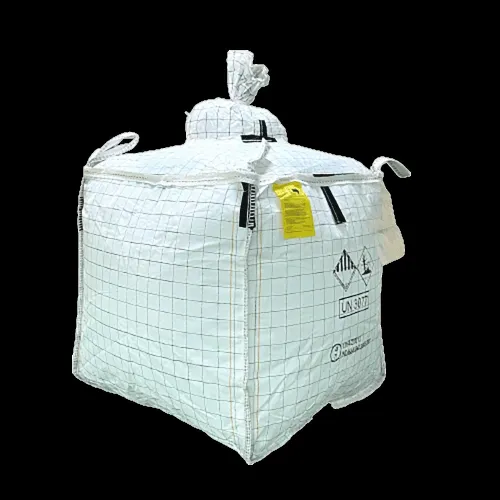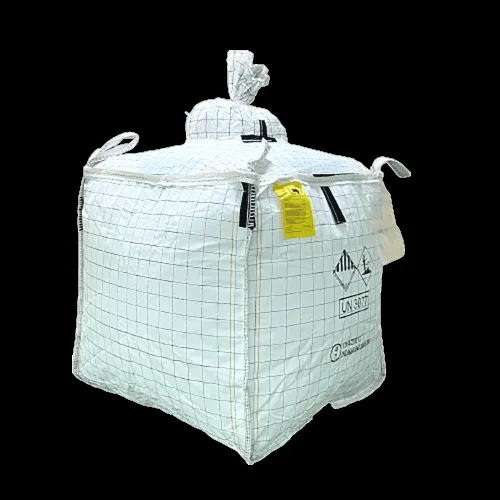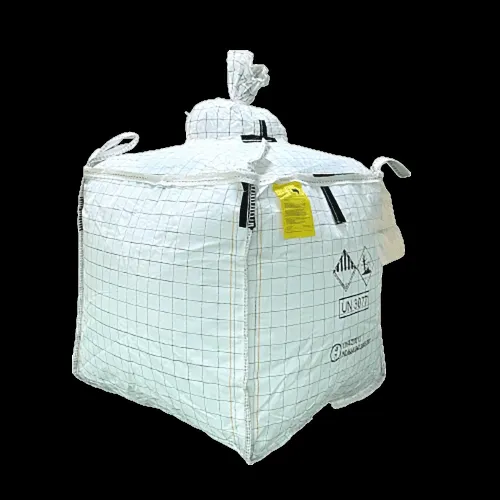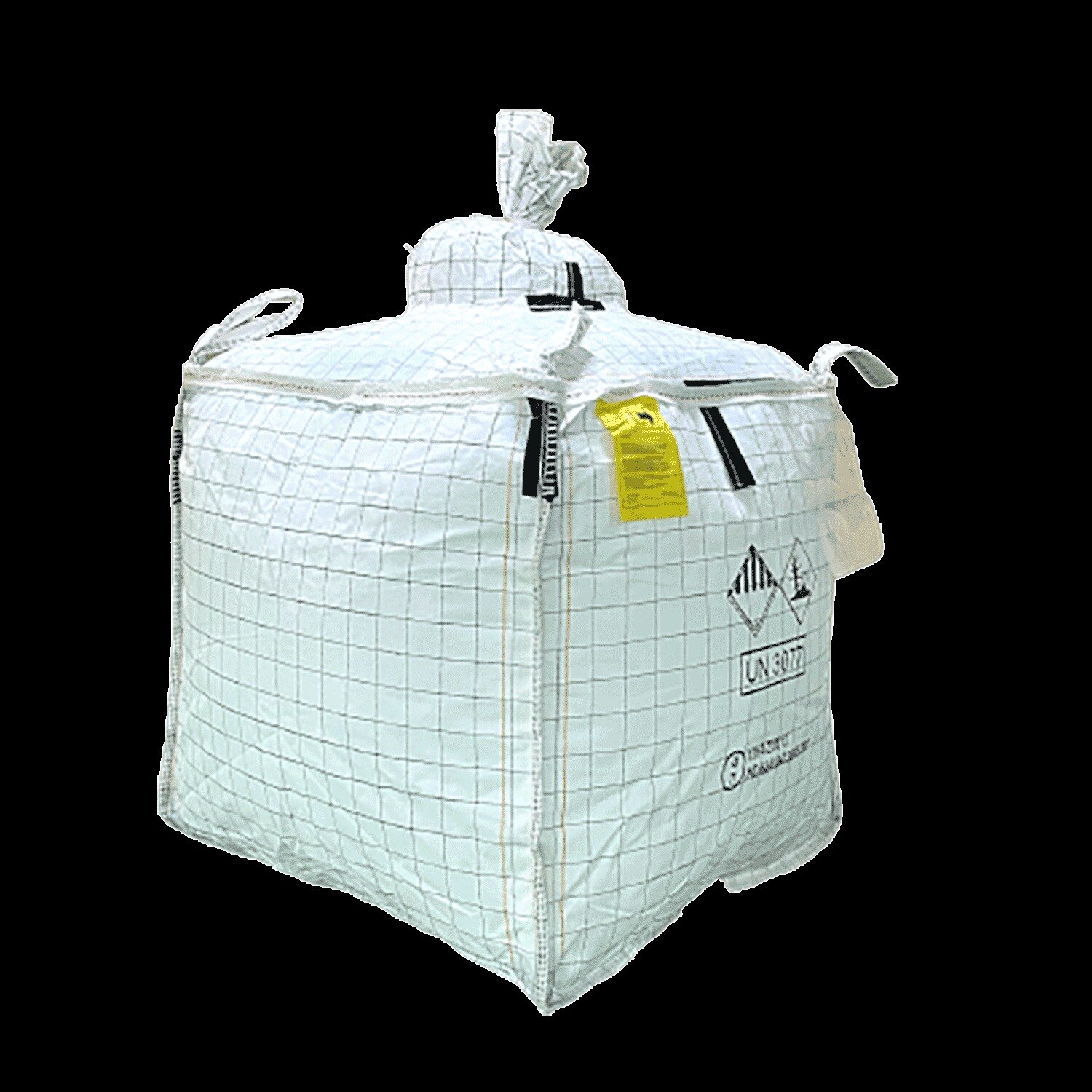
Choosing an FIBC by nominal volume alone can leave you with an overloaded bag, an unstable lifting operation or a package that cannot protect its contents from moisture and static ignition. By the end, you will be able to calculate a practical capacity, specify the bag’s construction and handling features, verify hazardous-goods documentation, and set storage controls for Bengaluru conditions.
Key takeaways
- Calculate capacity from bulk density, usable volume and safe working load.
- Specify filling, discharge and liner features around your actual process.
- Match lifting loops to forklift attachments and handling frequency.
- Check UN approval records before shipping dangerous solid materials.
Choose capacity from mass, density and SWL—not litres alone
An FIBC capacity is a mass-and-volume decision. Multiply the product’s bulk density in kg/L by the usable filling volume: 1,000 litres of powder at 0.6 kg/L weighs about 600 kg, not 1,000 kg. Allow for settling, headspace and product expansion before selecting the bag.
Use this process:
- State the target product mass and measured bulk density, including the loose and settled values.
- Select from common FIBC sizes, then check that the resulting fill weight stays below the bag’s safe working load.
- Treat SWL bulk bags as a mass rating for a defined construction, lifting arrangement and test basis—not as a volume rating. ISO 21898 information should identify that basis.
- Ask for the safety factor and test documentation; do not assume every 1,000-litre bag has the same SWL.
- Use the lower limit after filling trials: the volume limit if the bag reaches its safe fill height, or the SWL if the product mass reaches the rating first.
| Common FIBC sizes | Example density at 0.6 kg/L | Approximate product mass |
|---|---|---|
| 500 litres | 0.6 kg/L | 300 kg |
| 1,000 litres | 0.6 kg/L | 600 kg |
| 1,500 litres | 0.6 kg/L | 900 kg |
Specify the bag around your filling and discharge process
Match FIBC dimensions to equipment clearances and product flow, not catalogue volume. Specify length, width, height, target fill mass, headspace and pallet footprint. A tall, narrow bag may fit a frame but become unstable; a wide bag can block forklift access.
Match the filling inlet to the hose or chute diameter, connection height and required closure.
| Process requirement | Specify | Avoid |
|---|---|---|
| Free-flowing granules | Top inlet with tied or clamped closure; bottom discharge spout | Cutting the bag open |
| Fine powder | Sealed filling inlet, liner or coated fabric, and controlled bottom outlet | An open top that defeats dust control |
| Bridging or rat-holing powder | Large, reinforced bottom discharge spout with an iris closure or mass-flow aid | Sudden, uncontrolled release |
Use a discharge spout long enough to connect to the receiving equipment without stretching the fabric. Put the outlet where the frame or pallet will not obstruct it, and specify a flap, tie or cap for transport between filling and emptying.
- Choose coated woven polypropylene or a compatible liner when powder leakage matters; confirm the liner will not restrict discharge.
- State whether the product needs a conductive, dissipative or ordinary fabric configuration. Request evidence for the delivered bag, liner and process rather than assuming an antistatic outer fabric provides safety.
Match lifting loops to forklifts, frames and handling frequency
Choose the loop pattern by counting the lifting points your equipment can engage, not by bag capacity alone. Every loop must share the load as designed; fewer engaged loops concentrate force and can tear fabric even below the stated SWL.
| Option | Suitable equipment and use | Unsuitable when |
|---|---|---|
| one-loop FIBC | Single crane hook or dedicated lifting frame; quick, low-frequency handling | Forklift tines cannot safely capture one loop, or the load must remain stable during frequent moves |
| two-loop FIBC | Two-hook frames and compatible forklift attachments; moderate handling frequency | Your forklift requires four independent lifting points or the bag will swing during travel |
| four-loop FIBC | Four-hook frames or forklift loop hooks; repeated warehouse movement with controlled, balanced lifting | Operators lift it by only two loops, use ordinary bare tines, or let loops rub sharp fork edges |
| cross-corner-loop FIBC | Forklift or frame hooks positioned at opposite corners; stable lifting and routine handling | Hooks cannot reach all four corners, or the attachment twists the loops inward |
| cross-bottom-sling FIBC | Sling-equipped frames that support the bag from below; heavy loads needing broad support | Forklift operators need rapid direct pickup without fitting the sling |
| polyester-loop FIBC | Integrated loops for repeated, abrasion-controlled handling | Loops contact sharp steel, drag across floors, or face more cycles than their specified reuse rating |
Confirm whether the design is single-trip, occasional reuse or repeated handling. A 5:1 safety factor and a 6:1 factor are not interchangeable quality grades; match the stated factor to the tested service.
Control electrostatic risk through the complete filling and discharge system
Ordinary polypropylene is electrically insulating; do not use it as protection for combustible powders. “Antistatic” describes a material’s charge-control property, not automatic suitability for your finished bag, liner and process.
| Option | What it means | When it applies |
|---|---|---|
| Ordinary polypropylene | Insulating woven fabric that can accumulate charge | Avoid where combustible dust or an explosive atmosphere makes ignition possible |
| Antistatic FIBC | Material designed to reduce charge accumulation | Request resistance or classification evidence for the delivered bag configuration; confirm compatibility with the liner and powder |
| Type C FIBC | Conductive yarns connected to a verified earth path | Ground the bag before filling and keep the connection effective during filling and discharge |
| Type D FIBC | Dissipative construction that controls charge without relying on an operator earth connection | Use only within the manufacturer’s specified powder, liner and process conditions |
IEC 61340-4-4 is the standard to identify the FIBC electrostatic classification. A grounding tab alone does not prove a Type C FIBC is safe, and a Type D FIBC does not remove process limits. Include the conveying air, filling equipment, liner and discharge equipment in the assessment.
For bridging powders, specify a controlled bottom spout, iris closure or mass-flow aid; cutting the bag open can cause a sudden load shift and uncontrolled dust release.
Verify UN approval and records before shipping dangerous solids
A UN mark proves a tested design, not that every bag of the same size is approved. Read the complete marking and match it to the dangerous solid before loading.
1. Record the mark exactly, including the UN symbol, construction code such as 13H1, 13H2, 13H3 or 13H4, approval level X, Y or Z, “S” for solids, maximum gross mass, stacking test load, manufacture date, country and manufacturer code. The UN mark for FIBC must remain legible.
2. Match X, Y or Z to the substance’s packing group. X covers Packing Groups I, II and III; Y covers II and III; Z covers III only. Confirm the product’s UN number, proper shipping name and packing group in the current dangerous-goods classification, not from the supplier’s sales description.
3. Request the approval certificate and test report. Check that the approved code covers the actual fabric, coating, liner, seams, closures, inlet, outlet and lifting design. A UN-certified FIBC with a different liner or discharge arrangement is not automatically the same design.
4. Confirm the certificate covers your transport mode, gross mass, filling ratio, moisture exposure and stacking conditions. Check electrostatic controls separately: Type C requires grounding; Type D requires the specified bag and process. Keep the certificate, supplier declaration and batch records with the shipment.
That evidence is your UN hazardous solids packaging file—not the printed mark alone.
Set storage controls and compare FIBCs with rigid containers
Keep filled FIBCs under a roof, on pallets or a raised, drained surface, away from sharp edges, standing water and walls that transfer dampness. FIBC storage in Bengaluru needs protection from monsoon wet-dry cycles and humid air; woven polypropylene alone is neither airtight nor a moisture barrier.
Control the warehouse with these checks:
- Use FIFO, inspect fabric, seams, loops and liner before movement, and quarantine bags showing cuts, abrasion or distortion.
- Treat outdoor storage as temporary. UV-stabilised fabric does not permit indefinite exposure; UV exposure of black FIBCs still requires a cover that blocks sunlight.
- Permit FIBC stacking only with documented compression or stacking data for that bag, a sound pallet and level floor. SWL alone does not establish stack height, especially when loose contents bulge or shift.
Deccan Cans & Printers Pvt. Ltd. can help document whether a liner, coated fabric or foil laminate suits the powder’s moisture, heat, solvent and electrostatic risks.
| FIBC versus tin containers | FIBC | Tin container |
|---|---|---|
| Barrier protection | Needs a compatible liner or secondary cover for moisture, gas or fine-powder control | Rigid light and gas barrier; coating compatibility remains critical |
| Handling and transport | High-volume, low-tare handling; vulnerable to puncture and compression | Stable shape and protection; heavier, dentable and vulnerable to corrosion |
| Choose it when | Storage space and efficient bulk handling matter | Product needs rigid, opaque, barrier protection or small-unit handling |
Related products
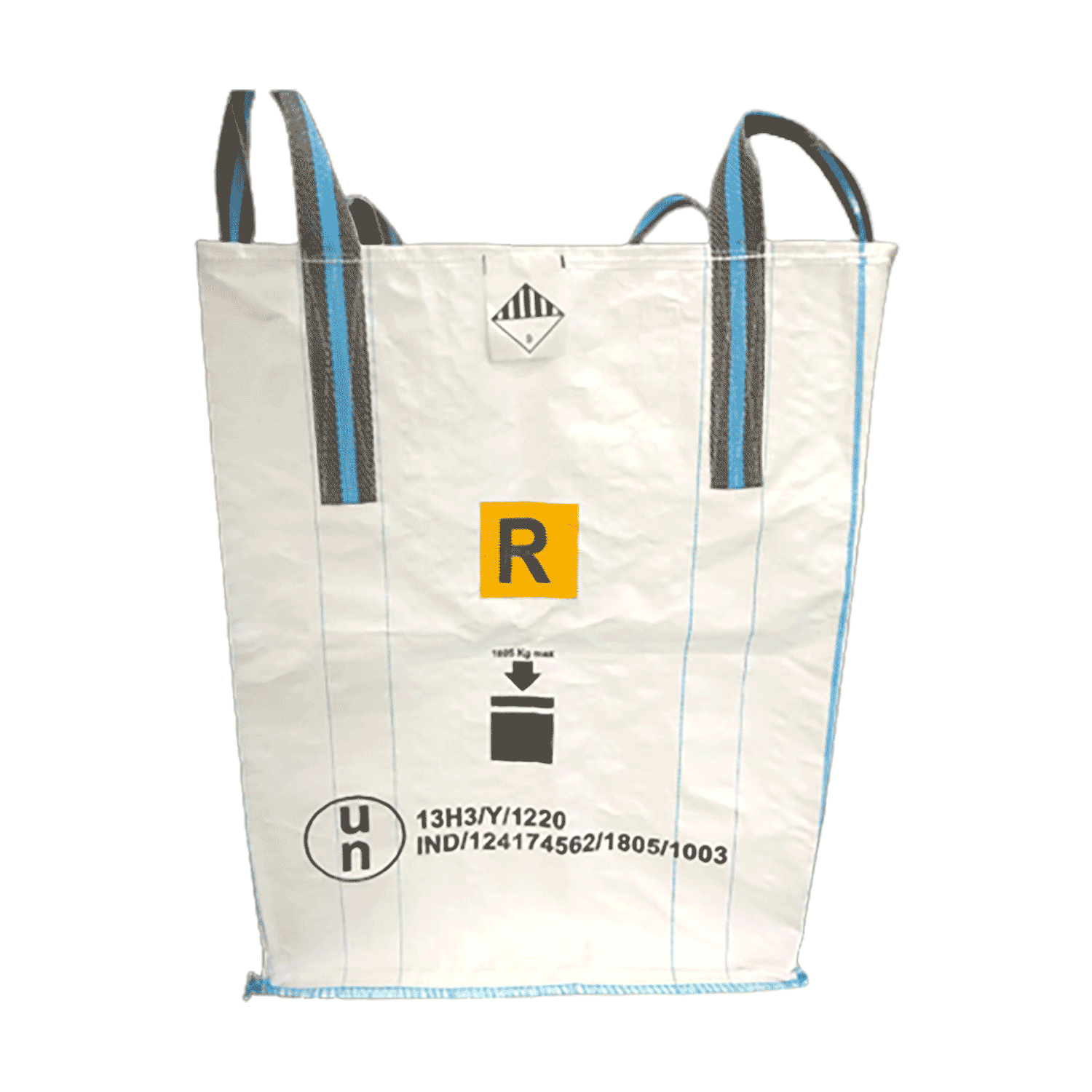 | FIBC Section Un Bags UN Certified Bulk Bags – Rigorous Performance Testing for Safety & Reliability Deccan UN Certified Bulk Bags are specially engineered for the safe... |
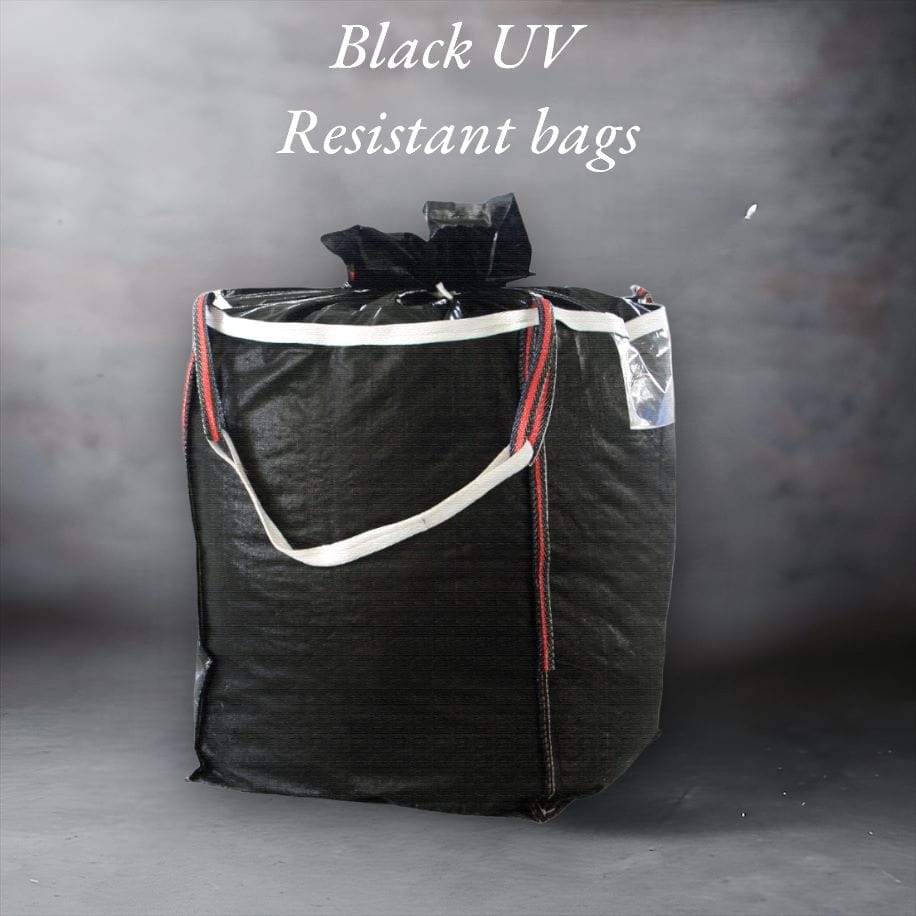 | FIBC Section Black Bags Black FIBC Bags – Enhanced UV Resistance & Extended Shelf Life UV exposure is one of the major challenges faced by the FIBC industry, as prolonged... |
Frequently asked questions
How do you choose FIBC capacity?
Multiply bulk density in kg/L by usable filling volume, then allow for settling, headspace and product expansion. Confirm that the filled mass stays below the bag’s safe working load.
Which FIBC design suits a filling and discharge process?
Specify the inlet, outlet, liner, closure and discharge method around your equipment and product flow. Check that the outlet can connect securely and discharge at the required rate.
How should FIBC lifting loops match handling equipment?
Match loop configuration and loop spacing to the forklift attachment, lifting frame or crane hook you use. Frequent handling requires a design that supports repeated lifting without damaging the loops.
How do you control electrostatic risk with FIBCs?
Assess the bag type, product, filling equipment, grounding path and discharge equipment as one system. Use the correct conductive or static-dissipative construction for the hazard classification.
What records are needed for UN-approved FIBCs?
Before shipping dangerous solids, verify the UN mark, design type, test certificate, manufacturing date, inspection records and the bag’s suitability for the specific substance.
Related products
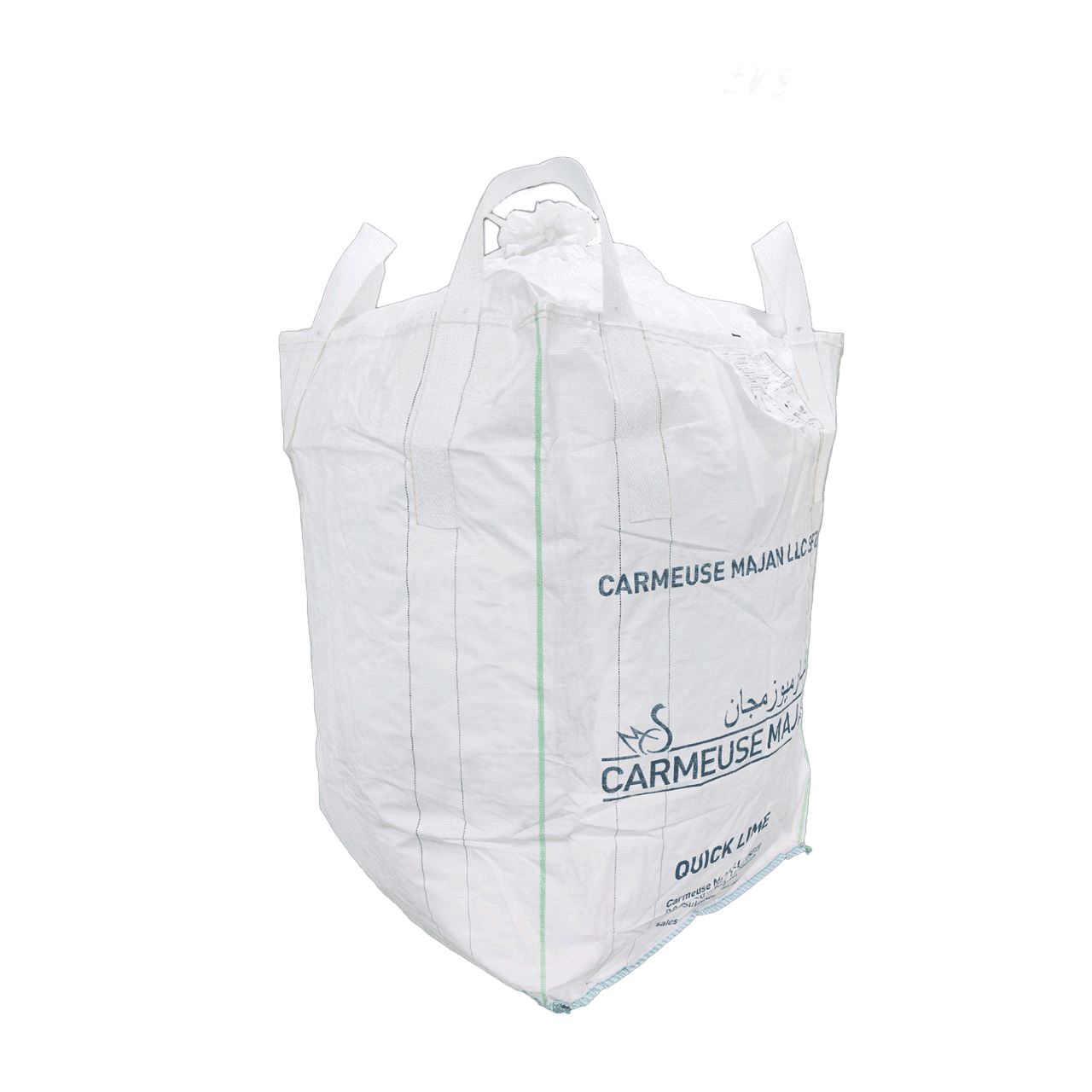 | FIBC Section Bags With Liners FIBC Liners – Bulk Bag Liners Deccan Cans & Printers Pvt. Ltd. |
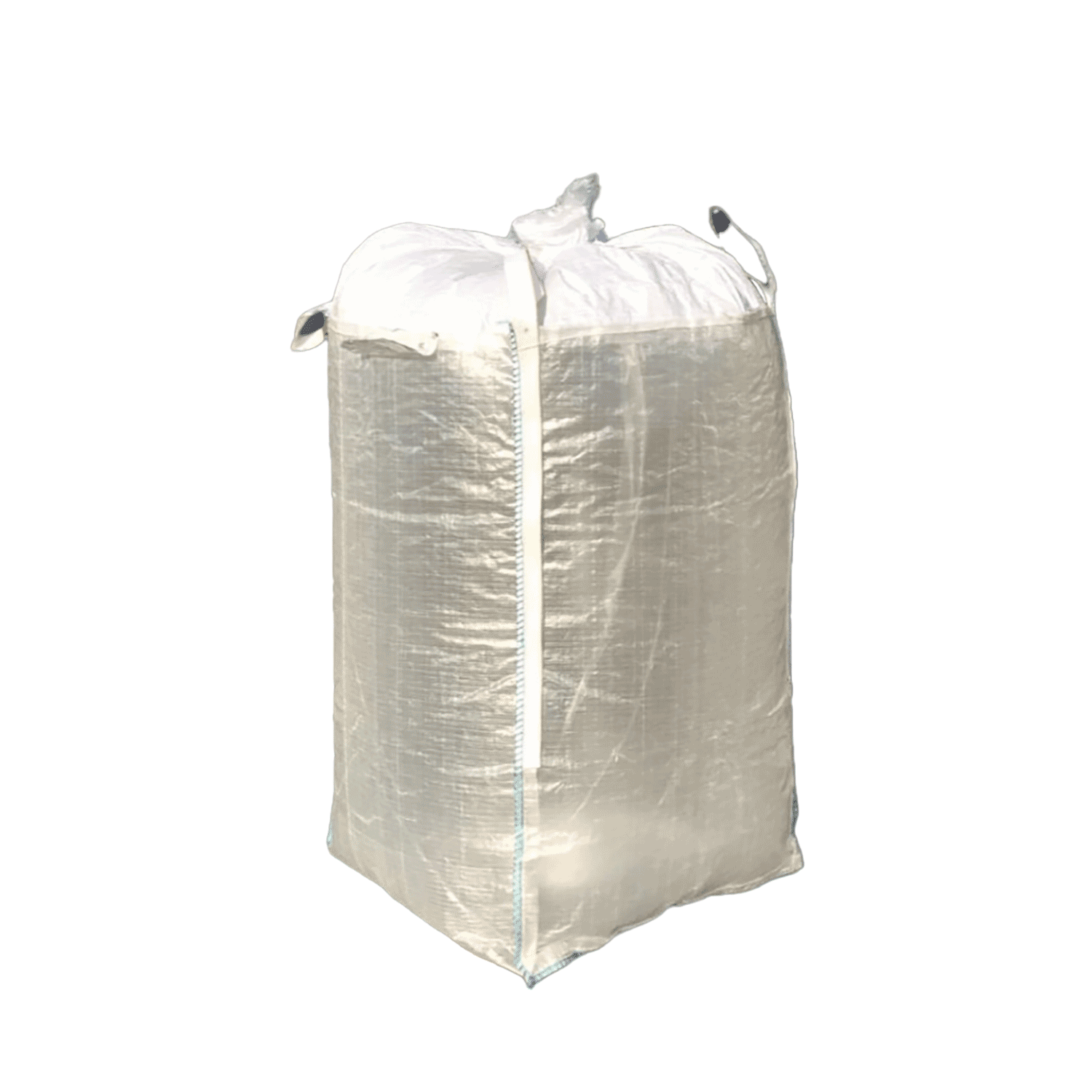 | FIBC Section Transparent Bags Transparent FIBCs – See-Through Bulk Bags Deccan Cans & Printers Pvt. Ltd. |
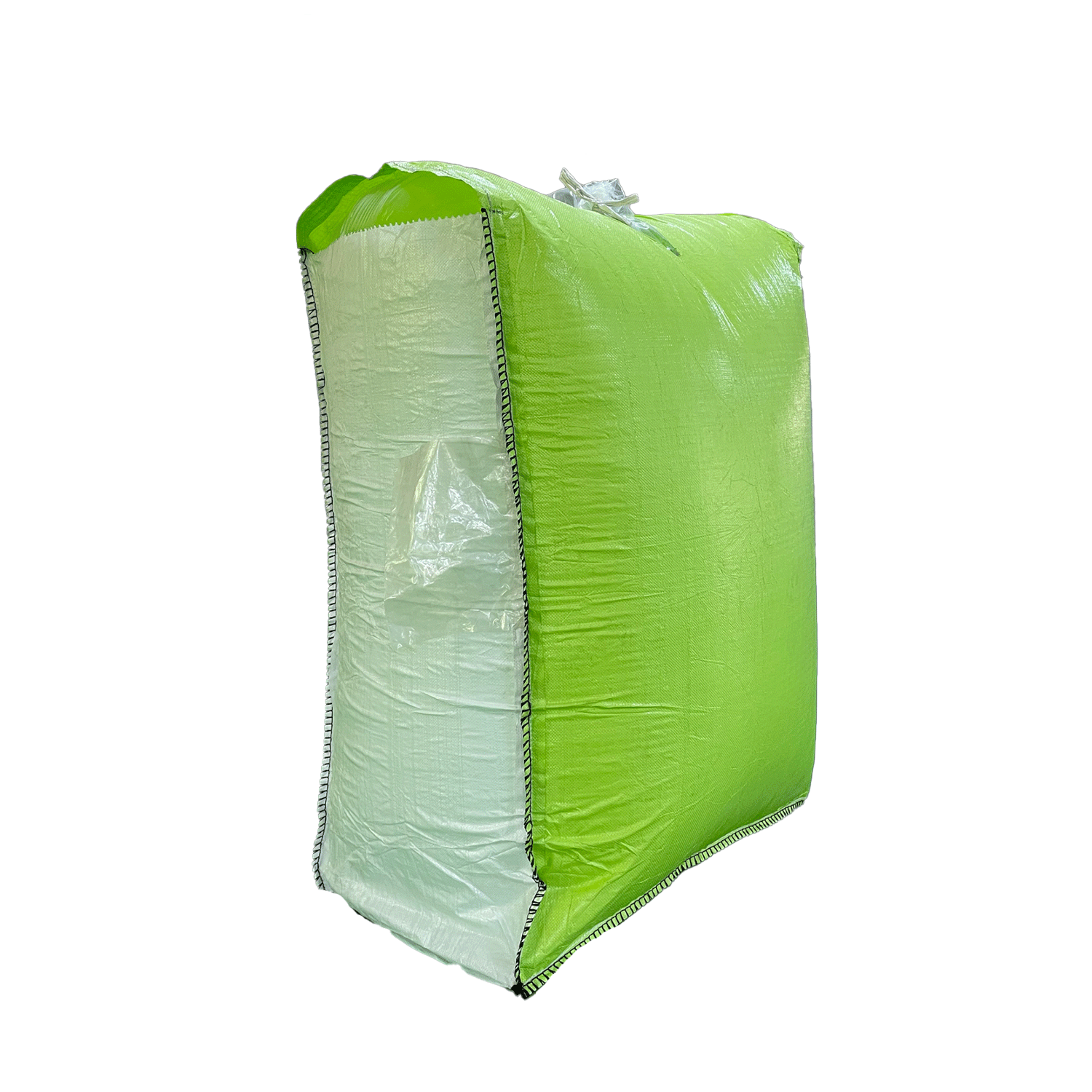 | FIBC Section Fertilizer Bag Range 1 & 2 Loop FIBC Bulk Bags Deccan Cans & Printers Pvt. Ltd. offers durable and cost-effective 1 & 2 Loop FIBC Bulk Bags, designed for the efficient... |
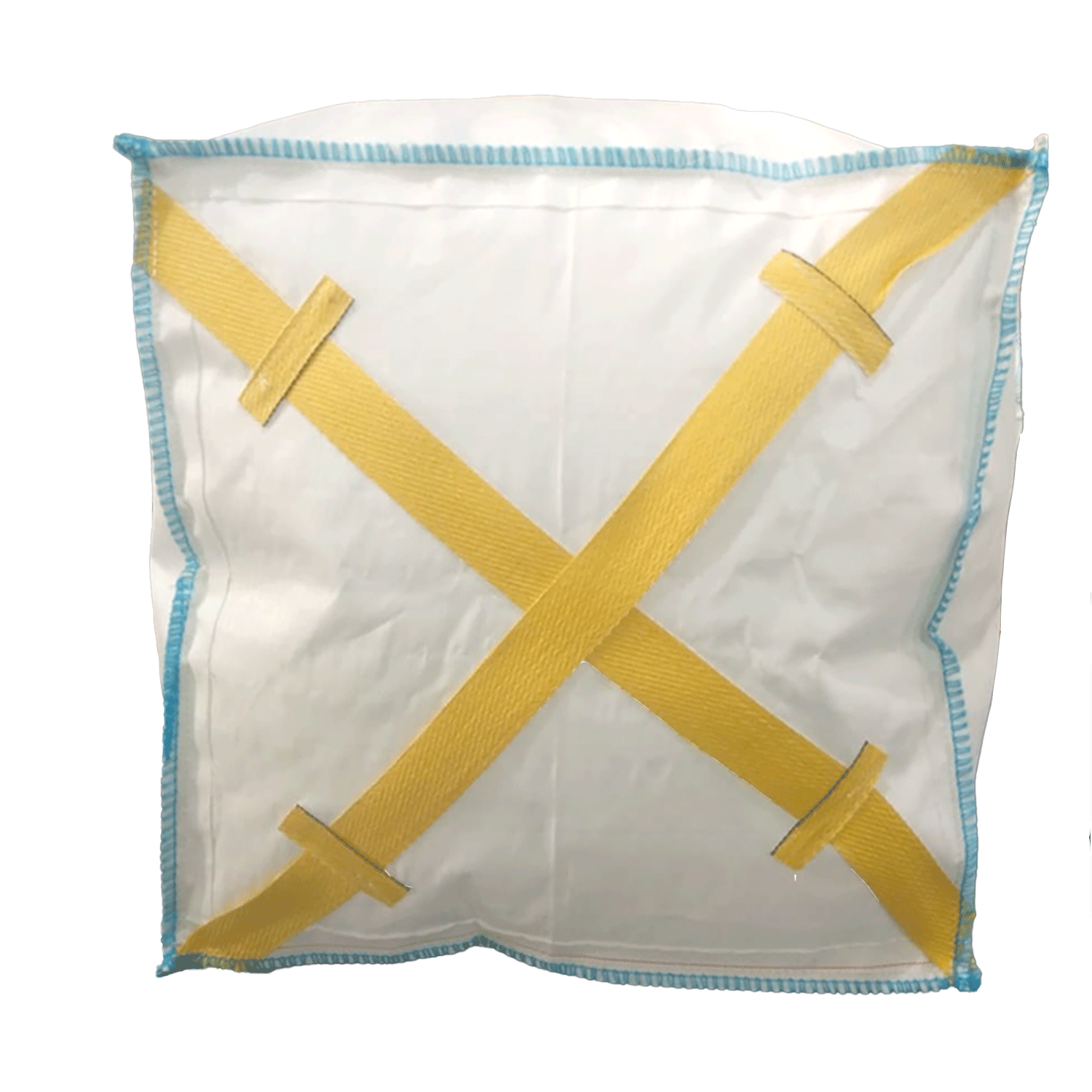 | FIBC Section Cross Bottom Sling Bags Cross Bottom Sling FIBCs – Bulk Bags Deccan Cans & Printers Pvt. Ltd. |