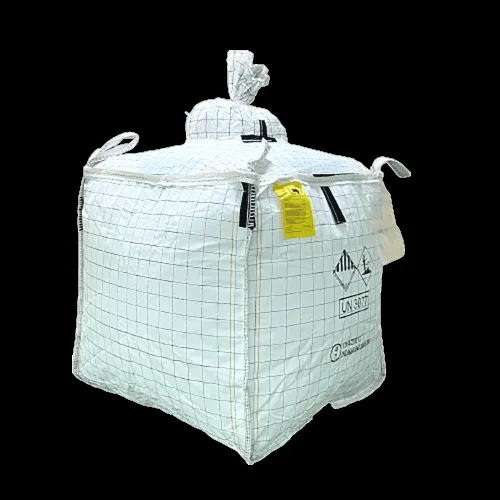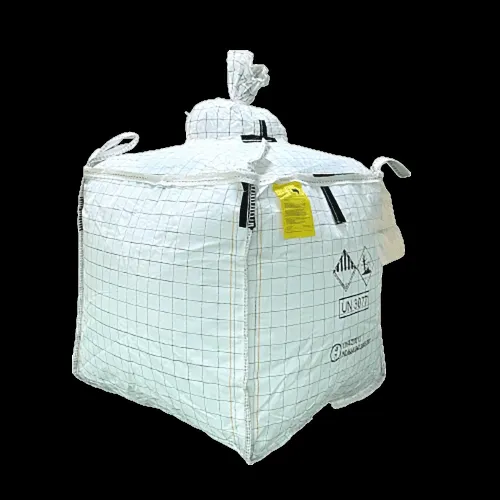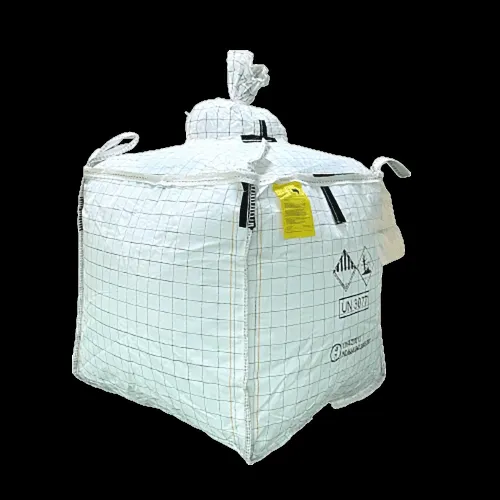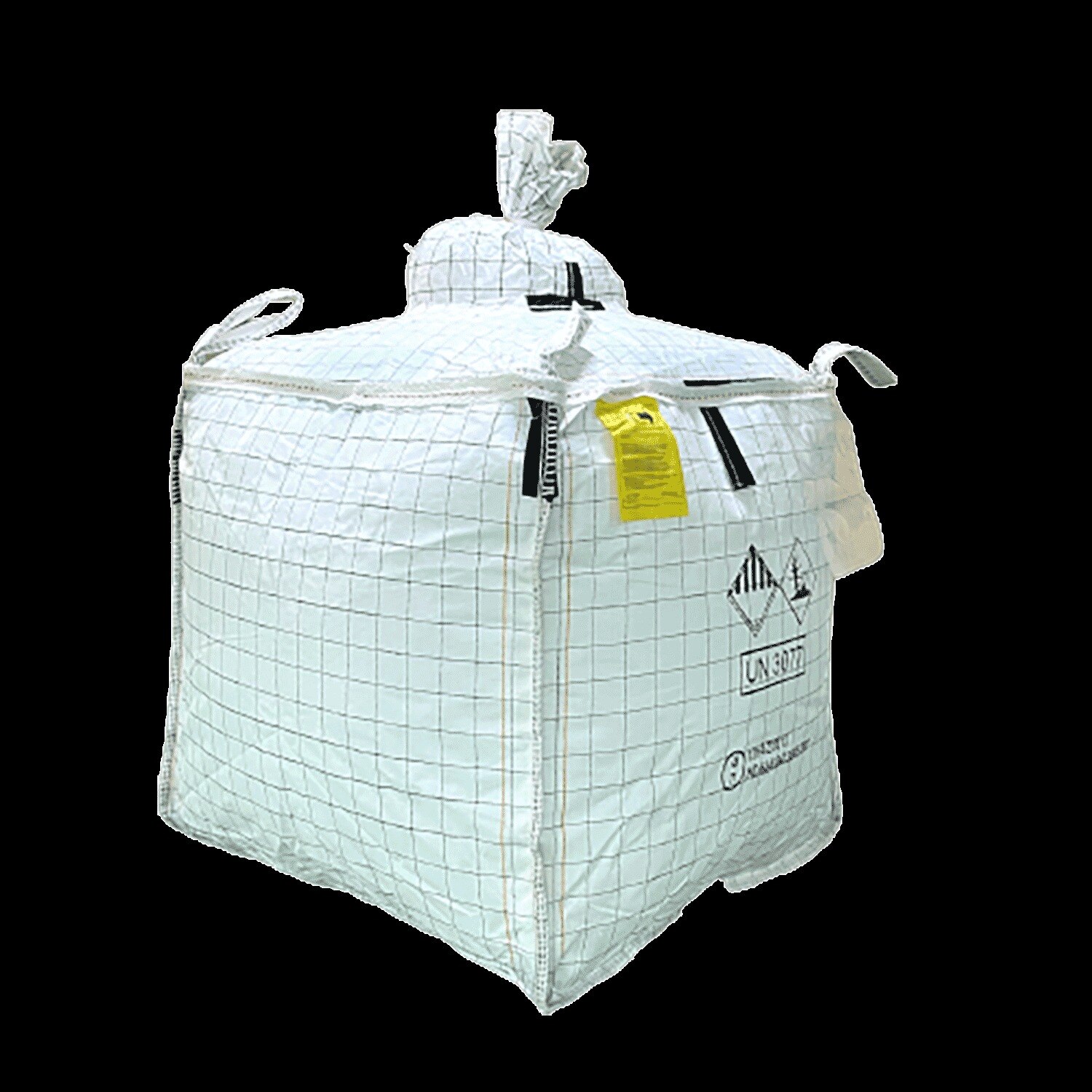
A one-ton rating does not tell you whether an FIBC is suitable for metal powders, plastic pellets, ceramic powders, castings, or machined-part waste. By matching the bag to the material, lifting equipment, discharge process, static risk, and inspection regime, you can specify a safer package and reject unsuitable alternatives before they reach your plant.
Key takeaways
- Calculate bag volume from product mass and bulk density.
- Specify loops and discharge fittings for your filling and lifting equipment.
- Choose fabric, coating, liner, and static-control class for the product hazard.
- Record load, construction, testing, and inspection requirements before ordering.
Start with the material, density, and required load
Calculate the filled mass before choosing a bag: required volume equals product mass divided by bulk density. Do not buy a “one-ton bag” as a complete specification.
State the safe working load (SWL), safety factor, bag dimensions, intended reuse, and the maximum fill volume; high-density engineering materials can overload the bottom panel or create an unstable centre of gravity below the printed SWL.
- Measure bulk density, particle size, moisture content and flow behaviour for the actual product, not a catalogue sample.
- Check the filled bag’s height-to-width ratio and stacking arrangement. A tall, narrow bag can become unstable even when its mass is acceptable.
- Match construction to the product: coated fabric or a liner for powders and moisture-sensitive parts, abrasion-resistant fabric for sharp scrap, and temperature-rated materials for hot products.
- Record whether filling and movement use a pallet, forklift, crane or hoist, then specify the lifting arrangement and discharge design.
- Treat 5:1 and 6:1 markings as different design and reuse expectations, not as alternatives to SWL. A 5:1 bag is not reusable without documented inspection and manufacturer approval.
| Material or product | Suitable starting construction | Capacity decision |
|---|---|---|
| Metal powders or mineral fillers | Fine-weave fabric with specified liner and controlled discharge | Use measured density; prevent bottom-panel overload |
| Plastic pellets or rubber compounds | Durable woven fabric, with coating or liner if moisture matters | Allow volume for flow and settling behaviour |
| Castings or machined-part waste | Abrasion-resistant fabric and reinforced base | Size for sharp edges, impact and uneven loading |
| Ceramic powders or manufacturing products | Liner, sealed closures and stable dimensions | Choose volume and SWL together; do not rely on fabric alone |
Match loops, filling, discharge, and lifting equipment
A bag that fits the product but not the lifting frame will create unsafe transfers, damaged loops, or a dropped load. Match the loop arrangement to the hooks, forklift tines, crane spreader, or filling station before ordering.
| Arrangement | Equipment match | Practical limitation |
|---|---|---|
| 1-loop FIBC | Single-hook hoist or compatible forklift attachment | Fast handling, but the lifting point concentrates load on one loop and needs rated equipment. |
| 2-loop FIBC | Two-hook spreader or twin-point lifting frame | Suitable where the plant already uses two lifting points; uneven engagement can tilt the bag. |
| four-loop FIBC | Four-hook spreader, four-point frame, or suitable forklift attachment | Gives stable lifting, but all four loops must engage together. |
| cross-corner-loop bags | Forklift tines or a four-point lifting frame designed for corner loops | Check loop spacing and tine length; incorrect engagement can pull the fabric sideways. |
Specify the filling inlet to suit your process: an open top for fast loading, a duffle top for controlled closure, or a spout top for dust-sensitive powders. Match the discharge to the material.
Fine powders need a closable spout, liner outlet, and controlled flow to prevent bridging; coarse castings or metal scrap need a reinforced outlet or full-bottom discharge that prevents sudden surges.
Ask the bag supplier to state the discharge diameter, closure type, intended discharge rate, and whether the bag is single-use or reusable. Confirm those details against the filling head, extraction system, weighing equipment, and receiving hopper. Never cut the base to empty a loaded bag.
Specify fabric, coating, liner, and protection against damage
A woven polypropylene body carries the load, but it is not a moisture barrier. Powders, plastic pellets, rubber compounds and corrosion-sensitive machined parts need a defined barrier system, sealed closures and dry, controlled storage.
Specify the physical construction against the actual load:
- FIBC fabric construction: Choose fabric weight and weave for the safe working load, particle shape and handling cycle. Sharp castings, burrs and metal scrap need heavier fabric or abrasion-resistant bulk bags, with no dragging across floors or pallets.
- Coated FIBC bags: Use a polypropylene coating to reduce dust escape and surface moisture entry. Treat coating as added protection, not as hermetic sealing.
- FIBC liner material: Select a form-fit or attached polyethylene liner for powders, fine pellets and corrosion-sensitive parts. State the liner thickness, weld quality, fit and whether it is loose, form-fit or permanently attached.
- Closures and seams: Specify a sealed filling inlet and a discharge spout with a protective cover, closure and controlled discharge rate. Cutting the bottom creates surges, product loss and a damaged package.
A liner protects contents only when filling and discharge openings are closed correctly. Fine powders can bridge or rat-hole; coarse castings can surge against a spout, so test the outlet with the intended equipment.
For semi-outdoor storage in Bengaluru, shield ordinary bags from direct sunlight and monsoon wetting. Specify UV and weather resistance when exposure is unavoidable, because ultraviolet light embrittles polypropylene and rain can damage labels, liners and product.
Choose the correct static-control class for combustible products
Type A FIBC is for non-combustible products and areas without an electrostatic ignition risk; combustible powders, resins, pellets or rubber compounds require a documented electrostatic-risk assessment before you choose Type B, Type C or Type D.
| Type | What it means | When it applies |
|---|---|---|
| Type A FIBC | Ordinary insulating fabric with no intentional static control | Non-combustible materials and no flammable vapour or dust atmosphere. Do not use it for combustible dust. |
| Type B FIBC | Controls surface-discharge risk but does not provide a grounding path | Combustible dust with suitable ignition sensitivity and no flammable-gas atmosphere. It is not a substitute for grounding. |
| Type C FIBC | Conductive fabric or yarns that must be bonded and earthed | Combustible powders and dusts where the plant can maintain a verified ground during filling and emptying. |
| Type D FIBC | Dissipates charge without a separate earth connection under specified conditions | Operations covered by the bag’s tested design, product properties and environment. Follow the manufacturer’s restrictions exactly. |
For Type C FIBC, connect the designated grounding point before opening the filling valve, verify continuity, and keep the connection intact through discharge. Paint, corrosion, dirty clamps, broken conductive yarns and a nonconductive liner can interrupt the path.
Specify the liner material, resistance or dissipation requirement, attachment style and closure design; ordinary polyethylene does not preserve Type C or Type D performance automatically.
Control the whole operation as well: bond transfer equipment, remove hot surfaces and mechanical-spark sources, control dust release, and protect the bag from moisture and UV exposure. Humidity reduces charging but never makes combustible dust safe.
Turn the specification into a purchasing and inspection checklist
Reject any “one-ton bag” quotation that does not state safe working load (SWL), dimensions, construction, and intended reuse. Require the supplier to attach the approved drawing and a signed specification to every purchase order.
1. Request the bag identification, manufacturing batch, fabric and coating details, liner material and attachment method, filling density, top and discharge design, lift-loop arrangement, SWL, FIBC safety factor, and reuse limit.
2. Require an FIBC lifting test certificate that identifies the tested construction, SWL, safety factor, test method, and result. A 5:1 FIBC and a 6:1 FIBC are not interchangeable: neither marking replaces the SWL, and a 5:1 FIBC is not reusable without documented inspection and manufacturer approval.
3. For Type B, Type C, or Type D bags, obtain electrostatic test records stating surface resistance, liner resistance or dissipation performance, grounding provisions, and liner configuration. Reject a generic “anti-static” label; an ordinary polyethylene liner can change the bag’s classification.
4. At goods receipt, compare the batch and label with the purchase order, then check length, width, height, loops, seams, fabric, coating, liner, closures, discharge outlet, and visible cuts, contamination, or distortion. Confirm the markings remain legible.
5. For outdoor or semi-outdoor storage around Bengaluru, verify the specified UV and weather-resistance requirement and inspect packaging for wetting. Keep ordinary polypropylene FIBCs under cover; sunlight embrittles fabric and monsoon moisture damages labels, liners, and product.
Deccan Cans & Printers Pvt. Ltd. can be asked to record liner resistance, attachment, and bag identification on the quotation rather than leaving those controls to receiving staff.
Related products
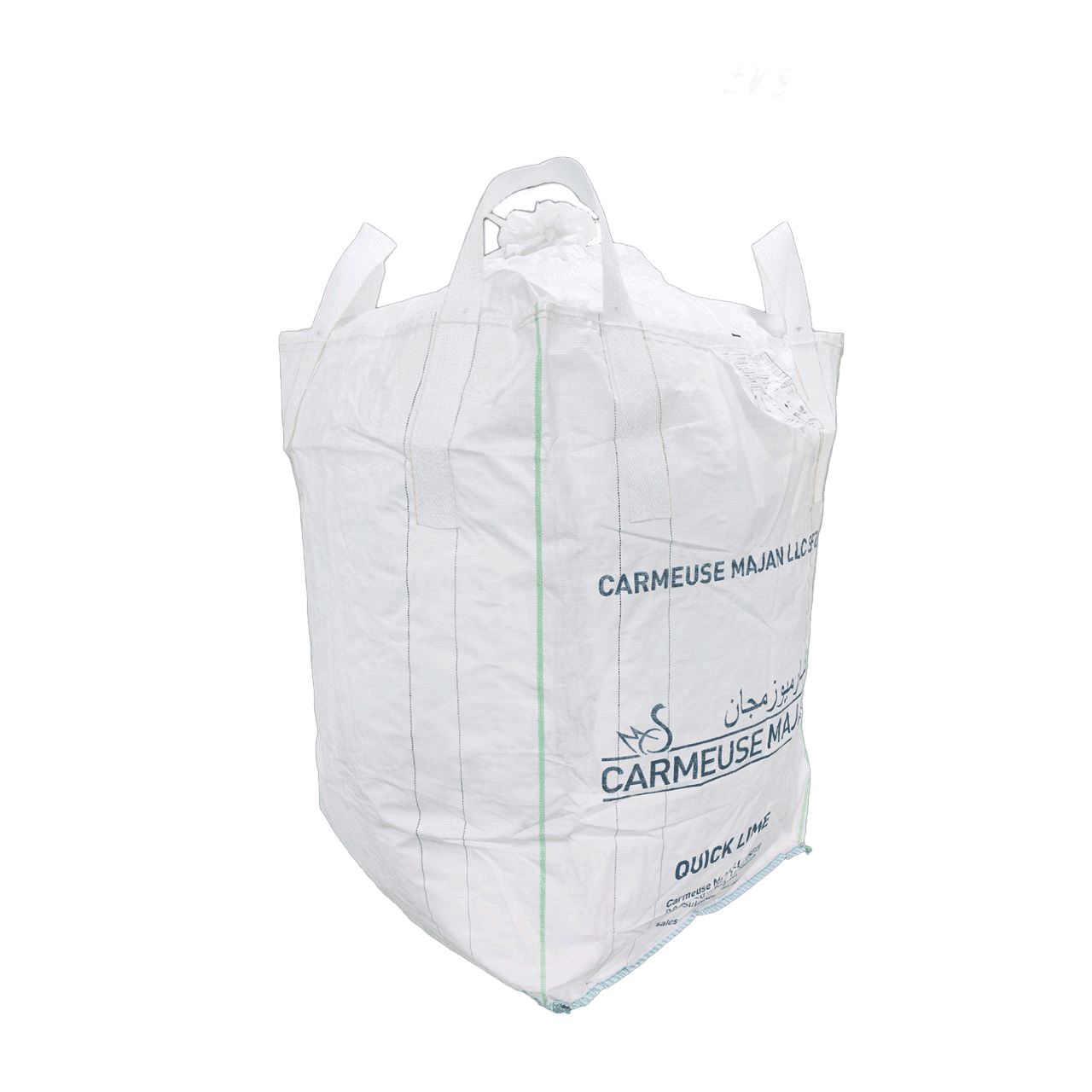 | FIBC Section Bags With Liners FIBC Liners – Bulk Bag Liners Deccan Cans & Printers Pvt. Ltd. |
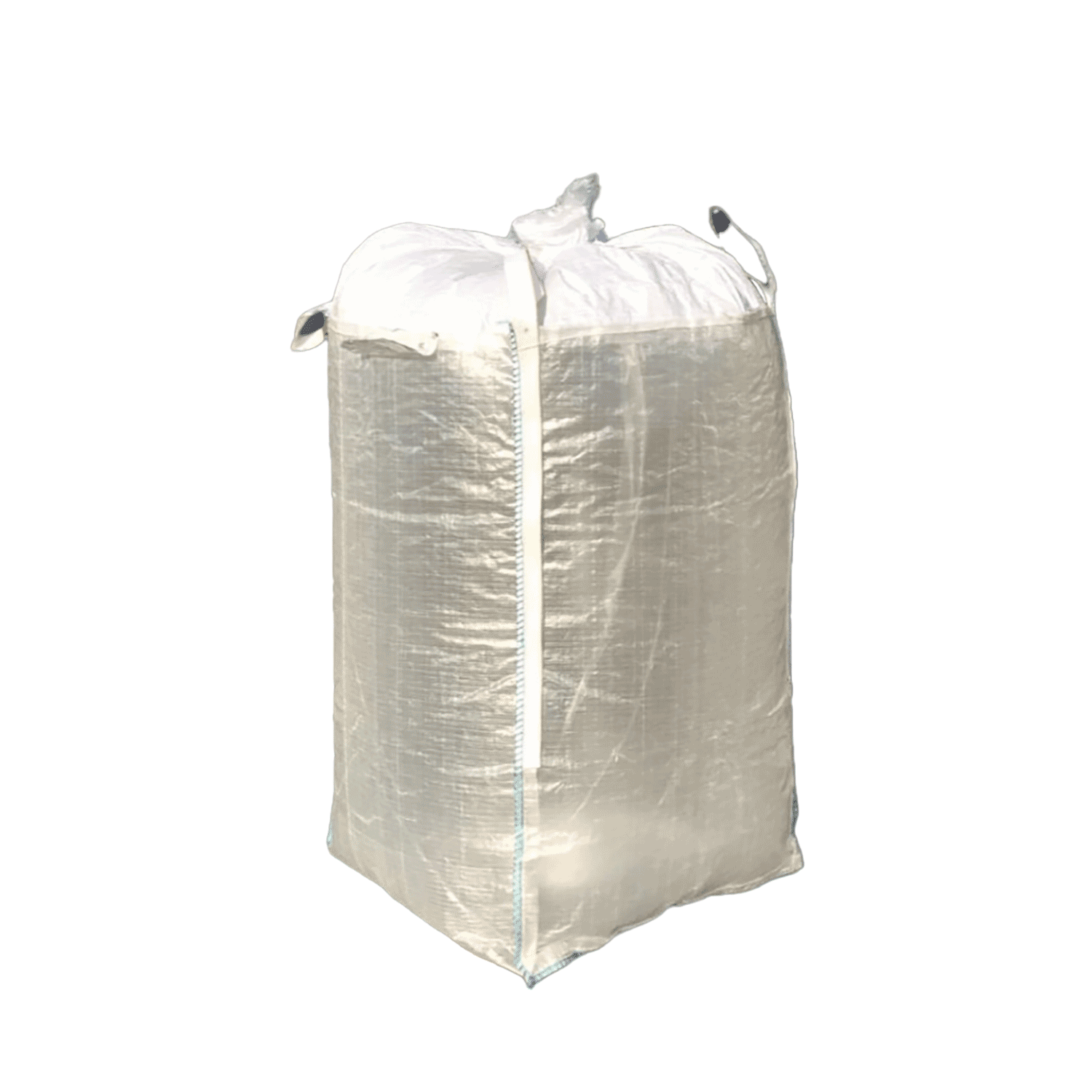 | FIBC Section Transparent Bags Transparent FIBCs – See-Through Bulk Bags Deccan Cans & Printers Pvt. Ltd. |
Frequently asked questions
How do you calculate the required FIBC bag capacity?
Divide the product mass by its bulk density to calculate the required volume, then allow practical filling and handling space.
Which FIBC lifting and discharge features should you specify?
Match loop configuration, filling spout, discharge spout, and lifting method to your equipment and handling process.
How do fabric, coating, liner, and protection affect bag selection?
Specify construction based on moisture, dust, abrasion, sharp edges, contamination risk, and the product’s required barrier protection.
Which static-control FIBC class is suitable for combustible products?
Select the static-control class according to the product’s ignition hazard, surrounding equipment, grounding procedure, and risk assessment.
Related products
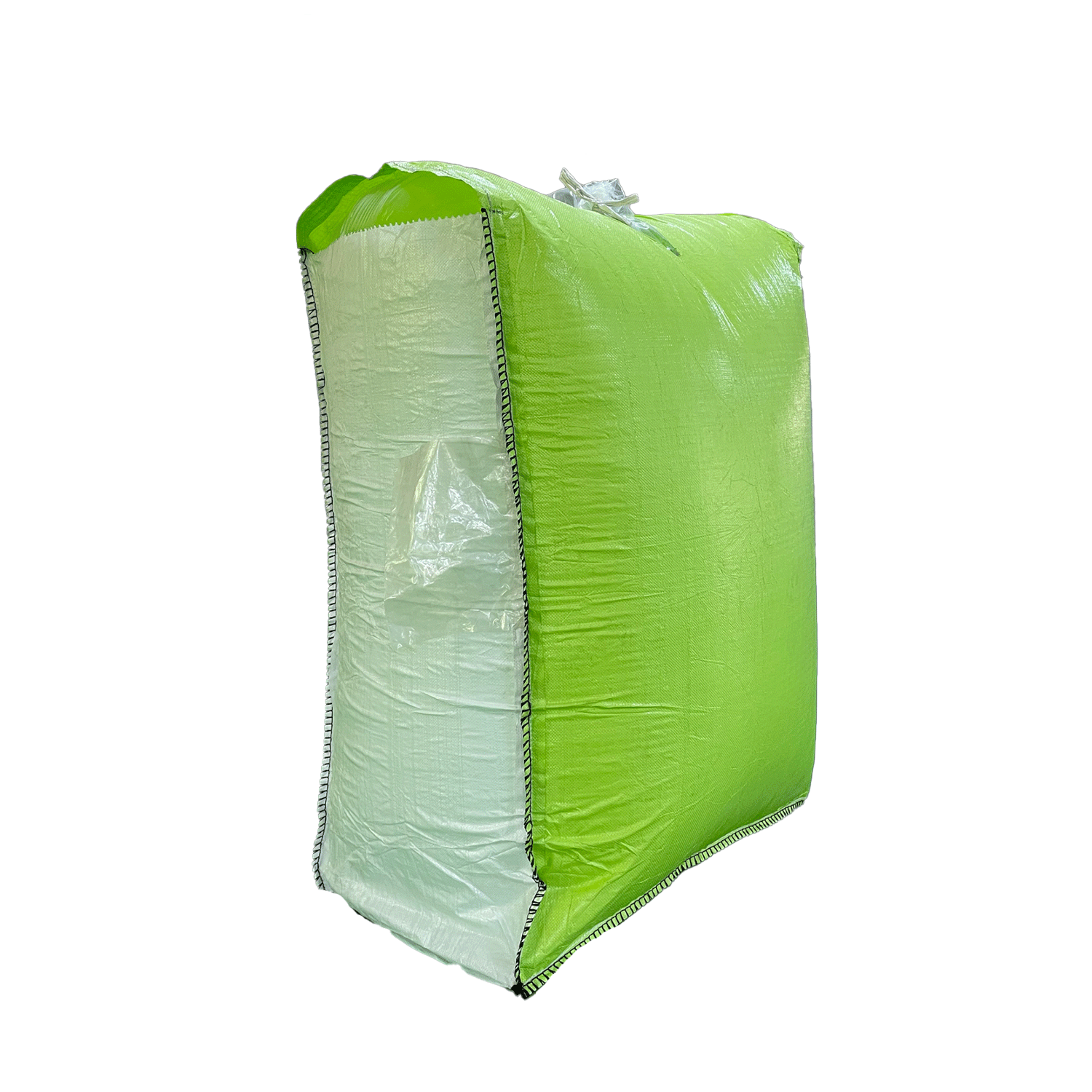 | FIBC Section Fertilizer Bag Range 1 & 2 Loop FIBC Bulk Bags Deccan Cans & Printers Pvt. Ltd. offers durable and cost-effective 1 & 2 Loop FIBC Bulk Bags, designed for the efficient... |
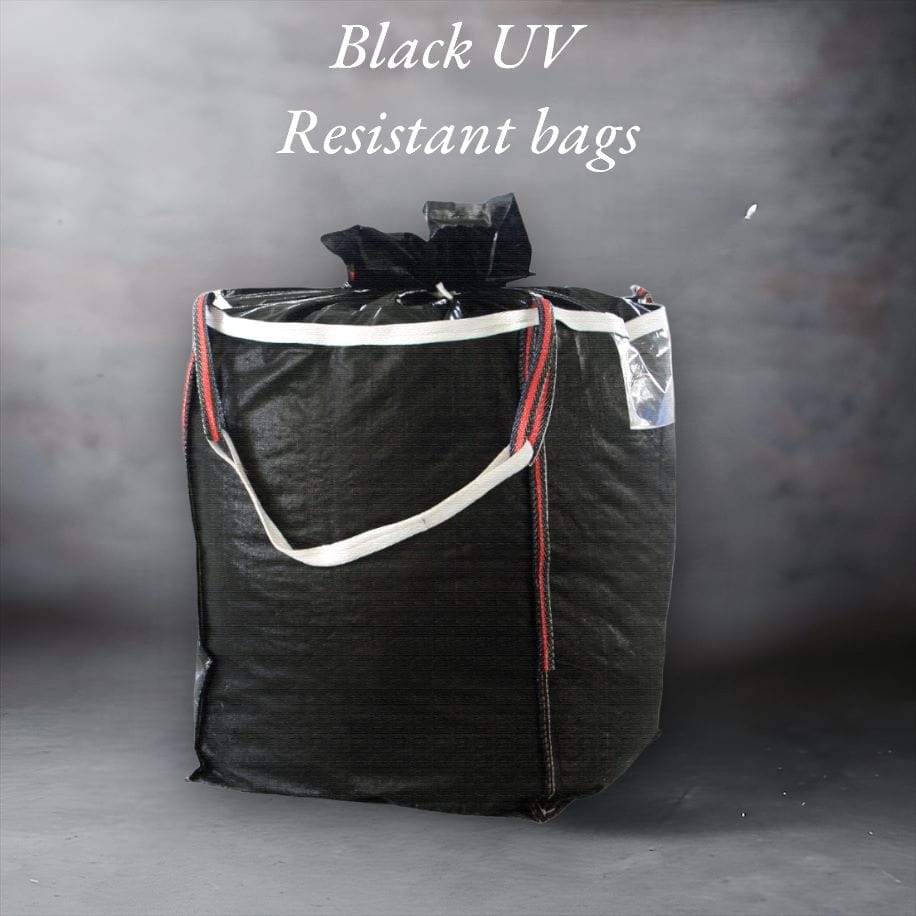 | FIBC Section Black Bags Black FIBC Bags – Enhanced UV Resistance & Extended Shelf Life UV exposure is one of the major challenges faced by the FIBC industry, as prolonged... |
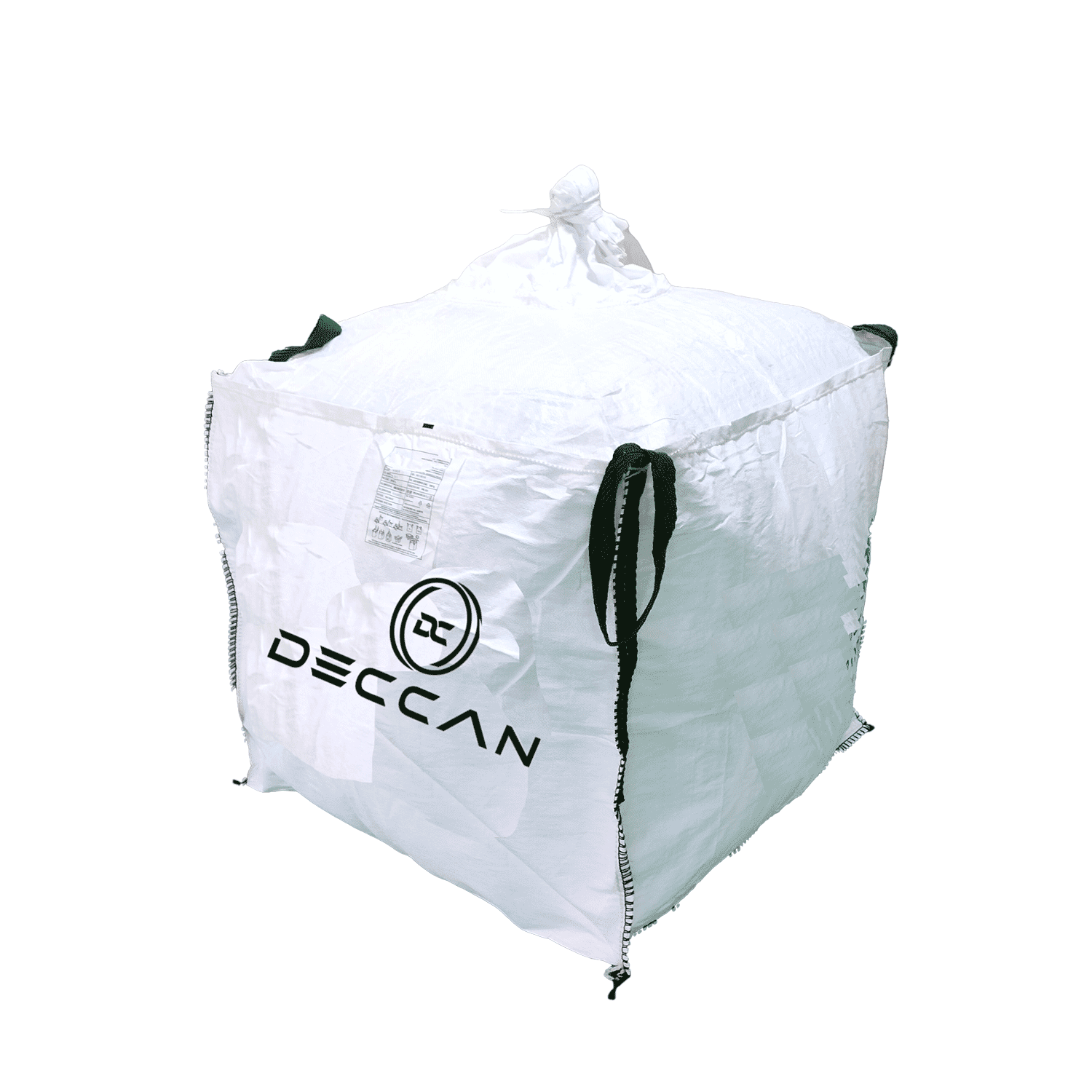 | FIBC Section Polyester Loop Bags/Multifilament Loops Polyester / Multifilament Loop FIBC Bags Deccan Cans & Printers Pvt. Ltd. |
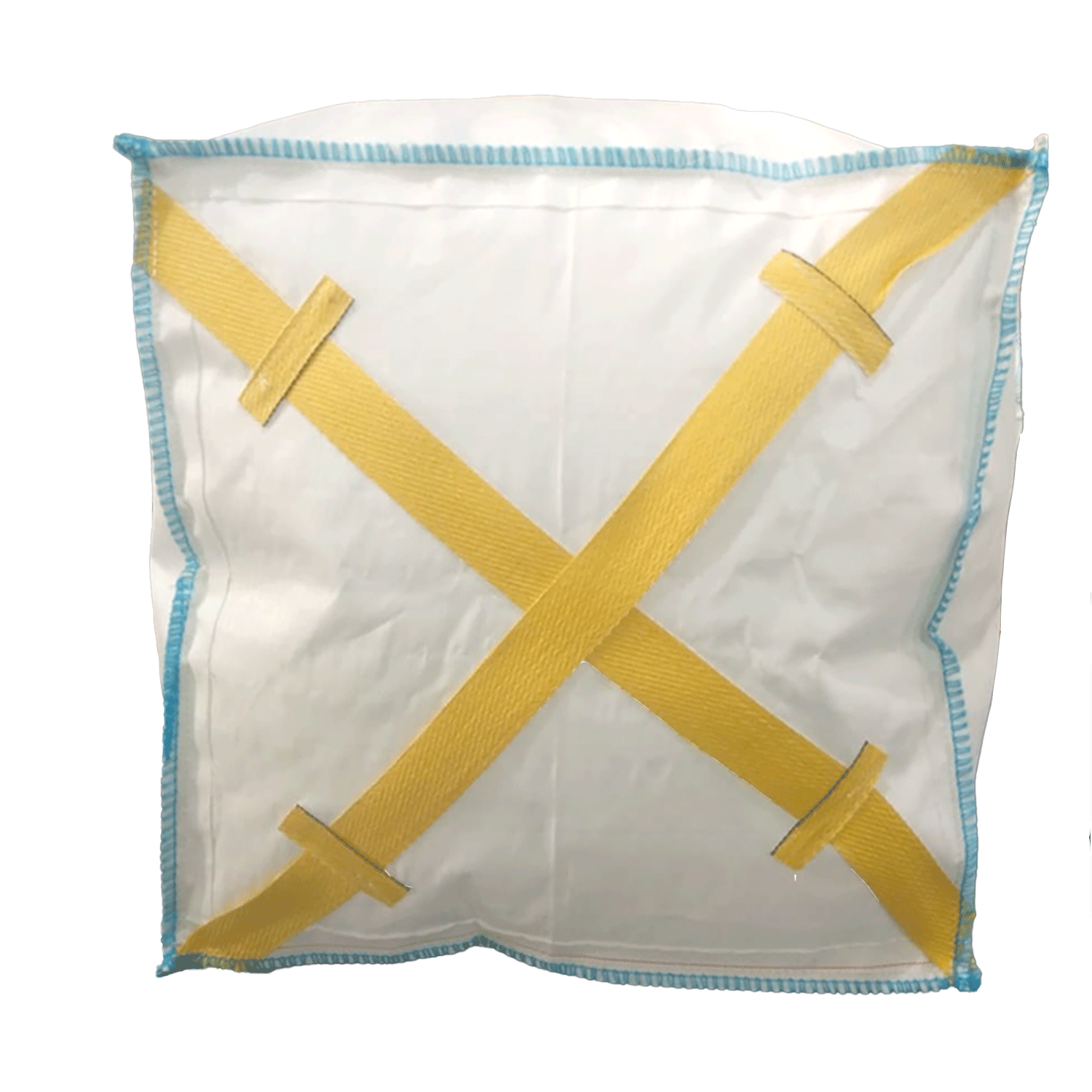 | FIBC Section Cross Bottom Sling Bags Cross Bottom Sling FIBCs – Bulk Bags Deccan Cans & Printers Pvt. Ltd. |