Choosing an industrial tin pack requires more than finding a Chennai supplier with a catalogue. You need to verify that the company manufactures the quoted design, match the container and lining to your chemical, and obtain evidence for filling, stacking, sealing, transport, and storage. By the end, you will have a practical shortlist and an RFQ specification that separates a factory-made industrial container from a decorative tin or traded product.
Key takeaways
- Verify the factory through equipment, samples, production records, and capacity.
- Match the lining and closure to the liquid, chemical, and transport conditions.
- Specify steel thickness, dimensions, tests, seals, and stacking requirements in writing.
- Request licences, test reports, drawings, samples, and lead times before ordering.
How to identify a Chennai manufacturer rather than a tin trader
A Chennai factory address alone does not prove manufacture. Verify that the address belongs to the quoted producer, then match its equipment, samples, records, and capacity to your required container.
1. Request the legal manufacturer name, factory address, site contact, and a visit or live video walkthrough. Look for sheet slitting, lithographic or coating equipment, body forming, seaming, end making, welding, leak testing, and packing areas.
2. Ask the supplier to state its tin can production capabilities in writing: body diameter, height, capacity range, steel thickness, closure types, annual output, and maximum batch size. A trader usually gives catalogue dimensions but cannot explain line limits or changeover time.
3. Request a sample carrying the same dimensions, closure, lacquer, and steel specification as the quotation. Compare its body seam, end seam, handles, welds, and finish with the submitted drawing.
4. Ask for a recent production batch record, material certificate, inspection report, and lot traceability from tinplate receipt through dispatch. Redacted customer details are acceptable; missing production records are not.
5. Require compression or stacking evidence for the filled pallet configuration, not an empty-container claim. ISO 12048 testing is relevant.
A supplier that refuses a factory check, cannot identify the producing site, or quotes identical products across impossible specifications is acting as a distributor until proven otherwise. Confirm the Chennai facility also has covered, ventilated storage and dry palletisation; wet pallets and coastal condensation can rust containers before dispatch.
Match the container to the liquid, chemical, and transport risk
Chemical compatibility depends on the filled product and the container’s internal lacquer, not simply on “tinplate.” Obtain the product’s Safety Data Sheet and record its pH, solvent content, chloride or sulfur compounds, fat or oil content, flash point, density, storage temperature, and planned storage time.
Ask the manufacturer to confirm the lacquer against those conditions and the filling process. A poor match can cause adhesion loss, migration, odour, pinholing, or sulphur staining. For solvents, oils, paints, and adhesives, test the exact formulation in the quoted container, with its closure and gasket, before approving production.
Searches for paints and adhesives containers in Chennai should produce a supplier that can provide this evidence, not just a generic corrosion-resistance claim.
For a hazardous product, check legal suitability separately:
- Request the complete UN packaging mark, including packaging type, performance level, solid or liquid designation, packing group, manufacturer code, and year.
- Match the UN packaging instruction and certification scope to the exact capacity, closure, gasket, fill weight, and product class.
- Obtain the performance-test report covering leakproofness, hydraulic pressure, stacking, drop, and—where applicable—vapour pressure.
Tinplate does not make a pack UN-approved. A tested design type does. Require loaded-container compression or stacking evidence, since pallet pattern, interlayer, fill weight, geometry, and storage duration determine performance; ISO 12048 provides a recognised compression-test method.
For Chennai storage and transport, specify covered, ventilated storage, dry pallets, and protection from salt air, wet floors, condensation, and temperature cycling. These controls prevent external rust and under-film corrosion that a short laboratory test may miss.
Specify the container, closure, steel, and test requirements
A comparable quotation names the pack, not merely “tin container” and a total sheet thickness. Require both suppliers to quote the same capacity, dimensions, closure, steel construction, tolerances and test evidence.
| Field | What the quotation must state | Why it matters |
|---|---|---|
| Container form | Open-head cans, closed-head cans, rectangular tins, tin pails or lever-lid cans; nominal and usable capacity | Different openings and end designs change filling, cleaning and sealing |
| Dimensions | Body and end dimensions, seam type, neck or bung size, and allowable tolerances | Small dimensional differences can prevent automated filling or pallet compatibility |
| Steel | Base-steel thickness, tin-coating mass on each surface, steel temper and total gauge | Total gauge alone hides differences in strength and corrosion protection |
| Interior finish | Internal lacquer name, coating coverage and cure; confirm suitability for the filled product and process temperature | Acids, chlorides, sulfur compounds, solvents, oils, sterilization and storage time can cause staining, odour, migration or adhesion failure |
| Closure | Cover, bung, gasket, lever mechanism or crimp specification, including material and seal type | The quoted closure must match the tested container, not be an interchangeable assumption |
| Performance tests | Leak, pressure, drop and seam results, plus loaded-stack or compression evidence to ISO 12048 | An empty-can stacking claim does not prove a filled pallet will survive |
For hazardous goods, request the complete UN mark, packaging instruction, performance-test report and certification scope for the exact capacity and closure. Add pallet pattern, interlayer, fill weight and storage duration; require covered, ventilated storage and dry palletization to control condensation and external corrosion.
Compare tin with plastic, drums, aluminium, and FIBC packaging
Tin is the right pack when you need a rigid, opaque, printable container for oils, paints, adhesives, powders, or smaller liquid volumes, and the product is compatible with the internal lacquer. Its lower tare weight and easier handling can outweigh a drum’s capacity, but rust protection depends on dry storage, covered transport, and dry pallets.
| Option | Best fit | Main limitation |
|---|---|---|
| Tin container | Branded industrial liquids, coatings, oils, and medium-duty solids requiring rigidity and light protection | Confirm lacquer compatibility, UN certification, and loaded-stack evidence; an empty-container stacking claim proves little |
| HDPE container or pail | Water-based chemicals, corrosive products, impact-prone handling, and products needing rust-free storage | Check solvent permeation, swelling, stress cracking, and temperature limits; this is the central trade-off in tin versus HDPE |
| Aluminium container | Low weight, strong light barrier, and products that need metal without tinplate corrosion concerns | It dents more easily and can react with particular chemicals; tin versus aluminium requires a coating and compatibility comparison |
| Steel drum | High-volume liquids, forklift movement, long-distance transport, and demanding stack loads | It is heavier and less convenient for smaller fills; tin versus steel drums is mainly a capacity and handling decision |
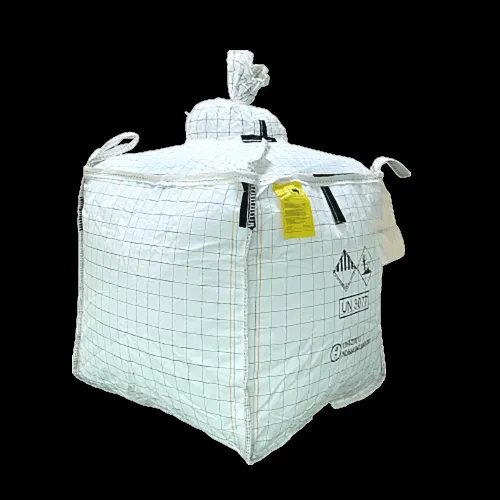
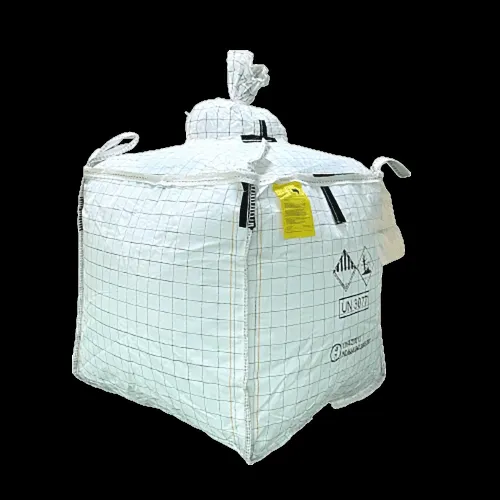
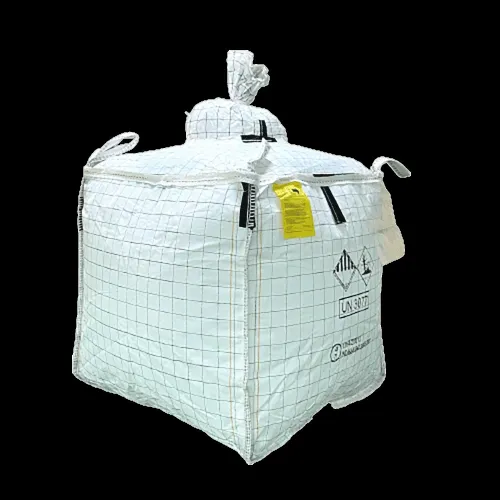
| FIBC bags for industrial packaging | Dry powders, granules, and bulk solids moved by forklift or discharge equipment | They do not replace liquid packs; hazardous solids require the correct 13H1–13H4 or 13M1–13M2 designation, liner, and filling method |
For food, request compliance documents for the exact material and coating system, not just “food-grade” wording. For dangerous goods, request the complete UN mark and test report for the quoted closure and capacity.
What to request from a Chennai supplier before placing an order
Do not approve a quote until the supplier answers five questions in writing: what you will receive, how it was tested, what customization costs, when it will arrive, and how rejected goods will be handled.
1. Commercial: Request the MOQ for industrial tin containers, unit price by quantity, tooling or plate charges, GST and freight terms, payment schedule, quote validity, and the charge for short deliveries or rejected batches.
2. Samples and customization: Obtain tin container samples and tooling details before approving artwork. Confirm the exact capacity, dimensions, steel thickness, coating, closure, gasket, printing method, colour proof, and whether tooling remains usable for repeat orders. If Deccan Cans & Printers Pvt.
Ltd. is on your shortlist, ask which quoted features are standard and which require new tooling.
3. Quality: Ask for the batch inspection plan, leak-test method, dimensional tolerances, coating or lining specification, and a certificate of conformity. For food contact, require documentation for the actual metal, coating, and temperature cycle; “food-grade” alone proves nothing.
4. Hazardous goods: Demand the complete UN mark, packaging instruction, performance-test report, and certification scope for the exact capacity, closure, and design type. Tinplate alone is not UN packaging certification for hazardous goods.
5. Delivery and receiving: Put the dispatch date, pallet pattern, quantities, transport responsibility, and damage procedure in the purchase order. Require covered, ventilated storage and dry pallets because condensation, salt air, wet pallets, and temperature cycling can cause external rust.
On receipt, count packs, inspect seams and closures, photograph damage, and quarantine leaking or corroded containers before use.
Related product
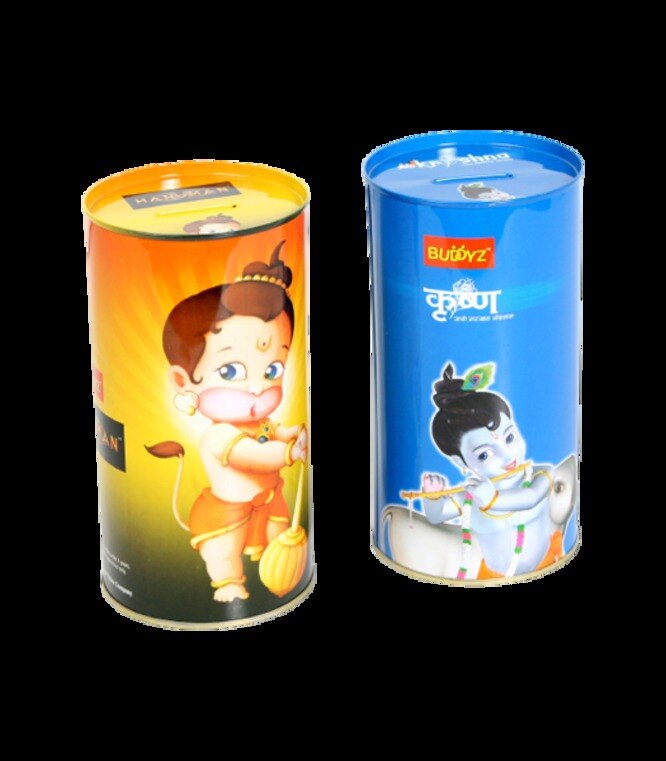
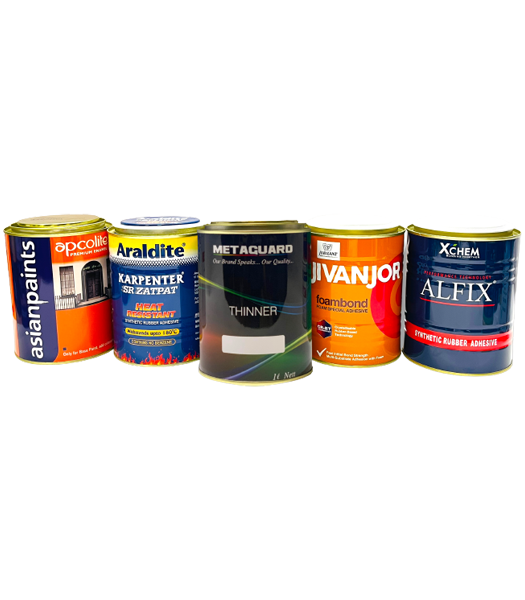 | Tin Containers Tin Containers Deccan Cans & Printers Pvt. Ltd. offers a robust range of Industrial Tin Containers, engineered to provide secure, durable, and... View product → |
Frequently asked questions
How can you identify a Chennai tin container manufacturer rather than a trader?
Check that the quoted address contains production equipment, inspect manufacturing samples, and request production records and capacity details tied to the supplier’s legal entity.
How do you match a tin container to its contents and transport risks?
Check chemical compatibility, select the required internal coating and closure, then assess leakage, corrosion, pressure, stacking, vibration, and temperature risks during transport.
What specifications should you include when ordering tin containers?
State the container dimensions and capacity, steel thickness, tin coating, internal lining, closure type, tolerances, stacking load, leak tests, and any required transport or compliance documents.
What should you request from a Chennai supplier before placing an order?
Request the legal business details, factory evidence, technical drawing, material specification, sample, test reports, quality records, minimum order quantity, lead time, and delivery terms.