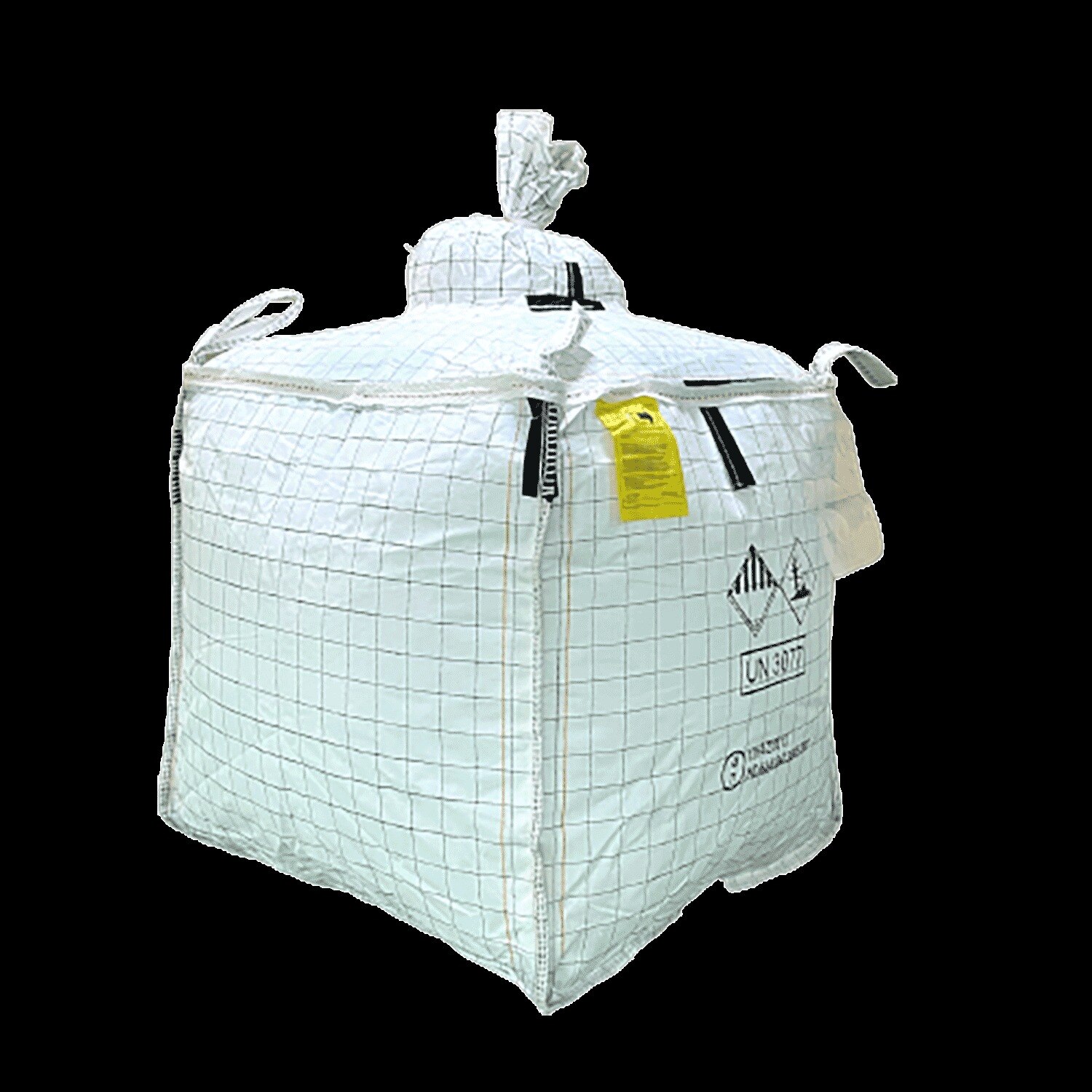
Selecting an FIBC for a Dahej chemical, petrochemical, pharmaceutical, food, or manufacturing site requires more than matching a 500 kg or 1,000 kg capacity. You need to match the bag’s construction, lifting system, dimensions, testing, documentation, and delivery capability to the material and equipment that will use it. By the end, you will have a practical checklist for comparing manufacturers and requesting a technically complete quotation.
Key takeaways
- Match fabric, liner, seams and discharge control to the material.
- Give manufacturers exact dimensions, load, lifting and discharge specifications.
- Confirm loop design, bag dimensions and safe working load before ordering.
- Request test records, electrostatic controls and UN documentation where required.
Match the FIBC construction to the material and process
A 1,000 kg rating does not identify the right FIBC: an aerated powder and a free-flowing pellet impose different demands on fabric, seams, liner and discharge control.
| Material or process | Suitable FIBC construction | Key selection point |
|---|---|---|
| Powder or dust-generating material | Sift-proof powder bulk bags with tight seams and a fitted liner | Specify liner welds, corner seams, spout closure and filtration needs |
| Granules or pellets | Woven polypropylene granule and pellet FIBCs, with coated fabric when leakage matters | Match SWL, filling density, flow rate and discharge spout to the equipment |
| Flakes | Flexible woven bags with a wide filling opening and discharge outlet | Check bridging risk, compaction and whether the flakes snag at the outlet |
| Moisture-sensitive product | Coated fabric with a sealed polyethylene liner, or a form-fit liner | Confirm moisture barrier performance and liner compatibility with the product |
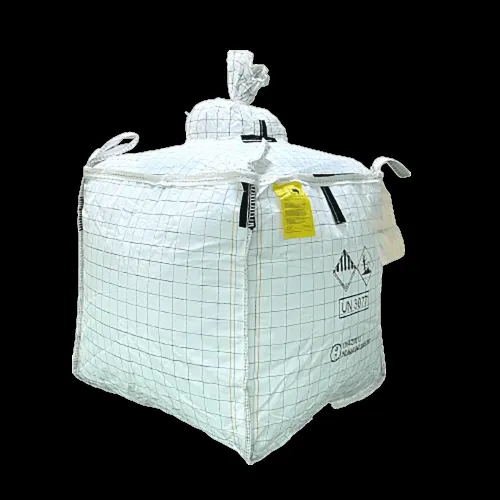
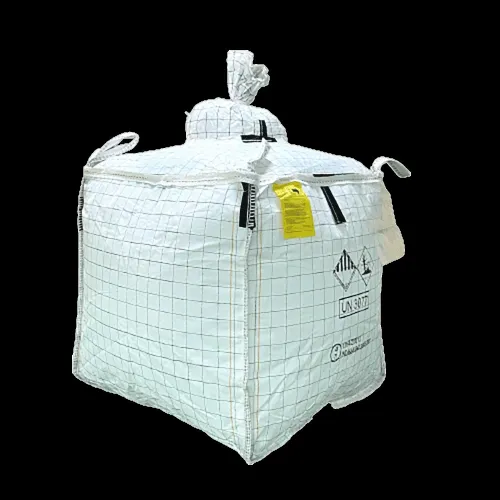
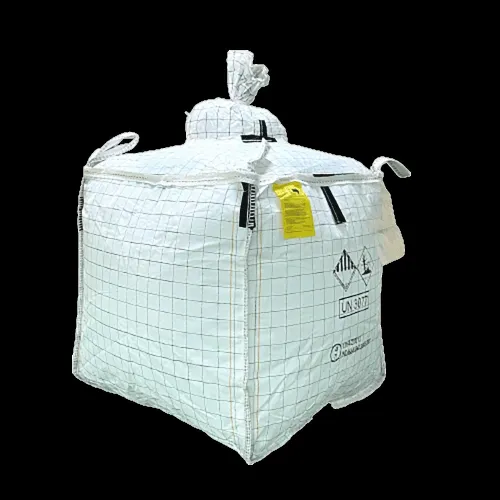
| Hazardous substance | UN-approved FIBC with the exact approved construction and design type | Match the code to the substance, packing group, filling method and transport mode |
For powders, laminated fabric reduces seepage through the cloth but does not seal needle holes or liner welds. Ask for sift-proof seam testing and verify that the liner fits without folds blocking discharge.
Electrostatic classification is part of the FIBC construction. IEC 61340-4-4 covers classification: Type C requires a verified grounding path during filling and emptying, while Type D relies on dissipative construction and cannot replace Type C where grounding is required.
Use ISO 21898:2004 for non-dangerous solid materials, checking the exact design and test report. For dangerous goods, require traceability to the relevant UN approval; adding a liner or coating later can invalidate it.
Give manufacturers a specification they can quote accurately
A request for a 1,000 kg FIBC is not a specification. A free-flowing granule and an aerated powder can produce different stresses in bags with the same nominal capacity, so quote the FIBC safe working load (SWL) against the product and process.
Send the manufacturer these fields:
- Product name, bulk density, particle size, flow behaviour, moisture sensitivity, and dust tendency
- Required SWL, safety factor, and whether the bag is single-trip or intended for repeated use
- Bag dimensions, dimensional tolerances, fabric GSM and tape specification, coating, and colour
- Top construction, filling inlet diameter and length, bottom discharge type, outlet dimensions, and closure method
- Lifting-loop configuration, loop length, loop spacing, and required lifting height
- Liner material, thickness, fit, necks, closures, and liner-weld requirements
- Seam type, stitching specification, printing, labels, pallet or bale packing, and lot traceability
- Electrostatic classification, grounding provisions, and any test documents required for the process
Treat 5:1 and 6:1 safety factor markings as design classifications, not permission to exceed the stated SWL. A 5:1 bag is not reusable merely because its fabric appears heavy; request documented cyclic testing for repeated service.
State whether the bag must meet ISO 21898:2004 for non-dangerous solids. For electrostatic risk, specify testing to IEC 61340-4-4 and identify whether the process requires a Type C bag with a verified grounding path or a Type D design.
Verify lifting arrangements, dimensions, and equipment fit
A 1,000 kg rating does not confirm equipment fit. Send the manufacturer your filling-machine clearance, inlet diameter and clamp position; filled height and footprint; pallet dimensions; rack beam spacing and permitted load height; forklift fork length, width and spacing; crane-hook type; and discharge-valve dimensions.
Confirm these against the bag drawing, including tolerances, loop length and loop spacing.
| Lifting arrangement | Suitable use | Unsuitable use |
|---|---|---|
| 1-loop FIBC | One certified crane hook or hoist point | Forklift handling, or hooks that cannot seat securely in the single loop |
| 2-loop FIBC | Two-hook lifting or a forklift designed for two lifting loops | Four-fork attachments, uneven two-point lifting, or a hook arrangement that twists the bag |
| 4-loop bulk bag | Four forklift forks or four crane hooks with equal loading | Two-fork lifting, single-hook lifting, or equipment that cannot keep all loops engaged |
| Cross-corner loops versus cross-bottom lifting | Cross-corner loops suit corner-attached lifting gear; cross-bottom loops support the bag from underneath | Do not substitute one arrangement for the other without a load test and written approval |
Before production, request a filled-bag trial using the actual product. Check that:
- The inlet reaches the filling head without stretching the fabric or liner.
- Forks enter fully without cutting the bag, and the loaded footprint sits inside the pallet and rack beams.
- The discharge spout reaches the receiving hopper and its closure opens without removing the bag from its support.
- The filled bag clears rack beams, crane structures and doorways at its maximum height.
- SWL, safety factor and actual product density are recorded; flowable powder can settle differently from granules and change the bag’s height.
Check testing, standards, electrostatic controls, and UN documentation
Require a test file that links the exact FIBC design to its intended service, not a generic “ISO compliant” statement. For non-dangerous solid materials, ISO 21898:2004 covers construction, performance requirements, and test methods; check the edition, bag specification, and report number.
Ask for these production records:
- FIBC proof testing and top lift testing against the stated safe working load, with the bag’s 5:1 or 6:1 classification clearly separated from permission to exceed SWL.
- Seam strength and sift-proof stitching results, including evidence for needle holes, corner seams, liner welds, and spout closures.
- Material traceability, batch numbers, inspection results, and any cyclic testing supporting a reusable-service claim.
Electrostatic controls depend on the classified bag and process, not on fabric appearance. Match the supplier’s certificate and grounding instructions to the filling, emptying, dust cloud, solvent vapour, and ignition conditions.
| Bag type | Control to verify | Failure if ignored |
|---|---|---|
| Type A | No electrostatic protection; keep away from ignitable atmospheres | Static discharge can ignite dust or vapour |
| Type B | Controlled breakdown voltage and suitable grounding | Brush discharges can ignite a dust cloud |
| Type C | Conductive threads, tested resistance, and earth connection | An ungrounded bag can accumulate dangerous charge |
| Type D | Dissipative construction without site grounding | Incorrect product or atmosphere can defeat protection |
For dangerous goods, demand the UN design type, approval certificate, test report, packing-group match, closure instructions, and transport-mode acceptance. A commercial FIBC is not automatically UN-approved because it passes ISO 21898:2004 or carries a 5:1 marking.
Compare FIBC manufacturers in Dahej on capability and delivery
A factory in Dahej is valuable only if it can turn proximity into reliable dispatches. Compare FIBC manufacturers in Dahej by inspecting production capacity, in-house inspection, raw-material availability, and whether the plant can reserve fabric and accessories for your repeat schedule.
| Criterion | Strong evidence | Warning sign |
|---|---|---|
| Factory and capability | Dahej production site, defined monthly capacity, sewing and liner-welding controls, documented lot traceability | Trading office with unclear manufacturing location or outsourced critical work |
| FIBC minimum order quantity | Written MOQ for your exact dimensions, fabric, loops, liner and printing | One generic MOQ that changes after specification |
| FIBC lead time Gujarat | Separate timelines for sample approval, first production, repeat production and dispatch | An unqualified promise that ignores artwork, testing or raw-material availability |
| Dispatch routes | Regular truck loading from Dahej, sealed vehicle documentation and delivery experience for bulk bag supply to Bharuch and Ankleshwar | No clear loading point, transporter plan or delivery responsibility |
| Repeat orders | Approved master specification, retained sample, batch records and agreed tolerance controls | Every order is re-quoted as a new design |
Ask for a production sample and a written order schedule before committing. Deccan Cans & Printers Pvt. Ltd. is worth comparing on whether its documented 1-loop, 2-loop, liner or UN-bag capability matches your actual specification, not merely its catalogue range.
For recurring demand, give the manufacturer a 3- or 6-month forecast, release quantities and required safety stock. That exposes whether the quoted FIBC lead time Gujarat fits your filling line or leaves you paying for emergency transport.
Related products
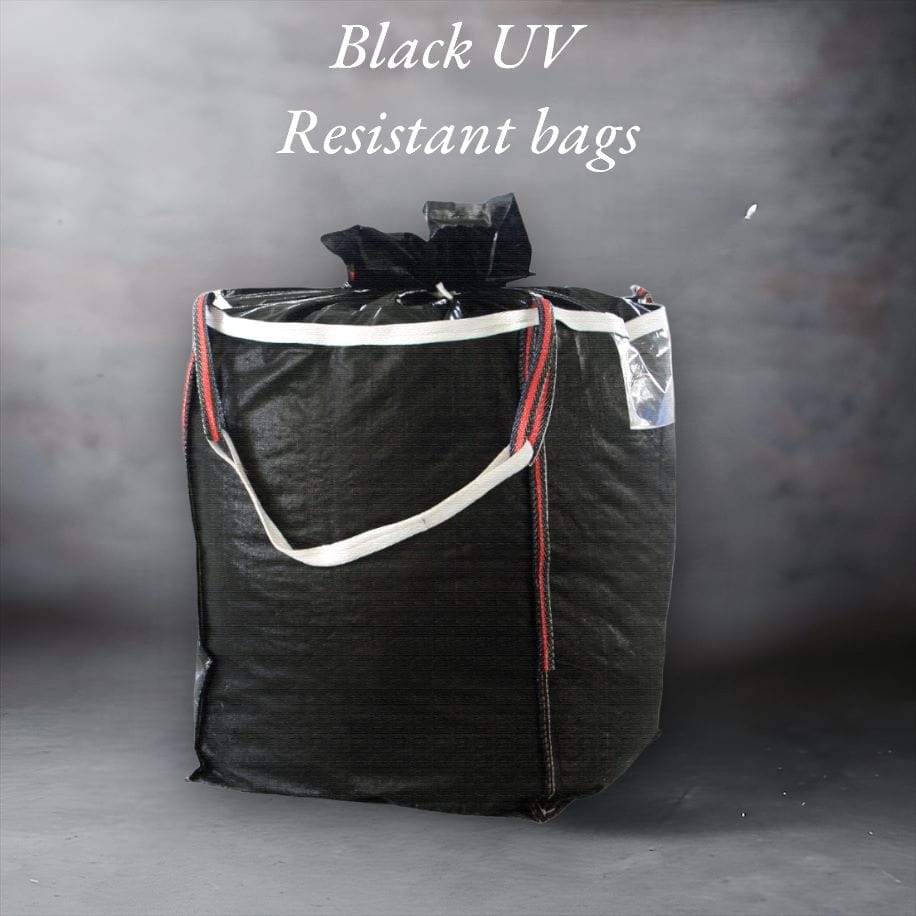 | FIBC Section Black Bags Black FIBC Bags – Enhanced UV Resistance & Extended Shelf Life UV exposure is one of the major challenges faced by the FIBC industry, as prolonged... |
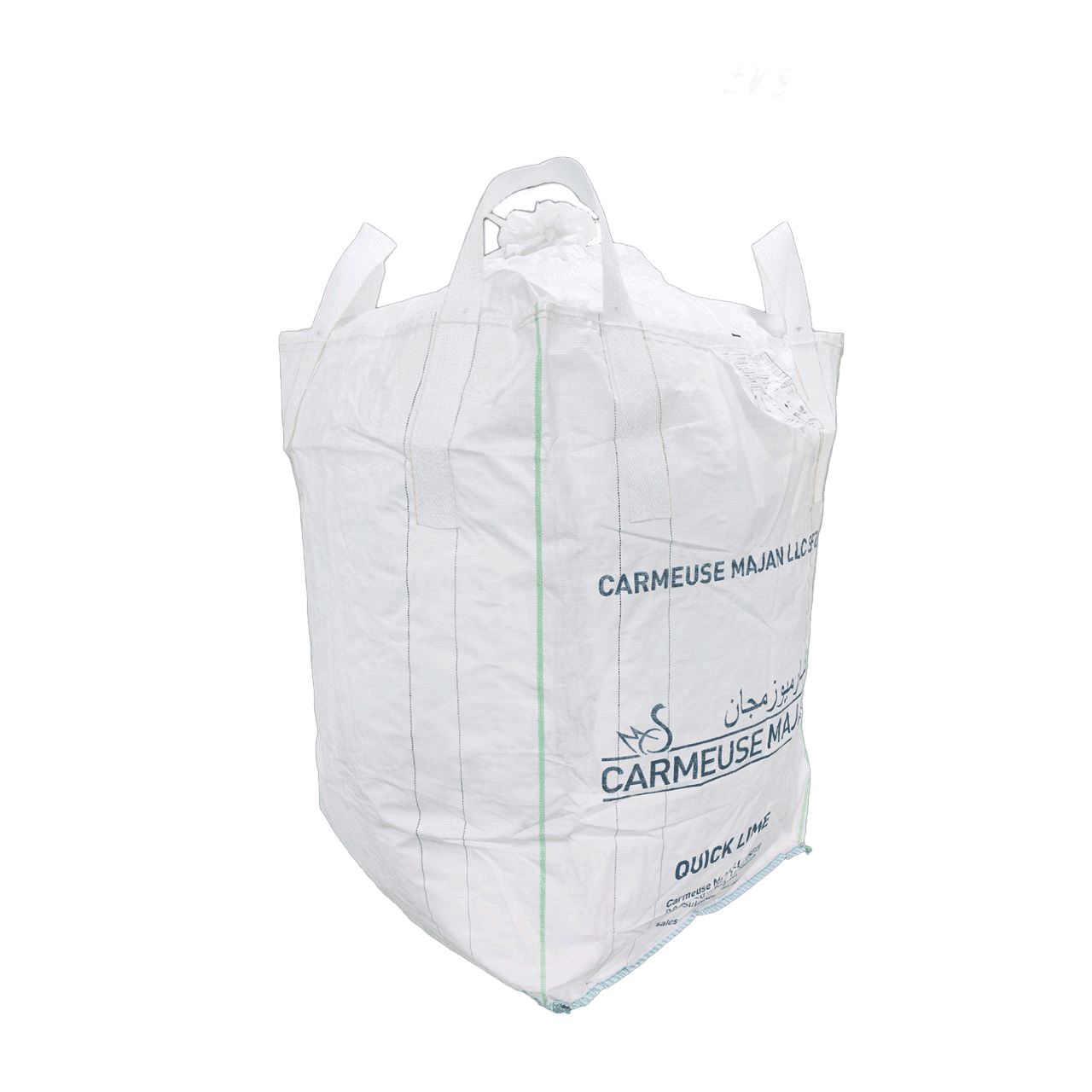 | FIBC Section Bags With Liners FIBC Liners – Bulk Bag Liners Deccan Cans & Printers Pvt. Ltd. |
Frequently asked questions
How do you match FIBC construction to the material?
Assess powder aeration, pellet flow, moisture sensitivity, liner requirements, fabric strength, seam design and discharge control before choosing the bag.
What information should you give an FIBC manufacturer for an accurate quotation?
Provide the material, filling and discharge method, target capacity, safe working load, dimensions, lifting arrangement, liner details, print requirements and delivery schedule.
How do you verify that an FIBC fits your handling equipment?
Check the bag’s length, width, height, loop configuration, loop spacing, lifting method, discharge outlet and safe working load against your equipment.
Which FIBC tests and documents should you request?
Request applicable test records, fabric and seam specifications, electrostatic control details, UN certification documents and traceability information for regulated goods.
How should you compare FIBC manufacturers in Dahej?
Compare construction capability, quality records, specification accuracy, production capacity, lead time, packaging, transport arrangements and communication during delivery.
Related products
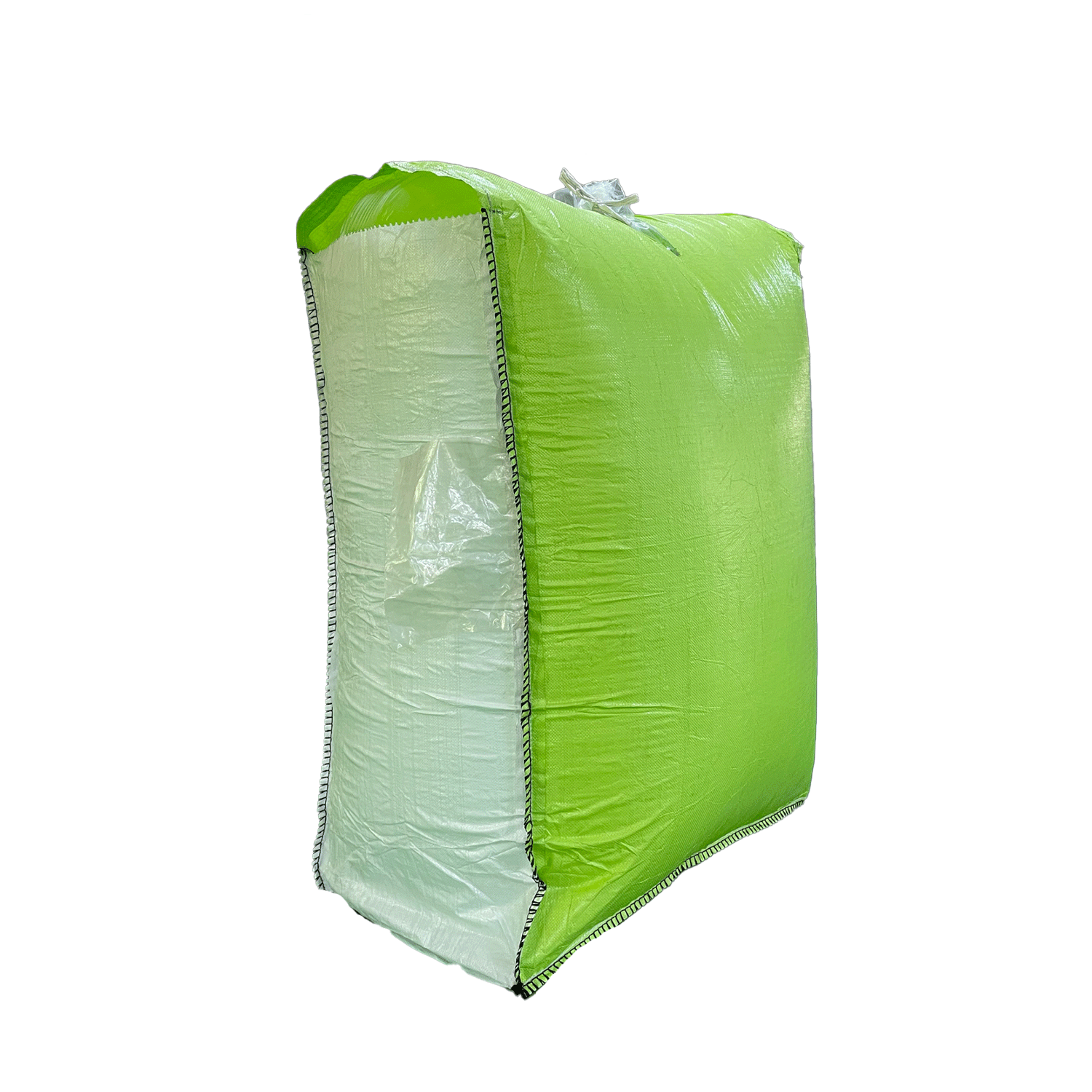 | FIBC Section Fertilizer Bag Range 1 & 2 Loop FIBC Bulk Bags Deccan Cans & Printers Pvt. Ltd. offers durable and cost-effective 1 & 2 Loop FIBC Bulk Bags, designed for the efficient... |
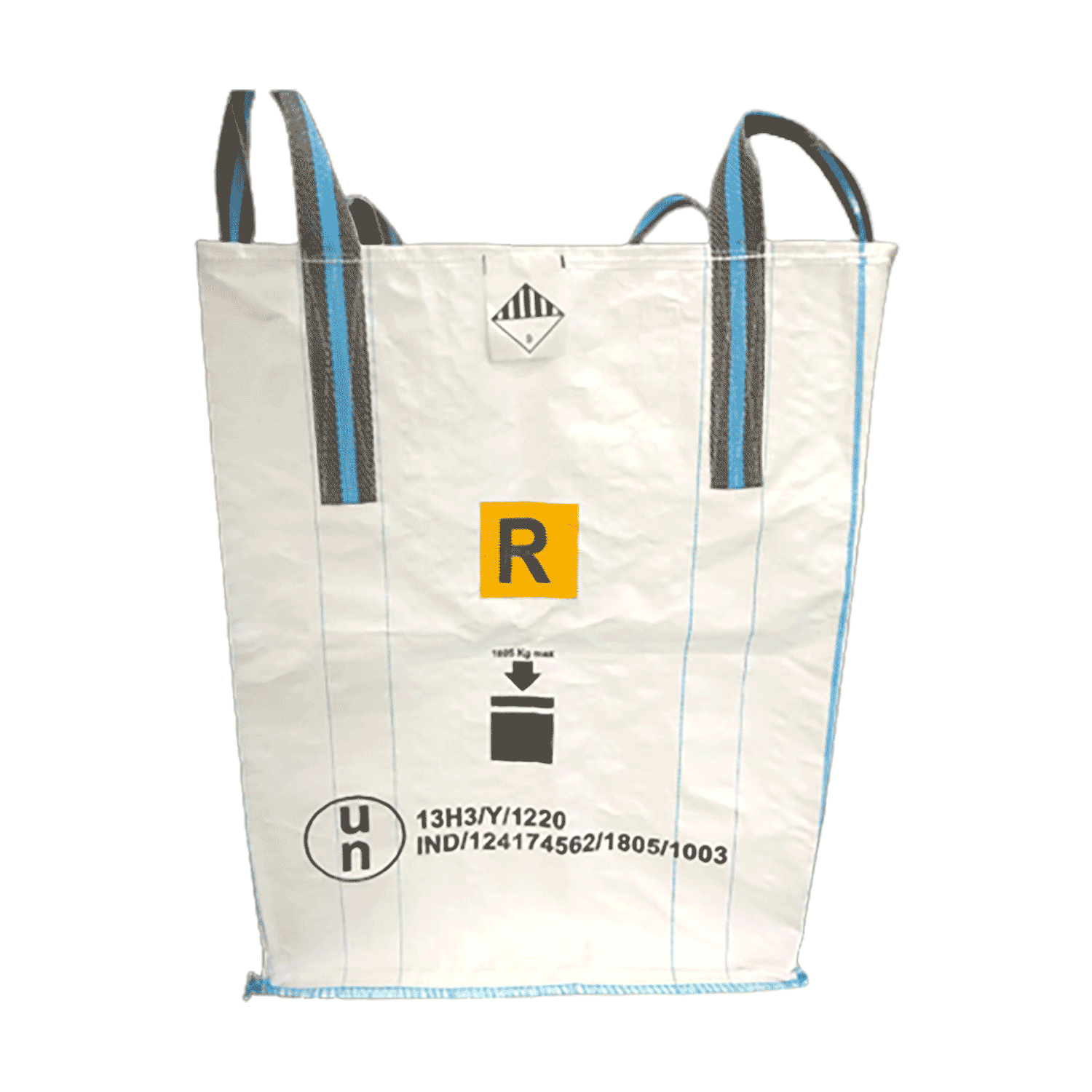 | FIBC Section Un Bags UN Certified Bulk Bags – Rigorous Performance Testing for Safety & Reliability Deccan UN Certified Bulk Bags are specially engineered for the safe... |
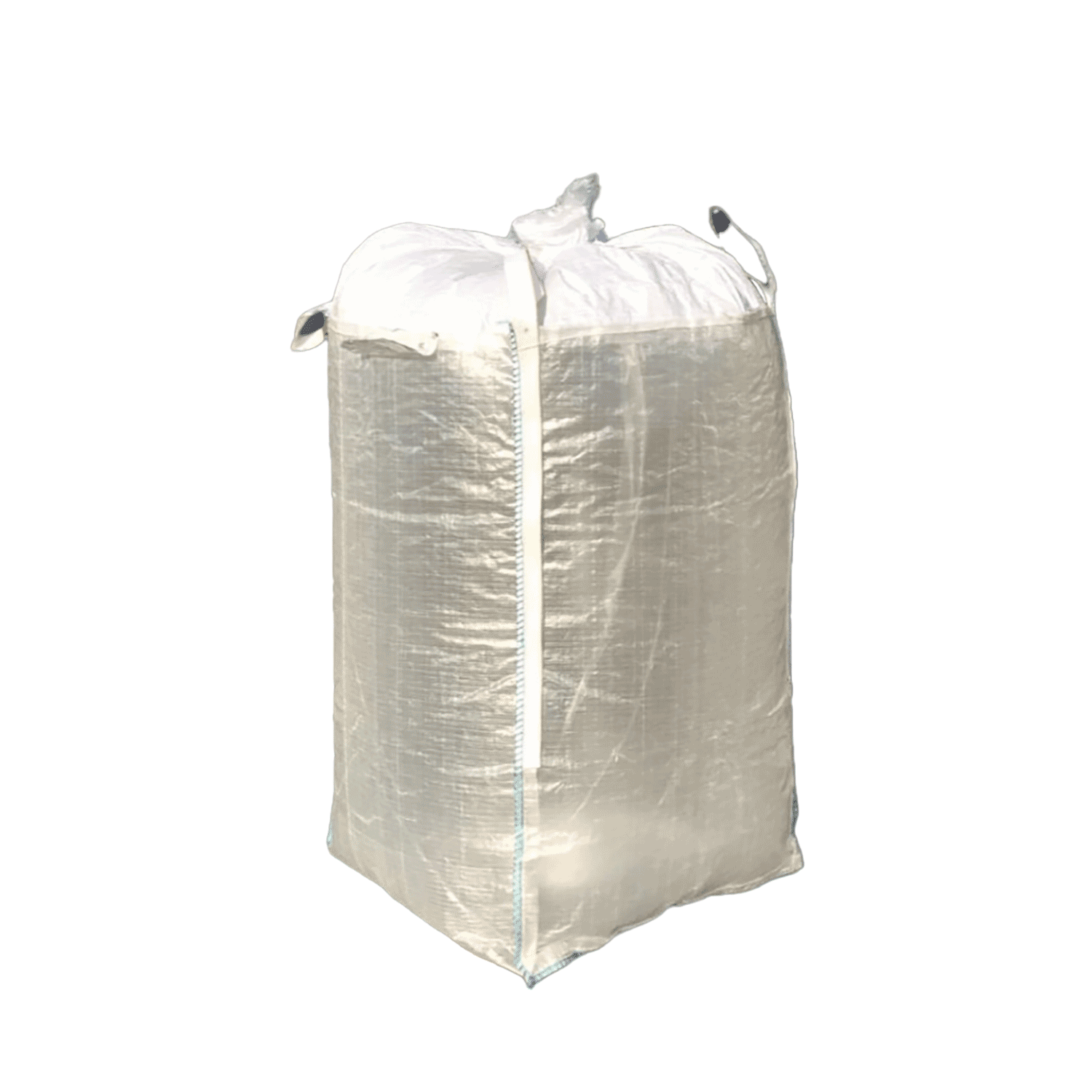 | FIBC Section Transparent Bags Transparent FIBCs – See-Through Bulk Bags Deccan Cans & Printers Pvt. Ltd. |
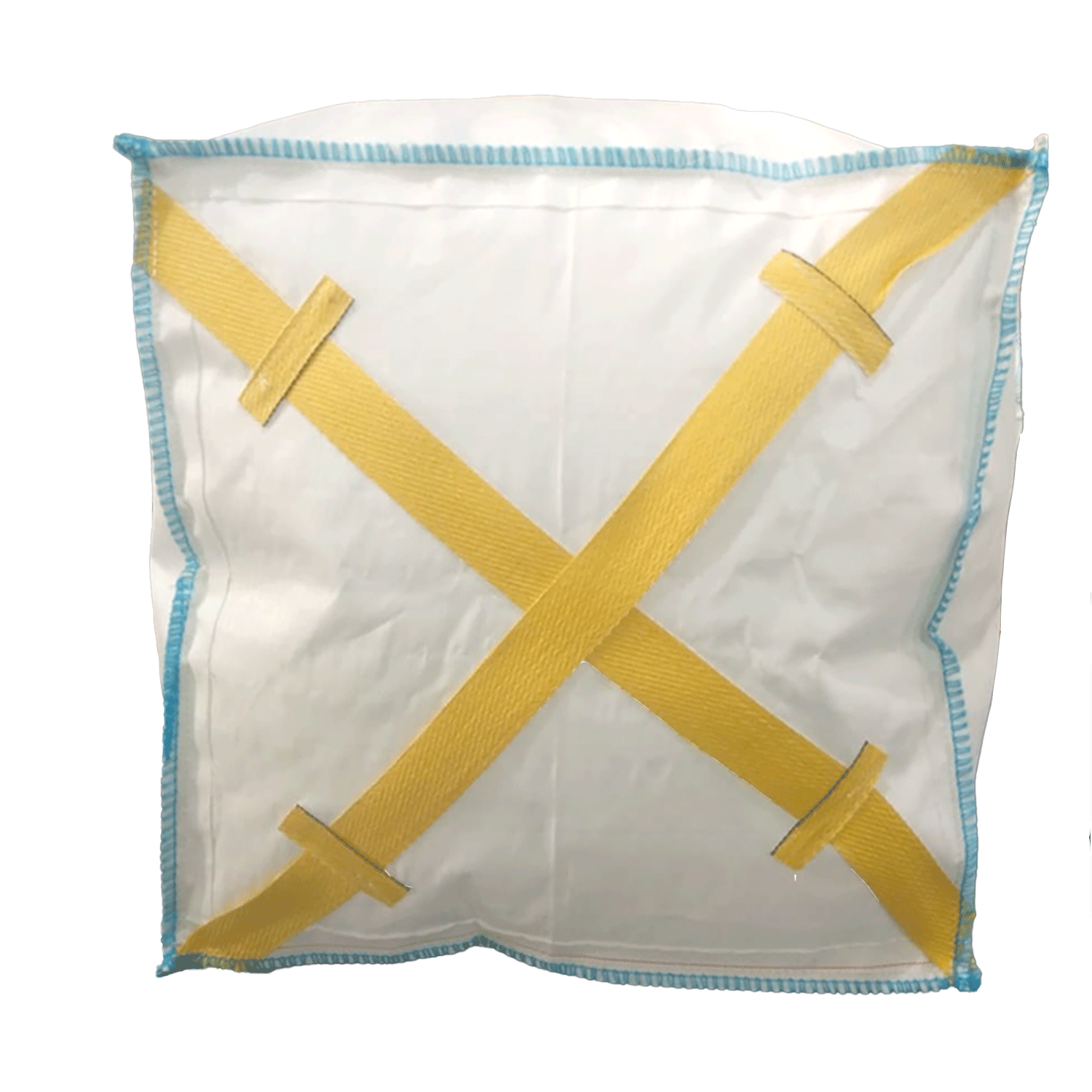 | FIBC Section Cross Bottom Sling Bags Cross Bottom Sling FIBCs – Bulk Bags Deccan Cans & Printers Pvt. Ltd. |