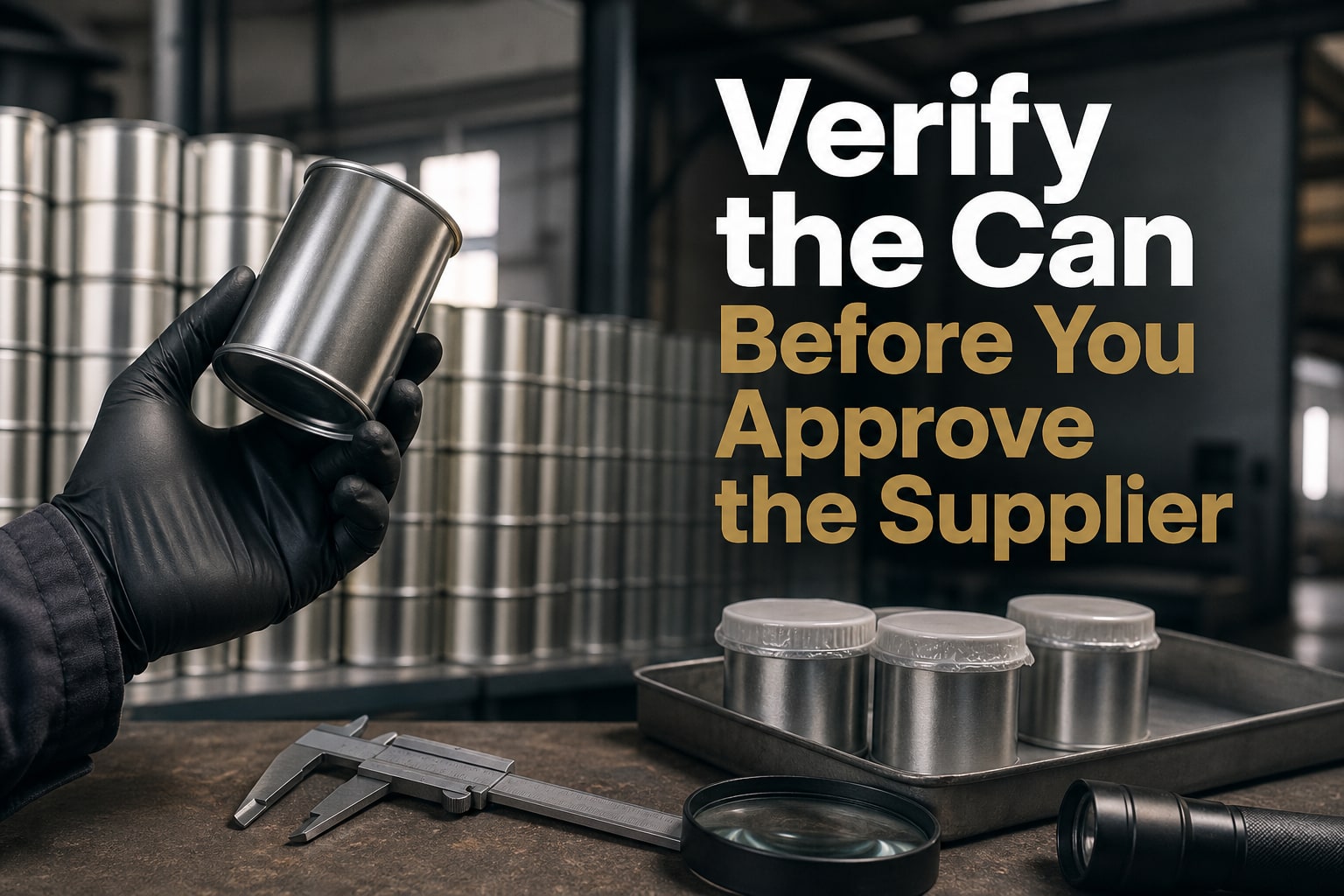
The fastest route is through the Dahej PCPIR and Dahej industrial estate, then a physical-site check that separates a can-making factory from a sales office or trader. By comparing construction, formulation compatibility, test records, and pesticide approvals, you can create a shortlist that is useful for both domestic supply and export transport.
Key takeaways
- Start with Dahej PCPIR and verify the factory address before requesting quotes.
- Ask suppliers for a Form 20B licence copy and inspect the production site.
- Specify can size, metal thickness, coating, closure, and print before comparing prices.
- Match the can lining, seal, and transport packaging to the pesticide formulation.
Start with the Dahej PCPIR and verify the factory address
Start with the Dahej PCPIR and Dahej industrial estate, not a generic packaging directory. This notified chemical and petrochemical region is the most relevant search area for pesticide tin can suppliers in Dahej, although your shortlist can extend through the Bharuch–Ankleshwar–Dahej industrial belt.
A Dahej postal address proves only that someone receives correspondence there; it does not prove that cans are manufactured on the site.
Ask each listed supplier for evidence that connects the company to a working can-making facility:
- The complete factory address, plot number, gate name, and a map pin that matches the industrial estate records.
- A live video from the factory entrance to the production floor, or permission for a site visit.
- The machinery used for slitting, forming, seaming, leak testing, and coating or printing.
- A recent production sample showing the maker’s markings, seam construction, and batch traceability.
- Records identifying the coil or sheet batch, lacquer batch, production date, line or machine, and inspection results.
- A GST registration or official company document showing the manufacturing premises, separated from any sales-office address.
During a call, ask whether the site makes three-piece tinplate cans, two-piece drawn cans, or only trades or decorates containers made elsewhere. If the answer points to another factory, record that location and classify the Dahej listing as a distributor or sales office rather than a local manufacturer.
Build a supplier directory you can verify by phone and site visit
Collect each supplier’s legal name, factory address, contact person, mobile number, email, website, product range, minimum order, lead time, and quotation validity before asking for prices. Ask whether the listed location is a can-making plant or only a sales office.
- Call the published number and ask for the production manager, not only a salesperson. Request the exact gate address, Google Maps pin, visiting hours, and the name of the person receiving you.
- Compare the phone number, email domain, address, and product photographs across the supplier’s website, IndiaMART listing, GST invoice, and email signature. A free email address or copied catalogue does not prove a factory.
- From Dahej PCPIR or Dahej industrial areas, test the directions against the plant gate, road name, plot number, and travel time. Ask for a live location on the day of your visit.
- At the site, look for tinplate coils or sheets, printing or coating equipment, body-forming machinery, seamers, testing equipment, finished-can storage, and batch records. A signboard and warehouse alone do not establish manufacturing.
- Ask for coil or sheet batch traceability, lacquer batch, production date, machine or line identification, and inspection records. These details identify a genuine agrochemical packaging manufacturer India rather than a trader.
| Directory entry | Verify by phone | Verify during site visit |
|---|---|---|
| Factory address | Confirm plot, gate, and landmark | Match signage, machinery, and GST address |
| Contact details | Reach production or quality staff | Confirm the visitor’s host and department |
| Website | Check can types and current contact data | Match photographs to installed equipment |
| Directions from Dahej | Request a live location | Record the route, gate, and visit date |
Specify the can before comparing manufacturers and traders
Write the can specification before comparing quotations. A pesticide can manufacturer runs forming, seaming, testing, or assembly equipment; a trader or stockist resells finished cans, while a printer supplies labels or decoration without controlling the container. A general chemical container manufacturer may make suitable cans, but “chemical grade” does not prove pesticide compatibility.
- Ask whether the factory produces three-piece tinplate cans, two-piece drawn cans, or both.
- Request the Dahej production address, photographs of the seaming and testing line, sample cans, and the company’s batch or inspection records.
- Ask for tooling limits, available diameters and heights, opening sizes, closure types, liner materials, handles, pourers, and stackability data.
- Ask who owns the tooling and who is responsible for leakage, seam, dimensional, and coating failures.
- Ask an insecticide container manufacturer for its actual UN packaging certificate when transport requires UN-approved packaging. Check the design type, performance level, permitted packing group, closure instructions, and certificate scope; “UN tested” is not evidence by itself.
Request tinplate thickness, internal coating, welded or soldered seam details, closure liner, and a can design matched to your formulation. Three-piece cans use a body seam plus top and bottom seams; two-piece drawn cans reduce seams but impose different tooling and dimensional limits.
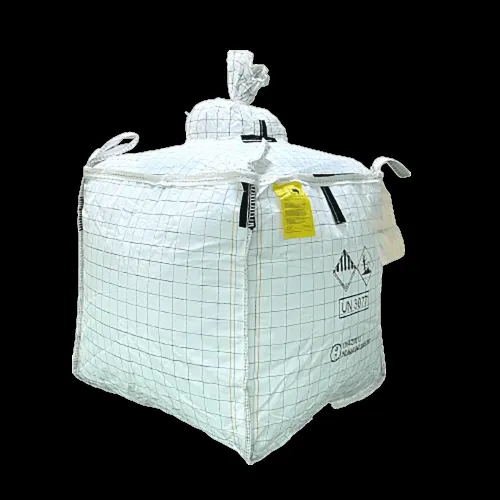
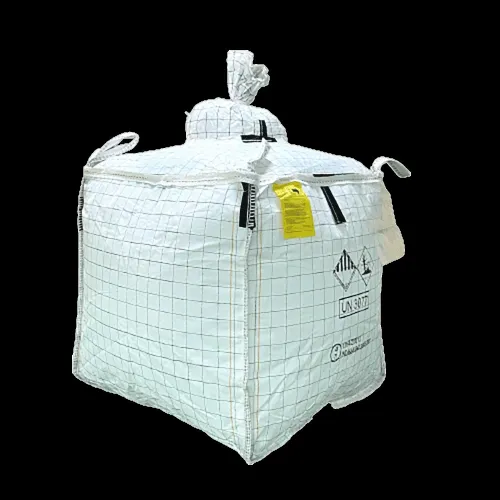
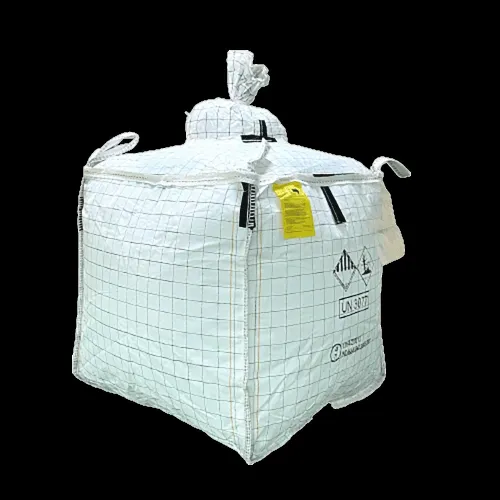
Confirm compatibility with the formulation and obtain the registrant’s approval for the container, closure, label, and pack size under the Insecticides Act and Insecticides Rules. If a chemical container manufacturer offers FIBCs instead, specify whether you need ordinary or UN-certified bags, liner, filling and discharge style, electrostatic control, contents, and packing group.
Qualify metal cans against the formulation and transport rules
Approve a can only after the registered pesticide specification, formulation compatibility, and transport classification all match. Under India’s Insecticides Act and Insecticides Rules, the container, closure, label, approved pack size, and packing conditions form one regulatory package; a “chemical grade” claim does not replace registrant approval.
| Construction | Check before approval | Main risk |
|---|---|---|
| Three-piece tinplate | Side seam, double seam, tooling limits, internal lacquer | Seam leakage or coating attack |
| Two-piece drawn | Draw depth, wall thickness, neck and opening dimensions | Panel distortion or closure mismatch |
| UN packaging | Actual certificate, design type, performance level, packing group, closure instructions and scope | “UN tested” claim has no defined transport approval |
Ask the insecticide container manufacturer for compatibility data using the actual formulation, including solvents, surfactants, water content, pH, and storage temperature. Check internal lacquer continuity and adhesion; pesticide ingredients can cause pinholes, hydrogen generation, corrosion, or blistering after filling.
Require documented tests for:
- Leakproofness after seam and closure assembly
- Internal pressure or vacuum performance when the formulation or transport condition requires it
- Closure torque, liner compression, seal integrity, and repeated opening performance
- Drop, stack, and vibration performance for the filled pack
- Coating continuity, seam coverage, and dimensional inspection
An agrochemical packaging manufacturer in India should trace each batch to the coil or sheet, lacquer batch, production date, machine or line, and inspection record. Obtain written confirmation from the pesticide registrant before changing metal type, liner, closure, or pack size, even when a UN certificate exists.
Use the Dahej shortlist to run a documented packaging approval
Do not treat a shortlisted can as interchangeable until the pesticide registrant confirms the alternative packaging in writing. Under India’s Insecticides Act and Insecticides Rules framework, the container, closure and label form one approved package; changing material, liner or pack size can invalidate that assumption.
1. Request the supplier’s legal name, Dahej factory address, manufacturing scope and recent production records. Confirm whether it is a pesticide can manufacturer producing three-piece tinplate cans, two-piece drawn cans, or both—not only a trader, printer or chemical container manufacturer.
2. Obtain the controlled drawing and specification for the exact can: capacity, dimensions, metal thickness, internal lacquer, seam type, opening, closure, liner, handle and packing configuration. Ask for formulation-compatibility data, leakage results and transport testing linked to that specification.
3. Ask for traceability evidence covering coil or sheet batch, coating or lacquer batch, production date, line or machine identification and inspection results. Deccan Cans & Printers Pvt. Ltd. should be assessed on these records, not on a catalogue description.
4. If dangerous-goods transport requires it, request the actual UN packaging certificate, design type, performance level, permitted packing group, closure instructions and certificate scope. “UN tested” and “export quality” prove nothing alone.
Keep the registrant’s written approval with the drawing, test reports, label proof and batch records. An agrochemical packaging manufacturer India buyer that cannot assemble this file has not demonstrated interchangeability. Ask the registrant to approve any change before filling production batches.
Related products
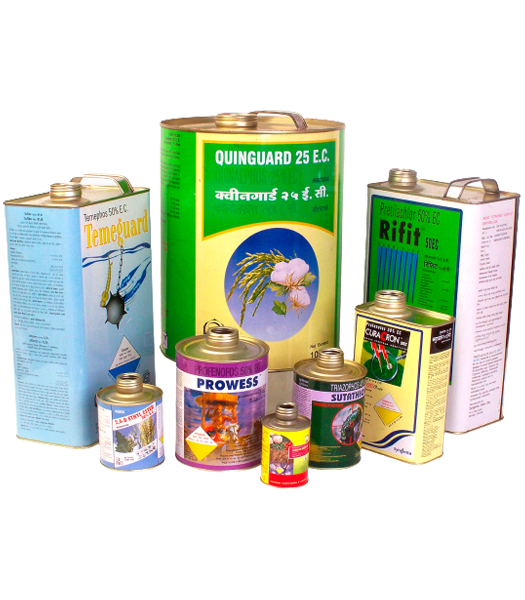 | Tin Containers Tin Containers Deccan Cans & Printers Pvt. Ltd. offers a durable range of Pesticide Tin Containers, designed for reliable packaging and storage of... View product → |
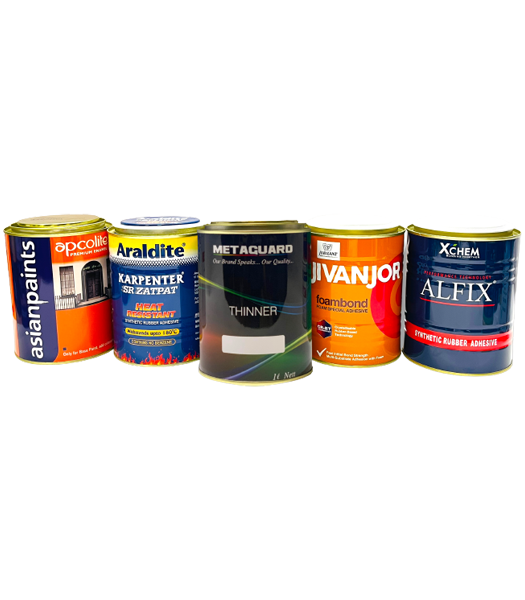 | Tin Containers Tin Containers Deccan Cans & Printers Pvt. Ltd. offers a robust range of Industrial Tin Containers, engineered to provide secure, durable, and... View product → |
Frequently asked questions
Where should you search for pesticide tin can suppliers in Dahej?
Start with the Dahej PCPIR and Dahej industrial estate, then extend the search through the Bharuch–Ankleshwar–Dahej industrial belt.
How do you verify a pesticide can manufacturer’s factory address?
Compare the address on the quotation, GST records, licence documents, website, and delivery paperwork, then confirm it by phone and visit the site.
What should you specify before comparing pesticide can manufacturers and traders?
Specify the can capacity, dimensions, metal thickness, coating or lining, closure, neck or opening, print requirements, order quantity, and delivery location.
How do you qualify a metal can for an agrochemical formulation?
Check chemical compatibility, internal coating, gasket and seal material, leakage performance, stacking strength, corrosion resistance, and the transport rules for the product.
What belongs in a documented packaging approval?
Record the approved drawing, material and coating details, closure specification, test results, supplier address, batch traceability, transport review, and signed approval.