A specialized FIBC is not simply a bulk bag with custom dimensions: its safe working load, lifting system, fabric, liner, closure, discharge method, and compliance documents must match the material and handling process. By the end, you can prepare a usable specification, compare supplier evidence, and identify when a custom FIBC is unsuitable for your Houston operation.
Key takeaways
- Specify SWL, safety factor, maximum gross mass, and filled bag dimensions.
- Match fabric, coating, seams, closures, and lifting loops to the load.
- Obtain written compliance evidence for hazardous, food, asbestos, and clean-use applications.
- Approve a production sample before ordering and record inspection and storage rules.
What makes an FIBC specialized rather than standard?
A custom FIBC becomes specialized when its construction changes how it carries, protects, fills, empties, or moves a load. Specify safe working load (SWL), safety factor, maximum gross mass, bag dimensions, capacity, fabric weight, coated or uncoated polypropylene, seam construction, closure type, filling inlet, discharge outlet, and lifting-loop arrangement.
| Term | Meaning | Do not confuse it with |
|---|---|---|
| Safe working load | Rated load for normal handling | Maximum gross mass |
| Safety factor | Ratio demonstrated by testing | Permission to exceed the SWL |
| 6:1 safety factor | Tested construction requirement for specified bags | Filling a bag to six times its SWL |
| Test load | Load used during qualification testing | Routine operating capacity |
1. Build the RFQ from the material and process: state the material name, bulk density, particle size, fill weight, moisture sensitivity, hazardous classification, storage duration, outdoor exposure, stacking plan, filling and emptying equipment, annual volume, and required handling cycles.
2. Complete a physical fit-check before approving dimensions. Measure the pallet footprint, truck height, container clearance, warehouse doors, forklift tine spacing, crane hook geometry, racking, filling-head height, and receiving-hopper height. A nominal one-ton capacity does not guarantee a usable filled height or discharge reach.
3. Confirm the construction against the handling path: lifting-loop spacing must match hooks or tines, the inlet and outlet must connect without unsafe improvised adapters, and seams and closures must suit the load. Custom dimensions improve cube utilization, but they can complicate filling, discharge, palletizing, stacking, and racking.
Use custom FIBC bags as specialized industrial packaging only after the supplier confirms the design with drawings and test evidence. A safety factor is evidence about construction strength, not spare capacity you can allocate to production.
How do capacity, material, lifting, and fabric choices affect performance?
Estimate capacity with this FIBC capacity calculation: mass equals bulk density multiplied by filled volume. Size the bag for required fill volume plus headspace for safe closure, settling, expansion, and handling. A nominal one-ton capacity does not guarantee a suitable filled height or discharge reach.
| Option | Performance choice | Check before approval |
|---|---|---|
| One-loop versus four-loop FIBC | One loop suits compatible lifting equipment; four loops distribute load for forklifts, cranes, and warehouse handling. Two-loop, cross-corner, and other arrangements serve different equipment. | Confirm loop spacing, hook shape, tine spacing, rated load, and clearance. |
| Transparent or black fabric | Transparent fabric improves inspection; black fabric reduces light exposure and heat gain. Transparent fabric reveals nothing through an opaque liner or bridged material. | Match visibility, UV exposure, contamination control, and inspection needs. |
| Coated versus uncoated FIBC fabric | Coating improves sift resistance and product protection; uncoated fabric vents better and avoids added heat-sealing and removal issues. | Specify UV and temperature limits, permeability, and contamination controls. |
| Rigid IBC, drum, sack, or palletized bag | These alternatives provide different liquid containment, stacking, handling, and cube performance. | Use a rigid IBC or drum for liquids unless a qualified liquid-rated FIBC system is specified. |
Match powder, granules, flakes, pellets, or fertilizer to the flow path. Cohesive or aeratable powders can need a conical bottom, baffles, agitation, air-assist, and defined discharge geometry. Specify liner material and thickness, loose or form-fit construction, antistatic properties, venting, fit, and heat-sealing method; a large spout alone will not ensure complete emptying.
How should you verify hazardous, combustible-dust, asbestos, food, and clean-use requirements?
Before ordering, obtain the current SDS, dangerous-goods classification, waste profile, transport mode, and receiving-facility acceptance. Packaging approval, transport compliance, waste acceptance, and product-contact compliance are separate checks.
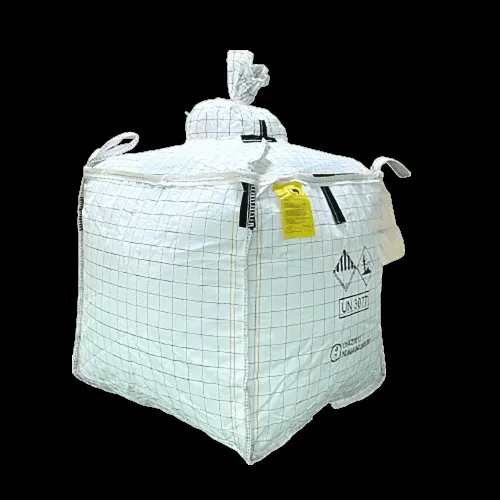
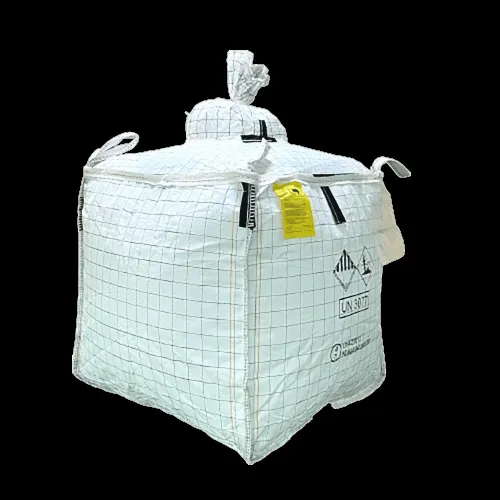
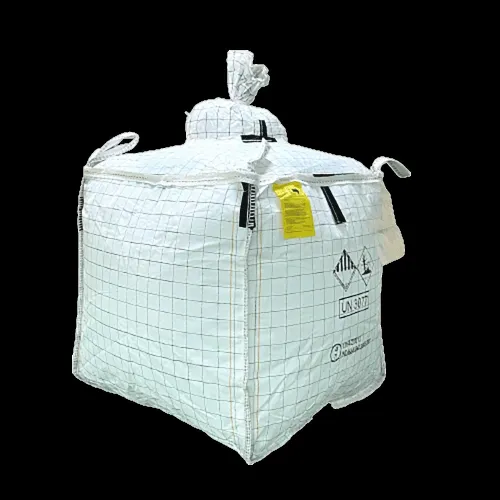
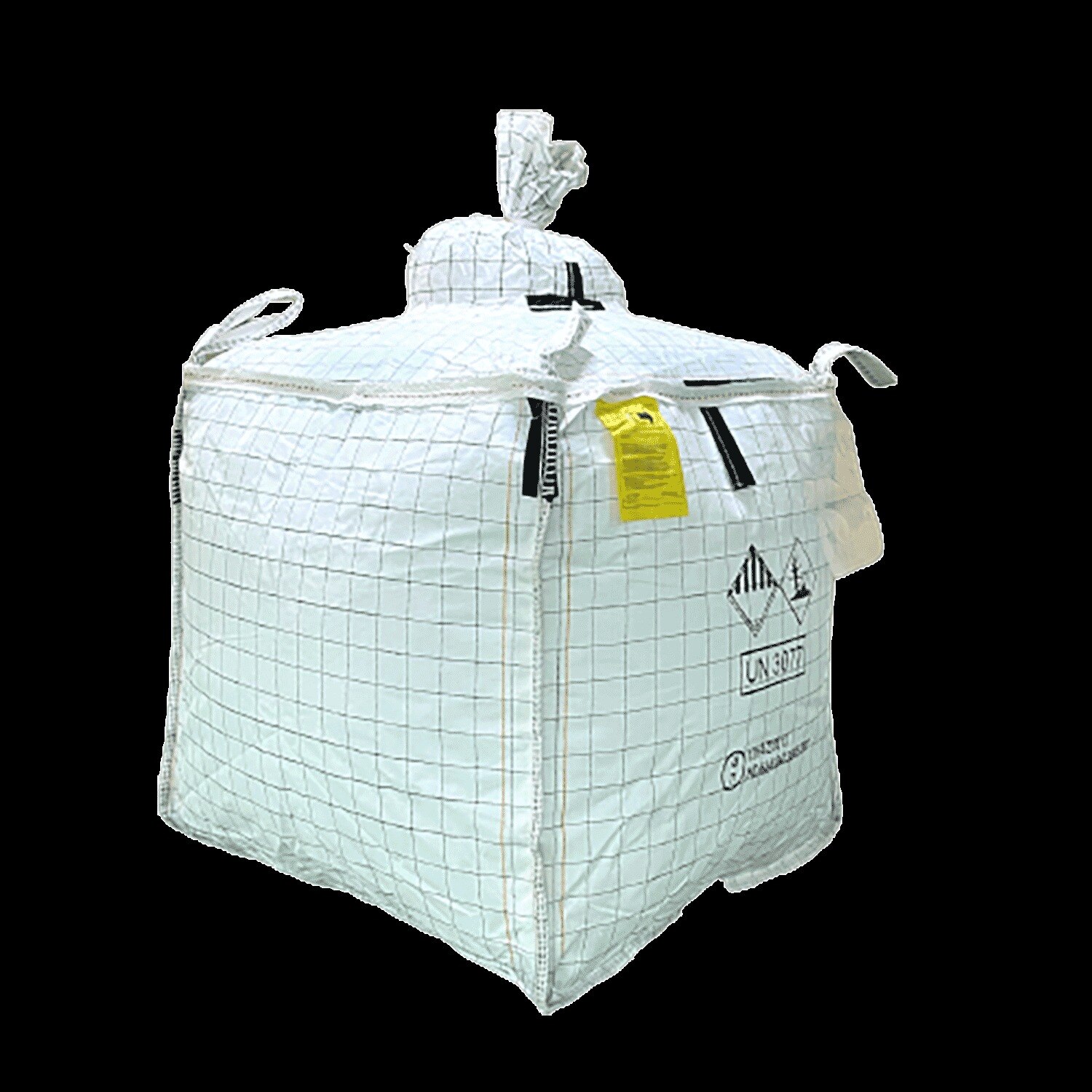
UN-certified FIBC requirements apply only to the tested construction. The 13H1 13H2 13H3 13H4 FIBC codes distinguish coated or uncoated fabric and liner configurations. Request the design type, packing instruction, performance level, test date, certificate number, manufacturer identification, test report, and traceability records.
1. Have the shipper’s dangerous-goods specialist confirm the UN number, packing group, carrier acceptance, marking, closure, inspection interval, and pre-shipment documents under DOT, IMDG, and air transport FIBC rules. Changing the liner, fabric, seam, dimensions, closure, lifting system, or filling method can invalidate approval; a UN-looking label is not certification.
2. For Type A B C D FIBC static control, complete a hazard assessment using the dust’s minimum ignition energy. Specify grounding, continuity checks, bonding procedures, local exhaust, dust-tight connections, and housekeeping; Type C bags need a defined ground point and a no-fill/no-discharge rule when ungrounded.
3. For asbestos, confirm Texas Commission on Environmental Quality requirements, disposal authority, double-bagging, closure, labels, manifest or chain of custody, decontamination records, respiratory protection, emergency response, and receiving-site acceptance.
For food, pharmaceutical, or cleanroom use, verify resin, pigments, coatings, thread, adhesives, FDA food-contact authorization, cleanliness, prohibited substances, certification, and traceability. Require the same evidence for liners and processing aids, not just “virgin polypropylene.”
How can a Houston buyer compare suppliers and approve a custom design?
Start with evidence, not a catalogue: an FIBC supplier comparison must show documented performance with your material and equipment, not merely the ability to manufacture a custom shape.
- Request a dimensional drawing, specification sheet, fabric and liner details, seam and closure drawings, sample bags, SWL and safety-factor documentation, test reports, certificates, inspection records, production tolerances, lead time, minimum order quantity, artwork approval process, freight estimate, and replacement-stock plan.
- Require FIBC sample testing with the actual product, filling head, forklift or crane, discharge station, and storage arrangement before production. For Type C bags, specify the grounding point, continuity check, inspection criteria, and procedure preventing filling or discharge while ungrounded.
Compare service classes before approving custom FIBC bags Houston buyers may need:
| Option | Use | What to verify |
|---|---|---|
| Single-trip | One planned shipment | No reuse; confirm disposal acceptance |
| Reusable | Repeated handling | Defined inspection and cleaning criteria |
| Defined-cycle | A stated number of cycles | Cycle count, handling method, and failure limits |
Put FIBC purchase order tolerances in writing for dimensions, loop spacing, fabric weight, seams, printing, liner fit, closures, bag count, certificates, and allowable deviations. Repeated forklift movement does not prove reuse suitability; after each cycle inspect loops, seams, bottom discharge, liner, fabric, and contamination, segregating bags exposed to chemicals, moisture, heat, or damaged exteriors.
Deccan Cans & Printers Pvt. Ltd. can translate process measurements into drawings and samples, but you own material testing and approval. Require the supplier to state what its copy does not establish: dimensions, load ratings, material grades, test methods, temperature limits, chemical compatibility, certificates, lead times, pricing, and Houston-specific fulfillment.
Related products
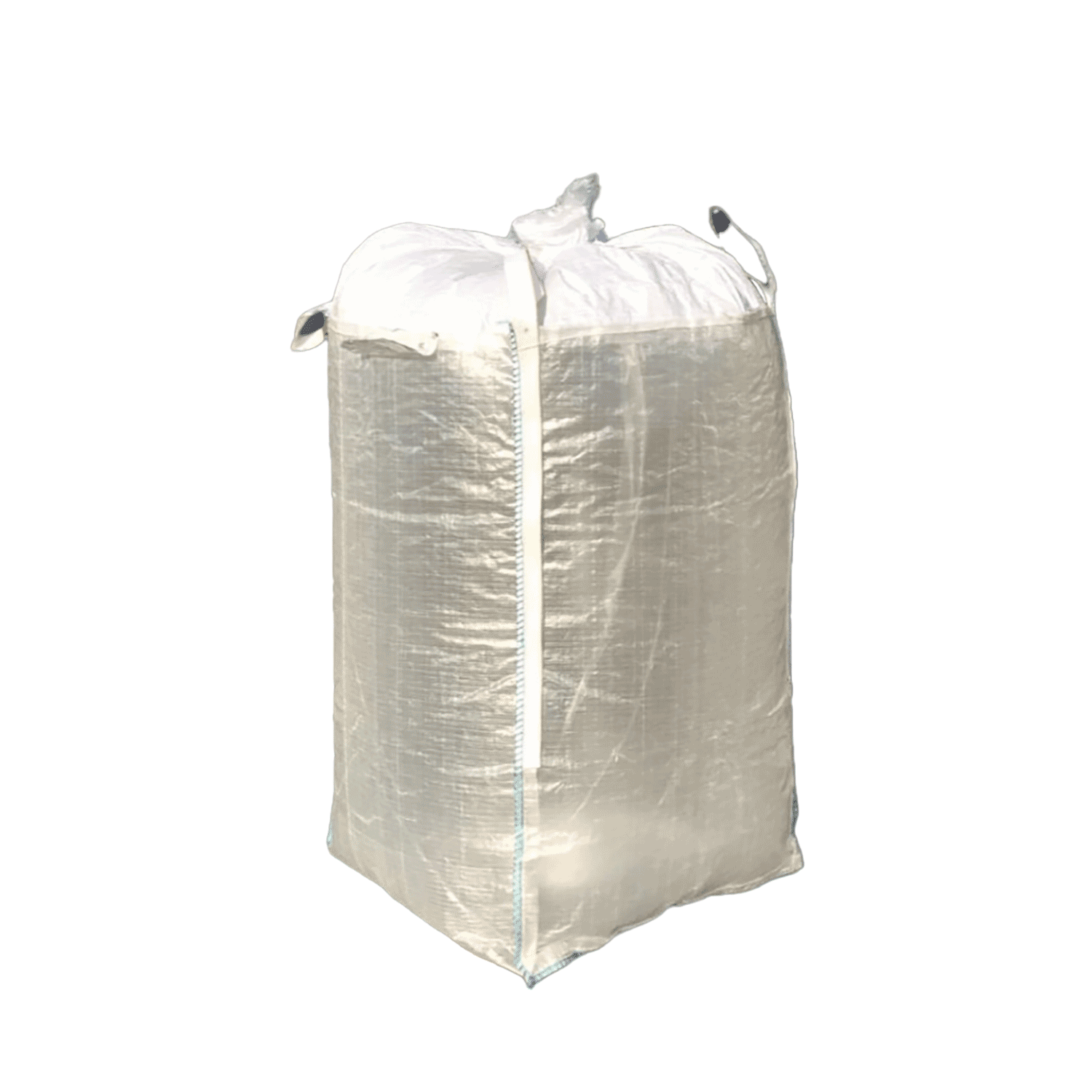 | FIBC Section Transparent Bags Transparent FIBCs – See-Through Bulk Bags Deccan Cans & Printers Pvt. Ltd. |
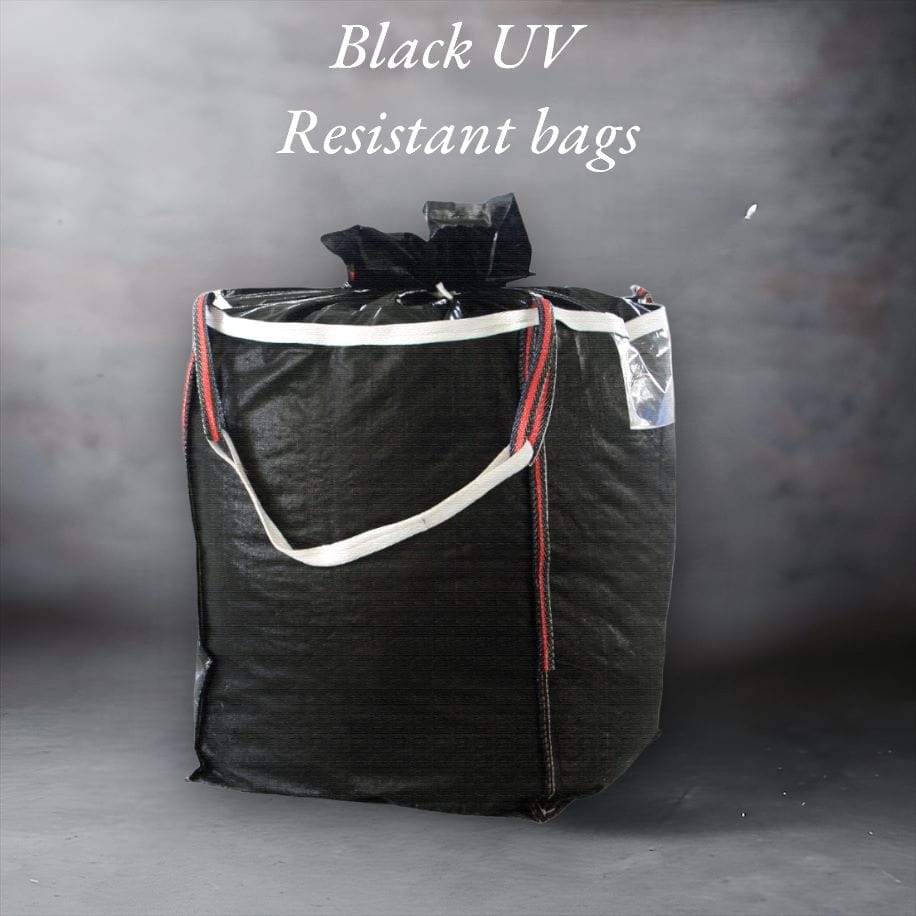 | FIBC Section Black Bags Black FIBC Bags – Enhanced UV Resistance & Extended Shelf Life UV exposure is one of the major challenges faced by the FIBC industry, as prolonged... |
How do you use, store, inspect, and price custom FIBCs after approval?
Write procedures for filling, lifting, emptying, bonding, grounding, and emergency containment. Train personnel never to stand beneath a suspended filled bag. For Type C FIBCs, specify the grounding point, continuity test, inspection limit, and a rule that stops filling or discharge while ungrounded.
Houston humidity, condensation, Gulf Coast heat, UV exposure, rain, rodents, sharp edges, and temperatures outside the supplier’s stated range require covered, dry storage; outdoor staging needs weather and sunlight protection.
Define whether filled bags may be stacked, the pallet or rack support, maximum stack height, and clearance for warehouse doors, trucks, containers, ports, and intermodal equipment. Do not assume a performance rating.
Use an FIBC receiving inspection checklist at receipt and before every handling cycle:
- Stop use for torn fabric, damaged loops, leaking seams, blocked discharge, contaminated exterior, wet contents, any static event, collapse, or an unreadable label.
- Quarantine rejected hazardous-material bags and consult a qualified safety or dangerous-goods professional before disposal.
- During an FIBC failure investigation, preserve the batch number, photographs, filling conditions, handling records, and inspection results for seam, loop, static, moisture, UV, or discharge failures.
Calculate FIBC total cost of ownership from bag price, liner disposal, labor, filling speed, cleaning, damage, storage, freight cube, replacement inventory, and waste fees.
| Option | Transport bag | Final-disposal container |
|---|---|---|
| Acceptance | Carrier and receiving site | Disposal facility and receiving site |
| Check | Exact bag, closure, markings | Waste profile, closure, facility acceptance |
| Risk | Handling strength is insufficient alone | A handling-capable bag can still be rejected |
Obtain carrier acceptance and current local, federal, receiving-state, and facility requirements before shipment. This outline is not legal advice.
Frequently asked questions
What makes an FIBC specialized rather than standard?
A specialized FIBC changes its construction or controls for a particular load or process. Define SWL, safety factor, maximum gross mass, dimensions, capacity, fabric weight, coating, seams, closures, filling inlet, discharge outlet, and lifting-loop arrangement.
How do capacity, material, lifting, and fabric choices affect FIBC performance?
Capacity and dimensions control fill volume, stability, and transport fit. Polypropylene fabric weight, coating, seam design, lifting loops, and outlet construction determine strength, moisture resistance, discharge behavior, and handling limits.
How should you verify hazardous, combustible-dust, asbestos, food, and clean-use requirements?
Give the supplier the substance, hazard classification, filling and discharge process, and cleaning standard. Request written material declarations, test reports, traceability records, and any required licence or compliance documentation before production.
How can a Houston buyer compare FIBC suppliers and approve a custom design?
Compare equivalent specifications rather than bag price alone. Request drawings, tolerances, SWL and safety-factor data, sample seams and closures, test records, lead time, minimum order quantity, and a signed pre-production approval.
How do you use, store, inspect, and price custom FIBCs after approval?
Follow the approved SWL and handling instructions, keep bags dry and protected from sunlight, inspect fabric, seams, loops, and outlets before use, quarantine damaged bags, and price the full lifecycle including testing, storage, freight, and disposal.
Related products
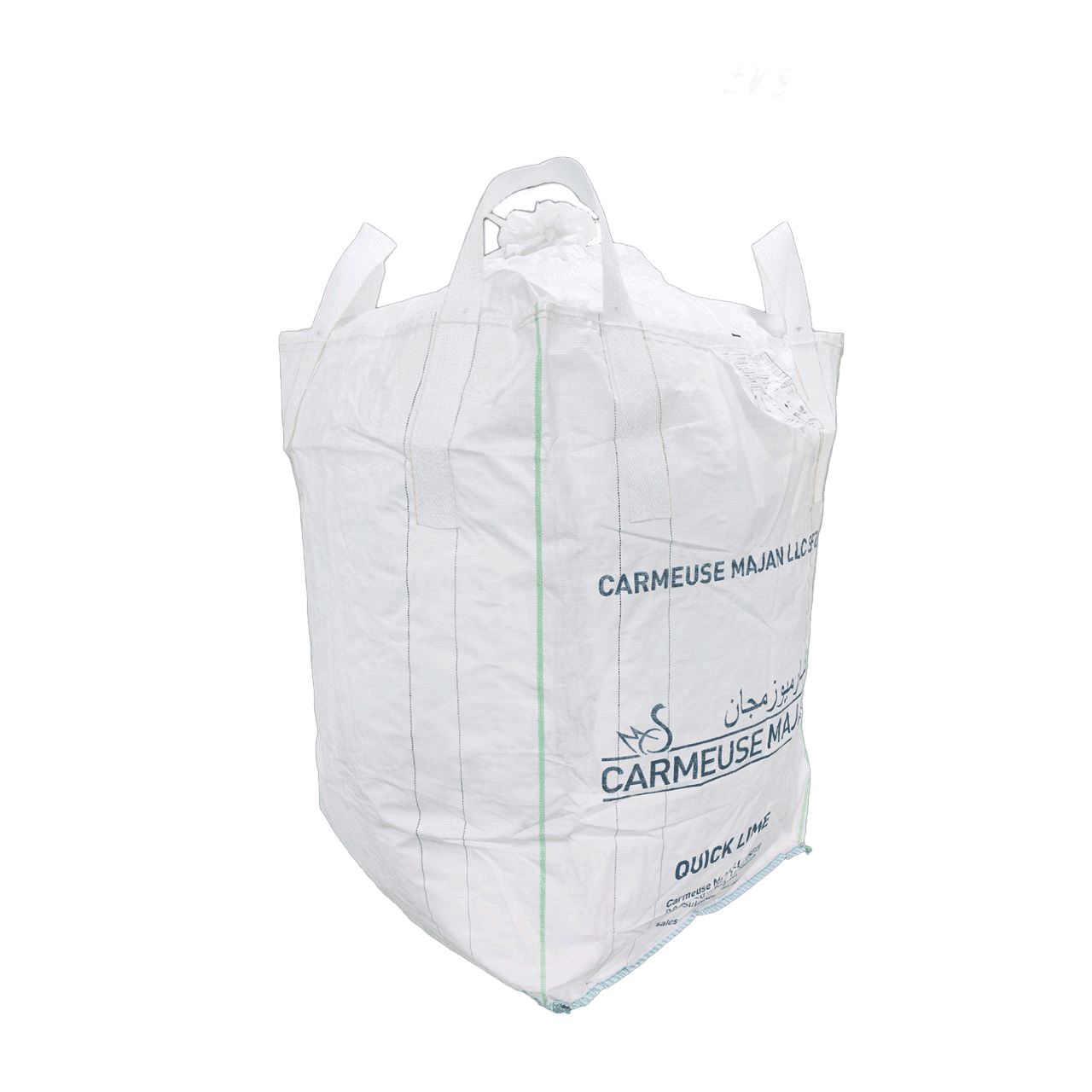 | FIBC Section Bags With Liners FIBC Liners – Bulk Bag Liners Deccan Cans & Printers Pvt. Ltd. |
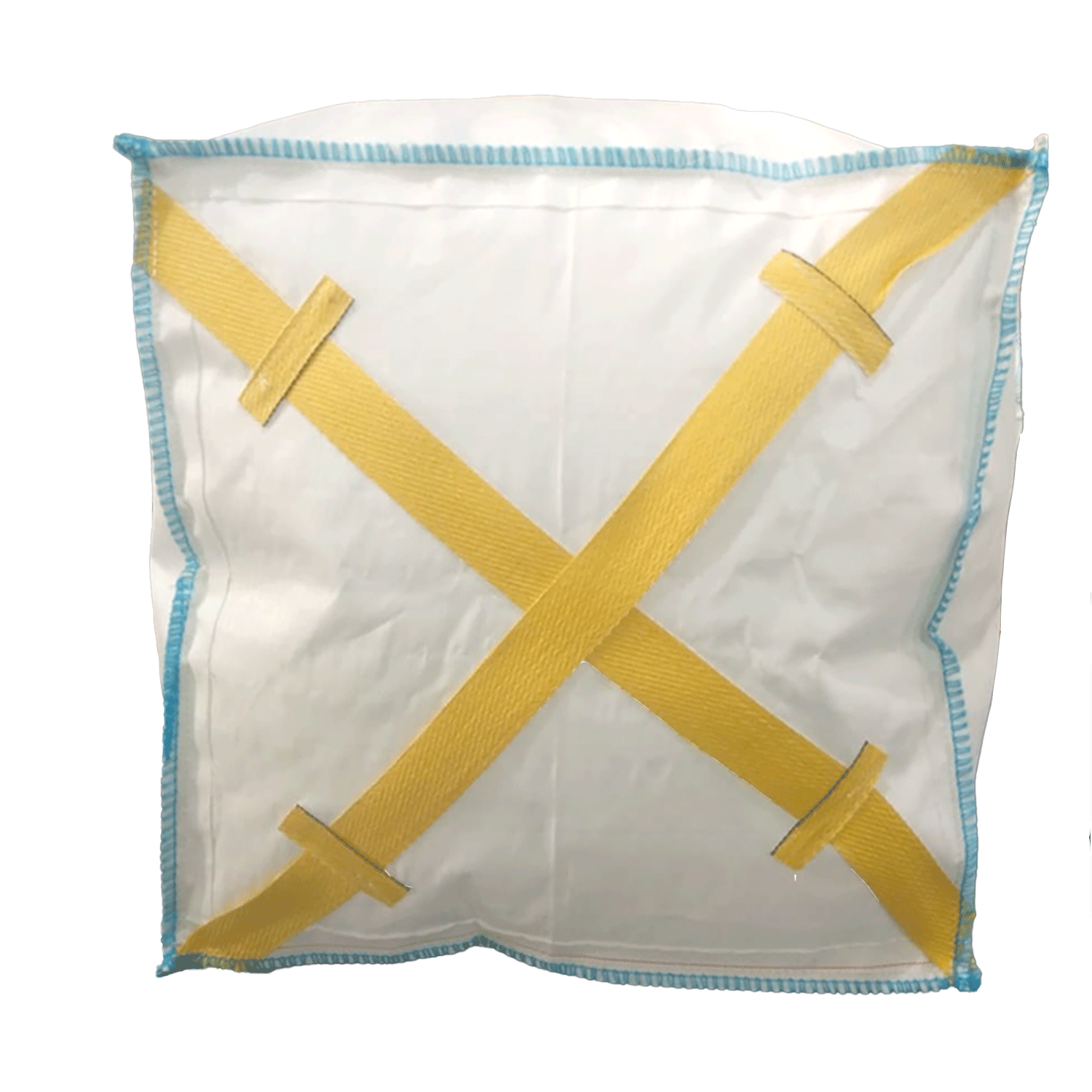 | FIBC Section Cross Bottom Sling Bags Cross Bottom Sling FIBCs – Bulk Bags Deccan Cans & Printers Pvt. Ltd. |
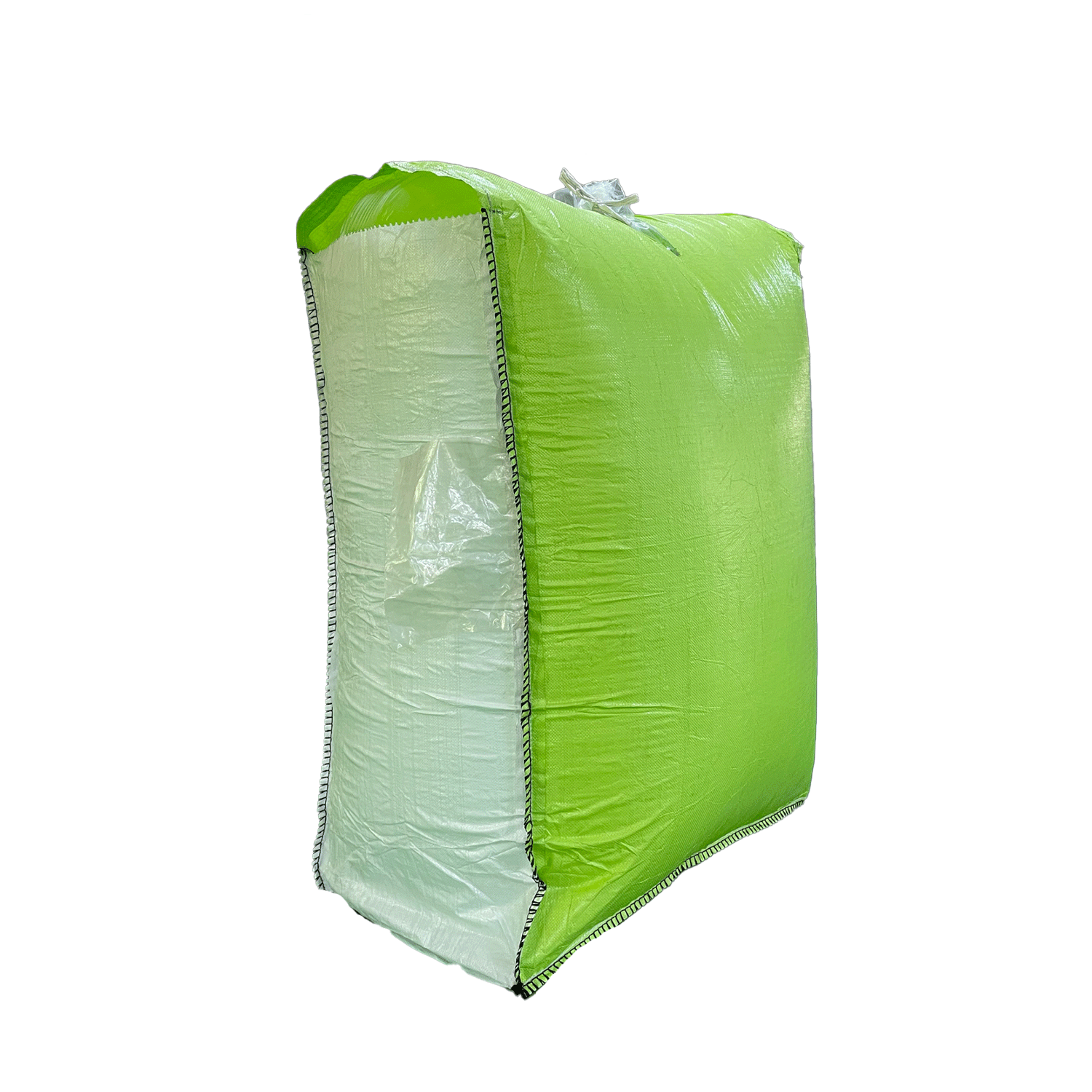 | FIBC Section Fertilizer Bag Range 1 & 2 Loop FIBC Bulk Bags Deccan Cans & Printers Pvt. Ltd. offers durable and cost-effective 1 & 2 Loop FIBC Bulk Bags, designed for the efficient... |
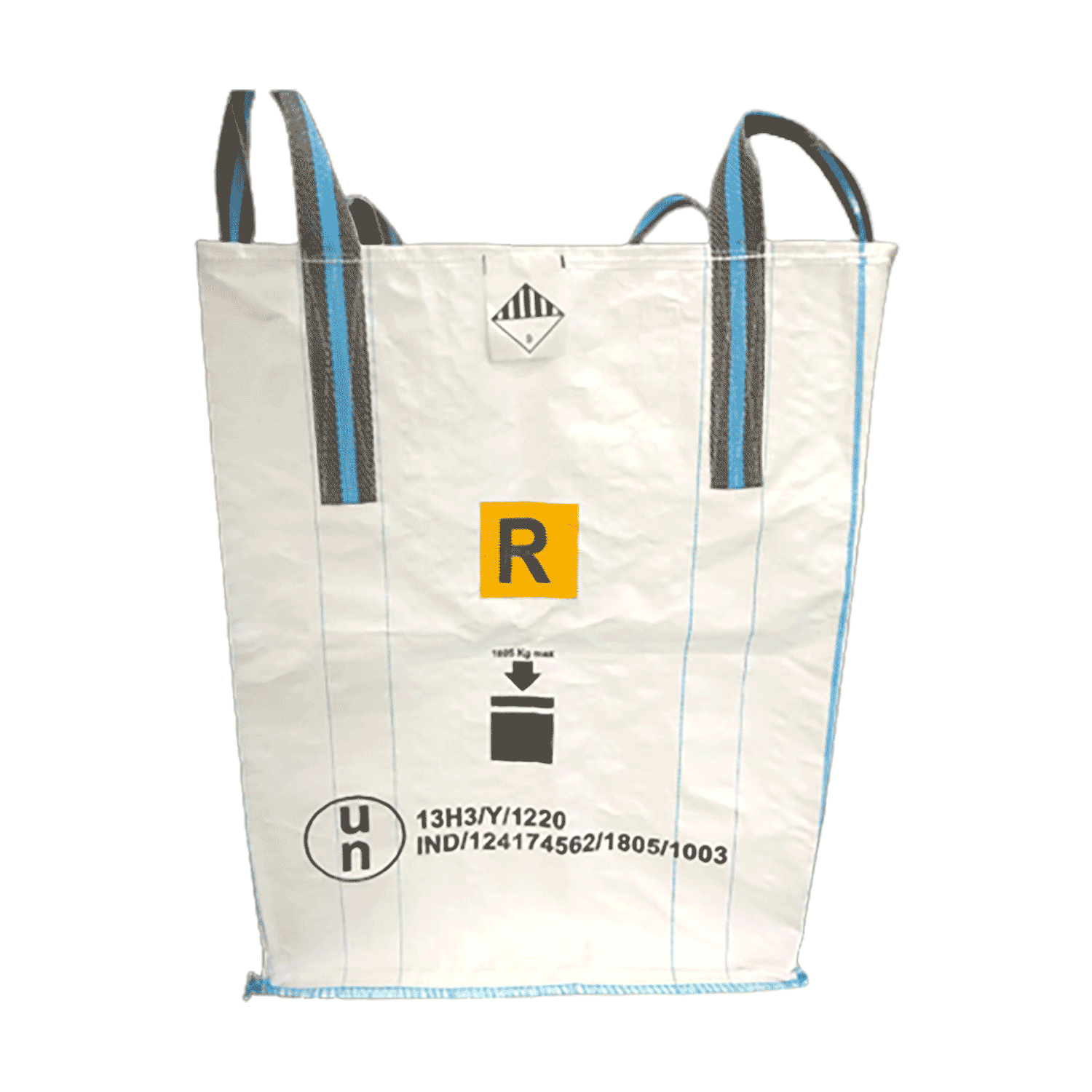 | FIBC Section Un Bags UN Certified Bulk Bags – Rigorous Performance Testing for Safety & Reliability Deccan UN Certified Bulk Bags are specially engineered for the safe... |