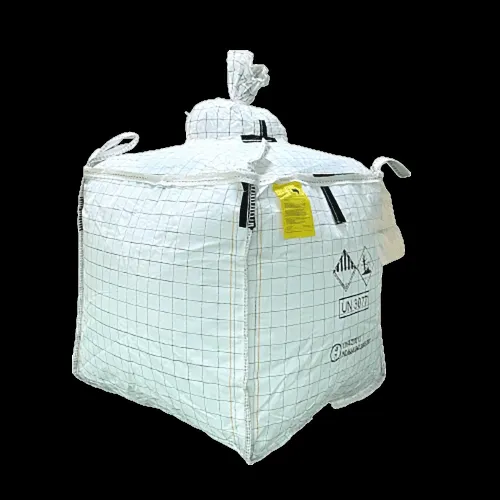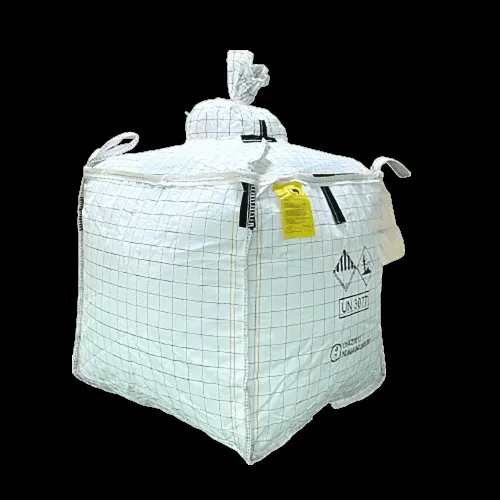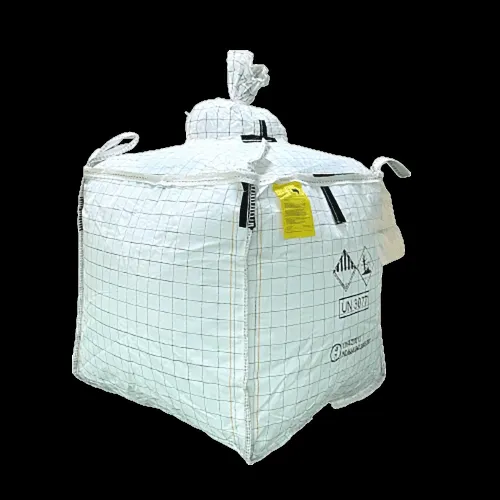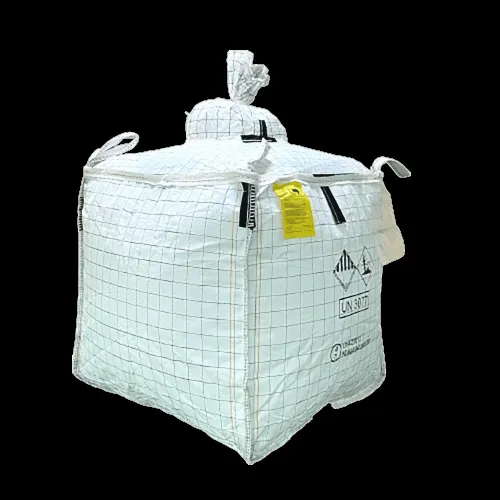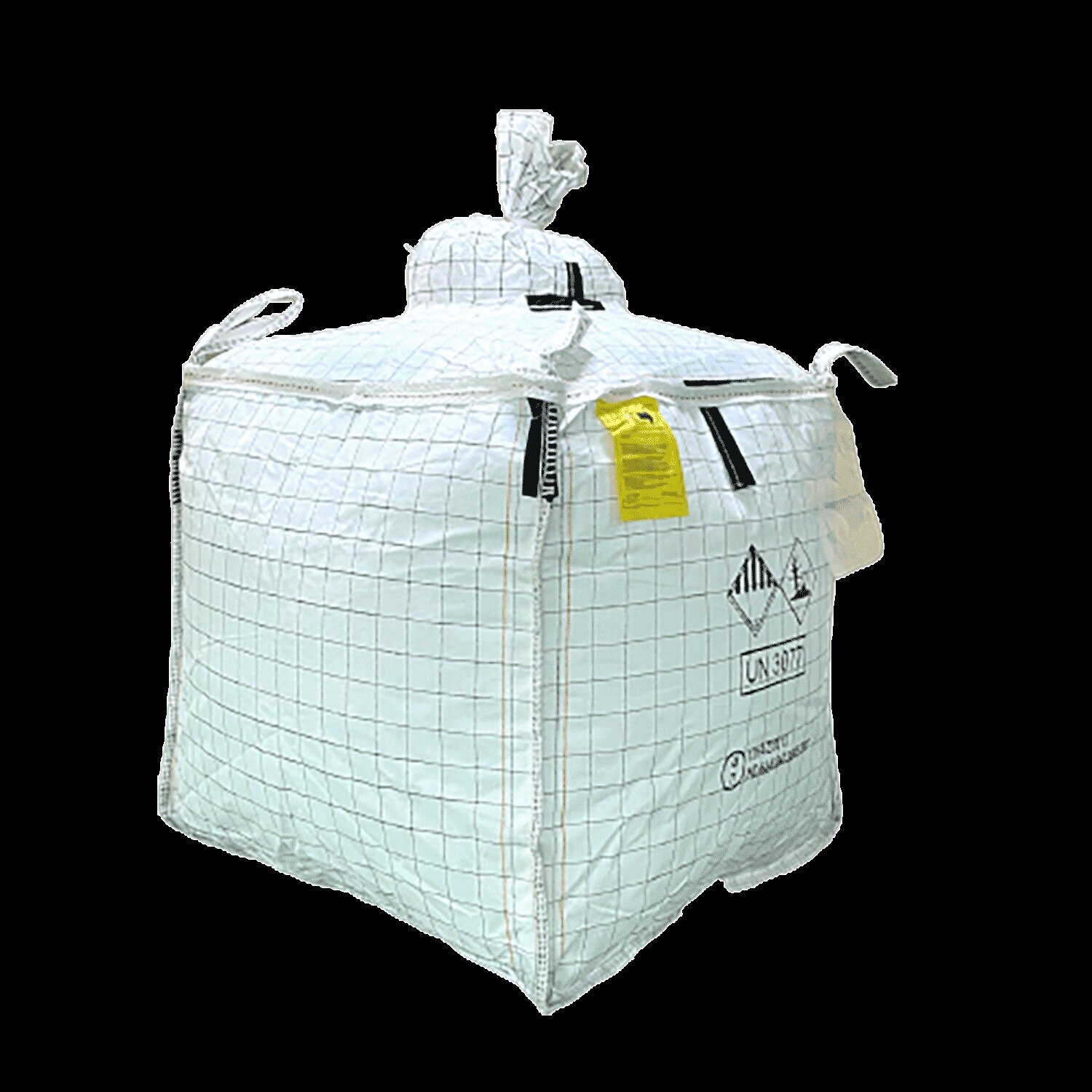
A bag marketed as heavy-duty can still be unsuitable if its safe working load, discharge design, fabric construction, or storage conditions do not match your material-handling system. By the end, you will be able to calculate the required bag size, compare lifting configurations, specify safety controls, and set purchasing and warehouse requirements for Houston operations.
Key takeaways
- “Heavy-duty” is not a formal FIBC classification; specify measurable construction details.
- Match bag capacity, SWL, fabric, coating, and discharge design to the material.
- Choose lifting loops that fit your forklift, crane, pallet, and site controls.
- Inspect seams, loops, closures, and contamination before each filled-bag movement.
What Heavy-Duty FIBC Construction Actually Specifies
“Heavy-duty” is not a formal FIBC classification. Request the fabric denier, coated polypropylene or uncoated polypropylene bags, seam type, lifting-loop design, construction type, bag volume, SWL, and intended-use cycle.
The safety factor compares minimum breaking load with SWL. A commonly specified 5:1 factor suits single-trip bags, while 6:1 suits reusable bags; neither permits filling above the marked SWL. A 1,000 kg bag and a 2,000 kg bag can share the heavy-duty label yet require different lifting equipment, stacking limits, pallet support, and transport controls.
| Cycle | Common safety factor | Procurement implication |
|---|---|---|
| Single-trip | 5:1 | Specify one controlled use and disposal after unloading |
| Reusable | 6:1 | Specify documented inspection, cleaning, and reuse limits |
Request these details before approving a quotation:
- Fabric denier and coating, including moisture-barrier performance and liner attachment
- Sewn, bound, or welded seam design; seam test results; and lifting-loop count, spacing, length, and attachment
- Bag volume, internal dimensions, inlet and outlet geometry, SWL, minimum breaking load, and safety factor
- Construction type, including electrostatic designation such as Type C or Type D, when combustible dust is present
- Test certificate identifying the test method, batch or lot number, and manufacturer
- Traceable production lot, permanent label showing SWL and handling instructions, and stated single-trip or reuse limit
For reusable bags, require inspection criteria for cuts, seam separation, contamination, UV damage, liner punctures, and loop damage. If the supplier cannot define cleaning, inspection, and rejection rules, specify a single-trip bag instead.
How to Match Bag Capacity and Construction to the Material
Material properties determine the FIBC construction, not the phrase “heavy-duty.” Use this procedure:
1. Record bulk density, particle size, flowability, moisture content, temperature range, static risk, filling method, discharge method, and required capacity. A fine, dusty powder needs different controls from a coarse, free-flowing granule.
2. Perform an FIBC bag capacity calculation: maximum filling weight ÷ bulk density = product volume. Add headspace for filling behavior, aeration, and settling, but never exceed the marked SWL. Confirm that the bag’s usable volume and internal dimensions fit both the calculated product volume and the required headspace.
3. Specify the complete geometry: inlet diameter and top construction, outlet diameter, outlet closure, liner attachment, and whether discharge requires a controlled-flow spout. A bag can hold the required mass yet fail operationally if its spout cannot be positioned safely over the receiving hopper.
4. Match the liner to the material and process. A loose liner improves moisture protection and product recovery but can fold into the outlet, reduce effective volume, or alter flow. Form-fit liners control shape; attached liners stay aligned; antistatic and conductive liners affect charge dissipation; heat-sealed liners improve sift and moisture resistance.
State the liner resin and required water-vapor performance for hygroscopic goods.
5. Select electrostatic construction from the hazard assessment, not the SWL. Type C requires a verified conductive path and grounding during filling and discharge; Type D relies on its specified dissipative construction and operating conditions. Fine combustible powders still require site dust-explosion controls, including ignition-source control, bonding or grounding, ventilation, and explosion protection.
Which Lifting Configuration Fits Your Equipment and Risk Controls
Match the lifting points to the equipment, not just the bag’s SWL. A 1-loop FIBC suits a single centered hook or tine arrangement; a 2-loop FIBC needs two aligned hooks or tines; a 4-loop FIBC distributes load across four points and usually needs a spreader bar.
Cross-corner lifting loops suit four-point lifting when loop spacing matches the bar or sling hooks.
| Configuration | Best equipment match | Main control |
|---|---|---|
| 1-loop FIBC | Single hook or centered tine | Keep the hook directly above the loop |
| 2-loop FIBC | Two forklift tines or sling hooks | Match loop spacing and prevent side loading |
| 4-loop FIBC | Spreader bar with four hooks | Keep all loops equally loaded |
| Cross-corner lifting loops | Four-point spreader or sling system | Check diagonal spacing and seam loading |
| Cross-bottom sling | Forklift or crane sling beneath the bag | Confirm clearance and sling contact points |
Loop length affects hook engagement and clearance beneath the bag. Spacing that is too narrow tips the load; unequal engagement overloads seams. A cross-bottom sling can improve balance but requires sufficient clearance below the filled bag and protection from sharp pallet or rack edges.
Fill on a level surface. Center forks or hooks, lift vertically without shock loading, and never use lifting loops as truck tie-down points; domestic cargo restraints need separate validation.
Single-trip bags are not reusable because the fabric feels strong. Reuse requires documented inspection and cleaning for cuts, seam damage, contamination, UV degradation, liner damage, and chemical residue.
For combustible dust, Type C requires verified grounding continuity during filling and discharge. Type D operates under specified conditions without conventional grounding. Bond equipment, control ignition sources, provide ventilation or explosion protection, and complete a dust assessment: an FIBC does not remove explosion risk.
How to Fill, Move, Discharge, Inspect, and Store a Filled FIBC
Support the filled FIBC on a sound pallet or dunnage that fully supports its base. Check that the pallet is dry, level, free of broken boards, protruding nails, and sharp edges.
1. Fill on a level surface and stop below the marked safe working load (SWL). Leave headspace for settling, close the inlet securely, and confirm the load is centered. Do not compensate for a low-density product by exceeding the SWL.
2. Before lifting, secure the outlet closure and keep spouts inside the bag’s footprint. Check rack clearance, aisle clearance, and overhead obstructions. Lift vertically with centered forks or approved hooks; never drag the bag, shock-load it, or compress seams against racks.
3. Center the pallet and bag on the truck, then use restraints that prevent shifting or falling under domestic cargo-securement requirements. Do not use lifting loops as tie-down points, cut loops with straps, abrade fabric, or crush discharge spouts. Validate forklift handling and truck securement together.
4. Discharge only after positioning the outlet over the receiving hopper and controlling product flow. Keep personnel clear of the suspended load, and never stack above the supplier’s stated height or stability limit.
- Reject torn fabric, seam separation, damaged lifting loops, UV-embrittled material, chemical residue, or unreadable labels.
- Reject wet bags, contaminated or punctured liners, and bags exposed to unknown prior loads.
- For FIBC warehouse storage, keep bags dry and covered on raised pallets, with closures protected from rain, condensation, rodents, standing water, and Houston humidity. Limit sunlight to the supplier’s stated UV period; otherwise specify UV-stabilized fabric.
What to Put in a Houston FIBC Purchasing Specification
Turn the request into a numbered RFQ that a supplier can price and reproduce consistently:
1. Identify the commodity, concentration, particle size, bulk density, moisture level, operating temperature, maximum fill weight, bag dimensions, SWL, and safety factor. State whether the bag is single-trip or reusable; 5:1 and 6:1 ratios compare minimum breaking load with SWL, never authorize filling above the marked SWL.
2. Specify the lifting arrangement, loop dimensions and spacing, top construction, inlet diameter and closure, outlet diameter and closure, outlet control requirements, liner attachment, and whether discharge must align with a hopper.
3. Name the liner resin, such as polyethylene or food-grade polypropylene, plus coating, electrostatic type, and any required grounding or bonding provisions. Require the exact resin and construction needed for chemical compatibility; a UN FIBC marking does not prove compatibility with every solvent, oxidizer, oil, or hot product.
4. For hazardous solids, state the hazard classification, packing group, packaging instruction, liner or coating, applicable UN design type, UN FIBC marking, and required test reports. Request certificates, inspection records, and traceability documents rather than accepting “UN approved” as a complete specification.
5. For food, pharmaceutical, or moisture-sensitive goods, request resin declarations, migration or compliance statements, lot traceability, prior-load controls, and a defined water-vapor transmission or moisture-performance limit. “Food-grade polypropylene” alone does not prove food-contact compliance or barrier performance.
A Houston manufacturer or supplier of custom metal packaging and FIBC bulk bags can convert these details into repeatable drawings and inspection criteria. You remain responsible for confirming site equipment, hazard assessment, transport rules, and acceptance criteria.
Related products
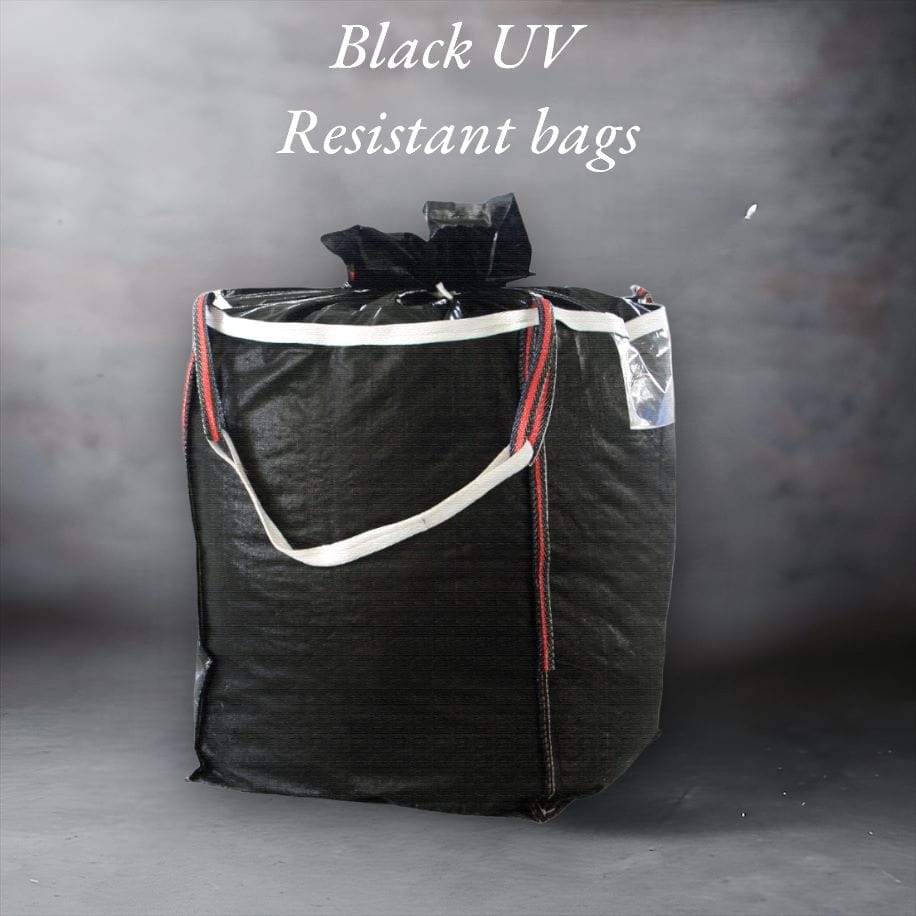 | FIBC Section Black Bags Black FIBC Bags – Enhanced UV Resistance & Extended Shelf Life UV exposure is one of the major challenges faced by the FIBC industry, as prolonged... |
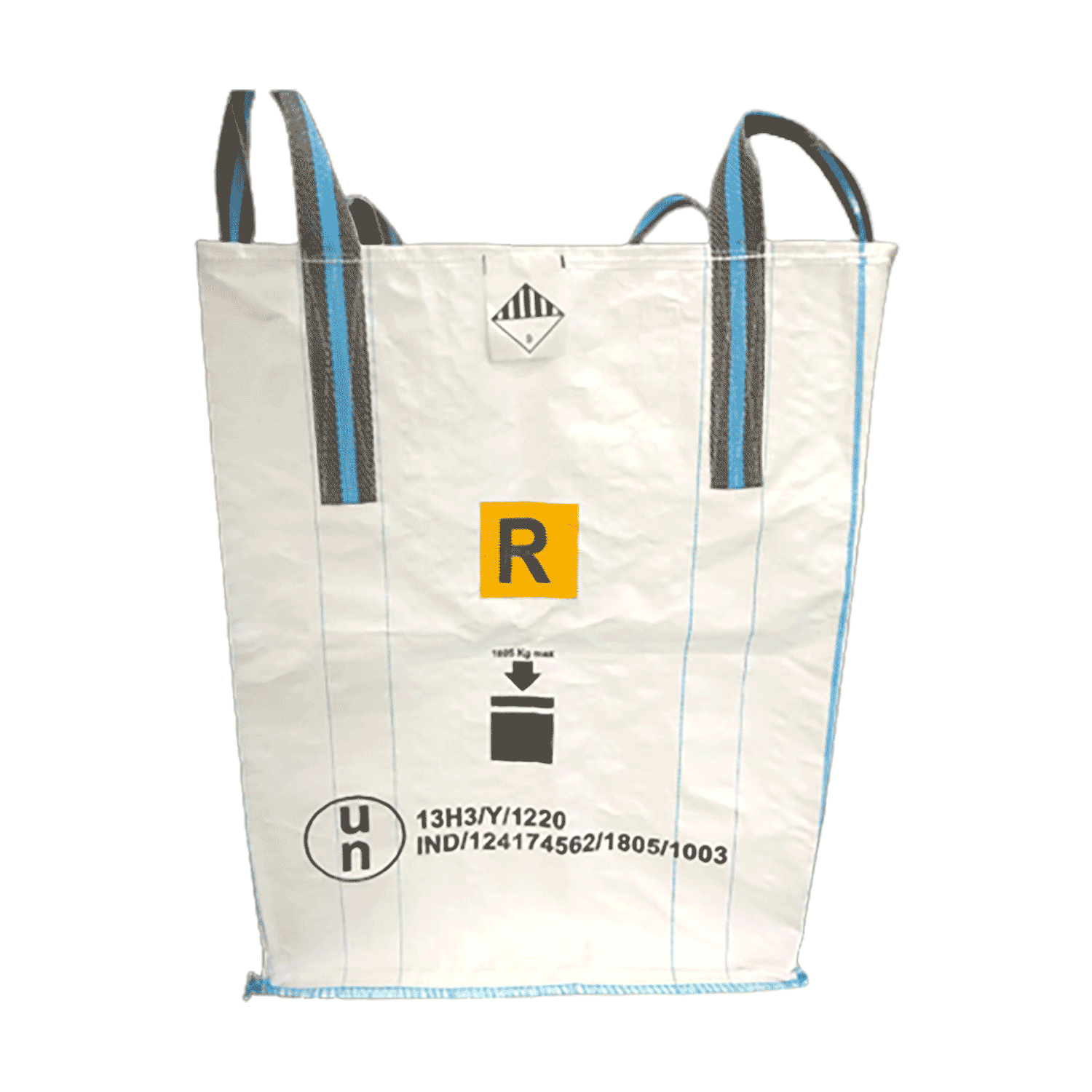 | FIBC Section Un Bags UN Certified Bulk Bags – Rigorous Performance Testing for Safety & Reliability Deccan UN Certified Bulk Bags are specially engineered for the safe... |
Frequently asked questions
What does heavy-duty FIBC construction actually specify?
It specifies measurable details such as fabric denier, polypropylene coating, seam type, lifting-loop design, construction type, volume, SWL, and intended-use cycle.
How do you match an FIBC to the material?
Match the bag’s capacity, SWL, fabric, coating, liner, inlet, outlet, and construction to the material’s weight, flow, moisture, dust, and handling requirements.
Which FIBC lifting configuration fits handling equipment?
Choose loop placement and design that match your forklift tines, crane hooks, pallet system, lifting frame, and site risk controls.
How should you handle and store a filled FIBC?
Fill evenly, secure closures, lift only from designed loops, control discharge, inspect before movement, and store upright in a dry area away from damage.
Related products
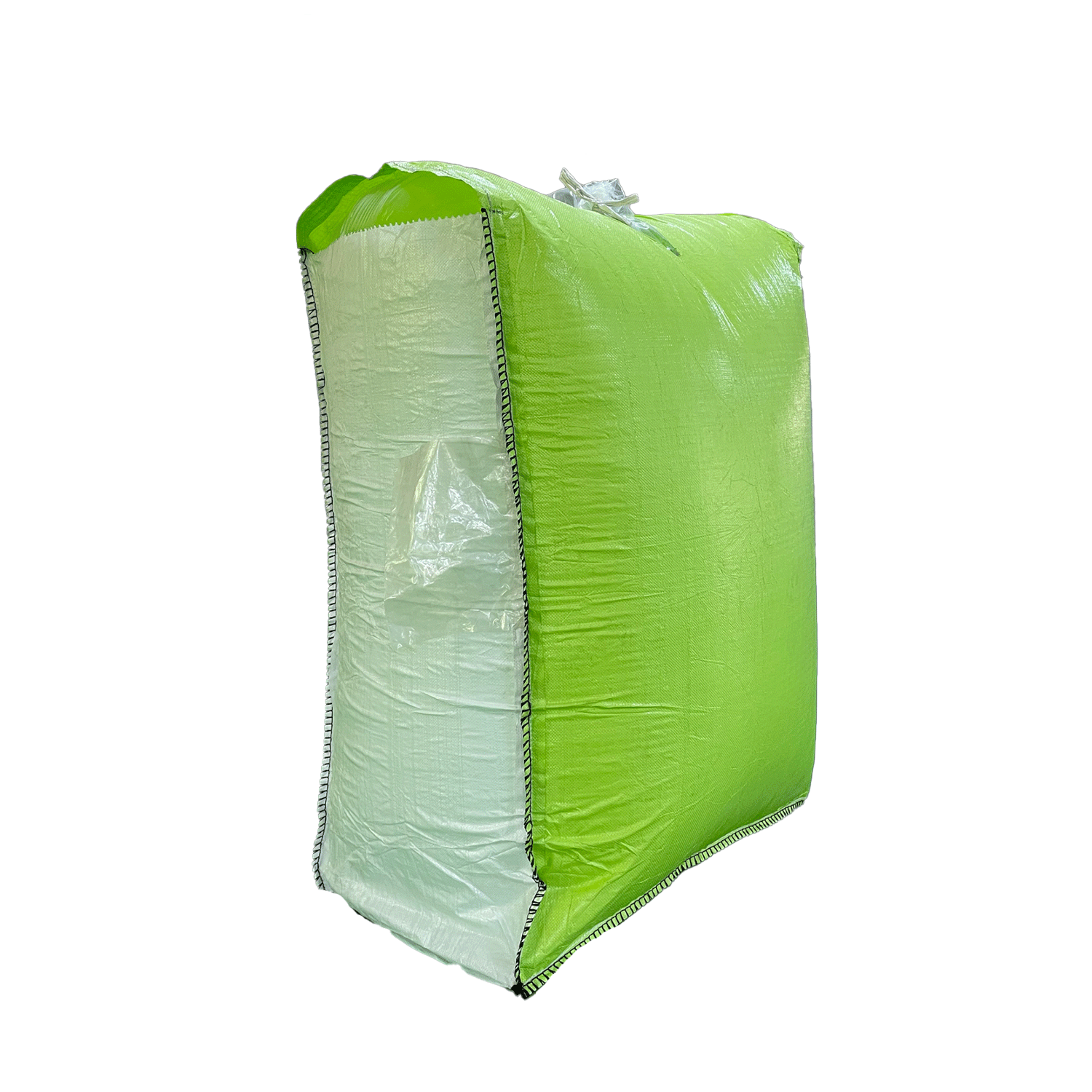 | FIBC Section Fertilizer Bag Range 1 & 2 Loop FIBC Bulk Bags Deccan Cans & Printers Pvt. Ltd. offers durable and cost-effective 1 & 2 Loop FIBC Bulk Bags, designed for the efficient... |
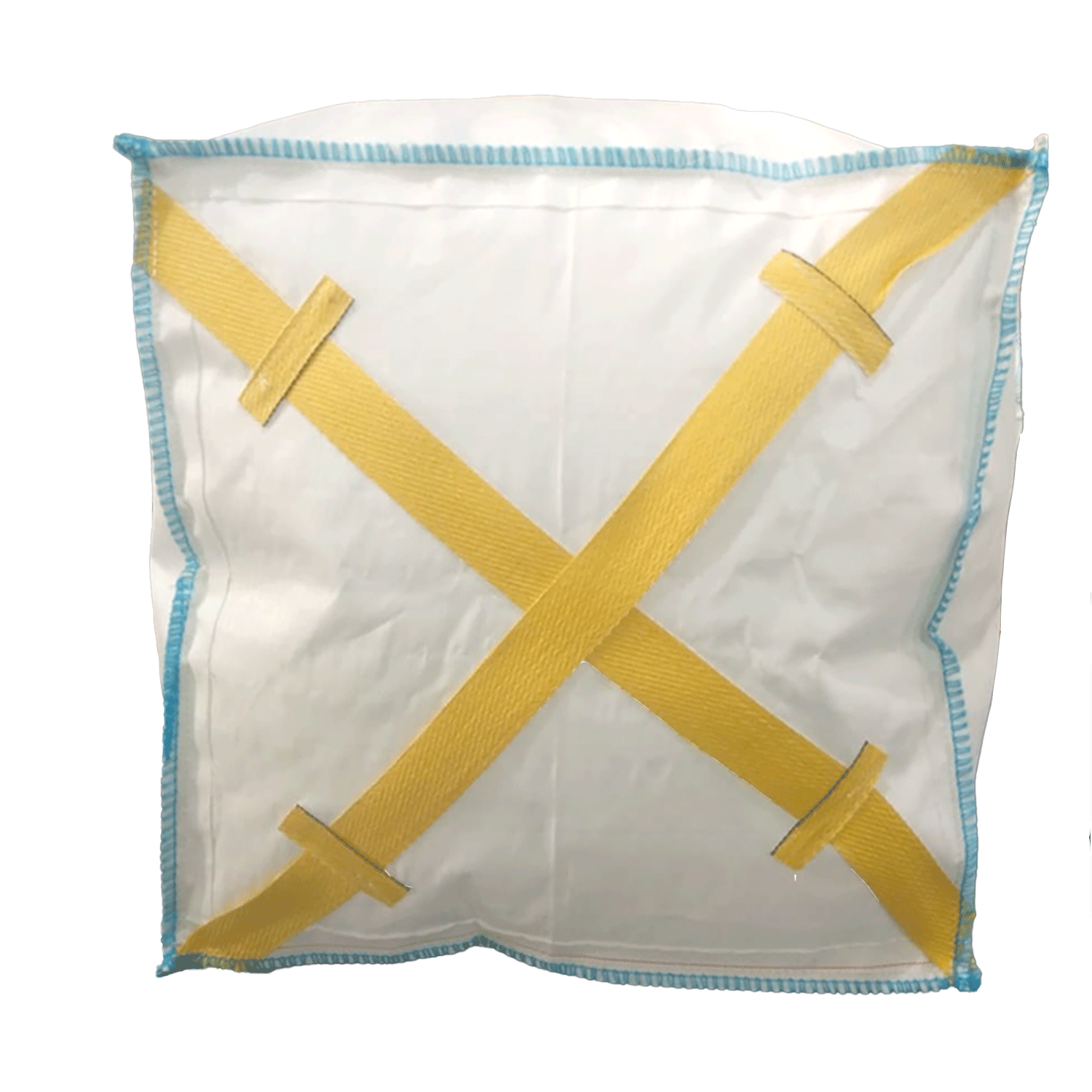 | FIBC Section Cross Bottom Sling Bags Cross Bottom Sling FIBCs – Bulk Bags Deccan Cans & Printers Pvt. Ltd. |
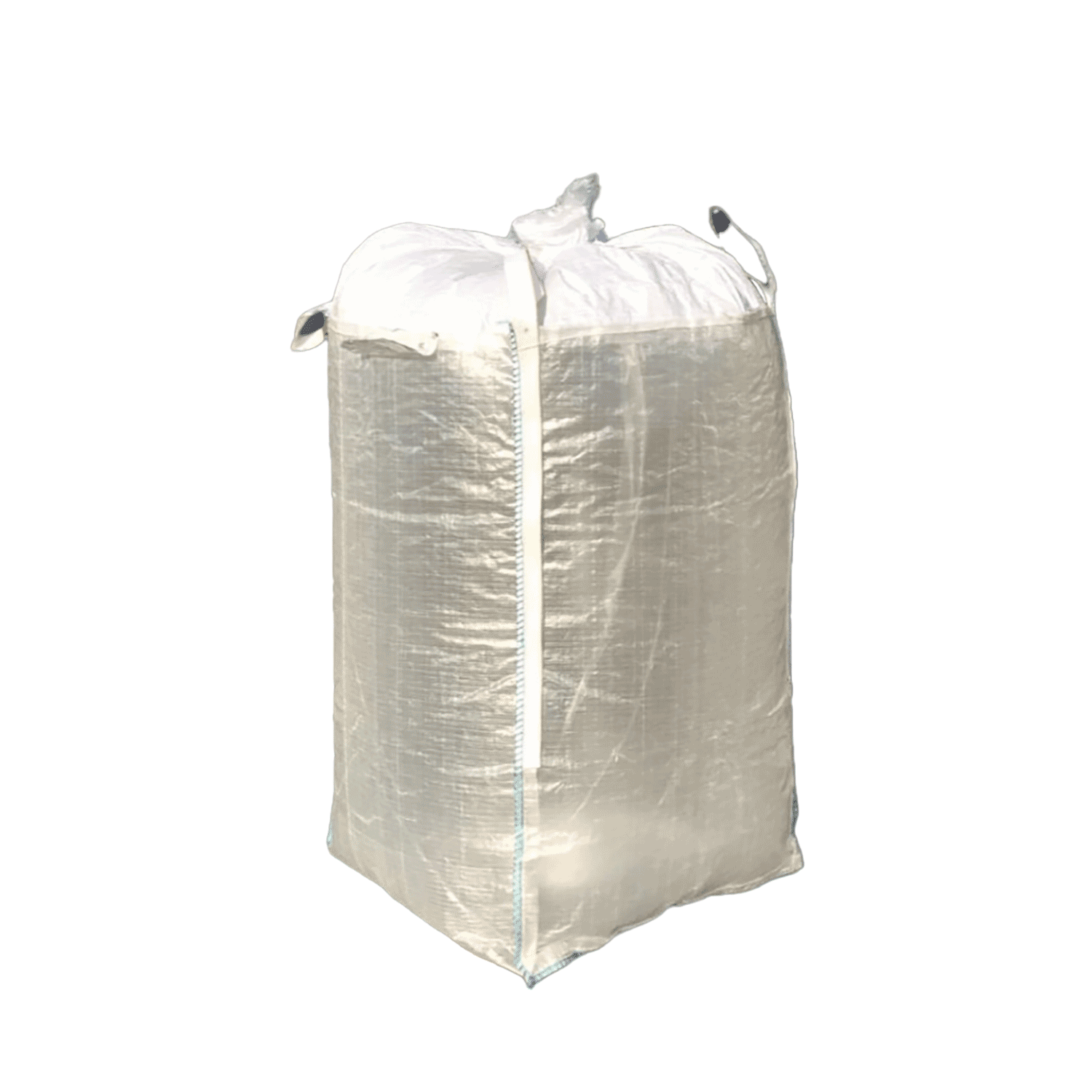 | FIBC Section Transparent Bags Transparent FIBCs – See-Through Bulk Bags Deccan Cans & Printers Pvt. Ltd. |
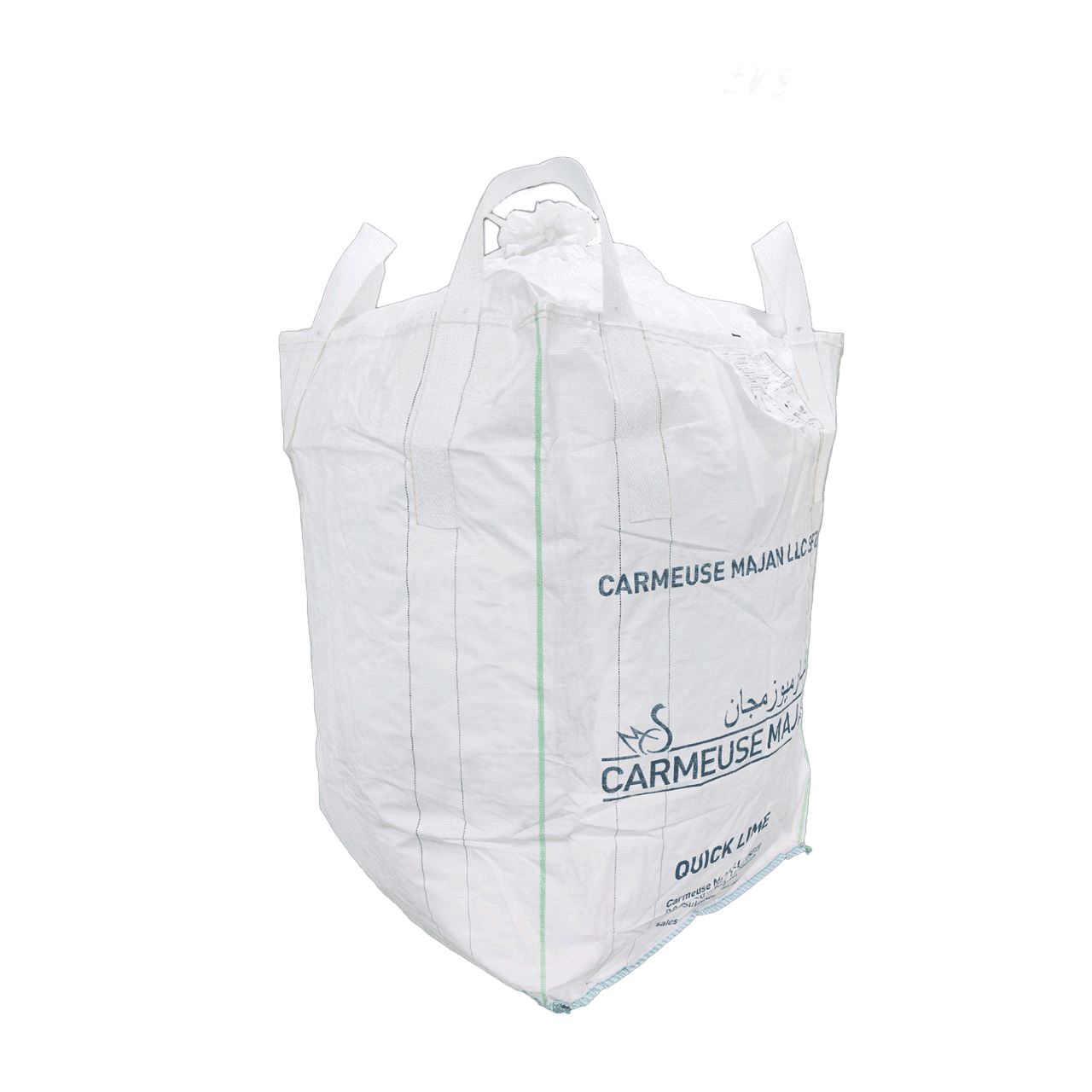 | FIBC Section Bags With Liners FIBC Liners – Bulk Bag Liners Deccan Cans & Printers Pvt. Ltd. |