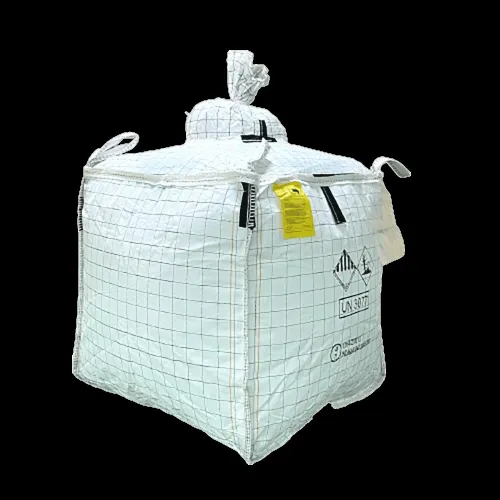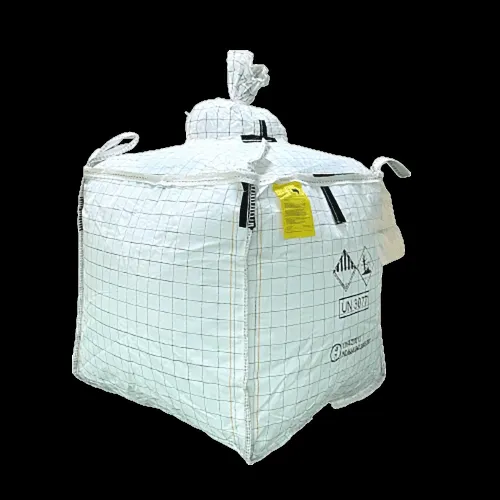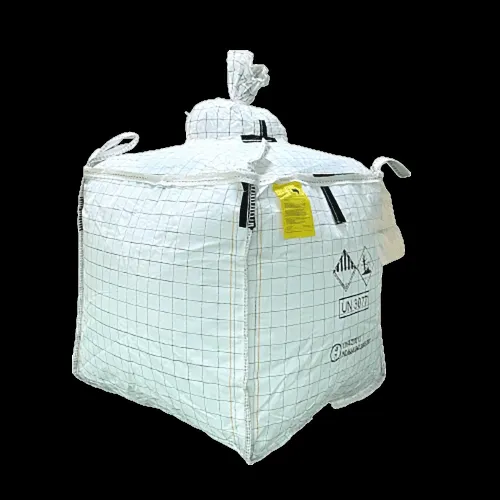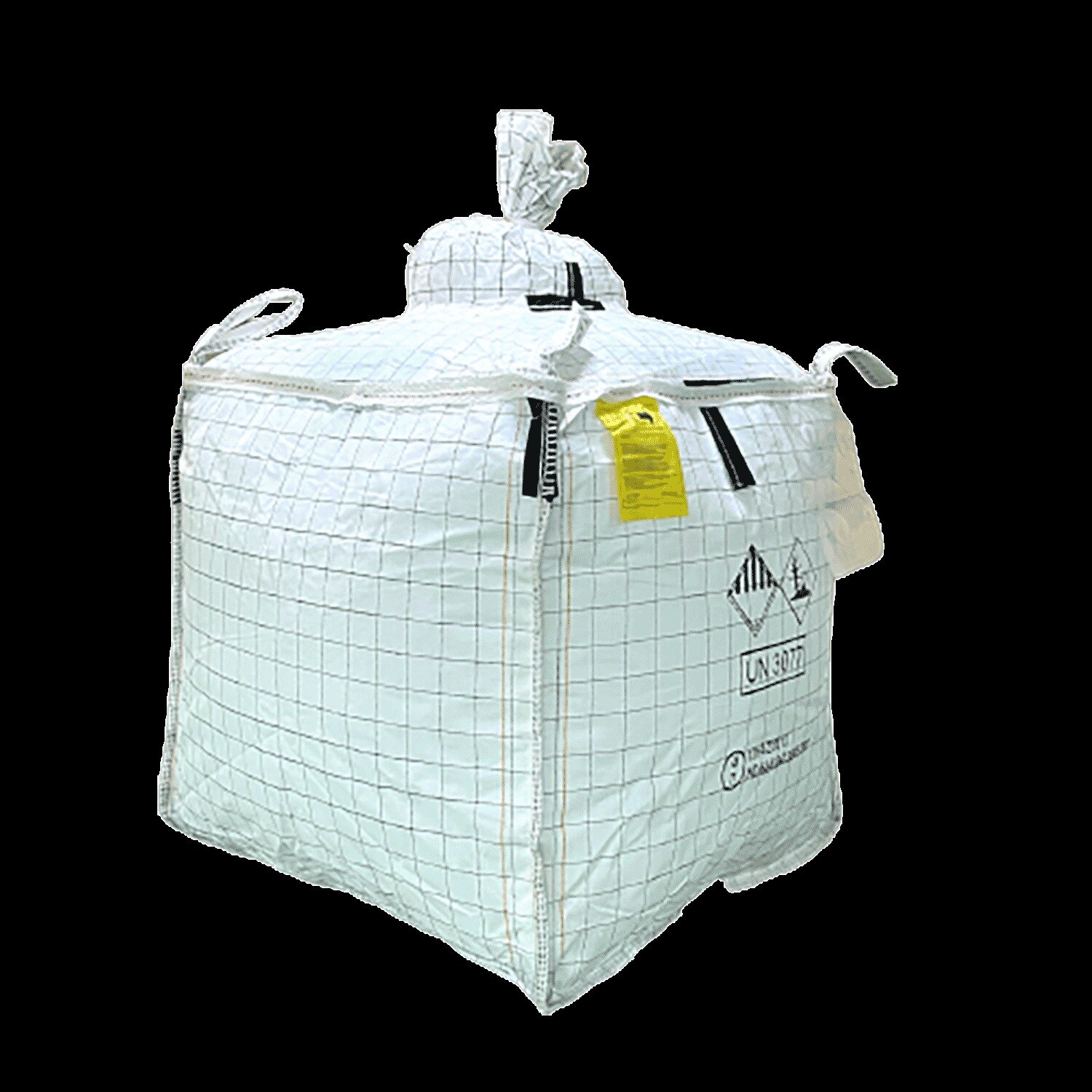
“Food grade” does not identify a finished FIBC certification or prove that a bag is suitable for direct food contact. By the end, you will know which regulatory documents, hygiene controls, barrier materials, handling features and purchasing details to require for ingredients such as flour, sugar, starch and grain products.
Key takeaways
- Require finished-bag compliance with FDA 21 CFR for the intended food contact use.
- Request the declaration of compliance, batch traceability, test reports, and hygiene certificates.
- Match liner material and barrier performance to moisture, oxygen, fat, and ingredient sensitivity.
- Specify safe working load, lifting design, discharge method, and electrostatic controls before purchase.
What “food grade” must mean for an FIBC
A bag marked “food grade” is not automatically suitable for direct food contact. Treat food grade FIBC bags as acceptable only when the finished construction complies with the applicable FDA 21 CFR requirements for its intended use.
Check the complete bag, not only the polypropylene resin:
- Identify the exact resin grade and confirm its permitted food-contact conditions under 21 CFR 177.1520, including food type, contact temperature and duration.
- Obtain the compliance basis for every food-contact component: woven fabric, pigments, coating, adhesive, sewing thread, liner film and processing aids.
- Confirm that the converter follows good manufacturing practice under 21 CFR 174.5, controls contamination and can trace the finished bag to its materials and production lot.
A resin supplier’s statement does not prove that the finished FIBC complies. Manufacturing residues, colorants, recycled content, unsuitable thread or an incompatible liner can change the compliance result.
“Food grade” also does not mean sterile, aseptic or pathogen-free. If your ingredient requires a microbiological limit, low-bioburden handling, irradiation or validated sanitation, specify that separately and require evidence against the stated limit.
Ask for a finished-bag declaration identifying the intended food contact, conditions of use and all components; reject a generic “FDA approved” claim that names neither the regulation nor the construction.
Documents and hygiene controls to request before approval
Approve a finished bag only when its documents connect the actual construction to the intended food-contact use. A resin supplier’s statement does not cover pigments, coatings, adhesives, sewing thread, liner film, processing aids, contamination or the converter’s manufacturing practices under FDA 21 CFR 174.5.
Request these records before approval:
- A declaration of compliance identifying the polypropylene grade, virgin or recycled content, additives, colorants, coating, thread and liner materials, with the food type, temperature and contact conditions covered.
- Migration testing or finished-article extractables data for the complete food-contact surface, especially the liner, ink, adhesive and coating. A polymer certificate of analysis is not migration testing.
- Lot traceability linking the finished FIBC to resin, liner and component lots, production dates, operators or lines, inspection results and retained samples.
- A hygiene-control description covering segregated storage, enclosed cutting and sewing, pest control, personnel practices, foreign-material prevention and sealed packaging.
- A cleanliness inspection record covering foreign fibers, insects, dust, oil, odor, moisture, damaged liners and visible contamination; request microbiological results when the product risk warrants them.
| Evidence | What it proves | What it does not prove |
|---|---|---|
| Declaration of compliance | Named materials meet the stated food-contact basis and use conditions | That the finished bag is clean |
| Migration testing | Substances migrating from the finished article remain within the tested limits | Performance under untested temperatures or foods |
| Lot traceability | You can isolate affected bags and identify their materials and production run | Absence of contamination |
| Cleanliness records | Inspection and hygiene controls addressed FIBC cleanliness | Chemical compliance |
| ISO 21898 report | Construction, testing and marking for non-dangerous goods | FDA food-contact compliance or hygienic manufacture |
Match the liner and barrier to the ingredient
Woven polypropylene alone protects the load from handling damage, not from oxygen, water vapour, oil migration or aroma transfer. Choose the barrier from the ingredient’s sensitivity and specify a transmission limit; “food grade” does not define performance.
- Flour needs an FIBC liner when humidity can cause caking, mould growth or weight variation. Use a moisture barrier with a stated water-vapour transmission rate, and seal the liner if ambient air must be excluded.
- Sugar needs a moisture barrier when storage or transport includes humid Houston conditions. A liner or laminate prevents moisture pickup; verify that the liner resists tearing and fits tightly around the filling and discharge spouts.
- Oils need a compatible polyethylene or multilayer FIBC liner because liquid can leak through seams, wet woven fabric and extract unsuitable additives. Confirm compatibility with the specific oil, temperature and contact duration rather than accepting a generic polypropylene claim.
- Fine powders need a fitted FIBC liner when dust leakage, product loss or cross-contamination matters. Specify liner gauge, heat-sealed seams and pinhole controls; a coated fabric alone may not provide a continuous interior surface.
- Oxygen-sensitive ingredients need a hermetic liner or high-barrier film when oxidation affects flavour, colour, potency or shelf life. Request the oxygen transmission rate and define whether nitrogen flushing, vacuum removal or an oxygen absorber is part of the packing process.
Match the liner resin, coating, adhesive and sealant to the intended food contact. A compliant outer fabric cannot correct an incompatible or damaged liner.
Specify safe lifting, discharge and electrostatic performance
Specify the safe working load, bulk density, target fill weight, dimensions, lifting configuration and single-trip or reusable status together. A nominal load test does not protect a bag that is overfilled, dragged, dropped or lifted by the wrong loops.
Write these handling specifications into the purchase order:
- Use all designated lift loops with a rated forklift attachment or lifting frame; never lift from the discharge spout, liner ties or stitching.
- State the qualified stacking load, maximum stack height and whether filled bags may be stored on pallets. Do not exceed the tested configuration.
- Require a FIBC discharge spout with a secure closure, compatible liner fit and controlled-release design. Support the bag before opening it, or a sudden product flow can overturn the container.
- Set the filling density and target weight so the filled bag remains stable and does not bulge beyond its designed dimensions.
- Mark reusable bags with inspection and reuse criteria. A single-trip bag must not return to service.
Select electrostatic construction from the actual powder hazard and grounding procedure:
| Type | Electrical performance | Handling specification |
|---|---|---|
| Type C FIBC | Conductive fabric; charge is controlled through grounding | Connect to a verified ground before filling and keep the connection intact until discharge is complete |
| Type D FIBC | Dissipates charge without a grounding lead | Keep the dissipative fabric clean, dry and undamaged |
| Type A FIBC | No electrostatic protection | Do not use for combustible powders or hazardous dust environments |
Build a Houston-ready purchasing specification
Compare each FIBC supplier Houston buyers can use against the same written requirements, not against the phrase “FDA food grade.” A resin statement does not prove that the finished bag, liner, thread and additives meet 21 CFR 174.5 or that the bag stayed clean after cutting and sewing.
| Supplier evidence | Require before approval |
|---|---|
| Food-contact basis | Finished-bag declaration naming FDA 21 CFR sections, intended food, resin, liner and additives |
| Cleanliness controls | Hygiene program, inspection record and sealed-packaging method covering fibers, insects, dust, oil, odor, moisture and damaged liners |
| Mechanical proof | ISO 21898 test evidence plus safe working load, safety factor, dimensions, fill weight and lifting configuration |
| Barrier performance | Liner or laminate specification with film gauge, seal design, pinhole control, water-vapor and oxygen transmission targets |
| Traceability | Lot number, production date, component records and retained sample |
Write the bulk packaging specification with product name, bulk density, target fill weight, bag dimensions, liner fit, filling and discharge closures, electrostatic type, stacking limit and acceptance criteria. State “virgin polypropylene” if recycled content is prohibited, and identify colorants, coating and sewing thread.
For Houston storage and transport, specify sealed outer packaging, pallet requirements, protection from rain and direct sun, maximum storage temperature, stacking duration and inspection at receipt. Reject any shipment with torn fabric, exposed liner, odor, wetness, foreign material or missing lot records.
Deccan Cans & Printers Pvt. Ltd. can be one supplier to compare for liner construction, but request the same completed evidence before approving its food ingredient packaging. Keep the signed specification with the purchase order, not only in an email.
Frequently asked questions
What must “food grade” mean for an FIBC?
It must describe the finished bag construction, including fabric, seams, liner, coatings, inks, and closures, as compliant with applicable FDA 21 CFR requirements for its intended use. A marketing label alone does not prove direct-food-contact suitability.
Which documents should you request before approving a food-grade FIBC?
Request a declaration of compliance identifying the intended food contact use, material specifications, batch or lot traceability, migration or extractables test results where applicable, and records covering hygiene controls and manufacturing conditions.
How do you match an FIBC liner and barrier to an ingredient?
Specify the liner by polymer, thickness, sealing method, and barrier performance. Check resistance to moisture, oxygen, fats, oils, solvents, temperature, and the ingredient’s filling and storage conditions.
What lifting, discharge, and electrostatic details belong in the specification?
State the safe working load, safety factor, lifting-loop configuration, discharge outlet design, grounding instructions, and electrostatic classification required for the product, equipment, and handling environment.