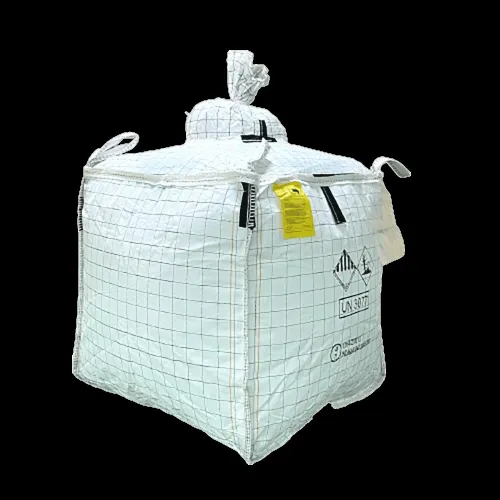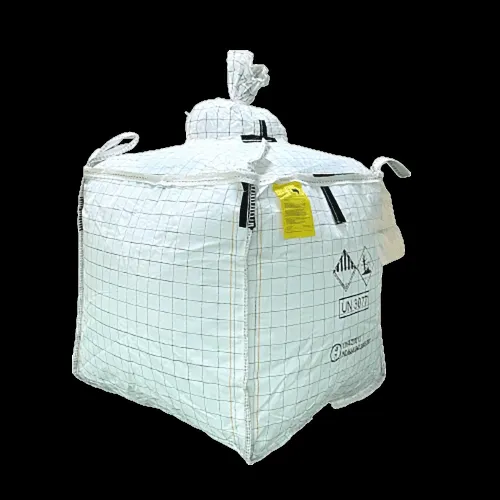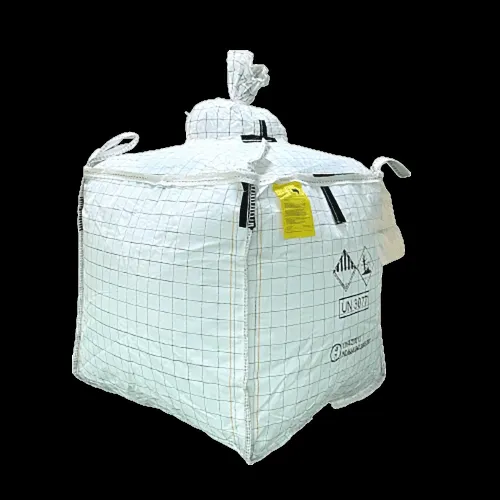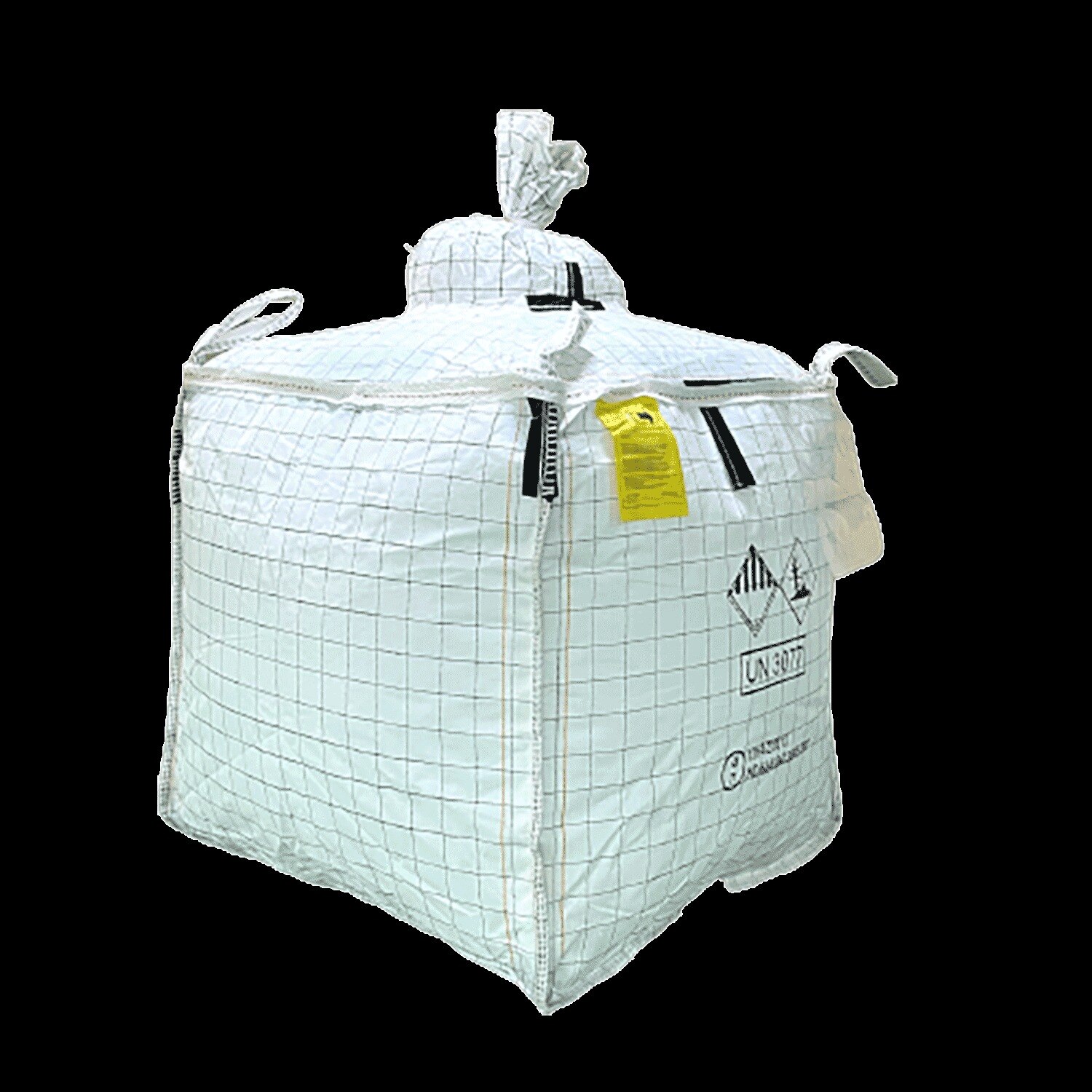
A jumbo bag must carry the material’s actual weight, withstand its abrasiveness and moisture, and discharge safely through the equipment on your site. By the end, you will be able to calculate the required capacity, choose the right fabric and lifting design, and request specifications that support safe handling in Houston’s climate.
Key takeaways
- Calculate bag capacity from bulk density, volume and a safety margin.
- Use coated fabric or liners when moisture, dust or fine powder demands containment.
- Match loop design and electrostatic controls to forklifts, cranes and jobsite hazards.
- Request specifications, test documents and sample-bag inspection before ordering.
Which minerals and construction materials are suitable for FIBCs?
FIBCs suit dry sand, gravel, limestone, cement, gypsum, powdered minerals, insulation and selected demolition waste. The correct construction depends on more than whether the material is solid: bulk density determines wall loading, while particle size, abrasiveness, moisture, temperature and dust generation determine fabric, seams, liner and discharge design.
| Material | Main design concern | Suitable construction |
|---|---|---|
| FIBC bags for sand | Abrasion and free-flowing grains | Heavy-duty woven fabric, reinforced seams and a plain or controlled-discharge bottom |
| Gravel bulk bags | Sharp edges and impact during filling | Abrasion-resistant fabric, strengthened corners and a wide filling opening |
| Limestone FIBCs | Variable particle size and rough surfaces | Coated or heavy fabric with protected seams and a bottom matched to flowability |
| Cement jumbo bags | Fine, cohesive dust and moisture pickup | Coated or laminated fabric, sift-proof seams, an optional liner and a controlled outlet |
| Gypsum and powdered minerals | Fines, compaction and bridging | Liner-equipped construction with a conical or shaped bottom |
| Insulation and demolition waste | Low density, irregular pieces and puncture risk | Larger-volume fabric with reinforced lifting points and abrasion or puncture protection |
A plain bottom works for free-flowing aggregate; cohesive cementitious powders can rat-hole or bridge, so use a shaped bottom and specify the outlet with the particle-size distribution and moisture condition. Damp material needs moisture protection, while hot fill requires fabric and liner temperature compatibility.
Fine dust also changes the hazard decision. A dust-tight bag is not automatically explosion-safe: combustible polymers, asphaltic components or organic additives require the site’s dust-hazard analysis and NFPA 652 or NFPA 654 program to set electrostatic and ignition controls.
How do you calculate FIBC capacity from density and volume?
A bag’s litre or cubic-yard rating tells you volume, not safe carrying capacity. Use this FIBC bulk density calculation:
mass (kg) = bulk density (kg/m³) × filled volume (m³)
For example, 600 kg/m³ material in 1.5 m³ produces a 900 kg load. Use the material’s delivered bulk density, not its true particle density; moisture, aeration, vibration and compaction can change the result. Leave room for filling and closing, because a nominal volume is not always usable volume.
1. Confirm the target mass, bulk density and required filled volume. A 1,000-litre bag holds 1 m³, but that does not make it suitable for 1,000 kg of material.
2. Specify the FIBC safe working load (SWL) above the intended filled mass and match it to the filling method, lifting equipment and discharge design. State ISO 21898:2024, the bag dimensions, top and bottom construction, lifting configuration and test requirements in the purchase specification.
3. Choose the tested safety factor. A 5:1 safety factor FIBC has an ultimate test load five times its SWL; a 6:1 designation uses six times the SWL. Neither permits routine loading to five or six times the rating. Most mineral bags are single-trip; reusable bags need documented inspection and reuse controls.
If the material is classified as dangerous goods, check whether UN-approved packaging and U.S. Department of Transportation rules replace an ordinary ISO specification.
Which fabric, liner, filling, and discharge design fits the material?
A free-flowing aggregate can use an open top and plain bottom; cohesive cement needs controlled filling and discharge, not merely a larger bag. Match the construction to moisture, dust, particle size, and flow behavior.
| Bag construction | Best fit | Main limitation |
|---|---|---|
| Standard woven fabric | Dry sand, gravel, aggregates, insulation, and less-dusty minerals | Allows sifting and moisture entry |
| Coated FIBC bags | Cement, gypsum, powdered minerals, and abrasive products needing better dust or moisture resistance | Coating can stiffen the bag and complicate recycling |
| Laminated jumbo bags | Fine powders and moisture-sensitive cementitious materials needing a smoother barrier | Lamination is not a substitute for a sealed liner or correct outlet |
| Liner-equipped bags | Hygroscopic powders, ultra-fine minerals, and products requiring strong sift control | The liner can trap air, impede grounding, restrict discharge, and complicate recycling |
Choose the top and bottom together:
- Open top with flat or plain bottom suits free-flowing sand, gravel, and aggregate filled from a chute.
- Duffle top gives wider filling access for insulation and bulky, low-density material; pair it with a controlled outlet when dust matters.
- Spout top reduces dust during filling. Use it with dust extraction for cement, silica-containing products, and fine minerals.
- A conical discharge FIBC helps cohesive powders leave the bag instead of bridging or rat-holing. Specify the outlet diameter and valve with the particle-size and moisture data.
- Use sift-proof seams for fine powders, but do not treat an ordinary polyethylene liner as electrostatic protection. Include the FIBC liner material’s electrical properties in the Type B, C, or D assessment.
How should lifting loops and electrostatic controls match the jobsite?
Loop geometry must match the lifting equipment, or a sound bag can fail at the loop. The SWL applies to the tested handling configuration, not to dragging, improvised hooks, or lifting a multi-loop bag by one loop.
| Loop design | Compatible handling |
|---|---|
| one-loop FIBC | Single-point crane hook or rated lifting device; never substitute a hook that cuts the loop |
| two-loop bulk bag | Two tine positions or a two-point lifting attachment that supports both loops |
| four-loop jumbo bag | Four-point spreader bar, or forklift tines fitted for all four loops |
| cross-corner-loop FIBC | Spreader bar or cross-bottom slings that support opposite corners without twisting the body |
Check tine spacing, loop length, hook radius, and sling contact surfaces before delivery. Tines or hooks that pinch, cut, or abrade fabric can invalidate the test configuration. Do not drag the bag across concrete.
| Electrostatic type | Required control |
|---|---|
| Type A | No electrostatic control; use only where flammable gas, vapor, and combustible dust hazards are absent |
| Type B | Limits brush-discharge risk from low-energy materials; do not use with flammable gas or vapor |
| Type C | Bond the grounding tab, clamp, cable, frame, and plant earth before filling and emptying |
| Type D | Uses dissipative fabric without a separate ground connection; confirm compatibility with the hazardous atmosphere |
Silica dust demands exposure controls even when it is not combustible. A dust-tight bag is not explosion-safe: blended polymers, asphaltic components, or organic additives can create combustible dust hazards requiring the facility’s NFPA 652 and NFPA 654 assessment. An ordinary polyethylene liner can defeat Type C grounding.
What should you request and inspect before buying FIBCs in Houston?
Ask for a written FIBC specification checklist, not a “one-ton bag.” State the material’s bulk density, target mass, filling and discharge equipment, storage location, handling method, and whether the bag carries dangerous goods.
- Confirm SWL, 5:1 or 6:1 safety factor, applicable ISO 21898:2024 edition, and the tested lifting configuration. SWL is not the bag’s physical volume.
- Record external dimensions, loop height, loop spacing, and forklift or spreader-bar clearance.
- Specify uncoated or coated fabric, fabric weight, seam type, and whether seams need sift resistance.
- Define the top construction: open, duffle, or filling spout.
- Define the bottom: plain, discharge spout, conical, or sift-proof, including closure details.
- Document liner material, thickness, fit, attachment, inlet, outlet, and antistatic requirements.
- Request FIBC test documentation covering top-lift, drop, seam, and cyclic tests, plus the bag’s batch or identification number.
- Confirm single-trip or reusable status. Reuse requires a documented inspection regime; a 5:1 or 6:1 rating does not permit five or six loads.
- Set covered-storage rules, maximum outdoor exposure, and rejection criteria for chalky, brittle, wet, or damaged fabric.
- Identify dangerous-goods classification and request UN certification when the contents require it.
Before unloading, perform FIBC inspection: check fabric, seams, loops, label and SWL, contamination, closures, discharge spout, abrasion, and moisture damage. A Houston bulk bag manufacturer can turn your material, equipment, and storage conditions into this documented specification instead of leaving critical choices to a catalogue description.
Related products
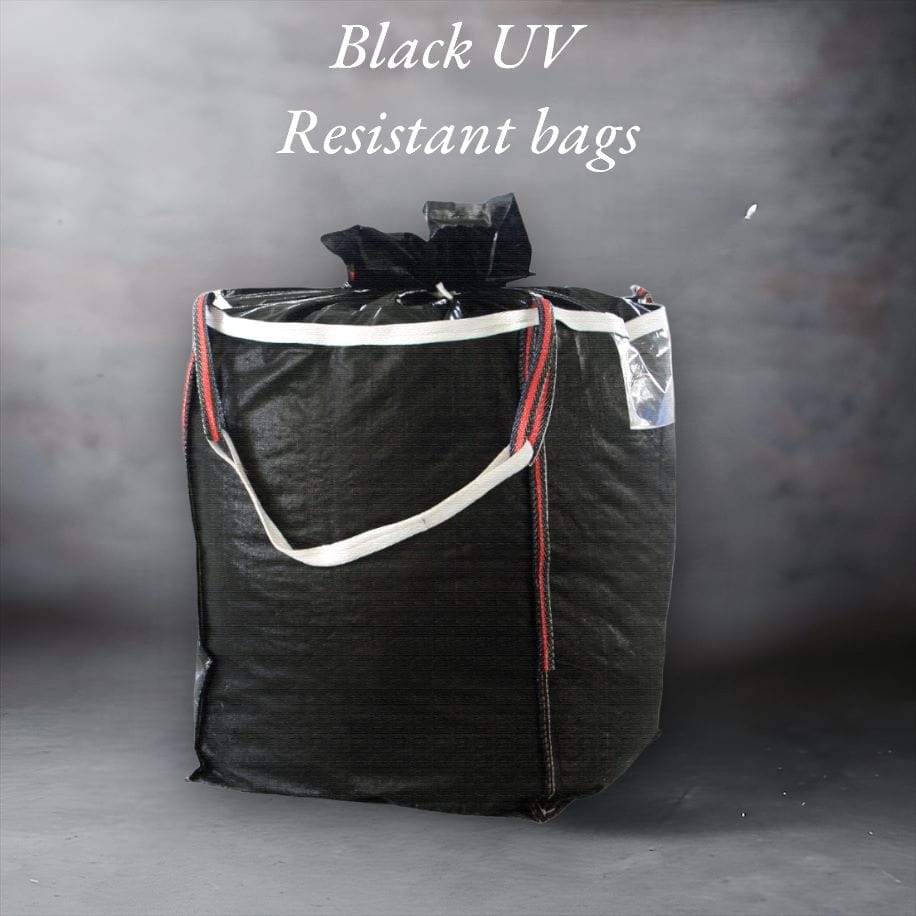 | FIBC Section Black Bags Black FIBC Bags – Enhanced UV Resistance & Extended Shelf Life UV exposure is one of the major challenges faced by the FIBC industry, as prolonged... |
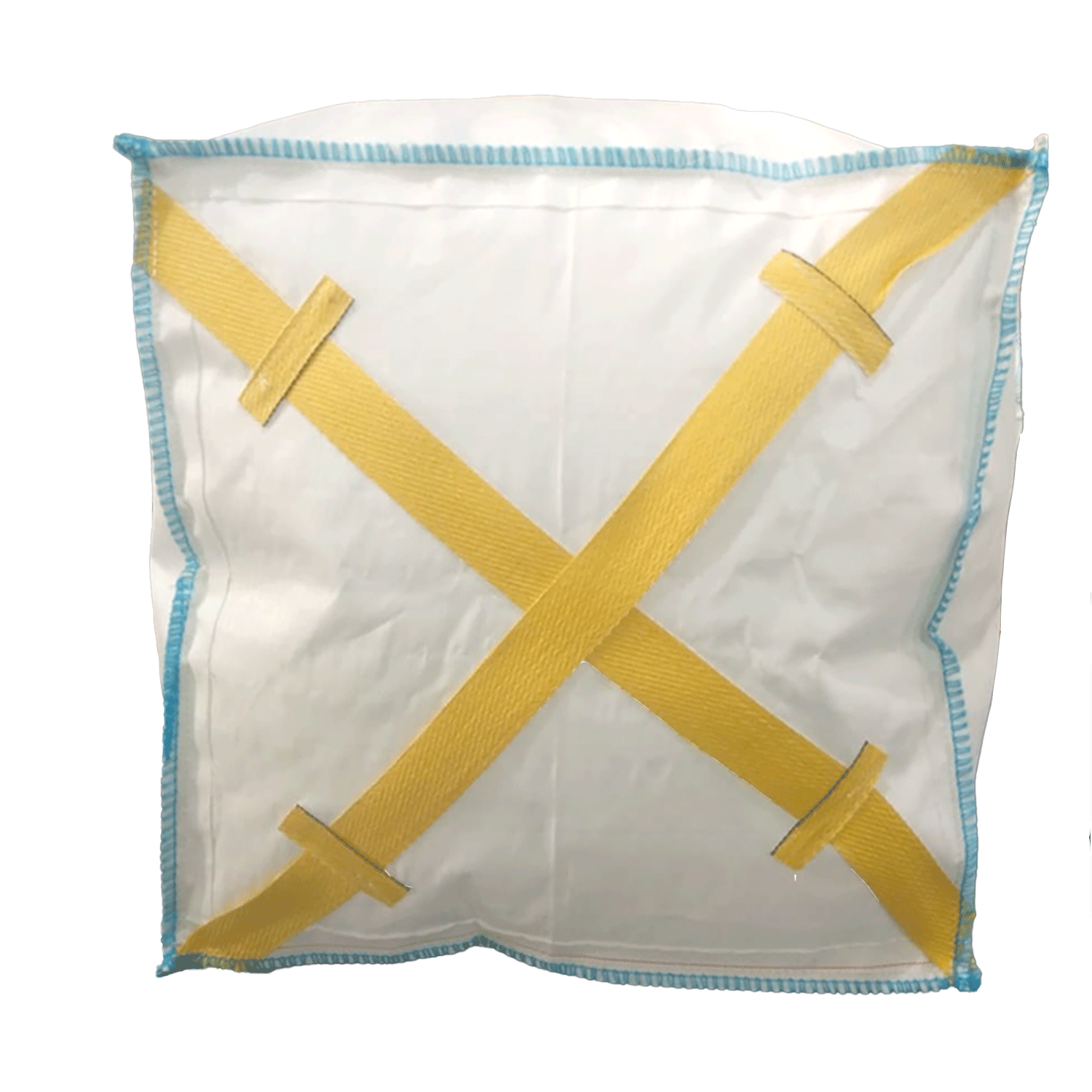 | FIBC Section Cross Bottom Sling Bags Cross Bottom Sling FIBCs – Bulk Bags Deccan Cans & Printers Pvt. Ltd. |
Frequently asked questions
Which minerals and construction materials are suitable for FIBCs?
FIBCs suit dry sand, gravel, limestone, cement, gypsum, powdered minerals, insulation and selected demolition waste. Check moisture, particle size, abrasiveness, temperature and dust before selecting the bag.
How do you calculate FIBC capacity from density and volume?
Multiply the material’s bulk density by the required volume to estimate the fill weight, then choose a rated capacity above that load. Account for settling, headspace and safe handling limits.
Which FIBC fabric, liner, filling and discharge design fits the material?
Select fabric weight and coating for abrasion and moisture, add a liner for fine or moisture-sensitive powders, and match filling and discharge spouts to the material’s flow and dust-control needs.
How should lifting loops and electrostatic controls match the jobsite?
Match loop construction to the lifting equipment and rated load. Use the correct electrostatic design for combustible dust, grounded filling systems and other ignition-control requirements.
What should you request and inspect before buying FIBCs in Houston?
Request the bag specification, safe working load, dimensions, fabric and liner details, discharge configuration, test documentation and handling instructions. Inspect seams, loops, spouts, liner fit, labels and visible damage on a sample.
Related products
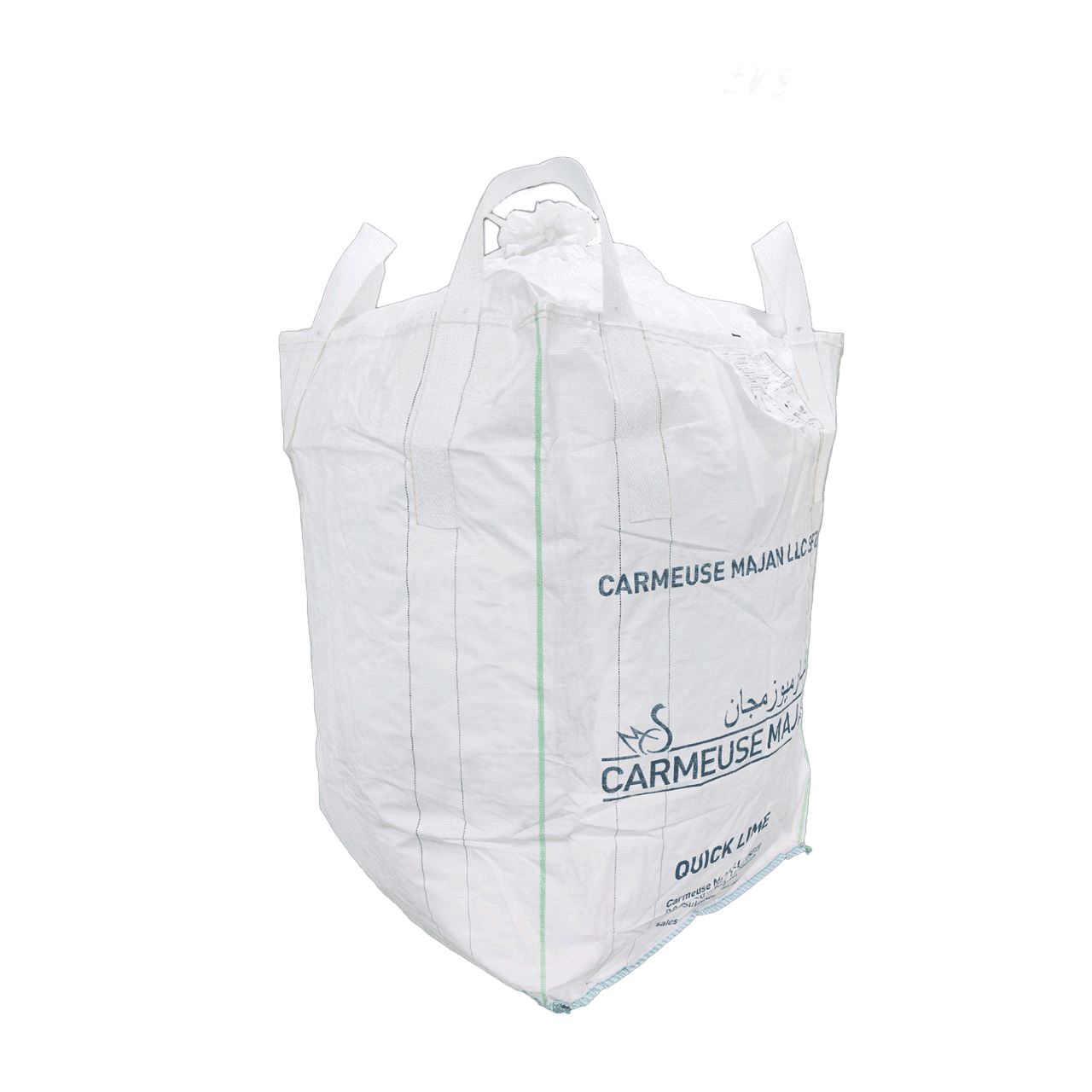 | FIBC Section Bags With Liners FIBC Liners – Bulk Bag Liners Deccan Cans & Printers Pvt. Ltd. |
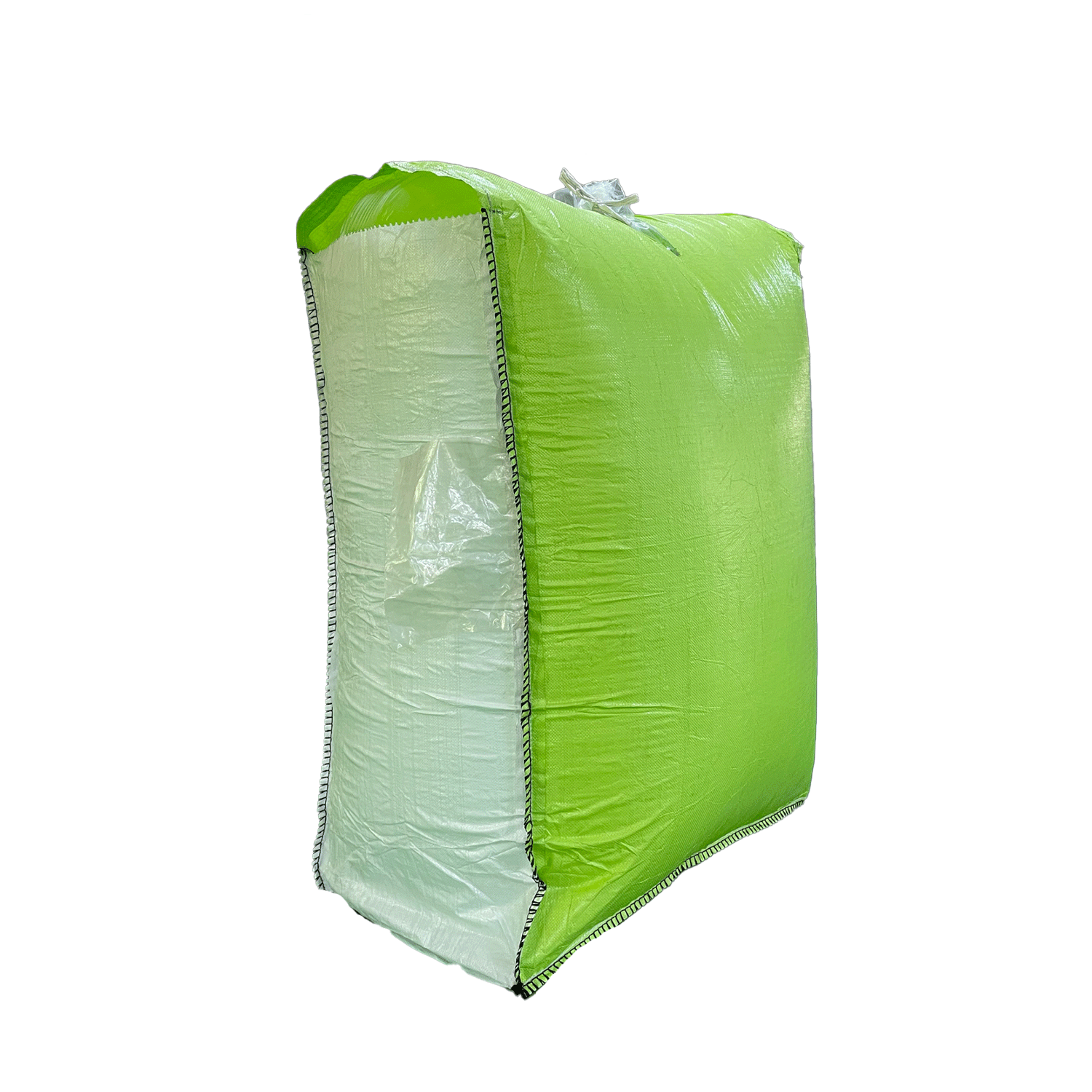 | FIBC Section Fertilizer Bag Range 1 & 2 Loop FIBC Bulk Bags Deccan Cans & Printers Pvt. Ltd. offers durable and cost-effective 1 & 2 Loop FIBC Bulk Bags, designed for the efficient... |
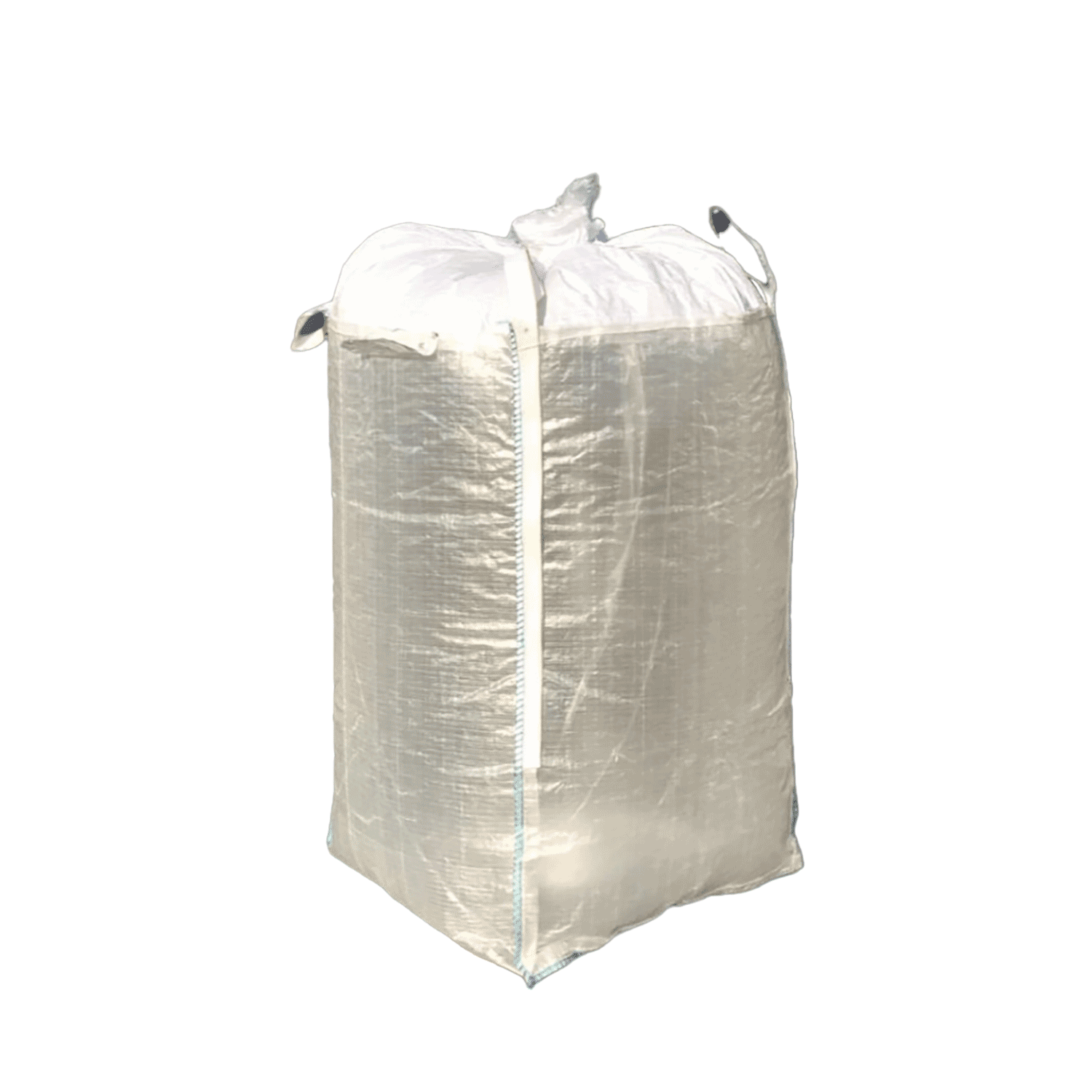 | FIBC Section Transparent Bags Transparent FIBCs – See-Through Bulk Bags Deccan Cans & Printers Pvt. Ltd. |
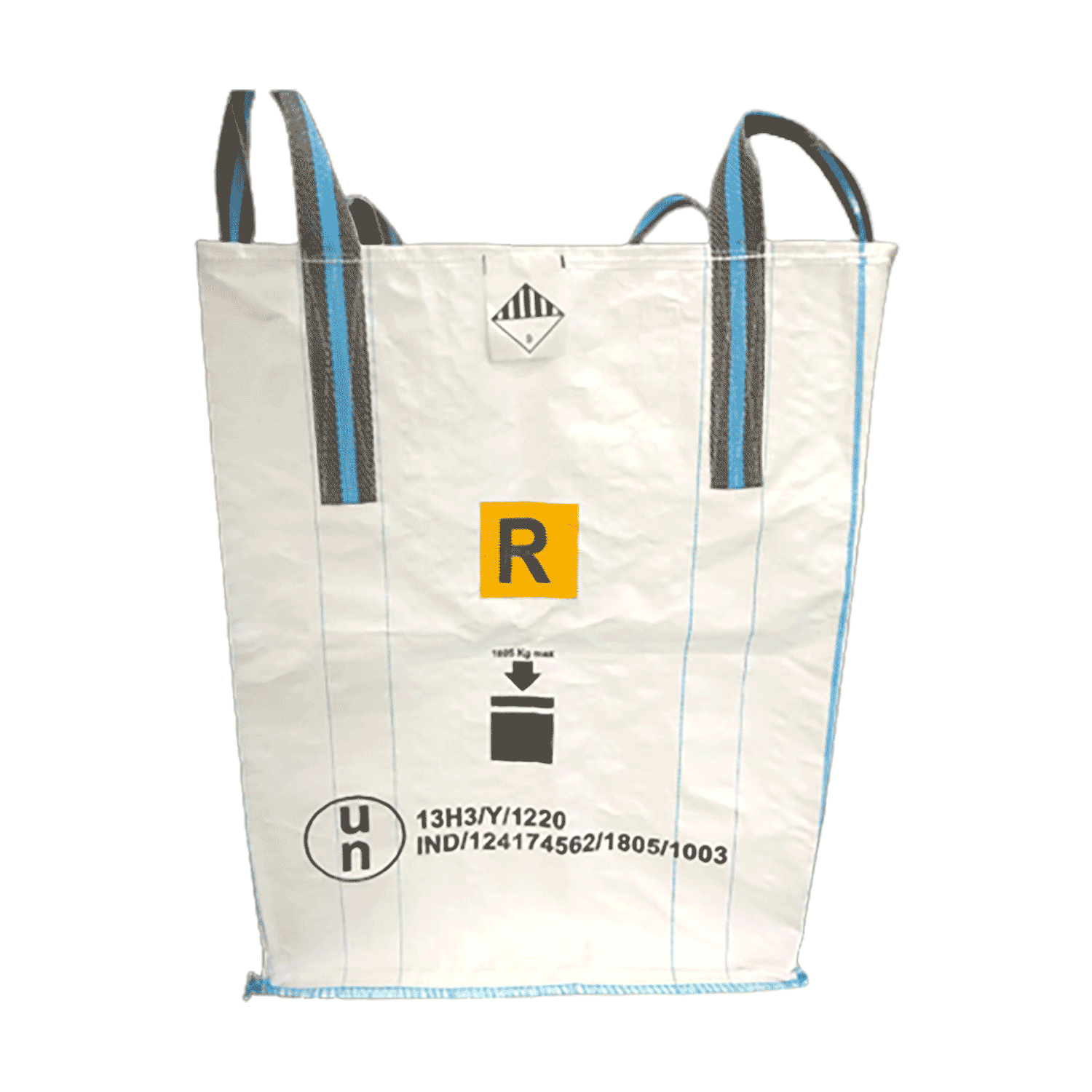 | FIBC Section Un Bags UN Certified Bulk Bags – Rigorous Performance Testing for Safety & Reliability Deccan UN Certified Bulk Bags are specially engineered for the safe... |