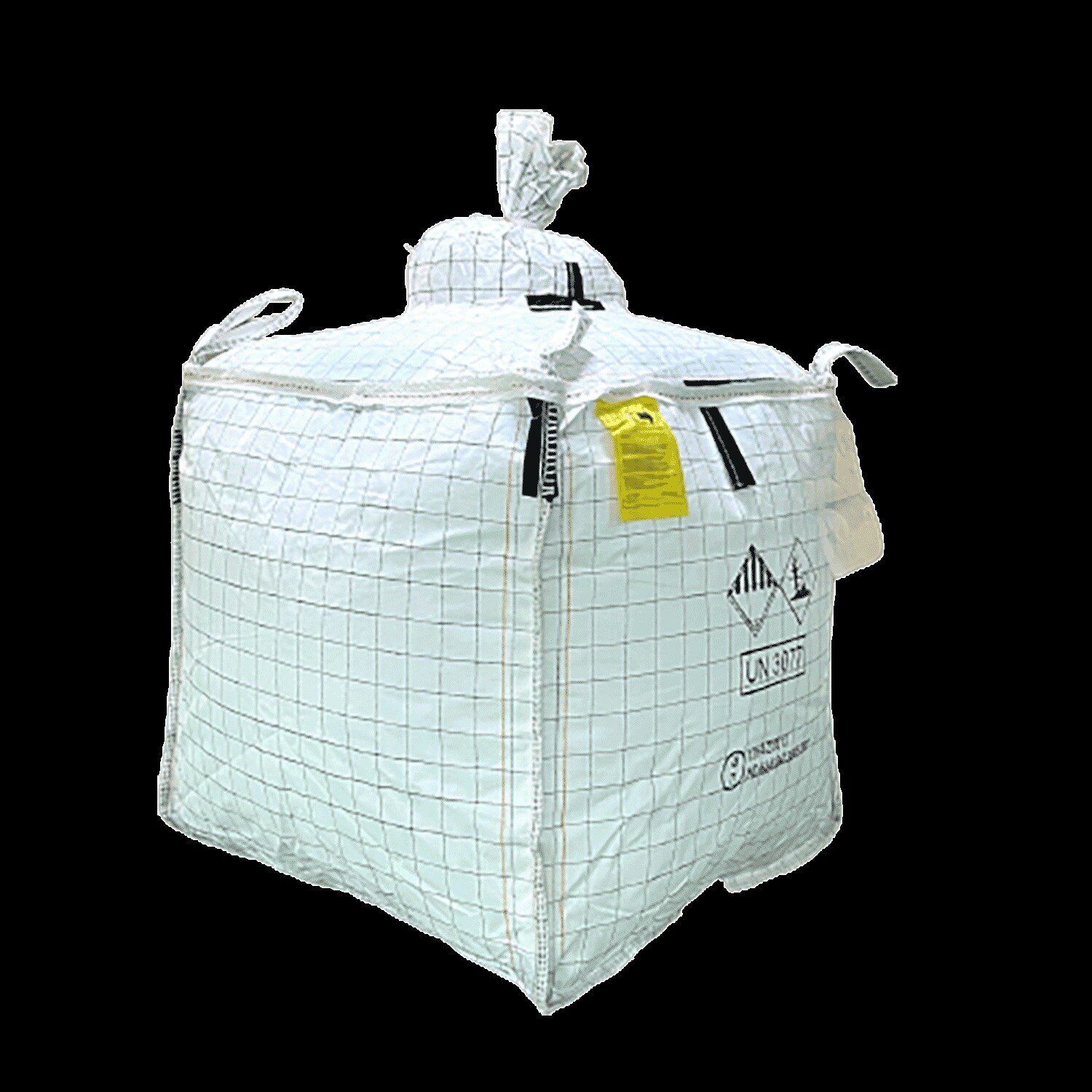
An international FIBC shipment can fail because the bag carries the wrong load, does not fit the container after filling, lacks the required electrostatic controls, or arrives with incomplete compliance records. By the end, you will be able to build a shipment-ready specification, check the documents and tests behind it, and identify the handling and transport conditions your supplier must design for.
Key takeaways
- Start with bulk density, flowability and the complete handling route.
- Match fabric, lifting loops and discharge design to your equipment.
- Specify electrostatic controls and moisture protection for the product risk.
- Verify documents, testing and filled-bag dimensions before export.
Build the FIBC specification around the load and handling method
A supplier needs the load profile and the complete handling route before designing a custom FIBC specification. “One-ton bag” is not enough: bulk density, flowability, filling pressure, discharge behaviour and handling equipment can change the design.
1. State the safe working load (SWL), target fill weight, commodity, bulk density and intended use. Identify whether the bag is single-trip or reusable; do not treat a 5:1 or 6:1 ratio as permission to carry five or six times the SWL. Specify the required design safety factor 5:1 6:1 FIBC bags must meet.
2. Describe filling and discharge equipment, including top inlet, bottom outlet, spout diameter and length, closure method, discharge clearance and any vibration or aeration. State whether operators use a forklift, crane, hoist or four-point lifting frame.
3. Provide the required bag dimensions, filled height, pallet footprint, container-door clearance, warehouse-rack limit and allowable size variation. Include lifting-loop geometry: one-loop, two-loop, four-loop, cross-corner-loop or sling-loop construction.
4. Define fabric weight, coating, seam construction, liner material and liner attachment. For powders, chemicals or flammable atmospheres, provide the minimum ignition energy, solvent-vapour conditions and required electrostatic type; a Type C bag also needs a verified grounding point and continuity procedure.
5. Identify export constraints, including ISO 21898 requirements, UN certification for dangerous goods and any destination-country rules. Specify whether pallets or timber dunnage are used, then require ISPM 15 treatment and marking for solid wood.
Match the bag construction to filling, lifting and discharge
A “1-ton bag” is not a usable design instruction. Specify the safe working load, design safety factor, filled dimensions, fabric weight, coating, seam construction, lifting method and the equipment that will fill, move and empty it.
| Configuration | Lifting and handling | When it fits |
|---|---|---|
| 1-loop FIBC | One central loop for a compatible crane hook or lifting frame | Dedicated lifting equipment and low-volume empty-bag storage |
| 2-loop FIBC | Two loops engaged by a lifting beam or suitable fork attachment | Controlled handling with fewer lifting points |
| four-loop FIBC | Four loops spread load across all corners | Forklift, crane or palletised handling requiring stable lifting |
| cross-corner-loop FIBC | Loops sewn into opposite corners for direct fork or beam engagement | Equipment that aligns with corner lifting points |
Match the top construction to the filler: use an open top for rapid loading, a filling spout for dust control, or a vented top when air must escape.
Match the bottom to discharge equipment with a plain base, discharge spout, tie closure or iris closure; confirm the spout diameter, length and clearance above the receiving vessel.
Specify seams that withstand the SWL and resist sifting, then confirm whether the woven polypropylene body needs a coating or a separate liner. A liner improves hygiene, moisture and powder retention, but secure its inlet and outlet so it cannot fold into the discharge spout and trap product.
Check the filled footprint, pallet fit, container-door clearance and allowable compression before approval.
Control electrostatic, moisture and product-compatibility risks
Choose fabric and barrier performance from the product’s failure risk, not from the phrase “waterproof FIBC.” Coated versus uncoated polypropylene fabric matters for liquid wetting and sift control, but coated fabric is not a moisture barrier.
For hygroscopic powders or moisture-sensitive granules, specify a liner or barrier laminate with a target water-vapour transmission rate (WVTR), oxygen transmission rate, or leakage limit.
Type A Type B Type C Type D FIBC comparison:
| Type | Electrical behaviour | Use condition |
|---|---|---|
| Type A | No intentional electrostatic control | Non-flammable products away from explosive atmospheres |
| Type B | Limits propagating brush discharges | Powders with low minimum ignition energy require further assessment |
| Type C | Conductive elements require bonding and grounding | Grounding Type C FIBC during filling and discharge |
| Type D | Dissipates charge without a separate ground connection | Where the complete bag specification and hazardous-area assessment permit it |
Confirm the powder’s minimum ignition energy, solvent vapour exposure, and equipment charging before selecting a type. For Type C, identify the earth connection, test continuity before each use, and stop operations if continuity is lost; a symbol or conductive thread alone proves nothing.
For chemicals, verify liner and coating compatibility against concentration, temperature, storage time, and permeation. For food and pharmaceutical materials, specify clean virgin-contact surfaces and assess the liner, coating, colour masterbatch, thread, ink, and recycled content against the intended rules, including Regulation (EU) No 10/2011 where applicable.
FIBC liner selection must also cover puncture resistance, attachment, static behaviour, gusset clearance, and complete discharge; a loose liner can collapse into the outlet and retain product.
Prove compliance before the bag enters international trade
A strong bag is not automatically an approved dangerous-goods package. Before release, match the UN approval to the exact FIBC design: bag type, fabric, liner status, closures, dimensions and maximum gross mass.
| Document or check | What it must confirm | Reject when |
|---|---|---|
| ISO 21898 FIBC | Construction and performance requirements for the specified bag | The supplier gives only a general quality claim |
| UN packaging certification | The tested design, packing group, UN mark and maximum gross mass | The certificate covers different dimensions or liner construction |
| UN packaging instruction | The authorised packaging method for the substance and packing group | The bag is used outside that instruction |
| Test report | Drop, top-lift, stacking and tear results for the supplied design | Fabric weight, loops, seams or closures changed after testing |
| 49 CFR 178.251 FIBC | U.S. performance requirements for covered flexible plastic FIBCs | A modified bag is treated as equivalent without evidence |
| ISPM 15 mark | Heat treatment or approved fumigation of solid-wood pallets, skids or dunnage | Timber is unmarked, untreated or undocumented |
Request the certificate, approval marking artwork, laboratory test report and product specification together. Check that the printed UN mark corresponds to the certificate, not merely to a similar model.
Add the commercial invoice, packing list, bill of lading or airway bill, safety data sheet, dangerous-goods declaration and the destination country’s import documents. For a Type C FIBC, require grounding instructions that identify the connection point and continuity check; a conductive thread or symbol alone proves nothing. Verify continuity before filling.
Design the filled-bag envelope for containers, pallets and port conditions
A bag that fits a container’s internal volume can still jam at the door or damage neighbouring loads. Specify maximum filled FIBC dimensions, including bulging and post-fill settling, with tolerances; then compare them with container door clearance, pallet footprint, forklift access, warehouse rack limits and the lifting path.
Use a loading drawing that shows:
- Filled bag width, length, height, top-loop position and discharge-spout clearance
- Pallet or skid dimensions, allowable overhang, stacking height and compression limit
- Container loading pattern, door opening, adjacent-bag contact and securing points
- Safe working load, design safety factor, filling pressure, discharge method and lifting equipment
- UV exposure during port delays, outdoor storage or customs holds, with a defined exposure period or retained-strength target
- ISPM 15 pallets and dunnage, including treatment marks for every solid-wood component
Do not read a 5:1 or 6:1 design safety factor as permission to carry five or six times the SWL. State whether the bag is single-trip or intended for reuse, because testing and service expectations differ.
Fill a representative bag to the specified product density, load it onto the actual pallet, and trial-load the container. Check door passage, loop accessibility, settled height, contact damage, restraint movement and discharge clearance after transport simulation or an actual route trial. Deccan Cans & Printers Pvt.
Ltd. can use these measured envelope limits to produce a bag that matches the shipment rather than its empty cut dimensions.
Related products
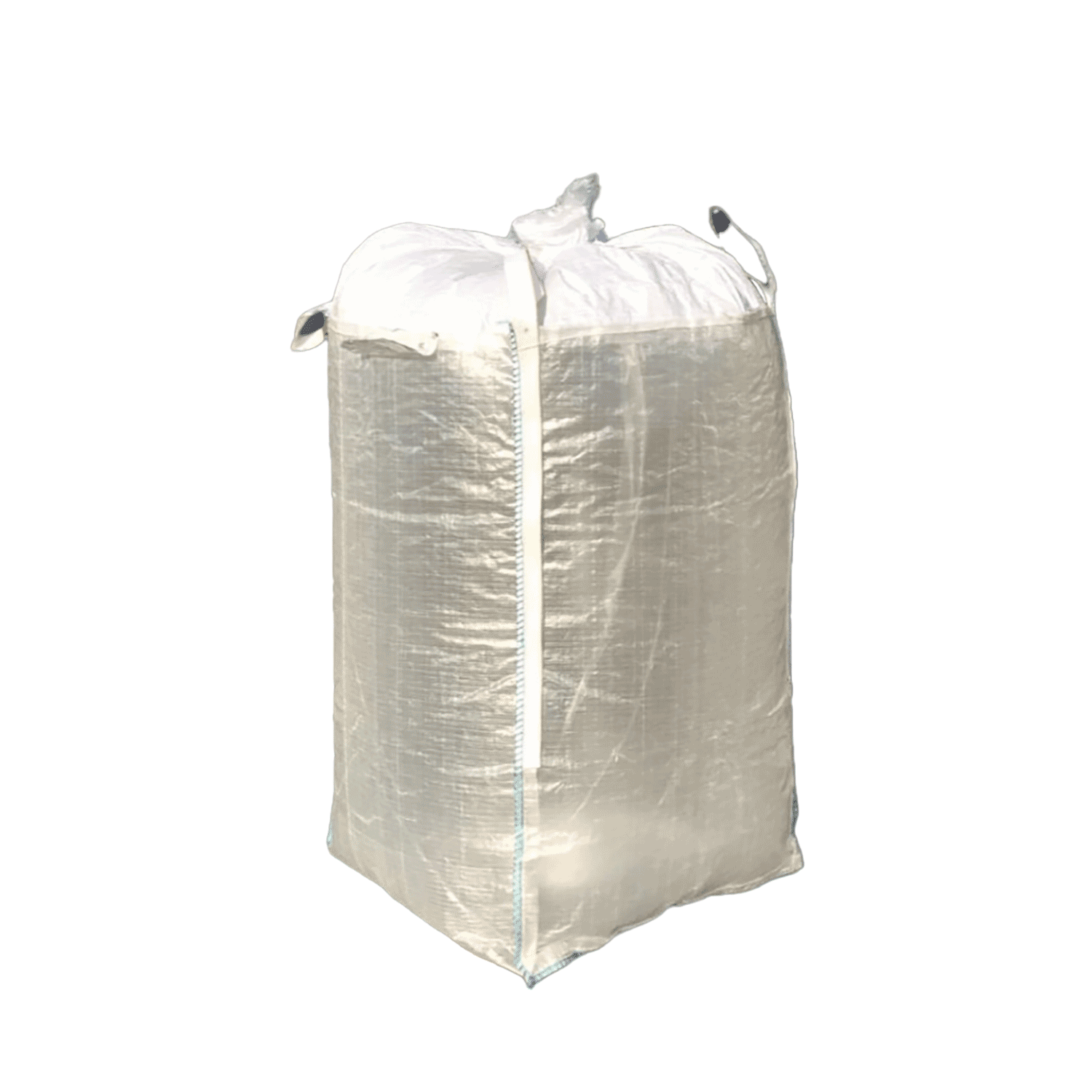 | FIBC Section Transparent Bags Transparent FIBCs – See-Through Bulk Bags Deccan Cans & Printers Pvt. Ltd. |
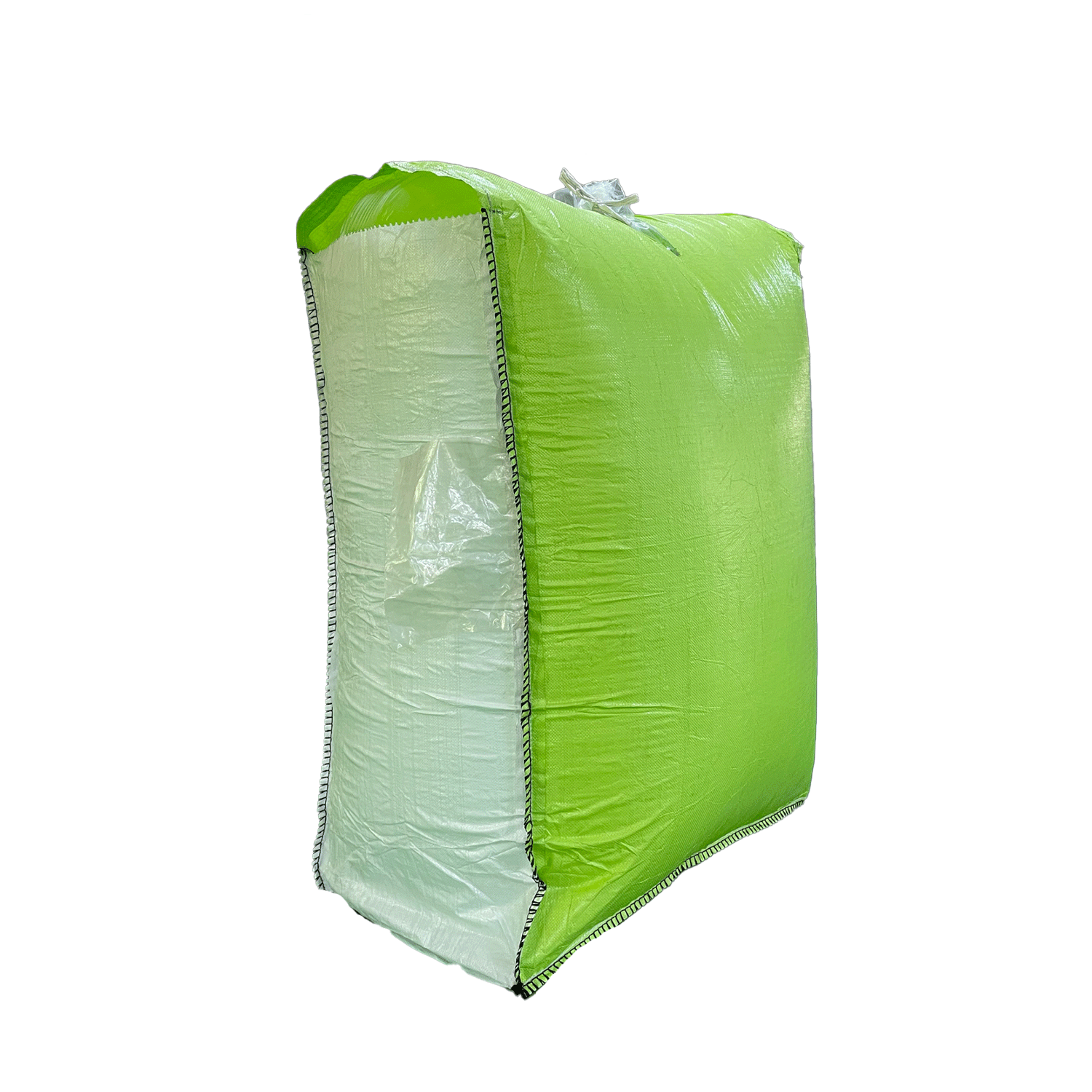 | FIBC Section Fertilizer Bag Range 1 & 2 Loop FIBC Bulk Bags Deccan Cans & Printers Pvt. Ltd. offers durable and cost-effective 1 & 2 Loop FIBC Bulk Bags, designed for the efficient... |
Frequently asked questions
What information is needed to specify a custom FIBC bag?
Provide the load profile and complete handling route, including bulk density, flowability, filling pressure, discharge behaviour and handling equipment.
How should FIBC construction match the handling process?
Choose the bag body, lifting loops, filling inlet and discharge outlet around how the bag will be filled, lifted, transported and emptied.
How can you control electrostatic, moisture and compatibility risks?
Select construction and protective features based on the product’s electrostatic hazard, moisture sensitivity and compatibility with the bag materials.
What should you verify before using FIBC bags in international trade?
Check the required compliance documents, test evidence and shipment specifications before the bags enter export service.
Why do filled-bag dimensions matter for international shipping?
Design the filled-bag envelope around pallet footprints, container capacity, stacking limits and port handling conditions.
Related products
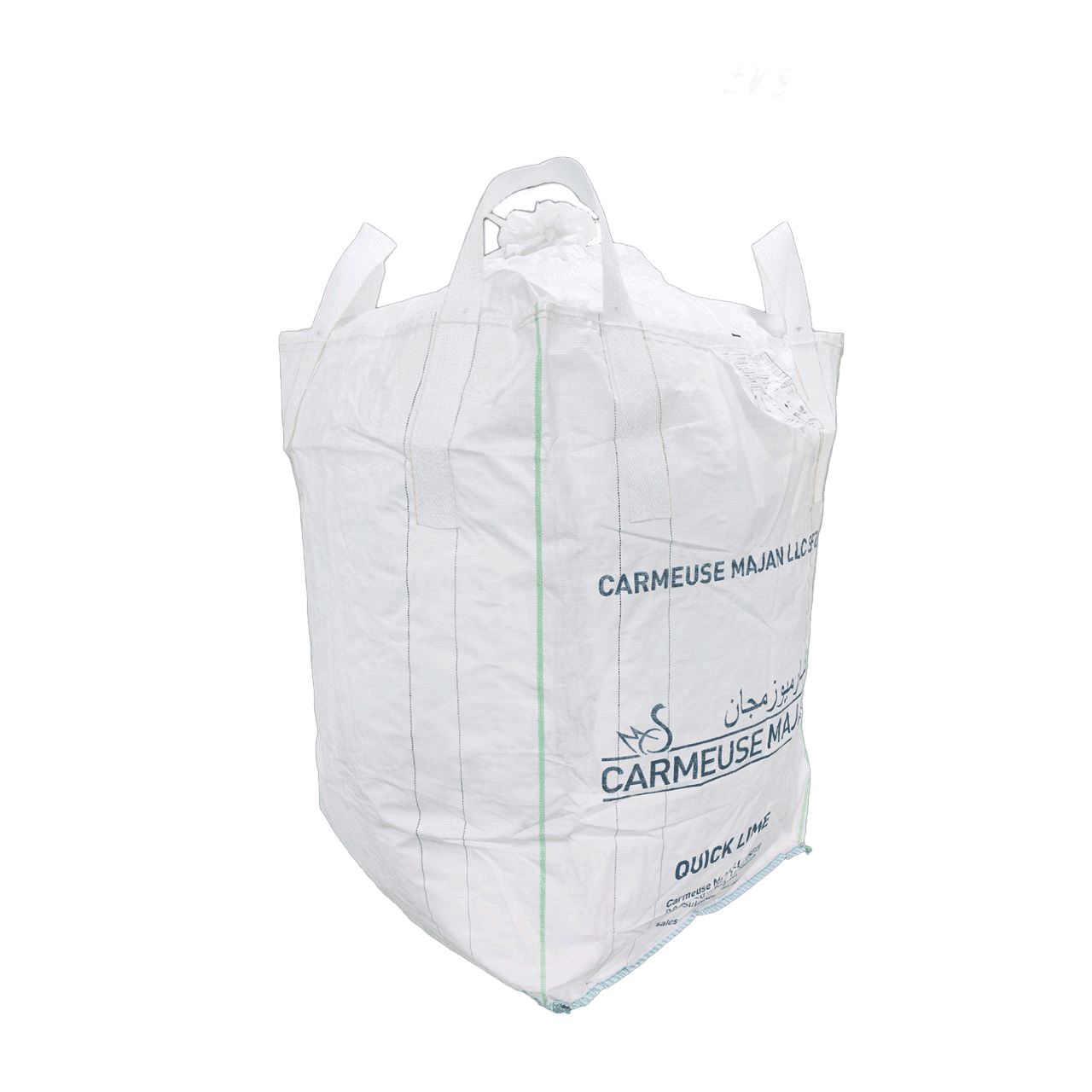 | FIBC Section Bags With Liners FIBC Liners – Bulk Bag Liners Deccan Cans & Printers Pvt. Ltd. |
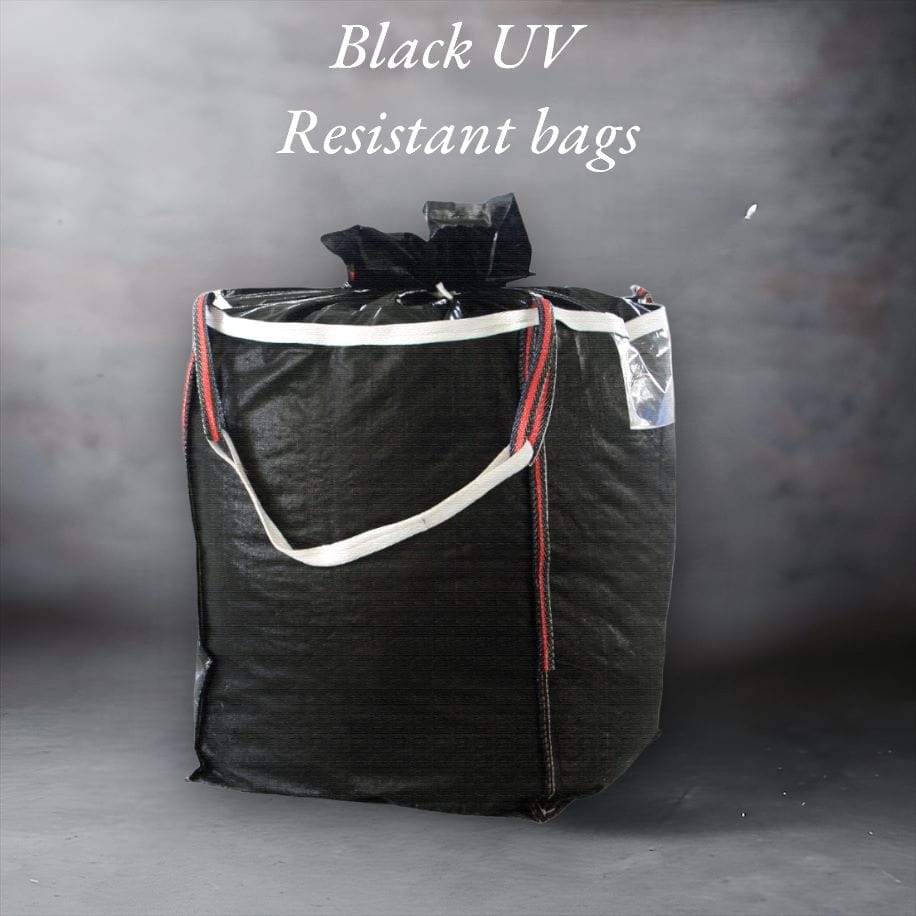 | FIBC Section Black Bags Black FIBC Bags – Enhanced UV Resistance & Extended Shelf Life UV exposure is one of the major challenges faced by the FIBC industry, as prolonged... |
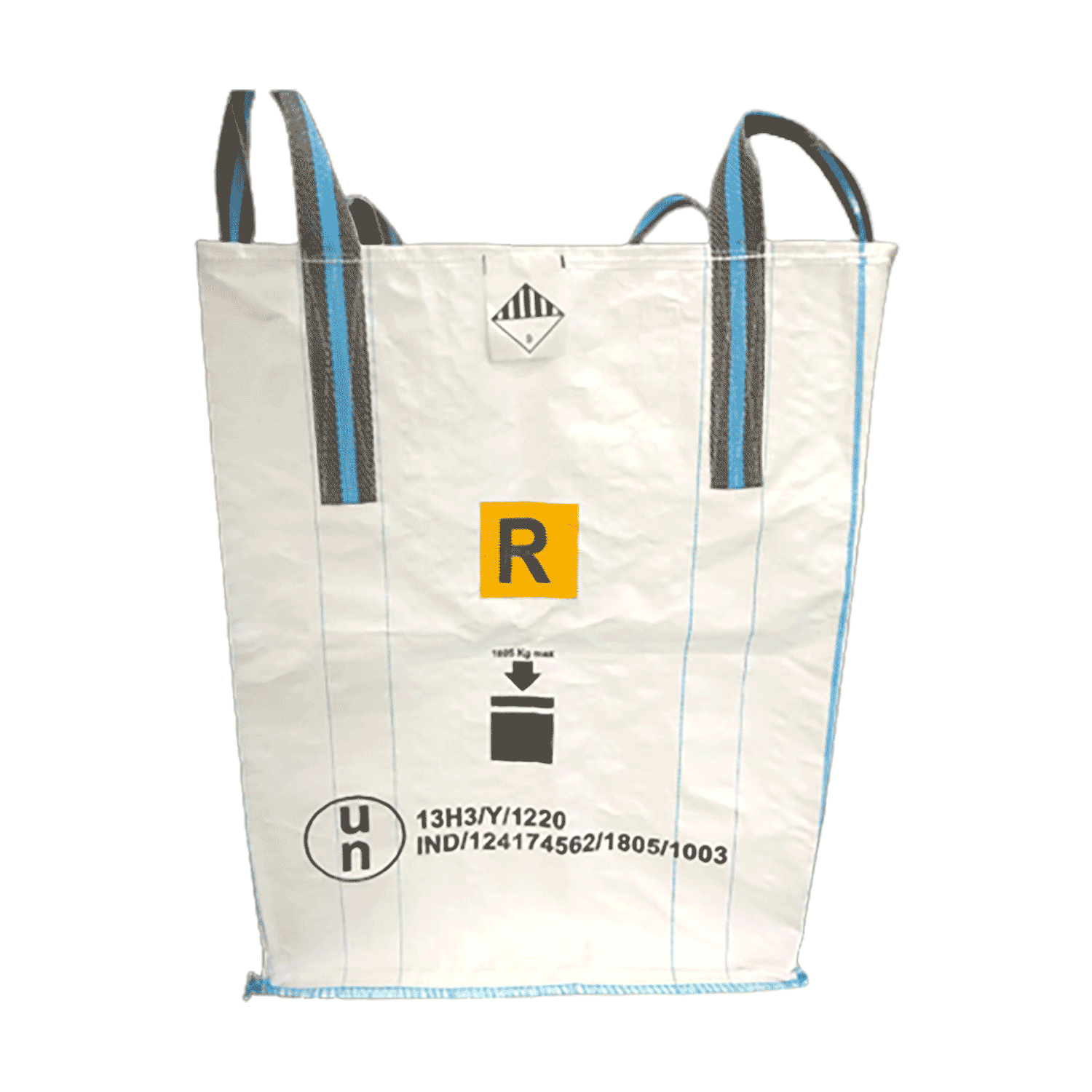 | FIBC Section Un Bags UN Certified Bulk Bags – Rigorous Performance Testing for Safety & Reliability Deccan UN Certified Bulk Bags are specially engineered for the safe... |
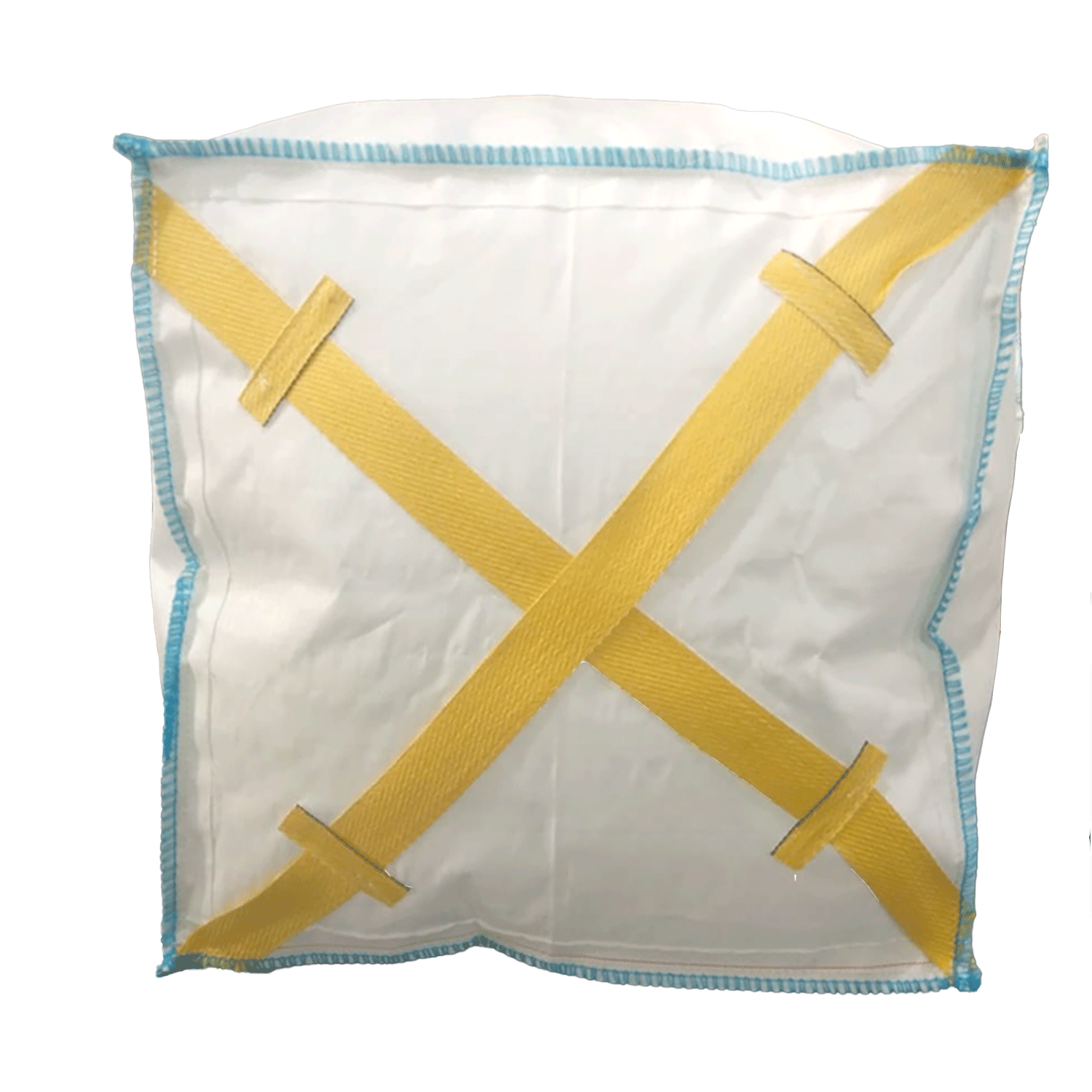 | FIBC Section Cross Bottom Sling Bags Cross Bottom Sling FIBCs – Bulk Bags Deccan Cans & Printers Pvt. Ltd. |