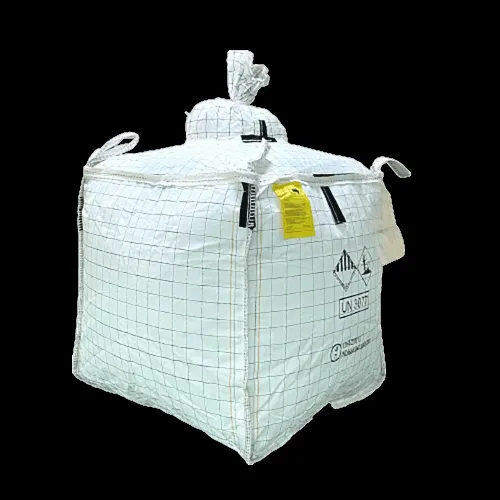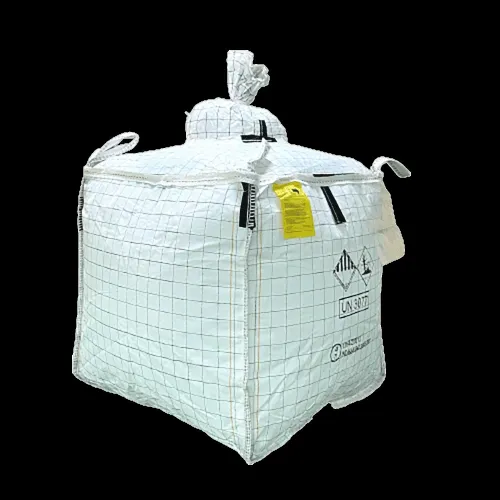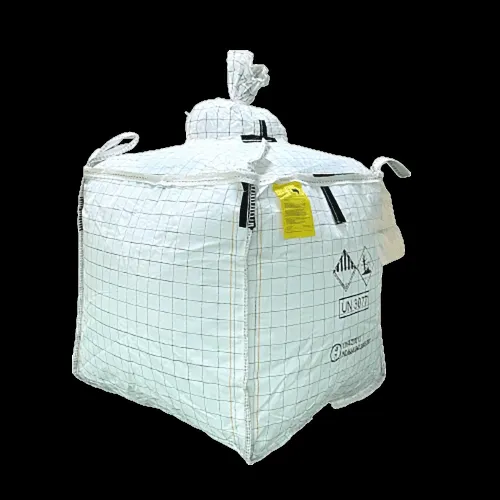

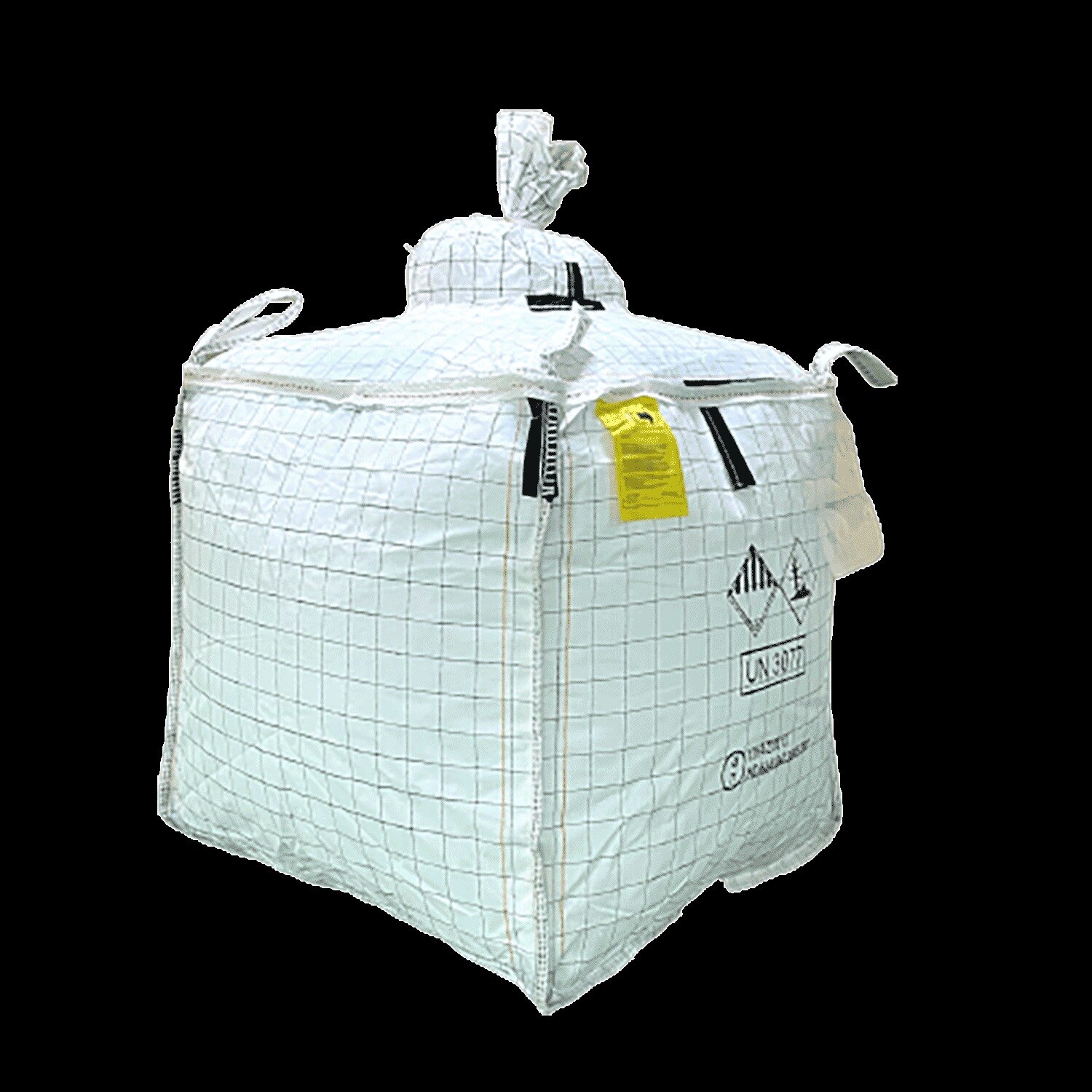
A suitable FIBC starts with the material and handling process, not the bag’s nominal length, width, and height. By the end, you will be able to calculate the required capacity, define the construction and lifting details, and compare supplier evidence before placing a custom order in Pune.
Key takeaways
- Calculate working capacity from product density, not bag volume alone.
- Specify fabric, liner, seams, loops, discharge points, and safety factor before pricing.
- Match loop design and lifting method to your forklifts, cranes, and stacking plan.
- Request test reports, compliance documents, and a production sample before approval.
Choose the FIBC from the material and required capacity
Choose the bag from the product first, then calculate its working capacity. Polypropylene woven fabric suits many dry products, while a laminated coating or polyethylene liner adds protection against leakage and moisture. Choose powders and granules bulk bags with sift-proof seams when fine particles could escape during filling, transport, or discharge.
Calculate required volume by dividing target product mass by bulk density:
FIBC capacity calculation = target mass ÷ bulk density
Allow headspace for safe filling and product movement. A bag that holds the calculated volume can still be overloaded because safe working load (SWL) means the maximum gross lifting load: product mass plus bag tare. State the product bulk density, target fill mass, bag tare, SWL, and safety factor in the design brief.
Common 5:1 and 6:1 factors do not alone make a bag reusable.
| Product or condition | Suitable design direction | Check before approval |
|---|---|---|
| Fine powder | Liner or coated fabric, sift-proof seams, controlled discharge | Leakage, aeration, and liner compatibility |
| Free-flowing granules | Uncoated woven polypropylene with a suitable outlet | Flow rate and residual material |
| Outdoor or sunlit storage | UV-stabilised fabric, cover, and floor clearance | Maximum exposure period and condensation controls |
| Flammable dust or vapour | Specified Type B, C, or D electrostatic design | Grounding procedure or approved material system |
For custom FIBC bags in Pune, provide bag length, width, height, filling method, discharge method, stacking pattern, and lifting equipment. Do not select by nominal dimensions alone; confirm the filled bag’s shape, centre of gravity, and gross weight.
Build a complete technical specification before requesting prices
A quotation is comparable only when every supplier prices the same load, construction, and handling method. State product bulk density, target fill mass, bag tare, safe working load as the maximum gross lifting load, and the required safety factor; otherwise a bag can fit dimensionally yet fail when lifted.
Request these fields in one written specification:
- Finished length, width, height, dimensional tolerances, and bag capacity.
- FIBC fabric weight, woven construction, seam type, and whether the body uses coated polypropylene fabric.
- Bag type, four-loop or cross-corner loop arrangement, loop length, spacing, and lifting method.
- Top construction: open, duffle, flap, or filling spout; bottom construction: plain, discharge spout, or full-open.
- Liner material, thickness, fit, tie or weld closure, sift-proof seams, and the product-contact requirement.
- Closure details, print, labels, batch marking, UV stabilisation, and covered-storage instructions.
- Sampling plan and acceptance limits for dimensions, fabric, seams, appearance, and weight.
- Required tests: seam strength, top-lift, drop, topple, compression, and stacking.
Electrostatic class changes the operating procedure, so do not write only “antistatic.”
| Class | Operating requirement | Quotation wording |
|---|---|---|
| Type A | No electrostatic control | Exclude flammable dust, gas, and vapour hazards |
| Type B | Limits propagating brush-discharge energy | State compatible product and atmosphere |
| Type C | Must be grounded during filling and discharge | Specify grounding point and procedure |
| Type D | Dissipates charge without grounding | Identify the approved material system |
For dangerous goods, add the UN packaging code, maximum gross mass, tested filling material or compatibility basis, packing group, and required closure.
Match loops, lifting equipment, and stacking to the handling route
Choose the lifting interface from the equipment that will touch the bag, not from its appearance. FIBC lifting loops must match the rated hooks, tines, slings, and clearances used along the route.
A standard four-loop bag must not be lifted with forklift tines or fewer than four loops unless that construction was specifically designed and tested for it.
- Crane lifting: specify four-corner or cross-corner loops, rated slings, and a sling angle that keeps loads vertical. Confirm loop spacing and loop length so hooks do not pull the fabric inward or twist the bag.
- Forklift handling bags: use reinforced sleeves or forklift-compatible tunnels that allow both tines to enter fully. Keep the load centred; partial tine entry can tip the bag or tear its base.
- Pallet handling: match the bag base to the pallet footprint and keep loops outside pinch points. Define the FIBC stacking pattern, maximum tiers, and whether the pallet supports the complete base.
- Manual operations: choose accessible sleeve lifts or handling features that avoid workers carrying the full gross load. Do not treat a loop as a handhold unless its design permits manual handling.
State the safe working load as the maximum gross lifting mass, including product, liner, and bag tare. Require top-lift and topple testing for the planned route, then inspect loops and seams after trial lifts; dimensions alone will not reveal a loop failure.
Specify protection features for moisture, static, sunlight, and contamination
A polyethylene liner is the first choice for fine powders that sift through woven polypropylene or need protection from incidental moisture. Specify gauge, fit, open or heat-sealed construction, closure method, and pinhole or seam testing; FIBC liners are not automatically hermetic moisture barriers.
- Add a coating when you need extra resistance to surface moisture or powder migration without a separate liner. State the coating material and coverage, then confirm that filling and discharge remain practical.
- Specify sift-proof seams for fine, dusty products. Ask for sewn-seam construction, seam tape, or an equivalent tested design; ordinary stitching can leak during handling.
- Choose baffle bags when a squarer footprint will improve pallet stability or vehicle utilisation. Trial the actual product because internal baffles can slow flow and trap residue, and they do not increase SWL.
- Add electrostatic control for combustible powders, flammable atmospheres, or processes that generate charge. Type C and Type D FIBC have different controls: Type C requires verified grounding during filling and discharge, while Type D uses an approved dissipative material system without a grounding connection. “Antistatic” alone is not a sufficient specification.
- Use UV stabilisation when bags could sit in sunlit yards or outdoors near Pune. Also specify covered storage, maximum exposure time, floor clearance, and palletisation because sunlight, rain, and condensation can damage fabric, seams, labels, and product cleanliness.
- Add a discharge spout when you need controlled, low-dust emptying into a hopper or mixer. Match its diameter, closure, and length to the receiving equipment; a narrow outlet can bridge or restrict flow.
A grounding procedure does not remove combustible-dust ignition risk. Assess the powder, equipment, hazardous-area classification, and operator controls together.
Verify testing, compliance, and supplier capability in Pune
Approve the supplier only after you can connect the quoted design to test evidence, production controls, and the actual material you will fill. An ISO 21898 FIBC reference on a quotation is not proof that your specific dimensions, seams, loops, and closures were tested.
1. Request the design drawing, specification sheet, and applicable ISO 21898 FIBC test report. Check the stated SWL, safety factor, fabric construction, seam strength, lifting configuration, and test sample description. Confirm that SWL means the complete filled bag’s gross lifting load, including product and tare.
2. Ask for a recent FIBC quality inspection report and a sample batch certificate. It should identify fabric lot, bag dimensions, weight, loop and seam checks, liner or coating details, closure inspection, test results, and release approval. Match the batch number on documents to the bags delivered.
3. For hazardous goods, request UN-certified bulk bags with the UN design type, certificate, test laboratory, tested filling material or equivalent classification, and permitted gross mass. A generic UN claim is not enough.
4. For food or pharmaceutical use, demand food-grade FIBC compliance covering the finished bag, liner, ink, thread, coating, and closures. Request the declaration of compliance, migration or extractables evidence, hygiene controls, traceability, and change-control procedure.
5. Audit production capability in Pune through retained samples, calibration records, operator inspection methods, and corrective-action records. Deccan Cans & Printers Pvt. Ltd. should be assessed on the same evidence, not on product photographs.
Approve the production batch only after a pre-shipment sample passes your agreed inspection and filling trial. Record defects that reject bags, such as broken stitching, damaged loops, contamination, liner leaks, wrong labels, or dimensions outside tolerance.
Related products
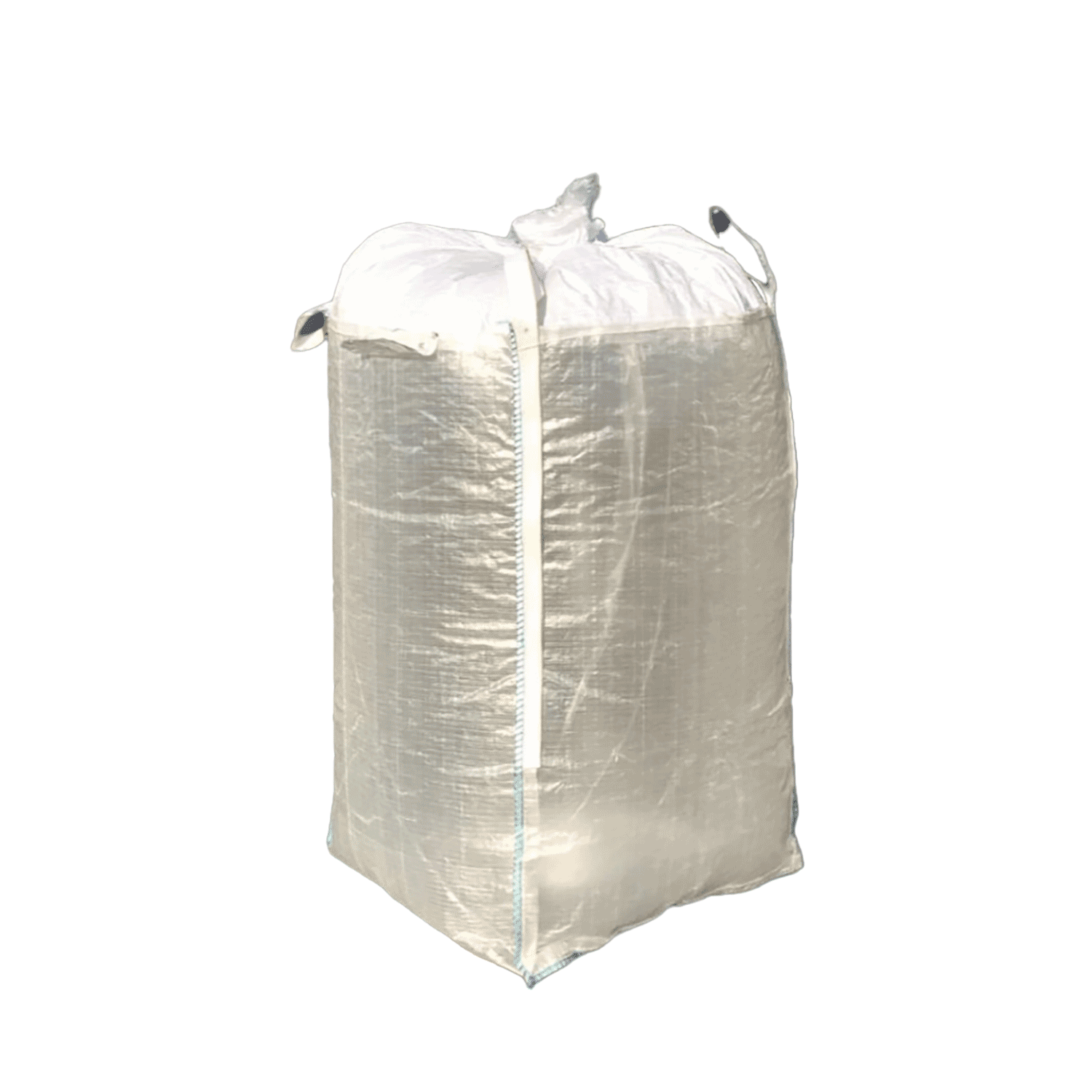 | FIBC Section Transparent Bags Transparent FIBCs – See-Through Bulk Bags Deccan Cans & Printers Pvt. Ltd. |
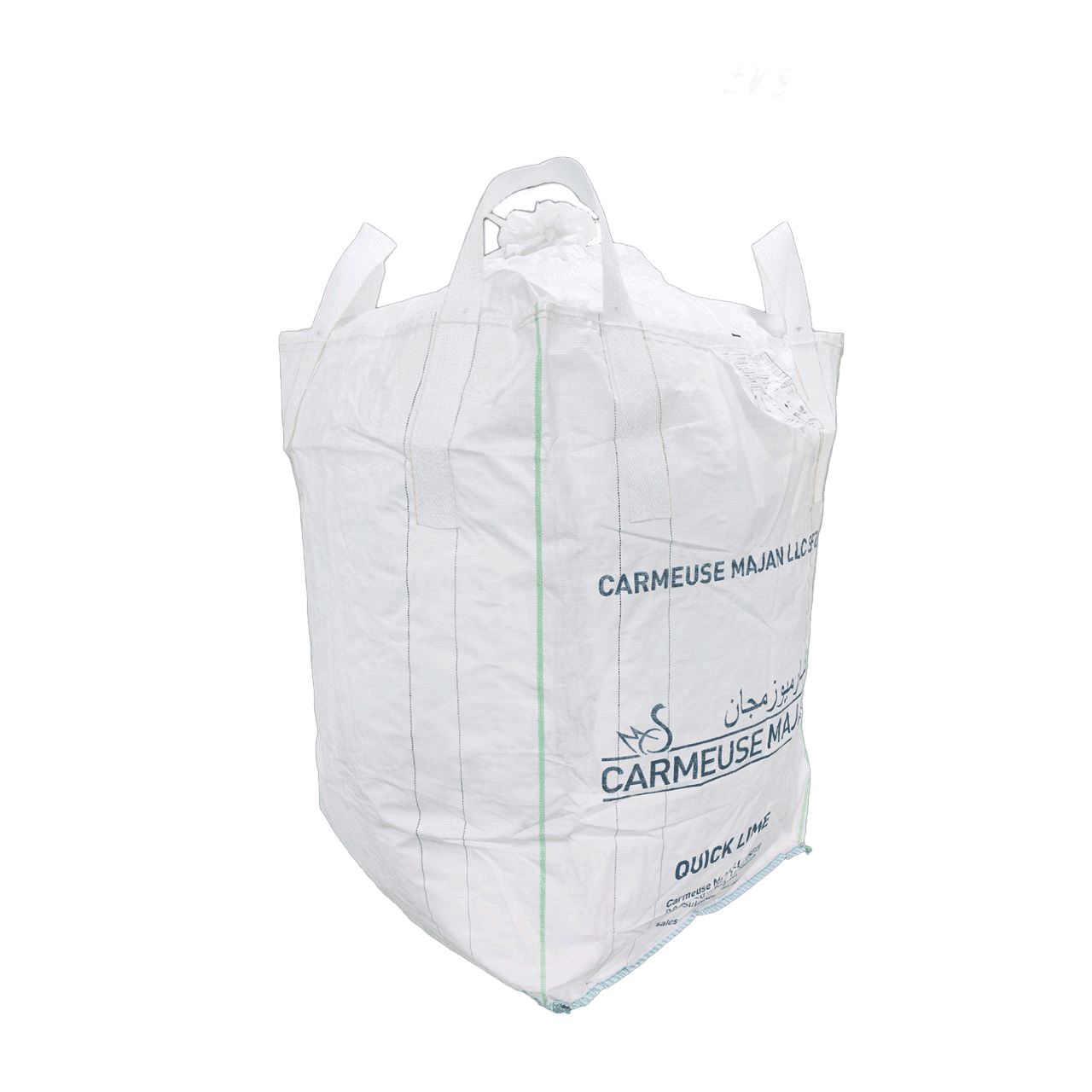 | FIBC Section Bags With Liners FIBC Liners – Bulk Bag Liners Deccan Cans & Printers Pvt. Ltd. |
Frequently asked questions
How do you choose the right FIBC material and capacity?
Start with the product’s density, particle size, flow behaviour, and required working capacity. Polypropylene woven fabric suits many dry products; laminated fabric or a polyethylene liner adds moisture and leakage protection.
What technical details should you include when requesting FIBC prices?
State the bag dimensions, safe working load, safety factor, fabric construction, top and bottom design, liner, seams, loops, closures, printing, and required quantity.
How should FIBC loops match handling equipment?
Select loop construction for the equipment and route: forklift sleeves for fork handling, four corner loops for suitable lifting frames, and loop placement that keeps the filled bag stable during movement and stacking.
What FIBC protection features address moisture, static, sunlight, and contamination?
Use laminated fabric or a polyethylene liner for moisture, an appropriate antistatic or conductive design for static hazards, UV stabilisation for prolonged sunlight, and sift-proof seams or clean manufacturing controls for contamination risks.
What should you verify from an FIBC supplier in Pune?
Ask for material specifications, safe working load and safety-factor details, test reports, batch traceability, compliance documents, sample approval records, and evidence that the supplier can meet your required dimensions and volumes.
Related products
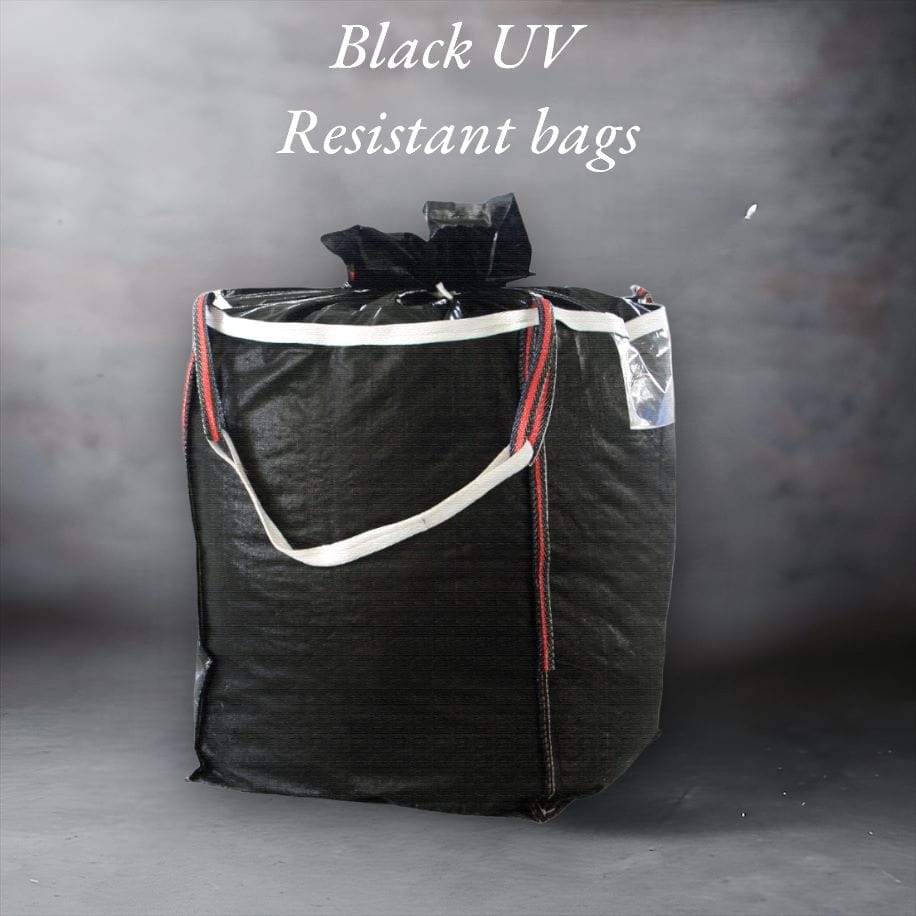 | FIBC Section Black Bags Black FIBC Bags – Enhanced UV Resistance & Extended Shelf Life UV exposure is one of the major challenges faced by the FIBC industry, as prolonged... |
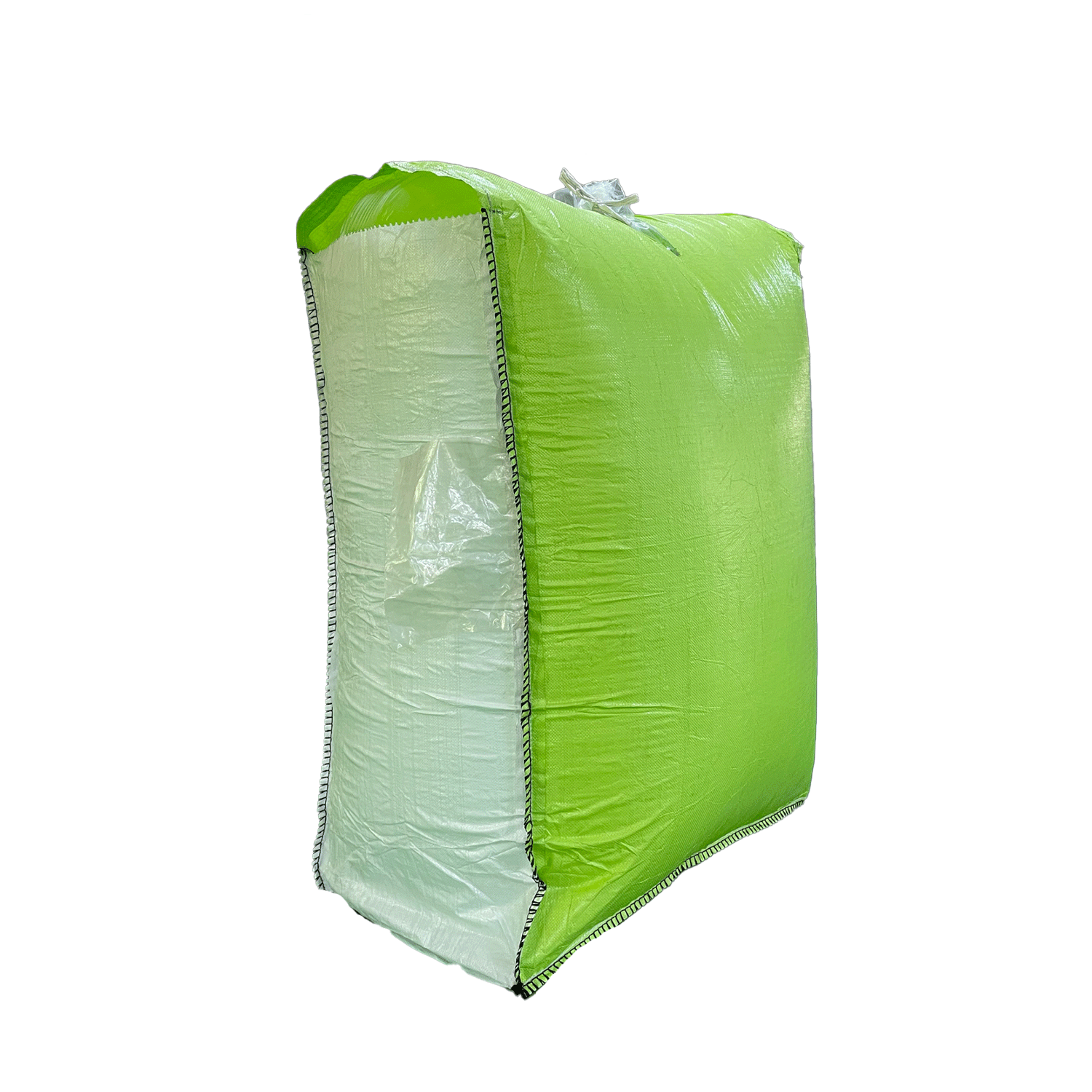 | FIBC Section Fertilizer Bag Range 1 & 2 Loop FIBC Bulk Bags Deccan Cans & Printers Pvt. Ltd. offers durable and cost-effective 1 & 2 Loop FIBC Bulk Bags, designed for the efficient... |
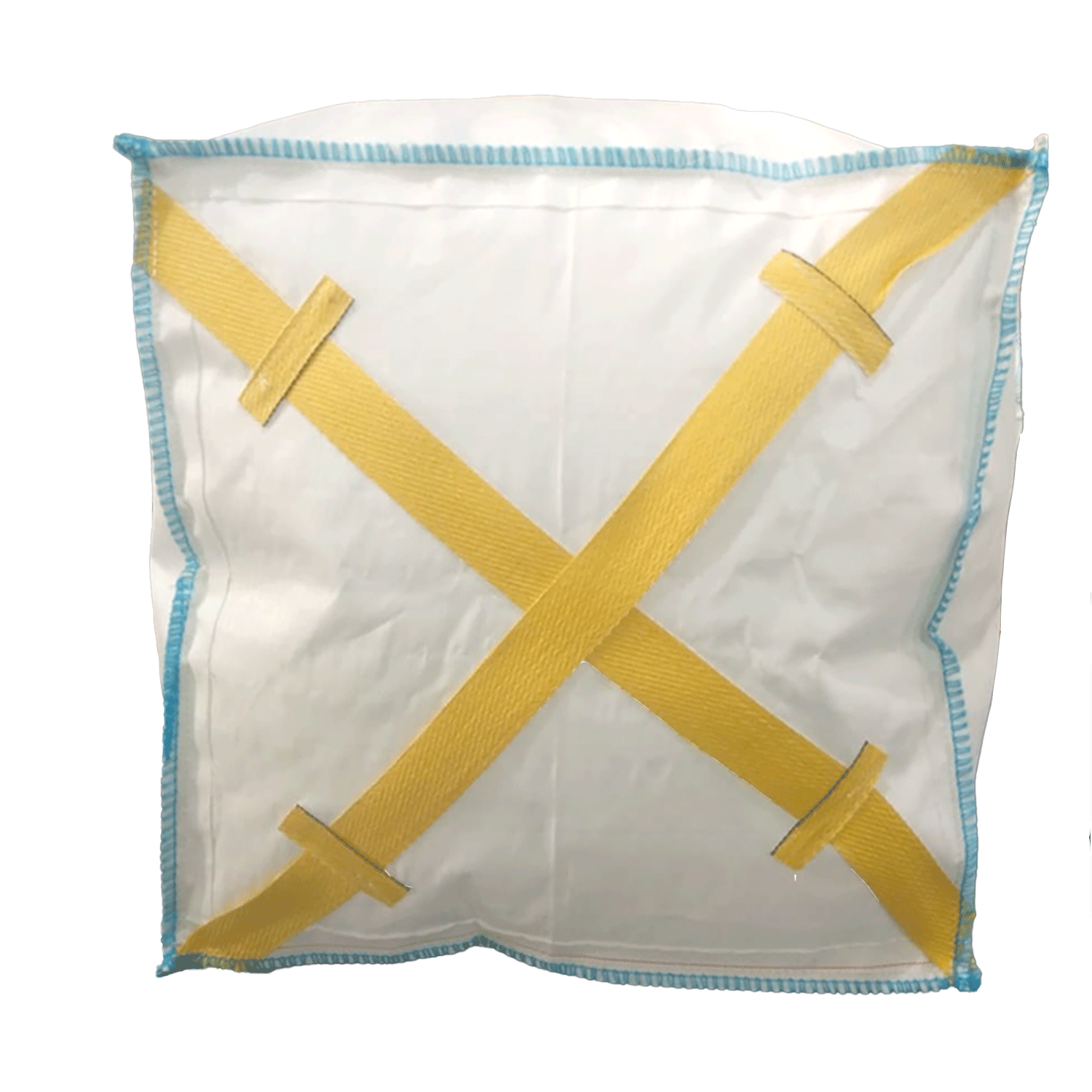 | FIBC Section Cross Bottom Sling Bags Cross Bottom Sling FIBCs – Bulk Bags Deccan Cans & Printers Pvt. Ltd. |
 | FIBC Section Polyester Loop Bags/Multifilament Loops Polyester / Multifilament Loop FIBC Bags Deccan Cans & Printers Pvt. Ltd. |