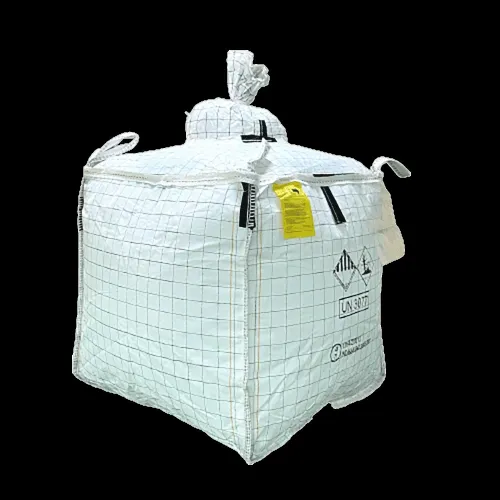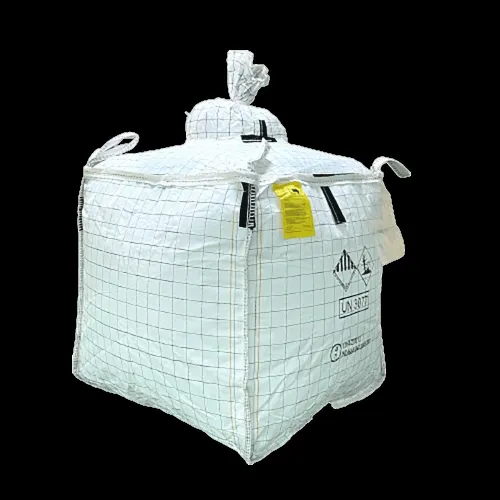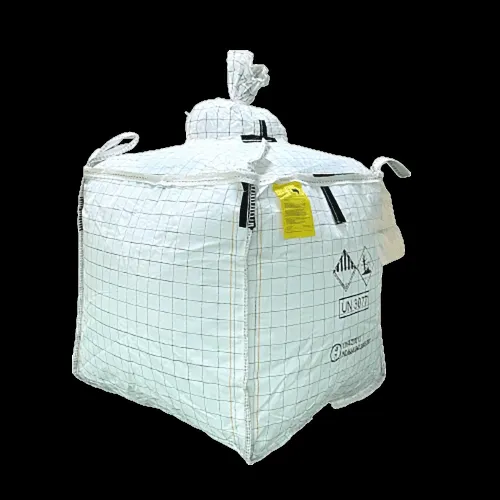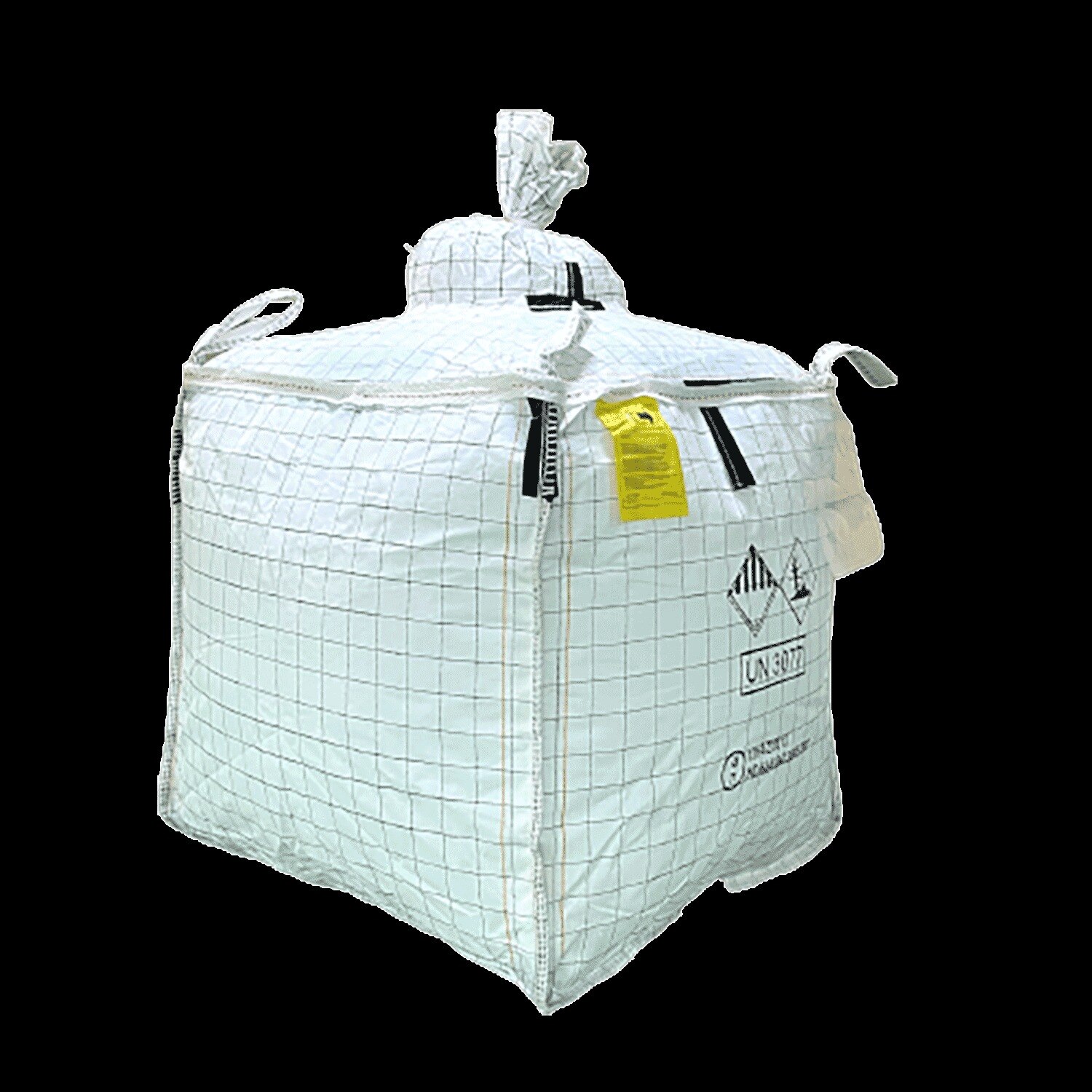
Choosing an FIBC by volume alone can leave you with an overloaded bag, incompatible lifting loops, uncontrolled discharge or inadequate moisture protection during Pune’s monsoon season. By the end, you will be able to match the bag’s SWL, construction, lifting arrangement and storage controls to your material and handling system.
Key takeaways
- Calculate bag capacity from bulk density and target mass.
- Match loop design to your forklift or lifting frame.
- Inspect seams, loops, liners and UV damage before use.
- Specify fabric, liner and static protection together.
Choose Capacity from Bulk Density, Not Bag Volume
A 1,000-litre bag does not automatically carry 1,000 kg. Calculate the product’s target mass from its bulk density, then allow headspace so filling does not distort the seams or prevent closure.
A powder at 0.5 kg/L weighs about 500 kg at 1,000 litres; a product at 0.9 kg/L weighs about 900 kg in the same space.
| Selection figure | What to calculate | Why it matters |
|---|---|---|
| FIBC capacity | Target mass ÷ bulk density, plus filling headspace | Prevents overfilling and poor closure |
| Gross load | Product, liner, pallet or attachments, and packaging | Gives the actual lifting load |
| Safe working load | Choose an SWL above the gross load and confirm the manufacturer’s test basis | Protects fabric, seams and loops during handling |
Do not treat the bag’s nominal volume as its payload rating. Confirm the safe working load, or SWL for bulk bags, on the specification sheet; SWL is the permitted working load, while the safety factor is the tested strength margin behind that rating.
Repeated lifting, impact and reuse reduce confidence even when the first lift succeeds.
For repeat orders, tie the industrial FIBC bags to a controlled drawing or data sheet stating dimensions, fabric, SWL, safety factor, liner, seams, lifting arrangement and lot traceability. Ask for the product’s bulk-density range and filling method too: pneumatic conveying, rapid filling and powder flow can alter the load and static behaviour.
Match the Loop Design to Your Lifting Equipment
Choose loops by how your equipment captures the load, not by bag capacity. A forklift must support the bag through its lifting loops or a rated lifting frame; never push tines beneath the fabric, where sharp edges can cut the base.
| Configuration | Suitable equipment | Handling method |
|---|---|---|
| 1-loop FIBC bags | Single-hook crane or single-point lifting frame | Engage the central loop with a rated hook. Keep the load directly below the hook to prevent swinging. |
| 2-loop FIBC bags | Two-tine forklift attachment, twin-arm frame or two-hook crane | Load both loops evenly. Do not lift one loop while the other hangs loose. |
| 4-loop FIBC bags | Four-tine forklift frame or four-hook crane | Capture all four loops at matching heights. Uneven loading can distort seams and pull loops out. |
| Cross-corner-loop bags | Two-tine forklift or compatible four-point frame | Pass each tine through the designated corner loops, keeping the bag centred and clear of pallet edges. |
Confirm the loop length, spacing, fabric strength and lifting angle against the forklift attachment or crane frame. A standard fork may not provide the support or spacing the drawing requires.
Specify the handling method on the controlled FIBC data sheet, alongside SWL, safety factor and inspection criteria. Reject a bag with cut loops, pulled stitching, distorted loop openings or UV-brittle fabric; a bag that passes a static capacity test can still fail during an uneven lift. Never drag it or catch it against a pallet.
Control Filling, Lifting, Transport and Emptying Risks
Tipping starts with an uneven fill or an unstable base. Follow the supplier’s FIBC filling instructions: place the bag on a level pallet or filling frame, keep the inlet centred, fill at a controlled rate, and stop before the marked capacity or SWL. Close and secure the inlet before moving it.
- Check that the pallet has no protruding boards, nails or sharp edges. Never drag a filled bag or push it with a vehicle.
- Keep fork tines fully inside the lifting channels or beneath the designed pallet support. Do not lift from loops with improvised hooks, and never stand beneath a suspended bag.
- For bulk bag lifting safety, raise the load vertically, keep all loops evenly engaged, travel slowly, and keep people outside the drop zone. Lower it before repositioning.
- Connect a Type C bag’s grounding lead to a verified earth point before filling or discharge, then check continuity according to your site procedure. Ground the conveying hose, metal frame and receiving equipment too.
- Secure the FIBC discharge spout to the receiving hopper before opening its closure. Use the specified spout length, clamp and flow-control device; support the bag so a sudden release cannot pull it over.
- Control dust at filling, discharge, collapse and liner removal with enclosure or local exhaust ventilation. Remove ignition sources and clean settled combustible dust instead of blowing it into the air.
If the outlet cannot shut off safely, stop the operation and replace the interface. A compliant SWL does not compensate for poor connection or uncontrolled flow.
Inspect Every Bag and Store It for Pune Conditions
Reject an FIBC before filling if its label is missing, its SWL does not match the load, or its construction differs from the purchase specification. Woven polypropylene bulk bags do not automatically protect hygroscopic powders from Pune’s humidity, monsoon rain or warehouse condensation.
Use this FIBC inspection checklist before release:
- Check the body, base and lifting loops for cuts, abrasion, UV brittleness, pulled stitching, distorted loops and contamination. A fork tine or pallet edge can damage fabric that looks sound from a distance.
- Examine every seam, filling inlet, discharge outlet, liner and closure for tears, loose threads, blocked valves and leakage. Confirm that the liner fits the filling and discharge equipment without snagging.
- Verify the label shows the bag type, SWL, safety factor, intended trips and inspection or requalification method. Do not treat a 5:1 or 6:1 rating as proof that the bag is reusable.
- For combustible powders, confirm the specified static protection. A Type D bag still fails its intended function if its surface is contaminated, coated or damaged.
- Quarantine any failed bag; never repair a structural defect with tape.
Keep bags on pallets, off concrete floors and away from walls, roof leaks, drains, heat and direct sunlight. Use covered, ventilated FIBC storage conditions, protect stacks from rain and condensation, and prevent vehicles or forks from striking them. Monsoon storage for FIBC bags requires intact covers without trapped moisture; inspect before dispatch.
Specify the Fabric, Liner and Static Protection as One System
Choose the fabric and static-control class from the material hazard, moisture exposure and discharge method—not from the bag’s product name. A standard, uncoated FIBC protects against handling damage but does not provide moisture resistance; a coated FIBC adds a polymer barrier, while a liner provides a separate contact surface for fine or hygroscopic powders.
- Use uncoated fabric for dry, non-hygroscopic products where airflow and economical handling matter. Use coated and uncoated FIBC samples in a moisture test if monsoon exposure or warehouse condensation is possible.
- Specify an FIBC liner specification for polyethylene grade, thickness, dimensions, fit, liner attachment, seams and inlet or outlet openings. Confirm that the liner will not collapse into the discharge equipment or obstruct dust extraction.
- Treat “antistatic” as incomplete wording. Ask whether the fabric dissipates charge, what test evidence supports it and whether the powder is combustible. Type A and ordinary Type B bags are not universal solutions for combustible powders.
- Select a Type C conductive FIBC when you can connect and verify the earth lead before filling and discharge. Record the grounding point, continuity-check method and acceptance limit.
- Select Type D FIBC bags when grounding a conductive bag is impractical, then protect their specified surface from contamination, coating, abrasion and damage that could alter dissipation.
Deccan Cans & Printers Pvt. Ltd. can be assessed against this checklist, but require a controlled drawing or data sheet before repeat supply. It must identify fabric construction, liner, seams, SWL, safety factor, loops, outlets, test evidence and lot traceability; inspect every substitution against it.
Related products
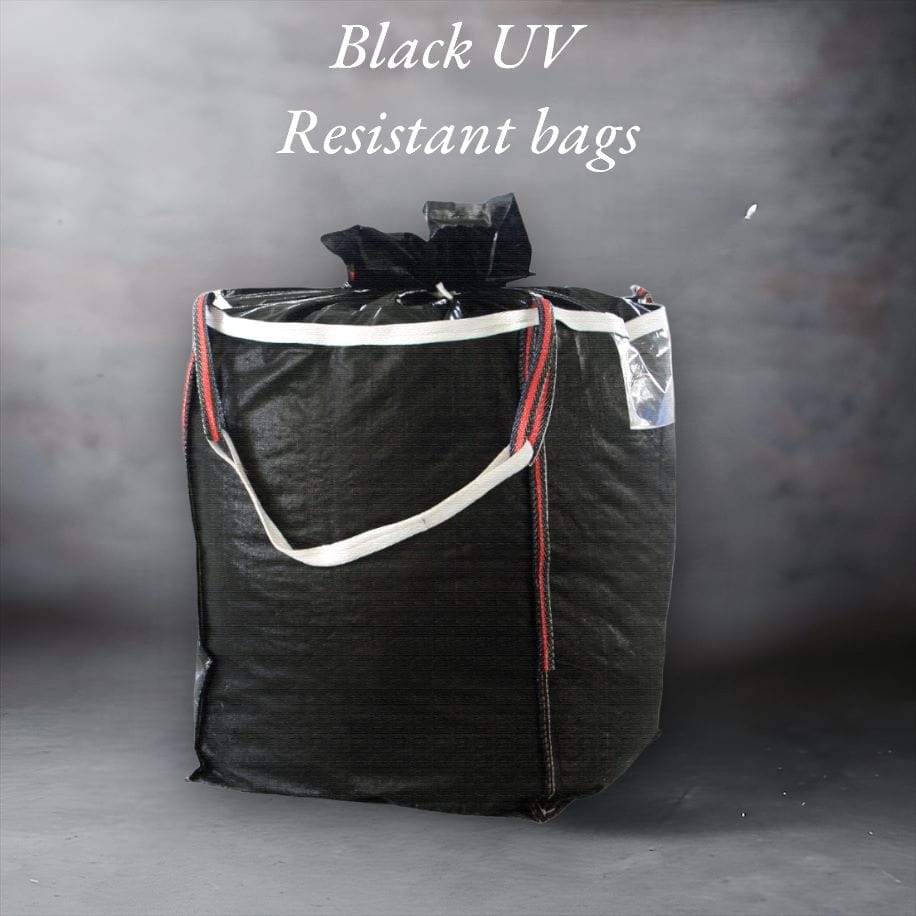 | FIBC Section Black Bags Black FIBC Bags – Enhanced UV Resistance & Extended Shelf Life UV exposure is one of the major challenges faced by the FIBC industry, as prolonged... |
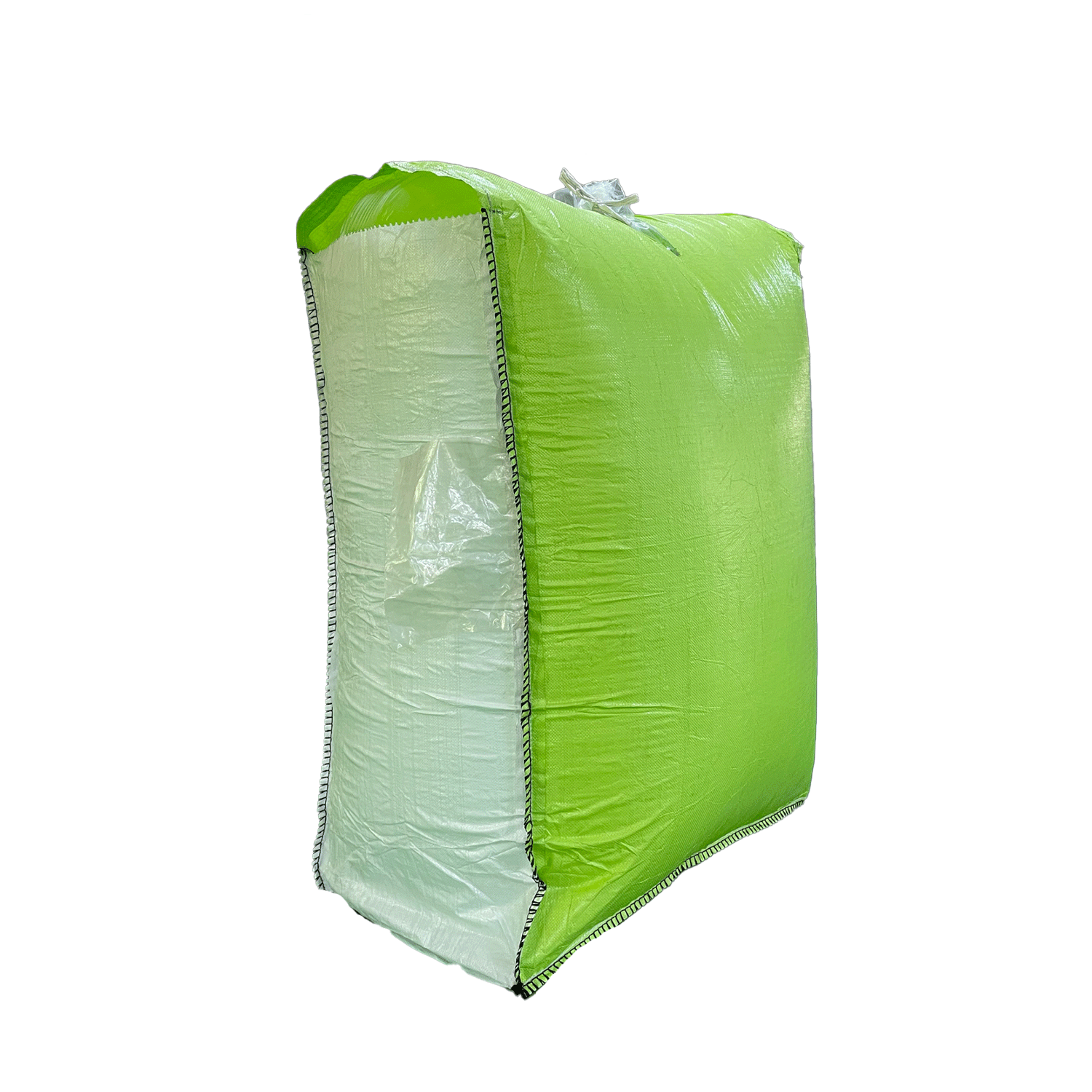 | FIBC Section Fertilizer Bag Range 1 & 2 Loop FIBC Bulk Bags Deccan Cans & Printers Pvt. Ltd. offers durable and cost-effective 1 & 2 Loop FIBC Bulk Bags, designed for the efficient... |
Frequently asked questions
How do you choose FIBC capacity for a product?
Use the product’s bulk density to calculate target mass, then leave headspace for safe filling and closure.
Which FIBC loop design matches lifting equipment?
Match the loop arrangement to your forklift attachments, lifting frame or crane hooks before ordering bags.
How can you reduce FIBC handling risks?
Control filling, lifting, transport and emptying procedures, and keep people clear of suspended bags.
What should you inspect and specify before using an FIBC?
Check seams, loops, fabric, liner and static protection, then store bags away from moisture, sunlight and contamination.
Related products
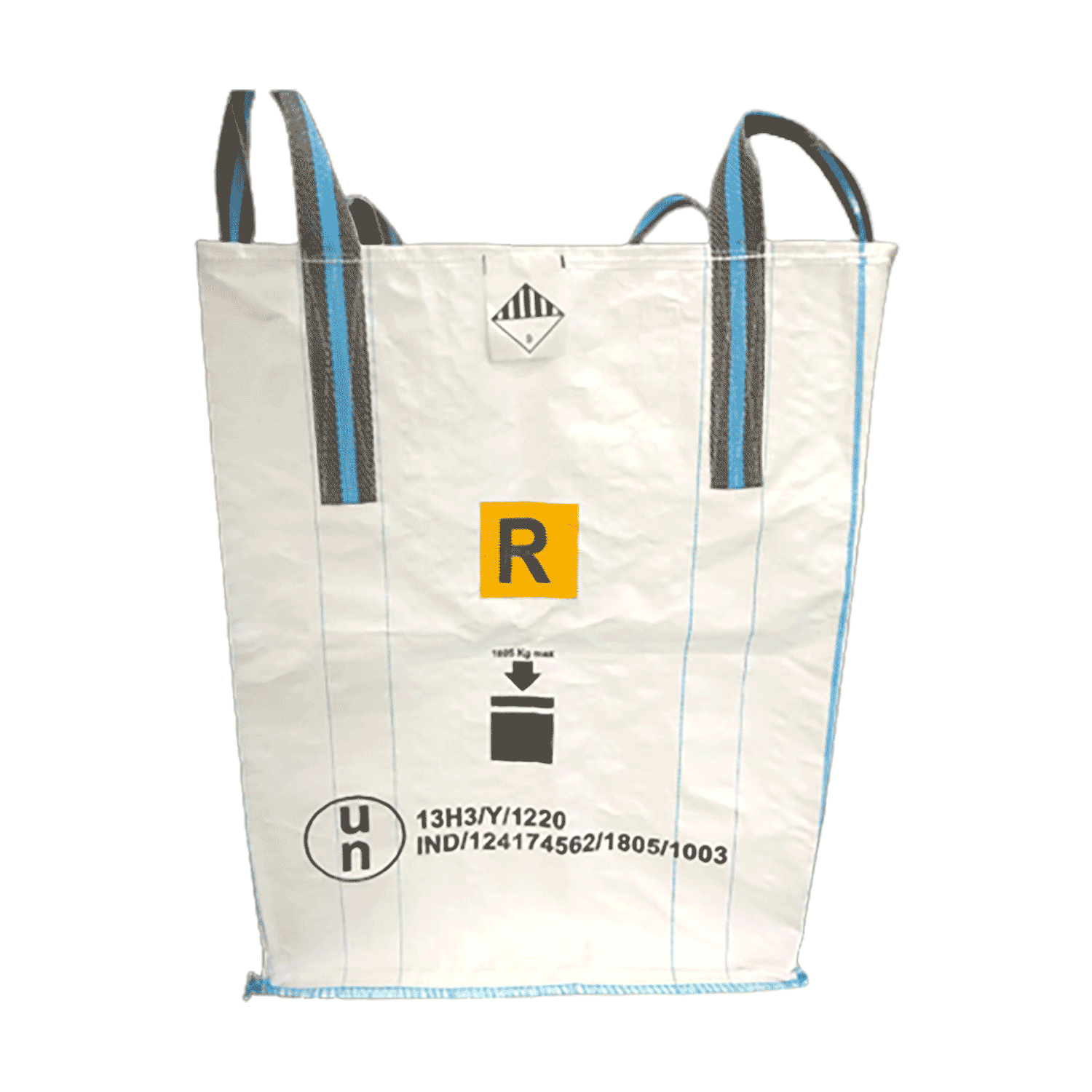 | FIBC Section Un Bags UN Certified Bulk Bags – Rigorous Performance Testing for Safety & Reliability Deccan UN Certified Bulk Bags are specially engineered for the safe... |
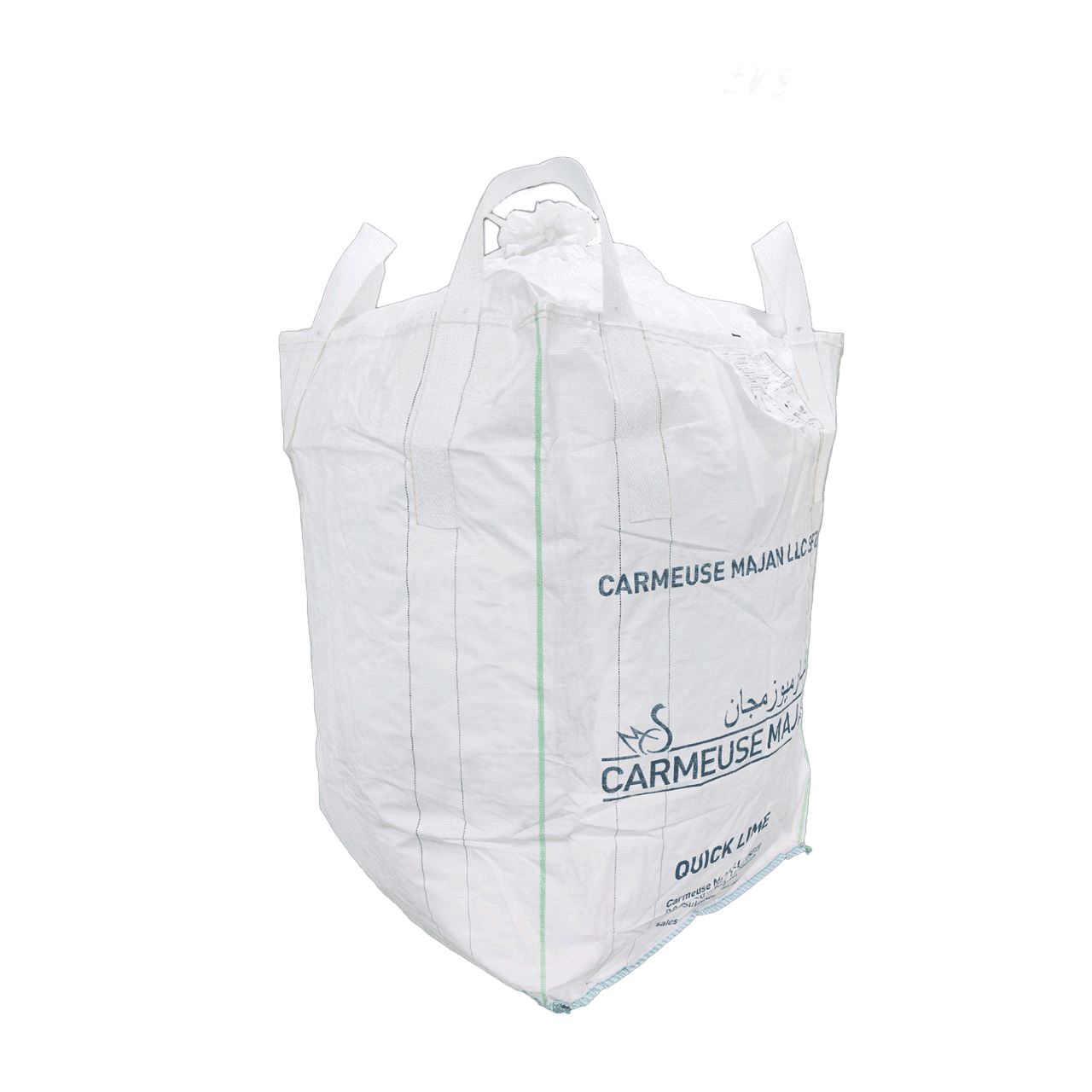 | FIBC Section Bags With Liners FIBC Liners – Bulk Bag Liners Deccan Cans & Printers Pvt. Ltd. |
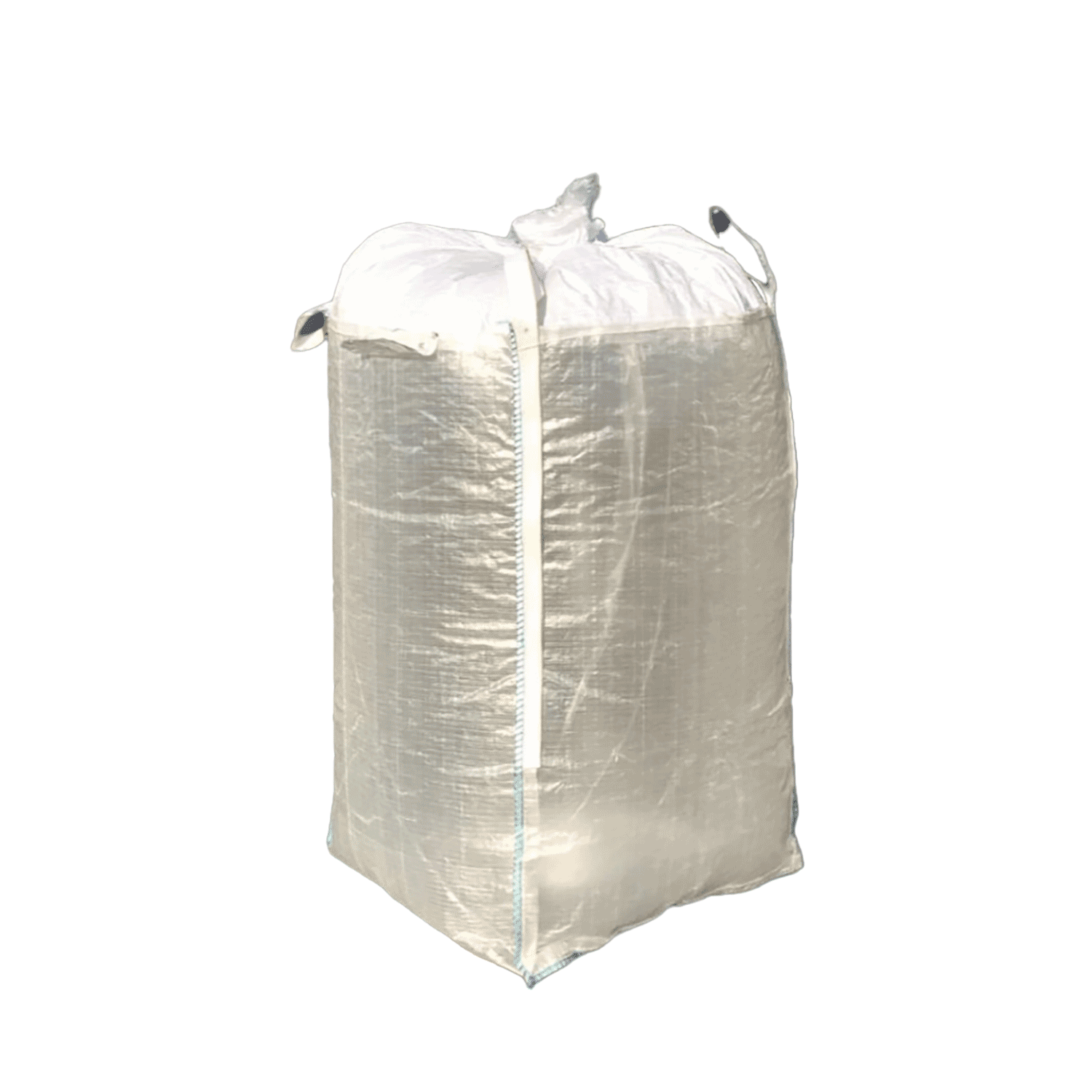 | FIBC Section Transparent Bags Transparent FIBCs – See-Through Bulk Bags Deccan Cans & Printers Pvt. Ltd. |
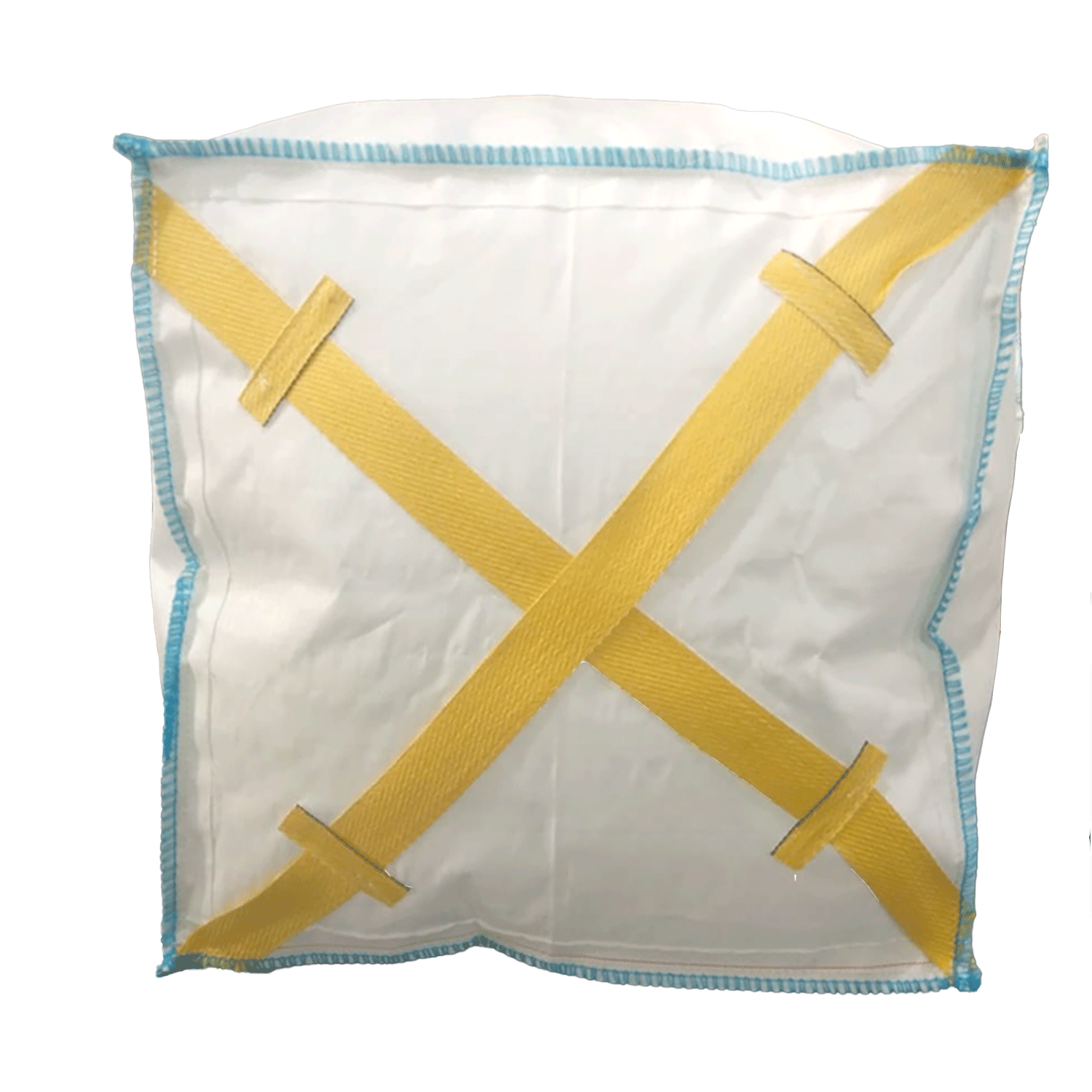 | FIBC Section Cross Bottom Sling Bags Cross Bottom Sling FIBCs – Bulk Bags Deccan Cans & Printers Pvt. Ltd. |