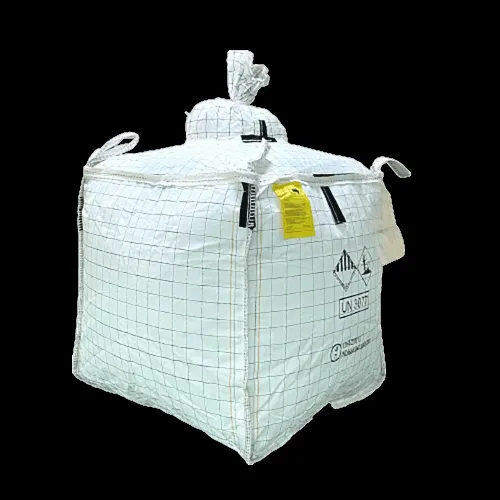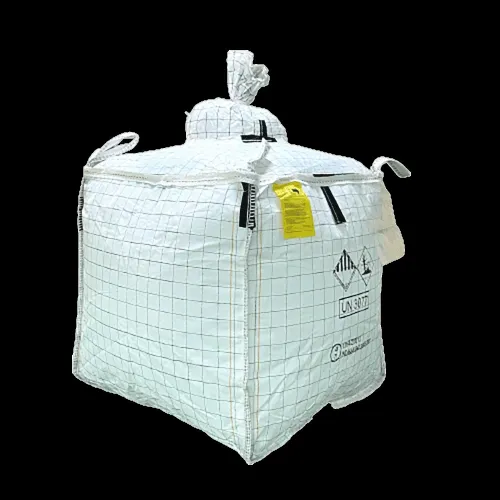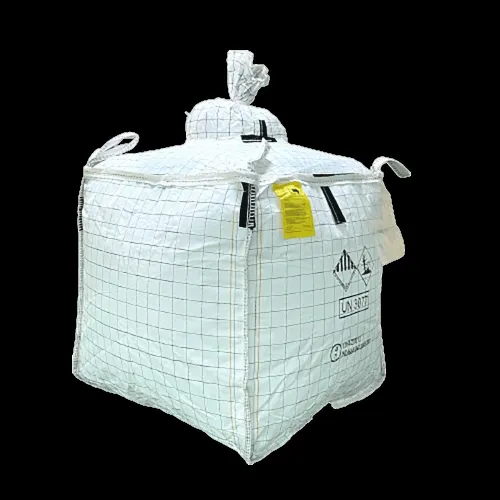

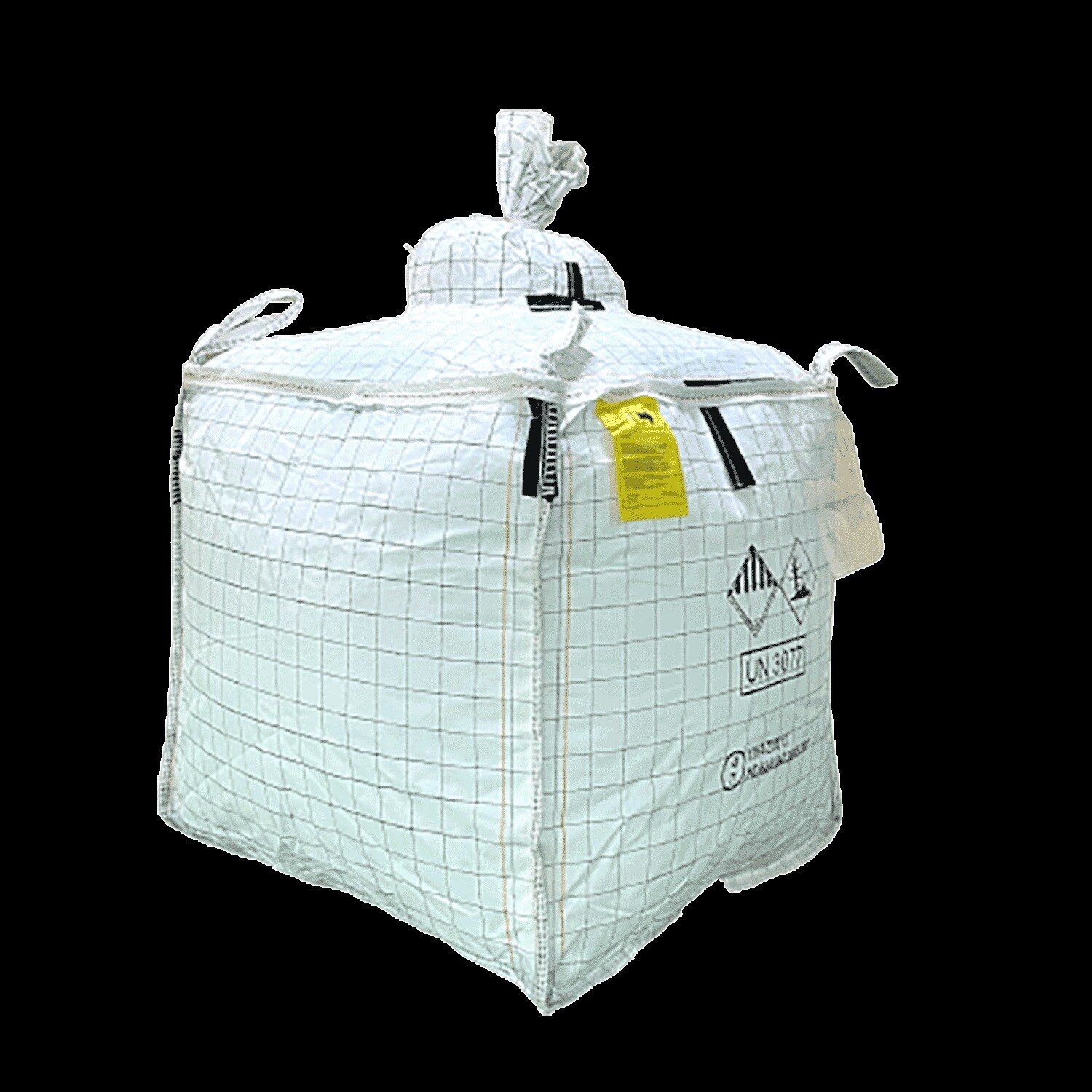
Choosing an FIBC by capacity alone can create leaks, unsafe lifting, moisture damage, dust hazards or difficult discharge at your plant. By the end, you will be able to match bag construction, load rating, filling and emptying features, handling controls and supplier checks to the material and site where you operate.
Key takeaways
- Use coated fabric or a polyethylene liner when moisture or dust control matters.
- Confirm the bag’s SWL, dimensions, filling method and discharge design before ordering.
- Match loop construction and discharge spout size to your lifting and unloading equipment.
- Request fabric, seam, liner and load-test records before accepting a bulk-bag shipment.
Match the FIBC construction to the material you will fill
A standard woven polypropylene FIBC is a strong body, not a moisture barrier. Choose uncoated fabric bags for dry, free-flowing granules that do not absorb water; choose coated fabric bags or a polyethylene liner when moisture, dust escape or product contamination matters.
| Material | Suitable construction | Main reason |
|---|---|---|
| Fine powders | Woven polypropylene FIBC with a fitted polyethylene liner and sift-proof seams | Limits leakage through fabric and stitching; specify liner thickness, neck seals and outlet fit |
| Hygroscopic powders, salts and moisture-sensitive minerals | Coated fabric bags, or a liner-equipped bag with sealed seams | Reduces moisture ingress; a liner alone is ineffective if its seams or spouts are poorly sealed |
| Dry granules and pellets | Uncoated fabric bags with a suitable open or duffle top | Allows filling and handling without trapping unnecessary heat; add a liner if the product absorbs moisture |
| Abrasive minerals | Heavy-duty woven polypropylene body with reinforced seams and a protected discharge outlet | Resists rubbing and edge wear; do not judge suitability from fabric strength alone |
For fine powder, ask for sift-proof stitching, adequate seam overlap and a controlled filling arrangement. Powder can escape from corner seams even when the bag fabric remains intact. A ventilated body suits products that need airflow, but it is the wrong choice for dusty or moisture-sensitive material.
ISO 21898 covers FIBCs for non-dangerous goods; it does not prove suitability for combustible powder, hazardous chemicals or food contact. Confirm the construction against your product’s moisture, dust, abrasion and static risks before ordering FIBC bulk bags Pune suppliers offer.
Specify load rating, dimensions and top construction before ordering
Start with the product’s mass, not the volume printed in a catalogue. Calculate expected load from bulk density × filling volume, using the highest density your powder, granules or mineral can reach, then specify the safe working load (SWL) above that result.
1. Give the supplier the product’s minimum and maximum bulk density, target filling volume, maximum net mass and empty-bag weight. A mineral that fits by volume can still exceed the SWL and damage the lifting loops or seams.
2. State the lifting method and handling cycle: forklift bars, four-point hooks, crane frame, single lift or repeated trips. Confirm the FIBC safety factor, such as 5:1 for single-trip use or 6:1 for multi-trip designs. A 6:1 rating does not make every bag reusable; inspection history, UV exposure, contamination and abrasion also control reuse.
3. Provide filled bag dimensions, not only nominal length, width and height. Check clearance beneath filling equipment, warehouse racking, truck doors and forklift tines, then specify lifting-loop configuration and loop length.
4. Select the top construction from the filling connection. An open top suits manual or broad-mouth filling; a duffle top closes over a filled bag; a conical top aligns with a filling nozzle and limits spillage.
Ask for fabric GSM, seam construction and liner fit when fine or dense material could stress corners, seams or outlets.
Record the SWL, dimensions, filling volume, top design and lifting arrangement on the purchase specification, not in a verbal instruction.
Choose the top and bottom for your filling and discharge equipment
A sealed conical top paired with a discharge outlet sized for your powder usually controls dust better than an open top and a small standard spout. Match the outlet to flow behaviour, not merely to the bag’s transport dimensions: cohesive powder can bridge, rathole or leave a hard-to-recover heel.
| Design | Best use | Main control |
|---|---|---|
| open top FIBC | Fast filling of stable granules or minerals | Fit a cover or liner closure if dust escapes during filling |
| duffle top | Wider filling access with tie or flap closure | Secure the closure before lifting or moving the bag |
| conical top | Dust-sensitive powders and enclosed filling lines | Connect the inlet spout to the filling nozzle and seal the neck |
| standard bottom spout | Free-flowing granules | Use a compatible clamp, valve or tie closure |
| large outlet with iris closure | Cohesive powders | Reduce bridging and meter discharge into a hopper |
| flat bottom FIBC | Full emptying where controlled discharge is unnecessary | Expect poorer dust control and more residual material than a spouted base |
Specify sift-proof seams, overlapping stitches and a liner neck seal for fine powders; fabric strength alone will not stop leakage at corners or outlets. A polyethylene liner also needs a stated thickness, seam construction and discharge arrangement.
Before ordering, confirm three points:
- Test the actual powder through the intended spout, hopper and valve; add vibration or a mass-flow hopper when bridging persists.
- Keep the filling connection closed enough to prevent dust release.
- Select an outlet that lets operators empty the bag without cutting it open or striking the sides.
Control static, moisture and mineral abrasion during handling
Treat static classification as a process-safety decision, not a fabric upgrade. For combustible dust, use a Type C FIBC only with a verified earth connection before filling or discharge, and keep it connected until the bag is empty or the dust hazard has cleared. A painted, corroded, broken or intermittent clamp defeats the protection.
A Type D FIBC is designed to dissipate charge without a separate earth connection under the manufacturer’s specified conditions. An ordinary unclassified polypropylene bag is not static-safe. Assess particle size, minimum ignition energy, explosibility, moisture, conveying velocity and ignition sources; antistatic fabric alone does not control combustible dust. Control dust accumulation, ignition sources and housekeeping.
Woven polypropylene does not provide a complete moisture barrier. Specify a polyethylene liner or coated fabric, including liner thickness, seam construction, fit, neck seal and filling and discharge arrangement. A loose plastic liner can interrupt electrostatic control, so assess the liner and the Type A, B, C or D bag classification as one system.
For abrasive minerals, prevent damage rather than relying on nominal fabric strength. Specify abrasion-resistant fabric, reinforced seams and lifting points, then prohibit dragging, dropping and contact with sharp equipment. Inspect every bag for cuts, worn corners, broken stitching and outlet damage before reuse.
- Require sift-proof seams and controlled filling for fine powders.
- Confirm the grounding FIBC procedure and test the earth path before transfer.
- Reject any bag with visible abrasion, contamination or damaged loops.
Build a Pune purchasing and inspection checklist
Before paying a Pune supplier, confirm the bag’s paperwork, delivery plan and acceptance checks in writing. A low quoted price is irrelevant if the FIBC lead time misses your production slot or the bag cannot handle your filling equipment.
1. Confirm product mass, bulk-density range, target fill volume, dimensions, SWL, lifting-loop arrangement and design factor. Do not treat 5:1 single-trip or 6:1 multi-trip as permission to reuse; inspection history, contamination, UV exposure and handling damage decide reuse.
2. Ask for the construction drawing, fabric specification, liner details, top and discharge dimensions, sample approval and batch identification. Deccan Cans and Printers Pvt. Ltd. can be assessed on whether its liner and outlet proposal matches your powder’s flow, moisture sensitivity and residual-material risk.
3. Confirm the FIBC lead time, minimum order quantity, Pune delivery or collection point, vehicle access, pallet requirements, unloading responsibility and replacement terms for damaged bags. Record whether the shipment goes to your warehouse or directly to an industrial site.
4. Require UN-certified FIBC documentation when transporting regulated dangerous goods, including the UN marking, certificate scope, test date and approved contents. Do not accept “UN grade” without traceable documents.
5. Inspect every reusable bag before lifting: reject cuts, abrasion, degraded or contaminated fabric, damaged seams, stretched loops and faulty discharge parts. Quarantine any load-bearing damage; never repair or downgrade it informally.
6. Store bags under cover away from sunlight, heat, moisture, chemicals, rodents and sharp projections. For Type C bags, verify the earth connection before transfer and keep it connected until empty or the dust hazard has cleared.
Related products
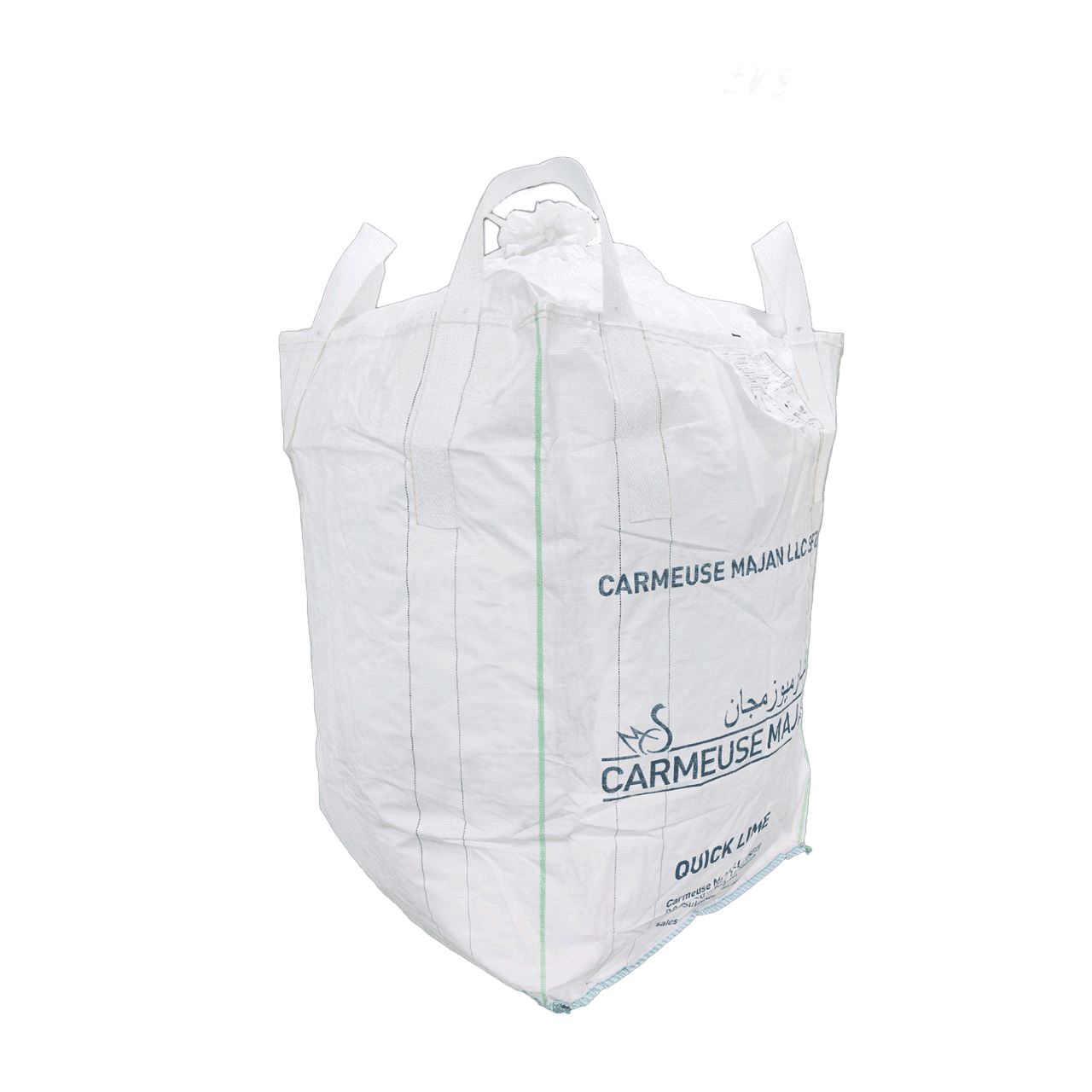 | FIBC Section Bags With Liners FIBC Liners – Bulk Bag Liners Deccan Cans & Printers Pvt. Ltd. |
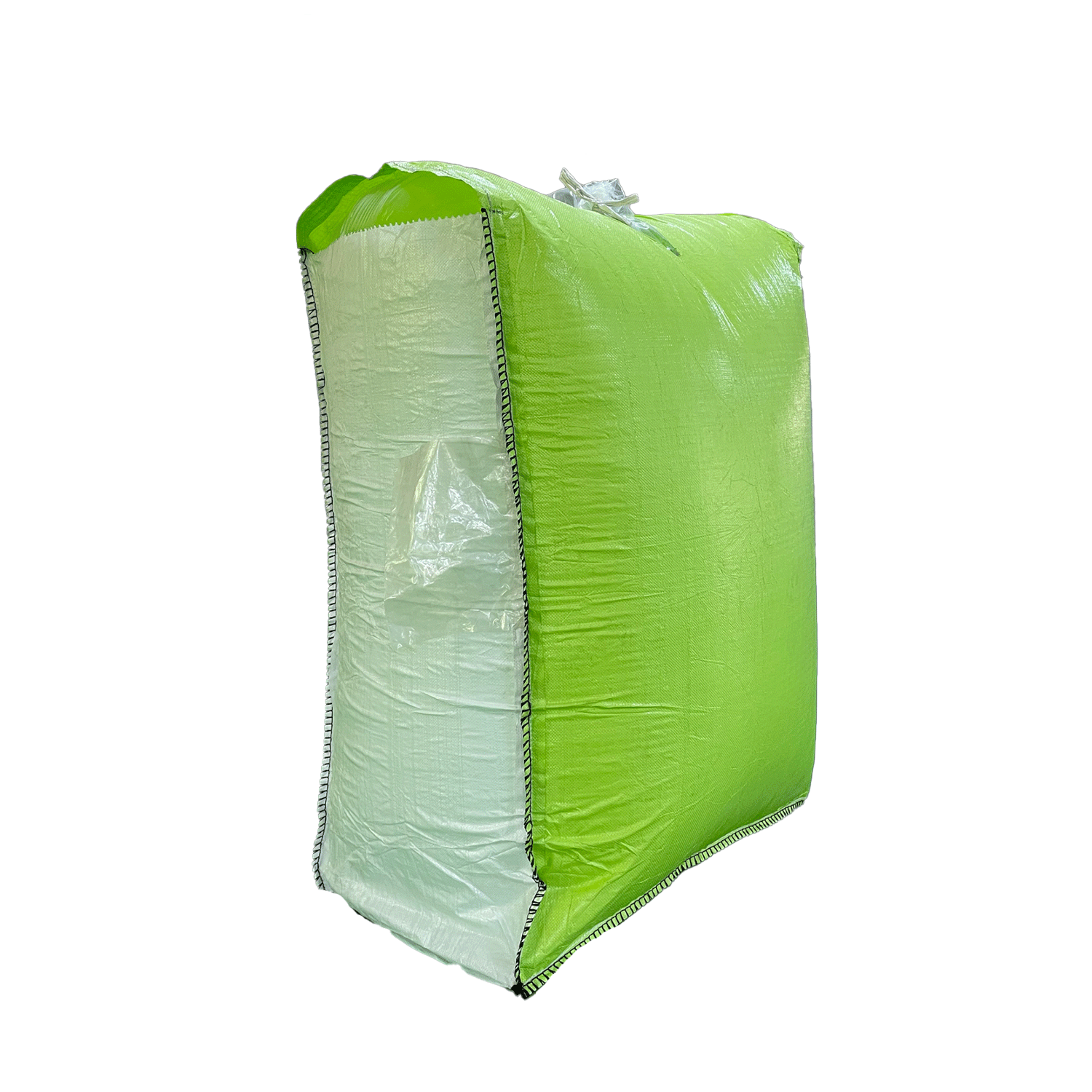 | FIBC Section Fertilizer Bag Range 1 & 2 Loop FIBC Bulk Bags Deccan Cans & Printers Pvt. Ltd. offers durable and cost-effective 1 & 2 Loop FIBC Bulk Bags, designed for the efficient... |
Frequently asked questions
How do you match FIBC construction to powders, granules and minerals?
Use uncoated woven polypropylene for dry, free-flowing granules that do not absorb water. Choose coated fabric or a polyethylene liner when moisture, dust escape or contamination matters. Specify an abrasion-resistant construction for sharp or heavy minerals.
What should you specify before ordering an FIBC?
Confirm the safe working load, bag dimensions, safety factor, fabric coating, liner, lifting loops, filling opening and discharge outlet. Give the supplier the material density and the filling and unloading equipment details.
How do you choose FIBC top and bottom construction?
Select a filling spout, duffle top or open top to suit your filling line. Choose a plain bottom, discharge spout or conical outlet based on how the bag will be emptied. Confirm outlet diameter, spout length and tie or closure type.
How can you control static, moisture and mineral abrasion in FIBC handling?
Use the correct static-control design for combustible powders, protect moisture-sensitive contents with coated fabric or a liner, and specify durable fabric and reinforced seams for abrasive minerals. Keep bags off wet floors and inspect lifting loops before handling.
What should you check when buying FIBC bags in Pune?
Record the product, bulk density, required capacity, safe working load, dimensions, construction, closures and delivery conditions. Inspect fabric, seams, loops, liner fit, spouts, labels and cleanliness, then request test and batch records.
Related products
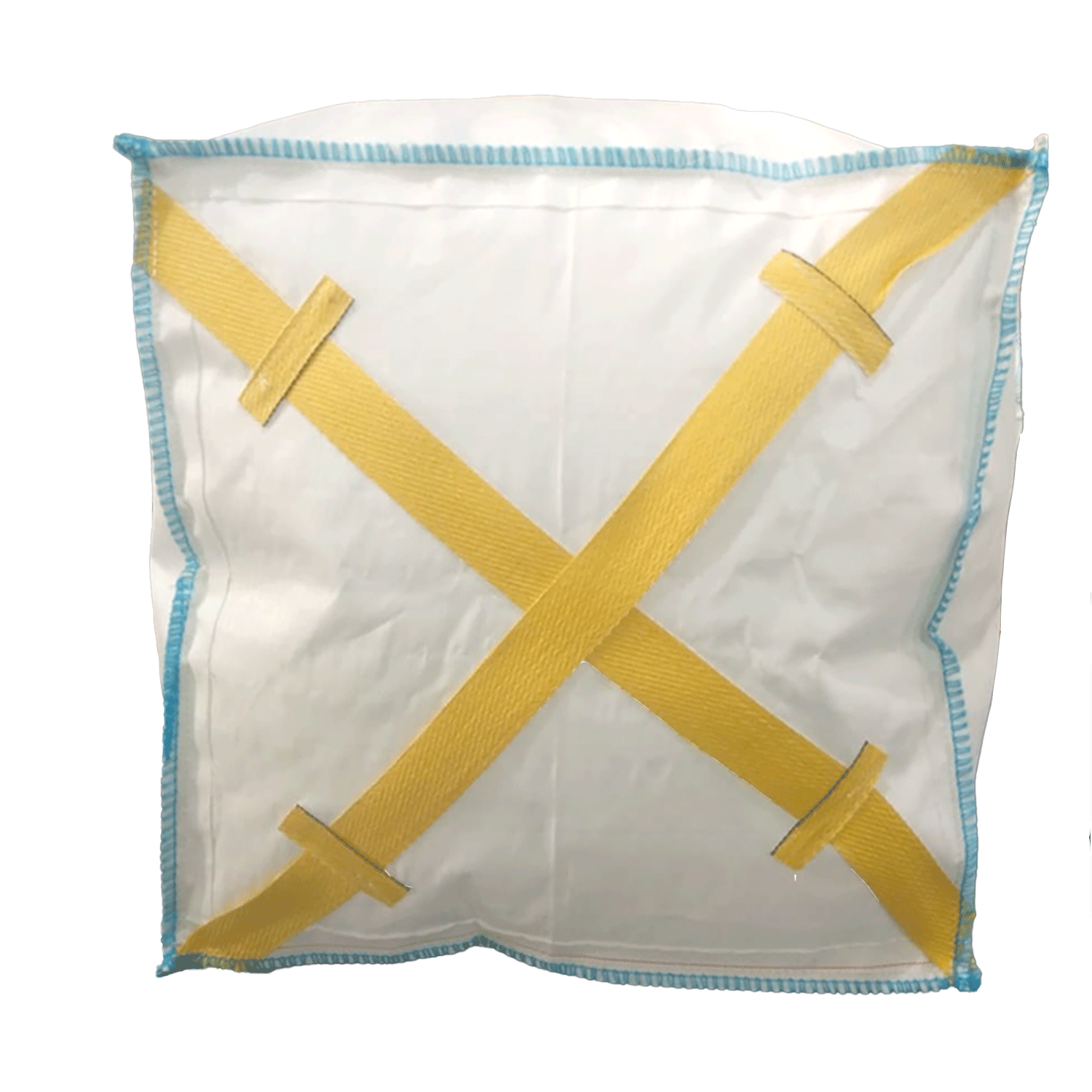 | FIBC Section Cross Bottom Sling Bags Cross Bottom Sling FIBCs – Bulk Bags Deccan Cans & Printers Pvt. Ltd. |
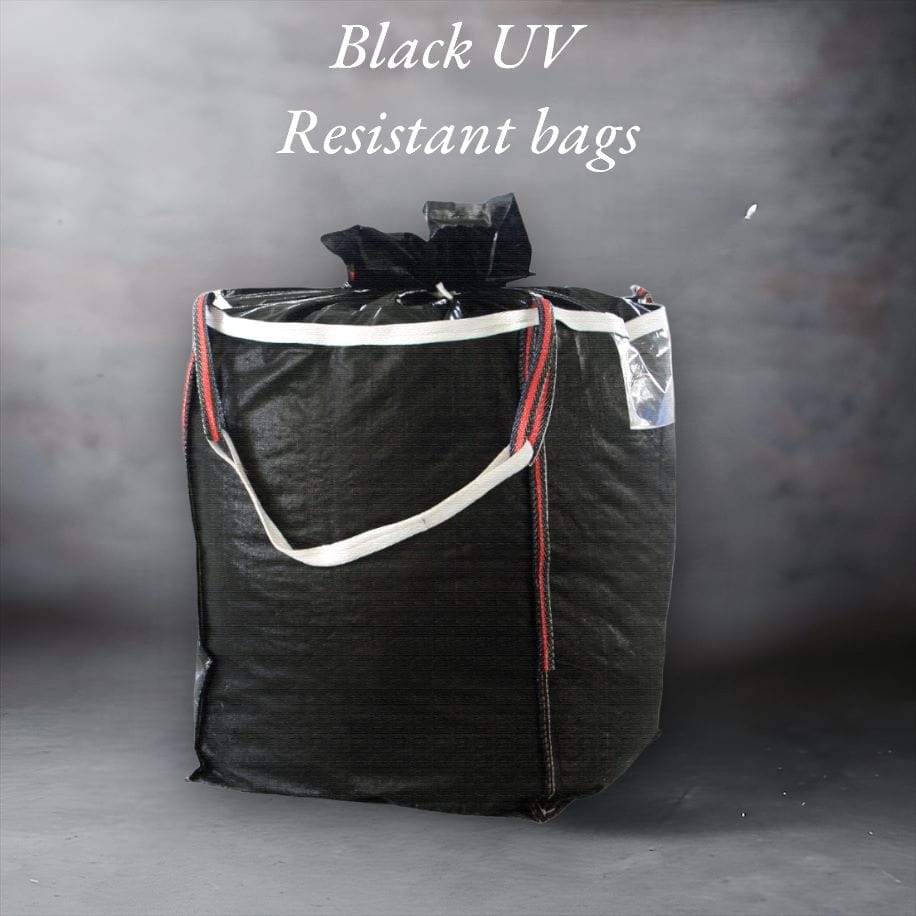 | FIBC Section Black Bags Black FIBC Bags – Enhanced UV Resistance & Extended Shelf Life UV exposure is one of the major challenges faced by the FIBC industry, as prolonged... |
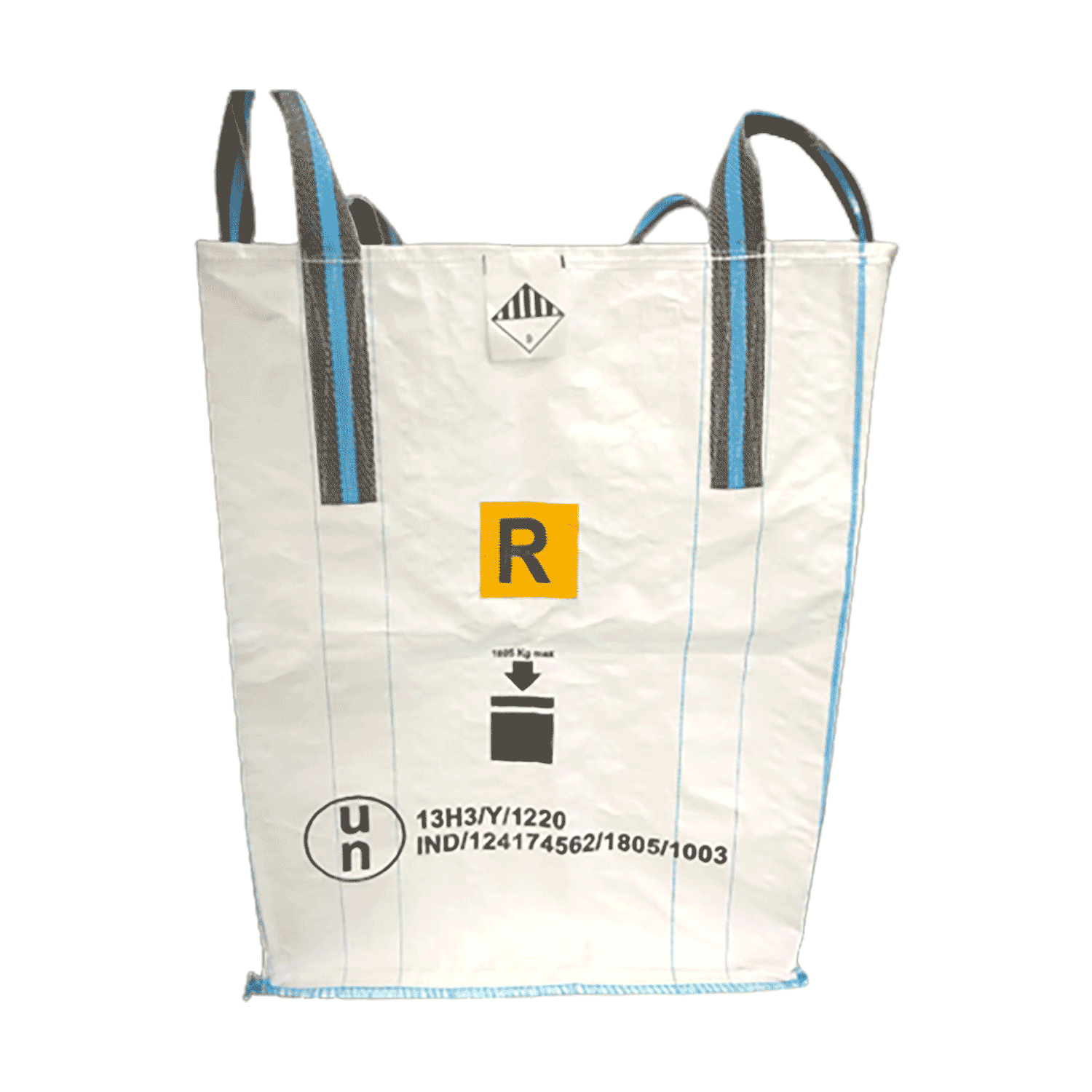 | FIBC Section Un Bags UN Certified Bulk Bags – Rigorous Performance Testing for Safety & Reliability Deccan UN Certified Bulk Bags are specially engineered for the safe... |
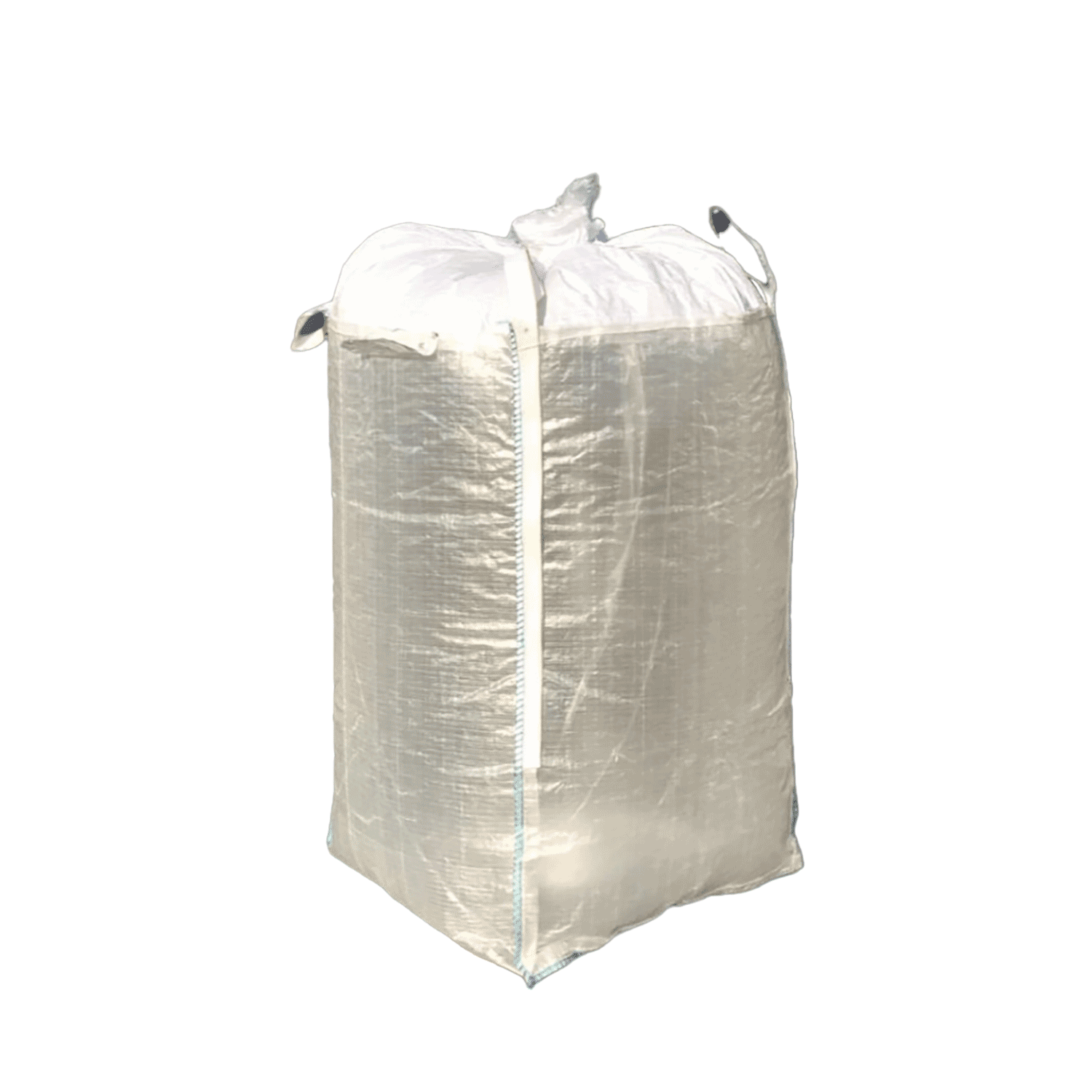 | FIBC Section Transparent Bags Transparent FIBCs – See-Through Bulk Bags Deccan Cans & Printers Pvt. Ltd. |