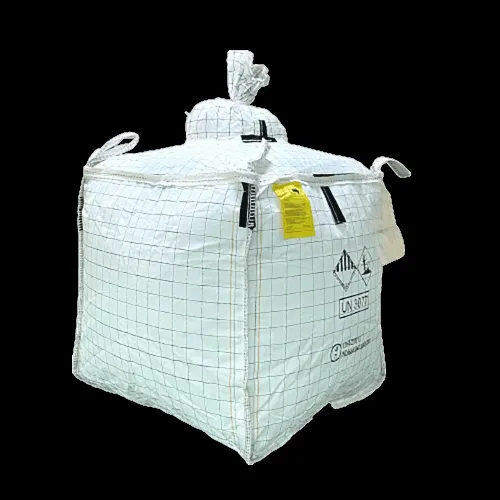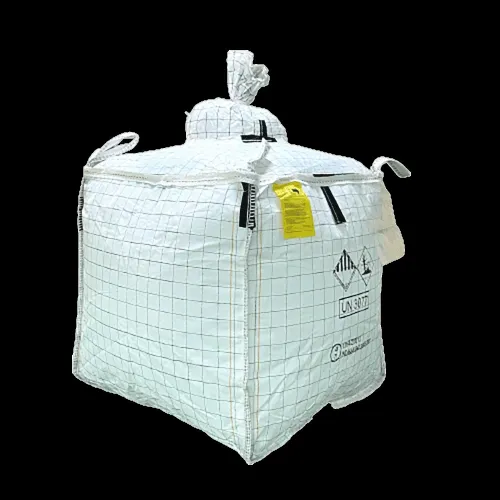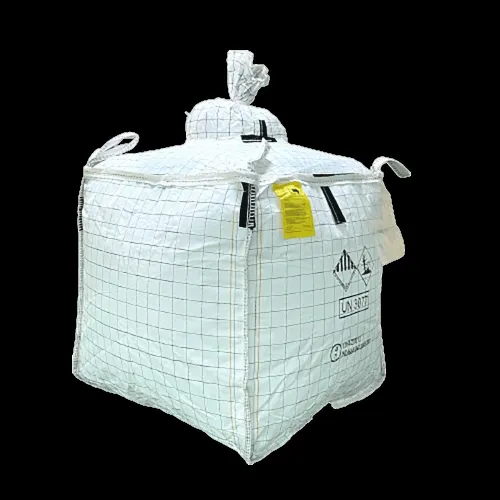

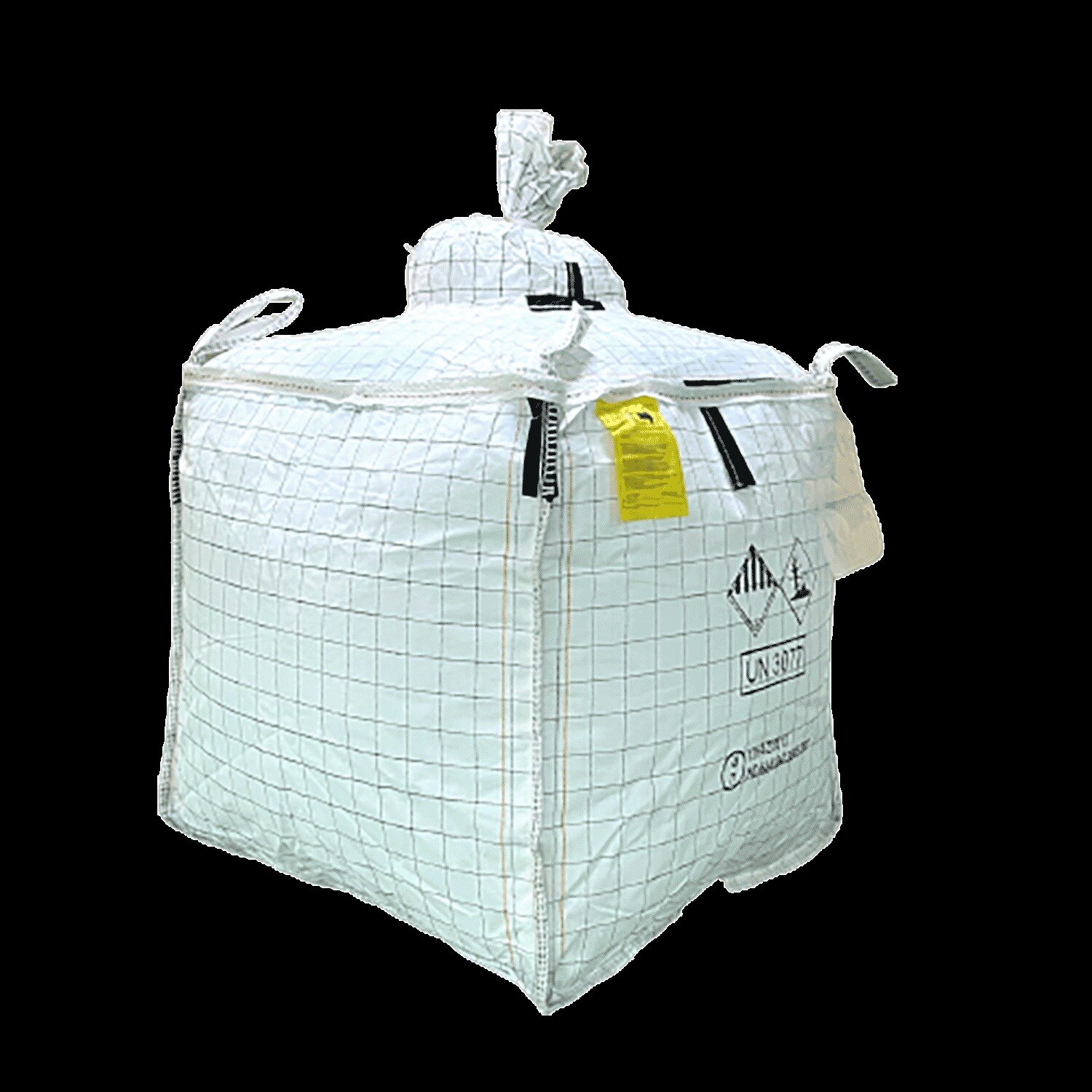
A one-ton FIBC is not a complete buying specification: the material, lifting method, discharge equipment, storage conditions and transport route determine whether the bag will perform safely. By the end, you will be able to match bag construction to your product, calculate the information suppliers need, and compare FIBCs with rigid packaging for Pune operations.
Key takeaways
- Match the bag fabric and liner to particle size and moisture sensitivity.
- Specify safe working load, lifting loops, discharge style and dimensions before requesting quotes.
- Use UN-certified construction for dangerous goods based on classification and packing group.
- Check stacking, static control, outdoor protection and supplier documentation before purchase.
Match the FIBC to Pune’s Manufacturing Material
Powders need the tightest construction: use a coated FIBC with a correctly fitted polyethylene liner when fine particles leak through fabric or the product absorbs moisture. For dangerous goods, select the UN construction against the material’s classification and packing group, not by bag capacity alone.
| Material form | Suitable FIBC construction | Pune manufacturing example |
|---|---|---|
| Powders | Coated fabric, liner, or UN 13H3/13H4 where approved | Chemicals, pharmaceuticals, cement and minerals |
| Granules | Uncoated woven polypropylene, or coated fabric for dust control | Plastics, fertiliser and resin plants |
| Flakes | Uncoated or coated fabric with a wide filling opening | Polymer regrind and agricultural processing |
| Pellets | Uncoated fabric with a discharge spout; add coating for fine dust | Injection-moulding and polymer manufacturers |
| Fibres | Four-loop bag with a shaped body and dust-control closure | Textiles, insulation and recycled fibre operations |
| Irregular solids | Heavy-duty fabric, reinforced seams and a wide mouth | Scrap, biomass, aggregates and waste handling |
The plastic UN categories identify construction: 13H1 is uncoated woven plastic, 13H2 coated woven plastic, 13H3 woven plastic with a liner, and 13H4 coated woven plastic with a liner. FIBC bags for chemical industries require the approved category when the contents are regulated or prone to leakage.
FIBC packaging solutions in Pune must also address monsoon storage. Keep bags off concrete floors, protect them from condensation and rain, and reject any bag with mildew, wetting, damaged seams or a contaminated liner.
Pharmaceutical bulk bags and food-grade FIBC bags need documented virgin material, food-contact conformity, additive and ink details, and traceability—not merely a “food grade” label.
Specify the Bag Before You Request a Quotation
A quotation needs a design brief, not “one-ton FIBC.” Give the supplier the load, material behaviour, handling method and storage conditions so the finished bag fits your process.
1. State the product and load: material name, powder or solid form, particle size, moisture sensitivity, FIBC bulk density, filled product weight and maximum gross mass including the bag. Include whether the material is hazardous or classified for dangerous-goods transport.
2. Define the load rating. Specify the required safe working load, single-trip or reusable service, expected number of lifts, and agreed design safety factor. Common ratios are 5:1 for single-trip bags and 6:1 for reusable bags, but confirm the test and reuse specification rather than assuming it from the appearance.
3. Provide the FIBC dimensions and shape limits: target height, length, width, pallet footprint, filling headroom and permitted filled dimensions. State the required lifting arrangement, such as one-loop, two-loop, four-loop, cross-corner or cross-bottom, and identify whether a forklift, crane or filling frame will handle it.
4. Describe the filling and discharge equipment. Name the inlet size, outlet type, closure method, discharge height and any liner requirement. Polypropylene coating does not create a hermetic moisture barrier, so define polyethylene liner dimensions and weld or tie closure.
5. Record stacking height, storage duration, transport route, exposure to rain or condensation, and required UN or electrostatic classification. Reference ISO 21898 for ordinary non-dangerous FIBC design and testing, then request a written FIBC specification before comparing prices.
Choose Lifting, Fabric and Discharge Details Together
A 1-loop FIBC suits a single-point crane hook, but it is a poor choice if your forklift has no approved attachment for one loop. Select the lifting arrangement with the handling equipment and filling line together.
| Arrangement | Handling interface | Main compatibility check |
|---|---|---|
| 1-loop FIBC | Single-point crane or dedicated hook | Confirm hook geometry, loop capacity and anti-snag protection |
| 2-loop FIBC | Two-hook crane or matched forklift attachment | Keep both loops equally loaded during lifting |
| four-loop bulk bag | Forklift tines, four-hook crane or lifting frame | Check loop spacing and tine entry clearance |
| cross-corner FIBC | Forklift or crane using loops at opposite corners | Prevent angled loading that twists the bag |
Cross-bottom loops offer another forklift option, but the tine length must support the specified filled mass. Never lift a bag by its discharge spout, liner or improvised fabric handle.
Fabric denier identifies yarn fineness, not the bag’s complete safe working load. Specify woven polypropylene fabric weight, construction, seam strength and sift-proof stitching; a heavier fabric cannot compensate for poor seams. A coating limits external moisture and fine-powder leakage, but it is not a hermetic barrier.
Use a polyethylene liner for hygroscopic or dusty products, then verify its fit, welds and closure. Match the top inlet to the filling nozzle and the bottom spout to the discharge valve. Cutting the base can damage the bag and leave product trapped inside.
For non-dangerous solids, require finished-bag checks against ISO 21898, including lifting-loop integrity, dimensions, closures and liner fit.
Control Stacking, Static, Moisture and Outdoor Exposure
Validate stacking with the actual filled bag, pallet, product density and storage duration. A “stackable” label is not enough: confirm the safe working load, maximum gross mass, bag shape and tested stack height. Keep bags off the floor on sound pallets, leaving clearance from walls and drains.
Use this electrostatic specification:
| Type | Protection requirement | Site control |
|---|---|---|
| Type C FIBC | Conductive elements bonded to earth | Ground before filling and discharge; test continuity |
| Type D FIBC | Dissipative fabric system | Use only the approved bag design; no plant-earth connection |
| Type A FIBC | No intentional protection | Exclude from flammable dust, vapour or solvent hazards |
During Pune’s monsoon, inspect every bag for wetting, mildew, seam damage and liner contamination before filling. Choose FIBC liner selection by powder hygroscopicity, particle size and required closure: a fitted polyethylene liner with welded seams reduces moisture entry and fine-powder leakage, but polypropylene coating is not a hermetic barrier.
Specify liner dimensions, spout fit and closure method.
Store bags beneath a roof, away from condensation and rain. For outdoor exposure, specify a UV-resistant FIBC, obtain the manufacturer’s exposure limit, and rotate stock before that limit. Sun-damaged fabric can lose lifting strength even when the bag looks clean. Never leave filled bags uncovered while awaiting dispatch.
Compare FIBCs with Rigid Packaging and Verify the Supplier
Choose an FIBC when your material is a dry bulk solid and low tare weight, rapid forklift handling, and economical one-way transport matter more than a rigid barrier. Choose tin containers for chemicals when the product needs puncture resistance or strong protection from oxygen, light and vapour.
| Option | Strength | Better choice when |
|---|---|---|
| FIBC | Low tare weight, collapsible storage, efficient bulk handling | Dry powders, granules, pellets, flakes or fibres move through compatible filling and discharge equipment |
| Tin or rigid container | Puncture resistance and stronger barrier protection | The product is moisture-, oxygen-, light- or solvent-sensitive, or requires rigid containment |
| UN-certified FIBC or rigid pack | Tested performance for regulated hazardous materials | The product, packing group, filling method and transport route match the approval |
Do not accept a bag on appearance alone. Require a finished-bag FIBC quality inspection covering dimensions, fabric and seam strength, lifting-loop integrity, closure operation, liner fit, sift-proofness and electrostatic resistance where specified. During Pune’s monsoon, reject wetting, mildew, contamination or damaged seams; verify storage under cover, off the floor and away from direct sunlight.
Ask the FIBC manufacturer in Pune for the approved specification, batch traceability, test reports, certificate of conformity and stated UV exposure limit. For hazardous contents, verify the stamped UN marking, packaging instruction, packing group, closure configuration and current test documentation. Deccan Cans & Printers Pvt.
Ltd. can be assessed against the same evidence, not catalogue claims.
Related products
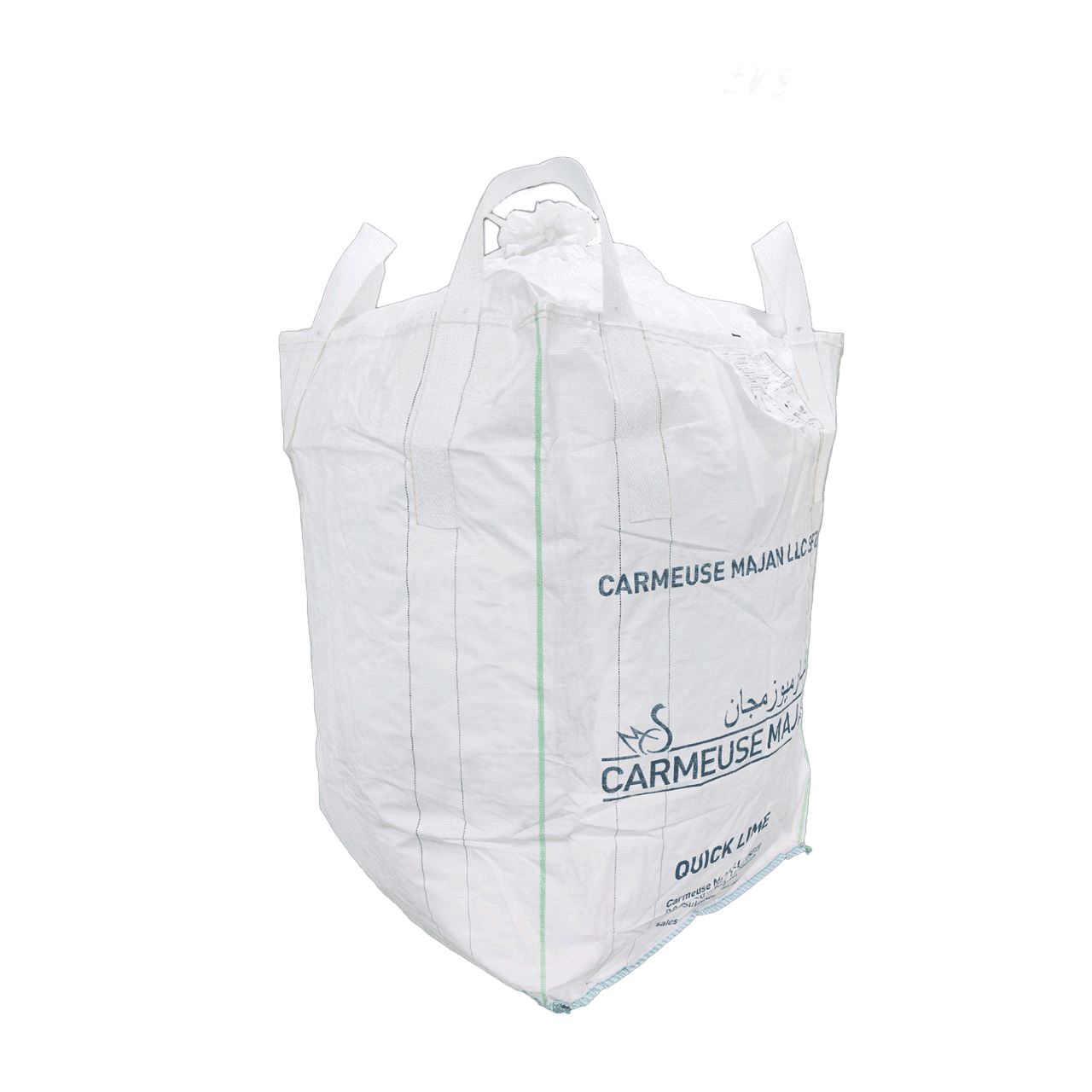 | FIBC Section Bags With Liners FIBC Liners – Bulk Bag Liners Deccan Cans & Printers Pvt. Ltd. |
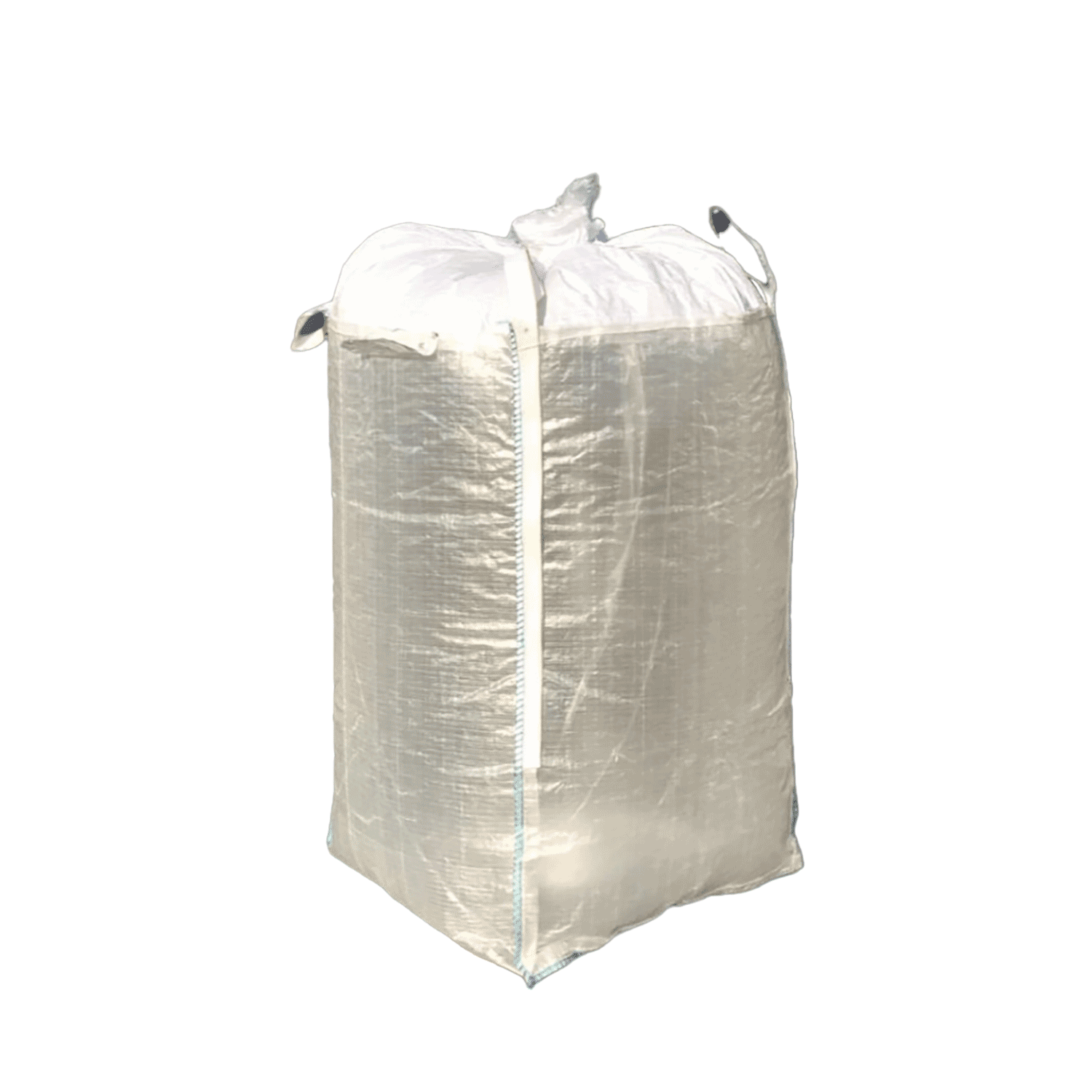 | FIBC Section Transparent Bags Transparent FIBCs – See-Through Bulk Bags Deccan Cans & Printers Pvt. Ltd. |
Frequently asked questions
How do you match an FIBC to manufacturing material?
Match fabric, coating and liner choice to particle size, moisture sensitivity and flow behaviour. Fine powders need a coated bag with a correctly fitted polyethylene liner when particles leak through fabric or the product absorbs moisture.
What details should you include when requesting an FIBC quotation?
State the material, bag dimensions, safe working load, safety factor, filling and discharge method, lifting-loop design, fabric construction, liner, closure and required quantity.
When do you need a UN-certified FIBC?
Use UN construction for dangerous goods after checking the material’s classification and packing group. Do not select it by bag capacity alone.
How should you protect FIBCs during storage and transport?
Control stacking height, static risk, moisture and outdoor exposure. Keep bags on stable pallets, protect them from rain and sunlight, and specify antistatic construction when the material or handling environment requires it.
When is an FIBC preferable to rigid packaging?
Choose an FIBC when you need efficient bulk handling, lower storage volume when empty and forklift or hoist movement. Compare it with rigid packaging when puncture resistance, repeated reuse, pressure containment or strict shape retention matters.
Related products
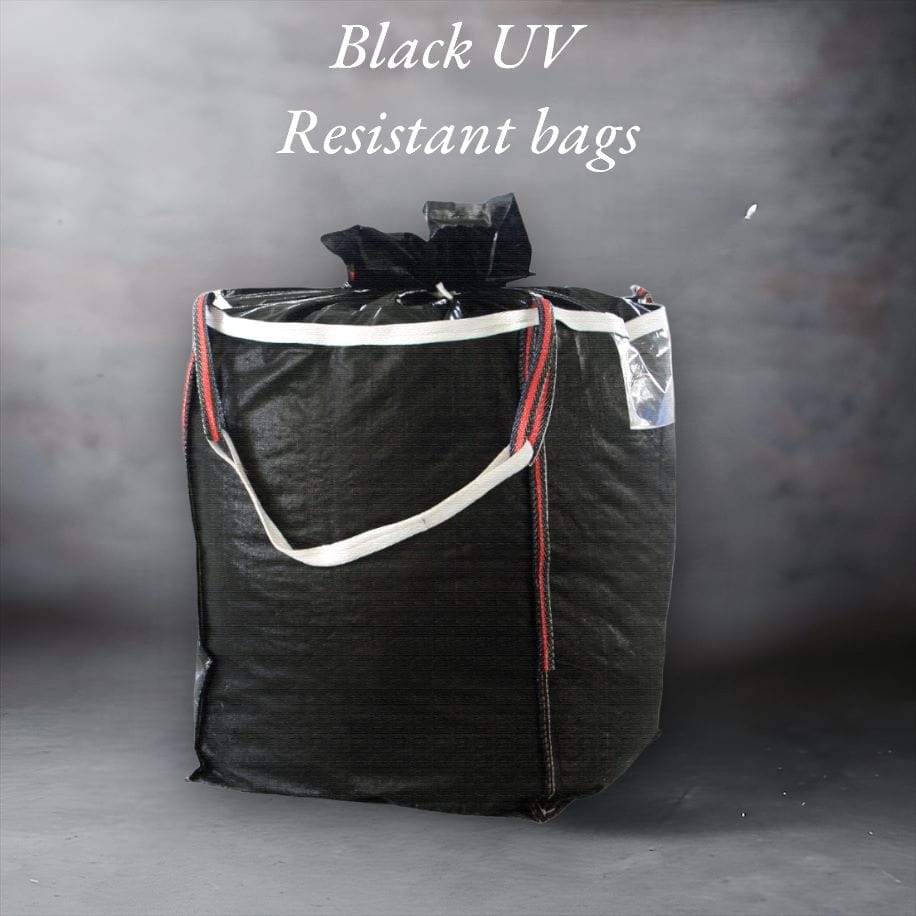 | FIBC Section Black Bags Black FIBC Bags – Enhanced UV Resistance & Extended Shelf Life UV exposure is one of the major challenges faced by the FIBC industry, as prolonged... |
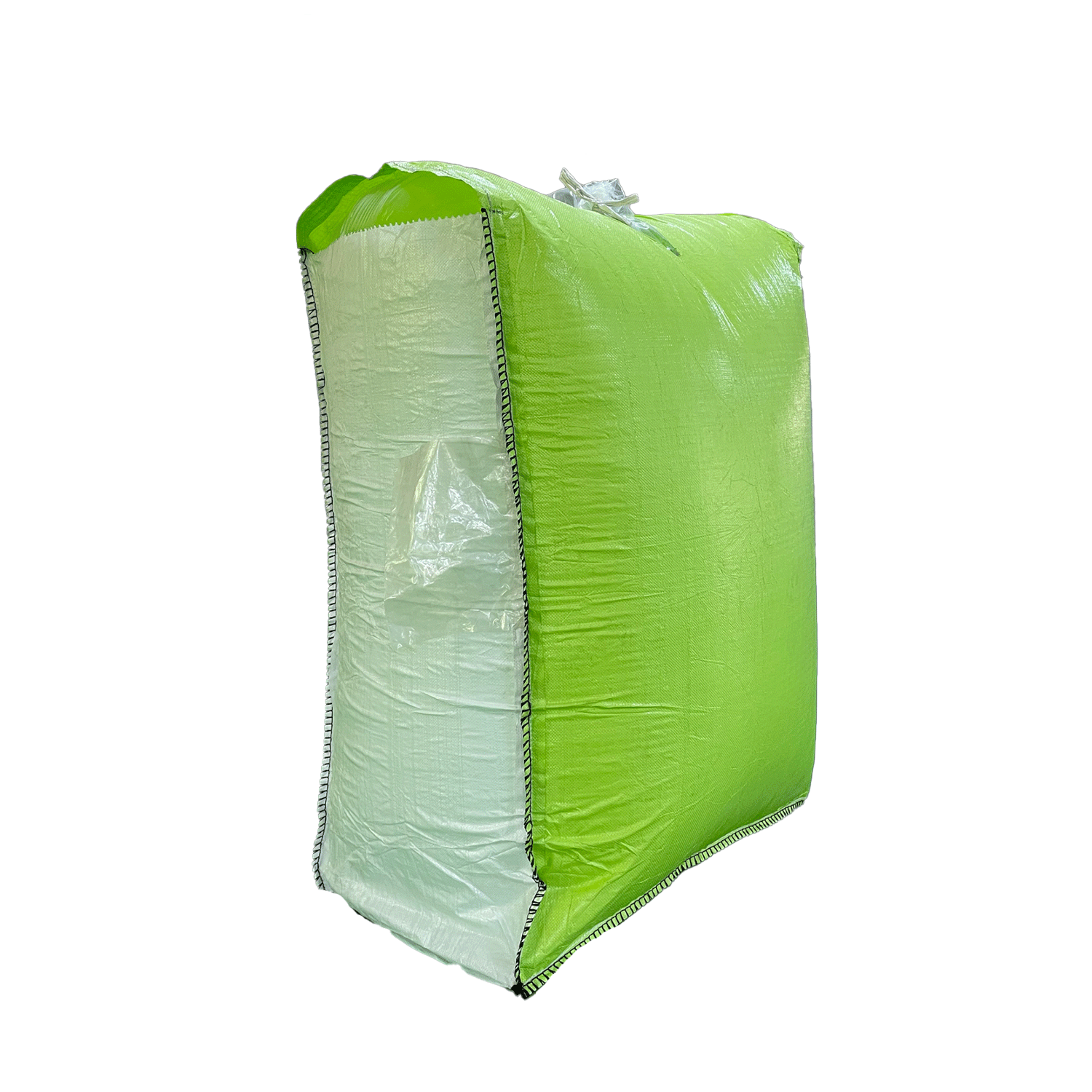 | FIBC Section Fertilizer Bag Range 1 & 2 Loop FIBC Bulk Bags Deccan Cans & Printers Pvt. Ltd. offers durable and cost-effective 1 & 2 Loop FIBC Bulk Bags, designed for the efficient... |
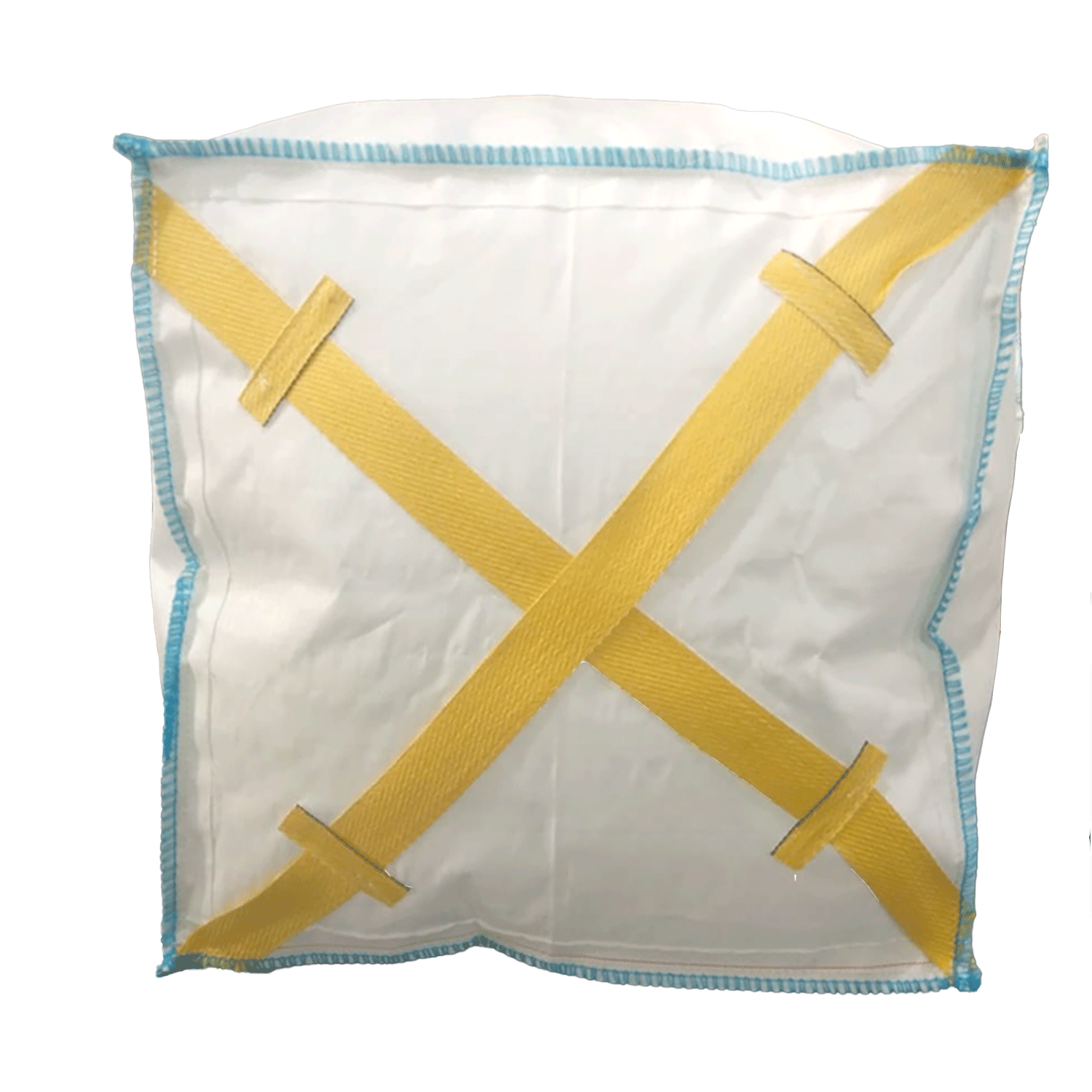 | FIBC Section Cross Bottom Sling Bags Cross Bottom Sling FIBCs – Bulk Bags Deccan Cans & Printers Pvt. Ltd. |
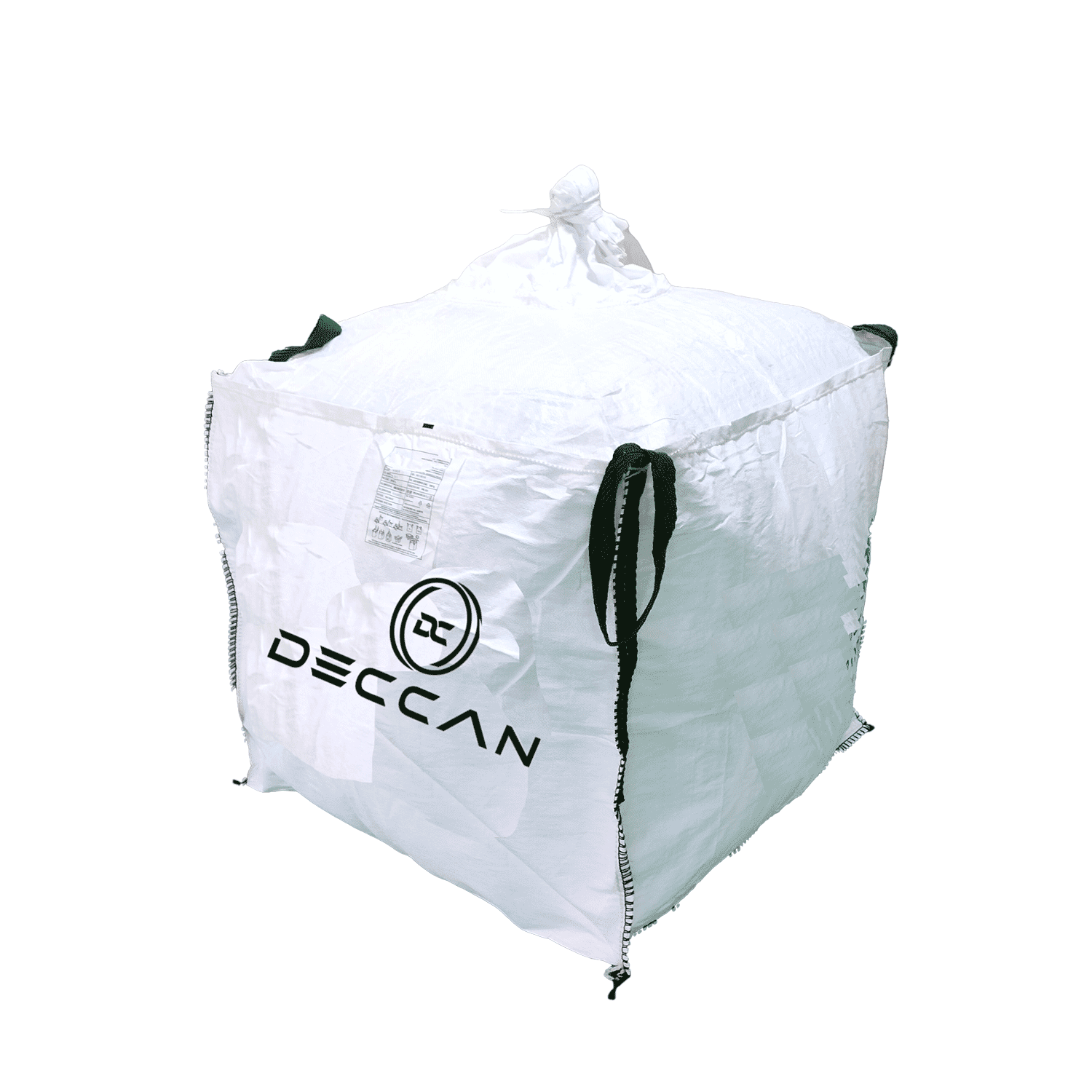 | FIBC Section Polyester Loop Bags/Multifilament Loops Polyester / Multifilament Loop FIBC Bags Deccan Cans & Printers Pvt. Ltd. |