Choosing a metal can for an industrial liquid involves more than matching a nominal capacity to a label. You will learn how to specify the steel, internal coating, closure, headspace and tests needed for your formulation, transport route and storage conditions.
Key takeaways
- Match the lining to the formulation’s solvent, resin and corrosion risk.
- Confirm compatibility using an immersion test before filling production batches.
- Specify capacity, headspace, closure and tinplate together.
- Test filled packs for leakage, rust, swelling and label adhesion.
Match the tinplate and internal lining to the formulation
Water-based paints usually need an internal lining to prevent rust, staining and resin interaction; solvent-based paints need one when the solvent or resin attacks exposed steel or tin. Solvent-heavy systems require the most cautious selection.
A tin container usually means tinplate steel: low-carbon steel with an electrolytic tin coating. Tin-free steel and internally lacquered steel are different choices, with different forming, corrosion and welding behaviour.
| Container choice | Material or lining | Suitable starting point |
|---|---|---|
| Plain tinplate | Exposed electrolytic tin over steel | Mild, compatible formulations after testing; not a default for water-rich or aggressive products |
| Internally lacquered tinplate | Tinplate with a cured product-contact lining | Water-based, solvent-based and resin-rich paints where steel contact is unsafe |
| Specialist coating | Chemical-resistant lacquer selected for the formulation | Strong solvents, acidic additives, or long and elevated-temperature storage |
| Tin-free steel | Chromium-based surface rather than tin | Use only after confirming forming, seam and compatibility requirements |
An internal lining is essential when the formulation contains ketones, aromatic hydrocarbons, alcohols, glycol ethers, esters, amines or acidic additives that can attack lacquer or seals. Plain tinplate can corrode, stain paint or change odour.
Require paint can compatibility testing with the actual product and closure assembly. Check:
- Resin and solvent attack
- Swelling, delamination and staining
- Odour transfer and seal softening
- Filled storage at the intended and elevated temperatures
A coating that works with one paint system does not prove compatibility with another. Name the substrate, coating, steel temper and thickness in the specification.
Check chemical and lubricant compatibility before filling
Assess chemical compatibility before filling by reviewing the actual formulation, not just the product name. Acid and alkali storage, oxidising chemicals and corrosive cleaners can attack plain tinplate or its lining at different rates.
1. Read the SDS and record concentration, pH, oxidising strength, water content, additives and intended storage temperature. Flag solvents, acids, amines, chlorides and reactive additives for a formulation-specific review.
2. For lubricant packaging, identify whether the product is mineral oil, synthetic oil, grease or a high-viscosity compound. These affect lining choice, wetting, residue removal and dispensing: a viscous grease can cling to the wall, while additives in synthetic oils can soften coatings or seals.
3. Specify gasket polymer compatibility as well as metal compatibility. Expose the gasket to the product and check for solvent swelling, plasticiser extraction, softening, cracking and loss of compression after the intended temperature exposure.
4. Test the complete filled pack, including can, lining, closure and gasket; an empty can that passes a leak check proves little about chemical compatibility. Hold samples at the intended temperature and duration, then inspect for corrosion, staining, odour transfer, coating lift, seal softening and changes in product viscosity.
5. Choose a specialist lining or a different container material when the formulation attacks plain tinplate, oxidises the metal, permeates the coating, or causes unacceptable gasket change. Strong acids, strong alkalis, oxidising cleaners and aggressive solvent blends deserve this decision before production, not after a field leak.
Choose the format, capacity, headspace and closure together
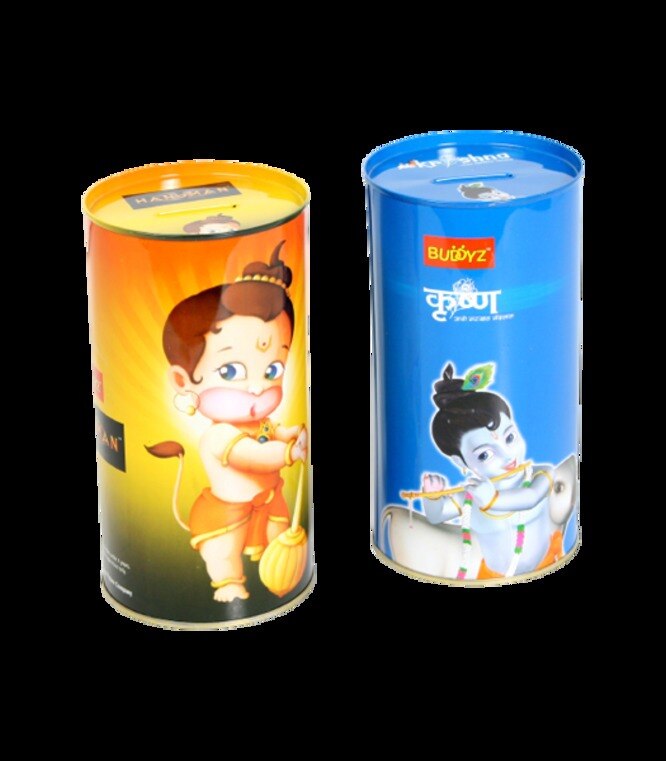
Round paint cans are easy to carry and pour; rectangular tin containers use shelf and pallet space efficiently; metal pails give wider access for high-viscosity products. Smaller packs suit brush applicators, nozzles or dispensing caps.
| Format | Strength | Best fit |
|---|---|---|
| Round can | Stable handling and controlled pouring | Paints and medium-viscosity liquids |
| Rectangular can | Tighter shelf and pallet packing | Retail or warehouse distribution |
| Metal pail | Wide opening and easier tool access | Grease, paste and high-viscosity products |
| Small pack | Precise application and less waste | Touch-up paint, adhesive and maintenance chemicals |
Nominal capacity is not usable fill volume. Use a headspace calculation: net product mass equals usable volume multiplied by density, while usable volume equals nominal internal volume minus headspace. Set headspace from density, viscosity, filling temperature, thermal expansion and movement during transport.
Filling to the brim can cause leakage, panel distortion or pressure build-up as the pack heats.
Choose the closure with the dispensing task and reclosure cycle. Friction-fit lids are quick but can leak or lose tamper evidence; lug closures improve sealing and reclosure; screw caps support repeated dispensing; plug-and-cap assemblies control narrow streams; crimped closures resist tampering but usually require a new closure after opening.
Specify the gasket polymer, application torque or crimp condition, reseal requirement and leak-test method. Confirm resistance to solvent swelling, plasticiser extraction and temperature exposure.
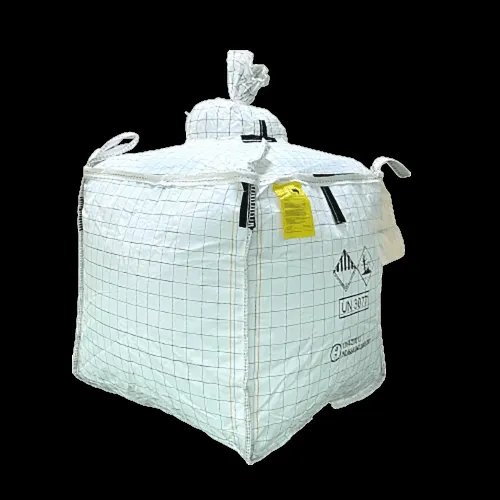
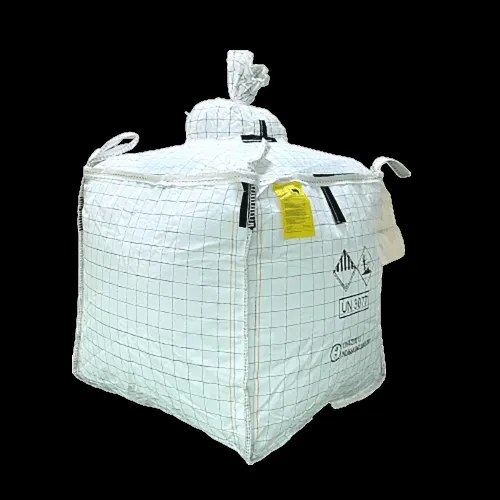
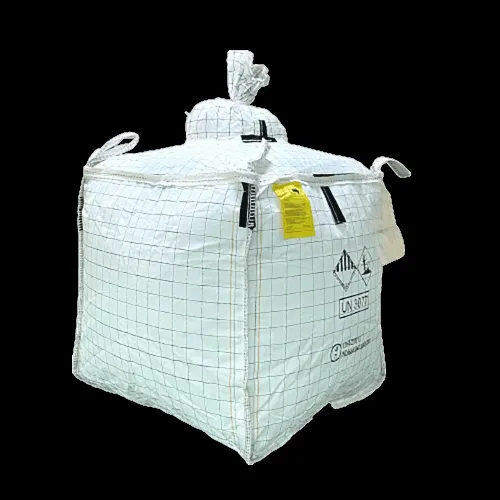
A conventional FIBC is for dry powders, flakes and granules, not a general replacement for a liquid drum or liquid IBC. Liquid paint or lubricant can leak through seams or overwhelm a woven-polypropylene fabric and liner.
Validate the filled pack before approving production
Approve the selected pack only after testing the filled container, not just an empty can or a thicker steel gauge.
1. Inspect incoming bodies and ends for dimensions, coating continuity, dents, sharp edges, rust, pinholes and other visual defects. Record the double-seam inspection and double-seam teardown, including seam thickness, tightness and evidence of cut-through.
2. Fill production-equivalent containers with the actual paint, chemical or lubricant. Run compatibility exposure for resin or solvent attack, swelling, delamination, staining, odour transfer, corrosion and gasket softening.
3. Run a filled-pack storage test at the intended temperature and at an elevated temperature that represents warehouse, vehicle or seasonal exposure. Check the product and pack at defined intervals for viscosity change, coating lift, seal degradation and corrosion.
4. Apply vacuum or pressure checks when the formulation, filling temperature, thermal expansion, gas generation or closure can create internal pressure or vacuum. Then perform tin can leak testing using the specified method and acceptance limit.
5. Drop filled packs at the required filled mass from the specified height and orientation. Reject any pack with leakage, seam opening, closure release or hazardous deformation.
6. Apply stacking or pallet-load testing at the planned load, duration and storage condition. Include the lowest pallet layer, where compression and floor irregularities create the greatest risk.
7. Retain a production sample and record the steel substrate, coating type, temper, thickness, dimensions, closure, gasket, fill mass and every test condition. Gloss, print alignment and colour are appearance checks, not performance evidence.
For dangerous goods, the SDS classification and transport mode determine whether UN performance-tested packaging is required. Approval covers the complete pack: body, closure, gasket and inner components. Nominal wall thickness cannot compensate for a defective seam or damaged lacquer.
Write a Pune-ready procurement specification
Put these fields in the purchase order, not just “tin can” and capacity:
- Product name, formulation and SDS classification.
- Net fill, filling temperature and required headspace.
- Steel substrate: tinplate, tin-free steel or internally lacquered steel; state tin or lacquer system.
- Steel temper, thickness, body and end dimensions.
- Closure type, gasket polymer, torque or crimp condition, and reseal requirement.
- Filling-line speed, chuck, seamer, nozzle clearance and orientation requirements.
- Leak-test method and acceptance limit.
- Filled-pack drop height, stacking condition, pallet pattern and storage duration.
For monsoon packaging storage, keep packs off wet floors and protect them from rain and condensation. Inspect edges, cut-outs, seams and damaged external coatings for edge rust and under-film corrosion, not just print quality.
| Format | Specify | Key control |
|---|---|---|
| Tin container | Net liquid fill and headspace | Thermal expansion and transport movement |
| FIBC | FIBC safe working load, single-trip or reusable use, top-lift design, liner, discharge spout, static-control type and grounding procedure | Load and ignition control |
| UN pack | Tested liner, discharge assembly and lifting arrangement | Changing any of these can invalidate the UN approval |
Type C and Type D FIBC are not interchangeable: Type C requires grounding, while Type D relies on dissipative construction and controlled handling. A tin container supplier Pune businesses use, such as Deccan Cans & Printers Pvt. Ltd., can compare formats, but retain compatibility evidence, seam and closure records, test results and the applicable certificate.
Related products
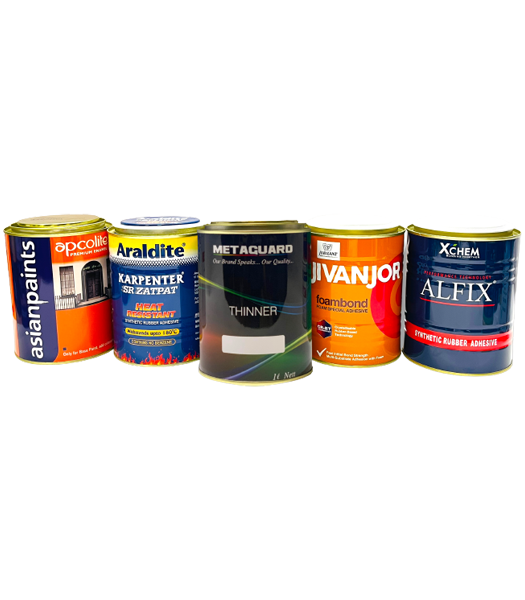 | Tin Containers Tin Containers Deccan Cans & Printers Pvt. Ltd. offers a robust range of Industrial Tin Containers, engineered to provide secure, durable, and... View product → |
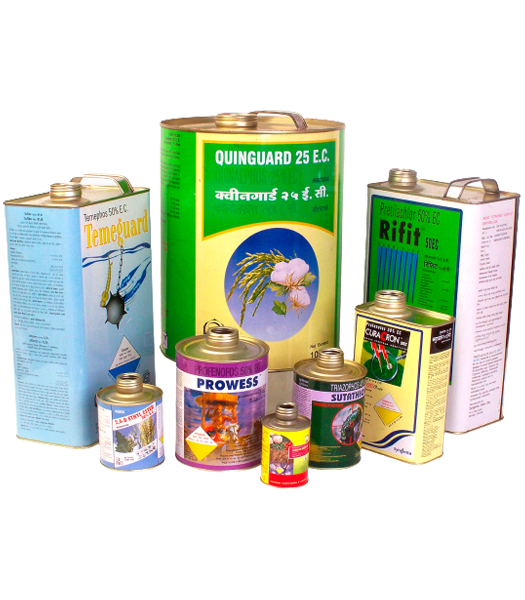 | Tin Containers Tin Containers Deccan Cans & Printers Pvt. Ltd. offers a durable range of Pesticide Tin Containers, designed for reliable packaging and storage of... View product → |