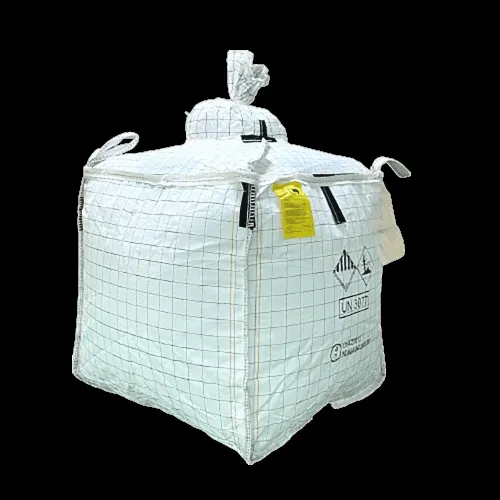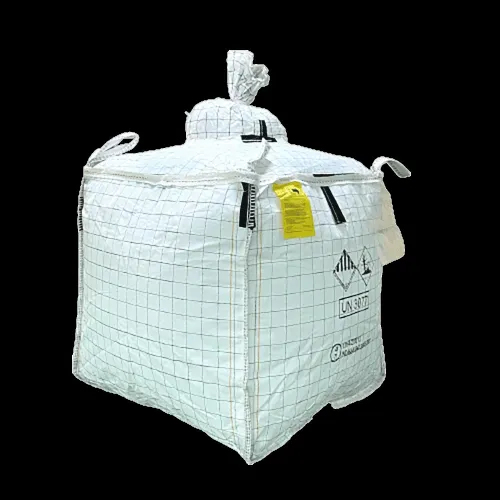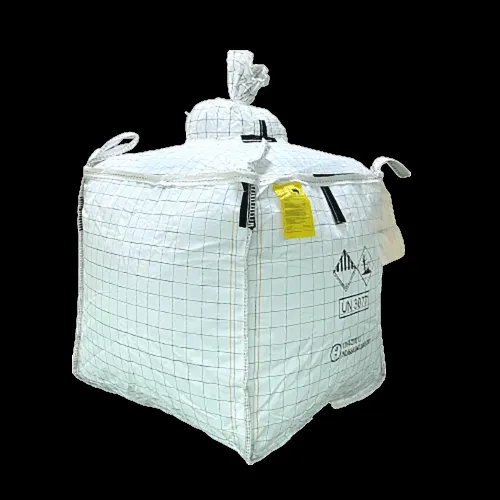

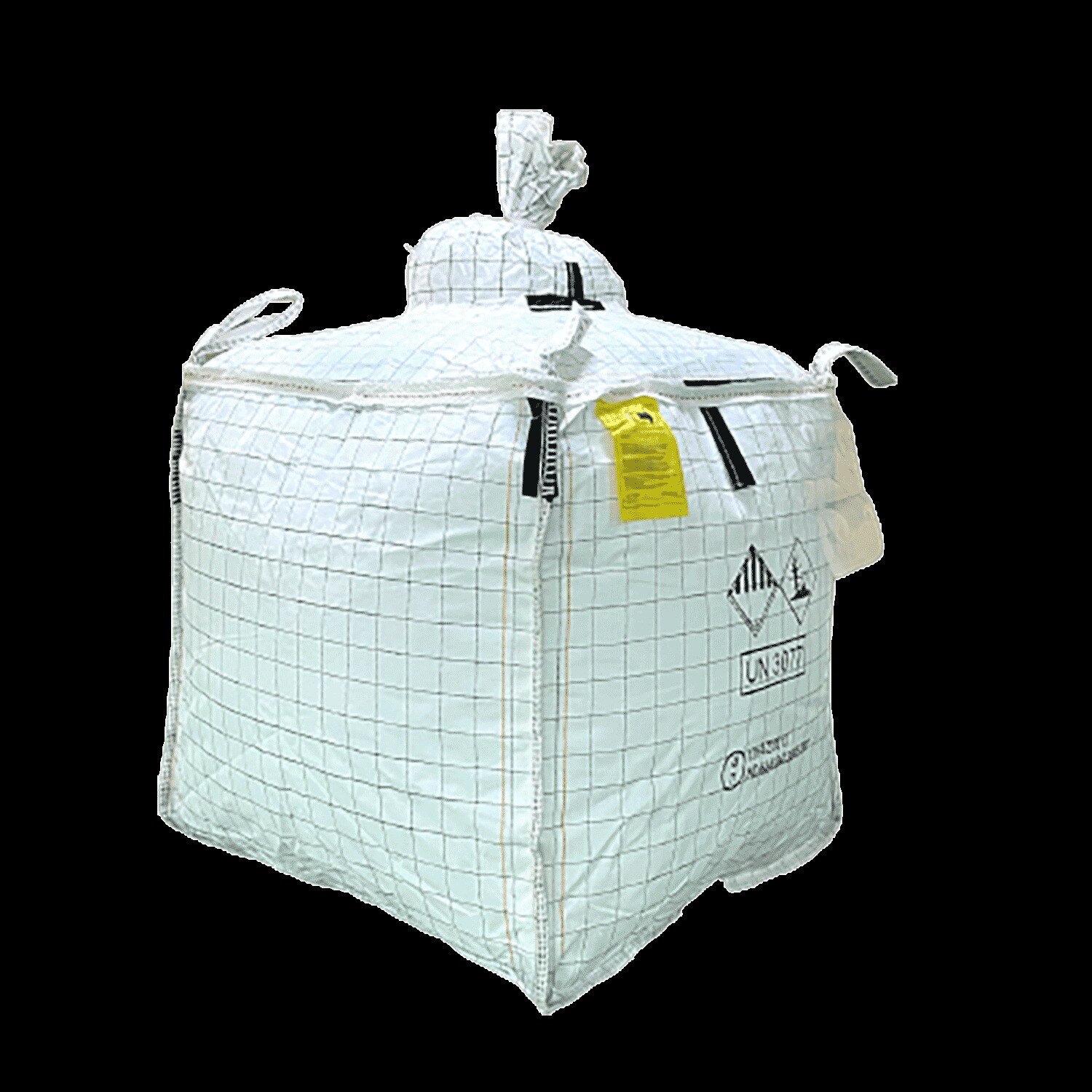
A custom FIBC is not simply a bulk bag made to an unusual width: its fabric, safe working load, lifting system, closures and compliance evidence must match the material and handling process. By the end, you will be able to prepare a supplier-ready specification, calculate the required capacity, select a safe lifting configuration and identify the tests or documents your shipment needs.
Key takeaways
- Provide product density, particle size, moisture and flow behaviour.
- Calculate capacity from volume, density and safe working load.
- Match lifting loops to your forklift, crane or handling frame.
- Request test records, certificates and documentation for Chilean operations.
Build the specification around the material and process
A quotation is only comparable when your FIBC specification sheet defines the material, process and handling conditions—not just the bag’s dimensions. Give the supplier the product density, particle size, moisture content, flow behaviour, required capacity, filling and discharge methods, pallet footprint and stacking height.
1. State the construction: finished dimensions, polypropylene fabric weight, safe working load, safety factor, seam type, thread or tape, body coating, colour and printing. Specify the filling spout, discharge spout, closures and lifting-loop arrangement separately.
2. For fine powders, request sift-proof seams, suitable tape or thread, secure spout ties and a defined liner closure. Ask for filled-bag leakage or sieve-type verification with the actual powder; a coated body alone does not prevent migration through needle holes.
3. Define the coating and liner as separate process components. State liner thickness, polyethylene type, seal geometry, antistatic treatment and product compatibility. A loose liner can wrinkle into the discharge spout, restrict flow and retain product; a form-fit liner improves emptying but costs more to convert.
4. Record the operating environment. Covered storage remains necessary in Santiago: UV-stabilized polypropylene fabric slows sunlight damage but does not replace protection from prolonged sun, dust and moisture at closures.
5. Identify compliance before pricing. For dangerous goods, specify the required UN design type, such as 13H1 through 13H4, and request performance-test evidence. For food contact, require documented compliance for the complete bag, liner, ink, thread, coating and closures under Chile’s Reglamento Sanitario de los Alimentos.
For static-sensitive processes, state whether Type C bonding or Type D charge dissipation is required. Do not substitute them.
Calculate capacity, volume and safe working load
A 1,000 kg fill does not automatically require a 1,000 kg-rated bag. Calculate the required volume from the target mass and product density, then select a tested safe working load (SWL) above the complete lifted mass, including the bag, liner and product.
FIBC volume calculation uses internal length × width × usable height, with all dimensions converted to metres. Divide the planned product mass by its bulk density to find the minimum usable volume.
Reserve headspace for the filling method, product expansion and closure; a bag filled to its geometric maximum can bulge, settle unevenly or prevent the discharge spout from closing.
| Selection basis | What it tells you | Why it matters |
|---|---|---|
| Nominal dimensions | The stated footprint and height | A 90 × 90 cm bag can expand beyond its footprint when filled |
| Calculated volume | Product mass ÷ product density, plus process headspace | Powder and granules with different densities need different bag volumes |
| Safe working load | The tested maximum lifted load | The rating must cover contents, liner and bag, not just the product |
Check the filled bag against the pallet footprint, rack and aisle clearances, filling headroom, discharge height and removal path. Confirm that operators can lift it without dragging or catching the body.
Ask for the ISO 21898 test basis, rated SWL, safety factor, lifting configuration and intended material. If the contents are dangerous goods, confirm whether a UN-marked design is required; a custom shape alone does not establish authorization.
Match lifting loops to the handling equipment
A one-loop FIBC fits a single-hook crane or lifting point only when the hook and loop are rated together. A two-loop FIBC suits a two-hook crane beam or a forklift attachment designed to capture two loops; do not place both loops on one hook unless the manufacturer approves that method.
| Configuration | Equipment match | Check before approval |
|---|---|---|
| One-loop FIBC | Single crane hook or dedicated lifting arm | Hook throat, loop width, seam rating and bag balance |
| Two-loop FIBC | Two-hook spreader or purpose-built two-arm forklift frame | Hook spacing, loop length and equal load sharing |
| Four-loop FIBC | Four-point crane frame, sling system or forklift frame with four lifting fingers | Loop spacing, finger length and engagement of all four loops |
| Cross-corner loops | Four-point frame or slings lifting from opposite bag corners | Sling angle, corner geometry and clearance from the body |
Four-loop does not mean universal forklift compatibility. A frame with the wrong spacing can pull the loops sideways, concentrate force at one seam and damage the bag during acceleration or turning.
Specify loop length, internal spacing, attachment seam, lifting-point geometry and the rule that all loops must remain engaged. Ask for a trial lift using the actual forklift frame, crane hook or sling arrangement in your Santiago operation.
Confirm the tested safe working load under that method, not just a 5:1 or 6:1 design factor; ISO 21898 marking and test evidence should identify the approved configuration.
Choose fabric, liner and static protection for the contents
Fine powder can escape through needle holes, seams and spout ties even when the polypropylene body is coated. Request a filled-bag leakage or sieve-type check using your actual powder; a coating description alone does not prove sift-proof performance.
For granules, prioritize seam strength, abrasion resistance and a discharge opening that will not bridge or retain product.
| Construction | Choose it for | Main control |
|---|---|---|
| Type A FIBC | Non-flammable powders or granules | No static protection; keep away from flammable dust clouds and vapours |
| Type B FIBC | Dry, flammable powders without flammable gas or vapour | Controls propagating brush discharges; control ignition sources |
| Type C FIBC | Flammable powders or hazardous static environments | Interconnected conductive elements; ground the bag before filling and discharge |
| Type D FIBC | Flammable powders where verified static-dissipative handling is required | Uses dissipative fabric without a grounding lead; follow the supplier’s application limits |
Choose a liner separately from the outer fabric. A loose polyethylene liner can wrinkle into the discharge spout, slow flow and retain product; a form-fit liner empties better but costs more to convert and replace. Specify thickness, seal geometry, antistatic treatment and product compatibility.
For moisture, dust or hygroscopic contents, seal the liner and spouts as a system, not as isolated components.
- Specify UV-stabilized fabric for Santiago storage, but keep filled and empty bags covered; sunlight reduces retained strength.
- Add a transparent liner, viewing panel or contrasting fabric when operators must check fill level or contamination.
- State the actual powder, particle size, moisture and flow behaviour so the supplier can match seams, permeability and closures.
Verify testing, documentation and Chilean operating conditions
Before approving, demand a document pack tied to the exact bag design, not a brochure or “heavy-duty” claim. For ordinary industrial goods, request the ISO 21898 test report or certificate, plus the drawing showing dimensions, fabric weight, seams, lifting loops, SWL, safety factor, filling spout and discharge closure.
1. Ask for a signed specification and production sample matching the quoted fabric, liner, thread, coating, closures and printing. Record the tested SWL and intended material; a changed liner or lifting arrangement can invalidate the test basis.
2. For food or food-contact contents, request food-contact documentation for the complete assembly: polypropylene fabric, liner, ink, thread, coating and closure. Check raw-material declarations and migration evidence against Chile’s Reglamento Sanitario de los Alimentos. “Food grade” printed on a quotation proves nothing by itself.
3. For dangerous goods, request the UN-marked FIBC design approval and test report. Confirm the UN code, such as 13H1 through 13H4, and evidence covering lifting, stacking, drop, topple, righting and tear tests. Then check the substance classification and road-transport controls under Chilean Decreto Supremo 298; the bag marking alone does not complete compliance.
4. If dust or flammable vapour creates a static hazard, obtain electrostatic testing and the handling procedure. For Type C FIBCs, verify the grounding path meets the 1.0 × 10^8 ohm maximum criterion and that operators can bond it before filling and discharge.
Deccan Cans & Printers Pvt. Ltd. should place the chosen liner, seam and closure details on the approval drawing, so the delivered custom bag remains the tested bag. Compare that drawing with the purchase order before release.
Related products
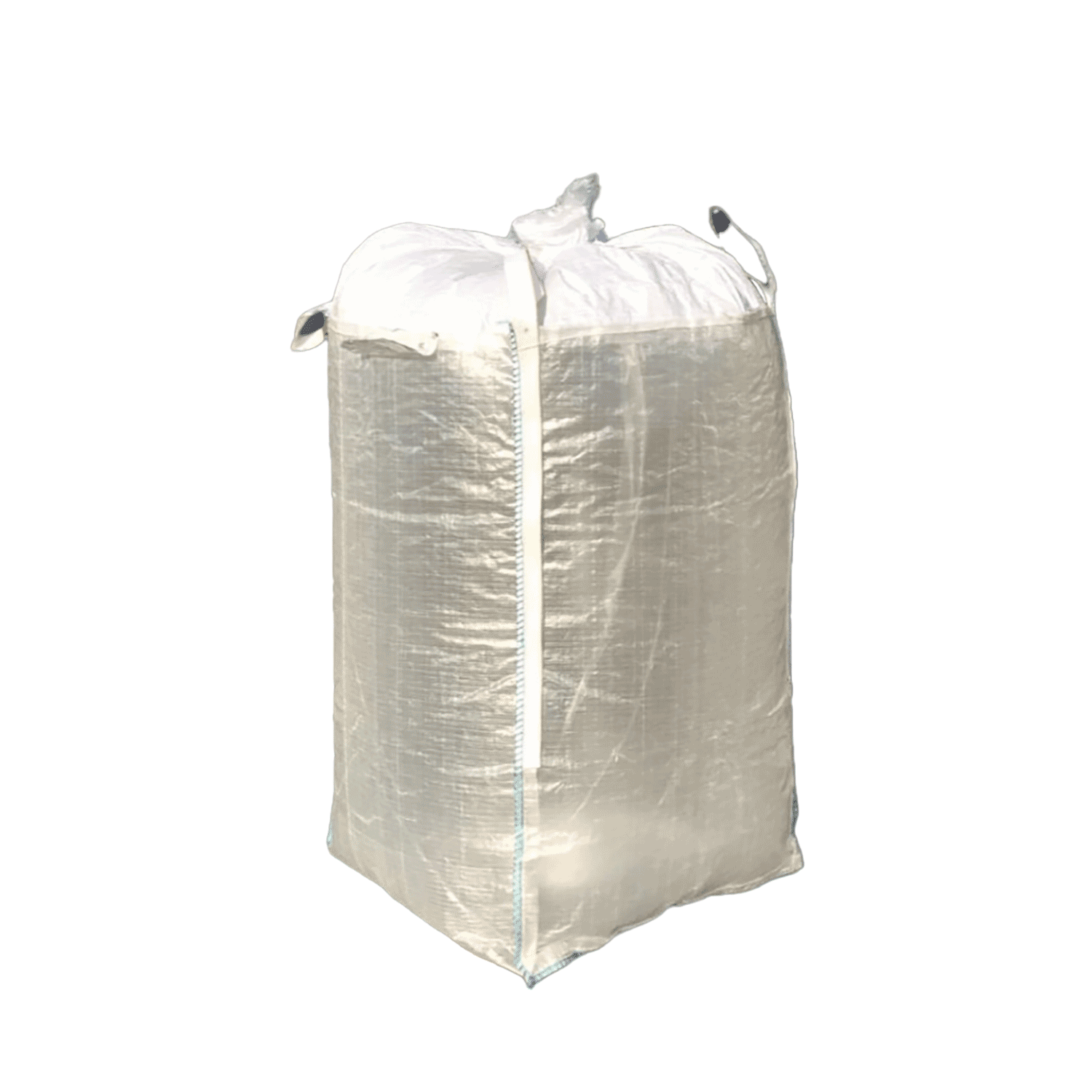 | FIBC Section Transparent Bags Transparent FIBCs – See-Through Bulk Bags Deccan Cans & Printers Pvt. Ltd. |
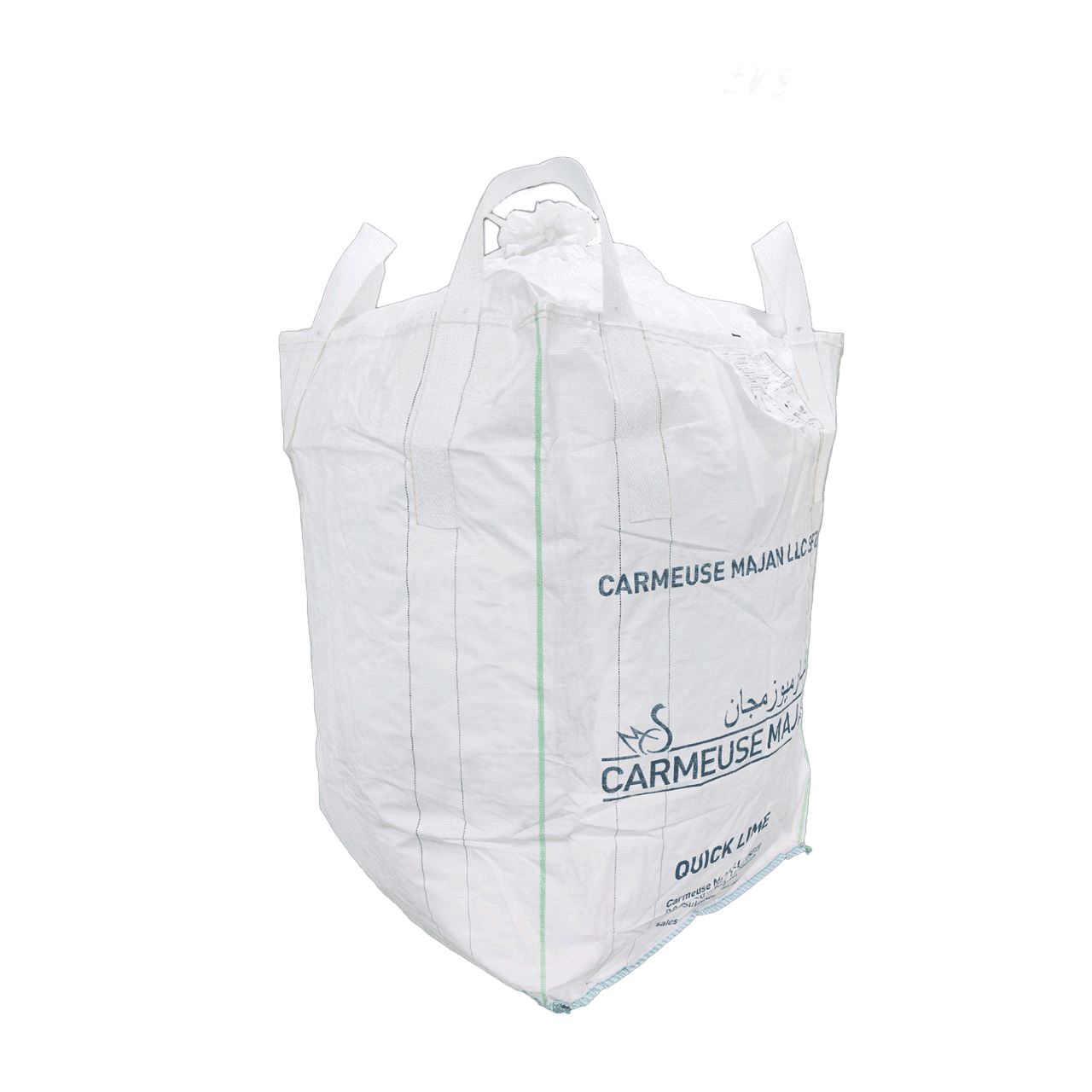 | FIBC Section Bags With Liners FIBC Liners – Bulk Bag Liners Deccan Cans & Printers Pvt. Ltd. |
Frequently asked questions
What information should you provide when ordering a custom FIBC bag?
Give the supplier the product density, particle size, moisture content, flow behaviour, required capacity, filling and discharge methods, pallet footprint and stacking height.
How do you calculate an FIBC bag’s required capacity and safe working load?
Calculate product volume from mass and bulk density, then confirm the bag’s safe working load against filling, lifting, transport and stacking conditions.
Which lifting loops should an FIBC bag use?
Choose loop construction and placement that match your forklift tines, crane hooks, lifting frame and the way operators will handle the filled bag.
How should you choose fabric, liner and static protection?
Select fabric strength, liner material and static protection based on the product’s moisture, particle size, flow behaviour, dust risk and ignition hazards.
What should you verify before using FIBC bags in Chile?
Check test records, safe working load markings, product documentation and suitability for local handling, storage, transport and operating conditions.
Related products
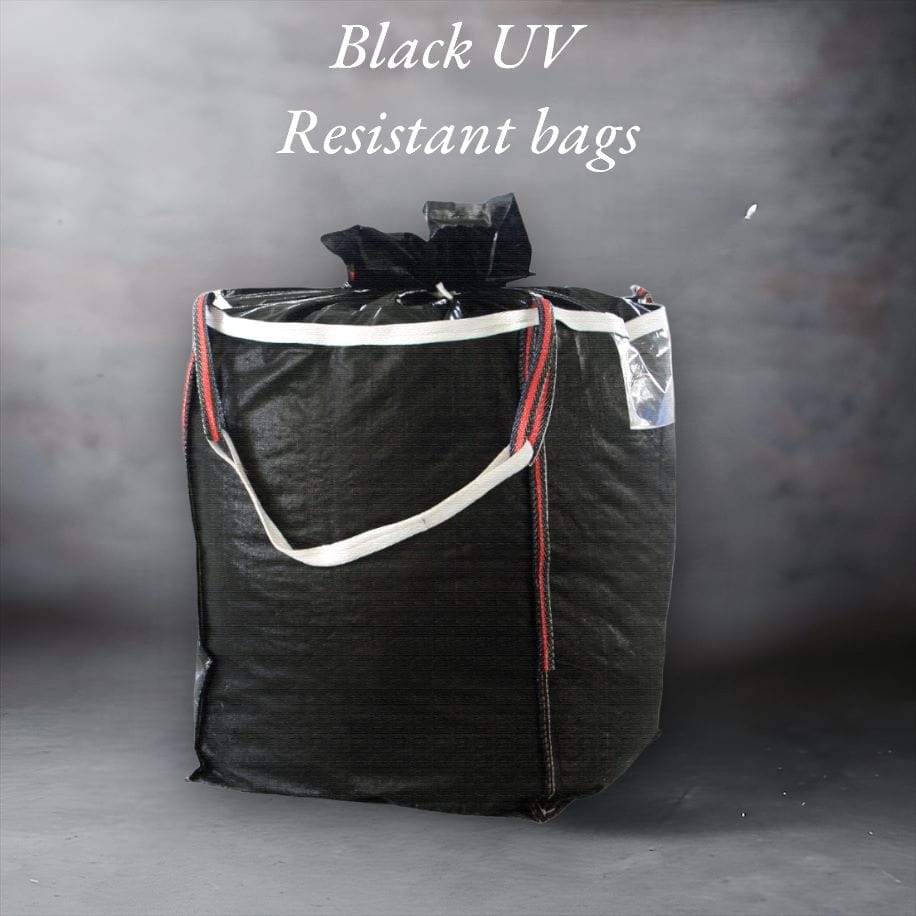 | FIBC Section Black Bags Black FIBC Bags – Enhanced UV Resistance & Extended Shelf Life UV exposure is one of the major challenges faced by the FIBC industry, as prolonged... |
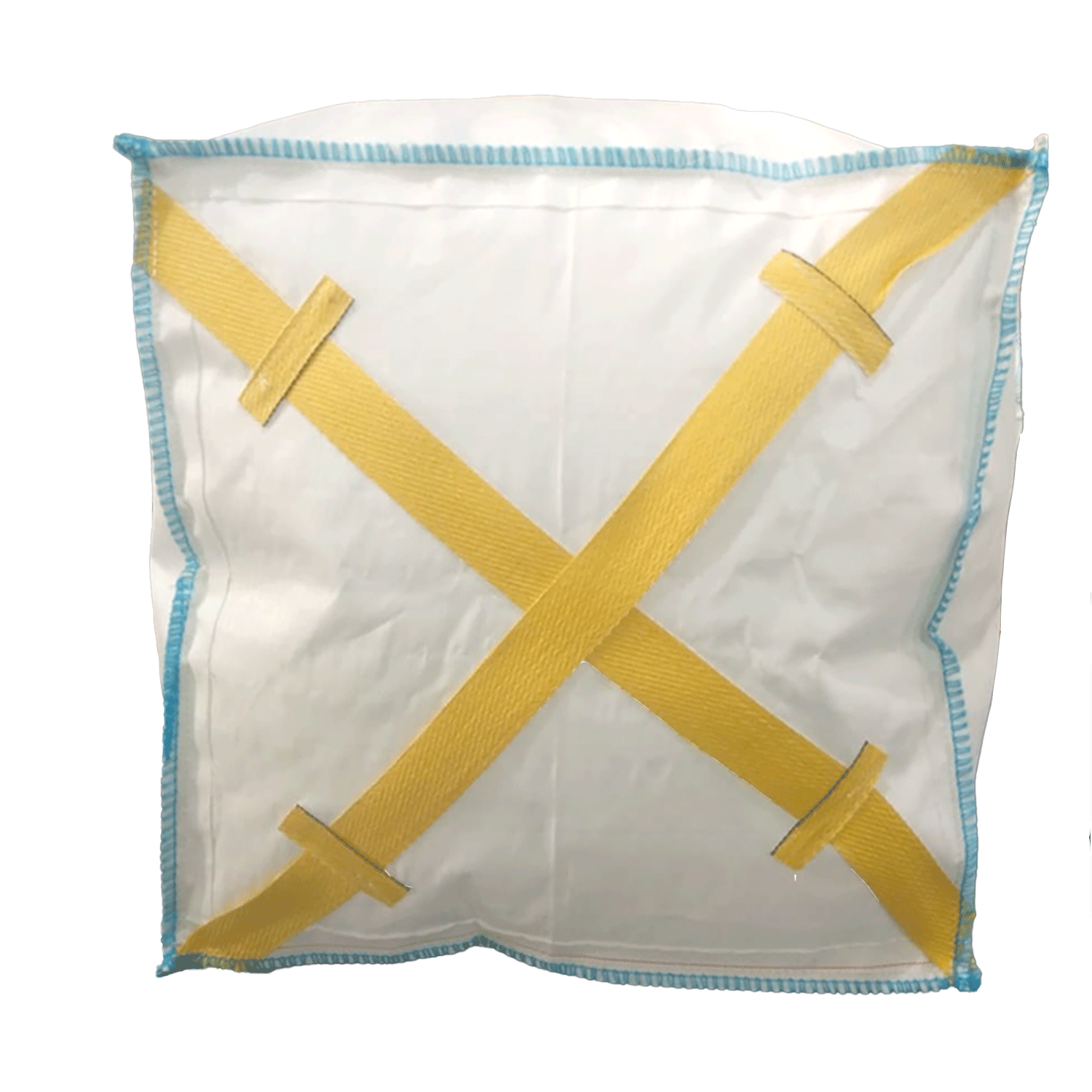 | FIBC Section Cross Bottom Sling Bags Cross Bottom Sling FIBCs – Bulk Bags Deccan Cans & Printers Pvt. Ltd. |
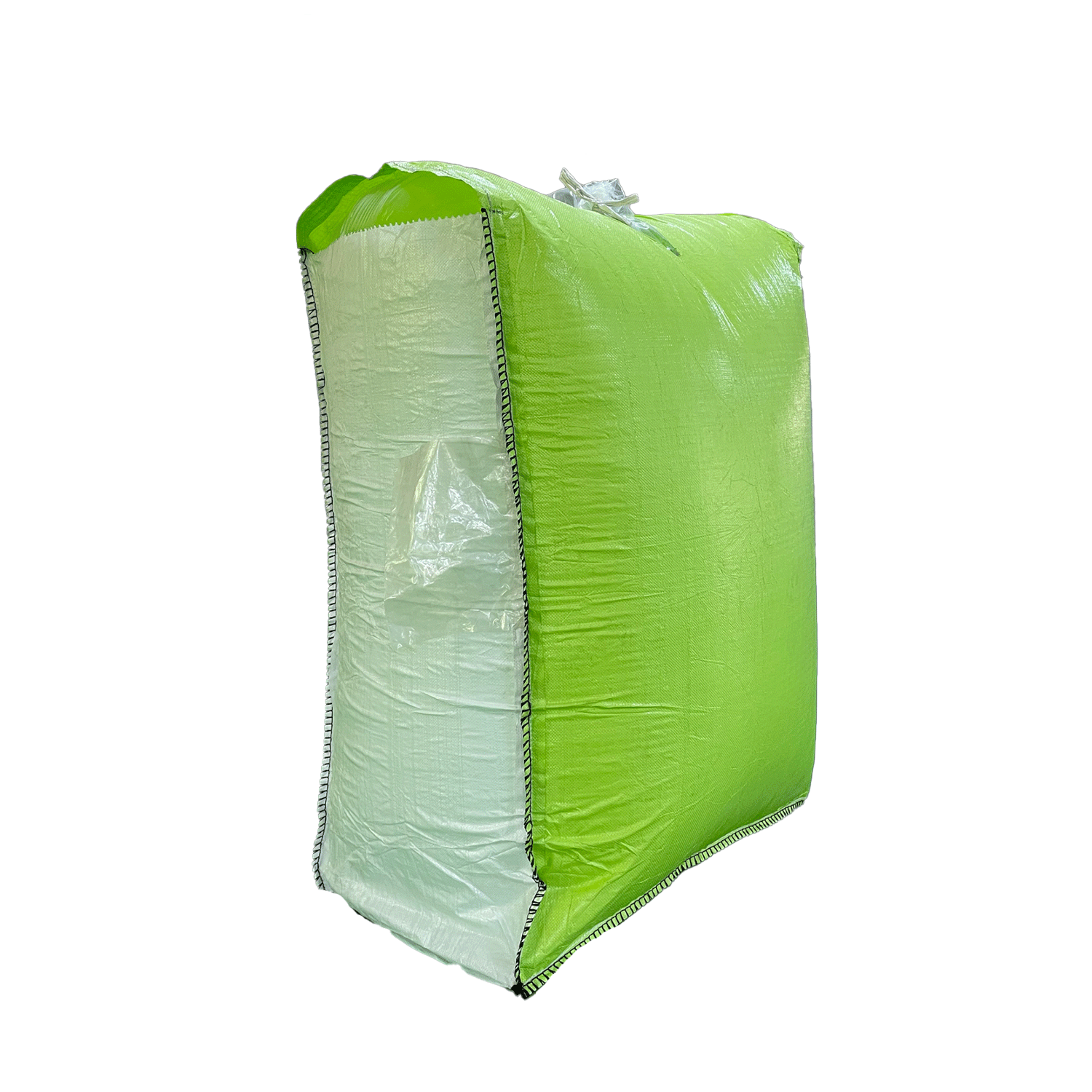 | FIBC Section Fertilizer Bag Range 1 & 2 Loop FIBC Bulk Bags Deccan Cans & Printers Pvt. Ltd. offers durable and cost-effective 1 & 2 Loop FIBC Bulk Bags, designed for the efficient... |
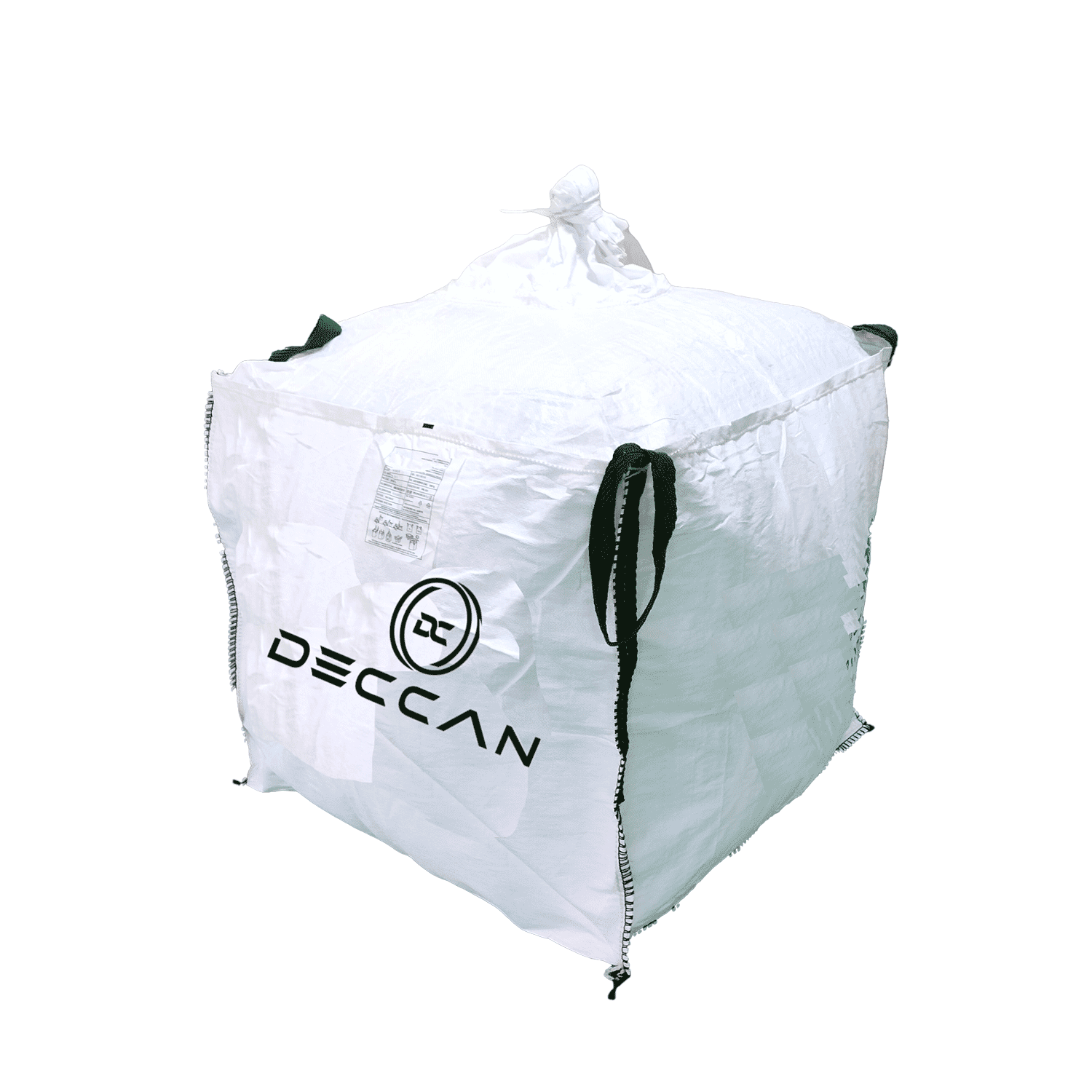 | FIBC Section Polyester Loop Bags/Multifilament Loops Polyester / Multifilament Loop FIBC Bags Deccan Cans & Printers Pvt. Ltd. |