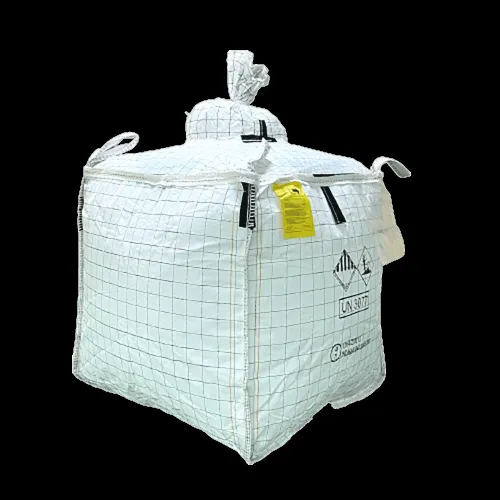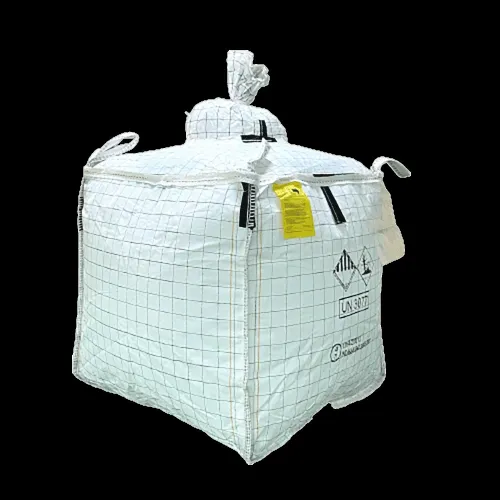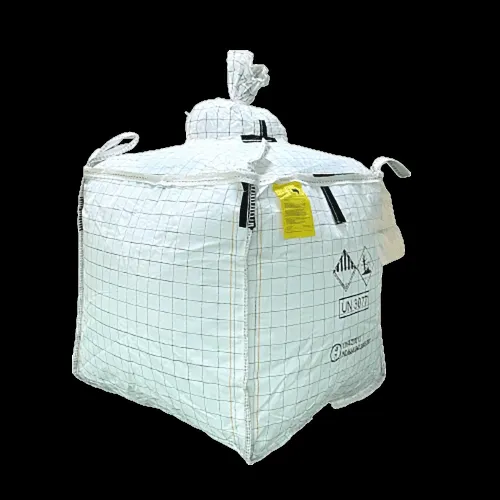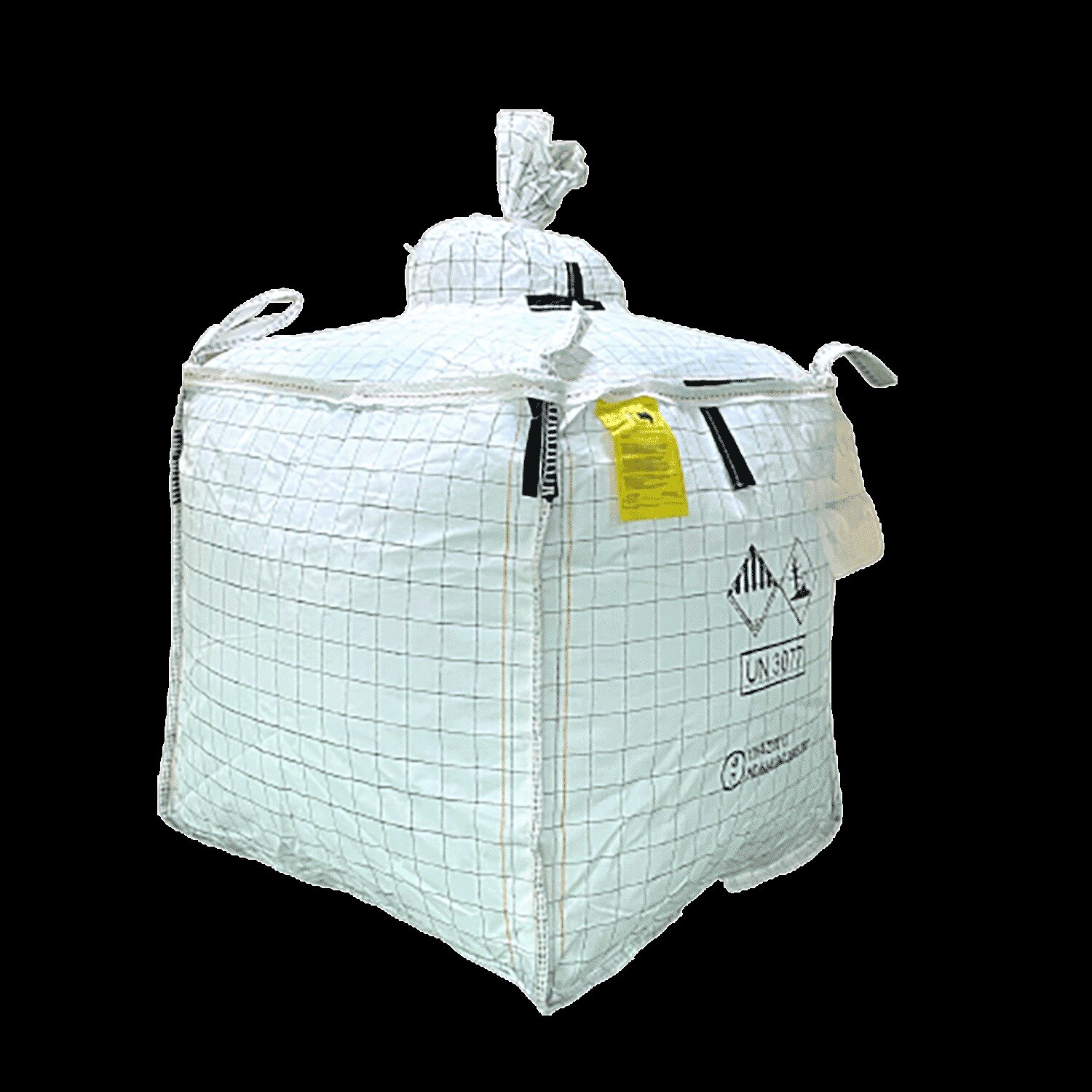
An FIBC specification must match the material, filling equipment, lifting method, storage conditions and transport rules—not just the bag’s stated size. By the end, you will be able to calculate a workable capacity, choose the right construction and lifting arrangement, identify electrostatic and moisture risks, and request documents that support safe procurement.
Key takeaways
- Convert fill weight and bulk density into usable bag capacity.
- Choose lifting loops for the filled weight and handling equipment.
- Match fabric, liner and electrostatic class to the material hazard.
- Demand test reports, batch traceability and shipment-use confirmation.
What must a custom FIBC specification include?
Start with the product, not a copied bag drawing. Convert target fill weight and bulk density into bag dimensions and usable capacity, then allow for powder aeration, bulging, headspace, closure folds and the filling machine.
Confirm the result with a filled-bag trial; an identical outside dimension can block a truck, exceed a pallet footprint or leave insufficient discharge clearance.
Write these fields into the custom FIBC specification:
- Target fill weight, product bulk-density range, nominal volume, required usable capacity and acceptable headspace.
- Bag dimensions, body shape, top filling opening, bottom discharge spout and each closure or liner-fold detail.
- Safe working load (SWL), single-trip or multi-trip use, and a stated 5:1 or 6:1 safety factor.
- Lifting arrangement, including one-loop, two-loop, four-loop or cross-corner loops, approved equipment, lifting angles and prohibited methods.
- Woven polypropylene construction, coated or uncoated fabric, seam type, liner material and liner-sealing method.
- Required tests under ISO 21898 or an agreed equivalent, including cyclic lifting, top lift, drop, stacking and seam performance.
A 6:1 safety factor does not make a bag reusable. Specify reuse controls, inspection, cleaning and contamination limits. For food or pharmaceutical powders, define technical cleanliness, metal detection, foreign-matter control and protective outer wrapping; “food grade” also requires compliance and migration documents for every contact component.
For Type C bags, state the grounding-point design, continuity test method and acceptance limit.
How do you calculate capacity and choose the lifting arrangement?
Calculate working capacity from the target fill weight, not from a copied outside dimension. Divide the target fill weight by the product’s bulk density to obtain settled product volume, then add headspace for powder aeration, bag bulging, liner folds and the closure method.
Filling equipment determines the allowance: an air-assisted filler can aerate powder, while a gravity system may settle it differently.
Choose length and width around the required volume and the route through your plant. Check pallet footprint, truck width, rack height, forklift clearance and the receiving hopper before approving dimensions. Confirm the result with a filled-bag trial; a nominally larger bag can still leave insufficient headspace or foul a discharge station.
The lifting arrangement must match the actual handling route and the stated safe working load. Do not assume four vertical loops permit forklift-tine lifting, crane hooks, angled slings or dragging. Specify the approved method and inspect loop-to-seam loading.
| Arrangement | Handling fit | Main limitation |
|---|---|---|
| 1-loop | Dedicated crane or hoist with one approved hook | Not suitable for forklifts or improvised slings |
| 2-loop | Two-hook crane handling and narrow access | Load balance depends on equal support |
| Four-loop | Forklift-compatible sleeves or four-point crane lifting | All loops must share the load as specified |
| Cross-corner | Forklift or crane routes needing stable corner support | Incorrect sling angles increase seam and loop forces |
If the bag has a bottom spout, match its diameter, length, closure and liner alignment to the receiving hopper; geometric fit alone will not prevent hang-up or uncontrolled flow.
Which fabric, liner and electrostatic class fit the material?
Choose coated versus uncoated polypropylene from the material’s moisture sensitivity, dust behaviour and handling environment. Coating adds a moisture barrier and reduces dust escape through the fabric, but increases friction, complicates recycling and can affect discharge behaviour. Uncoated fabric suits dry, free-flowing products when breathability and simpler recycling matter.
| Choice | What it means | When it applies |
|---|---|---|
| Coated polypropylene | Film-coated woven fabric | Moisture-sensitive powders, outdoor staging or stronger dust containment |
| Uncoated polypropylene | Open woven fabric without a film | Dry granules or powders where ventilation and lower material complexity matter |
| Form-fit polyethylene liner | Separate inner film, usually heat-sealed | Fine powders, moisture protection or contamination control; specify thickness and food-contact documentation when required |
| Type A FIBC | No static-control protection | Non-flammable products in areas without flammable dust or vapour |
| Type B FIBC | Controls propagating brush-discharge risk | Dry powders with low minimum ignition energy; it is not a grounding substitute |
| Type C FIBC | Conductive threads or fabric connected to earth | Flammable powders or solvent vapours when operators can verify grounding before filling and emptying |
| Type D FIBC | Dissipates charge without a deliberate earth connection | Flammable atmospheres where approved Type D construction and clean handling procedures fit the risk |
FIBC liner selection must match the powder, not just the bag volume. Use a welded liner and closed discharge spout when fine, aerated powder creates leakage paths; a sift-proof stitched or bound seam addresses fabric-side leakage. Test the complete bag with the actual powder, because a finer fabric alone will not stop powder leakage.
The Type A Type B Type C Type D FIBC classification must follow a documented ignition-risk assessment.
What tests and documents should you demand before approval?
A 5:1 or 6:1 safety factor does not prove that an FIBC is reusable. Demand a test dossier tied to the exact fabric, dimensions, seams, lifting loops, closures and liner, with results under ISO 21898 or an agreed equivalent.
- Require seam and lifting-loop test results, safe working load (SWL), cyclic-lift or top-lift results, drop testing, stacking results and closure-performance records.
- For outdoor storage, record the UV exposure requirements: stabiliser grade, test basis, exposure duration and maximum storage period. “UV treated” alone proves little.
- Obtain a material declaration covering polypropylene, coating, liner, ink, tie and adhesive. For food contact, request migration or compliance evidence for every contact component, not merely a virgin-resin statement.
- Request a cleanliness declaration covering production controls, odour, visible contamination and previous-use status.
| Evidence | What it confirms | Check before approval |
|---|---|---|
| Test report | Load and durability claims | Match the report to the quoted design and SWL |
| Bag marking | Traceability and handling limits | Verify SWL, safety factor, batch or serial number and manufacturer identification |
| Dangerous-goods file | UN suitability | Require the applicable UN 13H designation and certificate for the tested fabric, seams, closures, loops and filling/discharge arrangement |
| Compliance file | Regulatory and customer requirements | Obtain the material declaration and certificate of conformity |
For dangerous goods, an ordinary bag does not become UN packaging through a liner or printed symbol. A 6:1 marking also does not authorise reuse without inspection, cleaning and documented multi-trip approval.
How can a Vadodara buyer validate the supplier and shipment use?
Compare a FIBC manufacturer in Vadodara on traceable production control, not catalogue variety. Ask for the factory address, GST details, material specification, lot identification, test reports, sample approval process and complaint records.
For food-contact bags, require declarations and migration or compliance documents for the fabric, coating, liner, ink, tie and adhesive; virgin polypropylene alone proves nothing.
| Supplier check | Evidence to request | Disqualifying gap |
|---|---|---|
| Material control | Resin grade, permitted recycled fraction, lot tensile and seam results | No lot traceability or unexplained material changes |
| Sample control | Sealed production sample, dimensional sheet and filled-bag trial | Sample made from a different fabric, liner or closure |
| Dangerous-goods use | UN test certificate, approved design details and marking photographs | “UN” printed without a matching certificate |
| Shipment fit | Filled-bag trial using your product, filling equipment and discharge hopper | Bulging, liner collapse, hang-up or inadequate headspace |
Approve a production sample only after checking dimensions, fabric weight, stitching, lifting loops, liner alignment, closure, spout operation and emptying residue. Record the approved drawing, revision, batch number and photographs; reject substitutions unless you sign a change approval. Deccan Cans & Printers Pvt.
Ltd. can be compared on this evidence, including whether a liner-equipped design suits your powder rather than merely fitting the bag.
A UN-certified FIBC for applicable dangerous goods carries a traceable UN mark 13H and documentation showing the tested construction, closures, lifting arrangement and filling/discharge configuration. Confirm the stated packing group approval matches the substance and shipment route. Adding a liner or printing the symbol does not convert an ordinary industrial bag into UN packaging.
Related products
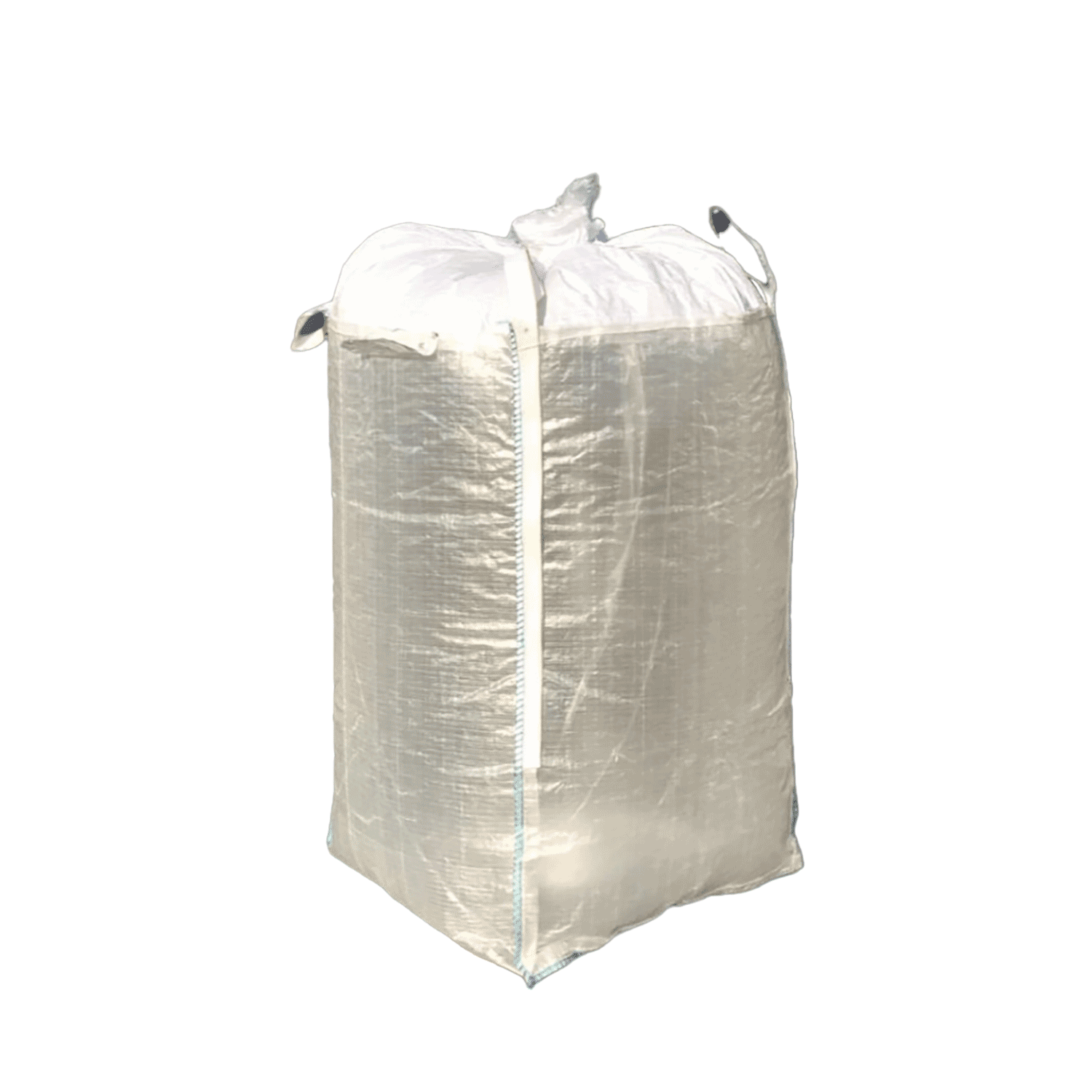 | FIBC Section Transparent Bags Transparent FIBCs – See-Through Bulk Bags Deccan Cans & Printers Pvt. Ltd. |
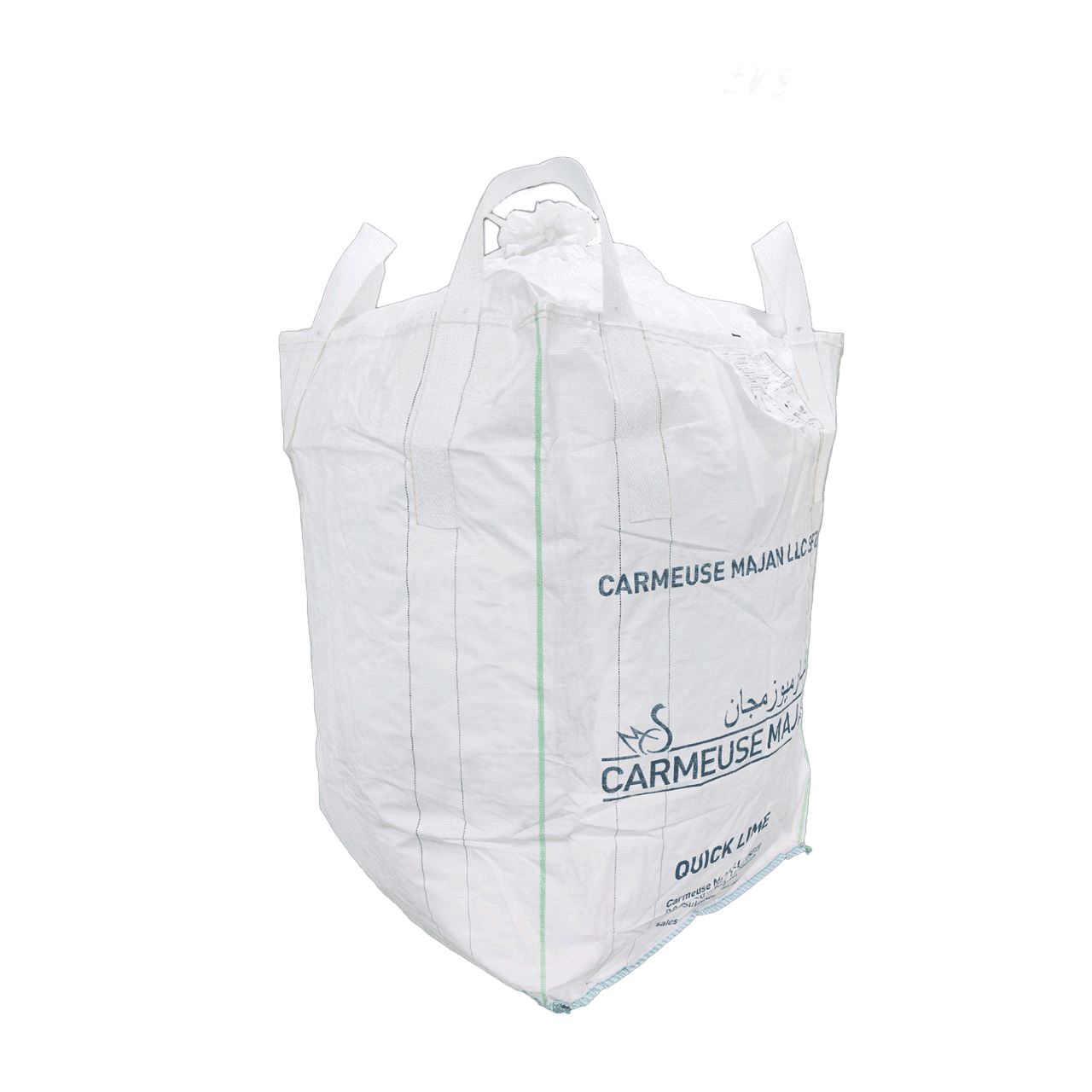 | FIBC Section Bags With Liners FIBC Liners – Bulk Bag Liners Deccan Cans & Printers Pvt. Ltd. |
Frequently asked questions
What must a custom FIBC specification include?
State the target fill weight, bulk density, bag dimensions, safety factor, fabric, liner, closures, lifting arrangement, discharge design, printing and filling equipment requirements.
How do you calculate FIBC capacity and choose the lifting arrangement?
Divide target weight by bulk density to estimate product volume, then add allowance for aeration, bulging, headspace and closure folds. Select loop construction and lifting points for the filled load and handling method.
Which FIBC fabric, liner and electrostatic class fit the material?
Match woven polypropylene fabric and liner construction to particle size, moisture, permeability, contamination risk and chemical compatibility. Select electrostatic class based on combustible dust and ignition-risk controls.
What tests and documents should you demand before FIBC approval?
Request a specification sheet, material details, production batch records, test results for seam strength and safe working load, liner checks, inspection records and any required UN or electrostatic documentation.
How can a Vadodara buyer validate the supplier and shipment use?
Inspect samples, confirm manufacturing and testing records, approve a pre-production sample, check packing and transport conditions, and verify that the delivered bag matches the filling, lifting and discharge equipment.
Related products
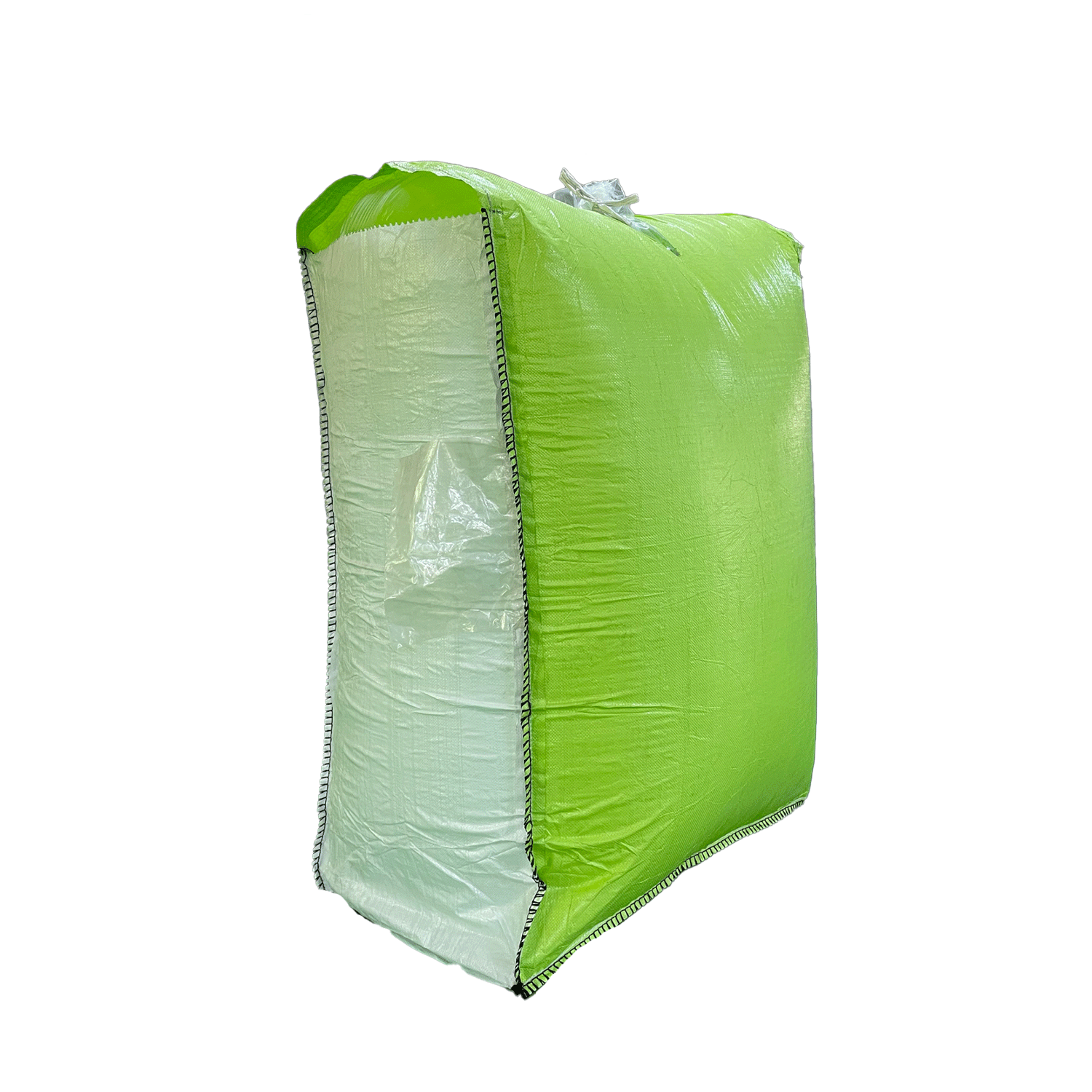 | FIBC Section Fertilizer Bag Range 1 & 2 Loop FIBC Bulk Bags Deccan Cans & Printers Pvt. Ltd. offers durable and cost-effective 1 & 2 Loop FIBC Bulk Bags, designed for the efficient... |
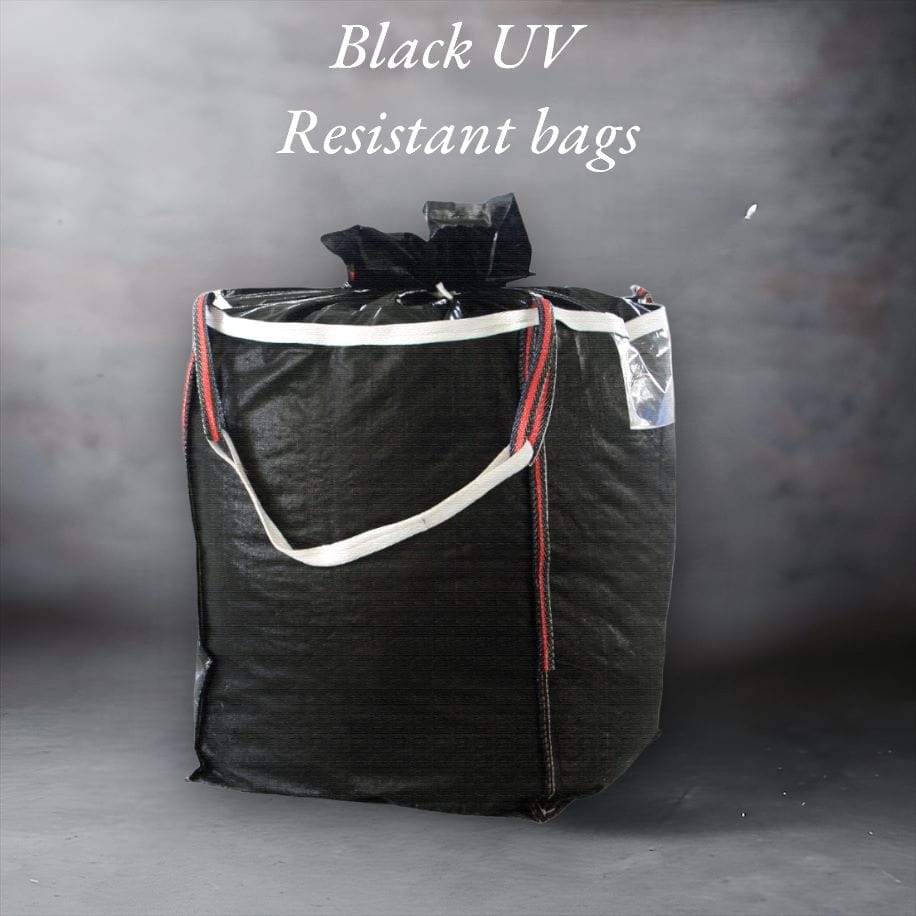 | FIBC Section Black Bags Black FIBC Bags – Enhanced UV Resistance & Extended Shelf Life UV exposure is one of the major challenges faced by the FIBC industry, as prolonged... |
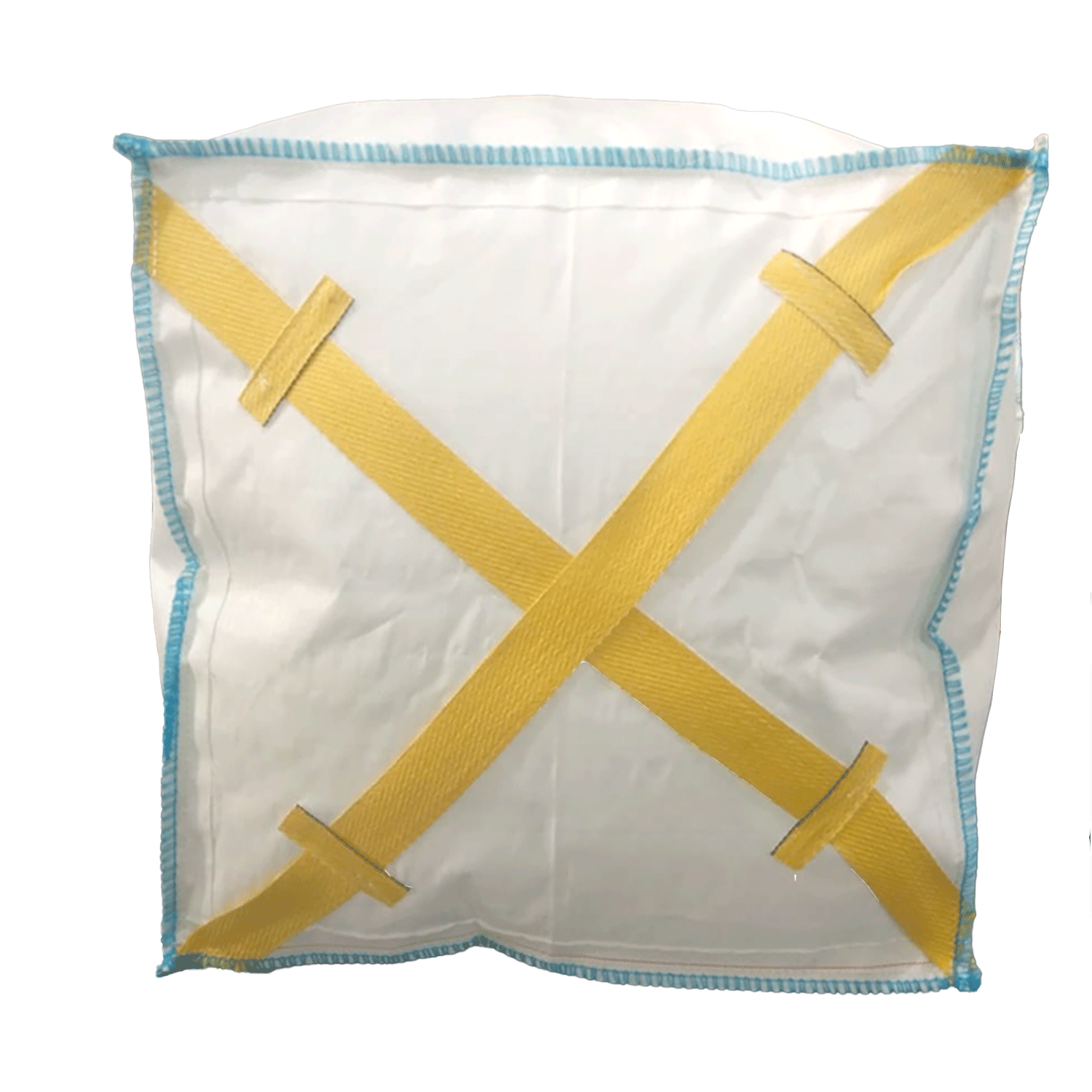 | FIBC Section Cross Bottom Sling Bags Cross Bottom Sling FIBCs – Bulk Bags Deccan Cans & Printers Pvt. Ltd. |
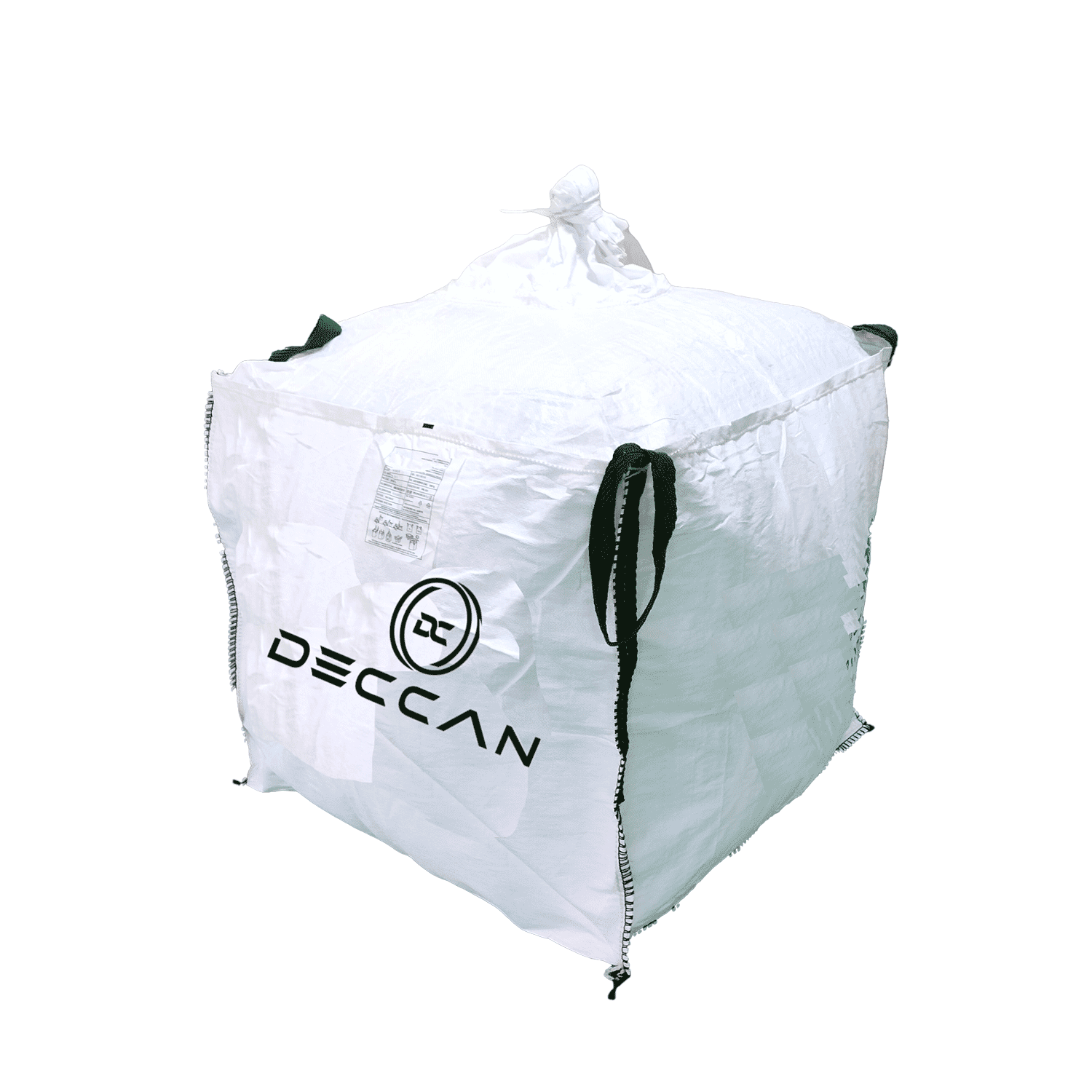 | FIBC Section Polyester Loop Bags/Multifilament Loops Polyester / Multifilament Loop FIBC Bags Deccan Cans & Printers Pvt. Ltd. |