Choosing an FIBC by size or advertised load rating alone can create failures during filling, lifting, storage and discharge. You will learn how to match construction, lifting design, material protection, safety controls and documentation to the load and route before a bag reaches your warehouse or vehicle.
Key takeaways
- Match woven polypropylene, liner and coating choices to the material inside.
- Select lifting loops that fit your forklift, crane or pallet workflow.
- Keep bags off sharp surfaces and inspect seams before every lift.
- Confirm moisture, static-control and dangerous-goods requirements before ordering.
What an industrial FIBC bag is—and what its rating actually means
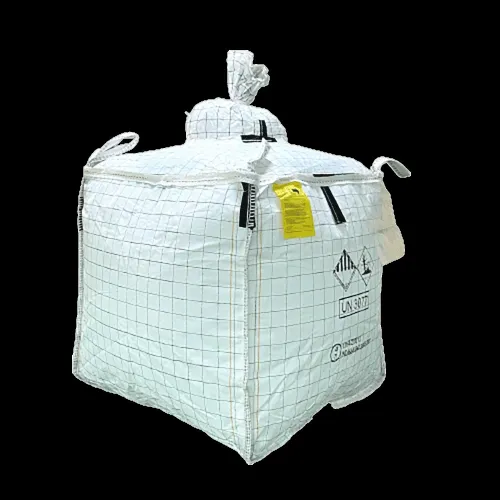
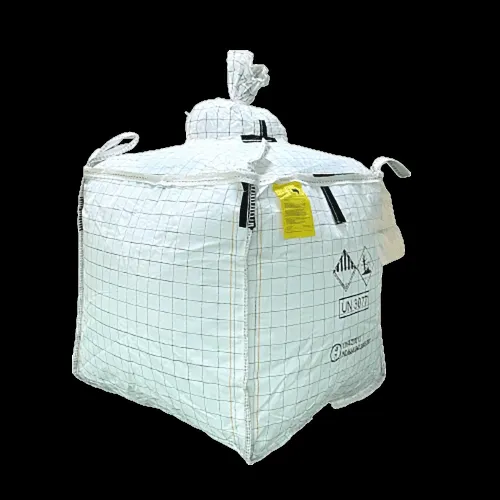
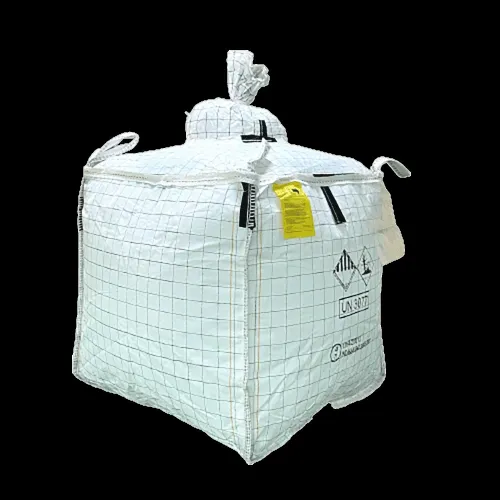
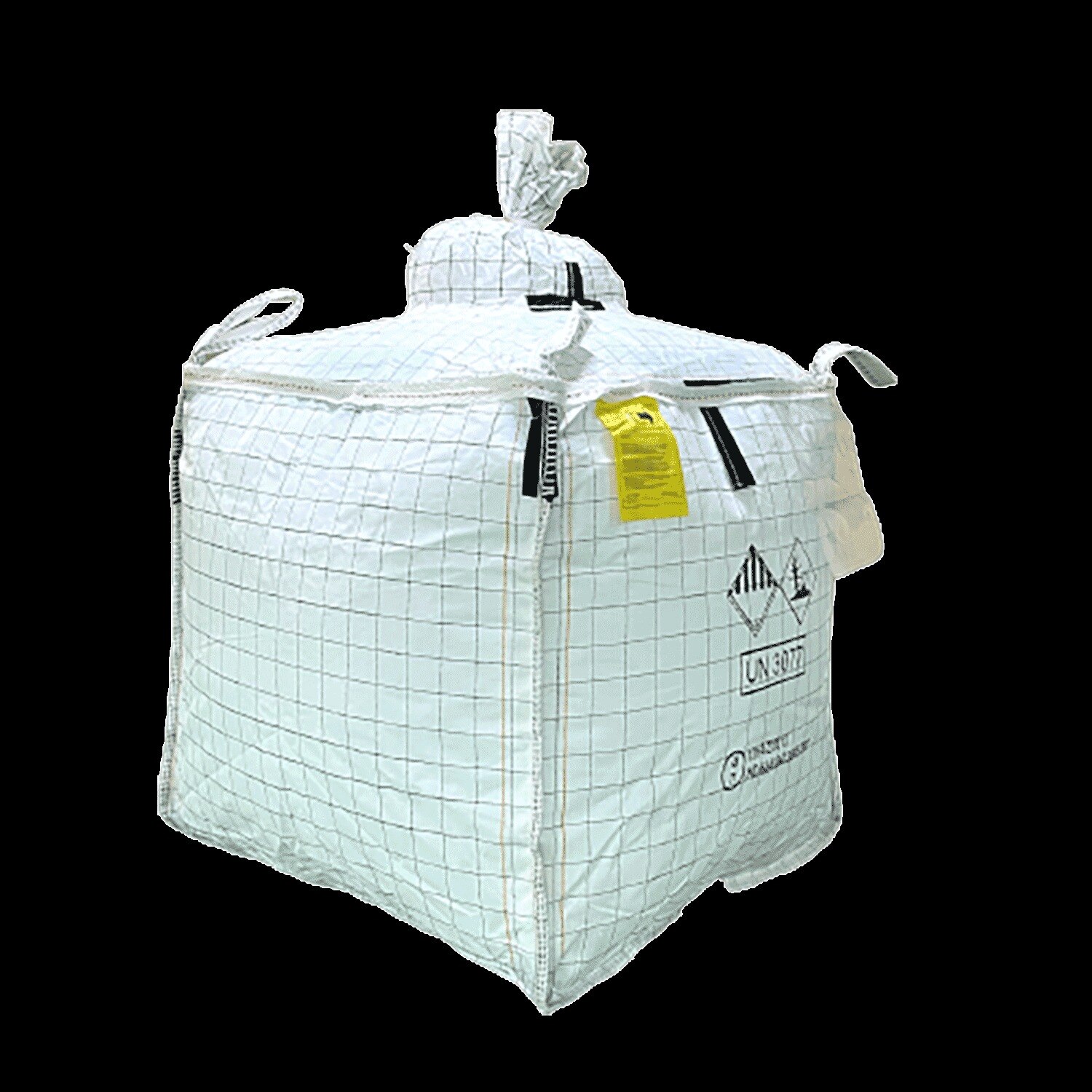
An industrial FIBC bag is a flexible bulk container made mainly from woven polypropylene, with a sewn body, lifting loops, filling and discharge openings, seams, and sometimes a laminated outer surface or inner liner.
Confirm the empty length, width and height, plus loop length, spout dimensions, closure type and whether the bag sits on a pallet or has a flat bottom.
Capacity in litres and kilograms is easily confused with SWL. Litres describe volume; kilograms describe the product mass at a stated bulk density. Safe working load (SWL) is the marked maximum load for the complete bag design, including its lifting system.
- Product bulk density and target fill mass, not just nominal volume.
- SWL, stated in kilograms, and the required test basis.
- 5:1 safety factor or 6:1 safety factor construction, with the manufacturer’s reuse conditions.
- Body dimensions, fabric weight, seam design, lifting-loop arrangement, top inlet and bottom outlet.
- Filling method, discharge equipment, handling frequency and intended reuse.
- Permitted stacking arrangement, because a bag safe to lift is not automatically safe to stack.
ISO 21898 is the baseline for ordinary FIBCs intended for non-dangerous goods and covers construction, performance and testing. It does not make a standard bag suitable for dangerous goods. A 6:1 rating also does not permit indefinite reuse: inspect damage, contamination, stretched loops, weakened seams and abrasion against the manufacturer’s service limits.
Match the bag construction to the material inside
Choose construction by particle behaviour and hazard, not by SWL alone. Fine powders escape through ordinary seams, while sharp flakes can abrade fabric and discharge equipment.
| Material | Suitable construction | Check before ordering |
|---|---|---|
| Powders | A powder FIBC with sift-resistant seams, a fitted FIBC liner and controlled filling and discharge spouts | Confirm liner fit, venting and outlet design; a loose liner can fold over the outlet and stop discharge |
| Granules | Granule bags made from uncoated fabric with a standard spout or open top | Use coated fabric when dust retention or rain protection matters; inspect for abrasion from angular particles |
| Flakes | Reinforced fabric and wide, unobstructed openings for flake handling | Confirm that the flakes will not cut seams, bridge at the outlet or damage a liner |
| Fertilizer | Fertilizer FIBC bags with a liner or coated fabric when the product absorbs water or generates dust | Specify chemical compatibility, closure integrity and dry, covered storage |
| Moisture-sensitive materials | Coated fabric with a correctly attached liner and sealed filling and discharge closures | A woven polypropylene body is not a moisture barrier; protect it from rain, condensation and wash-down water |
For hazardous goods, match the bag to the product’s UN packaging approval and hazardous-area assessment. Select Type C only when every required grounding connection is maintained; Type D controls discharge without a dedicated earth connection. Type A offers no electrostatic control, and Type B is not a grounding substitute.
Asbestos waste needs a UN-certified, purpose-designed bag system with secure closures, clear hazard marking and a compatible inner liner. Do not reuse it after contamination.
Food-grade packaging also requires documented material identity, additives, cleanliness controls, traceability and migration or extractables records—not merely the words “food grade.”
Choose the lifting design for your equipment and workflow
A 1-loop FIBC suits a single-point crane lift; a four-loop FIBC suits equipment that engages all four lifting points. Do not choose by loop count alone: confirm the rated attachment method and the clearance around your forklift tines.
| Design | Practical difference | Required lifting equipment |
|---|---|---|
| 1-loop FIBC | One central lifting loop carries the load at a single point. | One rated crane hook, or a purpose-built single-point forklift attachment; do not place it on ordinary two-tine forks. |
| 2-loop FIBC | Two lifting loops balance the bag across two points. | Two compatible crane hooks on a spreader, or forklift tines passed through the two designed lifting sleeves or loops. |
| four-loop FIBC | Four separate lifting loops distribute the load across the top corners. | Four forklift tines where the bag design permits, or a four-hook crane spreader with every loop engaged. |
| cross-corner-loop FIBC | Four loops are fixed at the top corners, giving stable support from the bag’s corner junctions. | Forklift tines through the designated loops or four crane hooks on a spreader; never lift from only two corners. |
| cross-bottom-sling FIBC | Sling sections pass beneath the bag, supporting its base as it rises. | Forklift tines through the lifting sleeves or slings, or crane hooks attached to all designated sling ends. |
Keep hooks, tines and lifting loops aligned vertically. A partial lift twists seams and can tear the body fabric; sharp or narrow tines can abrade it even when the bag’s SWL is adequate.
Fill, move, stack and discharge without damaging the bag
Use the marked SWL for the complete bag, not its litre capacity. Follow the supplier’s FIBC filling procedure: centre the bag under the filling point, support it on a smooth pallet or floor, fill at a controlled rate, and close the top before moving it.
An unsupported bag can stretch seams or tip as its shape changes.
1. Engage every designed lifting loop or sleeve. Safe lifting of bulk bags never means lifting by the liner, top closure or FIBC discharge spout; keep forklift clearance from the body fabric and use tines wide enough to prevent cuts and abrasion.
2. Inspect the travel path and pallet. Remove nails and sharp edges, use separators between adjacent loads, and apply load restraint that holds bags during braking without crushing them.
3. Stack only to the documented stacking height. Confirm pallet support, bag shape, compression performance and floor capacity; a bag that passes a lifting test is not automatically safe to stack.
4. Keep bags under roof during monsoon storage. Protect them from sunlight, rain, ground moisture, condensation, heat, rodents and chemicals; a liner or laminate improves moisture resistance but does not make woven polypropylene waterproof.
5. At discharge, position the receiving vessel before opening the FIBC discharge spout. Support the bag, release the closure gradually and keep people clear of the falling load.
6. Complete an FIBC inspection before reuse. Reject any bag with cuts, abrasion, melted yarns, open seams, damaged loops, chemical attack, severe UV exposure, liner damage or unknown contamination; cleaning cannot restore lost strength.
Verify moisture, static and dangerous-goods requirements before ordering
Before ordering, verify the fabric, liner, moisture barrier, visibility and static control against the material and route. Coated FIBC fabric resists liquid splash better than uncoated fabric, but neither makes a bag waterproof; specify a liner for moisture-sensitive powder and covered, dry storage during Vadodara’s monsoon.
Black FIBC fabric limits light exposure, while transparent FIBC fabric improves visibility but offers less shielding from light. A Vadodara FIBC manufacturer such as Deccan Cans & Printers Pvt. Ltd. should record these choices in the supplier specification.
Request these documents before approving the purchase:
- A material and construction sheet identifying polypropylene grade, coating, liner film, seam design, closure type, UV treatment and cleanliness controls.
- An electrostatic assessment stating the dust’s ignition sensitivity, selected FIBC type, grounding and bonding method, and filling and discharge checks.
- For regulated contents, a UN-certified FIBC approval or test certificate covering the exact packaging type, contents and packing group under the UN Model Regulations, plus the UN performance level and printed UN marking.
- A declaration addressing Indian transport requirements, destination rules, traceability, batch identification and inspection records.
| Type A | No static control; use only when no flammable dust or solvent hazard exists |
|---|---|
| Type B | Limits some brush discharges; does not replace grounding or bonding for combustible dust |
| Type C | Conductive construction; connect to verified earth before filling and keep grounding during discharge |
| Type D | Dissipative system designed to control discharge without a dedicated earth connection; confirm compatibility with the hazardous-area assessment |
Related products
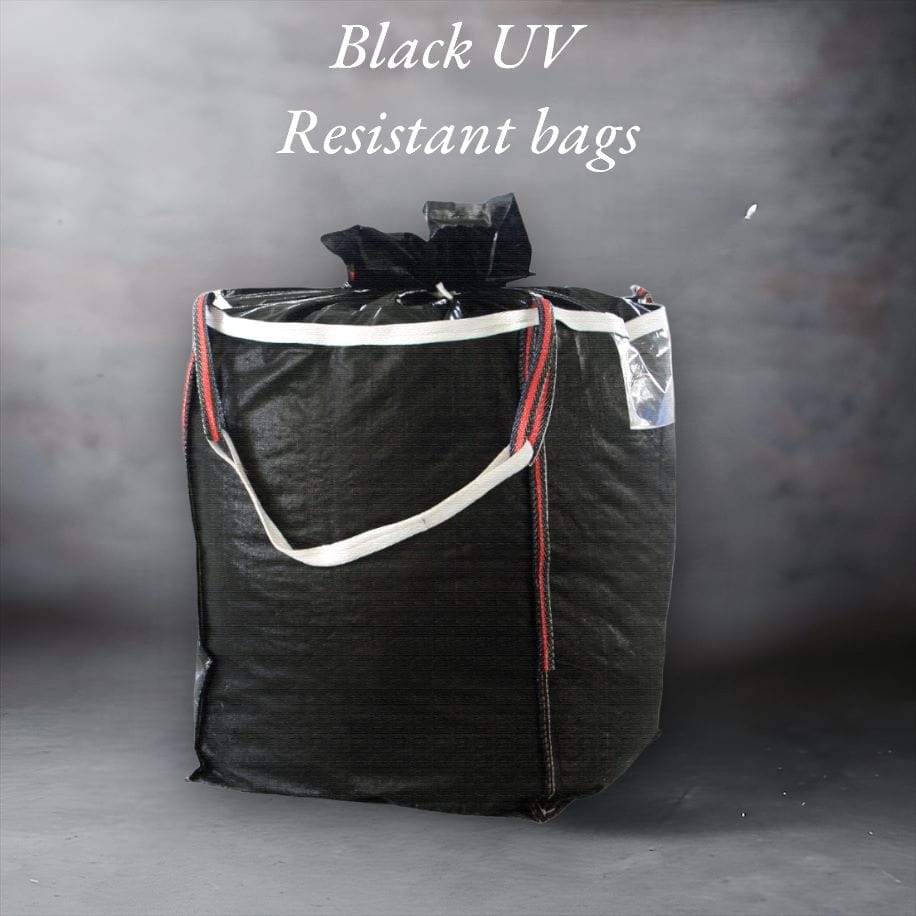 | FIBC Section Black Bags Black FIBC Bags – Enhanced UV Resistance & Extended Shelf Life UV exposure is one of the major challenges faced by the FIBC industry, as prolonged... |
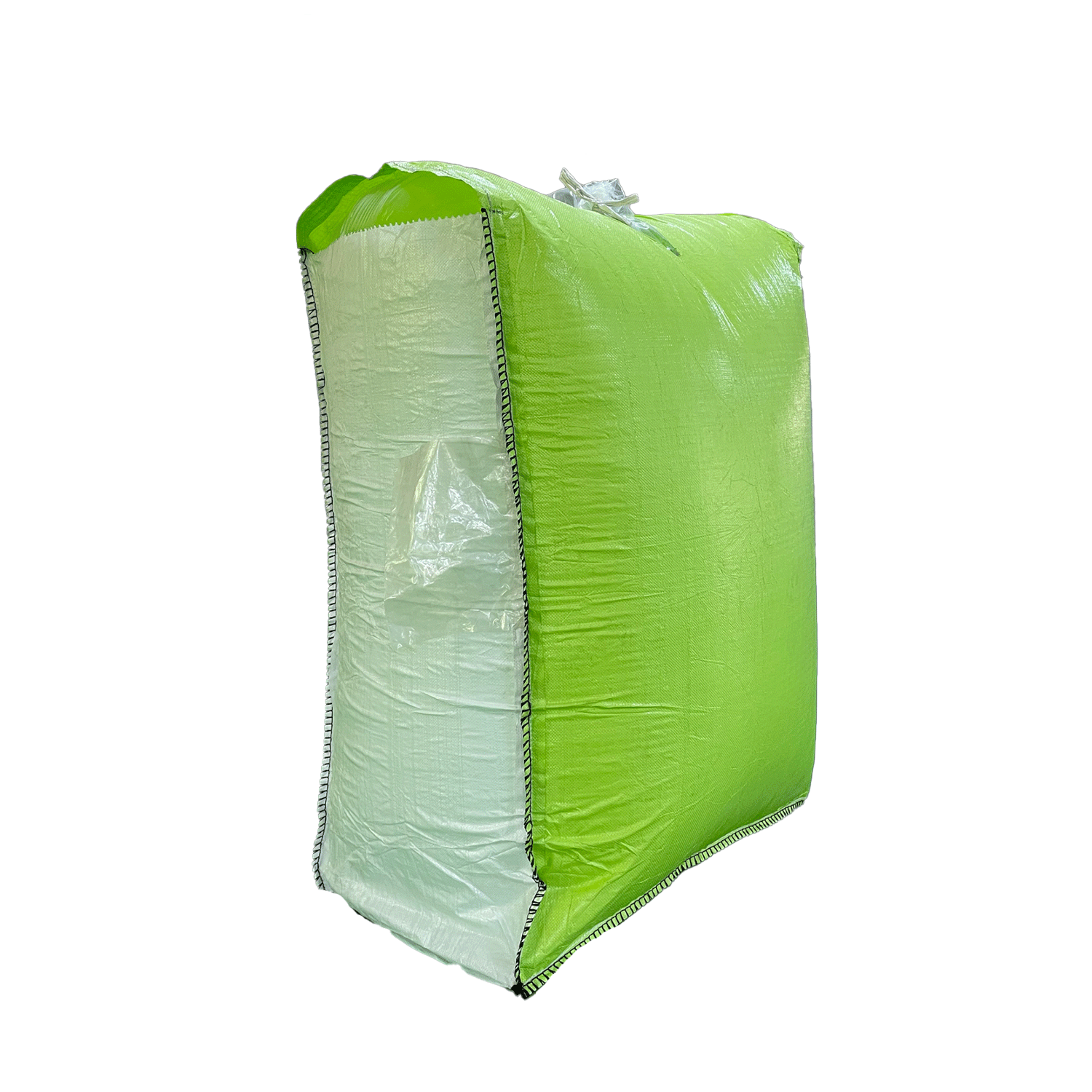 | FIBC Section Fertilizer Bag Range 1 & 2 Loop FIBC Bulk Bags Deccan Cans & Printers Pvt. Ltd. offers durable and cost-effective 1 & 2 Loop FIBC Bulk Bags, designed for the efficient... |
Frequently asked questions
What does an FIBC bag’s rating mean?
The safe working load, or SWL, states the maximum weight the bag is designed to carry under specified handling conditions. Do not exceed the printed SWL or reuse limit.
How should you match an FIBC to its contents?
Choose the body weave, coating and liner based on particle size, moisture sensitivity, flow behaviour and contamination risk. Fine powders often need a liner or coated fabric.
Which FIBC lifting design fits your workflow?
Choose four corner loops for forklift or crane handling, sleeve-style lifting for compatible forks, and loop arrangements that match your equipment without twisting the bag.
What requirements must you verify before ordering?
Confirm moisture protection, electrostatic-control needs and whether the contents are dangerous goods. Request the bag specification, SWL, test documentation and any required UN certification.
Related products
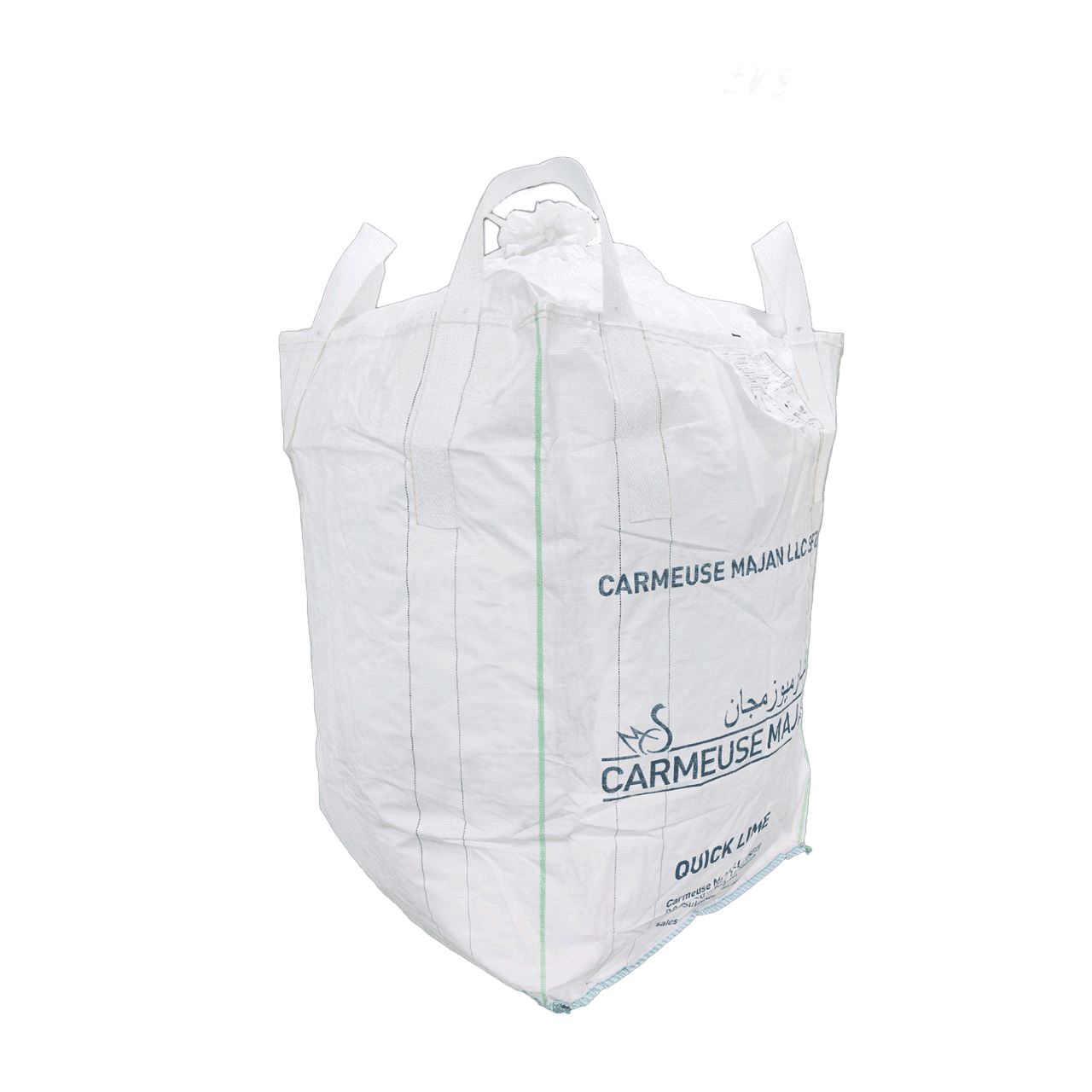 | FIBC Section Bags With Liners FIBC Liners – Bulk Bag Liners Deccan Cans & Printers Pvt. Ltd. |
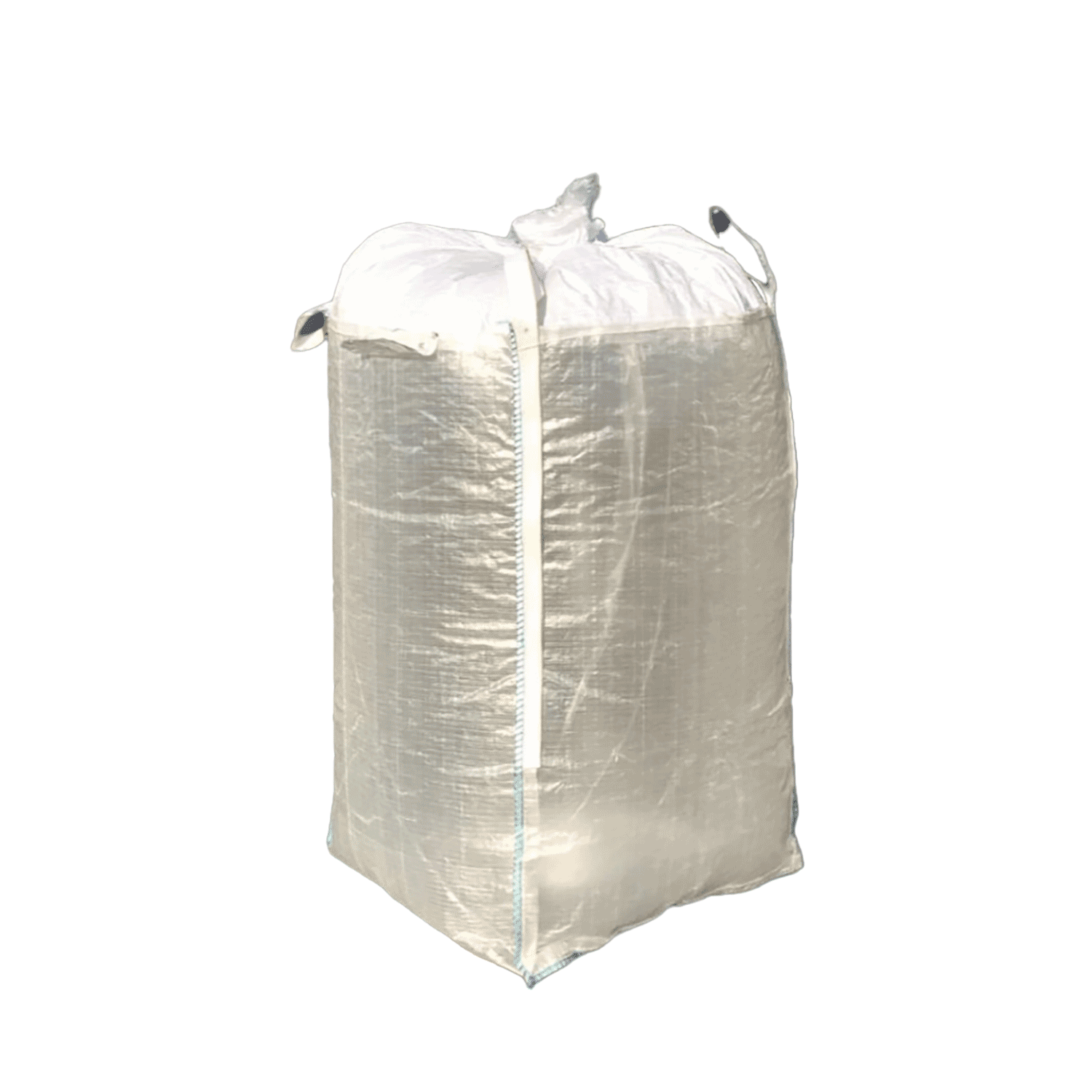 | FIBC Section Transparent Bags Transparent FIBCs – See-Through Bulk Bags Deccan Cans & Printers Pvt. Ltd. |
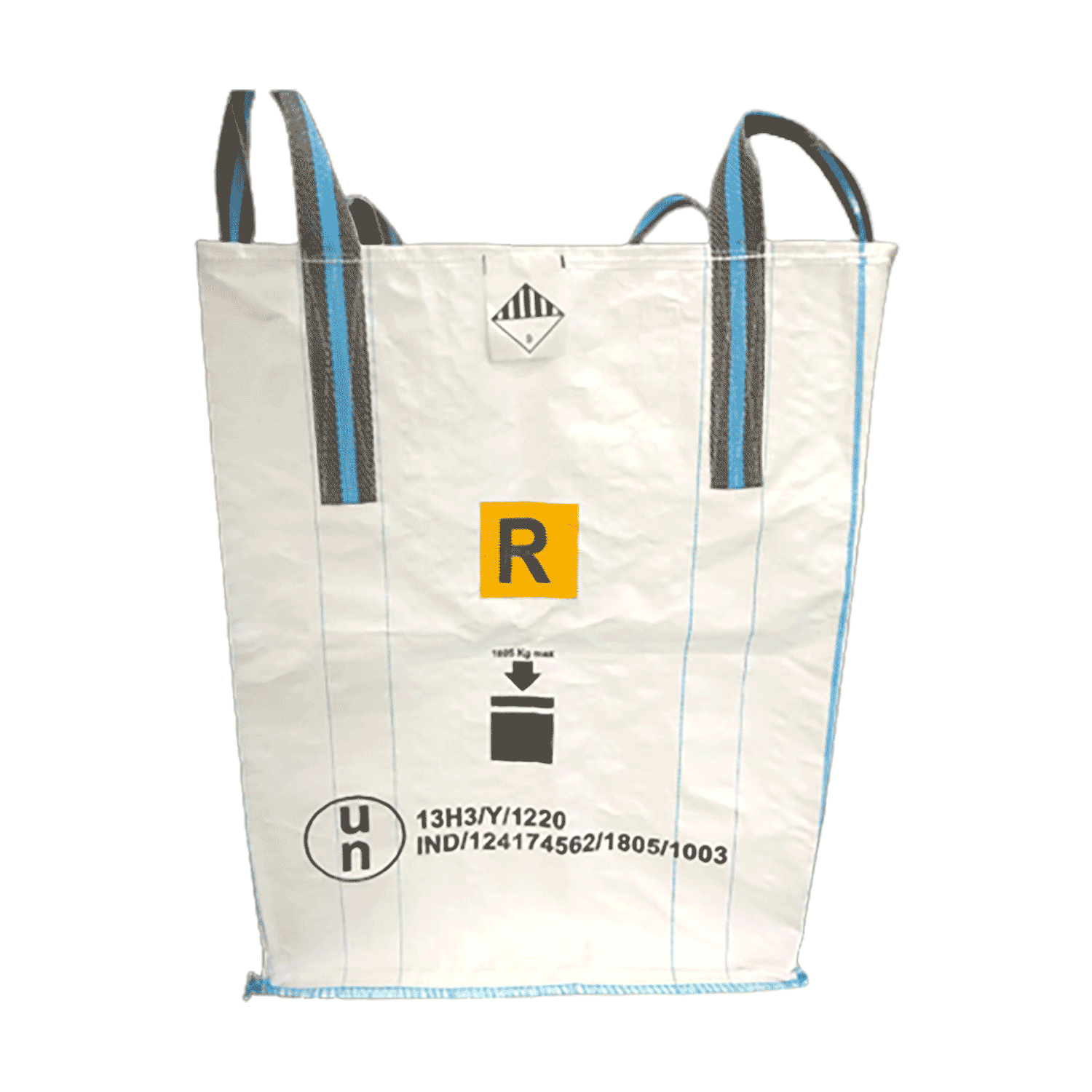 | FIBC Section Un Bags UN Certified Bulk Bags – Rigorous Performance Testing for Safety & Reliability Deccan UN Certified Bulk Bags are specially engineered for the safe... |
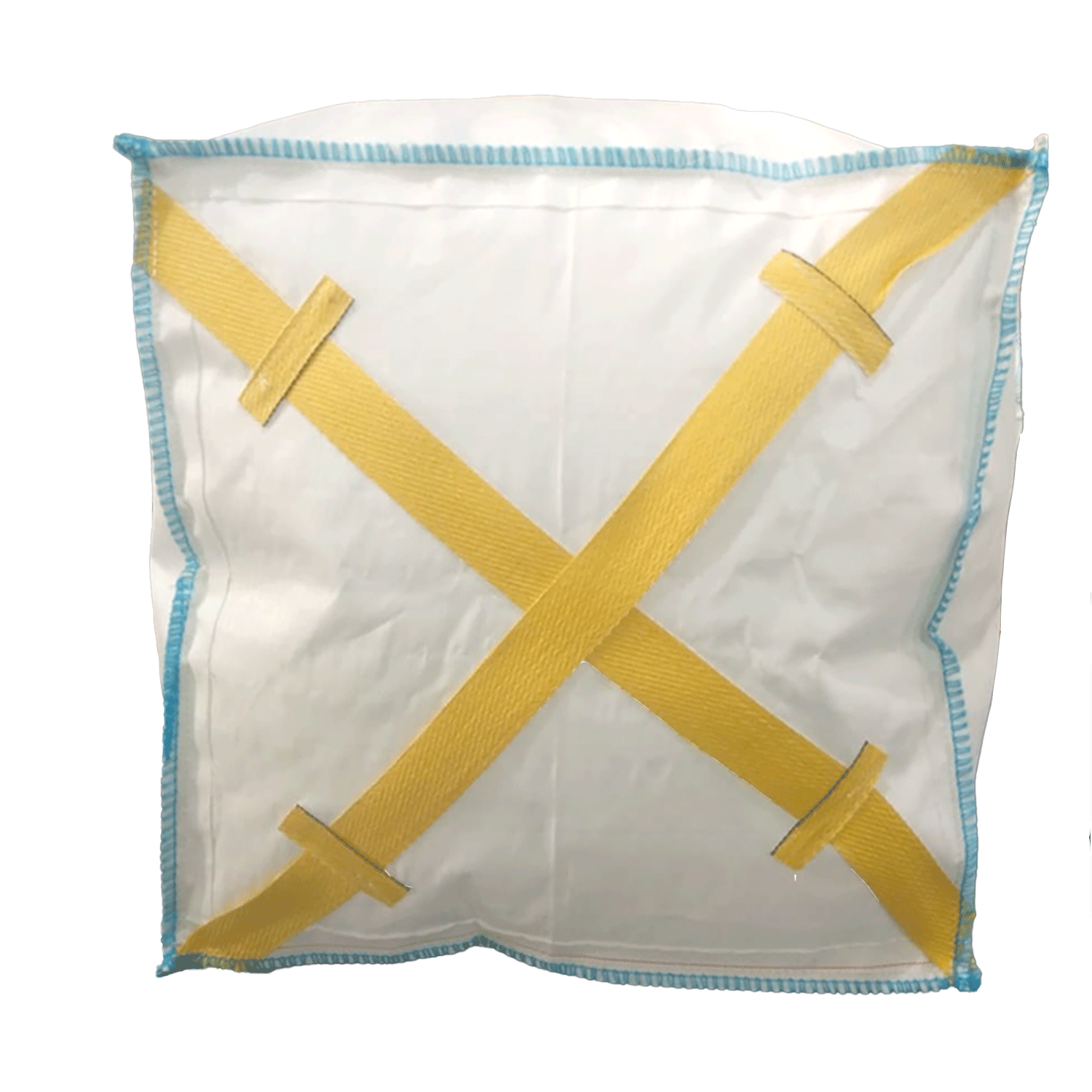 | FIBC Section Cross Bottom Sling Bags Cross Bottom Sling FIBCs – Bulk Bags Deccan Cans & Printers Pvt. Ltd. |