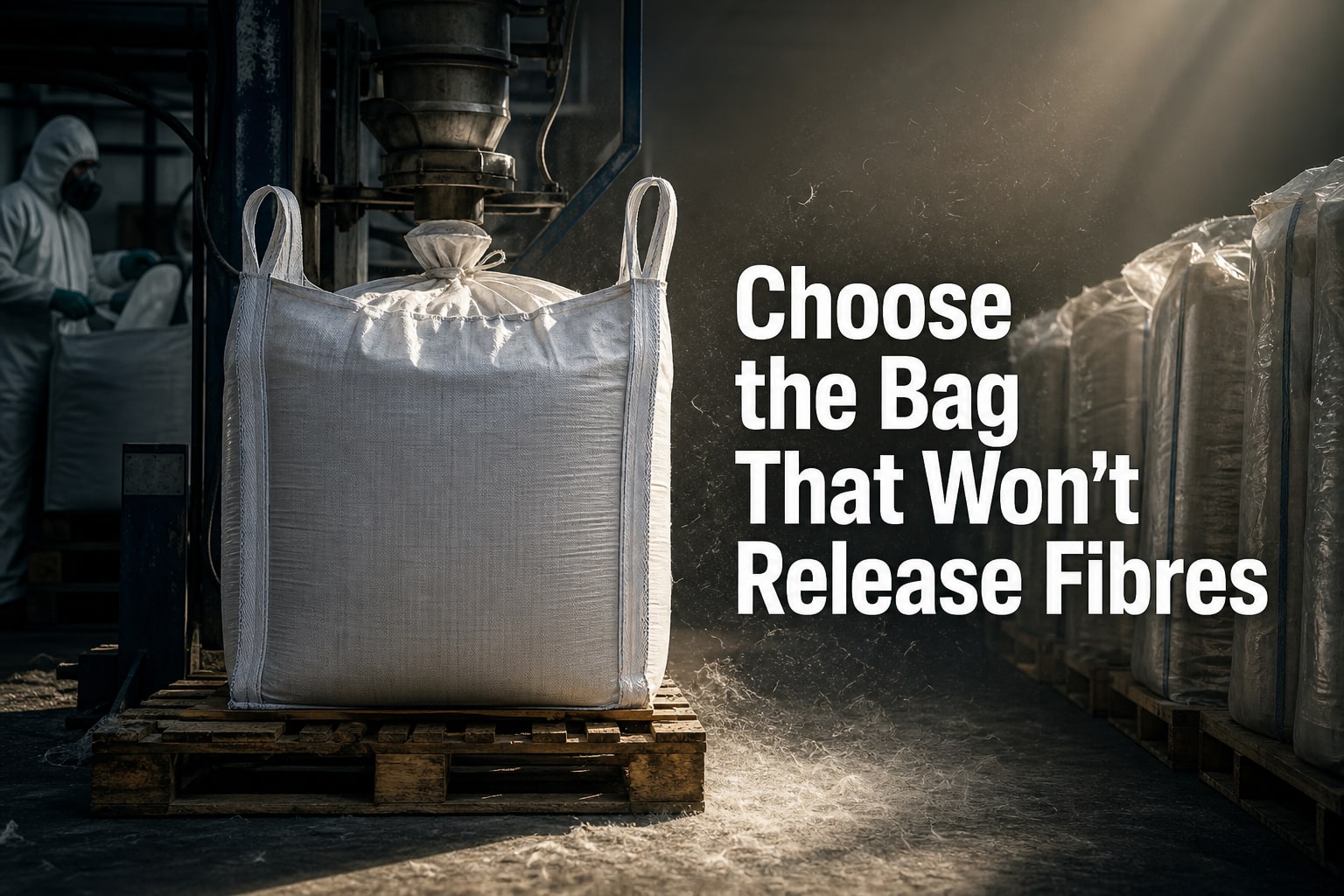
The right package depends on whether you are handling friable fibres, asbestos-cement fragments, insulation, contaminated PPE or soil—not simply on bag size or polyethylene thickness. By the end, you will have a specification for the bag, liner, closure, handling method, labels and disposal route that you can check with suppliers and authorised waste handlers in Bengaluru.
Key takeaways
- Separate friable insulation from intact asbestos-cement sheets.
- Use reinforced packaging for sharp fragments and puncture hazards.
- Size platten bags to prevent overfilling and closure strain.
- Request labels, transport documents and supplier evidence before purchase.
Classify the asbestos waste before comparing bags
The containment level depends on whether asbestos can release airborne fibres, puncture packaging, or leak contaminated dust and water. Friable insulation, sprayed coatings and pipe lagging need stronger containment than intact asbestos-cement sheets; broken cement fragments still require protection against sharp edges and dust.
Classify the waste before you choose asbestos bags in Bengaluru:
1. Identify the material: friable asbestos, asbestos-cement fragments, contaminated PPE, or asbestos-containing soil. Record chrysotile or amphibole if known; transport paperwork may use UN 2590 for chrysotile and UN 2212 for amphibole.
2. Assess fibre release: loose, dusty or crumbling waste needs a sealed inner bag inside a durable outer bag or overpack. Do not treat a generic woven sack or ordinary garbage bag as adequate for friable material.
3. Assess physical damage: note sheet fragments, nails, pipe sections and rubble that can cut or puncture the inner layer. Include moisture, sludge or wet soil, because leakage changes the package requirement.
4. Estimate filled volume and weight. The outer package must close without compressing waste into the seal, and its safe working load must exceed the planned filled weight.
5. Confirm the authorised transporter and receiving disposal facility before ordering asbestos disposal bags. Ask for their acceptance conditions, including bag type, labels, closure and collection frequency; a bag supplier cannot authorise transport or disposal.
Give the supplier this written brief: asbestos type, waste form, dust and sharpness, moisture, estimated weight and volume, inner and outer packaging, closure method, labels, pickup schedule and destination. Ask for evidence of leak resistance, seam integrity and closure performance, not polyethylene thickness alone.
Match the bag construction to fibre and puncture risk
Match construction by the fibre-release and puncture risk, not by polyethylene thickness alone. Friable insulation, dusty debris and sharp asbestos-cement fragments need a sealed inner liner inside a durable outer bag or overpack. Leave enough headspace to close the package without forcing material into the seal.
| Waste and risk | Construction to specify | Closure and lifting requirement |
|---|---|---|
| Friable insulation or dusty waste | Leak-tight polyethylene inner bag plus coated woven polypropylene outer bag | Seal or securely tie the liner; close the outer bag without compressing contents |
| Sharp asbestos-cement fragments or rubble | Puncture-resistant liner and heavy-duty coated woven polypropylene body with reinforced seams | Specify seam integrity, a secure outer closure and no exposed edges at lifting points |
| Contaminated PPE or lightly bulky waste | Durable asbestos disposal bags sized to prevent overfilling | Use a compatible tie or seal; do not drag a filled bag |
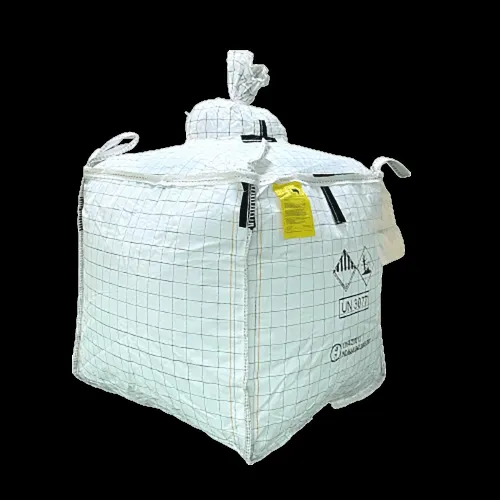
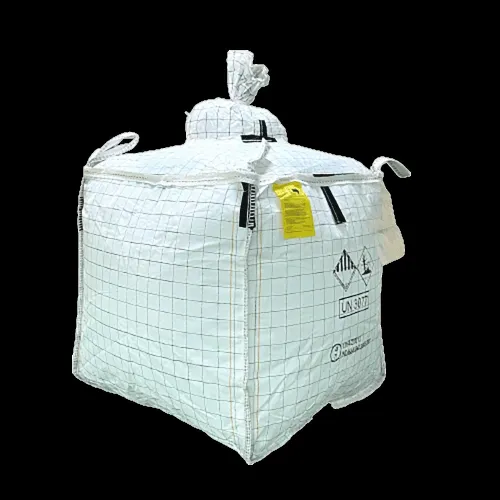
Ask the supplier to state the liner construction, closure method, body fabric, seam type, puncture and tear evidence, safe working load, safety factor and lifting configuration. For an FIBC, specify four corner loops or another rated arrangement that keeps workers clear of the load, and require one-way disposal use rather than reuse.
ISO 21898 addresses FIBC performance; it does not by itself approve the package for asbestos waste. Damp handling where the work method permits, careful placement and no cutting, sweeping, dropping or overfilling remain essential because a suitable bag cannot prevent fibres escaping during poor handling.
Understand platten bags, then size the package correctly
A platten bag is a flat, liner-based or FIBC-style package sold under a trade name rather than a single standard design. Ask a platten bags supplier in Bengaluru for a drawing showing the body, liner, seams, filling opening, discharge arrangement and lifting loops; the name alone does not tell you its containment or load performance.
| Format | Suitable waste stream | Main limitation |
|---|---|---|
| Platten bag | Large, flat asbestos-cement sheets, boards, pipe sections or bulky wrapped items | Needs dimensions that prevent sharp edges from piercing folds; do not treat it as suitable for loose friable fibres without a verified liner and closure |
| Standard asbestos disposal bag | Bagged insulation debris, contaminated PPE, small fragments and dusty residues | Limited capacity; sharp rubble can puncture it unless inner protection is specified |
| Heavy-duty FIBC | Consolidated, non-friable rubble or sealed inner bags accepted by the disposal facility | ISO 21898 performance does not by itself make the FIBC an asbestos-waste package |
To choose asbestos bags in Bengaluru, size the package from the largest item, not the average load. Measure length, width and height, add clearance for a controlled closure, and keep sheets upright or flat without forcing them through the opening.
Estimate the filled mass, then select a safe working load above that mass with margin for lifting, uneven loading and moisture. Never drag a filled bag or exceed its stated SWL.
- Specify woven polypropylene grade, coating, liner thickness and closure.
- Require puncture, seam, leak and closure test evidence.
- Confirm the authorised transporter and disposal facility accept that format.
Pack, close and store asbestos waste without creating new exposure
Keep the package sealed from removal until the authorised facility accepts it. The sequence matters: a sound bag can still release fibres if workers overfill, drag or reopen it.
1. Prepare the route, work area and receiving arrangements before removal. Confirm that the authorised transporter and disposal facility accept this asbestos waste, packaging format and filled weight. A supplier of hazardous waste bags in Bengaluru cannot authorise transport or disposal.
2. Dampen dusty material under the site’s asbestos control procedure; never dry-sweep or use compressed air. Place fragments and contaminated PPE gently into the sealed inner bag. Keep sharp edges from the closure and leave enough headspace to close without forcing material into the seal.
3. Use an outer bag or overpack for friable, dusty, sharp-edged or puncture-prone waste. Close the inner bag, inspect it for tears, then close the outer layer using its specified tie, sealing system or lid. Do not compress the contents to make the closure fit.
4. Wipe contamination from the outside, attach the required asbestos warning and waste details, and inspect seams, handles and closures. Reject any package that leaks, bulges or cannot be lifted without dragging.
5. Store closed asbestos disposal bags in a locked, signed, weather-protected area with an intact floor. Keep them away from vehicle traffic and water, and hand them only to the confirmed transporter for the scheduled collection.
Check labels, transport rules and the supplier’s evidence
A package is acceptable only when the receiving facility and authorised transporter accept that exact waste, bag format and route in writing. Ask for the facility’s acceptance conditions before buying hazardous waste bags in Bengaluru; a supplier cannot authorise asbestos transport or disposal.
Use this checklist:
- Record the waste type: chrysotile uses UN 2590, while amphibole asbestos uses UN 2212. Confirm the classification, labelling and transport documents against the actual waste and route in Karnataka.
- Require the bag specification to name the inner and outer layers, closure method, seam construction, safe working load and intended waste form. Do not accept polyethylene thickness alone as proof of puncture or leak resistance.
- For friable, dusty, damp or sharp-edged waste, confirm a sealed inner bag and durable outer bag or overpack. Check that the outer bag closes without forcing material into the seal.
- Ask the asbestos bags supplier in Bengaluru for test reports or inspection records covering seam integrity, closure performance, leak resistance and compatibility with the waste.
- Obtain the transporter’s authorisation, the disposal facility’s written acceptance, collection paperwork and the consignment or manifest details required for the journey.
- Reject any label that omits the waste description, asbestos type or UN number, package count, filled weight, generator details and emergency contact.
Deccan Cans & Printers Pvt. Ltd. can be included in your comparison as a platten bags supplier in Bengaluru, but verify its evidence against the receiving facility’s conditions rather than treating a product name as approval.
Related products
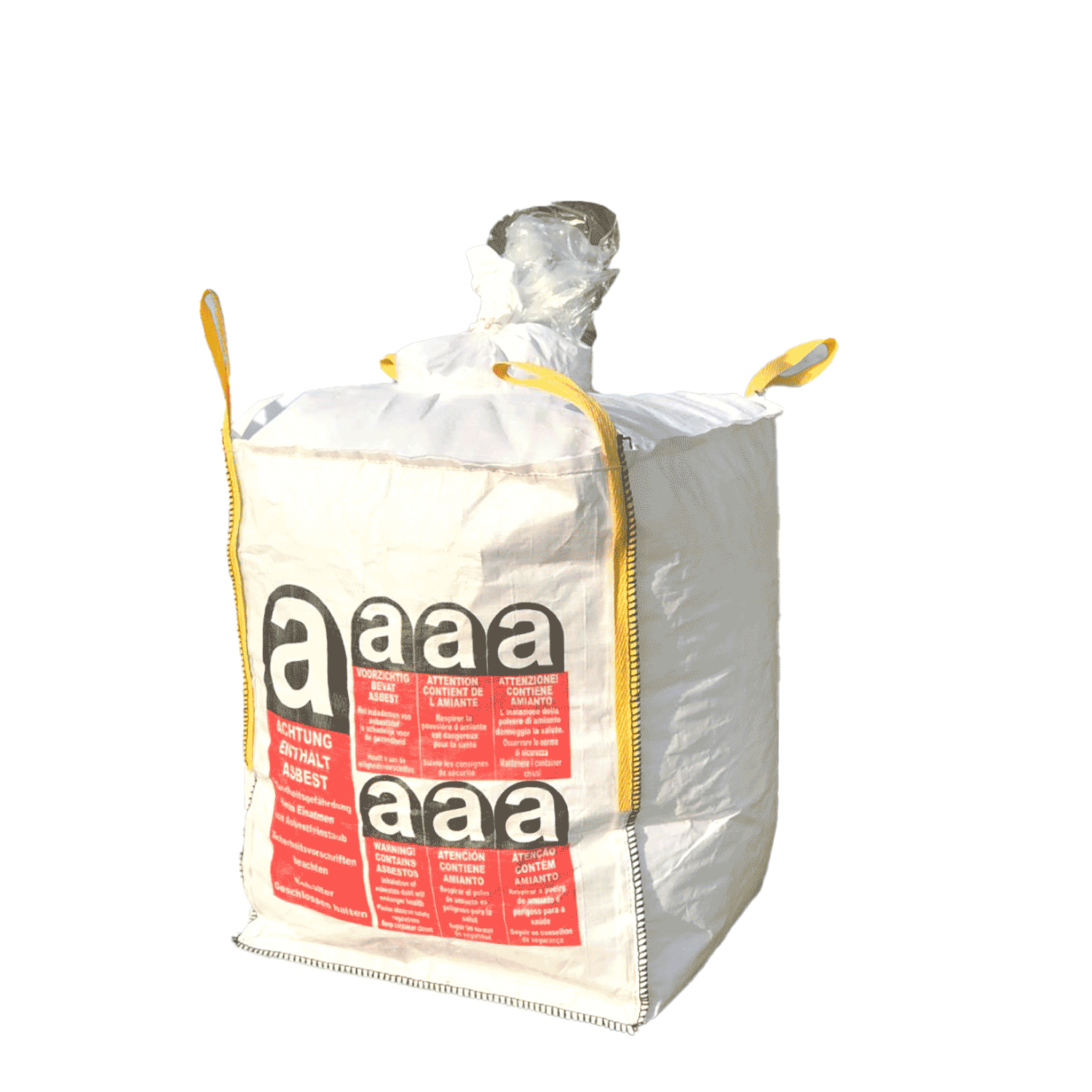 | FIBC Section Asbestos Bags & Platten Bag Range Platten & Asbestos Bags – Reliable Packaging for Asbestos Waste Disposal Deccan Platten & Asbestos Bags are specially designed for the safe handling,... |
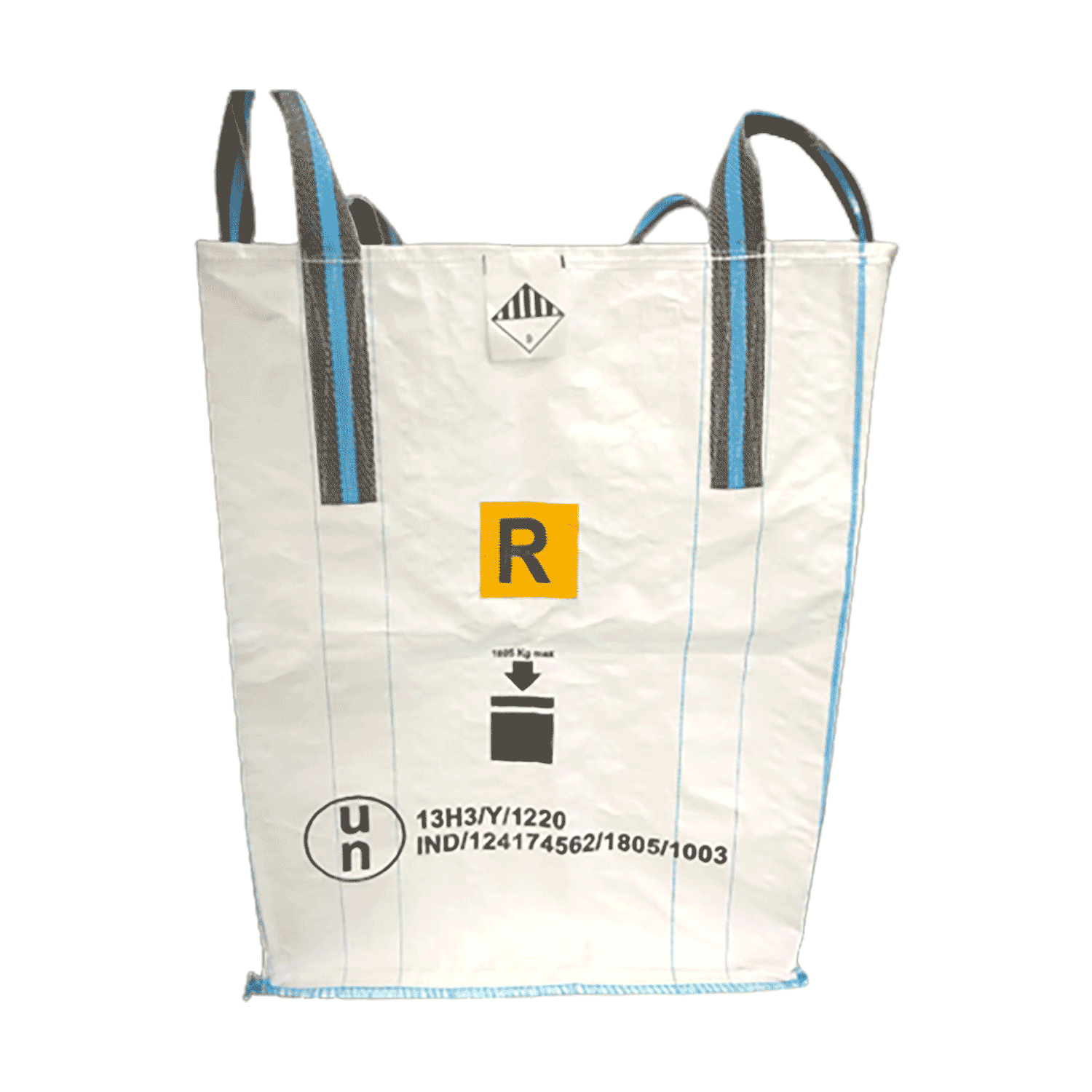 | FIBC Section Un Bags UN Certified Bulk Bags – Rigorous Performance Testing for Safety & Reliability Deccan UN Certified Bulk Bags are specially engineered for the safe... |
Frequently asked questions
How do you classify asbestos waste before choosing a bag?
Separate friable waste, such as insulation, sprayed coatings and pipe lagging, from intact asbestos-cement sheets. Broken cement fragments need protection from sharp edges and contaminated dust.
What construction should an asbestos disposal bag have?
Match the bag to the waste hazard: use stronger, puncture-resistant construction for sharp fragments and containment suited to fibre release, dust and contaminated water.
What are platten bags used for?
Platten bags are selected and sized for the shape, volume and handling needs of the waste package. Do not overfill them or force the closure around protruding material.
How should asbestos waste bags be packed and stored?
Pack waste without actions that create airborne fibres, close the package securely, and store it where handling, punctures, dust spread and water contamination are controlled.
What should you check with an asbestos bags supplier in Bengaluru?
Ask for construction details, size and load information, suitable labels, transport documentation, and evidence that the proposed bag fits your waste type and handling process.