The right supplier depends on the pesticide formulation, closure, internal coating, transport route, and required declarations—not simply the can’s capacity or the supplier’s claim of leak resistance. By the end, you will have a practical Bengaluru sourcing checklist covering quotation details, compliance documents, sample testing, and supplier qualification.
Key takeaways
- Match the tin’s lining to the pesticide formulation and solvent system.
- Send formulation, fill volume, dimensions, artwork, and forecast quantity for quotation.
- Ask for the supplier’s Form 20B licence copy and compliance documents.
- Approve samples and production-intent lots before committing to a bulk order.
Match the container to the pesticide formulation before contacting suppliers
Start with the formulation, not the nominal can size. Pesticide packaging containers for a solvent-based emulsifiable concentrate need different internal protection from packs for a water-based suspension concentrate, powder, or granule. A retail can, metal drum, jerrycan, and transport pack are not interchangeable.
1. Record the formulation, solvents, water content, pH, active ingredient, oxidising or corrosive properties, filled volume or mass, headspace, and allowable fill level. Ask the formulator for compatibility data at the intended storage temperature.
2. Match the contact materials: tinplate, internal lacquer, side and bottom seams, sealant, gasket, and closure. Check for swelling, softening, corrosion, coating blistering, staining, or active-ingredient adsorption. A generic industrial can can leak or contaminate the product even when its dimensions look right.
3. Specify the opening and handling system, including can dimensions, nominal and brim capacity, neck or opening size, cap type, gasket material, tamper evidence, stack load, transport mode, and whether the pack is for retail sale or industrial transfer. Request seam-integrity and leak-test methods with acceptance limits.
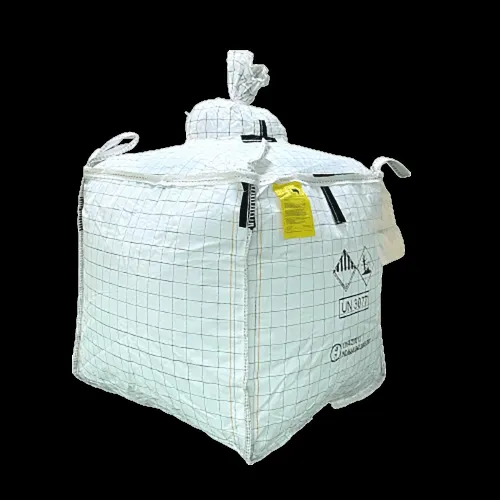
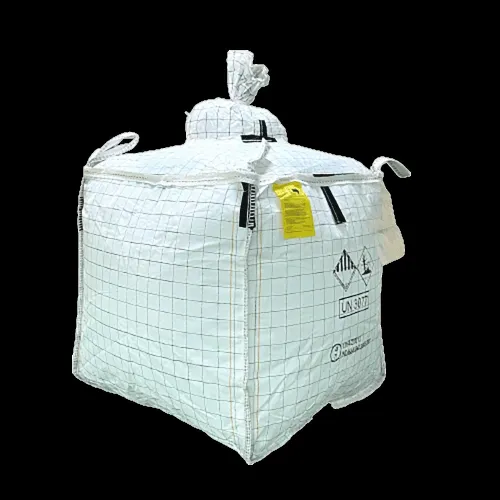
4. For powders or granules, compare a sift-proof FIBC with a lined metal pack only after defining moisture protection, filling and discharge arrangements, safe working load, and stacking conditions. An ordinary woven polypropylene bag is not automatically suitable for agrochemicals.
Under India’s Insecticides Rules, 1971, the package must resist reaction with the contents and prevent leakage, deterioration, and contamination during normal handling. Require lot traceability for the steel, lacquer, gasket, production date, inspections, and dispatched agrochemical metal containers.
What to send a Bengaluru supplier for an accurate quotation
A quotation is only useful if it prices the container you will actually fill. Send the pesticide tin container supplier in Bengaluru a written specification, not “5-litre tin can,” and identify the formulation, fill quantity, viscosity, density, solvent or water base, active ingredients, and expected annual volume.
Ask for:
- Nominal capacity, brim capacity, allowable fill level, external dimensions, neck or opening size, and dimensional tolerances.
- Steel temper, nominal tinplate thickness, tin coating mass or alternate corrosion protection, internal lacquer name, external finish, and closure type.
- Lid, cap, gasket material, tamper-evident feature, seam construction, and compatibility evidence for your formulation.
- Leak-test method, acceptance limit, inspection frequency, sample-to-production approval process, lead time, minimum order, payment terms, delivery location, and freight basis.
- Lot traceability linking steel coil or sheet, lacquer and gasket batches, production date, inspection results, and dispatched lot.
A pesticide can manufacturer should show how the same site performs or controls can-making, coating, printing, final inspection, and corrective action. Compare that evidence with a trader’s position:
| Supplier type | Evidence to request | Commercial risk |
|---|---|---|
| Manufacturer | Plant audit, capacity statement, production records, traceability, and production-intent samples | Fewer handoffs; verify continuity and formulation compatibility |
| Trader or stockist | Principal’s name, source factory, current stock lot, and warranty responsibility | Less control over coatings, seam settings, and repeat supply |
Deccan Cans & Printers Pvt. Ltd. belongs on your comparison list only after it supplies these technical records; Bengaluru location alone proves neither compatibility nor manufacturing control.
Related products
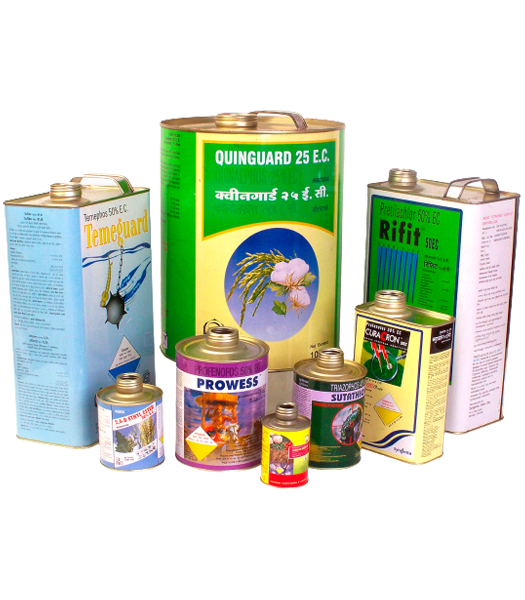 | Tin Containers Tin Containers Deccan Cans & Printers Pvt. Ltd. offers a durable range of Pesticide Tin Containers, designed for reliable packaging and storage of... View product → |
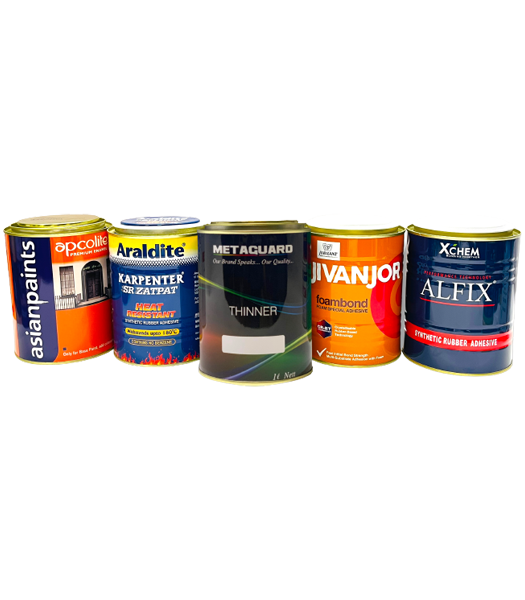 | Tin Containers Tin Containers Deccan Cans & Printers Pvt. Ltd. offers a robust range of Industrial Tin Containers, engineered to provide secure, durable, and... View product → |
Check Indian label, Legal Metrology, and dangerous-goods requirements
A mechanically sound can can still fail compliance if its label area, surface finish, or durability cannot carry the required declarations. Reconcile the pesticide label with the Insecticides Rules, 1971 and Legal Metrology requirements before approving artwork.
Confirm these details against the product registration and sale plan:
- Net quantity in the approved unit, batch or lot number, manufacturing date, expiry or use-by information, registration or licence details, and required hazard statements.
- Label adhesion and legibility after filling, handling, pallet storage, and exposure to the formulation. Specify print resistance and a surface that will not cause labels to lift or smear.
- Filled mass or volume, headspace, closure type, stack load, and whether the pack is for retail sale or industrial transfer.
Pesticide packaging containers are not interchangeable by size alone. Resolve the compliance route for each pack:
| Pack purpose | Questions to resolve | What failure causes |
|---|---|---|
| Retail can | Does the label carry every required declaration and the correct net quantity? | The pack cannot legally reach the market |
| Industrial transfer pack | Is the recipient accepting a non-retail pack, and are markings and records adequate? | Repacking delays or rejected deliveries |
| Dangerous-goods shipment | What is the product’s classification, packing instruction, transport mode, and carrier rule? | Shipment refusal or unsafe transport |
Do not accept “UN approved” as evidence. If UN performance packaging is required, request the exact design type, test evidence, and permanent marking. Also require proof that the tin, lacquer, seam, gasket, and closure meet the formulation’s leakage and non-reaction requirements.
Approve samples and production-intent lots before placing a bulk order
A leak-free sample does not prove that the production run will perform the same way. Approve the actual commercial formulation in containers made with the production materials, coating, closure, and seam settings—not water or solvent alone.
1. Request a production-intent lot from the pesticide can manufacturer. Record the tinplate or steel coil, internal lacquer batch, gasket batch, production date, seam settings, inspection results, and dispatched lot number. This traceability shows whether a later lot used different materials or process controls.
2. Fill the proposed pack to the intended level with the commercial formulation. Qualify the complete pack: body, side and bottom seams, internal lacquer, neck, closure, gasket, and label surface. Ask for the supplier’s leak-test method, acceptance limit, and inspection record; check the side seam, bottom seam, and closure interface for microleaks.
3. Store filled samples under the agreed temperature, orientation, and duration for the product’s distribution conditions. Examine them for swelling, rust, lacquer blistering or delamination, odour transfer, colour change, sediment interaction, seam corrosion, and leakage. Reject the pack if the formulation attacks the coating or gasket even when the can looks clean.
4. Compare the signed sample approval with the first production-intent lot before releasing a bulk order. For agrochemical metal containers, verify flange dimensions, lid fit, gasket compression, coating continuity, and fill level against the approved specification.
Keep the lot records with the formulation batch. A nearby pesticide can manufacturer may shorten freight time, but only documented production controls and repeat compatibility testing establish continuity. This process separates suitable containers from generic industrial cans.
Compare a pesticide tin manufacturer in India with plastic and FIBC options
A tin container is the stronger choice when the pesticide is solvent-based, oxygen- or light-sensitive, or shipped through rough handling. Its rigid body supports stacking and its metal barrier avoids the permeation risks that can make a plastic pack lose solvent or absorb odour. The formulation still decides the internal lacquer, gasket and seam specification.
| Option | Strength | When it is the better choice |
|---|---|---|
| Tinplate | Rigid, strong barrier; supports recyclable metal packaging | Solvent-based concentrates, volatile liquids, light-sensitive products and long distribution routes |
| HDPE | Lightweight and economical for compatible liquids | Water-based formulations that do not permeate or stress-crack the resin |
| Fluorinated HDPE | Better resistance to solvent permeation than ordinary HDPE | Aggressive solvent formulations when testing confirms the fluorinated layer remains intact |
| PET | Clear, stiff and suitable for selected liquids | Products needing visual fill inspection and verified PET compatibility; not a default for solvents |
| FIBC | High-volume handling with low packaging weight | Dry powders or granules, using a sift-proof bag, suitable liner, rated safe working load and moisture controls |
Compare total delivered cost, not the empty-pack price. A cheap plastic pack that needs an overpack, barrier liner or higher rejection rate can cost more than a tin.
Sourcing mistakes that increase cost include:
- Leaving tinplate grade, thickness, lacquer and gasket material unspecified
- Treating a stockist’s sample as proof of production-lot compatibility
- Buying an ordinary woven FIBC for a moisture-sensitive powder
- Skipping plant and lot-traceability checks with a pesticide tin manufacturer in India
- Choosing a nearby supplier without reviewing leak-test records and seam controls for agrochemical metal containers
Frequently asked questions
How do I match a pesticide tin container to the formulation?
Start with the formulation: solvent-based emulsifiable concentrates need different internal protection from water-based suspension concentrates, powders, and granules. Confirm chemical compatibility, closure performance, and corrosion resistance before choosing the can size.
What information should I send a Bengaluru supplier for a quotation?
Send the formulation type, net fill volume, container shape, dimensions, closure, lining requirement, artwork, print method, delivery location, forecast quantity, and target production date. Include whether the pack is for retail sale, storage, or transport.
Which Indian pesticide packaging requirements should I check?
Check the label and pack information required under India’s Insecticides Act and Rules, Legal Metrology requirements for packaged commodities, and dangerous-goods transport rules that apply to the formulation. Ask for the supplier’s Form 20B licence copy and review the finished label before printing.
Why approve samples and production-intent lots before a bulk order?
A sample confirms dimensions, closure fit, lining, print quality, and label placement. A production-intent lot reveals line-speed, filling, sealing, stacking, leakage, and handling problems that a prototype can miss.
When should I choose plastic or an FIBC instead of a pesticide tin?
Choose plastic when compatibility, weight, or impact performance makes it the better pack. Choose an FIBC for large-volume dry powders or granules when the material and discharge process suit bulk handling. Use a tin when barrier protection, rigidity, stackability, or promotional print matters.