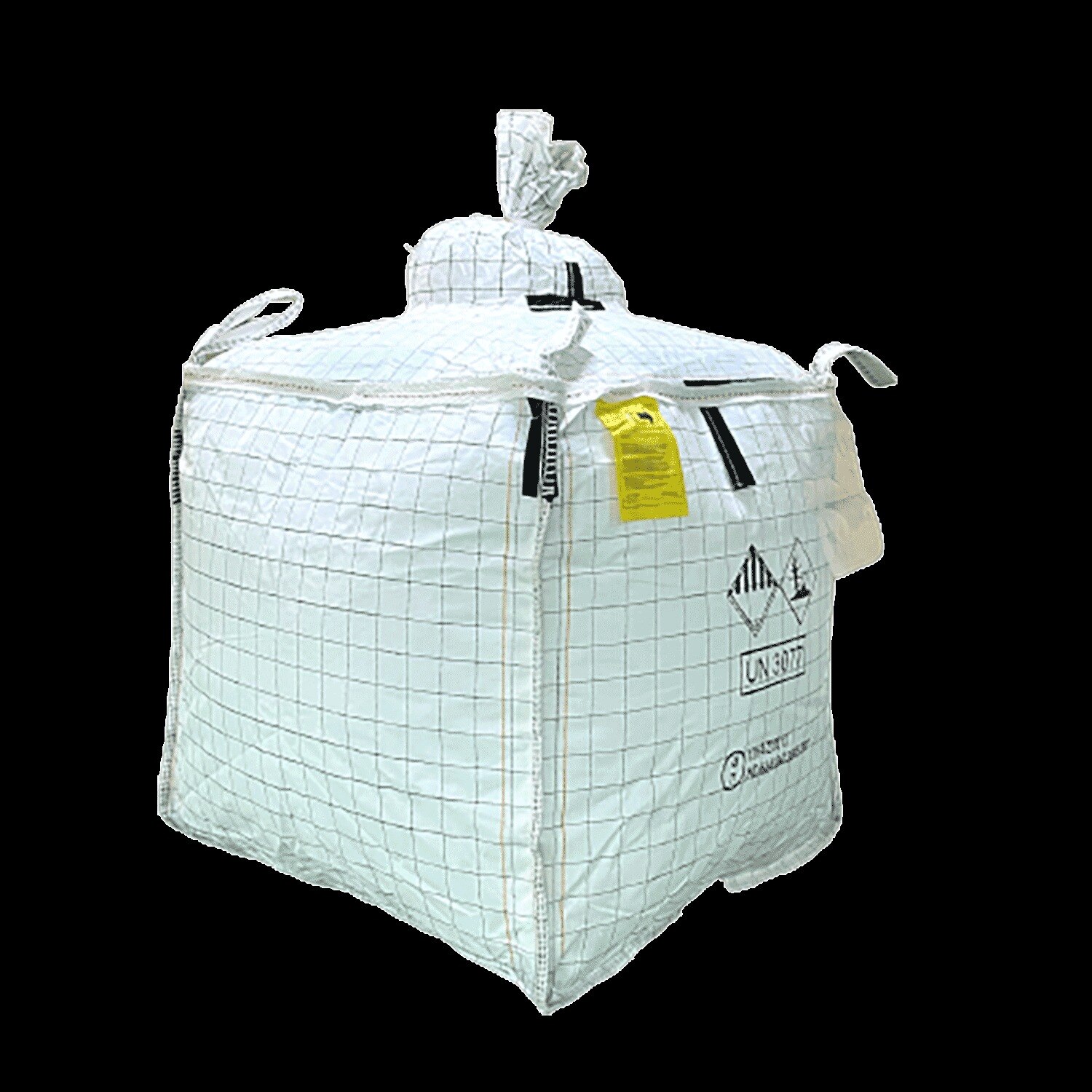
A custom FIBC is not defined by its dimensions alone: the material, filled mass, lifting method, discharge behaviour, static risk and storage environment all affect the specification. By the end, you will be able to calculate the required capacity, choose a suitable construction and prepare a quotation request that includes the evidence your operation needs.
Key takeaways
- State filled mass, bulk-density range, filling method and discharge method.
- Match fabric, seams and safety factor to the product and reuse cycle.
- Specify loop style for your forklift, crane or filling equipment.
- Compare liner, static-control, moisture and documentation requirements in every quote.
What to Put in a Custom FIBC Specification
A custom FIBC specification defines the load, geometry, handling and containment system—not just a bag size. State the FIBC dimensions, intended filled product mass, lowest and highest bulk density, filling method, discharge method, lifting-loop arrangement, and whether the bag is single-trip or reusable.
Specify fabric weight, coated or uncoated polypropylene, colour, seam construction, top and bottom closures, filling and discharge spouts, liner construction, printing and identification.
Product volume is not rated load. Calculate volume by dividing required mass by bulk density, using the lowest density to check maximum volume. Then allow headspace for filling, settling and closure without exceeding the bag’s usable height.
| Item | Specify | Why it matters |
|---|---|---|
| Bag volume | Length × width × usable height, with headspace | Prevents overfilling |
| Rated load | Safe working load for the complete bag system | Confirms lifting capacity |
| FIBC safety factor | Required ratio and intended use | Sets the design and test basis |
Do not infer safe working load from fabric GSM or external dimensions. Put the FIBC safety factor in the design brief before manufacture, not after the bag exists.
- State the required safe working load, loop type and lifting configuration together.
- Identify single-trip or reusable use; repeated filling, storage and lifting requires additional cyclic-performance evidence.
- Record closure details and batch identification so the supplied bag can be checked against the specification.
Match the Bag Construction to the Material
FIBC material selection starts with the material’s flow, shape and compatibility—not with a standard bag size. Match fabric weight, coating, seams, top construction, bottom construction, spout dimensions and closure method as one system.
1. For free-flowing pellets and granules, specify a filling opening and discharge spout that control release. Granule bulk bags with a standard outlet often suit free-flowing product; cohesive powders need larger outlets, conical bottoms, iris closures, mass-flow inserts or fluidising aids to reduce bridging, residue and retained product.
Validate the design with the actual powder during powder packaging trials.
2. For fine powders, specify sift-proof seams, coated fabric, liner dimensions, liner joints and spout closures. Woven fabric alone will not prevent leakage. A sift-proof FIBC is not automatically dust-tight, because escape commonly occurs at seams, corners, liner joints and closures.
3. For flakes, fibres and irregular solids, provide enough filling and discharge opening size, plus a shape that prevents snagging or compaction. Specify the outlet geometry and test it with the product.
4. Check polymer, coating, liner and printing-ink compatibility for fertilizer and chemical products; fertilizer FIBC bags need this review before production. Food ingredients require documented hygiene, contamination control, clean construction and suitable contact materials. Waste bags may prioritise puncture resistance, closure security and handling tolerance.
Choose Loops and Handling Features for the Actual Equipment
A bag that fits the load but not the lifting frame is unsafe. Before ordering, identify whether operators lift from the floor, a pallet or a rack, and whether each filled bag moves once or undergoes repeated forklift handling.
| Construction | Equipment match | Check before ordering |
|---|---|---|
| One-loop | Single-point crane frame | Hook position, loop height and rated lifting angle |
| Two-loop | Two-hook frame or compatible forklift sleeves | Hook spacing, sleeve access and vertical clearance |
| Four-loop bulk bags | Four-hook crane frame | Loop spacing, frame balance and hook engagement |
| Cross-corner FIBC | Frame hooks aligned with opposite corner loops | Diagonal spacing and clearance around the load |
| Cross-bottom sling | Frames designed for sling support beneath the bag | Bottom clearance; unsuitable for frames built around vertical corner loops |
Specify FIBC lifting loops, loop height, sleeve dimensions, loop spacing and any pallet-access requirement. A crane frame must support the specified loops at the intended lifting angle. Forklift hooks or sleeves must contact only load-bearing features designed for them.
- Check clearance around forks, sling hooks, rack beams and discharge equipment.
- Never lift by the filling spout, discharge cord or liner.
- Classify reusable bags separately from single-trip bags and request cyclic and handling performance evidence, not only single-trip qualification.
Specify Liners, Moisture Protection and Dust Control Together
A liner that collapses around the outlet can trap product; one that is undersized can pull against seams during filling. Choose FIBC liners by moisture sensitivity, powder fineness, static risk and discharge behaviour—not by appearance alone.
| Option | Best use | Main caution |
|---|---|---|
| Loose polyethylene liners | Standard moisture-sensitive loads | Collapse can obstruct the outlet |
| Form-fit liners | Fine powders and controlled discharge | Match dimensions and fill level exactly |
| Polyethylene liner thickness increased | Abrasion or puncture risk | Excess stiffness can hinder emptying |
| Aluminium-barrier liners | Strong moisture or oxygen barrier | Match closures and handling methods |
| Antistatic liners | Reduced charge generation | Confirm the complete system classification |
| Conductive or dissipative constructions | Static-risk processes | Specify bonding, grounding or installation conditions |
A sift-proof bag is not automatically dust-tight. Leakage often starts at seams, corners, liner joints or spout closures, so specify each separately.
Moisture-resistant bulk bags need a defined barrier, top and bottom closures, pallet or floor isolation, wrapping and maximum exposure time. Require liner dimensions, attachment points, fill level, outlet geometry and closure method.
Transparent FIBC bags support inspection and contamination checks. Black or standard coloured bags hide contents; choose them only after confirming inspection needs, storage duration and UV test data. Colour alone does not prove UV resistance.
Control Static, Outdoor Exposure and Regulated-Material Risk
Choose the electrostatic class from the process hazard, not from the bag catalogue. Static-control bulk bags are only one part of the protection system.
| Type | Electrostatic behaviour | Key limitation |
|---|---|---|
| Type A | Provides no electrostatic control | Do not use where flammable dust, gas or vapour can create an ignition hazard |
| Type B | Limits propagating brush discharges | Not suitable where flammable gases or vapours are present |
| Type C | Conductive and bonded to ground during filling and emptying | Verify grounding and continuity before transfer; stop if paths are damaged or contaminated |
| Type D | Dissipates charge without a grounding connection | Requires correct installation, clean surfaces and specified operating conditions |
A Type C grounding FIBC is unsafe if its ground connection is omitted or its conductive paths are broken. For combustible powders, assess powder ignition sensitivity, conveying equipment, filling and discharge equipment, earthing verification and hazardous atmosphere together. Choosing Type C or Type D alone is not a process-safety assessment.
Define outdoor exposure in the specification. Polypropylene fabric can degrade under ultraviolet light, so an indoor-rated bag is not automatically suitable for prolonged yard storage; state the required UV-exposure duration and stabilisation evidence.
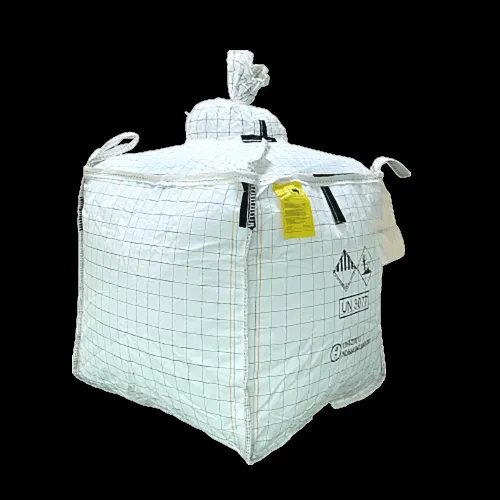
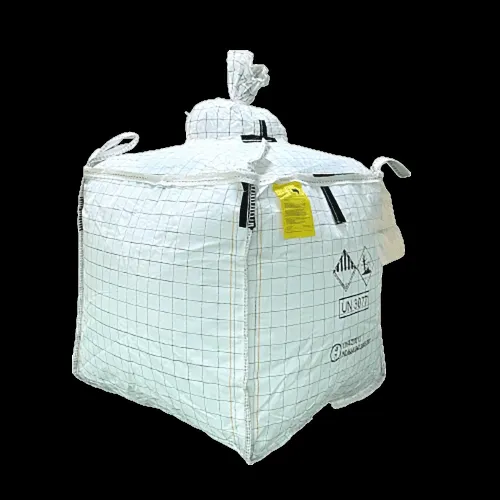
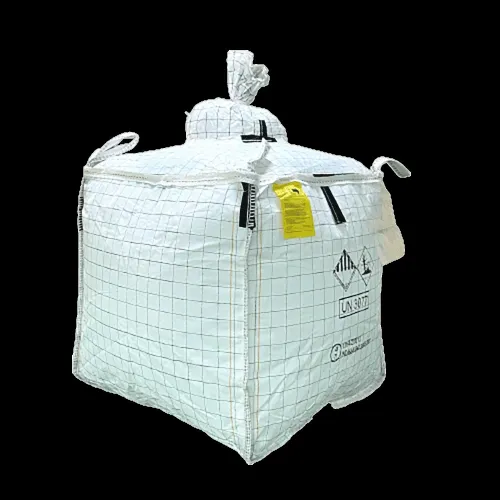
For dangerous goods, require a UN-certified FIBC with the applicable UN packaging classification, performance testing and marking. ISO 21898 covers non-dangerous materials and does not convert ordinary woven polypropylene into a dangerous-goods package.
Turn the Specification into a Comparable Chennai Quotation
A complete FIBC quotation checklist lets you compare the bag as a handling system, not as fabric by the kilogram. Give a custom bulk bag supplier in Chennai this information:
- Product name, mass per bag, bulk-density range, powder or particle form, moisture sensitivity, fill and discharge equipment, lifting equipment, storage duration, indoor or outdoor exposure, single-trip or reusable status, SWL, safety factor and static classification.
- A drawing with dimensions, tolerances, spouts, closures, loops, loop height, seams, liner fit and printing.
- Fabric weight, coated or uncoated polypropylene, seam construction, liner material and thickness, batch identification, FIBC test reports and the proposed inspection plan.
- For reusable bags, cyclic handling evidence; for static-control bags, continuity or dissipative-performance records and the grounding procedure.
- For dangerous goods, the exact UN marking and performance-test evidence, not merely a generic SWL statement.
Compare quotations on the complete system:
| Option | Compare | Failure if missed |
|---|---|---|
| Single-trip | One planned filling, lift and transport cycle | Repeated handling can damage seams |
| Reusable | Cyclic filling, storage and lifting evidence | Qualification may not cover reuse |
| Static-control | Type, continuity and grounding method | Visual checks cannot prove safe discharge |
| Dangerous-goods | UN marking and test certificate | SWL alone does not certify the package |
An acceptance plan should check dimensions, closures, loops, marking, batch traceability and liner fit. Deccan Cans & Printers Pvt. Ltd. is one supplier to ask for this evidence when comparing custom metal containers and bulk bags.
Related products
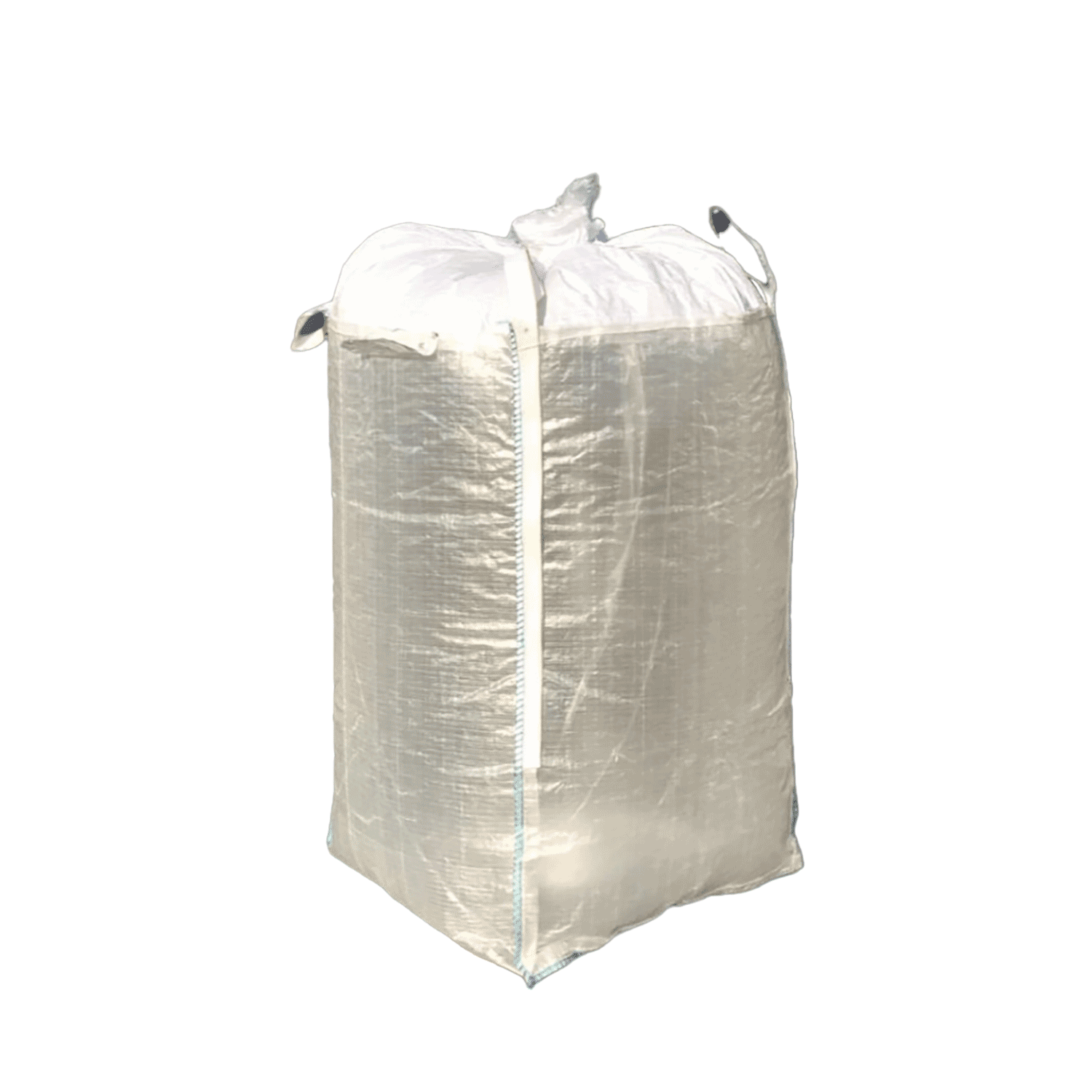 | FIBC Section Transparent Bags Transparent FIBCs – See-Through Bulk Bags Deccan Cans & Printers Pvt. Ltd. |
 | FIBC Section Bags With Liners FIBC Liners – Bulk Bag Liners Deccan Cans & Printers Pvt. Ltd. |
Frequently asked questions
What information belongs in a custom FIBC specification?
State the bag dimensions, filled product mass, lowest and highest bulk density, filling method, discharge method, lifting-loop arrangement, and whether the bag is single-trip or reusable.
How do you match FIBC construction to the material?
Specify fabric strength, seam construction, safety factor, coating and bag shape against the material’s density, flow, abrasiveness, moisture sensitivity and reuse cycle.
Which FIBC handling features should you choose?
Choose loop style, loop length, lifting arrangement, top construction and discharge outlet to match the forklift, crane, filling line and emptying equipment.
What should a Chennai FIBC quotation include?
Request comparable details for dimensions, fabric, safe working load, safety factor, liner, static control, moisture protection, printing, testing, delivery and required documents.
Related products
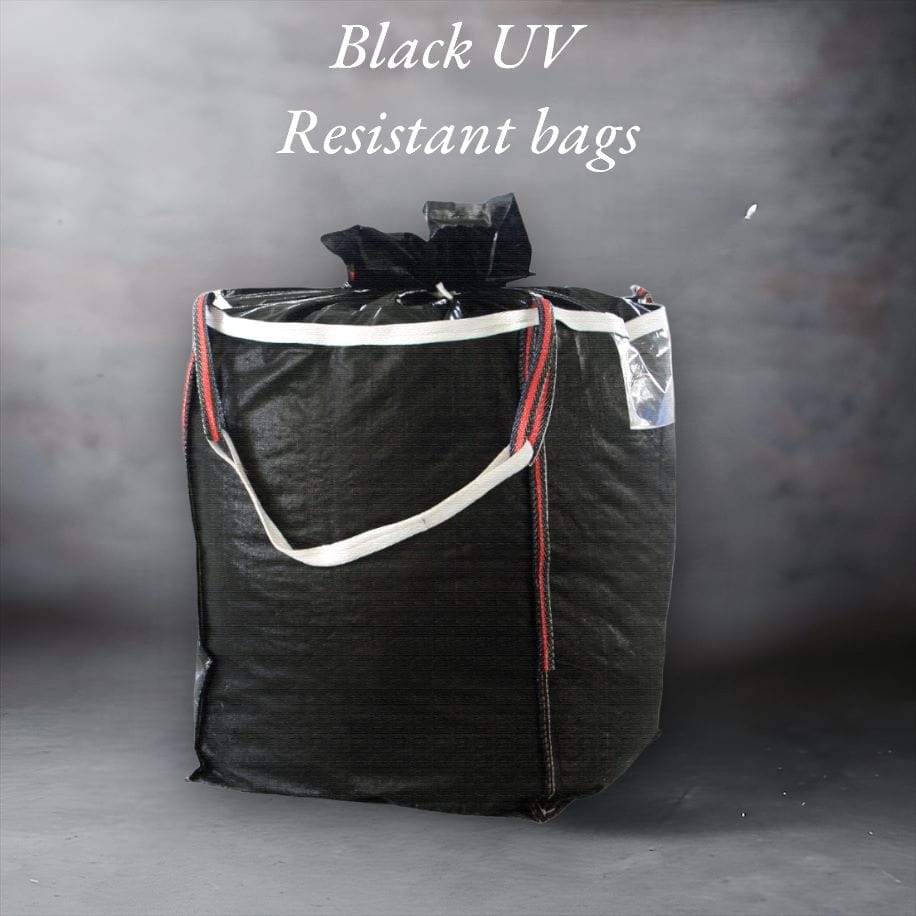 | FIBC Section Black Bags Black FIBC Bags – Enhanced UV Resistance & Extended Shelf Life UV exposure is one of the major challenges faced by the FIBC industry, as prolonged... |
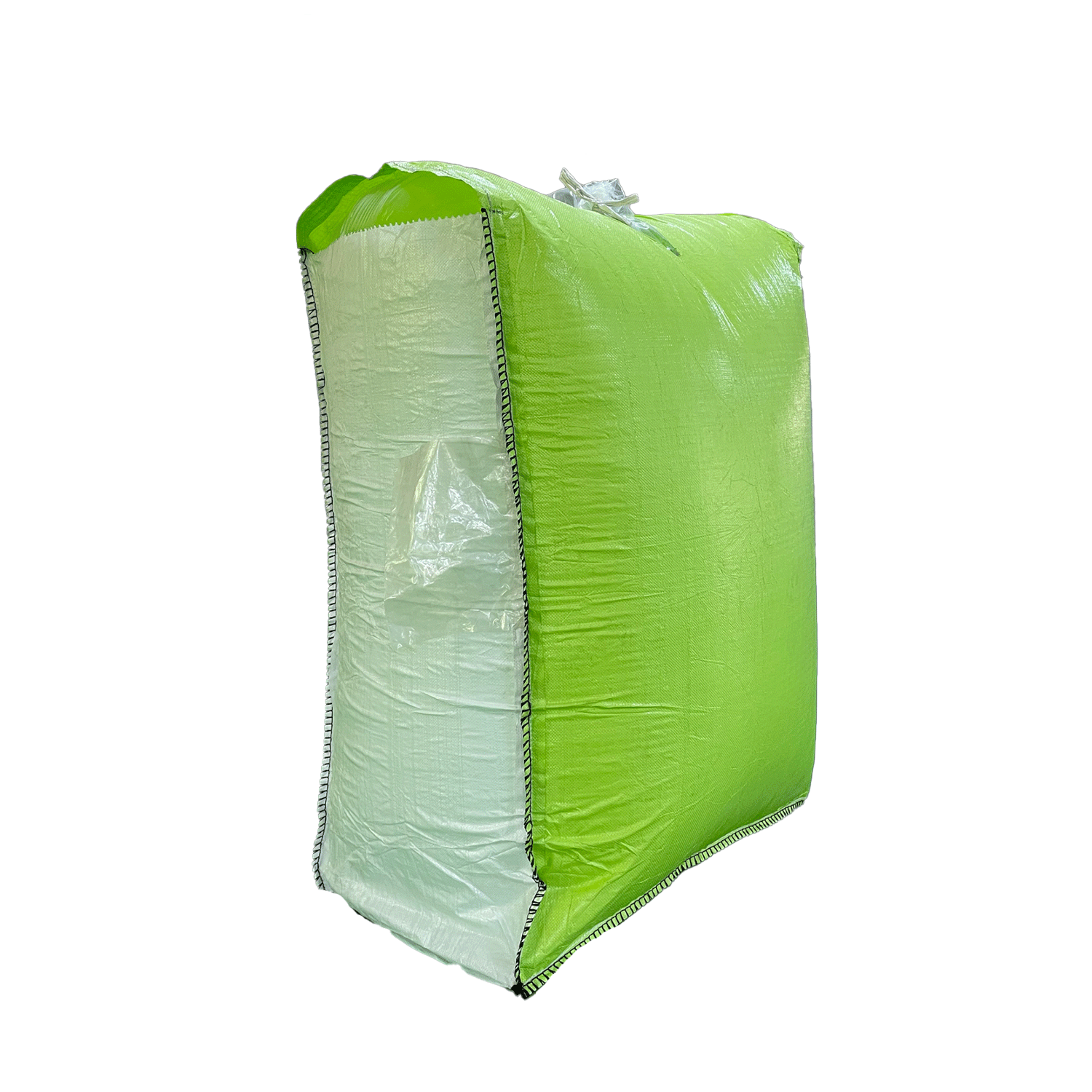 | FIBC Section Fertilizer Bag Range 1 & 2 Loop FIBC Bulk Bags Deccan Cans & Printers Pvt. Ltd. offers durable and cost-effective 1 & 2 Loop FIBC Bulk Bags, designed for the efficient... |
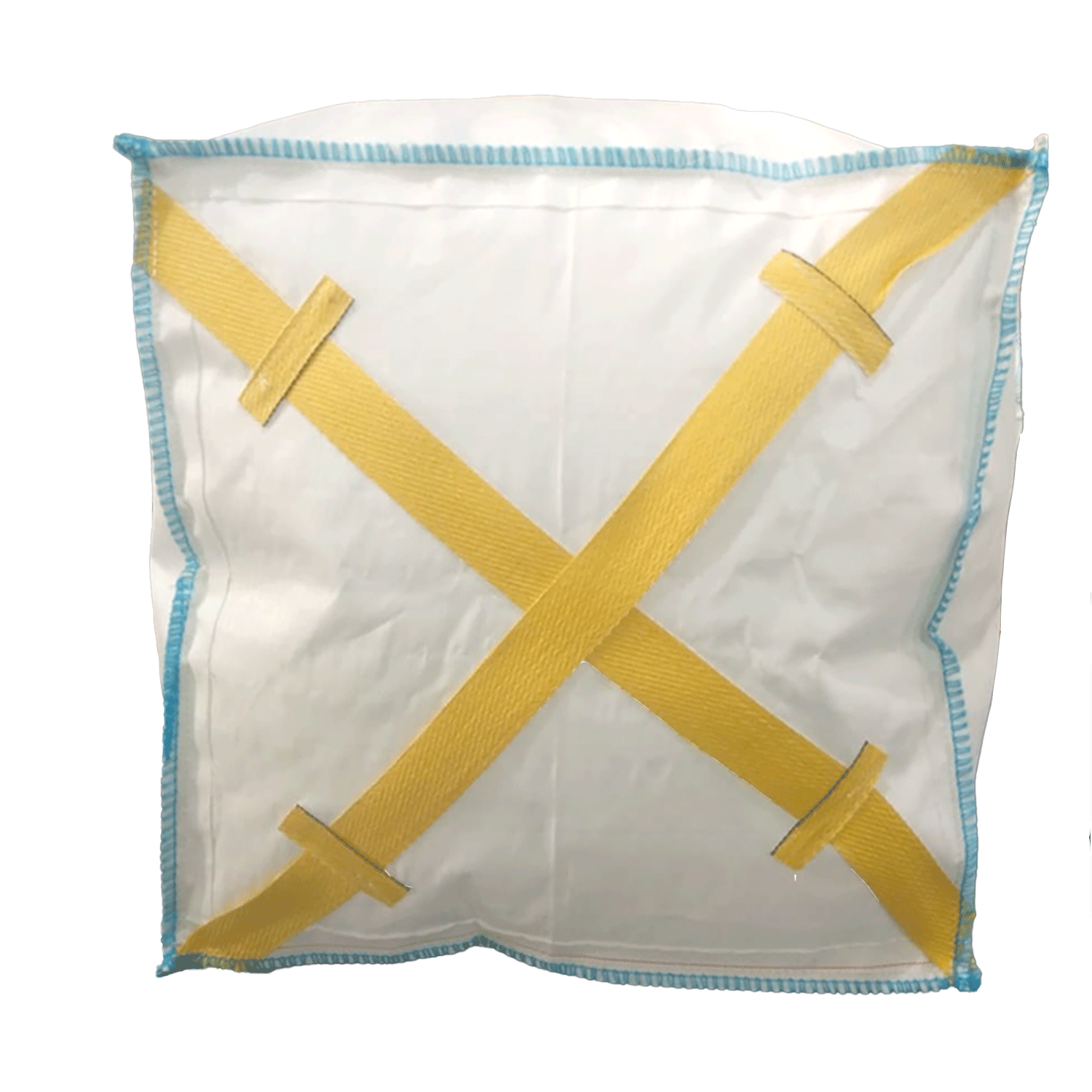 | FIBC Section Cross Bottom Sling Bags Cross Bottom Sling FIBCs – Bulk Bags Deccan Cans & Printers Pvt. Ltd. |
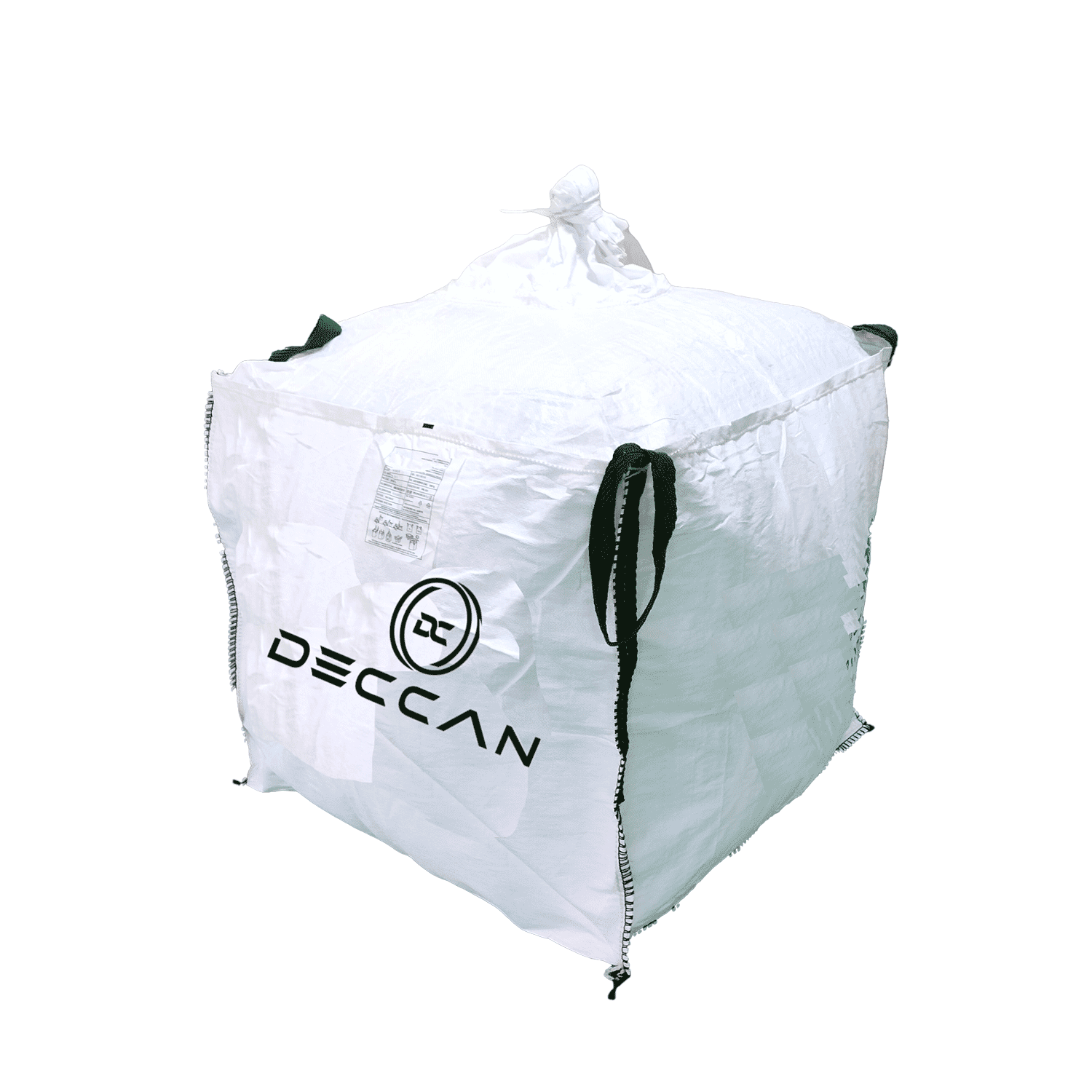 | FIBC Section Polyester Loop Bags/Multifilament Loops Polyester / Multifilament Loop FIBC Bags Deccan Cans & Printers Pvt. Ltd. |