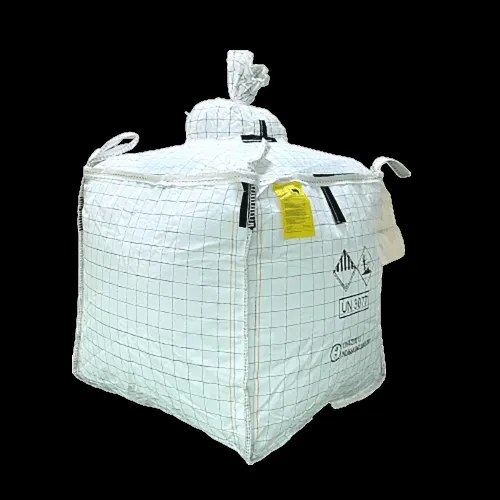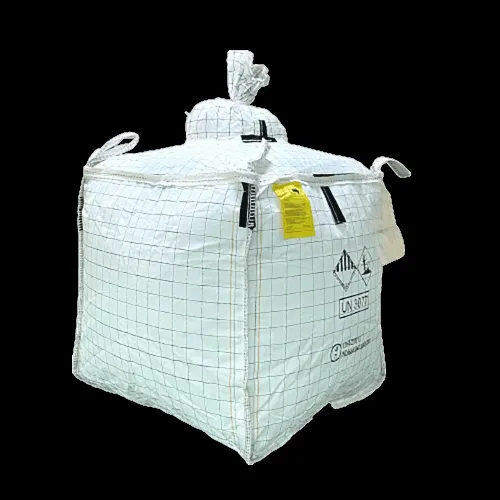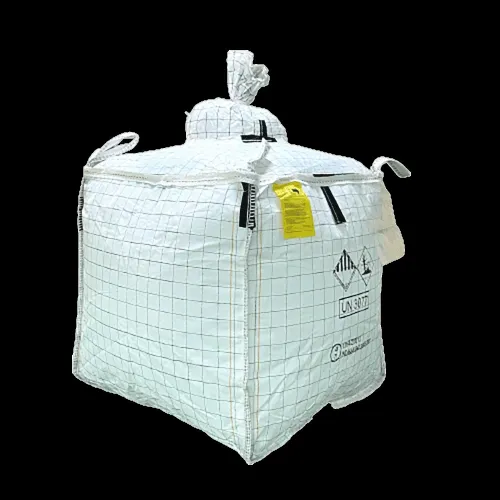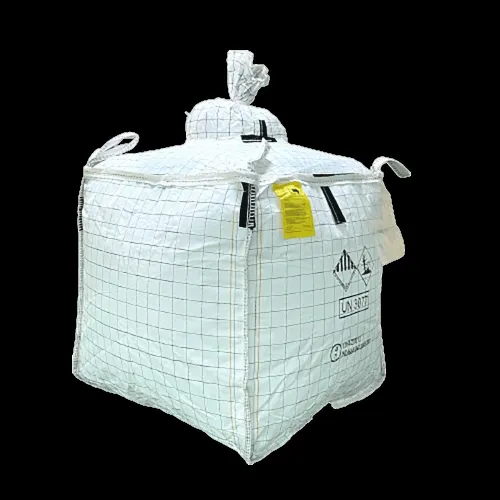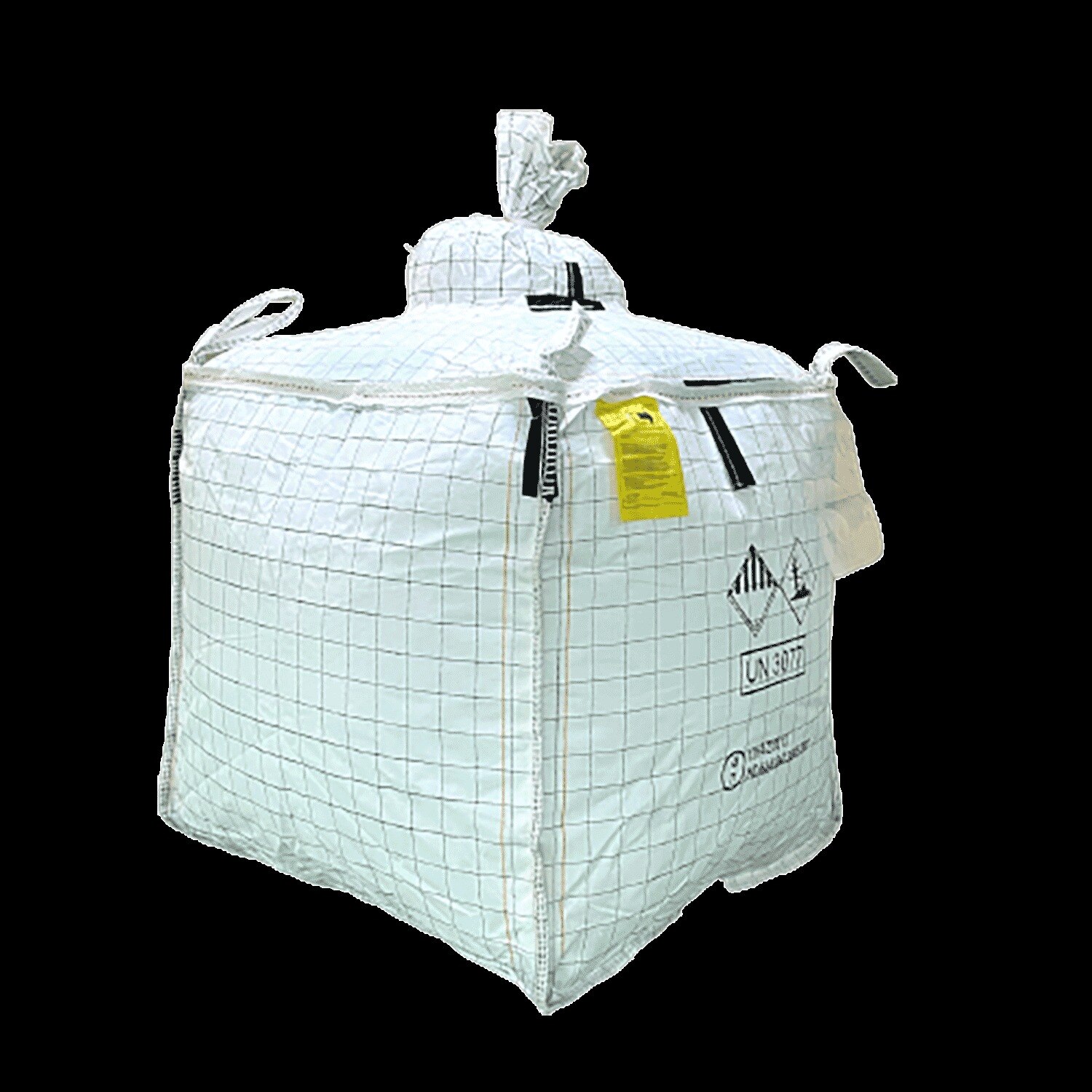
Choosing an FIBC manufacturer in Pune requires more than comparing a quoted price for a 1,000 kg bag. You need to verify the manufacturer’s production control, define the bag at component level, calculate capacity from your material, and match lifting, moisture and electrostatic controls to the process.
Key takeaways
- Confirm fabric, liner, printing and stitching locations before comparing quotations.
- Specify safe working load, safety factor, dimensions and filling density together.
- Match liner, seam design and closure type to the material’s flow and hazards.
- Request batch test records, change-control terms and delivery commitments in writing.
How to compare FIBC manufacturers in Pune before requesting prices
A Pune sales address proves nothing about where an FIBC is made. Confirm the manufacturing and conversion locations for fabric, liners, printing and stitching, then identify the legal entity responsible for batch traceability, quality control and change control.
Before requesting prices, ask for evidence that the supplier controls production:
- A factory address, equipment list and photographs showing circular looms, cutting, stitching, liner fitting and inspection.
- A sample batch record linking fabric GSM, coating, seam checks, liner inspection and final release to a lot number.
- Test reports for safe working load, seam strength and, for fine powders, sift resistance and leakage around seams, needle holes and spout closures.
- A written change-control process covering fabric suppliers, thread, liner film, seam construction and subcontractors.
- A realistic FIBC lead time separated into production, inspection and transport, plus the minimum order quantity for custom dimensions or printing.
| Evidence | Manufacturer signal | Reseller warning |
|---|---|---|
| Factory control | Named site performs cutting, stitching and inspection | Supplier cannot identify the conversion site |
| Traceability | Lot number links raw material, operators and release checks | Only a generic certificate is supplied |
| Customization | Drawing, sample approval and controlled revision | “Custom” means selecting from a catalogue |
| Powder performance | Sift-resistance or leakage results for the proposed construction | Only fabric tensile strength is offered |
A credible FIBC manufacturer comparison therefore starts with process evidence, not the lowest quotation. Verify who owns the specification when another site or subcontractor performs part of the work.
Define the FIBC specification and calculate its real capacity
A 1,000 kg FIBC is not automatically suitable for 1,000 kg of your product. Define the FIBC specifications around both mass and volume: a 1,000 kg load with a bulk density of 600 kg/m³ occupies 1.67 m³. Add 10% headspace, and the bag needs about 1.84 m³ of usable internal volume.
Give the manufacturer these details:
- Product name, target fill mass, bulk density range, particle size, abrasiveness and moisture sensitivity.
- Bag length, width, height, filling level and required headspace.
- Safe working load (SWL), lifting method and whether the bag will be lifted once or repeatedly.
- Fabric GSM, coated or uncoated woven polypropylene, liner polymer and liner thickness.
- Top construction, bottom discharge spout, closure arrangement and filling-equipment connection.
- Loop configuration, seam type, sift-control requirement and operating temperature.
- Static-risk conditions, grounding method and whether the bag enters a hazardous dust area.
| Rating | Meaning | Selection point |
|---|---|---|
| 5:1 safety factor | Tested design strength is five times the SWL | Common for single-trip handling where the specification permits it |
| 6:1 safety factor | Tested design strength is six times the SWL | Use when repeated handling or a stricter handling regime demands it |
Ask for the rated capacity, usable volume and test basis as separate figures. A bag can meet its SWL yet overflow before reaching that mass, or fit the volume while exceeding its SWL. For regulated contact or dangerous goods, request the specific declaration or UN certificate for the exact fabric, liner, seams and closures.
Match fabric, seams, liners and closures to the material
A fine powder can escape through needle holes or a spout closure even when the main fabric passes its lifting test. Select construction for containment and flow, not for external dimensions alone.
| Material or process | Fabric and liner | Seams and closure | Equipment match |
|---|---|---|---|
| Fine powder | Use a sift-resistant FIBC with an appropriate FIBC liner material; specify FIBC GSM from the required SWL and abrasion exposure | Request tested seam leakage performance, fitted liner dimensions and sealed filling and discharge spouts | Match the inlet spout to the filling nozzle and use a bottom spout with a secure tie or cap |
| Granules | Use uncoated woven polypropylene when moisture protection is unnecessary; increase fabric specification when drop or handling impact demands it | Choose reinforced seams and a top construction that prevents pellets catching in the seam | Select a wide filling inlet and discharge outlet that will not restrict the flow |
| Abrasive product | Specify a higher-wear fabric and confirm the FIBC GSM through abrasion or handling trials | Reinforce contact points, lifting-loop attachments and discharge-spout seams | Avoid tight bends that trap material and accelerate wear |
| Moisture-sensitive goods | Use a coated polypropylene FIBC, a compatible liner, or both; uncoated fabric is not a moisture barrier | Seal the liner at the filling and discharge points, then protect it from puncture | Check that the liner does not collapse around the filling nozzle or obstruct discharge |
Ask for liner compatibility with the product, filling temperature and equipment. Confirm whether the closure can be opened safely without spilling or damaging the liner.
Choose electrostatic protection and lifting construction together
A 1,000 kg rating does not make every lifting arrangement safe. Select the electrostatic class, loop design and lifting equipment as one handling system, then document the controls for filling and discharge.
| FIBC type | Grounding control | Suitable decision |
|---|---|---|
| Type B FIBC | Use where the fabric limits propagating brush discharges; control ignition sources and dust exposure | Combustible powders without flammable vapour or gas around the bag |
| Type C FIBC | Connect the bag’s conductive threads to verified plant earth before filling, keep the connection during discharge, and check continuity | Combustible dusts or flammable atmospheres requiring controlled charge dissipation |
| Type D FIBC | Use only within the manufacturer’s specified conditions; the design dissipates charge without a grounding lead | Sites that can maintain the stated environmental and handling controls |
| Antistatic FIBC | Treat “antistatic” as a construction description, not proof of safe installation | Confirm the exact type, test evidence and grounding procedure |
Bond the filling equipment, discharge equipment and nearby conductive parts to the same grounding system. A conductive bag alone cannot control charge if the earth lead is broken, the filling rate is excessive or a flammable atmosphere surrounds the operation.
Specify whether the bag uses four corner loops, cross-corner loops, sleeve lifting or a single-point design. Use every loop required by that design, keep sling angles within the supplier’s limits, and lift only with rated forks, hooks or spreader bars that cannot cut the fabric.
Confirm the lifting method against SWL and safety factor; a discharge spout must not carry lifting load.
Use testing, delivery and service terms to make the final supplier decision
Choose the supplier whose evidence reduces operating risk, not the one with the lowest bag price. Request the exact ISO 21898 FIBC test report, edition, bag construction and tested safe working load; “ISO compliant” alone proves little. Confirm whether the report covers your dimensions, loops, liner, seams and closures.
| Factor | Ask for | Compare or reject |
|---|---|---|
| Quotation | Unit price, printing, liner, freight, taxes, tooling and payment terms | Separate one-time costs from repeat-bag costs |
| Testing | Drop, stacking, lifting and handling results, plus powder sift or leakage evidence | Reject an unsigned summary with no sample or report reference |
| Outdoor storage | FIBC UV resistance test basis, permitted exposure period and storage conditions | Do not treat black fabric as unlimited sunlight protection |
| Quantity | FIBC minimum order quantity, price breaks, production lead time and overrun policy | Compare total cash tied up, not only price per bag |
| Delivery and service | Dispatch point, Pune delivery time, replacement terms and named quality contact | Get delay responsibility in writing |
For an incoming FIBC inspection, record bag dimensions, loop condition, stitching, spout closures, liner fit, printing and batch number before filling. A failed sample should trigger quarantine, not informal acceptance.
Ask Deccan Cans & Printers Pvt. Ltd. to identify the actual manufacturing and conversion sites, the legal entity issuing the report, and the batch-traceability process; a Pune sales address does not establish local production. Put delivery dates, inspection rights, corrective-action deadlines and approval of construction changes into the purchase order.
Related products
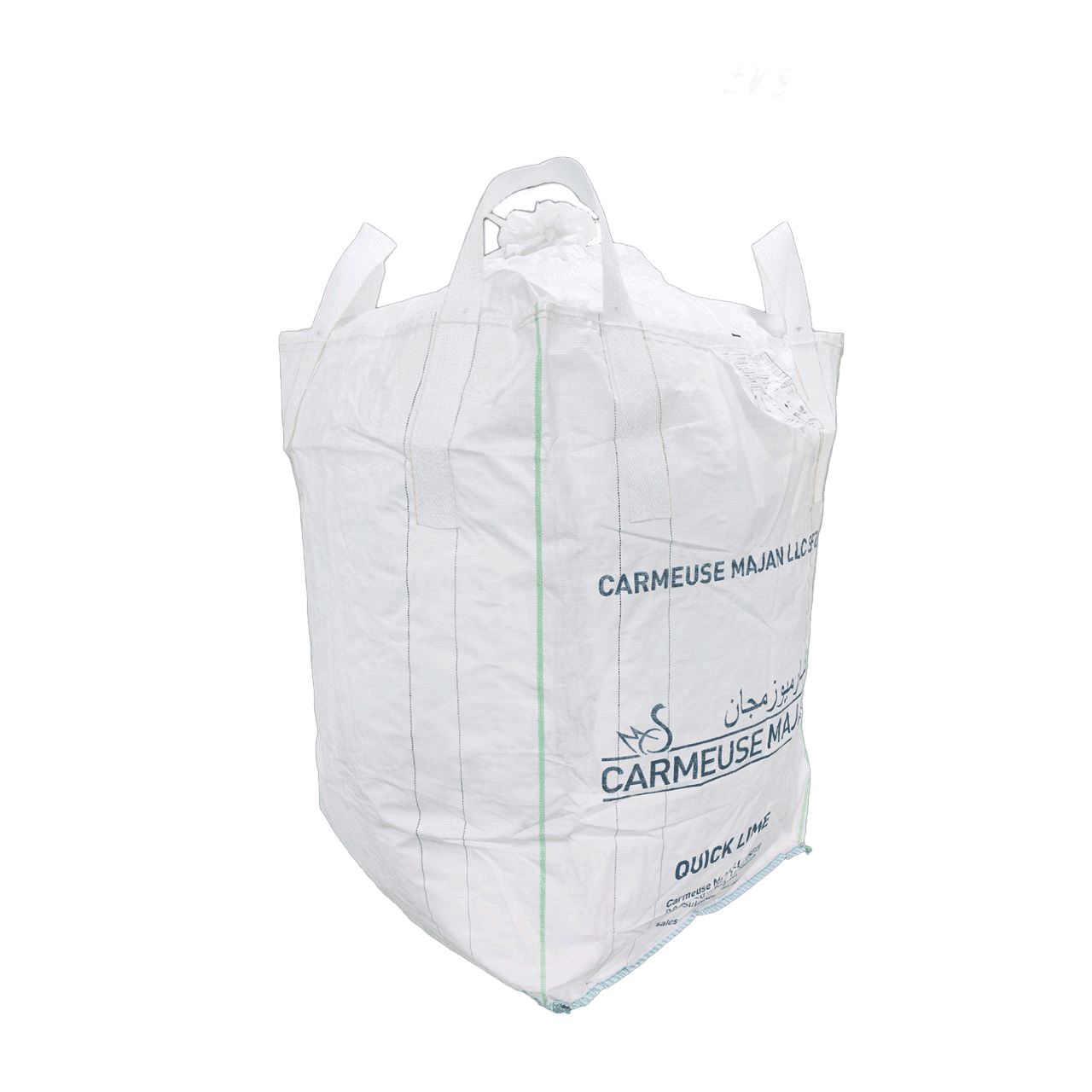 | FIBC Section Bags With Liners FIBC Liners – Bulk Bag Liners Deccan Cans & Printers Pvt. Ltd. |
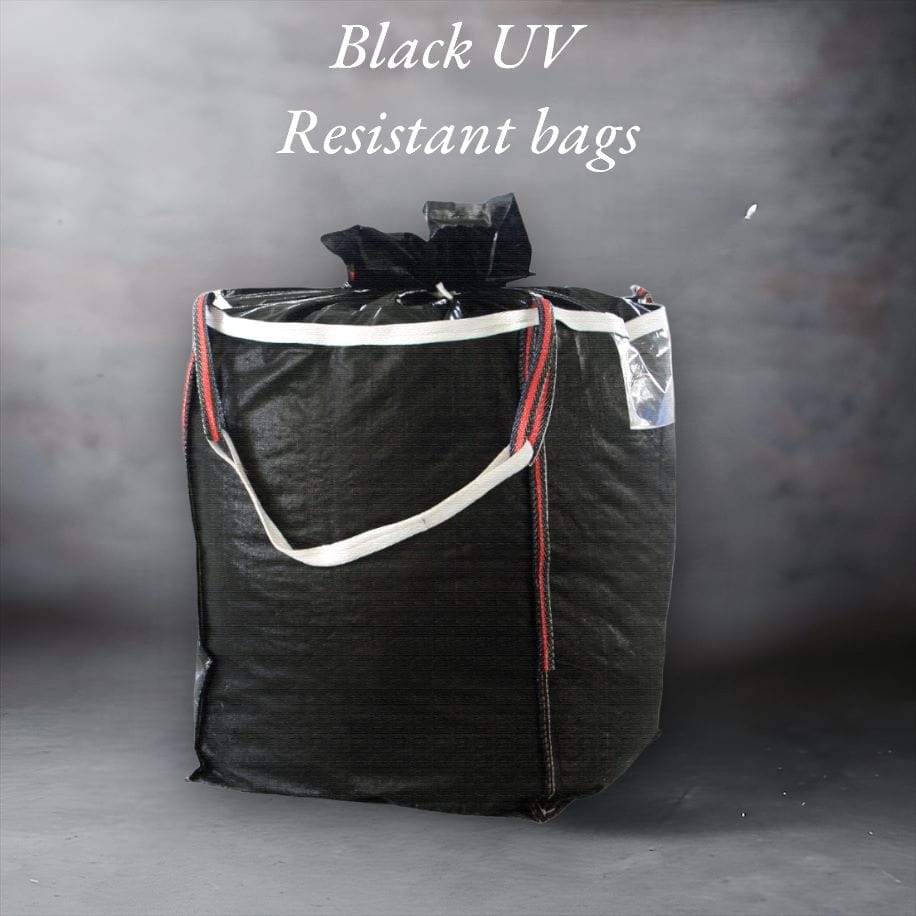 | FIBC Section Black Bags Black FIBC Bags – Enhanced UV Resistance & Extended Shelf Life UV exposure is one of the major challenges faced by the FIBC industry, as prolonged... |
Frequently asked questions
How should you compare FIBC manufacturers in Pune?
Verify each supplier’s manufacturing and conversion locations, legal entity, batch traceability, quality controls, testing records, delivery terms and after-sales process before comparing prices.
How do you define an FIBC specification and calculate real capacity?
State the safe working load, safety factor, bag dimensions, filling density, construction, inlet and outlet design, and calculate usable volume from the product’s bulk density rather than nominal bag size alone.
How do you choose FIBC fabric, seams, liners and closures?
Match the polypropylene fabric, seam construction, liner material, inlet, outlet and closure to the product’s particle size, flow behaviour, moisture sensitivity, temperature and contamination risk.
When do you need electrostatic protection, and how should lifting construction be selected?
Choose the electrostatic category and grounding provisions with the lifting-loop design, then confirm the complete bag construction suits the product hazard, handling equipment and intended filling and discharge process.
Related products
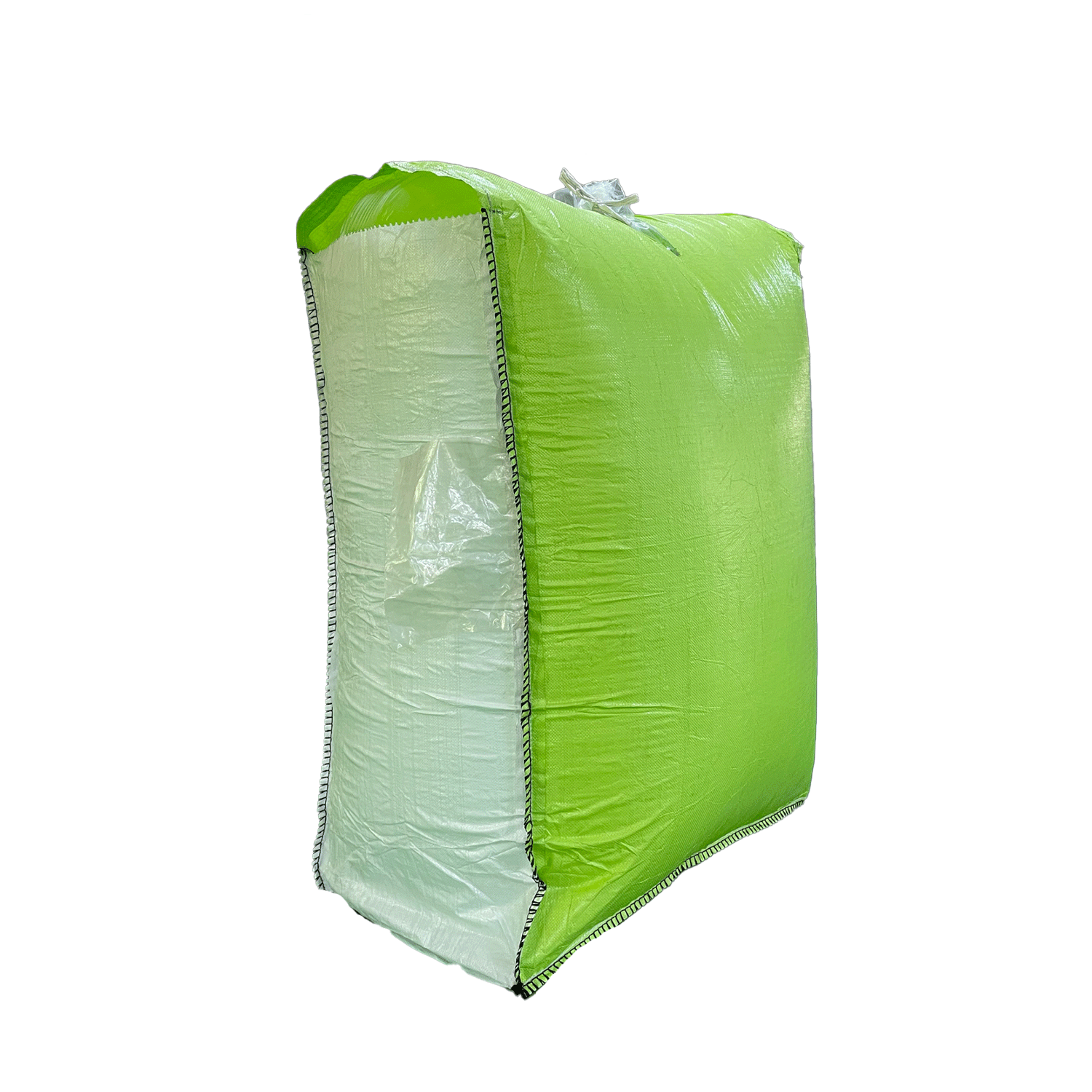 | FIBC Section Fertilizer Bag Range 1 & 2 Loop FIBC Bulk Bags Deccan Cans & Printers Pvt. Ltd. offers durable and cost-effective 1 & 2 Loop FIBC Bulk Bags, designed for the efficient... |
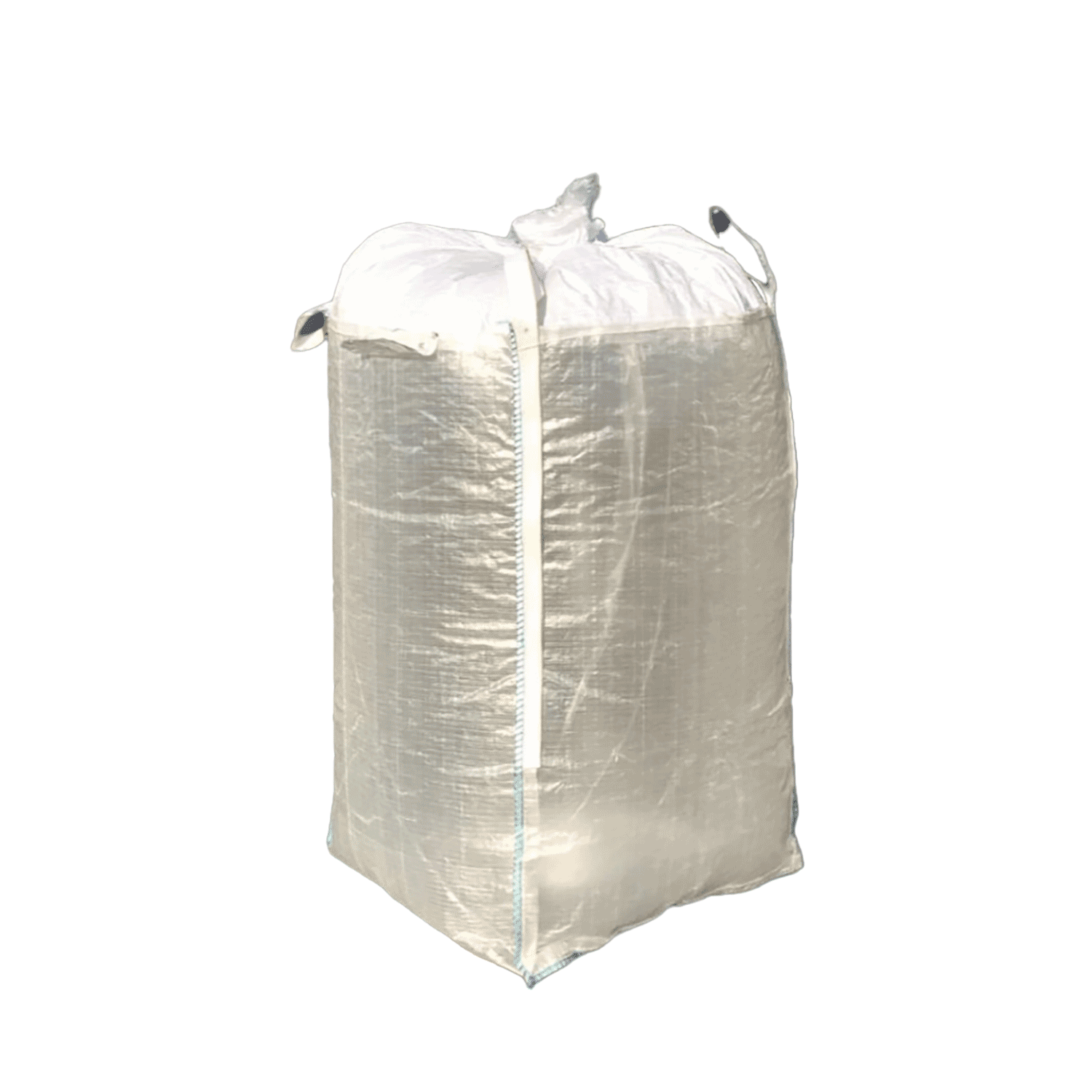 | FIBC Section Transparent Bags Transparent FIBCs – See-Through Bulk Bags Deccan Cans & Printers Pvt. Ltd. |
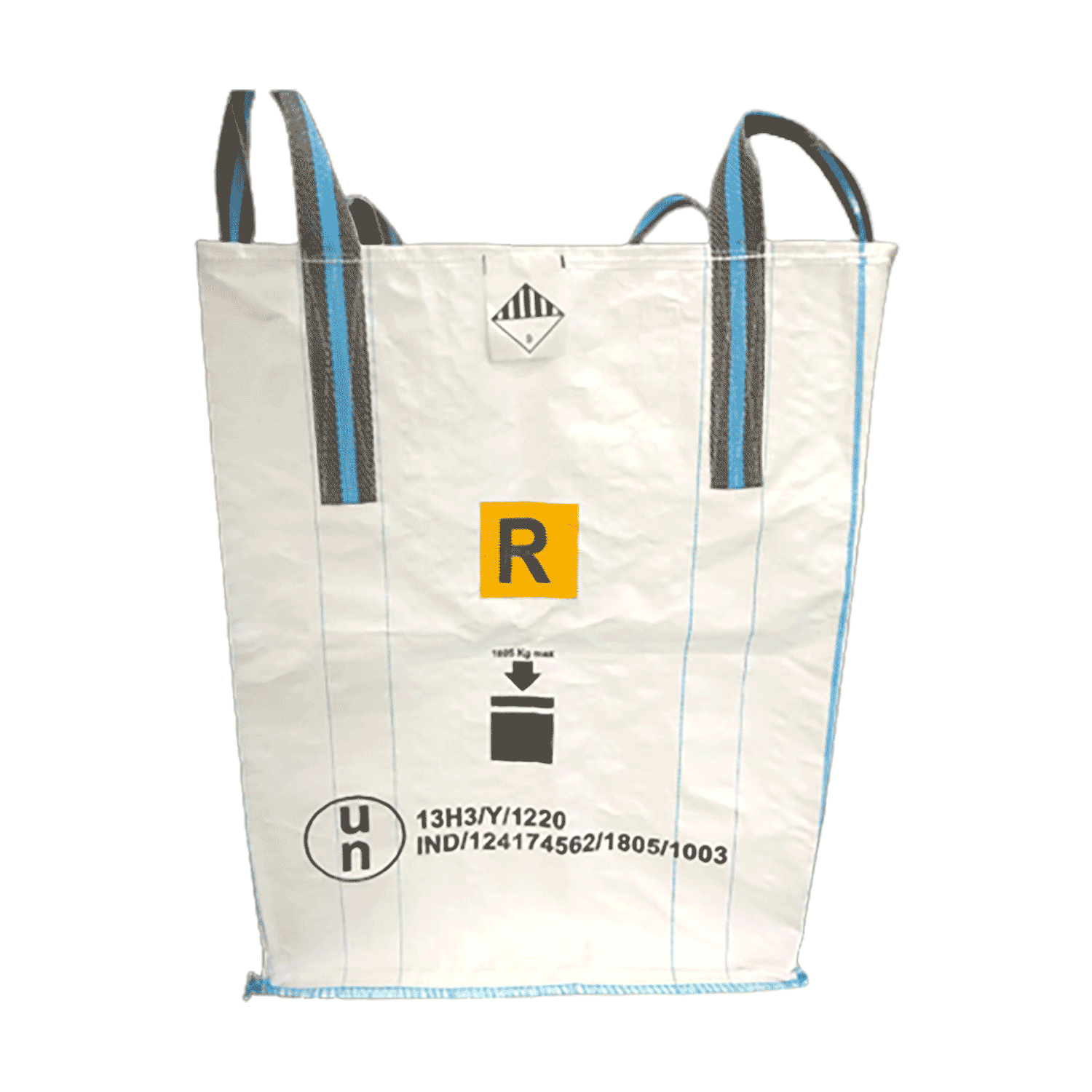 | FIBC Section Un Bags UN Certified Bulk Bags – Rigorous Performance Testing for Safety & Reliability Deccan UN Certified Bulk Bags are specially engineered for the safe... |
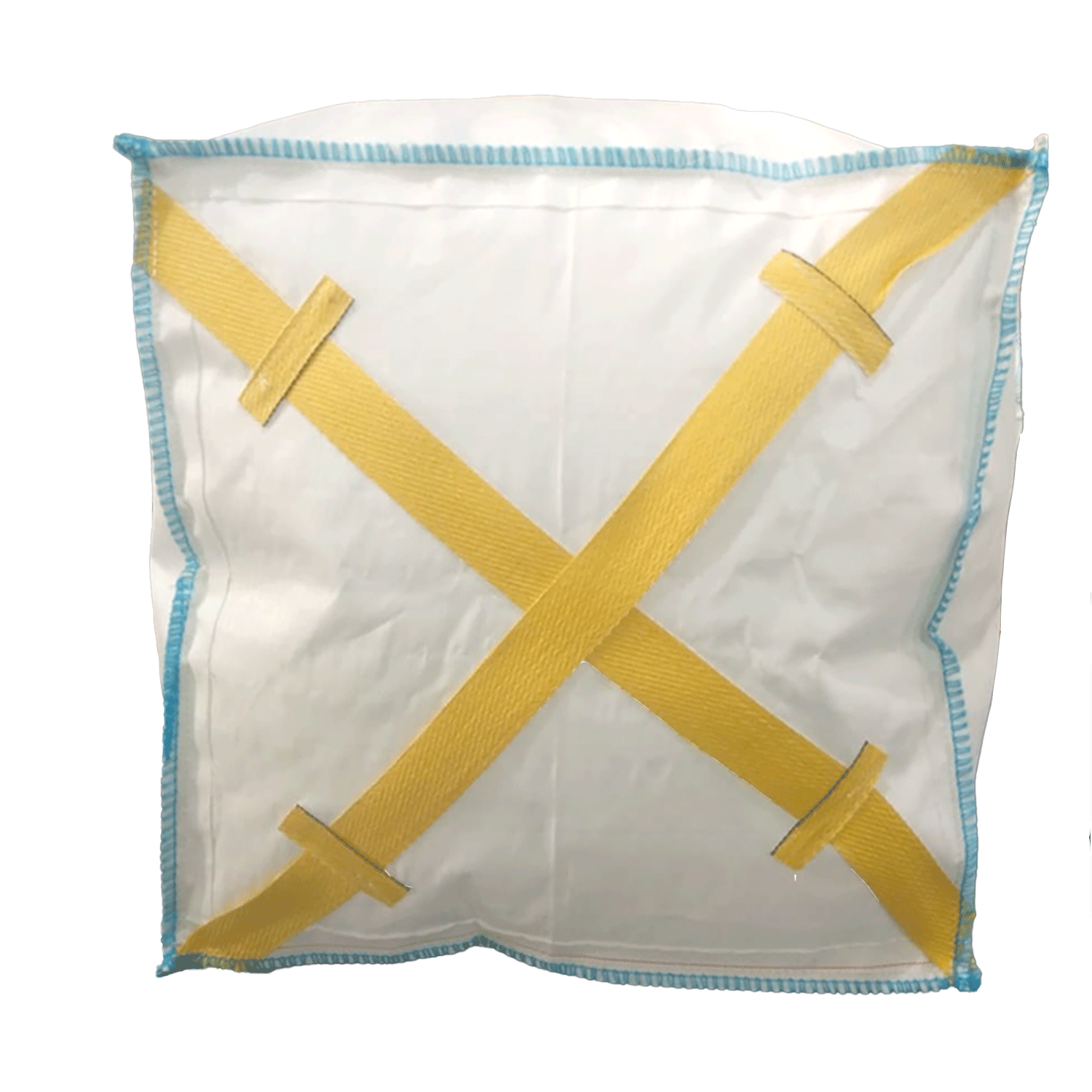 | FIBC Section Cross Bottom Sling Bags Cross Bottom Sling FIBCs – Bulk Bags Deccan Cans & Printers Pvt. Ltd. |