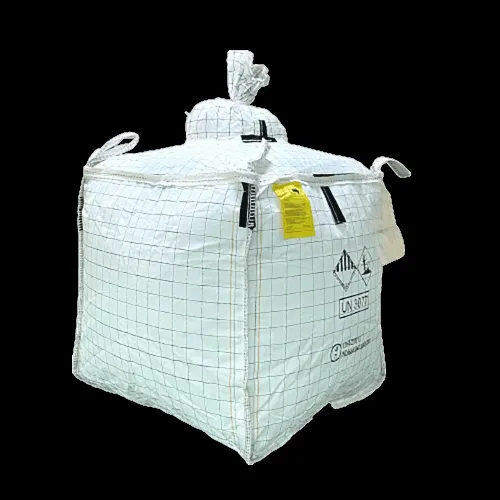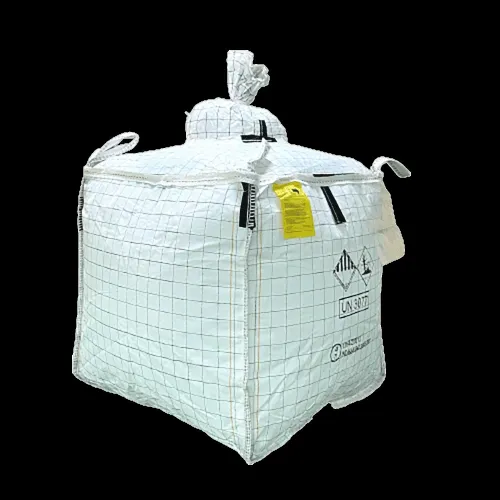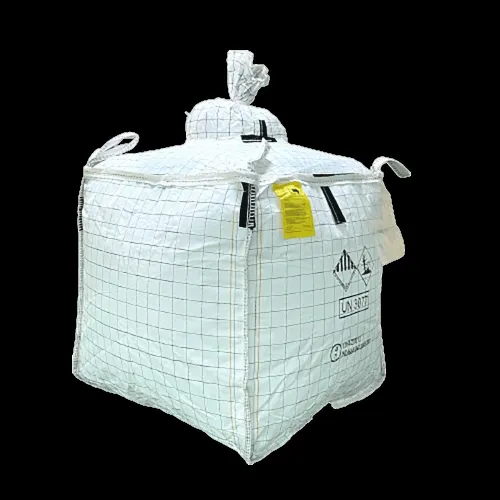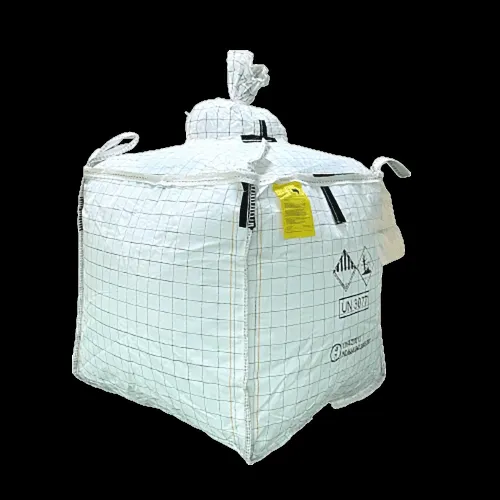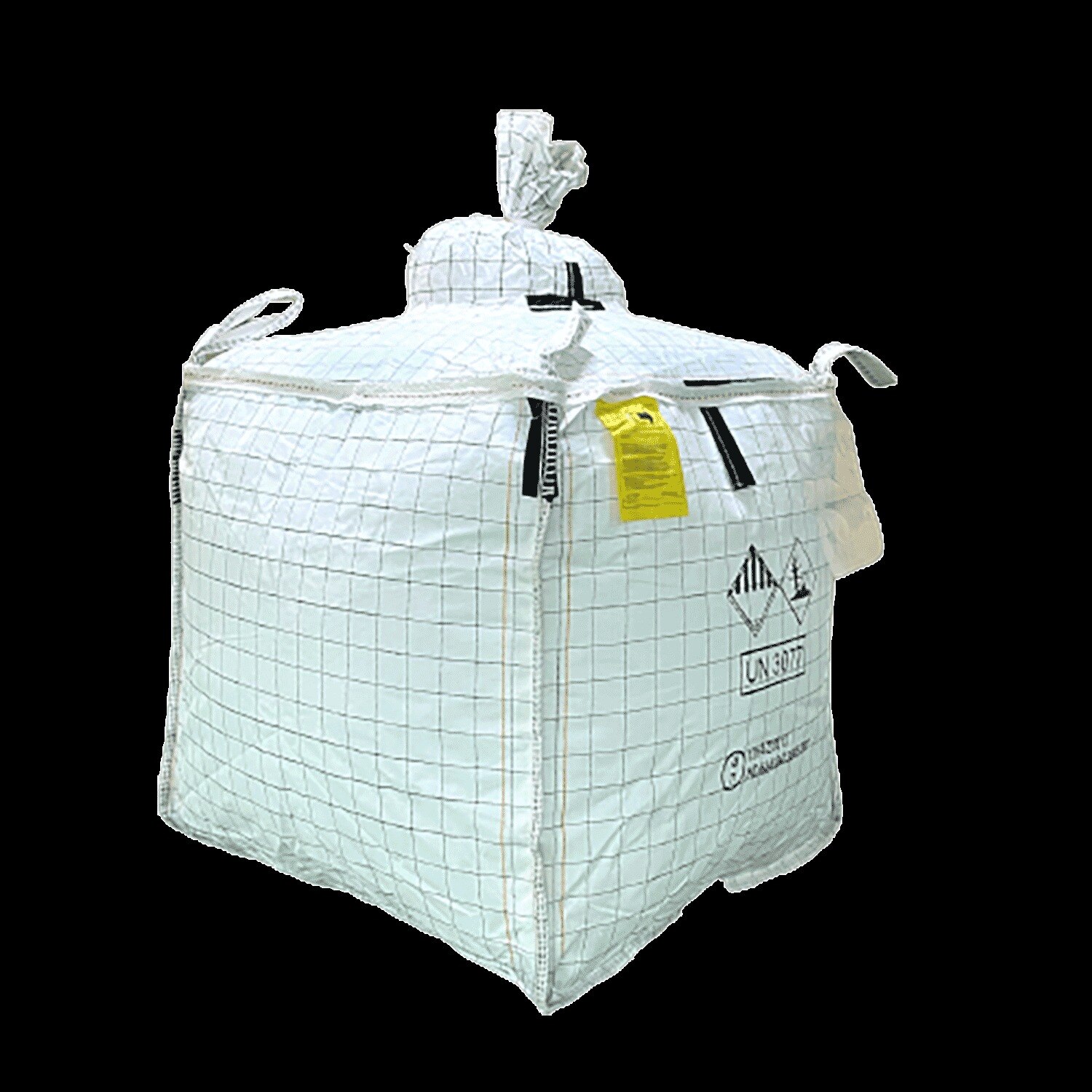
Choosing an FIBC for a chemical or pharmaceutical product requires more than matching bag size to batch size. You need to connect the product’s hazard, bulk density, moisture and contamination risks with the bag construction, liner, electrostatic controls, transport approval and handling equipment before placing an order.
Key takeaways
- Use FIBCs for compatible, free-flowing solids in suitably sized batches.
- Match the bag’s UN design code to the classified hazardous material.
- Specify liner material, thickness, fit and static-control type in writing.
- Request traceability, cleanliness records and material documentation for pharma use.
Which chemical and pharmaceutical products belong in an FIBC?
Chemical powders, pharmaceutical powders, granules, crystals and intermediates in FIBCs are suitable when the solid flows, the batch is large enough, and polypropylene with its liner is compatible. APIs and excipients need documented material identity, cleanliness and compatibility controls; process waste needs a containment and decontamination review.
Package choice changes with the hazard and operating method:
| Option | Main trade-off | Use or avoid |
|---|---|---|
| Ordinary FIBC | High capacity, low handling labour; limited barrier | Dry, non-dangerous solids |
| Woven sacks | Easier manual handling; poorer containment and dust control | Smaller quantities, not fine hazardous powders |
| Rigid IBCs | Better protection and stacking; higher cleaning and handling cost | Liquids, rigid containment or repeated use |
| Drums | Strong containment; slower filling and more labour | Toxic substances, small batches or segregation |
| Fibreboard boxes | Simple outer protection; weak moisture resistance | Secondary packaging for sealed inner bags |
| Smaller pharmaceutical bags | Good sampling and dispensing control; low capacity | Very small batches or controlled weighing |
Choose another package for liquids, sterile products requiring closed aseptic handling, closed-containment potent pharmaceuticals, materials incompatible with polypropylene, or products needing a rigid oxygen or moisture barrier. Corrosive chemicals, oxidising materials, flammable powders, toxic substances and hygroscopic products require separate chemical, static, barrier and containment assessments—not a generic polypropylene bag.
For non-dangerous solid materials, ISO 21898 addresses FIBC design, testing and use. It does not replace UN performance approval for regulated dangerous solids in transport.
Black, transparent and white FIBCs are operational choices: black absorbs heat and limits inspection, transparent aids identification and UV exposure, while white supports visual inspection. No colour proves chemical compatibility.
What UN approval must the bag and shipment have?
A shipment needs a UN-marked FIBC when its substance is classified as dangerous goods and the applicable transport rules permit that packaging.
Classify it by UN number, hazard class, packing groups and transport mode, then check the UN Recommendations on the Transport of Dangerous Goods, the IMDG Code for sea freight, the ICAO Technical Instructions for air freight and Indian road transport rules.
| Option | What it means | When it applies |
|---|---|---|
| Ordinary FIBC | No dangerous-goods performance approval | Non-dangerous solids; ISO 21898 is not a substitute for UN approval |
| UN-certified FIBC | Tested packaging with a defined scope | Dangerous solids transported within its marked limits |
| FIBC inside certified outer packaging | The outer package carries the transport approval | Use only when the complete combination is approved |
For dangerous solids, the quotation must state the complete code: UN packaging code 13H1 (woven plastics without an inner liner), 13H2 (sift-proof liner), 13H3 (water-resistant) or 13H4 (sift-proof and water-resistant).
Inspect the UN marking for the symbol, code, performance level, maximum gross mass, test pressure, manufacturer or certifier identification and production year. The qualification covers the drop test, top-lift test, stacking test, tear test and righting test, plus the approved liner, closure and filling arrangement.
Request the test report, certificate of conformity, production-lot traceability and approval scope. Changing construction can cancel approval. The 5:1 and 6:1 safety factors describe design or service classifications, not automatic reuse permission; reuse requires controlled inspection and traceability.
How should you specify the liner and static-control system?
Specify FIBC liners by polymer type, liner thickness, seal construction, temperature range, chemical compatibility, storage duration, and extractables and leachables risk. “Laminated” and “pharma grade” are not specifications. Request water-vapour and oxygen transmission data for hygroscopic products, plus compatibility evidence for the actual formulation.
| Option | Main benefit | Main risk or requirement |
|---|---|---|
| Loose liner | Flexible, replaceable containment | Can fold into the spout, retain powder, or develop leakage paths |
| Form-fit liner | Follows the bag shape and reduces folds | Must match bag geometry, filling equipment, and discharge equipment |
| Attached liner | Stays positioned during handling | A failed seam or seal can compromise the complete bag |
| Aluminium-barrier liner | Controls oxygen and moisture ingress | Requires verified laminate, seal construction, and pinhole control |
| Conductive liner or antistatic liner | Controls charge in selected powder or solvent service | Must match the static assessment; neither replaces grounding requirements automatically |
Choose the static system from powder combustibility, flammable solvent vapour, oxygen concentration, dust-hazard analysis, and hazardous-area classification. A Type C FIBC needs a continuously grounded path and a conventional resistance to ground below 10 megohms. A Type D FIBC dissipates charge without a user earth connection, but only with its specified fabric and contamination controls.
Conductive, antistatic, dissipative, and ordinary polypropylene are not interchangeable.
Inspect for liner collapse, pinholes, powder leakage, seal failure, and dust clouds during filling, transport, and discharge. Use an iris closure, pinch closure, or spout tie that suits the process, and specify a dust-tight discharge connection. Verify grounding continuity before every filling and discharge operation.
What quality controls make an FIBC acceptable for pharmaceutical use?
A product-contact FIBC is acceptable only when its materials, cleanliness and compatibility are documented. “Food grade” and “pharma grade” do not prove suitability for a specific API or excipient, while a certificate of analysis does not replace an extractables and leachables assessment. Define whether the bag serves product contact, secondary containment or controlled GMP operations.
1. Classify the bag as a single-use FIBC or reusable FIBC. Reuse requires a defined cleaning status, validated cleaning method, inspection criteria, tamper evidence, foreign-particle control and batch traceability. A 5:1 or 6:1 rating is not permission to reuse a single-trip bag.
2. Request a certificate of analysis, certificate of conformity, resin declaration, liner and ink identity, migration data, extractables data, cleanliness statement, change-control history and batch traceability record. Tie compatibility review to the actual formulation, liner, ink, storage time and temperature.
3. Complete incoming inspection before release. Reject bags with damaged seams, contaminated fabric, broken lifting loops, wetness, liner punctures, incorrect UN markings or compromised closures. Record the lot number and retain the inspection result.
4. Fill, lift and discharge with approved equipment; never drag a bag or stand beneath a suspended load. Stack only on stable pallets, then use covered, elevated monsoon storage in Pune with ultraviolet, heat, moisture, rodents, chemicals and contamination controlled. Include moisture-ingress controls and lot records.
Follow the safety data sheet and site procedure for decontamination or hazardous waste disposal, especially after potent-material contact.
How do you write the FIBC specification and compare Pune suppliers?
A useful supplier enquiry defines the product, handling system and regulatory duty—not merely “one jumbo sack.” Include:
- Product name, UN number, hazard class, packing group, chemical concentration, particle size, bulk density and moisture sensitivity
- Temperature range, batch size, required capacity, transport route and regulatory status
- FIBC dimensions, liner specification, inlet design, discharge outlet, spout length, closure type and lifting-loop configuration
- Filling method, discharge method, forklift or hoist requirements and weighing equipment
Calculate fill volume as mass ÷ bulk density. For example, 500 kg at 0.5 kg/L requires 1,000 L; reduce the filling volume to leave working headspace, or the bag can bulge, become unstable or overload its loops. Confirm that the quoted safe working load (SWL) and safety factor match the lifting method and reuse policy.
A 5:1 marking does not permit reuse unless the design, inspection and traceability system support it.
Specify inlet and discharge arrangements that support dust control: a closable top inlet, matched spout length and a discharge outlet that limits powder residue. Add labour for filling, weighing, grounding, lifting, discharge, liner removal and disposal.
| Compare from each Pune FIBC supplier | Ask for |
|---|---|
| Resin and liner | Resin declaration, liner data and chemical compatibility |
| Compliance | UN code, test reports and conformity records |
| Supply control | Batch traceability, inspection arrangements and lead time |
Deccan Cans & Printers Pvt. Ltd. can help turn these operating details into a documented specification. Confirm that tin and metal secondary packaging is compatible and correctly UN-approved; metal appearance alone proves nothing.
Related products
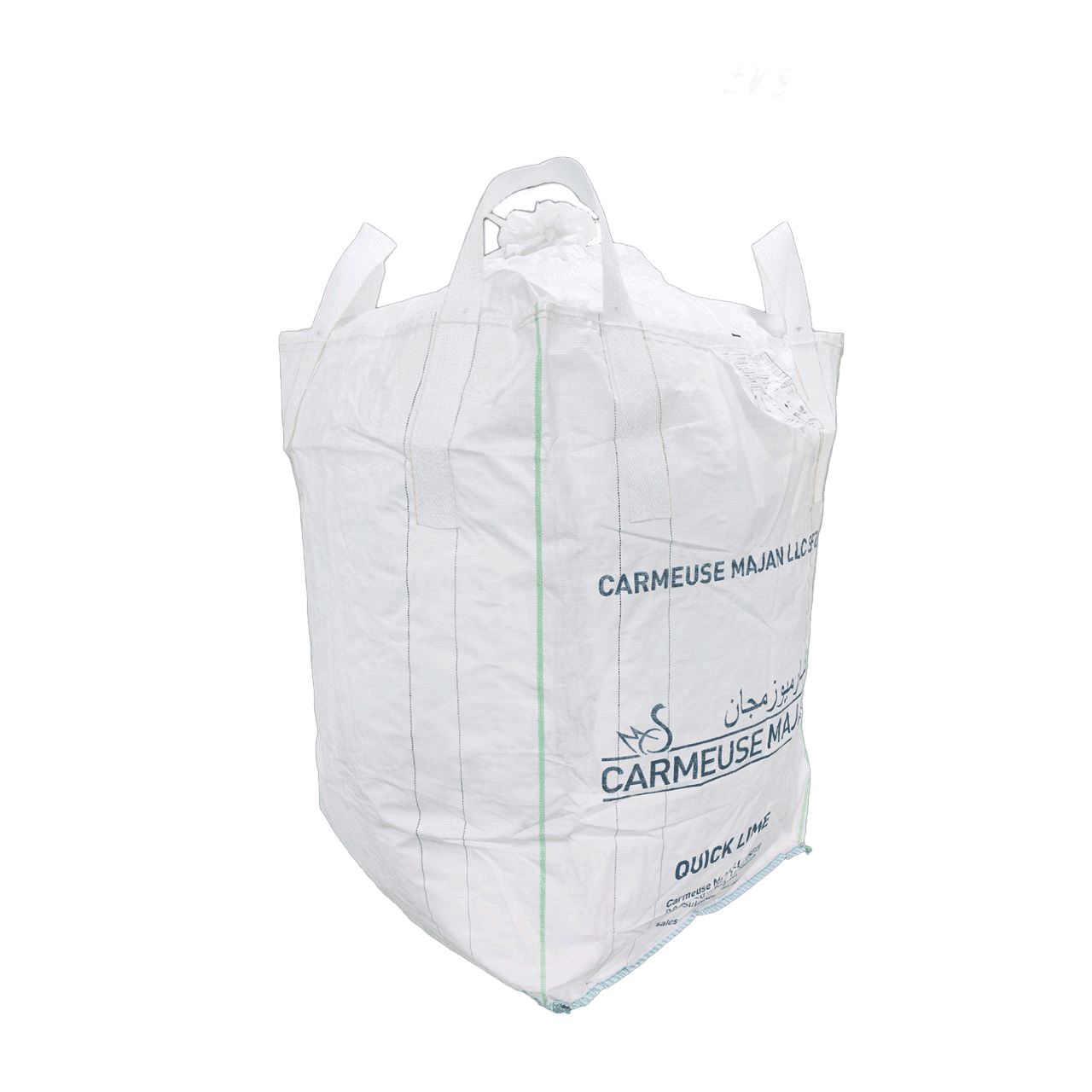 | FIBC Section Bags With Liners FIBC Liners – Bulk Bag Liners Deccan Cans & Printers Pvt. Ltd. |
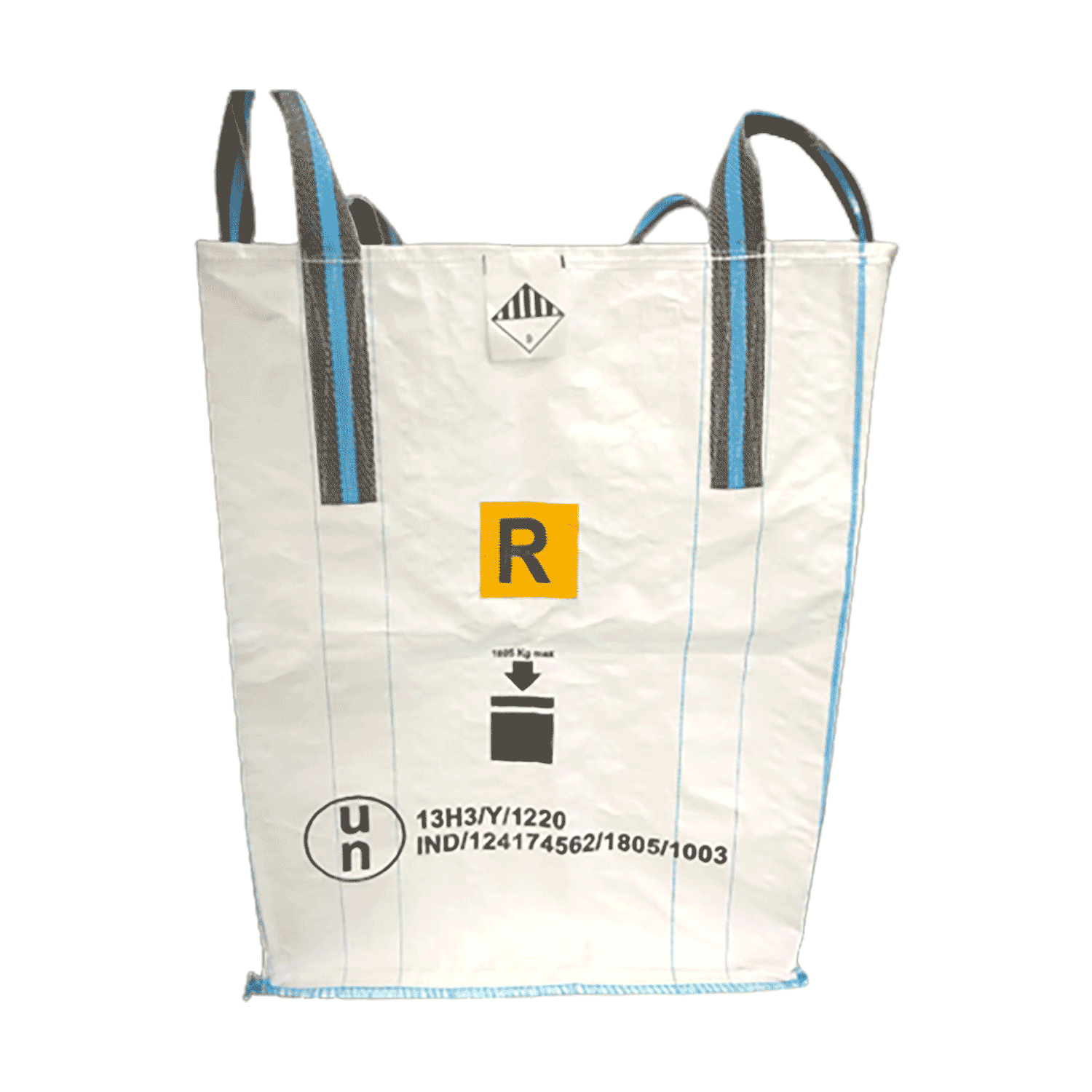 | FIBC Section Un Bags UN Certified Bulk Bags – Rigorous Performance Testing for Safety & Reliability Deccan UN Certified Bulk Bags are specially engineered for the safe... |
Frequently asked questions
Which chemical and pharmaceutical products belong in an FIBC?
FIBCs suit compatible, free-flowing powders, granules, crystals and intermediates in large batches. Review containment and decontamination separately for process waste.
What UN approval must the bag and shipment have?
For dangerous solids, match the FIBC’s tested UN design type, such as 13H1, 13H2, 13H3 or 13H4, to the substance classification and packing requirements. The shipment also needs the correct packaging, marking, labelling and transport documents.
How should you specify the liner and static-control system?
State the liner polymer, thickness, dimensions, closure, fit and compatibility requirements. Select Type B, Type C or Type D static control according to the powder’s ignition risk, grounding procedure and handling environment.
What quality controls make an FIBC acceptable for pharmaceutical use?
Require documented fabric and liner identity, batch traceability, cleanliness controls, inspection results, closure checks and certificates of analysis or conformity where specified. Define the acceptance criteria before production.